
Stopped· since Nov 25, 2025
- 111
- days it ran
- 0
- relaunches
Ad copy
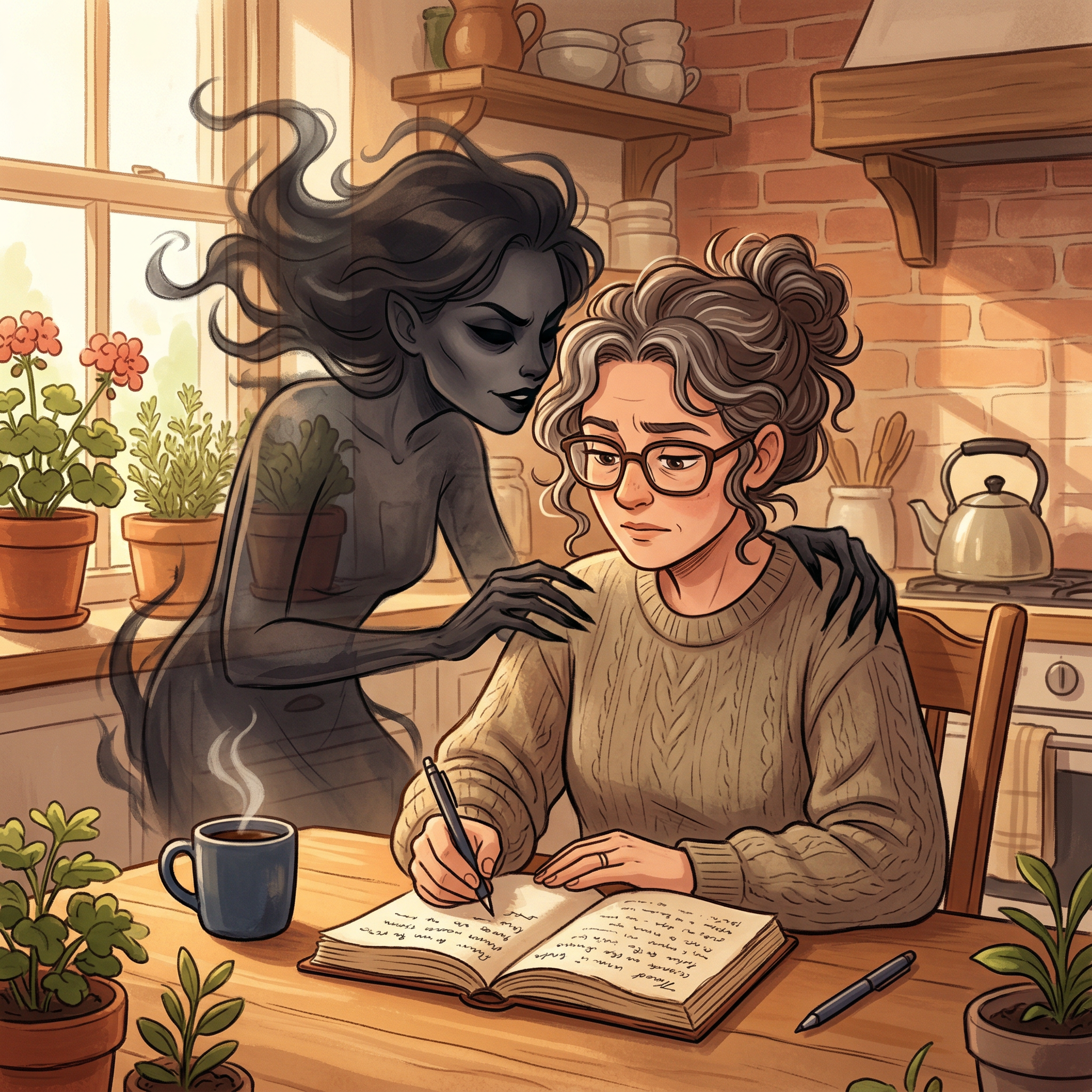
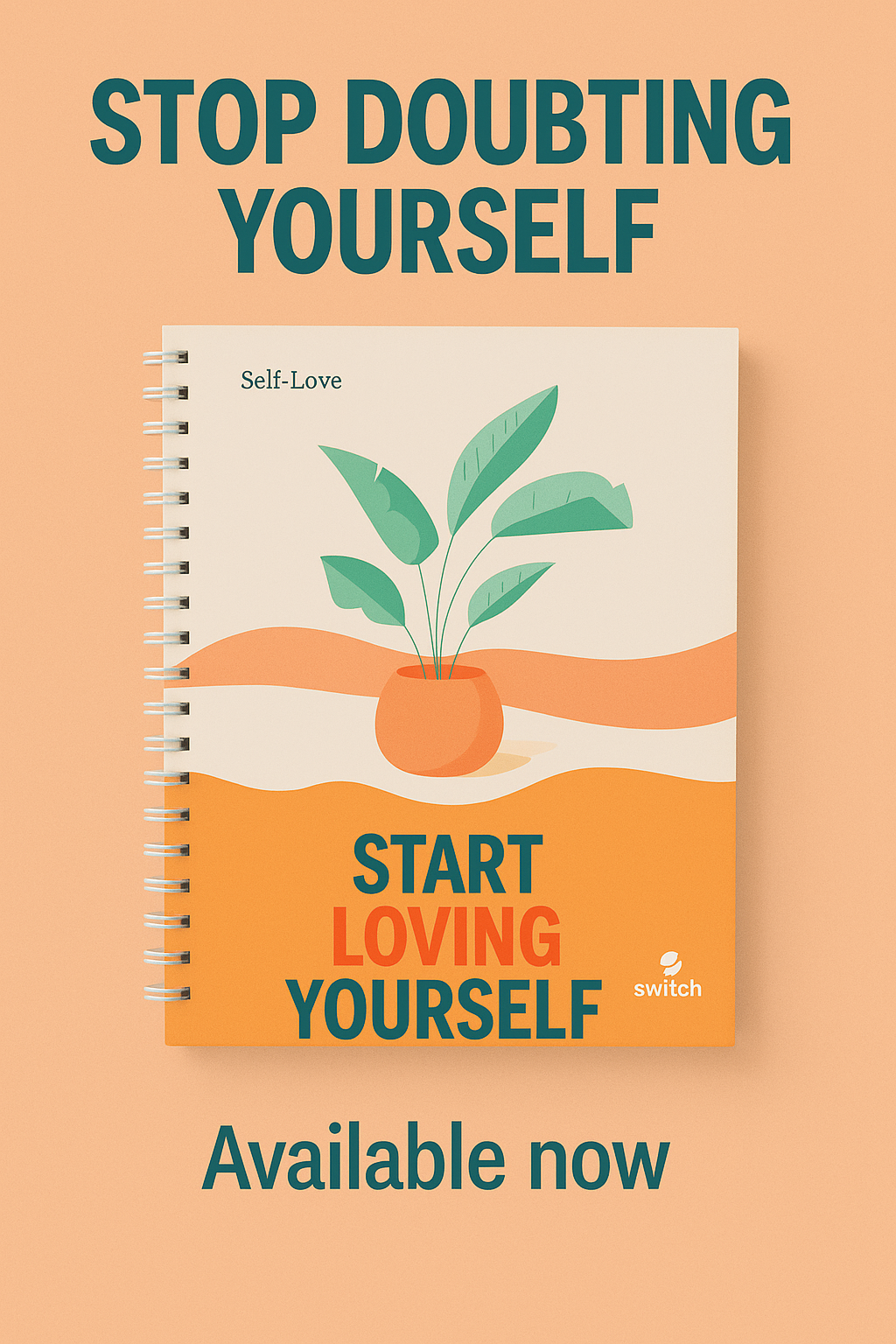
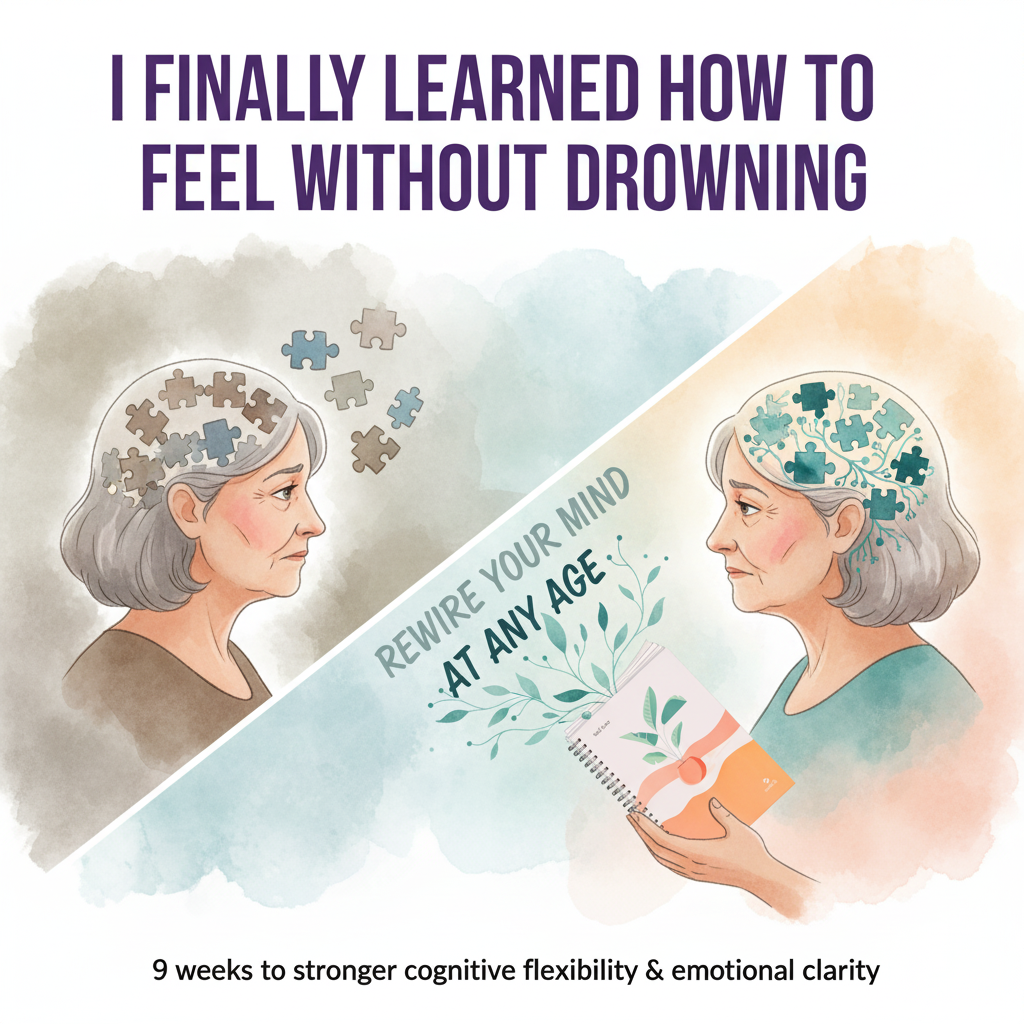
Last summer, my mom looked at me over dinner and said, quietly, “I don’t even know who I am anymore.” She’s 62. Not sick. Not struggling with memory. Just… gone, somehow. Not in body, but in spirit. For three years, I’ve watched her fade in slow motion. Not the dramatic kind of suffering that makes people rally around you — the quiet kind that nobody notices until it’s too late. She still smiles when we visit, still cooks for the holidays, still asks about the kids. But behind her eyes, there’s nothing. She used to light up a room. She’d dance in the kitchen. Belt out Fleetwood Mac songs. Laugh until her cheeks hurt. Now, it’s like that part of her died, and no one said goodbye. She doesn’t have hobbies anymore. Doesn’t go out with friends. Says she’s “too tired,” but it’s not her body that’s tired. It’s her soul. Every time I visit, it breaks me a little more. Because I can feel her slipping away — and there’s nothing I can do. I’ve tried everything. Trips, classes, girls’ weekends. She’ll go along for a bit, but it never sticks. She always drifts back into the same quiet, numb routine. And every time I drive home, I cry in the car. Because how do you save someone who’s slowly forgetting how to feel alive? Then, a few months ago, I was on the phone with my mom’s oldest friend — Linda, who’s a retired therapist. I told her what was going on. How Mom just… seemed done. Linda sighed and said, “She’s not done, honey. She’s disconnected. That’s different.” Then she said something that’s stuck in my head ever since: “Your mom has spent her whole life caring for everyone else. But when the noise stops — the kids, the job, the responsibilities — people like her don’t know who they are anymore. It’s not depression. It’s emotional amnesia.” I asked what she meant, and she said, “She’s forgotten how to have a relationship with herself.” Then she told me about something she uses with her own clients — a guided journal called The Self-Love Journal. She said it was designed by therapists and psychologists to help people rebuild self-worth, reflection, and compassion from the ground up. “Don’t underestimate it,” she said. “The prompts are powerful. They get under the armor. For someone like your mom, it could change everything.” Honestly, I didn’t think much of it at first. I’d seen Mom try plenty of “self-care” things before — they never worked. But that night, lying in bed, something about what Linda said kept replaying in my head: “She’s forgotten how to have a relationship with herself.” So I ordered the journal. When it arrived, I drove over to her house with it. She looked at me like I was handing her homework. “Oh, honey,” she laughed, “I’ve never been a journaling person.” I said, “Mom, just try one page. For me.” That night, she called me crying. She said the first prompt asked: “When did you stop feeling proud of yourself?” She told me she stared at it for ten minutes before she wrote, “Maybe when my kids grew up. Maybe when no one needed me anymore.” I could hear her voice trembling. “I didn’t realize how empty I’ve felt until I saw it written down,” she said. That was the beginning. She started writing every morning. Ten minutes with her coffee. Sometimes before bed. Sometimes in the middle of the day. She said it was the only thing that made her feel something again. Within a week, I noticed her messages were longer. Lighter. She sent me a photo of her in the garden — the first time she’d been out there in months. She started going for walks again. Started wearing her favorite perfume. By week two, she told me she’d reconnected with an old friend she hadn’t spoken to in years. She said, “I realized I was waiting for someone else to fix me. But maybe I’m the only one who can.” I cried. Because that’s what I’d been waiting to hear. By the end of the month, my mom was different. Not “new.” Just… herself again. She laughed again. She hosted Sunday brunch for the first time in years. She started telling stories about her childhood I’d never heard. She even painted again — a hobby she hadn’t touched since I was a kid. When I told Linda, she just smiled and said, “That’s what happens when people start listening to their own hearts again.” And she was right. Here’s what nobody tells you: There’s a kind of suffering that doesn’t show up on medical scans. The quiet kind that happens when you’ve spent your whole life giving, and you wake up one day realizing you don’t remember who you were before everyone needed you. That’s what my mom was going through. And this journal — this simple, guided practice — brought her back. The Self-Love Journal isn’t just blank pages. It’s full of research-backed prompts designed by mental health professionals. Questions that gently peel back guilt, shame, regret — all the things that bury us. It doesn’t tell you to “be positive.” It helps you understand yourself again. And that’s where healing starts. My mom’s 62. She thought her best years were behind her. Now she wakes up excited to start her day. And I got my mom back. So if you have a mother, sister, or friend who’s quietly fading — or if that person is you — please, try it. Because maybe you don’t need to change your life. You just need to start listening to yourself again. → Get The Self-Love Journal today. Because it’s never too late to meet the person you were always meant to be.
Psychologist Urges Older Women To Do This Daily For Mental Health
✅ Psychologist Recommended
LEARN MORELike this ad? Make it yours.
Crush rebuilds this exact creative around your product — your brand, your colors, your offer — in about a minute.