
Inactive· since Jul 24, 2026
- 55
- days it ran
- 0
- relaunches
- 2,183
- EU reach
Ad copy
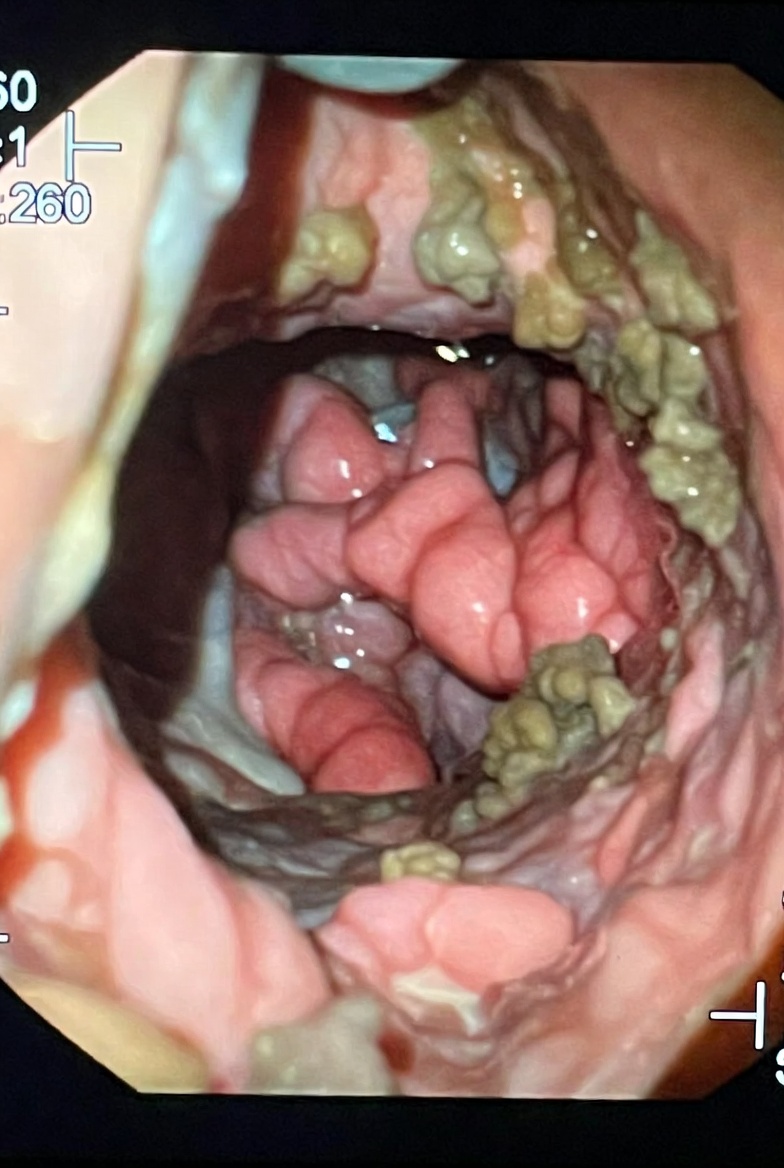
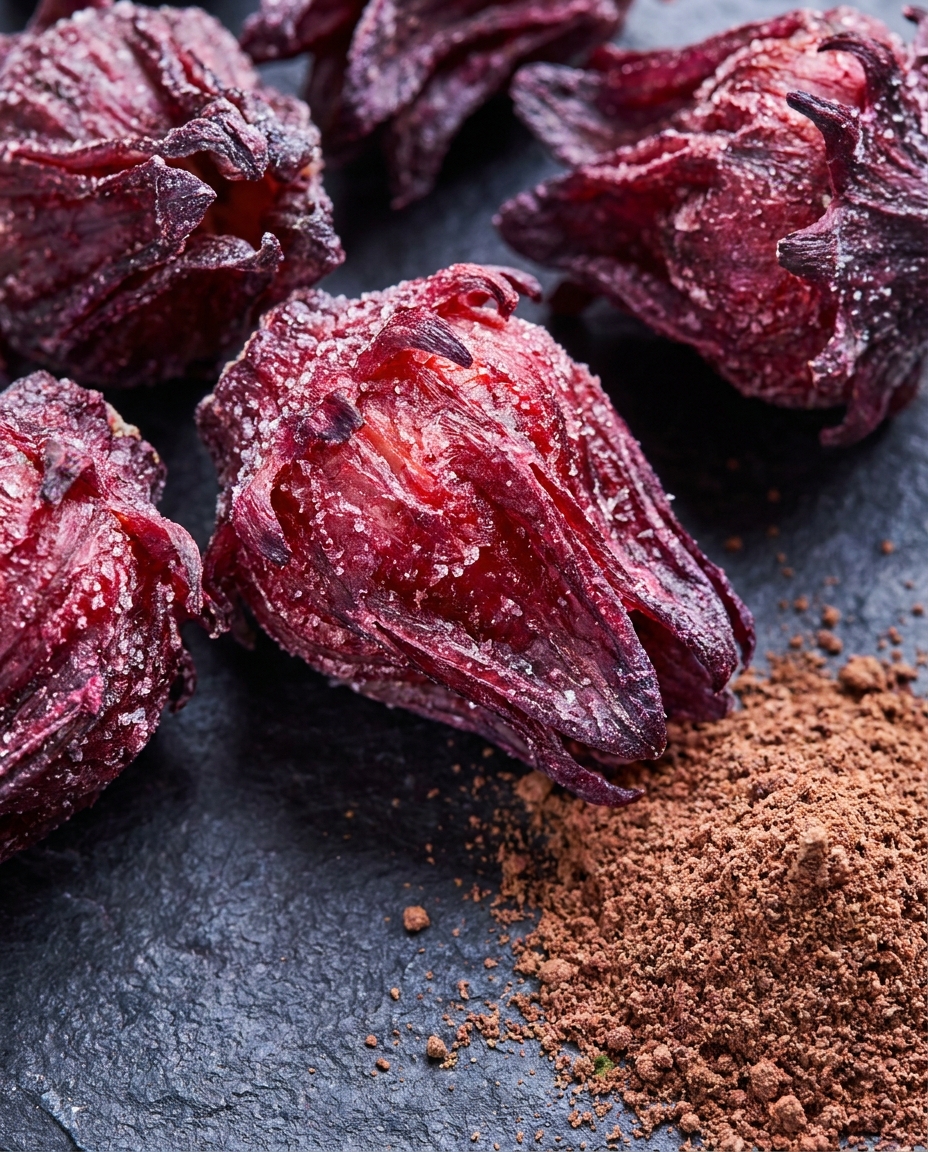
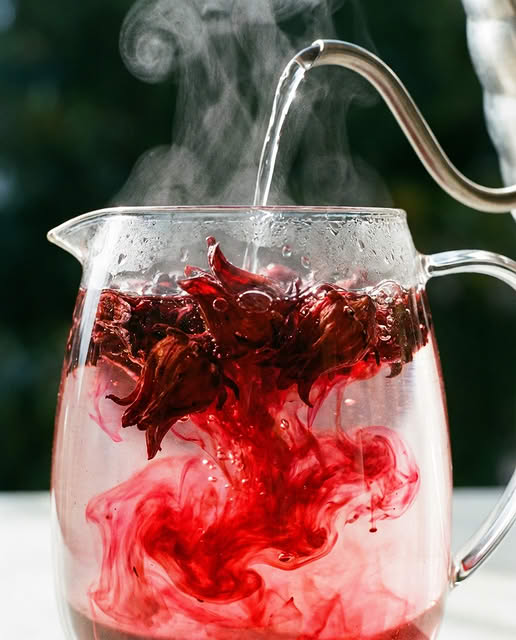
I took 14 different probiotics in 4 years to manage my IBS. All 14 came in the first two years of the four years I spent trying to stop the same severe bloating. My IBS diagnosis named the pattern: abdominal pain, changing bowel movements and afternoon bloating. It didn't explain why the bloating returned after each formula. Fifty billion CFUs. Women's formulas. Menopause formulas. Refrigerated strains shipped in insulated boxes. Even the $79 bottle recommended by the dietitian at my gastroenterologist's office. Every morning, my waist measured around 32 inches. By dinner, it regularly expanded by approximately four inches. Fourteen probiotics. Four inches. Every afternoon. The first thirteen bottles were still sitting in our kitchen cabinet when my husband Robert watched me unpack number fourteen. He looked at the bottle and asked: “How many more things do you have to try before we get our life back?” I didn't answer. Over those four years, I did low-FODMAP four times and cut gluten, dairy, garlic, onions, beans and wine. By the third year, I had stopped traveling. By the final year, I had stopped eating dinner with him. Twelve weeks ago, after 27 years of marriage, Robert left. Not because my stomach changed by dinner. Because our entire life had started changing with it. I thought I had failed fourteen probiotics. What I discovered afterward was that the strains, dosage and brands were never the real problem. Every one of them had been landing on top of something already established inside my gut—something none of those products had been designed to reach. That is why I'm writing this now. I'm writing this from our kitchen table. I haven't used Robert's coffee mug. It's the blue ceramic one our daughter gave him for Father's Day, the one with the handle that's a little too small for his hand. I washed it after he left and put it back on the shelf where he always kept it. It has been sitting there ever since. I need to tell you what happened to us. Because in the twelve weeks since Robert left, I've been trying to understand how bloating took over our marriage. I found article after article about women describing the exact same pattern: they woke up with a comfortable, normal-looking stomach and became so painfully bloated by dinner that they looked pregnant. And underneath them, I kept seeing the same comments. “She probably eats too much.” “Just stop dairy.” “Try a better probiotic.” “It's menopause. Get used to it.” “If something was actually wrong, her doctor would find it.” That's what I thought too. Until I exported seven years of food and symptom records at 11 PM on a Tuesday and saw what I had written on page 41. And here's what I'm going to tell you, before I tell you anything else. I didn't ignore my gut. Every solution I was given ignored what was protecting the problem. If you've ever woken up comfortable and ended the same day with your waistband cutting into a stomach you barely recognize, please read this entire thing. I know it's long. I know you're scrolling. I know you have things to do. Twelve weeks ago I would have given anything—everything—for someone to tell me what I'm about to tell you. Robert had been my husband for 27 years. I was a careful woman. I weighed ingredients before putting them into my food diary. I read every label twice. Every time someone gave me something new to try, I followed it exactly. That is important. I didn't ignore my gut. The advice kept changing. The pattern didn't. My stomach started changing around 2018. I was 44. By late afternoon my work trousers felt a size too small. I blamed lunch. Some evenings my abdomen became so hard I couldn't stand anything touching it. I blamed age. At the first appointment, my GP pressed on my stomach and asked about weight loss, blood in my stool and changes in my bowel habits. She ordered basic bloodwork. Everything came back normal. “Keep a food diary. Try cutting dairy and fizzy drinks.” So I did. What I didn't see until years later was the note from that appointment: “Bloating after meals. Perimenopausal symptoms. Consider dietary triggers.” In 2019, I went back. “Drink more water. Walk after meals. Try more fiber.” I did. The fiber made the pressure worse. In 2020, I went back again. “Try a probiotic for a month. Peppermint may help the cramps.” I did. The peppermint helped the cramps. The bloating still returned every afternoon. In November 2021, I was getting dressed for our anniversary dinner when the black dress I'd zipped that morning stopped three inches below the clasp. THAT was the appointment that changed things. My GP ordered new bloodwork and referred me to a gastroenterologist. The gastroenterologist saw us a week later. He asked when the bloating started, whether the pain changed after a bowel movement, what my stools were like and what I had already tried. Then he reviewed my chart. He said: “Your bloodwork is normal, but I want to rule out anything structural before we decide how to manage the bloating.” He ordered a colonoscopy and a stool test. Three weeks later we went back for the results. He pulled up the report. “Your colonoscopy is clear. Your stool test doesn't show infection. We don't see structural disease. With the recurring abdominal pain and changes in your bowel movements, this pattern fits IBS. Has anyone discussed a low-FODMAP diet with you?” I said no. He gave me a diet handout. He recommended a probiotic. He suggested stress reduction and a follow-up three months out. Then he said: “Bloating like this can be managed, but finding what helps can take trial and error.” Robert folded the diet handout in half and carried it to the car. On the drive home he asked: “How long are we supposed to eat like this?” I said: “Until I find the trigger.” That was the beginning of the four years. The first year began with elimination and reintroduction. No garlic, no onions, no wheat, no dairy. I made plain chicken and rice. Robert ate plain chicken and rice. A food would look guilty for a week, then the bloating would return after something completely different. Over those four years, I repeated the full low-FODMAP process three more times. By the end of the second year, I had tried fourteen probiotics. Digestive enzymes before meals. Peppermint capsules in my purse. I stopped eating at restaurants because I couldn't control what was in the food. Robert started bringing takeout home and eating whatever I could tolerate. The first thirteen names were written in my diary when he watched me unpack number fourteen. He looked at the bottle and asked: “How many more things do you have to try before we get our life back?” By the third year, I had stopped traveling. I wore elastic waistbands to work and kept a second pair of trousers in my car. I slept in oversized shirts and pulled away whenever Robert touched my stomach after dinner. He asked if I was still attracted to him. I said I was tired. By the final year, it was separate dinners. Separate plans. Eventually separate bedrooms. Robert kept asking me to talk to him. I kept saying I would feel like myself again once I found the food causing it. I never found the food. He was the most patient man I have ever known. The morning he left, he stood at the kitchen counter with the blue mug in his hand and said, “Carolyn, I miss you even when you're sitting right beside me.” I didn't know what to say. He put the mug beside the sink. Then he picked up an overnight bag I hadn't noticed beside the garage door. He said, “I'll call you later.” He went to work. He called at lunch. He said he was staying at a hotel and couldn't come home that night. He couldn't keep pretending we still had a marriage when every meal, every weekend and every time he reached for me ended with me disappearing behind the same problem. That evening he came back for clothes. I sat at the kitchen table while he packed. I asked if he was coming home. He said he didn't know. Before he left, he said he'd already spoken with a mediator because he wanted us to put the living arrangements, bills and next steps in writing. Two weeks later, he moved into the apartment across town. I haven't used the coffee mug. Three days after he left, I logged into the patient portal and requested my full records. Every blood panel, every visit summary, every referral. I exported the food and symptom diary I'd been keeping since 2019 that same afternoon. That diary export was 212 pages. The records office sent a separate download link four days later. That file contained 380 pages of medical records—bloodwork, visit notes and referrals. I printed both files and put them in separate stacks. On day nine, the mediator Robert had mentioned emailed us a proposed separation plan—a first draft covering the apartment, shared bills and what would happen next. I printed it and put it beside the diary and medical-record stacks. I sat at the kitchen table at 11 PM with a glass of water. I pushed the medical records and proposed separation plan aside and opened the 212-page symptom-diary export. Until then, I had always searched the diary by food: dairy, garlic, onions, wheat. That night, for the first time, I searched for every entry marked nine out of ten and compared when the bloating started. Maybe I wanted proof that I had tried hard enough. Maybe I just needed something to do with the hours when I couldn't sleep. Page 41 was a Tuesday in June 2019. Breakfast: two eggs. Lunch: plain chicken and white rice. Dinner: nothing. No gluten. No dairy. No garlic. No onions. No beans. No alcohol. At 7:40 PM I had written: Bloating: 9/10. Stomach hard. Jeans unbuttoned. I looked at it for a long time. Then I went back through the other nine-out-of-ten days. Every one. March 2019. August 2020. February 2021. April 2022. November 2023. June 2024. Different foods. Different amounts. Sometimes almost no food at all. The food kept changing. The pattern didn't. Morning: comfortable. After lunch: pressure. By 3 PM: bloating. By dinner: hard, painful and four inches larger. Seven years of blaming the menu. Four years following formal treatment plans. And the menu was still the only part that never stayed the same. I sent the gastroenterology practice the diary pages through the patient portal the next morning and requested a follow-up. The office scheduled a video appointment for the following week with another gastroenterologist in the practice. When the appointment started, I asked why every visit had sent me back to the food diary when the diary showed no consistent food trigger. She was quiet for a moment. Then she said: “When imaging, scopes and labs rule out structural disease, we usually work through diet, stress and individual symptoms. The absence of one consistent food trigger doesn't mean your bloating isn't real. It means recurring bloating can have more than one influence.” I sat in front of the screen and didn't say anything for a long time. I said: “I was told this was IBS. I removed half the foods I used to eat. I took fourteen probiotics. I stopped going to restaurants. I stopped traveling. I stopped sleeping beside my husband. My marriage ended while every test said normal—and your answer is that I should keep managing it.” She said, “I understand why you're frustrated. I don't have one test that can explain the whole pattern.” The call ended with another follow-up recommendation and no answer to the question on page 41. I sat at the kitchen table for two more hours and I didn't move. That's when I started researching. Not because I wanted to. Because I had to. Because if 27 years of marriage ended for nothing—if I couldn't understand what had taken those last four years from us—then I couldn't live with that. Over the next four days, I read gastroenterology papers. Menopause research. Microbiome studies. Everything I could find on why women can eat completely different meals and still experience bloating at almost the same time every afternoon. Bloating doesn't leave one dramatic number behind. It hides in canceled dinners, larger trousers and foods you become afraid to eat. But here is the number that stopped me: In one survey of women moving through menopause, 77% reported bloating. Seventy-seven percent. Not a rare complaint. Not a handful of difficult patients. Most of the women in the room. And here's the one underneath it: More than half of the women who sought professional help said the help was inadequate. I read those numbers and I did the math. Millions of women are removing foods, changing probiotic brands and being told to manage stress while their stomach decides what they wear, where they go and whether they feel safe eating dinner with people they love. That was me. That is going to be a lot of you reading this. I read post after post from women with chronic bloating who kept the same handful of “safe” dinners on rotation. Women with normal colonoscopies who stopped flying because they couldn't predict their bowel movements. Women who repeated low-FODMAP and still looked pregnant by evening. The pattern was always the same. A body that looked familiar in the morning. A different body by evening. A doctor who ruled out visible disease. A woman who removed another food. A life that became a little smaller. I kept reading and kept seeing the same thing in study after study: The window isn't the night your jeans won't button. The window isn't the day a doctor tells you all your tests are normal. The window is everything between the first time the afternoon pattern repeats and the day you realize you're planning your marriage, wardrobe, travel and meals around it. For me, that window was years. During those years, hormones were changing. Movement through the gut can slow. The mucus and the environment along the intestinal wall can change too. That part I understood. But then I found the part that made me stop reading. Bacteria don't always float around separately like dots in a probiotic commercial. Some gas-producing microbes attach to the intestinal lining and build a sticky coating around themselves. Under that cling-film-like biofilm was what I started calling the Overgrowth: too many gas-producing microbes protected in the same place. The sticky layer those microbes built held them against the gut wall and made them harder to dislodge. The paper had a microscope image. It looked like cling film stretched over a layer of bacteria. I didn't understand half the labels. But I understood that picture. The microbes in the Overgrowth fed on carbohydrates, starches and fibers that reached the lower gut without being fully absorbed. As they fermented that food, they released gas as a byproduct. With too many gas-producing microbes protected by the biofilm, meal after meal gave them more material to ferment. They could release gas faster than my gut moved it out, while other irritating byproducts kept the gut wall sensitive enough to feel every bit of pressure. Change the food above it. The Overgrowth remains. Add new bacteria above it. The Overgrowth already occupies the space underneath. Different meal. Same Overgrowth. Same gas, pressure and by-dinner bloating. It wasn't the food. It was what the food was feeding. And nobody had explained that to me. I put the laptop down when I read it. I was shaking. Not from cold. From anger. From the realization that I had spent four years removing pieces of my life while something underneath all those changes may never have been changing at all. So I started asking a different question. Not “Which food is doing this?” “Why does the same Overgrowth keep turning different foods into the same result?” The first thing I did was pull everything I'd already tried out of the kitchen cabinet. The deeper I went into the gut-health research, the more I kept seeing the same products recommended—probiotics, digestive enzymes, peppermint, fiber, Gas-X—and I thought: before I blamed myself for failing them, I should understand what each one was actually designed to do. Fourteen probiotic bottles. A broad digestive enzyme. Enteric-coated peppermint. Soluble fiber powder. The largest box of Gas-X the pharmacy sold. The kitchen counter looked like a supplement aisle. I thought I had failed fourteen probiotics. Then I looked at what the labels and studies actually promised. The last bottle contained fifty billion organisms and twelve strains. It had given me more gas by day four. The label called that an “adjustment period.” I had already spent four years adjusting. Then the enzymes. They helped one heavy meal feel less heavy. But enzymes break apart parts of food. They don't displace the Overgrowth after the meal is gone. The peppermint. It calmed the cramping for an hour. It did nothing to stop my waist from going from 32 inches in the morning to 36½ after dinner. The fiber. Some women swear by it. For me it was more material arriving for the same bacteria to ferment. Two scoops turned a three-inch evening change into almost five. The Gas-X helped break up the bubbles after they formed. It was useful in an emergency. But I didn't want to spend the rest of my life waiting for the emergency every afternoon. After two nights of rereading labels, receipts and studies with the same old products stacked on my kitchen counter, I finally understood why I was exactly where I started. Nothing was weakening the Overgrowth's biofilm shelter. Nothing was creating room for a healthier mix of bacteria to take hold. And I was furious. Because why is there an entire industry of “gut health” products that keeps telling women to add more bacteria without asking whether the new bacteria have anywhere to establish themselves? It's like inviting new tenants into a building where every room is already occupied and acting surprised when they leave. So I started asking a different question. That's when I found something different. I was reading a thread in a menopause-bloating Facebook group when a woman posted something that stopped me cold. She said she'd been an endoscopy nurse for 11 years. She'd watched hundreds of women come through with pain, bloating and normal-looking scopes. She had been dealing with the same severe bloating herself since 46. She had tried low-FODMAP, peppermint and nine probiotics. She was 58 years old. A Nigerian nurse she worked with used to brew a deep-red whole-flower hibiscus drink for the staff. She began drinking it because she liked the taste. She kept drinking it after her evening pattern changed, then started reading about why the flower's polyphenols might interact with the gut differently from another probiotic. The month before she started, her measurement log averaged 31½ inches at 8 AM and 34¾ after dinner. Eight weeks after she started, her morning average was still 31½. Her after-dinner average was 32¾. Someone asked what she did. She said: “I drink whole-flower hibiscus every morning. Started nine years ago. Within two months, my evening measurement went from more than three inches over my morning number to about one. I kept drinking it because the pattern stayed different.” I almost scrolled past it. Hibiscus? Tea? That sounded like something you'd read on a wellness blog next to a recipe for celery juice. Because I knew hibiscus. I'd had hibiscus. The grocery store sells it. It's in berry tea bags. It tastes fruity and slightly sour. It's not a gut protocol. In what world does TEA change a four-inch swing in someone's stomach? But I couldn't stop thinking about it. Because she recognized the same recurring pattern I had and she wasn't selling anything. Her comment wasn't proof. But it gave me a new question to investigate. What was the difference? So I kept reading. And what I found made me put the laptop down and sit on the edge of the bed for a long time. There are compounds in hibiscus flowers—actually families of them—called anthocyanins and polyphenols. The deep red color of the flower comes from them. Most of what I read went over my head. But two things didn't. First: the anthocyanins and polyphenols don't simply disappear after I swallow the tea. Many of them and their breakdown products reach the colon, where the Overgrowth is attached. There, the polyphenols interfere with the sticky matrix and chemical signals the gas-producing microbes use to attach, communicate and keep the biofilm intact. As that shield breaks apart, the Overgrowth loses its grip on the gut wall and becomes easier for the gut to clear. Second: the same compounds act like selective fuel for beneficial bacteria already living in the gut. Once the biofilm loosens, those helpful bacteria can multiply and grow. As their numbers increase, they produce compounds that nourish the gut lining, support more balanced digestion and make it harder for the gas-producing microbes to dominate again. The tea wasn't adding another random collection of bacteria. First, its polyphenols helped break apart the shelter. Then its anthocyanins fed the beneficial bacteria already there, helping them multiply, support the gut lining and keep the gas-producing microbes from taking over again. That was the part I understood immediately. It wasn't about pouring another bottle of “good bacteria” on top of the same barricade. It was about breaking apart the biofilm first, then changing which bacteria had the advantage underneath. And here's the thing I didn't know. Here's the thing that made me feel like the floor dropped out from under me. The food I blamed was not necessarily creating a brand-new problem every afternoon. The meal could simply be feeding a pattern that was already there. That's why one food could feel safe on Monday and punish me on Thursday. That's why removing dairy helped for two weeks and then stopped. That's why a probiotic could change things for three days and then disappear into the same old result. The food kept changing. The Overgrowth didn't. If something—anything—had helped change that environment before I started removing dinners, trips and touch from our marriage, those four years might have looked different. I put the laptop down. I was shaking again. But here's why I'm telling you about whole-flower hibiscus and not just hibiscus. Because I also learned that most hibiscus tea sold in this country isn't the same material used when researchers study its polyphenols. Grocery-store hibiscus bags are often blends. Petals mixed with stems, leaves and other “natural flavors.” Some are mostly hibiscus dust—the broken material left after better pieces are graded out. The deep-red compound content varies wildly. Whole-flower hibiscus is different. The flower is picked at the right stage and dried with its red compounds intact. A properly brewed cup is deep wine-red, not weak pinkish-orange. And the research wasn't new. Hibiscus has been consumed daily across West Africa, the Caribbean and South East Asia for generations. In those places it wasn't treated like a niche supplement. It was an ordinary drink—brewed by the pitcher, served with meals and passed through families long before researchers began naming the compounds in the cup. And here was the pattern I couldn't ignore: the countries where hibiscus had been consumed daily for generations also reported some of the world's lowest rates of chronic bloating and IBS. We had been buying berry-flavored dust. I was furious. I'm still furious. But I wasn't going to buy random hibiscus online and hope for the best. I'm 52, not naive. And I had already spent too many nights researching beside a kitchen counter piled with years of products that had never answered the same question. So I kept researching. I found out that growing conditions, storage and processing change what survives into the cup. Heat, age and pulverizing matter. The deep color matters. The whole flower matters. The hibiscus that kept appearing in the research was deep red, carefully dried and rich in the compounds that ordinary pale tea bags barely deliver. I found a company. PiPi Tea. PiPi used whole flowers grown at high altitude, hand-picked and dried quickly enough to preserve the deep-red compounds—the exact quality checklist I had written beside the research. And I was skeptical. God, I was skeptical. After fourteen probiotics. After enzymes only helped certain meals. After peppermint calmed cramps without stopping the bloating. After fiber made things worse. After every product either targeted one symptom or made me feel like I was doing something while the same four-inch pattern returned. I was not about to trust something new because a Facebook comment said so. So I booked an in-person second opinion with a gastroenterologist whose practice focused on microbiome-related digestive disorders. The first available appointment was ten days later. I brought the studies. I brought my diary. I brought the page with the chicken and rice. I brought the 2018 visit note. I asked her straight: “Is this real? Can polyphenols actually affect the kind of environment I'm reading about? Or am I grasping at tea because I can't accept that my marriage ended without understanding why?” She looked through the papers for a long time. Then she said: “Those two lines were worth considering together. Hormonal changes in midlife can affect gut motility, sensitivity and the microbial environment. Bacteria can organize inside biofilms and become difficult to displace, and polyphenols can interact with those microbes. What your diary shows is a recurring pattern that one food alone doesn't explain.” I asked: “So why did nobody explain this before I removed half my diet?” She said: “Because routine care is designed to rule out dangerous disease and manage symptoms. We still have a lot to learn about which microbial patterns matter in which person.” Then she looked at page 41 again. “But your diary is telling you something important. The foods kept changing. The timed response did not.” She paused. “You were tracking a repeatable pattern worth taking seriously. It deserved a broader question than only ‘What did you eat?’” I had to leave the room. I sat in my car and cried harder than I did when the draft separation agreement arrived. Because a doctor had finally said what I couldn't stop thinking. Maybe I hadn't needed another list of foods to fear. Maybe I had needed someone to ask why the same pattern survived every list. I ordered PiPi Tea that afternoon. It arrived three days later. I sat at the kitchen table. Robert's coffee mug was still on its shelf. I made myself a cup. One tablespoon of whole flowers. Hot water. Steep for 10 minutes. The color was deep, almost wine-red—not the pinkish-orange of the grocery-store bags. Tart, floral, slightly sweet. Less time than I used to spend entering one meal into the symptom app. I've been drinking it every morning for six weeks. Three weeks after I started drinking it, I did something I'd stopped doing months earlier. I took out the cloth measuring tape. I had put it away because watching the same numbers return every evening made me feel defeated. Before PiPi Tea, I had dozens of days that looked like this: 8:04 AM: 32 inches. 7:18 PM: 36½ inches. That evening, after three weeks of drinking the tea, I measured again. 8:02 AM: 32 inches. 7:21 PM: 34¼ inches. Not flat. Not perfect. But two and a quarter inches smaller than the same point in the day. I wrote the numbers down because I didn't trust myself to remember them honestly. At six weeks, I repeated it after a normal dinner. 8:06 AM: 32 inches. 7:26 PM: 33 inches. One inch. Down from four and a half. Then I pulled the black jeans from the back of the closet. The ones that always ended the day unbuttoned. I buttoned them at 8 AM. At 7:30 PM, after dinner, they were still buttoned. The next week I ate Robert's pasta bake—the one I hadn't made in almost three years. Before, that meal took me from 32 inches to an average of 36 inches by bedtime. That night: 33½. The following Friday, my sister and I ate at a restaurant. I did not check the menu three days in advance. I did not take Gas-X in the bathroom. My measurement before dinner was 32½. When I got home it was 33¾. Last weekend I stayed two nights at my daughter's house. I packed one pair of trousers. Not three. Saturday morning: 32 inches. Saturday night: 33¼. For the first time in four years, the number didn't feel like a countdown to discomfort. It felt like feedback. I took the diary and measurements to the new gastroenterologist. She looked at the old entries. 32 to 36½. Then the new ones. 32 to 33. She looked at them twice. She said: “A one-inch change across the day is very different from four and a half. Whatever combination of routine, diet and tea is helping you maintain that pattern, keep documenting it.” I went home and sat at the kitchen table and cried again. Because for the first time in twelve weeks, my body didn't feel like the enemy that had destroyed my marriage. It felt like something I could understand. I've told everyone I know. My sister is 51. She had dealt with the same morning-to-evening bloating and tried six probiotics. Her first week of measurements averaged 34½ inches in the morning and 38 after dinner. After six weeks of whole-flower hibiscus, her morning average was still 34½. Her after-dinner average was 35¾. She called me and said: “Carolyn, I ate onions at lunch and I'm still wearing the trousers I put on this morning.” My coworker Dana kept Gas-X in three places—her desk, purse and car—and used it five evenings a week. After five weeks of whole-flower hibiscus, she had used it once in seven days. Her average morning-to-evening change went from 3¼ inches to 1½. My neighbor Helen had avoided restaurants for six years. Her first week of measurements averaged 31¾ inches in the morning and 35¼ at night. At week seven, they averaged 31¾ and 33. She grabbed my hand and said: “I'm not as scared of dinner as I was.” My daughter is 30. She pulled up two months of notes from a symptom app she'd stopped using. Her worst days had completely different foods but all started building between 2 and 4 PM. The food kept changing. The pattern didn't. I'm not a doctor. I'm not a scientist. I'm not selling anything. I'm a 52-year-old woman trying to understand how she ended up alone in a house with a blue coffee mug on the shelf and 27 years of marriage reduced to a draft agreement on the kitchen table. Here's what I know because I lived it: Bloating is not always “just gas” and it is not automatically proof that you ate the wrong food. Normal bloodwork and a clear scope can rule out important disease without explaining why the same timed pattern keeps returning. Changing the food can change what gets fermented. It doesn't automatically displace the Overgrowth waiting to ferment it. Adding bacteria is not the same as changing the environment those bacteria enter. The window where you can actually do something is before food fear, elastic waistbands and canceled plans become your normal life. Whole-flower, deep-red hibiscus contains anthocyanins and polyphenols that reach the colon and interact with the microbial environment. That is the difference I wish someone had explained before I removed half my diet and most of my life. I wish someone had told me in 2018. I wish someone had told Robert and me in 2021. I wish someone had told my sister before six probiotics. I wish someone had told Helen before six years of refusing dinner invitations. I wish someone had told YOU. If you've been diagnosed with IBS and the same bloating keeps returning, you can still look at your own pattern. I can't go back and sit across from Robert at this kitchen table before the separate dinners started. But you can still go forward. I want you to do two things. First, read the page that explains what I just told you—the research on microbial biofilms, why changing trigger foods and probiotic strains can produce temporary or inconsistent results, how hibiscus polyphenols reach the colon, and why whole-flower quality matters. It's where I found PiPi Tea. It's the reason my own evening measurement moved from 36½ inches to 33 instead of becoming another line I tried not to look at. Second, export your symptom history today. If you use an app, print it. If you keep a notebook, open it. Look at the days you rated your bloating eight, nine or ten. Compare the foods. Compare the time the pressure started. Ask whether the menu stayed the same—or only the pattern did. Both are things you can do today. The tea is backed by a 90-day money-back guarantee—drink it for three months and if you don't feel a difference, or your morning-to-evening measurements don't move in the right direction, you get every dollar back. https://shop.pipitea.com/hbt/gr/sp Robert used to say: “The best time to fix the roof is before it rains.” I kept changing what was on the plate while the same leak kept coming back. — Carolyn Baker, age 52 Naperville, IL P.S. His coffee mug is still in its usual place. I've been alone for twelve weeks and I still haven't used it. Every morning I walk into the kitchen and see it and for one second I think he's about to come through the door, set down his keys and ask what we're making for dinner. He's not. I added up four years of probiotics, specialist copays, digestive enzymes, peppermint, Gas-X and foods I bought only to throw away: $6,418. A daily cup of whole-flower tea that costs less than $2. A symptom-history export that costs $0. Backed by a 90-day money-back guarantee. Please. Don't let your stomach take the dinners, trips and years you still have with someone you love. https://shop.pipitea.com/hbt/gr/sp P.P.S. I don't work for PiPi Tea. I don't get a penny from this. I'm writing because I wake up at 4 AM and reach across a bed that Robert no longer sleeps in. The blue mug is clean and waiting in the place where he always kept it. If putting this on the internet stops one woman from removing another food when the real pattern is somewhere deeper—or stops one marriage from becoming two separate apartments—then at least something useful came from the worst thing that's ever happened to me. Share this with anyone you love who has ever said, “I wake up flat and look pregnant by dinner.” Tell her to look at the pattern. Tell her to ask why it keeps surviving everything she removes. https://shop.pipitea.com/hbt/gr/sp
Natural Relief in Weeks
"I've tried every 'healthy' drink out there. Beet juice, green powders, apple cider vinegar shots. They all tasted awful and I couldn't stick with them. Hibiscus is the first thing I've genuinely enjoyed. It's been 6 months and I haven't missed a day. My blood pressure is down, my energy is up, and....
LEARN MORELike this ad? Make it yours.
Crush rebuilds this exact creative around your product — your brand, your colors, your offer — in about a minute.