Sarah Ray
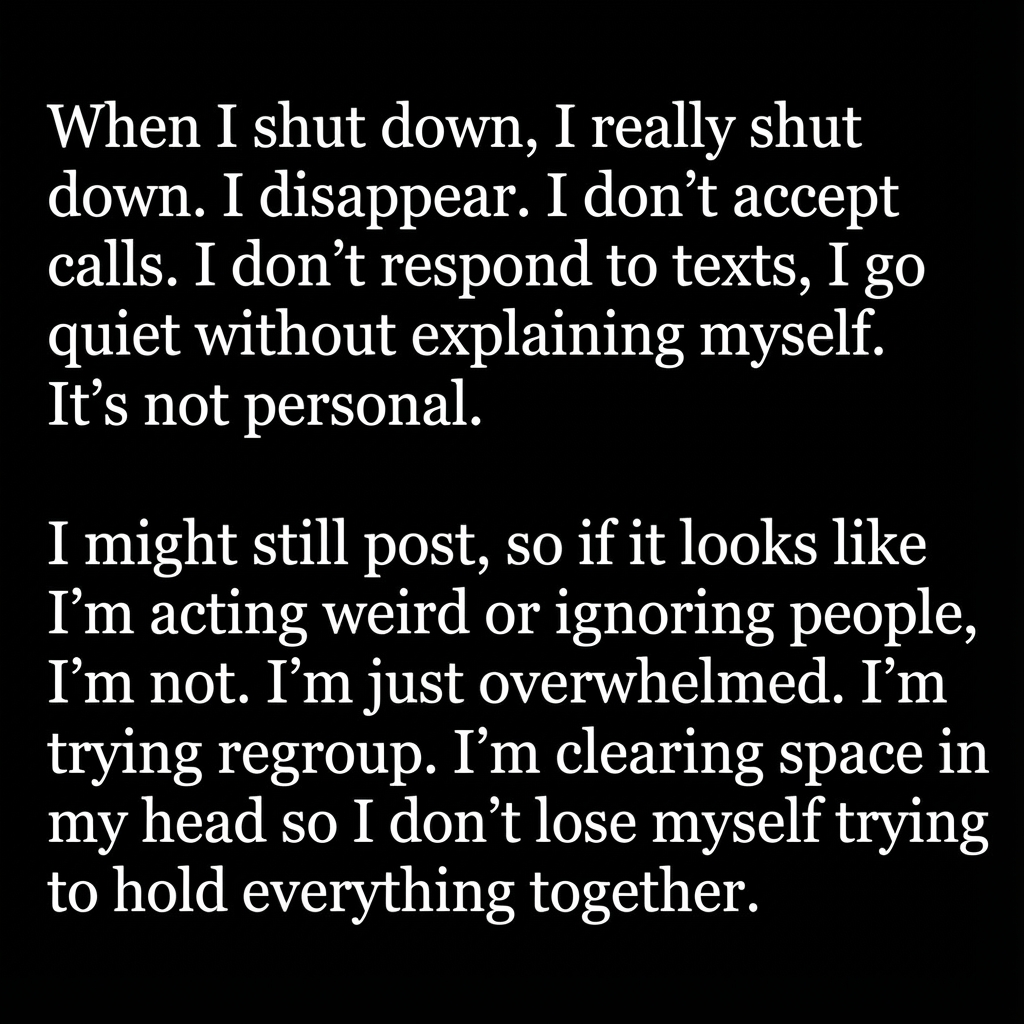
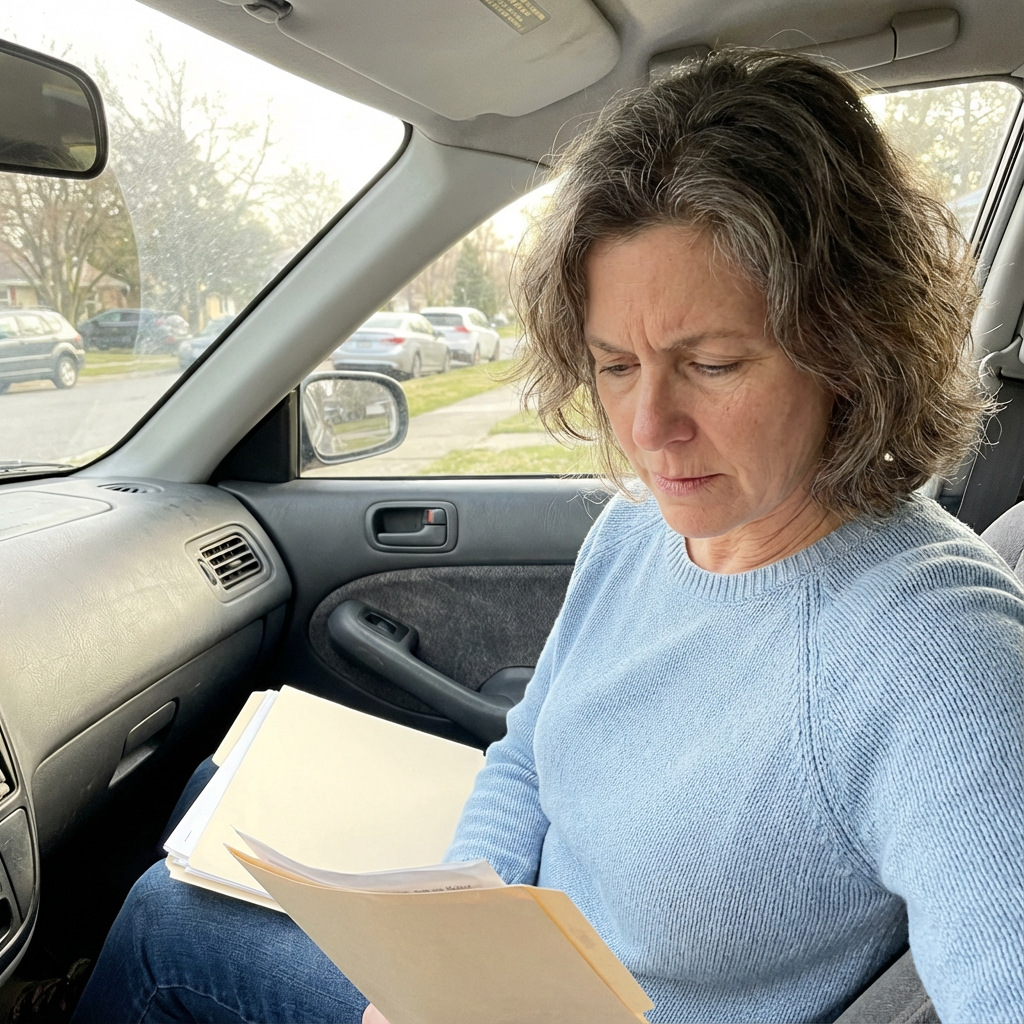
Sarah Ray Facebook ad: “Women with unprocessed emotions read this”

Ran for 1 day, from January 17 to January 18, 2026, the last day Crush saw it.
Run by Sarah Ray on Facebook. Crush is not the advertiser and does not verify its claims. See this ad in Meta's Ad Library(opens in a new tab)
Want an ad like this for your product?
Crush makes new ad images for your product from this ad: your logo, your product photo, your offer.
Trials from $19.95 USD, then $79.95 USD a month. Cancel anytime.
About this ad
- Meta Ad Library ID
- 25314736584863618
- Platforms
- Relaunches
- 1
Ad text
Every Sunday at 6 PM, I'd hand my kids over to my ex and spend the rest of the night crying. Then my therapist pointed out something about those exchanges that explained why I was stuck—and it had nothing to do with missing my kids. --- The first time it happened, I thought it was normal. Divorce is hard. Missing your kids when they're with your ex is normal. Crying after they leave is normal. But it had been 14 months. And every single Sunday at 6 PM, the same thing happened. I'd watch them get into his car with their backpacks. I'd wave and smile. I'd go back inside. And then I'd collapse. Not just crying. Full-body sobbing. The kind where you can't catch your breath. It would last for hours. By 10 PM, I'd be exhausted, hollow, staring at my phone looking at photos of them from that afternoon. My friends said it was normal. That I was a good mom. That it meant I loved my kids. But something felt wrong about it. Because the crying didn't feel like missing them. It felt like grief. --- I started dreading Sundays. By Saturday night, my chest would get tight. I'd sleep terribly. Wake up anxious. The whole day would be this countdown to 6 PM. And the worst part? I'd be short with my kids. Irritable. Trying to soak up every second but also bracing myself for the moment they'd leave. They started to notice. My daughter asked me once, "Mom, why do you always look sad when we have to go to Dad's?" I told her I just missed them. But that wasn't the whole truth. --- I tried everything to make it better. I'd plan things for Sunday nights. Dinner with friends. A movie. Anything to distract myself. Didn't work. I'd cancel last minute because I couldn't stop crying long enough to leave the house. I read articles about co-parenting. About how to handle custody transitions. About self-care for divorced moms. They all said the same thing: It gets easier with time. Stay busy. Focus on the positives. But it had been over a year. And it wasn't getting easier. If anything, it was getting worse. --- I finally brought it up with my therapist. Her name was Dr. Martinez. I'd been seeing her since the separation. "I don't understand," I said. "Why am I still falling apart every Sunday? My kids are fine. They're happy. They love their dad. I should be using that time for myself, but instead I'm just... destroyed." Dr. Martinez put down her pen. "Can I ask you something?" I nodded. "When you hand the kids to your ex on Sunday nights, what are you thinking about?" I paused. "I don't know. That I miss them? That I wish things were different?" "Be more specific," she said. "What does 'I wish things were different' mean?" --- I sat with that for a minute. And then it came out. "I'm thinking about how we used to do Sunday dinners together. How we'd put the kids to bed together. How we were supposed to grow old together." My voice cracked. "I'm thinking about how he gets to walk away and start over and I'm the one left picking up the pieces. I'm thinking about her. Whether she's at his place when my kids get there. Whether my kids like her more than me." Dr. Martinez leaned forward. "So it's not actually about missing your kids for a few days." I looked at her. "It's about handing them over to the life you were supposed to have. And watching him live it with someone else." --- I started crying right there in her office. Not because she was wrong. Because she was right. And I'd been lying to myself for 14 months. Every Sunday at 6 PM, I wasn't grieving my kids. I was grieving my marriage. I was grieving the future I'd planned. I was grieving the version of myself that thought she'd done everything right and still got abandoned. "You haven't actually let him go," Dr. Martinez said quietly. "You're still emotionally married to him. That's why the custody exchanges feel like death. You're not losing your kids for three days. You're losing him all over again." --- I left that session shaking. Because she was right. I'd signed the papers. Changed my name back. Moved to a new apartment. But I hadn't let go. I was still replaying every fight. Every moment I could've done something differently. Every sign I'd missed. I was still checking his social media. Still asking my kids questions about his new girlfriend. Still holding onto this fantasy that maybe, somehow, he'd realize he'd made a mistake. And every Sunday at 6 PM, reality would hit me in the face all over again. He wasn't coming back. And I was still waiting. --- "So how do I stop?" I asked her the next week. "How do I just... let go?" Dr. Martinez smiled, but it was sad. "You can't think your way out of this. You know intellectually that it's over. But your subconscious is still holding on. That's why talk therapy only goes so far." She explained that my brain had been wired to see him as home. As safety. As my future. And even though I consciously knew the marriage was over, my subconscious hadn't caught up. Which is why every custody exchange felt like an emergency. My nervous system was interpreting it as loss. As abandonment. As proof that I wasn't enough. "You need to rewire that," she said. "And the fastest way to do that is subconscious reprogramming." --- I'll be honest—I didn't know what that meant. It sounded like something out of a sci-fi movie. But Dr. Martinez explained it. How our subconscious stores these deep patterns and beliefs. How those patterns run automatically, beneath our awareness. And how specific audio frequencies—binaural beats—can access that subconscious layer and help rewrite those old stories. "It's not magic," she said. "It's neuroscience. You're giving your brain new information while it's in a deeply receptive state. Information that contradicts the old belief that he was your whole world." She mentioned a program called Heshana that some of her other clients had used. I looked it up that night. --- I took their session on forgiveness, not expecting much. I almost didn't do it. Because forgiveness felt impossible. But I put on my headphones, laid down on my bed, and pressed play. --- The voice was calm. Grounding. It started with breathing exercises. Slowing everything down until my body felt heavy. Then it guided me deeper. Into this state where I wasn't quite asleep but wasn't fully awake either. And in that space, the voice asked me to think about the person I was holding resentment toward. His face appeared immediately. But then the voice said something that stopped me: "Forgiveness isn't about saying what they did was okay. It's about releasing yourself from the prison of the past." Something in my chest loosened. The session walked me through seeing the resentment as something separate from me. Something I'd been carrying but could choose to set down. And then it asked me to imagine releasing it. Not for him. For me. The tears started about halfway through. But they weren't angry tears or sad tears. They felt like relief. --- When the session ended, I just laid there in the dark. My whole body felt different. Lighter. Like I'd been carrying a backpack full of bricks for 14 months and someone had finally helped me take it off. I went back to the website. If a single session could do that, what else was there? There were various sessions covering things like heartbreak, releasing anger, self-forgiveness, anxiety relief. I read through each one. Every single description felt like it was written specifically for me. I bought it that same day. --- I started listening every night. The heartbreak healing session was the one that broke me open. It walked me through acknowledging the relationship I'd lost—not just with him, but with the future I'd imagined. The life I'd built. The person I thought I'd be. And then it helped me release it. The session on releasing past anger was harder than I expected. Because I realized I wasn't just angry at him. I was furious at myself. For not seeing it coming. For trying so hard to make it work. For wasting years on someone who could just walk away. The self-forgiveness session helped me let that go too. --- It wasn't overnight. But over the next month, things started changing. Small things at first. I stopped checking his social media. Just... forgot to, one day. And then the next. And then I realized a week had gone by and I hadn't thought about it once. The Sunday exchanges got easier. Not because I suddenly didn't care about my kids. But because I stopped seeing *him* when I looked at them. I stopped wondering if he was happy. Stopped asking the kids about his life. Stopped imagining scenarios where he regretted leaving. Not because I was trying harder to let go. Because I genuinely stopped caring. --- Last Sunday was different. I handed my kids over at 6 PM like always. Watched them drive away. Went back inside. And I didn't cry. I made dinner. Called a friend. Watched a show I'd been meaning to catch up on. Went to bed at a normal time. The next morning, I woke up and realized something: I'd spent the entire evening alone. And I'd been okay. More than okay. I'd been peaceful. --- I'm not going to say I'm completely "over it." I don't know if that's even possible when you share kids with someone. But I'm not stuck anymore. I'm not waiting for an apology that'll never come. I'm not fantasizing about him realizing what he lost. I'm not handing my kids over to him and feeling like I'm handing over my whole life. I'm just... moving forward. For the first time in almost two years, I'm actually living in the present instead of mourning the past. And that's something I didn't think was possible four months ago. If you're reading this and you're stuck in the same place I was— If custody exchanges feel like torture— If you're still checking their social media years later— If you're dating but can't feel anything because you're still emotionally married to someone who's gone— You're not broken. You're not weak. You're just still holding on. And there's a way to let go that doesn't require you to "get over it" or "move on" or any of those other useless phrases people throw around. I'm not saying it's magic. I'm saying it worked when everything else didn't. For less than $15, you can give yourself a moment of calm without hesitation. It seemed like I had nothing to lose. You just have to speak to the part of you that's still holding the chain. The part you can't reach with logic or willpower. That's where freedom lives. And I promise you, it's worth finding.
Where the ad sends people
heshana.com
Women with unprocessed emotions read this 👆
Heshana
Learn more: heshana.com(opens in a new tab)