
Inactive· since Jul 26, 2026
- 6
- days it ran
- 0
- relaunches
Ad copy
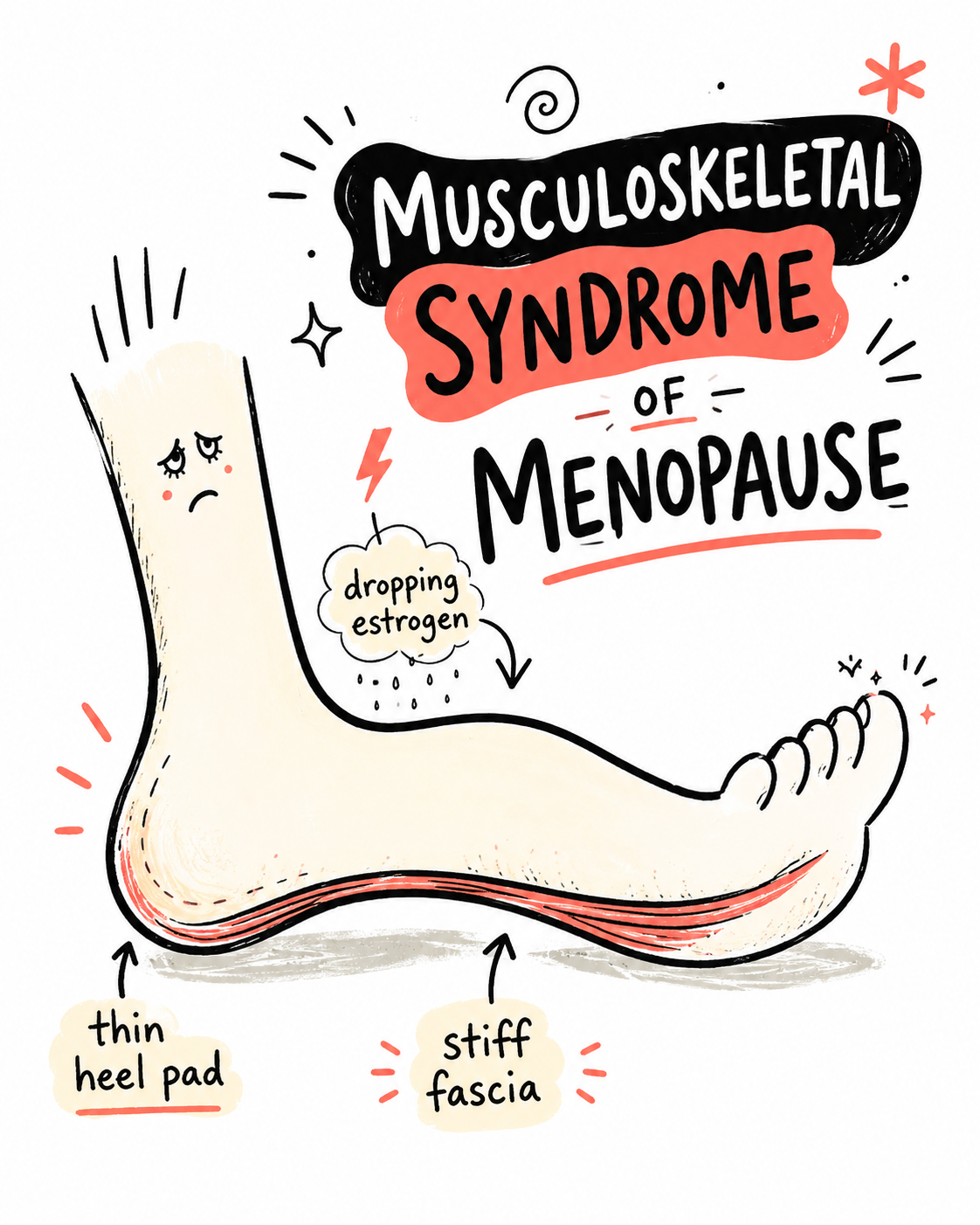
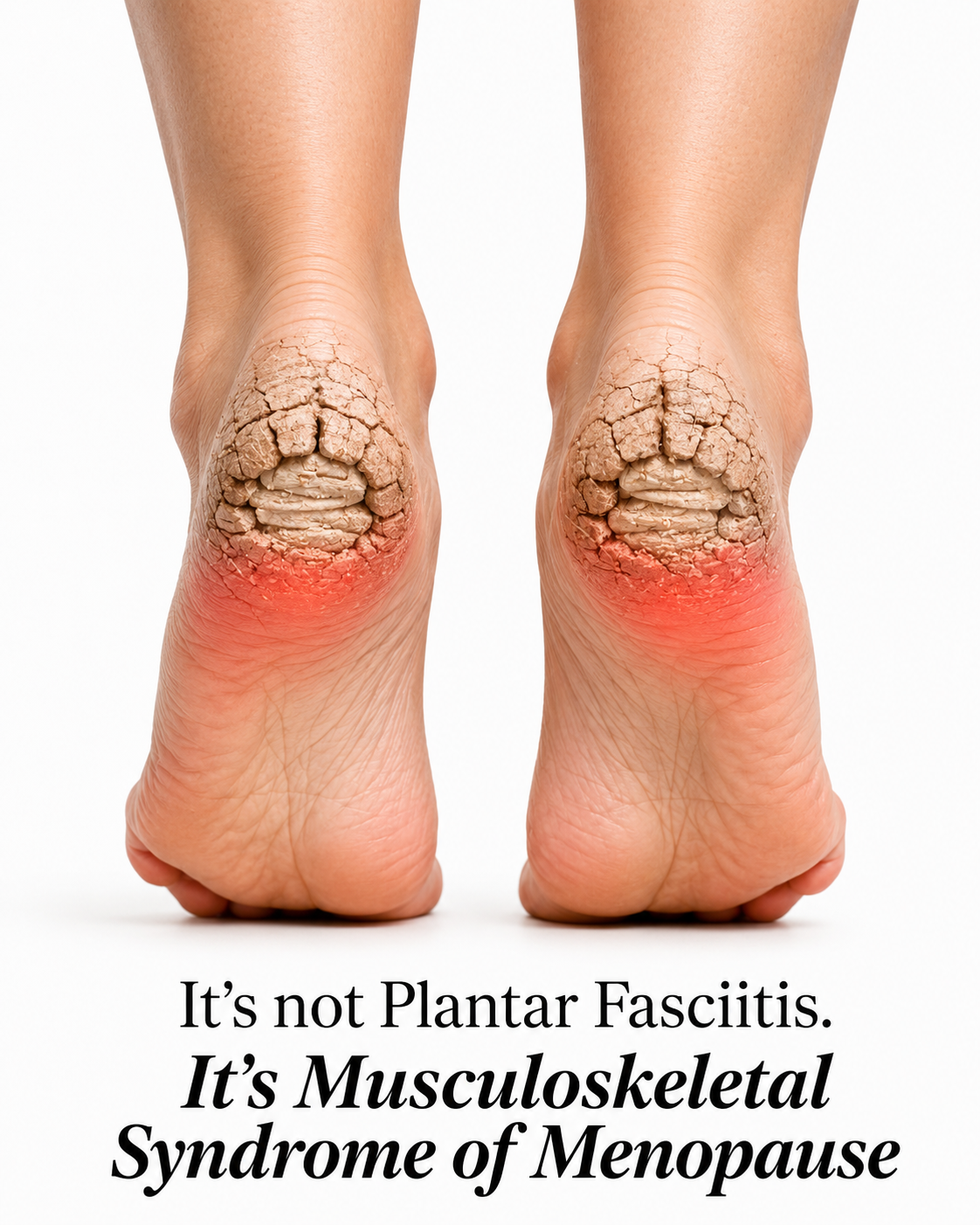
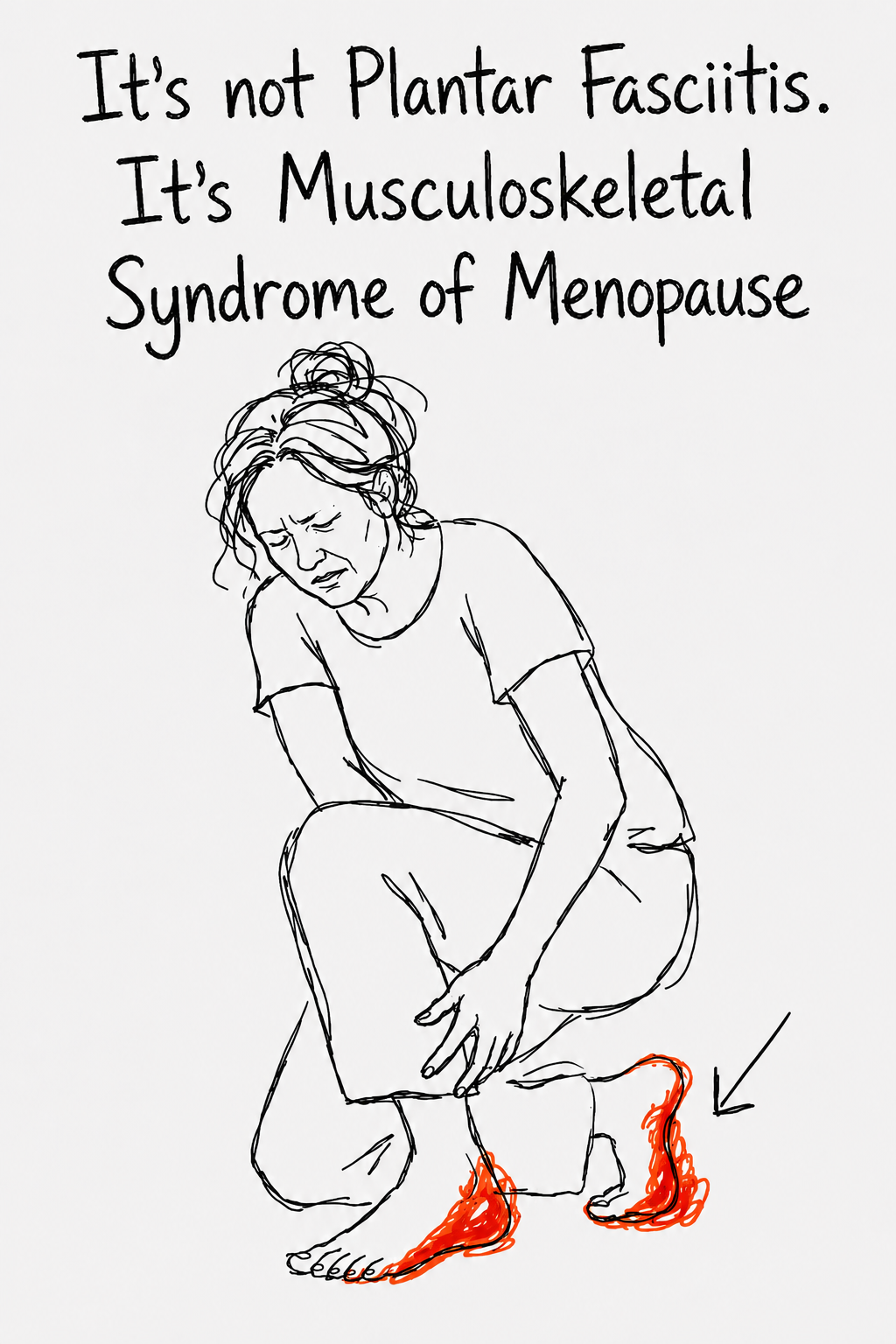
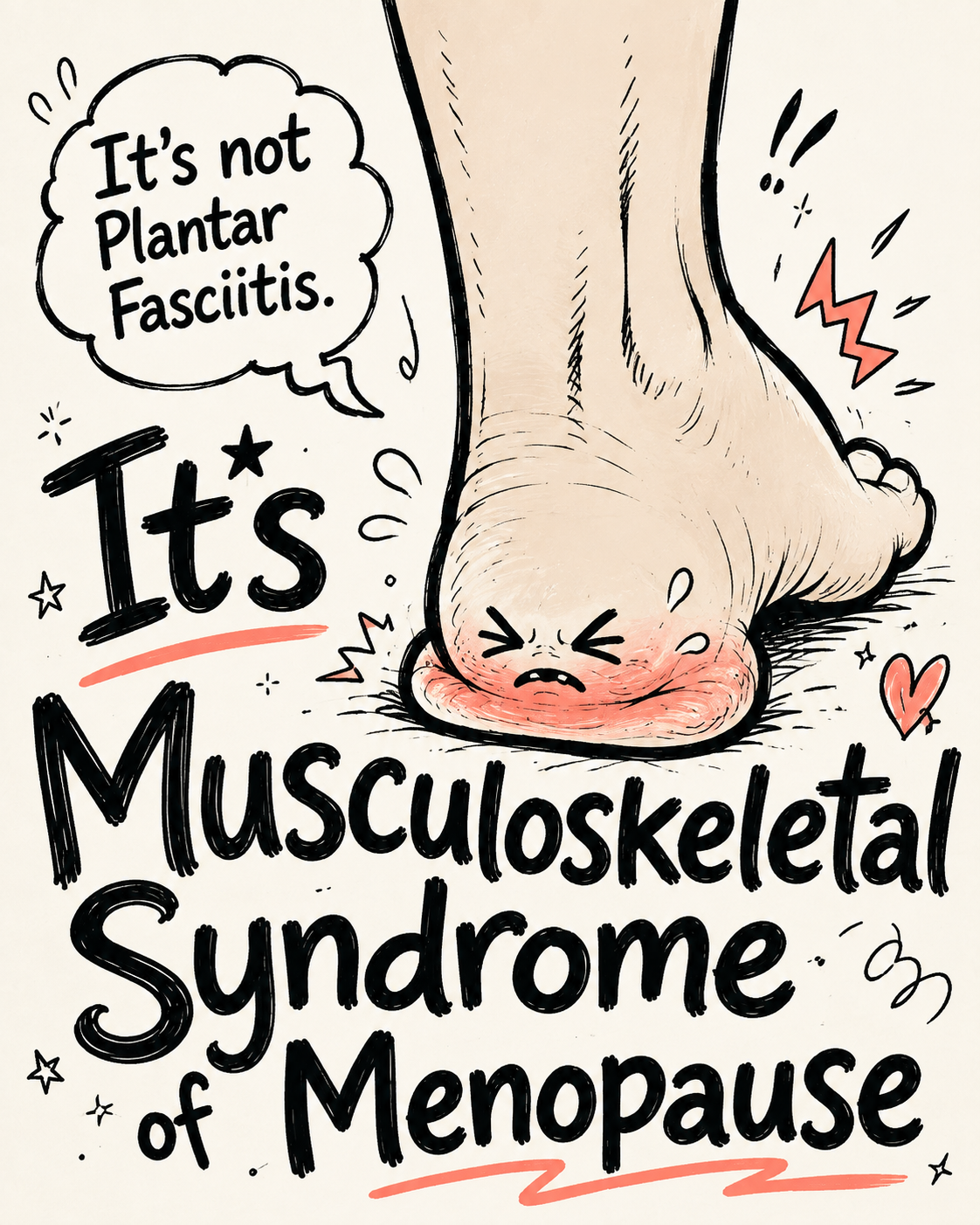
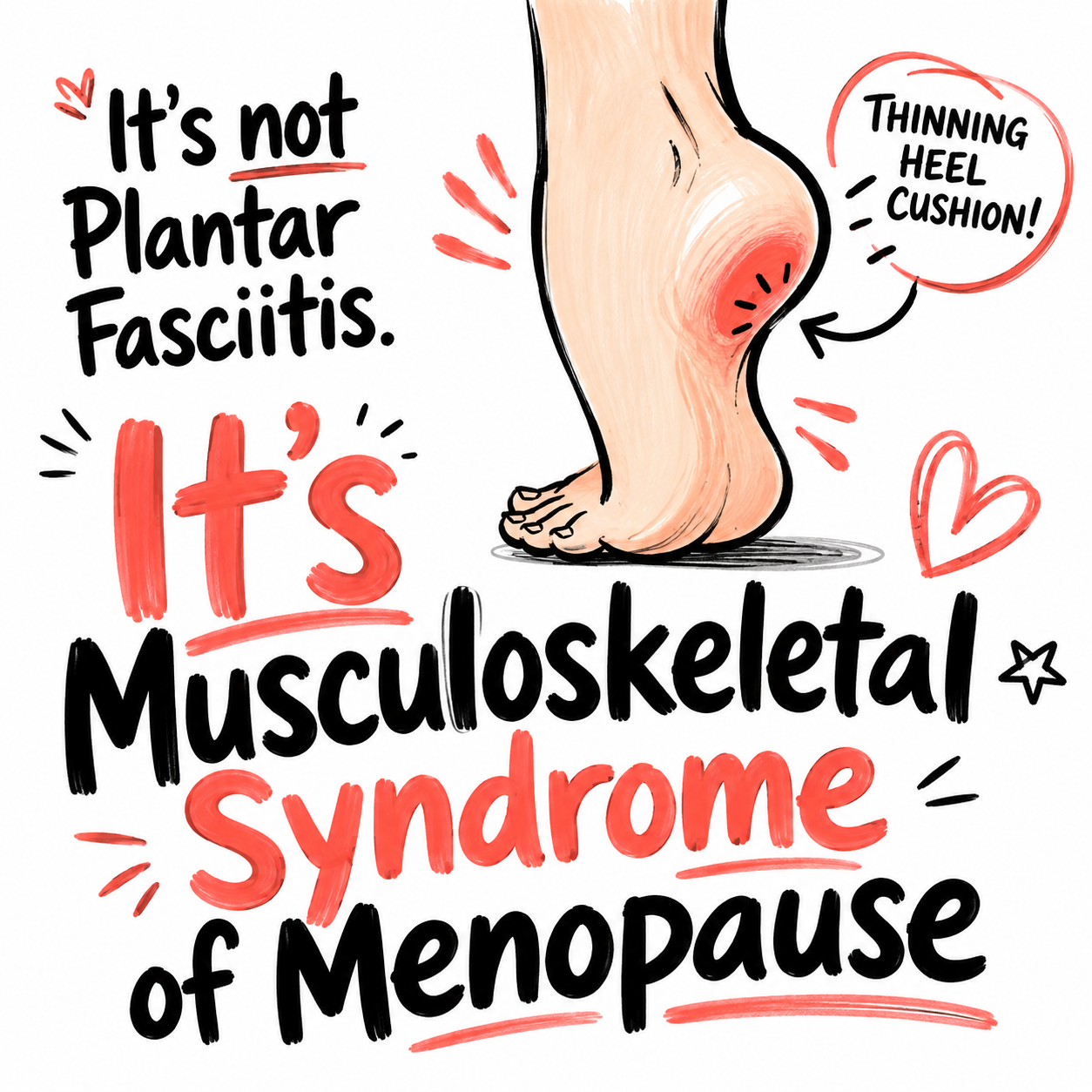
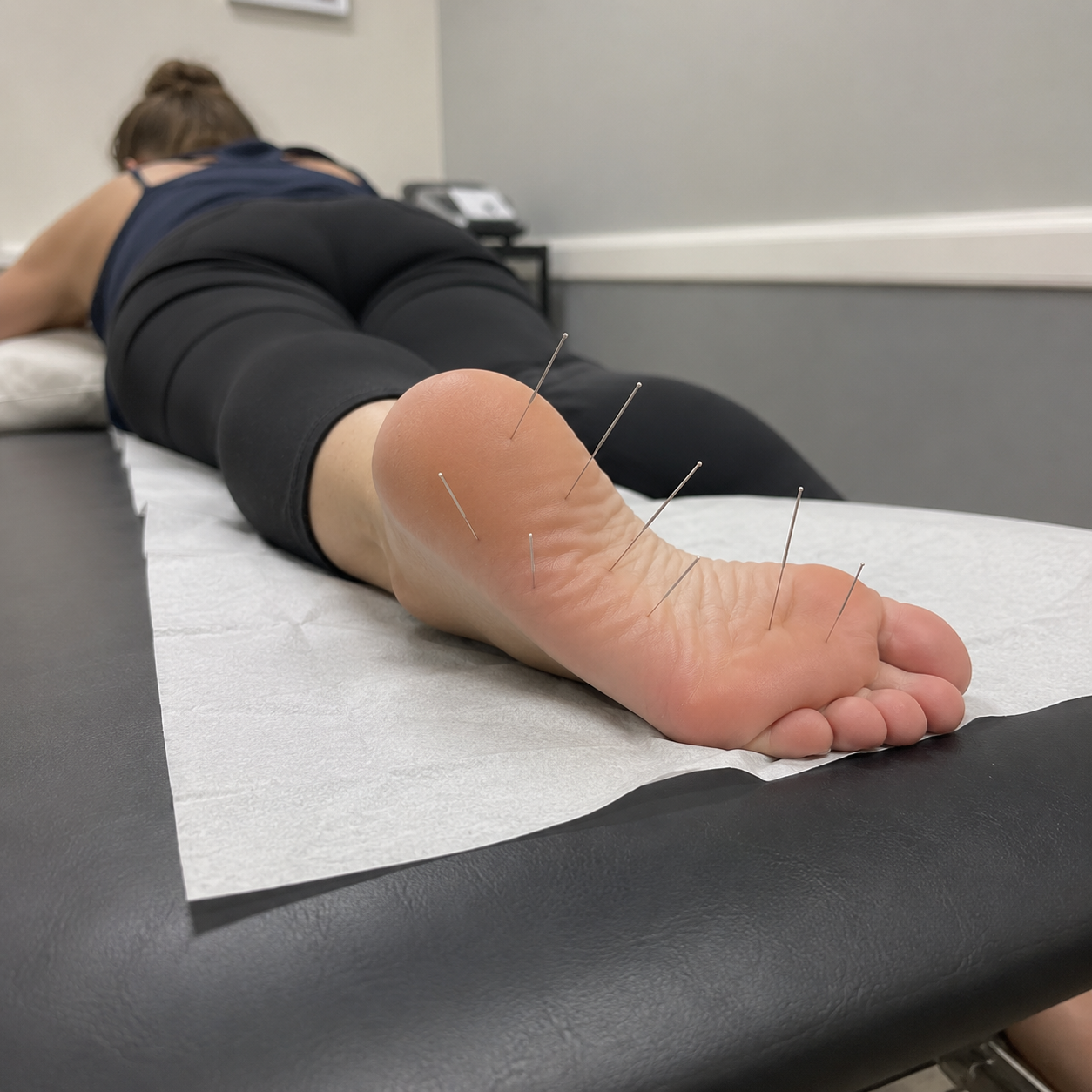
I don't care who this upsets anymore. Smart perimenopausal women deserve to know the truth about their feet pain. Because the answer I'm about to give you is one your own doctor probably doesn't know. I didn't know it either, and I've been doing this for fourteen years. My name is Dr. Sarah Powell. I'm a women's health and menopause specialist in Denver, and most of the women who sit across from me are somewhere between 42 and 55. Right in the thick of perimenopause. For years, one complaint came up more than almost any other. Foot pain. Sudden, out of nowhere, in women who hadn't done a thing to cause it. And for years, I gave them the same answers everyone gives. Rest it. Better shoes. Stretch your calves. It's part of getting older. I was wrong. Every time. And I want to tell you how I found out. There was a patient. I'll call her Carol. Forty-nine, taught fourth grade most of her life, one of the kindest women I've met. She didn't come to me because she hadn't tried anything. She came because she'd tried everything. A podiatrist. Physical therapy. Two hundred dollars on custom inserts, fitted properly. The thick cushioned shoes three different people swore by. Icing at night. Stretching at the counter every morning while her coffee went cold. And every single morning, that first step out of bed still felt like standing on broken glass. At the bottom of her intake form she'd written one line. "I've done everything they told me and I still wake up in pain every single day." I've read a lot of intake forms. That one stayed with me. Not because of the pain. Because of how many times she'd trusted someone in a white coat and been let down. So that night I took her file home. And I couldn't find a single thing wrong with her. No injury. No change in her life. Her scans were clean. She had done everything right and she was still in pain, and nobody could tell her why. That's when it hit me. The problem was never the treatments she'd tried. The problem was that not one of us had figured out what was actually causing it. So I asked myself a question I'd somehow never asked in fourteen years. Why does this exact kind of foot pain show up in women in their forties and fifties, with no injury, no warning, right as their hormones start shifting? The answer wasn't in any shoe guide. It wasn't in the physical therapy handbook. It was sitting in the hormone research the whole time, and once I saw it, I couldn't unsee it. Here's what's actually happening. And I'm going to keep it plain, because you don't need a medical degree to understand your own body. Estrogen does a quiet job most women are never told about. It keeps the soft tissue all through your body flexible. Springy. Able to stretch and bounce back. The thick band of tissue that runs along the bottom of your foot is made almost entirely of that soft tissue. When your estrogen drops in perimenopause, that band stiffens. It stops absorbing your weight the way it did your whole life. So every step you take lands harder than it should. That's the first change. Second. There's a pad of fat under your heel bone. It's been there since birth. It's the cushion between your heel and the hard floor. As estrogen falls, that pad gets thinner. And steps that felt fine for forty years suddenly feel like your heel is landing on bone. Because in a way, it is. That's the second change. Third. The small ligaments that hold your foot together loosen. Your foot spreads out. It actually gets wider. Which is why shoes you wore comfortably for twenty years suddenly pinch and rub in places they never did. That's the third change. Three changes. One cause. All arriving at the same time, in the same short window. Which is exactly why it feels like your feet fell apart overnight. To you, they did. And this pattern has a name now. In 2024, researchers at Duke University published a study naming it the musculoskeletal syndrome of menopause. MSM, for short. I want you to hold onto that name, because it changes what your foot pain means. Your whole life, foot pain meant you did something. Walked too far, wore the wrong shoes, stood on concrete all day. There was always a cause you could point to. This isn't that. This pain isn't coming from something you did. It's coming from the tissue itself changing as your estrogen drops. That's why your scans come back clean. Nothing's torn. Nothing's broken. There's nothing for the machine to catch, because the tissue wasn't injured. It was quietly changed by the loss of a hormone. And it is not rare. That study found more than seven in ten women in this transition are affected. Seven in ten. You are not the unlucky exception. You're the rule nobody bothered to name for you. Which is exactly why Carol's podiatrist couldn't help her. He was trained to look for damage. What he had in front of him wasn't damage. It was change. He never had a chance, and honestly, neither did I until that night with her file. But once I understood that three things had gone wrong at the same time, one hard truth became obvious. If three things break at once, then any fix that addresses only one of them was always going to fail. You cannot solve a three-part problem with a one-part solution. That's why nothing Carol tried had worked. The custom inserts cushioned her heel. That helps the thinning pad, a little. But they sat inside a flat shoe, and a flat shoe keeps that stiffened band of tissue stretched tight and pulling all day. One problem helped. The most painful one ignored. The thick running shoes gave more padding, yes. But still flat. Same story. One helped, two ignored. The stretching bought her a few minutes, right up until the next step loaded the tension straight back on. You cannot stretch your way out of a structural problem. She didn't need a better version of what she'd already tried. She needed all three problems answered at once, in the same shoe. And nothing she'd been handed was built to do that. There's one more thing I have to warn you about, because it's being pushed everywhere right now and it's making my patients worse. The barefoot and zero-drop shoe trend. The flat, minimalist shoes sold as the "natural, healthy" choice all over women's wellness. For a foot that's already been changed, they may be the worst thing you can put on. A zero-drop shoe holds your heel level with your toes. That keeps the already-stiffened band of tissue pulled tight all day, with no relief. You're loading the exact tissue that's already lost its ability to take the load. I've watched women switch to these on a friend's advice, feel their pain sharpen, and come back certain they'd done something wrong. They hadn't. The shoe was built for a foot that never changed. Theirs had. So here's what a changed foot actually needs, and it's simple once you see it. A small lift under the heel, to take the constant pull off that stiffened band. Real cushioning right where the fat pad thinned. And room across the front for the foot that spread. All three. In one shoe. Because miss even one and the other two can't hold. I looked for a long time before I found a single thing built on exactly this. Not a regular shoe with "supportive" stamped on the box. One designed from the ground up around these three changes. It's a walking shoe called the Willow, from a brand called Hazelstep. A raised heel to ease the pull. Deep cushioning placed right where the pad wears thin. A wide toe box for the spread. Made for all-day wear, including on the hard floors at home where women tend to hurt the most. It carries orthopedic review, and it's grounded in the same research I'd just spent weeks reading. When I held it up against everything I finally understood, it answered all three changes. That was more than I could say for anything I'd recommended in fourteen years. I told Carol what was happening to her feet and what they actually needed. She found the Willow on her own, through a group of women comparing notes on the same thing. Three weeks later she called. The pain wasn't gone, but it was clearly less. A few weeks after that, a message. "I walked two miles today and didn't once think about turning back." Then it wasn't just Carol. Patients started asking. Then telling friends. Now women I've never met write to me because someone sent them my way. More than 5,000 women have tried the Willow. Nearly nine in ten felt less pain inside the first week. Over nine in ten say they'd tell a friend. And fewer than one in a hundred send them back. Before I recommended it to a single patient, I read what these women were writing themselves. Two of them have stayed with me. One woman wrote: "I didn't even believe the estrogen thing at first. I just knew my feet started hurting the same time as the hot flashes. I ordered these planning to return them. It's been four months and they're still by my door." Another: "I have wide feet and every 'supportive' shoe crushes my toes by lunchtime. These are the first ones with actual room up front. I wore them through a full day at the outlet mall and forgot to be angry at my feet." That second one is the whole thing in two sentences. Forgetting to be angry at your feet. That's what it looks like when this finally gets answered instead of managed. And think about that return number for a second. Fewer than one in a hundred. Women who've been burned by things that didn't work do not keep a shoe that doesn't work. They send it back and move on. These, they keep. Now, I know exactly what you're thinking, because Carol thought it too. You've tried things that helped for a week and then quit on you. You've spent money on the inserts, the shoes, the appointments. The very last thing you want is one more letdown. I understand that completely. So does Hazelstep. Which is why they'll let you wear the Willow for 90 days of your real life. The long days on your feet. The hours on hard floors. And if you don't reach a morning where you get up and simply forget your feet were ever a problem, send them back. Full refund. Even if they're worn. No forms, no store credit, no explaining yourself. A company only refunds worn shoes when it's genuinely sure they work. That's not a marketing line. That's what it looks like when a shoe was finally built for the right problem. Here's the part I need you to hear, doctor to woman. This does not pause while you decide. Estrogen loss keeps moving. Every month, that band of tissue stiffens a little more. That heel pad thins a little more. The longer you spend walking on a shoe built for a foot you no longer have, the more ground you give up. I've watched too many women tell themselves they'll deal with it later. And later, they're still planning their day around their feet. Still saying no to the walk, the trip, the market. Still doing the same quiet math every single morning. I don't want that to be you. You already know your feet aren't imagining this. Now you know why. And for the first time, you know what a foot changed by perimenopause actually needs. You can keep buying shoes built for the woman you were at thirty-nine. Or you can put something under your feet that was built for the woman you are now. If it works, you get your mornings back. If it doesn't, you get every dollar back. There's no version of this where trying it costs you anything but the choice to finally do it. Carol didn't wait. I hope you won't either. With hope, Dr. Sarah Powell
Like this ad? Make it yours.
Crush rebuilds this exact creative around your product — your brand, your colors, your offer — in about a minute.