Diana's Diaries
Diana's Diaries Facebook ad: “The Insert Every Women Over 50 Needs”
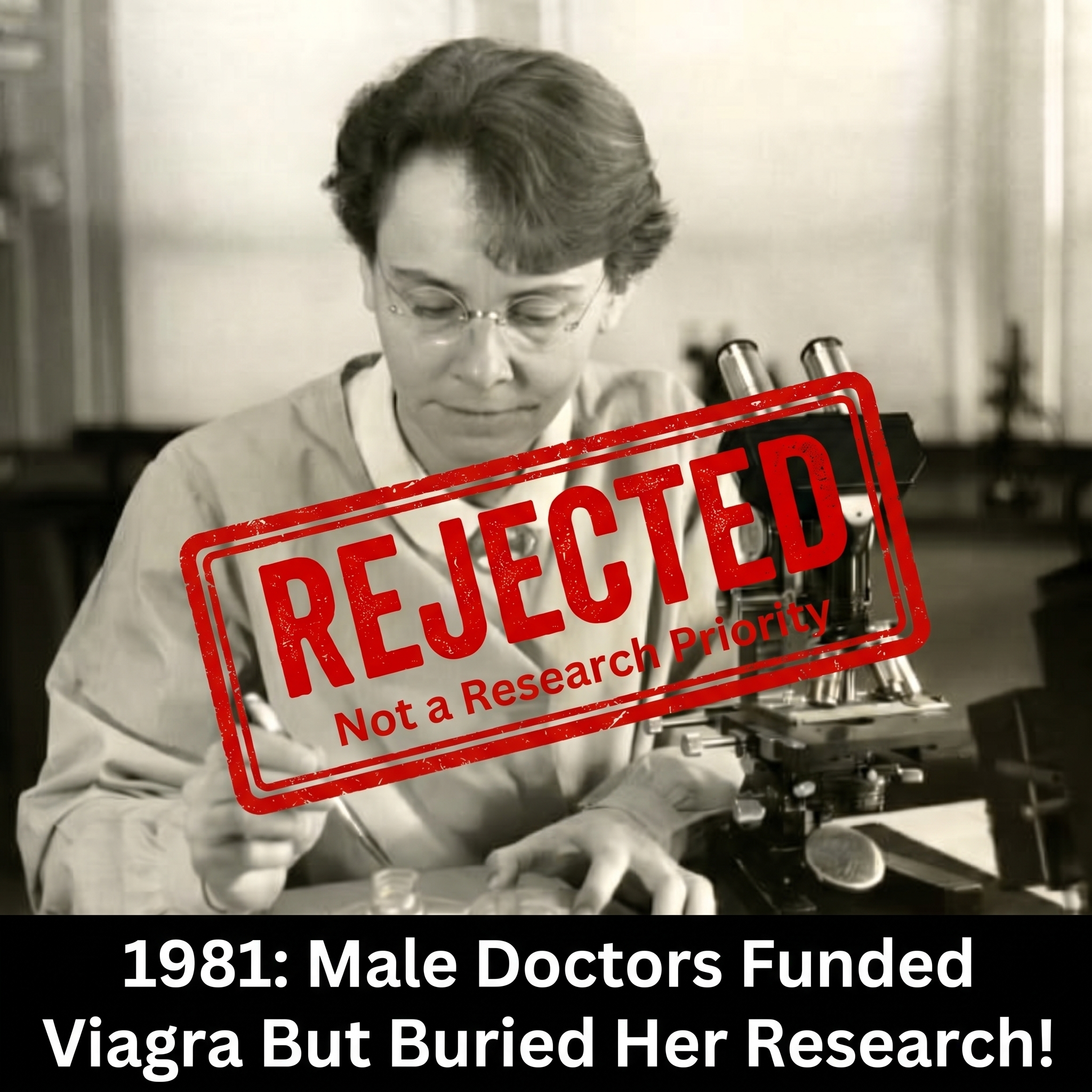
Ran for 51 days, from May 24 to July 14, 2026, the last day Crush saw it.
Run by Diana's Diaries on Facebook. Crush is not the advertiser and does not verify its claims. See this ad in Meta's Ad Library(opens in a new tab)
Want an ad like this for your product?
Crush makes new ad images for your product from this ad: your logo, your product photo, your offer.
Trials from $19.95 USD, then $79.95 USD a month. Cancel anytime.
About this ad
- Meta Ad Library ID
- 2537280553391226
- Platforms
- Facebook, Instagram, Audience Network, Messenger and Threads
- Relaunches
- 0
Ad text
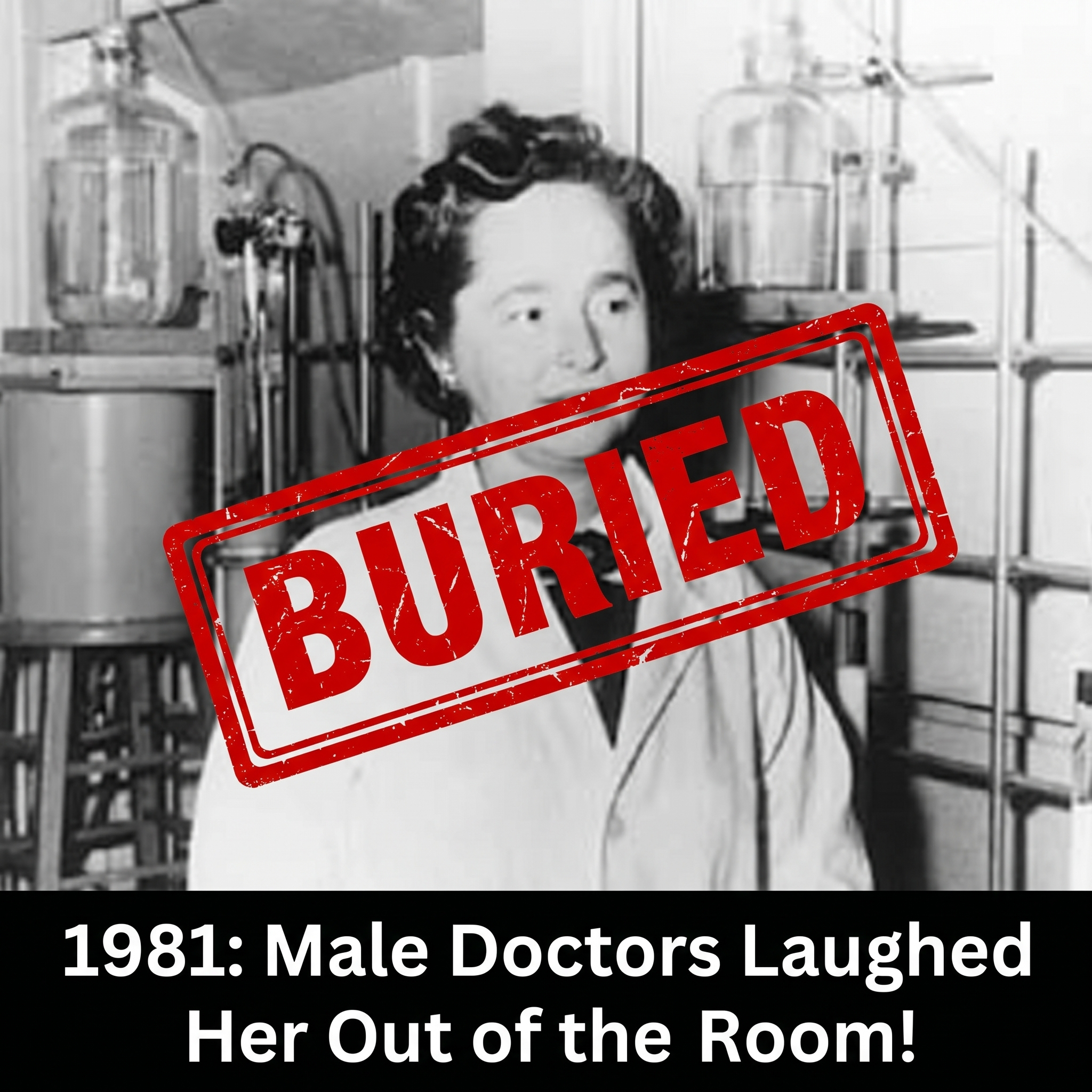
In 1981, a female researcher asked her department for funding to study why women's vaginal tissue broke down after menopause. She was told women's intimate aging wasn't a research priority. While her male colleagues studying penile blood flow received their grants the same month. What she discovered — unfunded, after hours, alone — should have changed medicine for every woman over 50\. It didn't. They buried it. And the reason they buried it is the reason you're still burning right now. Her name was Dr. Elena Voss. She was a gynecological researcher. One of three women in her department. It was 1979\. While the men around her chased funding for penile blood flow studies — a field that attracted money like gravity — she was doing something nobody else wanted to do. Studying the actual tissue. The vaginal lining. The membrane that dried out and thinned and cracked and bled in every woman after menopause. The tissue that made sex feel like sandpaper — and if you've never felt that, you won't understand the word. She wanted to know what this tissue actually was. What does it need? And why does it fall apart when other tissue in the body doesn't? Nobody would fund the question. So she answered it herself. After-hours lab time. Weekends. Tissue samples from surgical departments that were going to throw them in the trash. She started testing. If vaginal tissue breaks down after menopause, what other tissue in the body behaves the same way? What other membrane heals the same way? She needed a match. Esophageal tissue. Close. Not close enough. Nasal. No. Intestinal. No. Rectal. Closer. Still not right. Months of testing. Months of nothing matching. Then one night — late, alone in the lab, running one more comparison before going home — she tested vaginal tissue against oral mucosa. The tissue inside the mouth. The inner cheek. She ran it twice because she didn't believe the first result. They weren't similar. They were identical. Same cells. Same layers. Same thickness. Same way of absorbing things. Same way of breaking down. Same way of healing. The tissue inside your vagina and the tissue inside your mouth are the same tissue. She sat in that lab for a long time. Because if that's true — if those tissues heal the same way, break down the same way, absorb compounds the same way — then anything that heals one should heal the other. Anything that works inside your mouth should work inside your vagina. Because it's the same membrane. Which means the answer to vaginal tissue breakdown might have existed for centuries. Hiding in plain sight. In a completely different medical category. One that nobody thought to connect. So she started looking at what heals oral tissue. The research that already existed. The treatments that already worked. The ingredients that had already been proven — for the inside of the mouth. Chamomile. Healing mouth sores for over a thousand years. Your grandmother told you this. Brew the tea. Swish it. The sore heals. Every woman alive knows this works. Mallow has been soothing inflamed oral tissue since monks grew it in monastery gardens in the 1100s. Vitamin E gets rubbed on mouth sores after dental work. Tissue repair. Standard. Hyaluronic acid — the molecule your body makes naturally to keep mucous membranes wet — is used in oral surgery. In dental wound care. In mouth rinses. These ingredients have been healing the inside of your mouth for centuries. And the tissue they've been healing is the SAME TISSUE that's been drying out, cracking, and bleeding between your legs since menopause. But nobody connected them. For centuries. Nobody looked at a mouth sore and looked at vaginal atrophy and said "wait — this is the same membrane." Dr. Voss did. And then she did something about it. She built a vaginal suppository. Not a cream that washes off. Not a pill that gets destroyed by your stomach acid before it reaches anything. A suppository. Directly into the tissue. The way the tissue actually absorbs compounds. She combined chamomile, mallow, and sodium hyaluronate — a form of hyaluronic acid that your body produces on its own until menopause drops it by 94%. She delivered them via suppository, a simple insert. Directly into the tissue. Not a cream that sits on the surface. Not a pill that gets shredded by stomach acid. A suppository that melts at body temperature and absorbs into the membrane — the way the tissue was designed to receive compounds. The logic was embarrassingly simple. You wouldn't swallow a mouthwash to heal a canker sore. You put it on the tissue. She tested the formulation on tissue samples. The tissue was hydrating. Not on the surface — from within. The cells were pulling moisture in and holding it. The inflammation was receding. The cell walls — which in untreated samples had been thin, fragile, cracking — were thickening. Rebuilding. She was watching vaginal tissue regenerate. Using the same ingredients that had been healing the identical tissue inside mouths for a thousand years. She sat there for a long time. Not because she doubted the results. Because she was looking at the answer to a condition that affected every woman who'd ever gone through menopause. Built from ingredients growing in fields. Now all she had to do was to get someone to listen. She thought the data would speak for itself. She thought the connection was too clear to ignore. She thought — because she was a scientist and not a businesswoman — that proof was enough. It wasn't. They destroyed her. They did it the way the system always destroys women who threaten revenue. Quietly. Politely. With rejection letters. First journal. Rejected. "The compounds cannot be standardized for clinical recommendation." That's code. Chamomile grows in a field. You can't patent a field. If you can't patent it, you can't charge $400 a month for it. If you can't charge $400 a month, a journal won't publish it. Second journal. Rejected. "The delivery method lacks sufficient precedent." Vaginal suppositories. Documented since 1550 BC. Thirty-five hundred years of precedent. Not enough for a man in 1983\. She tried conferences. They gave her a poster. Not a stage. A poster. Taped to a wall in a hallway between the restroom and the registration desk. People walked past it on their way to get coffee. Who got the stage? A team of male researchers presenting early data on a compound that increased blood flow to the penis. Preliminary findings. Small sample sizes. But patentable. Very, very patentable. That compound became Viagra. Approved in six months. A billion dollars its first year. The fastest drug approval in FDA history at the time. And here's the part that should make you want to scream. One of the reviewers who rejected Dr. Voss's suppository paper — on the grounds that "vaginal delivery methods lack precedent" — later sat on an advisory board for a pharmaceutical company that manufactured vaginal estrogen cream. A cream. Delivered vaginally. The same delivery method he said lacked precedent when a woman proposed it with unpatentable ingredients. It didn't lack precedent. It lacked profit. His company's cream went on to generate $340 million in revenue. It required a prescription. It contained synthetic hormones millions of women couldn't safely use. And it needed to be applied every single day. Forever. Because a patient who heals is a customer they lose. Dr. Voss's suppository used natural ingredients. No prescription. No hormones. And because hyaluronic acid builds up in tissue over time, you'd need it LESS, not more. Eventually weekly. Maybe even monthly. That's the difference. His cream was designed for their revenue. Her suppository was designed for your body. Guess which one made it to market. Her research was filed. That’s the system's favorite way to kill something — don't fight it, just lose it in a drawer. Twenty-six treatments for male sexual dysfunction have been approved since then. Twenty-six. For women over 50? For the tissue that is identical to the inside of your mouth? For the condition that affects 84% of postmenopausal women? Zero. Approved treatments using the ingredients that actually heal this tissue. And what did women get instead? KY Jelly. Replens. Astroglide. Products that — when scientists FINALLY tested them on vaginal tissue, decades after they'd been sold to millions of women — turned out to DAMAGE the tissue. Pull moisture OUT. Feed yeast. The tissue lining fractured off in lab tests. FRACTURED OFF! These products are still on the shelf. Right now. Still the first thing doctors recommend. Still the first result when you Google "vaginal dryness." Nobody pulled them. Nobody reformulated them. Nobody told you. Because women's intimate aging wasn't a research priority. That sentence again. From the beginning. That's why nobody funded Dr. Voss. That's why nobody tested the lube before selling it to millions of women. That's why your doctor's only advice is "try some lubricant." That's why your husband thinks you don't want him anymore. That's why you're reading this right now, recognizing your own marriage in every paragraph. One sentence. Said to a woman in a lab in 1979\. And it echoed for forty years. Into your bedroom. Into your marriage. Into your body. But the science didn't care about filing cabinets. Between 2012 and 2024, everything she found was confirmed. Every single thing. Hyaluronic acid suppositories restore vaginal tissue. Published. Chamomile heals mucous membrane inflammation. Published. Vaginal and oral tissue are histologically identical. Published. Commercial lubricants damage vaginal cells. Published. Forty years later. Underfunded researchers. Working in the margins. Confirming what a woman proved alone in a lab in 1981\. Six ingredients. Chamomile. Mallow. Sodium hyaluronate. Vitamin E. Centella Asiatica. Tea Tree. Delivered directly to the tissue. Via suppository, a simple insert. The way Dr. Voss designed it. Every one grows from the earth. Not one can be patented. Not one is mentioned in a single American medical school. And that is why you hurt today. So now you know what the ingredients are. You know how the tissue works. You know why nobody told you. But here's the problem. You can't just buy chamomile and fix this. And the reason you can't is the same reason Dr. Voss built a suppository instead of prescribing tea. The ingredient has to reach the tissue. Chamomile tea heals the inside of your mouth because it TOUCHES the inside of your mouth. Drinking it won't get it to vaginal tissue. The compound has to make contact with the membrane. And this is where most women get trapped. Because the products designed to "make contact" with vaginal tissue — the ones sitting on the shelf at every pharmacy — are the ones that damage it. Lubricants? Glycerin-based. 4 to 30 times more concentrated than your body's natural fluid. They pull moisture out. The tissue fractured in lab tests. Hyaluronic acid serums? Made for face skin. Wrong pH. Wrong concentration. Vaginal tissue isn't facial skin — it's mucous membrane. The same product that works on your cheek won't work on identical tissue three inches lower if the formulation isn't matched to that tissue's chemistry. Estrogen creams? Prescription. Synthetic hormones. Millions of women can't use them — breast cancer survivors, women with clotting disorders, women whose doctors won't prescribe. And they need daily application. Forever. Because a product that heals you is a customer they lose. For forty years, nobody put the right ingredients in the right delivery method matched to the right tissue. Not because it was hard. Because the ingredients can't be patented. And the delivery was designed so you'd need it less — which is the opposite of how pharmaceutical revenue works. Dr. Voss designed this in 1982\. The system filed it away. And for four decades, no product matched what she built. That changed. Vevival is a vaginal suppository containing every ingredient Dr. Voss identified. Sodium hyaluronate — the molecule the body stops making after menopause, delivered directly where it's missing. Chamomile — healing this exact tissue type for a thousand years. Mallow — from Hildegard von Bingen's monastery garden. Vitamin E for tissue repair. Centella Asiatica for collagen regeneration. Tea Tree for protection. No hormones. No glycerin. No parabens. pH-matched to vaginal tissue — not 4 to 30 times too concentrated like the lubricants that have been damaging millions of women. GMP certified. Not a supplement with a fancy label. A medical device that passed real clinical standards. Backed by 21 published studies. You use it before bed. It melts inside. Absorbs completely. Nothing on your underwear. Nothing to clean up. And the part that would have made Dr. Voss proud: you use it less over time. Not more. Daily the first week. Then every few days. Then weekly. Because it restores what's missing instead of masking what's wrong. Every lubricant needs you again tomorrow night. Every cream washes off by morning. Every pill gets destroyed by stomach acid. This was designed so your tissue rebuilds. And once it rebuilds, you stop needing it. That's the difference between a product designed for their revenue and a product designed for your body. Now… here's what happens when you start using it: Here's what happens. **First night:** the burning stops. Not fades. Stops. If you've been living with that low-grade rawness for months or years — that constant hum of pain you've stopped even noticing because it's just always there — the silence is the first thing you feel. The absence of it. **By day three,** the itching is gone. The thing where you shift in your chair at work. Where you plan which underwear can handle the irritation. Where you're aware of your own body every minute of every day in a way that nobody around you knows about. That just stops. You forget about it. And forgetting is what normal used to feel like. **Around day six:** this is the moment most women describe as the turning point. A husband reaches across the bed. And for the first time in months — maybe years — there's no flinch. No clench. No automatic mental calculation of excuses. Just stillness. Just staying. That alone is enough to make some women cry. Not because they're sad. Because they'd forgotten what it felt like to not be afraid of their husband's touch. **Week two:** husbands notice before wives do. Not because the physical change is visible. Because the woman is different. The tension at bedtime is gone. The excuses have stopped. The distance has started closing. "You seem like yourself again." That's the sentence women keep hearing. Not from doctors. From the person sleeping next to them. **By week three,** most women are using it every other day. By month two, twice a week. The tissue is holding moisture on its own. The same way it did before menopause. Because the molecule it was missing has been replaced. Not masked. Replaced. If that sounds too good, consider this: the chamomile in your kitchen cabinet has been doing the exact same thing for the tissue inside your mouth your entire life. Same tissue. Same healing. The only difference is someone finally delivered it where you actually need it. If you're burning. If the lube makes it worse. If sex feels like punishment for getting older. If you've been faking sleep. Faking UTIs. Giving mercy sex and hating yourself after. Watching your husband go quiet and wondering how much longer he'll wait. Your tissue didn't fail. The system failed your tissue. Because a woman in a lab proved the answer forty years ago and the system couldn't profit from chamomile. Somebody finally put the ingredients where they belong. There’s a 90-day guarantee. So you can get a full refund if it doesn't work. But x,000 women haven’t asked for a refund. And there’s a reason why. Link is below if you wanna check it out. https://hervitality.co/pages/vevival-lp-gcro-ver-4 **P.S.** — This article will probably get flagged. Posts about natural alternatives to pharmaceutical products tend to get suppressed, reduced in reach, or labeled "misleading" — even when every claim is sourced and every study is published. If you're reading it now, it's because it's still up. If you send it to a friend next week and the link doesn't work, you'll know why. Screenshot it. Save it. Share it while you can. Dr. Voss's research was buried once already. This information shouldn't be buried twice. **P.P.S.** — The product link almost wasn't included here. Because the moment a link appears in something like this, it stops being information and starts being an ad. But withholding where to find these ingredients in the right form would be doing the same thing the medical system did to Dr. Voss's research. Giving the knowledge. Withholding the solution. So yes. There's a link. Not because anyone is paid to share it. But because Vevival is the only product that delivers all six of Dr. Voss's identified compounds — chamomile, mallow, sodium hyaluronate, vitamin E, centella, tea tree — directly to the tissue via direct insert . pH-matched. No hormones. No glycerin. No parabens. GMP certified. Backed by 21 published studies. Any product that does the same — real ingredients, right delivery, matched to the tissue — would work. The brand doesn't matter. But for the simplest path to the formulation Dr. Voss designed forty years ago — the link is below. 90-day guarantee. Full refund if nothing changes. No risk except staying where you are.
Where the ad sends people
https://hervitality.co/vevival
The Insert Every Women Over 50 Needs
Welcome to Her Vitality.
See details: hervitality.co(opens in a new tab)