Health Reviews
Health Reviews Facebook ad: “Read This If You Have A Cat Water Fountain”
Ran for 8 days, from July 20 to July 28, 2026, the last day Crush saw it.
Run by Health Reviews on Facebook. Crush is not the advertiser and does not verify its claims. See this ad in Meta's Ad Library(opens in a new tab)
Want an ad like this for your product?
Crush makes new ad images for your product from this ad: your logo, your product photo, your offer.
Trials from $19.95 USD, then $79.95 USD a month. Cancel anytime.
About this ad
- Meta Ad Library ID
- 2551505308620366
- Platforms
- Facebook, Instagram, Audience Network, Messenger and Threads
- Relaunches
- 0
- Niche
- Pets
Ad text
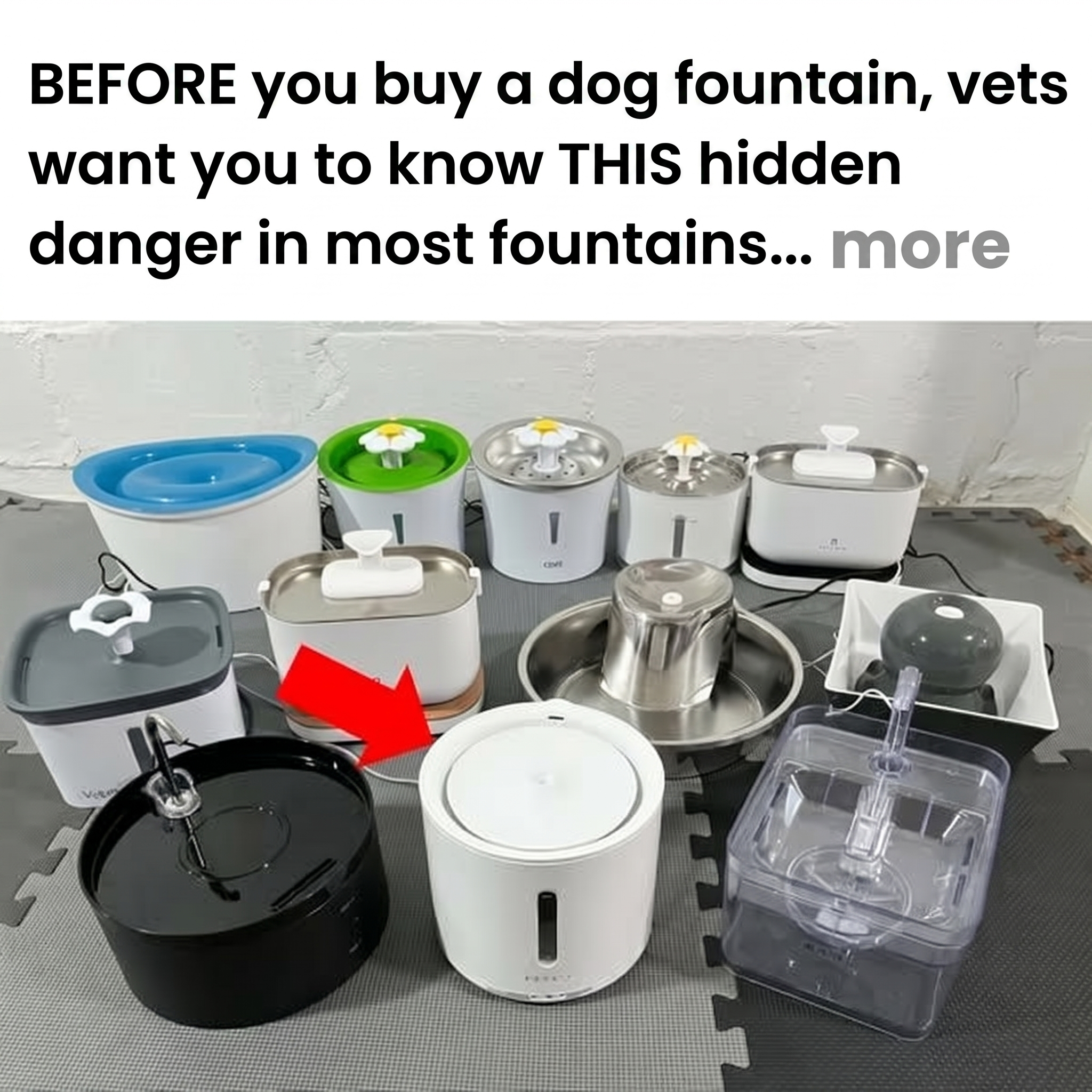
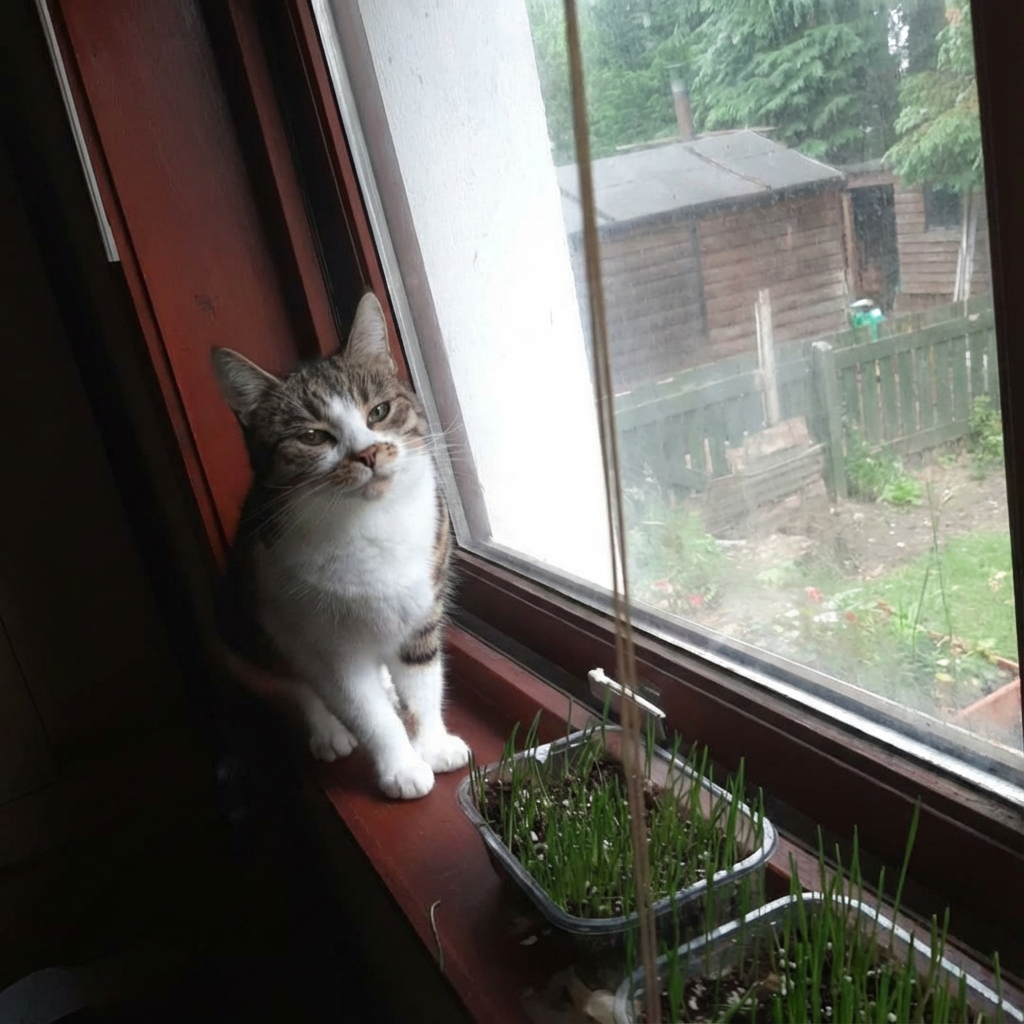
Please STOP refilling your cat’s water fountain every day. I know that sounds crazy, but my emergency vet explained why fresh water in a plastic fountain can still cause deadly crystals. I was doing everything right. Or so I thought. Fresh water every morning. Premium fountain from Amazon with 4.8 stars. Filters changed on schedule. My cat Milo was drinking more than he ever did from a bowl. I felt like I’d finally figured it out. Then at 2 AM on a Thursday, I woke up to sounds I’ll never forget. Milo was in his litter box, crying. Not meowing—crying. A guttural, desperate sound that made my stomach drop. I found blood. The emergency vet said “urinary blockage” and the number “$2,400” in the same sentence. They catheterized him. Kept him overnight. Sent me home with prescription food and instructions to “make sure he drinks plenty of water.” I already had a fountain. I was already doing that. Two weeks later, I was scrubbing that fountain at 11 PM, exhausted. The pink slime was back. It always came back. I’d clean it completely—take apart every piece, scrub with boiling water, let it dry overnight. Three days later, that pink film would be coating the inside again. But I kept refilling it. Kept cleaning it. Kept telling myself I was doing everything the vet said. Six months later, Milo blocked again. Same sounds. Same blood. Same emergency room at 2 AM. This time, a different vet was on call. A surgical specialist who’d seen this exact scenario dozens of times. She asked me one question that changed everything: “What kind of fountain do you have?” I described it. Plastic. Popular brand. Great reviews. She nodded slowly, like she’d heard this before. “How often do you clean it?” “Every three days. Sometimes every other day when the slime builds up fast.” She looked at me for a long moment. “That slime you’re seeing? That’s biofilm. Bacterial colonies. And plastic is porous at a microscopic level—bacteria embeds in cracks you can’t see. When you clean it, you’re removing the visible layer, but the colonies are still there, regrowing within hours.” My throat tightened. “So… he’s been drinking contaminated water this whole time?” “Worse,” she said. “Cats can smell bacterial contamination long before we can see it. Their ancestors survived by avoiding stagnant or contaminated water sources. It’s hardwired into their brain.” She pulled up Milo’s chart on her computer. “Look at his timeline. First blockage six months ago. You got the fountain to increase his water intake, right?” I nodded. “But he’s blocking more frequently now, not less. That’s because he’s avoiding the fountain once the biofilm starts forming—usually within 24–48 hours of cleaning. So despite having ‘fresh water’ available, he’s actually drinking less than before. He’s chronically dehydrated.” The room felt smaller suddenly. “I’ve been making it worse.” She didn’t disagree. “The fountain wasn’t the problem—the material was. Plastic harbors bacteria. Stainless steel doesn’t. The porous surface of plastic creates the exact environment for biofilm growth. And cats won’t drink from it once they detect contamination, even if they’re desperately thirsty.” I thought about all those times Milo would walk up to his fountain, sniff it, and walk away. I thought he was being picky. He was trying to stay alive. “But I’m changing the water every single day,” I said, my voice cracking. “How is that not enough?” “Because fresh water doesn’t matter if the surface it’s touching is colonized with bacteria. You’re pouring clean water into a contaminated reservoir. Within hours, that water is compromised.” She showed me pictures on her phone. Pumps opened up, filled with black mold. Plastic reservoirs with pink biofilm coating every crevice. “This is what I see when owners bring in their fountains to show me. And most don’t even know it’s there until the pump stops working.” I felt sick. “The crystals that caused his blockage? They form when urine becomes too concentrated—which happens with chronic dehydration. You bought a fountain to prevent this exact problem. But the fountain material was triggering his instinct to avoid drinking.” I drove home from that emergency visit at 4 AM with Milo sedated in his carrier. $2,100 this time. I couldn’t sleep. I sat on my kitchen floor and googled “cat fountain bacteria” and “biofilm plastic.” Study after study. Forum after forum. Hundreds of people describing the same thing. The pink slime. The constant cleaning. Cats who drank great for two days after cleaning, then stopped. One comment stopped me cold: “It quit working one day so I forcefully opened the pump and the internals were FULL of black mold. We were absolutely horrified.” I looked at Milo’s fountain sitting on my counter. It looked clean. I’d just scrubbed it that afternoon. I unscrewed the pump casing. Black. Mold. Everywhere. In every tiny crevice. Coating the impeller. Embedded in the tubing. My cat had been drinking this. For six months. While I congratulated myself for being a responsible cat mom. I threw the entire fountain in the trash at 5 AM and sat in my dark kitchen, crying. The vet had mentioned stainless steel. Medical-grade, she’d said. Non-porous. Bacteria can’t embed in the surface. I found Lunaflow online at 6 AM — by Lovax. I read every review. Looked at every photo. Read the description about triple-stage filtration and surgical-grade stainless steel. It arrived a few days later. I filled it with filtered water. Plugged it in. Watched the water circulate. Milo approached it within an hour. Sniffed it. And drank. He didn’t hesitate. Didn’t sniff and walk away. He just… drank. For three full minutes. I stood there watching him, my throat tight, realizing this was the first time in six months I’d seen him drink without hesitation. That was 18 months ago. Milo hasn’t blocked since. Not once. His last vet check showed normal kidney values. Dilute, healthy urine. The vet said whatever I was doing, keep doing it. I refill his fountain once a week now. Not daily. Because the water stays fresh—no biofilm can form on stainless steel. I clean it once a week with soap and water. Takes two minutes. No scrubbing. No pink slime. No mold hiding in crevices I can’t reach. But here’s what haunts me: Those six months of Milo being chronically dehydrated while I thought I was preventing it. The $4,500 in emergency vet bills trying to fix a problem I was inadvertently causing. The nights I blamed him for being difficult when his biology was protecting him from contaminated water. If that surgical specialist hadn’t been on call that night, I’d still be scrubbing that plastic fountain every three days. Still wondering why my cat wouldn’t drink consistently. Still risking another blockage—or worse, permanent kidney damage. I’m sharing this because I see so many people in the same position I was in. Doing everything right with the wrong fountain. Exhausted from constant cleaning. Terrified every time their cat uses the litter box. Spending hundreds on prescription food while missing the actual problem. If your cat has crystals, blockages, or kidney concerns—if you’re cleaning your fountain every few days because of slime—if your cat drinks great right after cleaning but stops within 48 hours… The fountain material matters more than you think. Bacteria can’t colonize surgical-grade stainless steel the way it colonizes plastic. It’s not about cleaning more often. It’s about using a material that doesn’t harbor bacteria in the first place. Your cat’s instinct to avoid contaminated water is stronger than their thirst drive. They’ll become dangerously dehydrated rather than drink from a source their biology tells them is unsafe. Even if it looks clean to you. Even if you just refilled it this morning. Milo is 8 years old now. He drinks throughout the day—I hear the fountain running and find him there constantly. His urine is pale and dilute. His energy is back. I’m not worried anymore. Not about blockages. Not about kidney disease. Not about whether he’s drinking enough. Because I finally understand what was stopping him. And I fixed the actual problem instead of managing symptoms. If you’re where I was 18 months ago—exhausted, scared, doing everything the vet said but still seeing problems—please look at your fountain material. It’s not about buying more filters or cleaning more often. It’s about whether bacteria can colonize the surface your cat is drinking from. That’s the difference between a cat who drinks consistently and one who blocks repeatedly despite your best efforts. I wish someone had told me sooner. Before the emergency visits. Before the guilt. Before Milo suffered through two blockages that were completely preventable. I have attached a link underneath so that you don’t have to dig through the comments. You can’t un-know what contaminated water does to cats who are biologically programmed to avoid it. But you can make sure they never have to choose between dehydration and survival instinct again.
Where the ad sends people
trylovax.com
Read This If You Have A Cat Water Fountain 👆
Lovax
Learn more: trylovax.com(opens in a new tab)