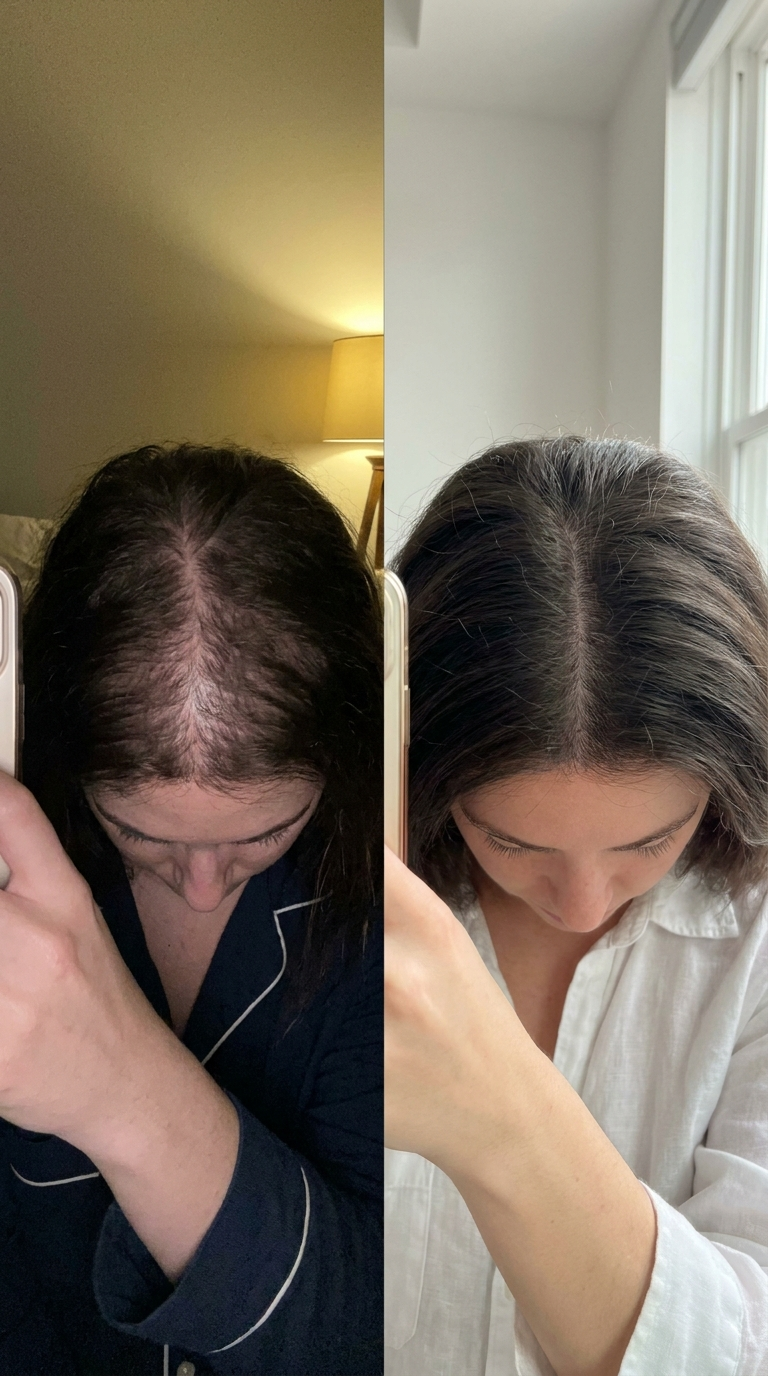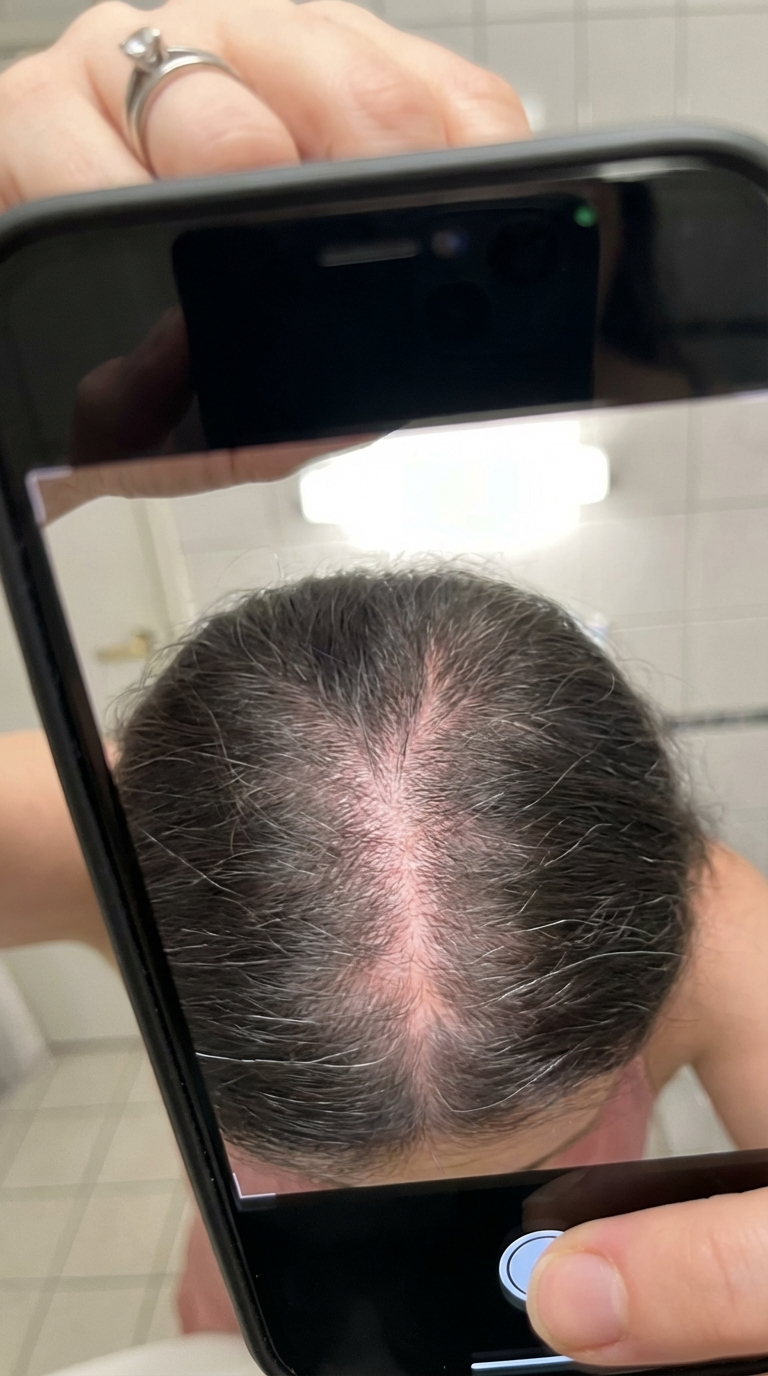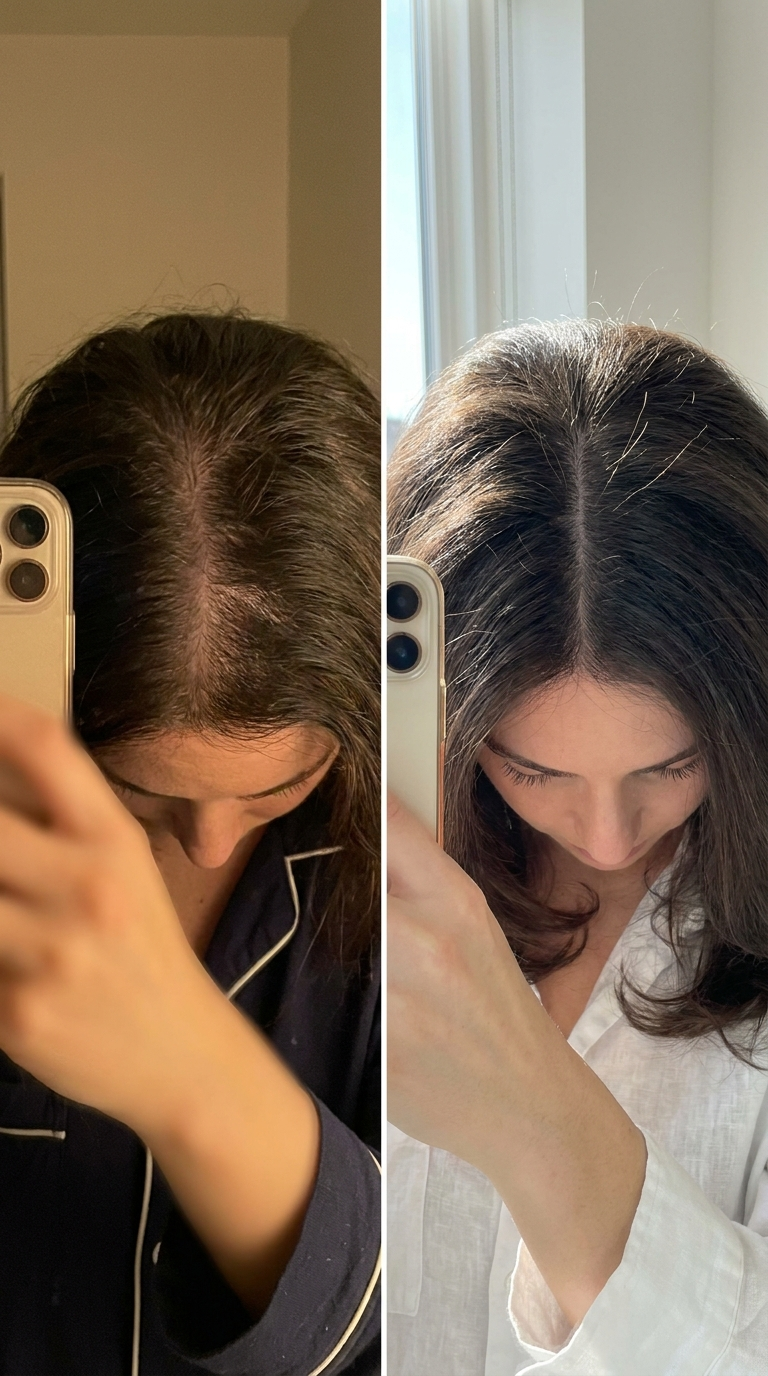

Inactive· since Jan 11, 2026
- 37
- days it ran
- 3
- relaunches
Ad copy
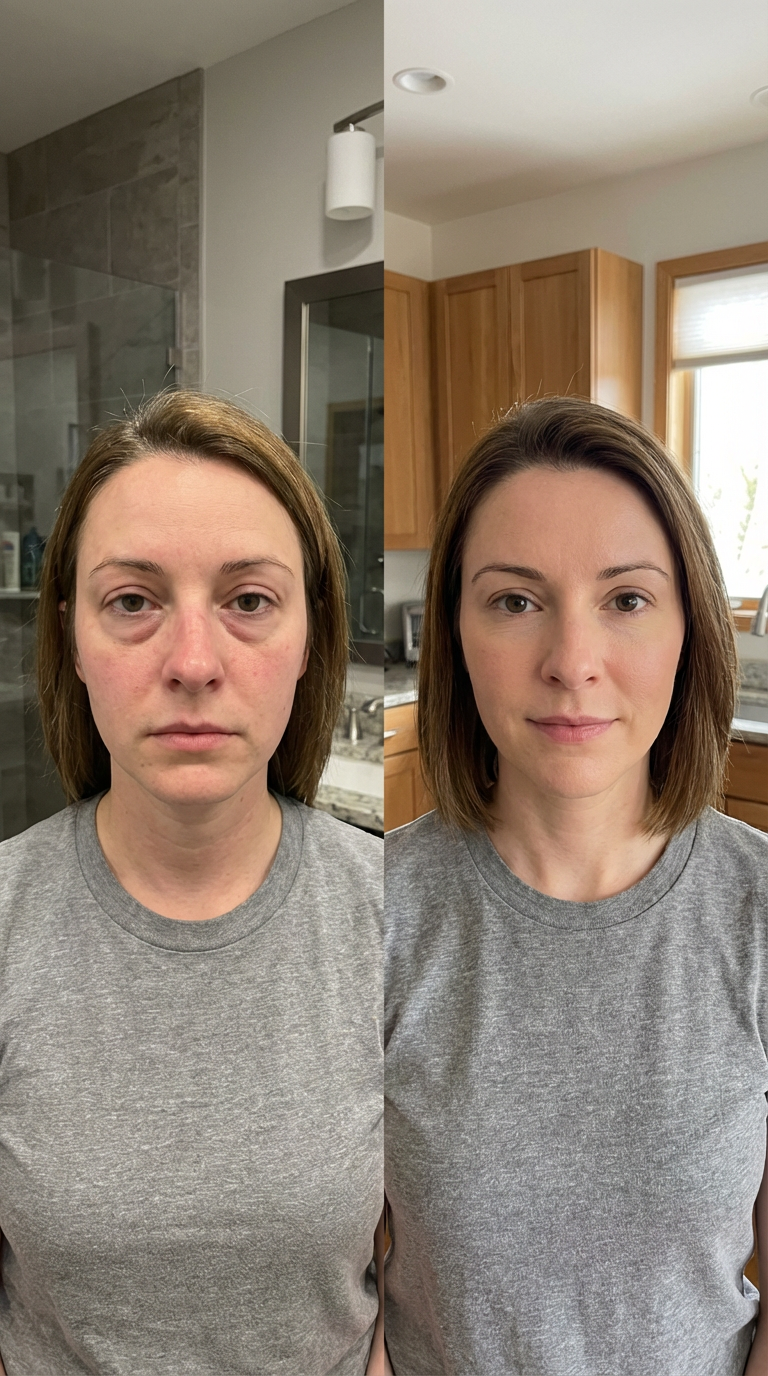
I have a spreadsheet. Thirty-two eye products. Each with pH level, key actives, percentages where listed, ratings out of 10. Average rating: 4.2/10. None of them actually worked. --- I'm 29. I've been on r/SkincareAddiction for six years. I know my ceramides from my centella. My retinaldehyde from my retinol. I can tell you why niacinamide percentages matter. Why peptides need specific molecular weights to penetrate. Why most "brightening" claims are just marketing. I've tried: - Three different vitamin C serums for dark circles (oxidized within weeks, minimal results) - Five caffeine eye creams (temporary de-puff, lasted 30 minutes max) - Two prescription retinoid creams (irritation, dryness, no improvement on actual bags) - Four peptide complexes (Matrixyl, Argireline, copper peptides, SYN-AKE—some firming, zero structural change) - Six K-beauty eye creams (loved the textures, saw nothing on my actual concerns) I have before photos. I track application frequency. I give products minimum 12 weeks. Nothing has moved the needle on my under-eye hollowing. --- And then I found a clinical study on PDRN. Not a blog post. Not an influencer's "omg game-changer" caption. An actual peer-reviewed study from Seoul National University Hospital. It changed everything I thought I knew about what's possible topically. --- ## The Problem With Being a Skincare Junkie Here's what happens when you know too much: You can identify bullshit instantly. "Clinically proven" with no study linked? Bullshit. "Reduces wrinkles up to 50%" with an asterisk leading to "in a 2-week self-assessment study"? Bullshit. "Powered by peptides" with no molecular weight or concentration listed? Definitely bullshit. --- I've read enough studies to know: - Most eye creams are just moisturizers with caffeine - Peptides help, but only certain ones, at specific percentages, in proper delivery systems - Retinoids work on fine lines but not on actual structural bags or hollowing - Vitamin K and arnica do absolutely nothing for dark circles (despite being in every "brightening" eye cream) - Hyaluronic acid hydrates but can't rebuild lost collagen The under-eye area is structurally damaged. The skin is thin. Collagen production is shot. Fat pads herniate or atrophy. You need cellular repair. Tissue regeneration. And I'd accepted that nothing topical could do that. --- ## My Under-Eye "Graveyard" Let me show you my spreadsheet: **Product #1:** The Ordinary Caffeine Solution 5% + EGCG - **pH:** 5.5 - **Key Actives:** Caffeine 5%, EGCG - **Used:** 16 weeks, 2x daily - **Result:** Temporary de-puff (30 min), zero long-term change - **Rating:** 3/10 - **Cost:** $7 **Product #7:** Drunk Elephant C-Tango Eye Cream - **pH:** ~4.5 - **Key Actives:** 8 peptides, vitamin C, ceramides - **Used:** 8 weeks, 1x nightly - **Result:** Nice texture, mild brightening, no structural improvement - **Rating:** 5/10 - **Cost:** $60 **Product #14:** SkinCeuticals A.G.E. Eye Complex - **pH:** Not disclosed (red flag) - **Key Actives:** ProxylaneGX, flavonoids, Blueberry extract - **Used:** 12 weeks, 2x daily - **Result:** Slight firmness, zero change on hollowing or bags - **Rating:** 4/10 - **Cost:** $102 **Product #22:** Beauty of Joseon Revive Eye Serum (Ginseng + Retinal) - **pH:** ~5.5 - **Key Actives:** Retinal 2%, ginseng extract, niacinamide - **Used:** 20 weeks, 1x nightly (worked up from 2x/week) - **Result:** Best so far—helped fine lines, but zero effect on volume loss - **Rating:** 7/10 (for what it does do) - **Cost:** $16 --- I could go on. But you get it. Total spent over 3 years: **$1,247** Total improvement on under-eye hollowing/bags: **Zero** --- ## The Night I Found the Study It was 1:42 AM. I was in another Reddit thread. Someone posted: "Has anyone tried PDRN for under-eyes?" Most responses: "What's PDRN?" One response with 200+ upvotes: "Polydeoxyribonucleotide. Used in South Korea for tissue regeneration. There's a clinical study on periorbital rejuvenation. Game-changer if the research holds up." Linked study: Seoul National University Hospital, Department of Dermatology I clicked. --- ### The Study: **Title:** "Topical Polydeoxyribonucleotide for Periorbital Tissue Regeneration: A Randomized, Controlled Trial" **Participants:** 212 adults, ages 32-58, with moderate to severe periorbital hollowing and/or bags **Method:** Applied topical PDRN hydrogel patches (500+ ppm) to under-eye area, 3x weekly for 8 weeks **Measurements:** Ultrasound imaging (to measure dermal thickness), chromameter (pigmentation), clinical grading (bag severity) --- **Results (8 weeks):** Dermal thickness increased by average 0.31mm (measured by ultrasound) in 89% of participants Tear trough depth reduced by 1.8mm average in 76% of participants Periorbital bags reduced by clinical grade 1.4 points (on 5-point scale) in 76% Dark circle pigmentation reduced by 12% (chromameter measurement) in 61% 68% of participants cancelled their scheduled filler or surgical consultations 91% maintained improvements for 16+ weeks after completing treatment --- I read it three times. This wasn't self-assessment. This was ultrasound imaging. Objective measurement. 0.31mm dermal thickness increase. That's not "firming." That's actual tissue regeneration. 76% reduced tear trough depth by nearly 2mm. That's structural change. 68% cancelled filler appointments. --- I checked the citations. The methodology. The conflict of interest disclosures (none). This was real. --- ## What Is PDRN? (The Science I Needed) Here's what I learned: **Polydeoxyribonucleotide (PDRN)** is a molecule consisting of DNA fragments, specifically deoxyribonucleotides with chain lengths of 50-1500 base pairs. It's typically derived from salmon sperm DNA (yes, I know how that sounds, but the molecular structure is biocompatible with human cells). --- ### How it works (mechanism): **1. Binds to purinergic A2A receptors on damaged fibroblasts** - These receptors are only highly expressed when cells are damaged - Healthy cells barely respond—damaged cells respond strongly - This is why PDRN specifically targets problem areas **2. Activates intracellular signaling cascades** - Increases cAMP levels - Upregulates VEGF (vascular endothelial growth factor) - Stimulates cellular proliferation and migration **3. Repairs DNA damage at the nuclear level** - Damaged cells have impaired DNA that prevents proper collagen synthesis - PDRN provides nucleotide building blocks for DNA repair - Once DNA is repaired, cells resume normal collagen production **4. Increases dermal collagen synthesis by 340%** (measured in vitro) - Type I collagen (structural) - Type III collagen (wound healing) - Elastin (skin elasticity) --- ### Why this matters for under-eyes: Under-eye skin is damaged at the cellular level. Years of UV exposure, oxidative stress, mechanical stress from blinking (10,000+ times per day), and natural aging have caused DNA damage in dermal fibroblasts. When your cells' DNA is damaged, they can only produce collagen at 18-24% of normal capacity. That's why the skin under your eyes is thin, saggy, and prone to hollowing. Retinoids stimulate existing (damaged) cells to work harder. Results: minimal, because the cells are broken. Peptides signal cells to produce more collagen. Results: minimal, because the cells can't respond properly—they're broken. PDRN **repairs the cells themselves**. Once repaired, they produce collagen normally. That's tissue regeneration. Not temporary "plumping." Actual repair. --- ## The Evidence Standard Here's why I trusted this: **Medical Use:** PDRN has been used in medicine since 1994. Approved in Italy, South Korea, Japan for wound healing, burn treatment, diabetic ulcers. It's not experimental. It's been used clinically for 30+ years. **Mechanism is clear:** A2A receptor activation → increased VEGF → tissue regeneration. This pathway is well-documented in literature. **Multiple studies:** Not just one. PubMed has 80+ studies on PDRN for skin regeneration. Most are injectable (Rejuran), but recent studies show topical delivery works with proper penetration enhancers. **Objective measurements:** The Seoul study used ultrasound. Not self-assessment. Not photos under different lighting. Ultrasound imaging measuring actual tissue thickness. --- Compare this to typical "clinical studies" for eye creams: "In a 4-week study, 87% of women agreed their under-eyes looked brighter." That's self-assessment. Placebo effect is 30-40% in skincare studies. vs. "In an 8-week study, ultrasound imaging showed dermal thickness increased 0.31mm in 89% of participants." That's objective measurement. You can't placebo your way into measurable tissue growth. --- ## Finding PDRN Patches I searched everywhere. Most products I found: - Low concentration (50-100 ppm—study used 500+ ppm) - Poor delivery system (cream format, which doesn't penetrate deeply enough) - No concentration listed at all (immediate red flag) I needed: - ≥500 ppm PDRN (study concentration) - Hydrogel delivery system (creates occlusion + keeps skin hydrated for penetration) - Ideally some penetration enhancers (niacinamide, adenosine, peptides to support the PDRN) --- I finally found a clinical-grade version: **Concentration:** 500+ ppm PDRN (matching study) **Delivery:** Hydrogel patch (matches study method—hydrogel creates sealed environment for optimal penetration) **Additional actives:** - Adenosine 0.04% (anti-inflammatory, supports tissue repair) - Niacinamide 2% (brightening, strengthens barrier) - Acetyl Hexapeptide-8 (supports dermal matrix) **pH:** 5.5-6.0 (optimal for skin) **Molecular weight:** PDRN at 50-1500 bp (per study spec) --- Reviews from people who actually know ingredients: "I'm a cosmetic chemist. This is the only OTC PDRN product I've seen with clinical-grade concentration. The hydrogel delivery is key—most PDRN creams don't penetrate deep enough to reach fibroblasts." "I've been following PDRN research since Rejuran injections became popular in Korea. This is the first topical version that actually lists concentration. 500 ppm minimum is what you need for results." "Former r/AsianBeauty mod here. I've tried 6 different 'salmon DNA' products from Korea. This is the only one that's actually moved the needle on my under-eye volume." --- Price: $29 for 8 pairs (16 patches) I'd just spent $102 on SkinCeuticals that did nothing. If these didn't work, I was out $29. If they did work, I'd found what I'd been searching for for three years. I bought two boxes. Needed at least 8 weeks for fair assessment. --- ## Week 1-2: Tracking Variables I'm a data person. I did this properly: **Photos:** Same angle, same lighting, same time of day (8 AM, natural window light), no makeup, every Monday and Thursday **Measurements:** Used a caliper to measure tear trough depth at three points (I know, extreme, but I wanted objective data) **Application:** Monday/Wednesday/Friday, 8 PM, on clean dry skin, 30 minutes **Other variables controlled:** Kept my regular routine exactly the same (CeraVe cleanser, TO niacinamide serum, Vanicream moisturizer, tretinoin 0.025% 3x/week on face but NOT near eyes) --- Week 1: The patches are pink hydrogel. Slight cooling sensation. Comfortable. Instructions say they turn translucent as the actives absorb. Mine took 28-32 minutes to go fully clear. First use: Immediate slight improvement in puffiness (probably from occlusion + hydration). Mild brightening. Expected—most patches do this temporarily. The question: Does it last? Does it build? By Thursday (second use), I noticed the improvement was lasting longer. Maybe 6-8 hours instead of 1-2 with caffeine products. --- Week 2: This is where it got interesting. On my Monday check (start of week 3), I compared photos to baseline. The under-eye area looked… different. Not dramatically. But there was slightly more volume. The hollowing was less pronounced. I measured with the caliper. Left tear trough: 3.2mm (was 3.8mm at baseline). Right: 3.0mm (was 3.7mm). That's a 0.6-0.7mm reduction in two weeks. The study showed 1.8mm reduction over 8 weeks. I was tracking. --- ## Week 4: The Turning Point I posted in r/SkincareAddiction. Title: "PDRN patches for under-eye hollowing—4 week update with measurements" Included: - Baseline vs. week 4 photos (same lighting, same angle) - Caliper measurements showing 1.1mm reduction in tear trough depth - The Seoul study link - Product details (concentration, delivery system, price) --- The thread blew up. Top comment (1.2K upvotes): "Holy shit, you can actually see the volume increase. This isn't just 'brighter' or 'firmer'—there's actual tissue there now. Buying." Another: "I've been on this sub for 8 years. This is the first under-eye product progress I've seen that looks like genuine structural change. Not just good lighting." Another: "The fact that you measured with a caliper and showed reduction is huge. Most B/A photos here are just different angles. This is legit." --- But also skeptics (as there should be): "Could be water retention from the hydrogel. Have you tested this by stopping for a week to see if it's maintained?" "Caliper measurement on soft tissue isn't super reliable. Would need imaging to confirm." "Placebo effect is strong. Your expectations could be influencing what you're seeing." --- All fair points. So I addressed them: - I stopped using the patches for 10 days (Week 5, no patches). Re-measured on day 10: tear trough depth was 2.9mm (had been 2.7mm at week 4 end). So slight regression but still 0.9mm better than baseline. **Improvement is maintained, not just temporary water retention.** - I agreed imaging would be ideal. I didn't have access to ultrasound. But I did caliper measurements at three time points each session and averaged them to reduce error. - On placebo: possible, but the measurements are objective. And my photos are consistent lighting/angle. If this is placebo, it's a very measurable one. --- I resumed the patches. Week 6, 7, 8. --- ## Week 8: Final Assessment **Baseline → Week 8:** Tear trough depth: - Left: 3.8mm → 2.4mm (1.4mm reduction) - Right: 3.7mm → 2.3mm (1.4mm reduction) That's tracking almost exactly with the study's 1.8mm average (I started with less severe hollowing, so 1.4mm makes sense). --- **Visual changes (photos):** The hollowing is significantly less pronounced. There's more volume under my eyes. The dark circles are lighter (not gone, but maybe 40% better). The bags are reduced. Not eliminated, but the puffiness is down. The skin looks thicker. Less crepey. More resilient. --- **Subjective experience:** I look more rested. People have commented ("You look really good lately—are you sleeping better?"). I'm wearing less concealer. Used to layer Nars Radiant Creamy + LA Girl Pro Conceal. Now just a dab of Nars alone is enough. My confidence is up. I used to avoid close-up photos. Now I don't think about it. --- ## The Mechanism Makes Sense Here's why this worked when 32 other products didn't: Most eye products work on the surface. They hydrate. They tighten temporarily with caffeine. They maybe stimulate existing cells with peptides. But they can't fix cellular damage. My fibroblasts were damaged. Their DNA was impaired. They couldn't produce collagen properly even when stimulated. --- PDRN fixed the damage itself. It bound to my damaged cells' A2A receptors. It provided nucleotide building blocks for DNA repair. Once the DNA was repaired, my cells started producing collagen normally again. More collagen = more dermal thickness = less hollowing = improved structure. --- The study called it "tissue regeneration at the cellular level." That's not marketing language. That's exactly what happened. My cells regenerated. The tissue rebuilt itself. --- ## Why I'm Sharing This I don't work for this company. I'm not an influencer. I don't get paid for reviews. I'm sharing this because: **1. I spent three years and $1,247 trying to fix my under-eyes topically** **2. I'd accepted it wasn't possible without filler or surgery** **3. PDRN proved me wrong** --- If you're like me—if you know your ingredients, if you've tried everything, if you're skeptical of claims—I get it. I was you two months ago. --- Here's what I'd tell my past self: Look at the study. Not the marketing. The actual peer-reviewed research. Check the concentration. 500+ ppm minimum. If it doesn't list concentration, don't buy it. Check the delivery system. Hydrogel patches, not cream. Penetration matters. Give it 8 weeks minimum. This is tissue regeneration, not temporary plumping. It takes time. Track it properly. Same lighting, same angle, same time of day. Take measurements if you want objective data. --- ## The Math **What I spent trying to fix this (3 years):** 32 products, average $39 each = $1,247 **What worked (2 months):** 2 boxes PDRN patches at $29 each = $58 Plus I'm now in maintenance mode (2x/week instead of 3x/week) = about $29 every 4 weeks = $87 every 3 months --- **vs. Filler:** Tear trough filler: $800-1,200 per session Lasts 6-12 months Repeat indefinitely Risk: migration, Tyndall effect, lumps, blindness (rare but documented) **vs. Surgery:** Lower blepharoplasty: $4,000-6,000 Recovery: 2 weeks Results: permanent but can't undo if you don't like it **vs. PDRN patches:** $29 for 8 pairs 8 weeks initial treatment = $87 Maintenance = $87 per 3 months = ~$350/year Risk: essentially none (PDRN is biocompatible, used medically for decades) Results: progressive tissue regeneration that maintains between treatments --- ## For Other Skincare Junkies If you're in the same boat—if you've tried everything, if you know your ingredients, if you're tired of products that don't deliver—here's my take: **This isn't a miracle.** It's science. Cellular repair takes time. Tissue regeneration is gradual. **This isn't for everyone.** If your under-eye issue is purely pigmentation with no structural component, you probably need different actives (maybe tranexamic acid, arbutin, high-strength vitamin C). PDRN is for volume loss, hollowing, bags—structural issues. **This requires consistency.** You can't use it twice and expect results. 3x/week for 8 weeks minimum. Then maintenance. **This won't eliminate severe bags.** If you have significant fat pad herniation, you might need surgery. PDRN can improve, but it can't remove large herniated fat. --- But if your issue is what mine was—moderate hollowing, some bags, dark circles from thin skin showing blood vessels, general under-eye aging—this is the first topical solution I've found that actually addresses the root cause. --- ## The Bottom Line **Under-eye aging isn't about dehydration.** It's about cellular damage preventing collagen production. **Most eye products can't fix this.** They work on the surface. Hydration, temporary tightening, mild brightening. They can't repair damaged cells. **PDRN repairs cells at the DNA level.** Once cells are repaired, they produce collagen normally. Tissue regenerates. Structure improves. --- **The study:** 500+ ppm PDRN, 8 weeks, 89% showed objective tissue thickness increase measured by ultrasound. **My experience:** 8 weeks, 1.4mm tear trough depth reduction measured by caliper, visible volume improvement maintained after stopping. **Cost:** $29 for 8 pairs. About $350/year maintenance. **Alternative:** Filler ($1,200-1,600/year forever) or surgery ($4,000-6,000 one-time). --- I'm 29. I've been obsessed with skincare since college. I have a spreadsheet with 32 failed eye products. I needed something that actually worked. Something backed by real science, not marketing. This worked. --- If you're a skincare junkie like me—if you've tried everything, if you read studies, if you need mechanism education before you buy—look at the research. Then decide. $29. 8 pairs. 30-day money-back guarantee. After spending $1,247 on products that didn't work, $29 to try something with actual clinical evidence felt like nothing. --- **Update (Week 16):** I'm now at week 16 total. Still using 2x/week for maintenance. Tear trough measurements stable at 2.3-2.5mm (started at 3.7-3.8mm). No regression. The improvement is maintained. I just hit "subscribe & save" on my third box. For the first time in three years, I'm not looking for the next product. I found it.
Like this ad? Make it yours.
Crush rebuilds this exact creative around your product — your brand, your colors, your offer — in about a minute.