Nancy Anderson
Nancy Anderson Facebook ad: “Nobody Told Me My Blood Sugar Was Feeding the Rash”
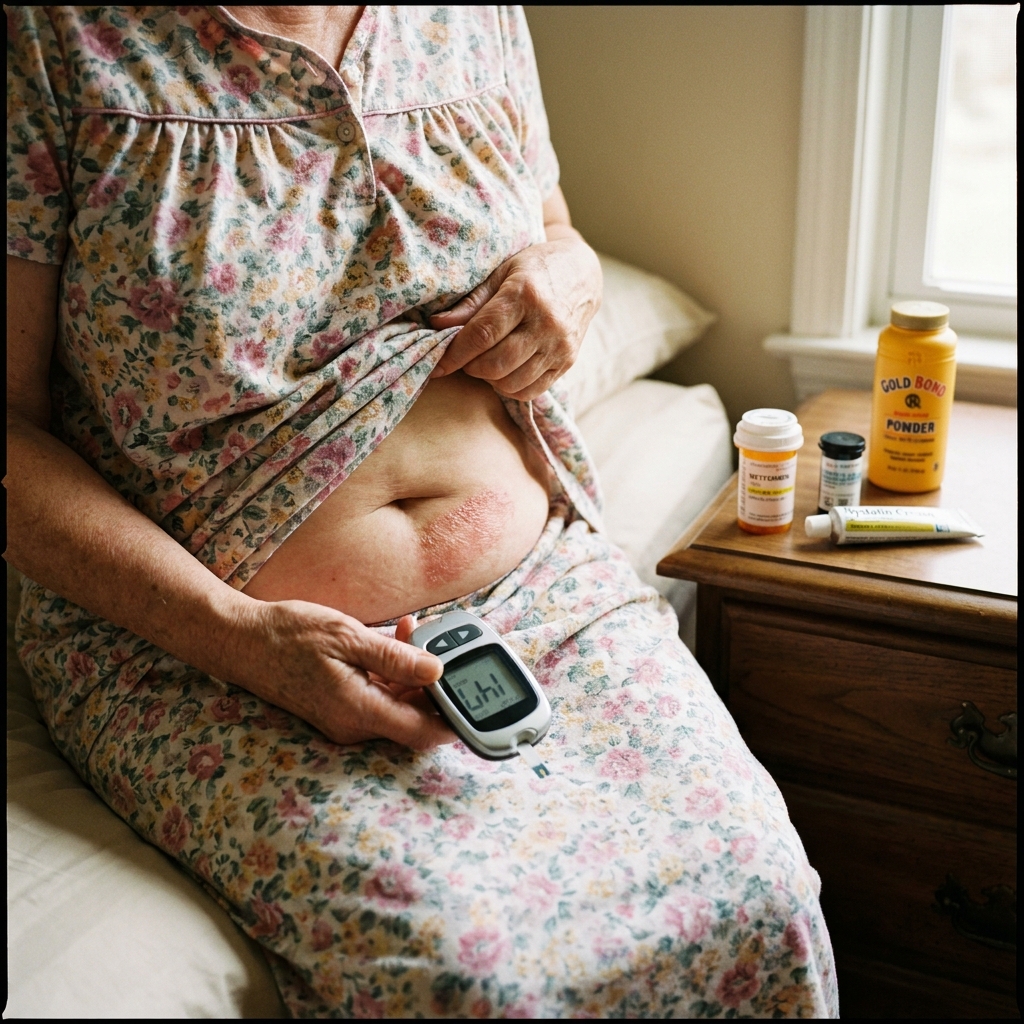
Ran for 25 days, from June 20 to July 15, 2026, the last day Crush saw it.
Run by Nancy Anderson on Facebook. Crush is not the advertiser and does not verify its claims. See this ad in Meta's Ad Library(opens in a new tab)
Want an ad like this for your product?
Crush makes new ad images for your product from this ad: your logo, your product photo, your offer.
Trials from $19.95 USD, then $79.95 USD a month. Cancel anytime.
About this ad
- Meta Ad Library ID
- 2561128127644859
- Platforms
- Facebook, Instagram, Audience Network, Messenger and Threads
- Relaunches
- 0
Ad text
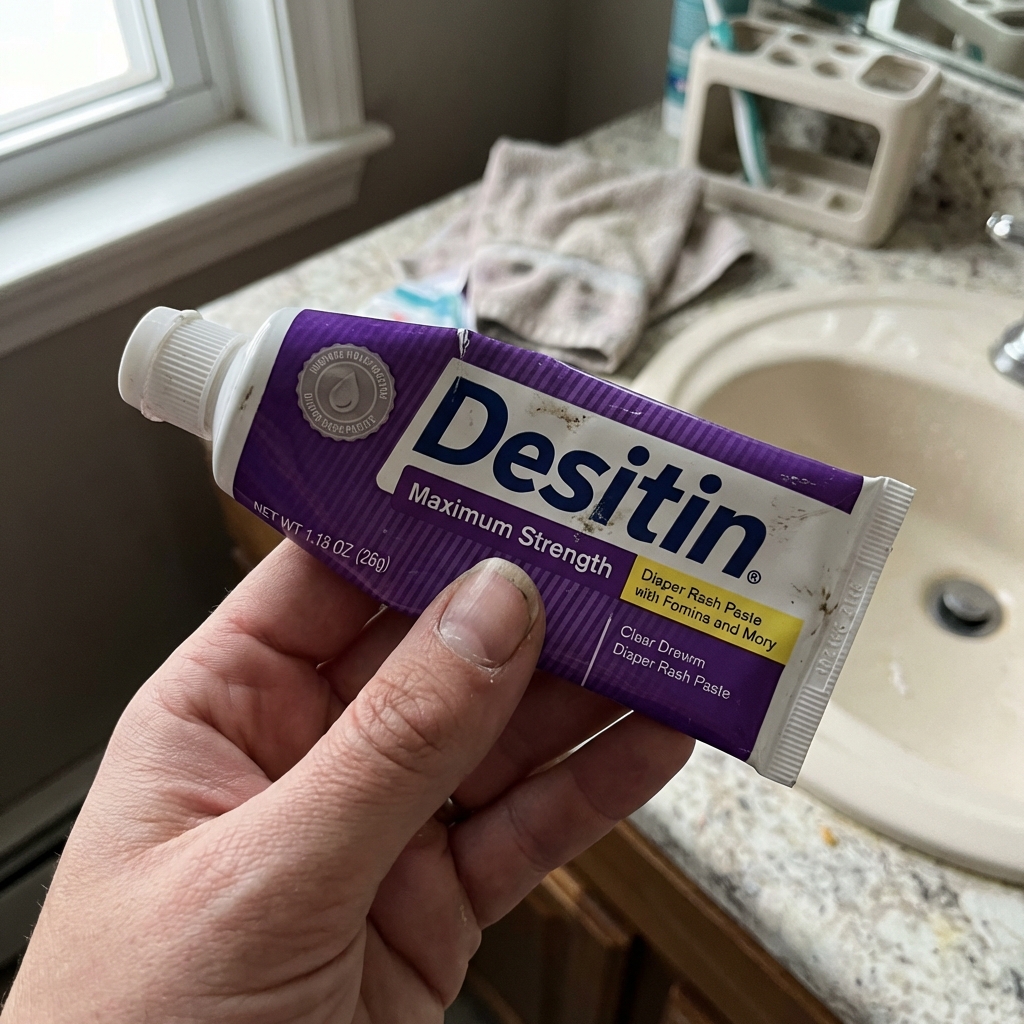
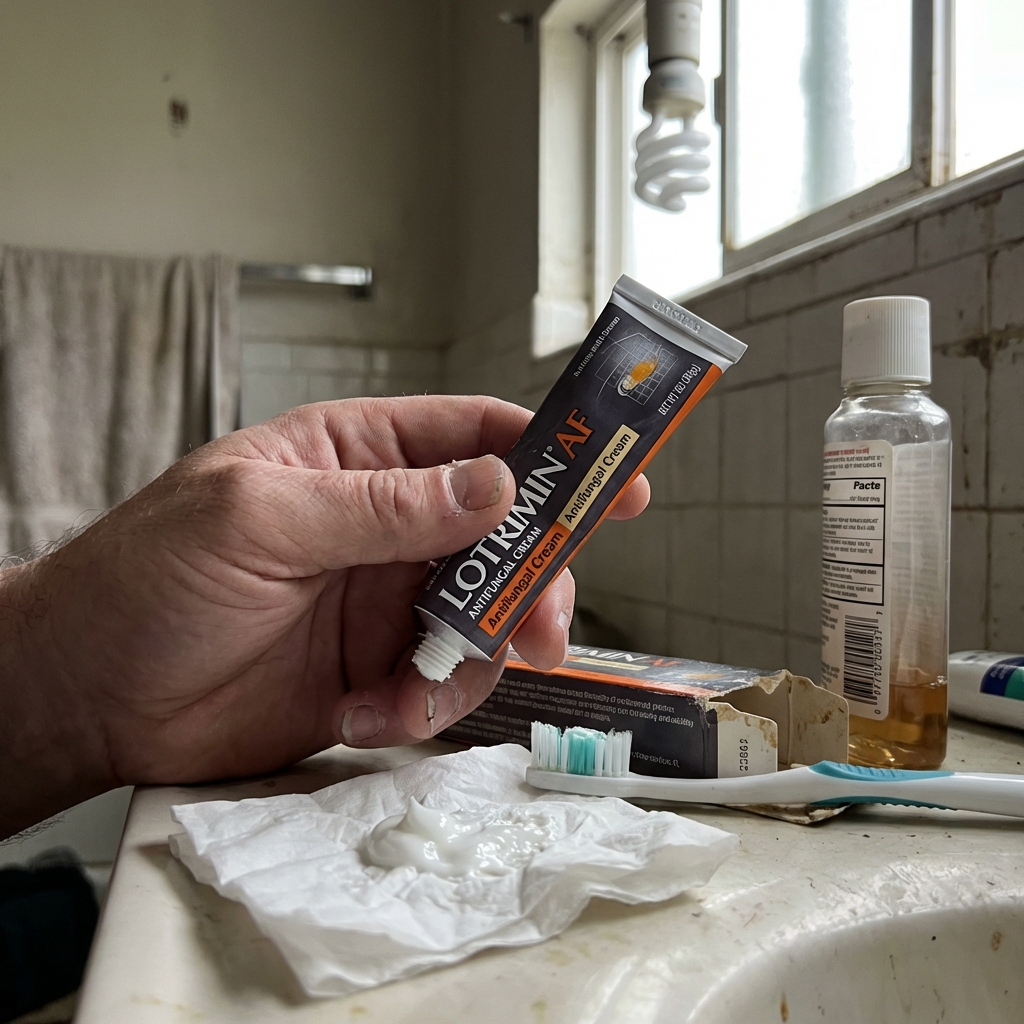
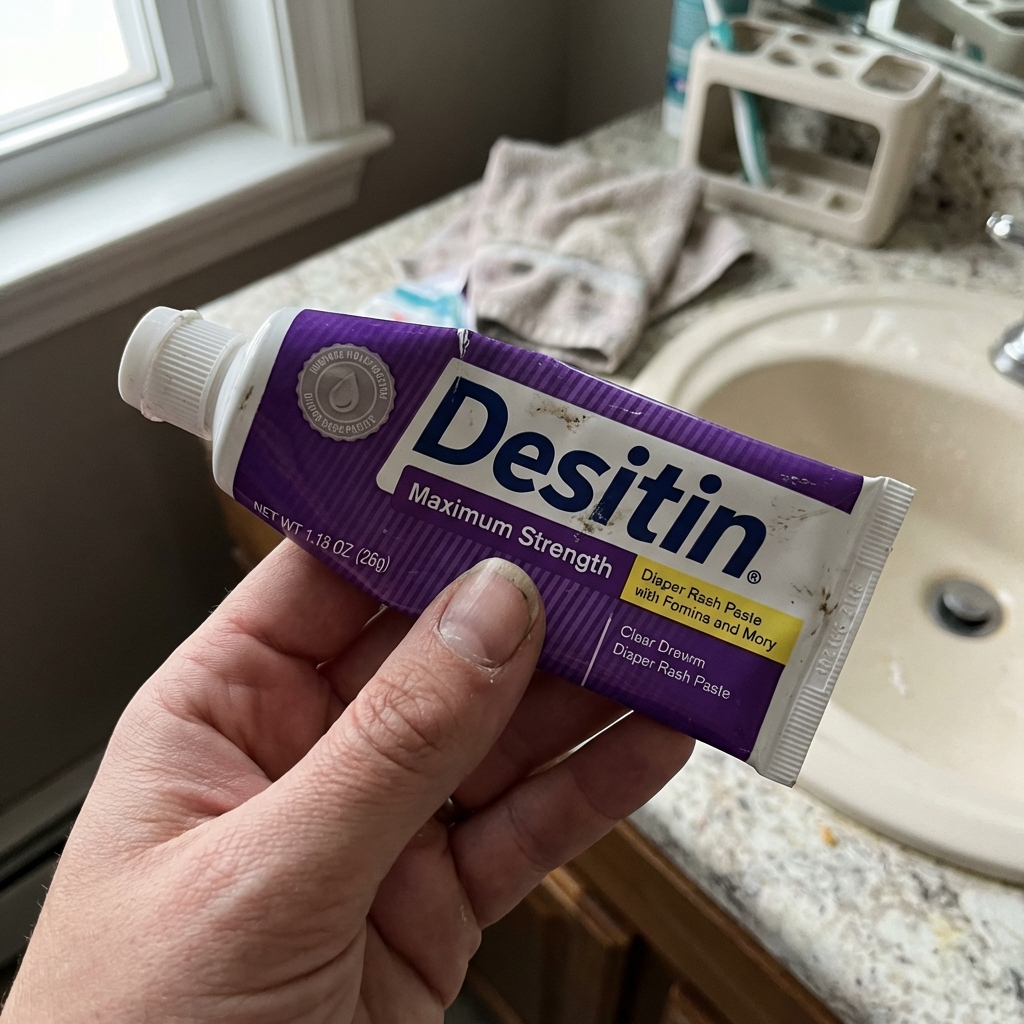
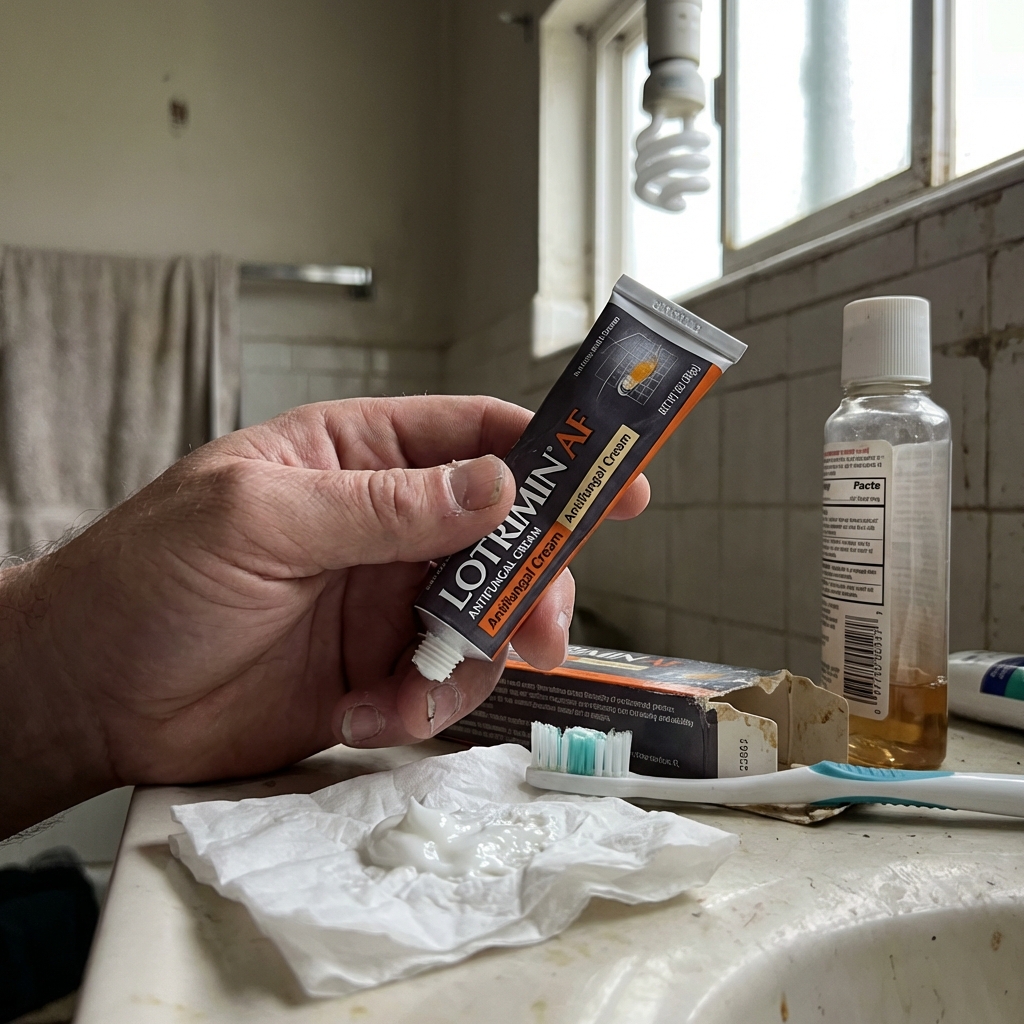
I have managed Type 2 diabetes for eleven years. I check my glucose every morning before my feet hit the floor. I take my Metformin. I count carbs at every meal. I have a logbook going back years, in my own handwriting, tracking every number. I am, by any measure, a disciplined patient. And for six of those eleven years, I had a rash in my skin folds that no amount of discipline could touch — because not one doctor ever told me the single most important fact about it. My blood sugar was feeding it. Let me say that again, because it took me six years to learn it and it changed everything: the sugar in my body was literally feeding the yeast in my skin. I was managing my diabetes from the inside with everything I had, while it quietly grew a fungus on the outside that nobody ever connected to the disease they were treating. I want to walk you through this carefully, because if you're diabetic — or pre-diabetic, or living with insulin resistance — and you have a rash that won't quit, this is the explanation no one gave me, and it's the key to actually getting free. The rash started under my breasts and in my belly fold about six years in. Red. Raw. Weeping. Burning. The deep itch you can't reach. The smell — sour, yeasty, fermenting — that I came to dread more than the pain. I told my endocrinologist. She wrote "fungal skin infection" in my chart, said it was "common in diabetic patients," and told me to use an antifungal cream. That was it. A footnote. One more line item on the long list of things diabetes does to a body, mentioned and then moved past. She never explained why it was common in diabetic patients. She never explained why the cream wouldn't hold. She never connected it to the glucose numbers I was bringing her in my logbook every three months. Here's what I eventually pieced together myself, at midnight, from medical articles a doctor could have summed up in one minute. When your blood sugar runs high, there's more glucose in everything your body produces — including your sweat. And glucose is food for Candida, the yeast that causes these rashes. So a diabetic's sweat isn't just wet. It's sweet. It's fertilizer. Every time my blood sugar spiked — after a meal, after stress, after a bad night's sleep — the sweat in my folds got richer, and the yeast feasted, and the rash flared. I was caught in a trap with no exit. I eat, my glucose rises, my sweat sweetens, the yeast feeds, the rash burns. And even on my best days, even with my A1C at a respectable 6.9, a diabetic's glucose still fluctuates. That's the nature of the disease. So even "good control" meant a steady drip of food for the fungus. I couldn't out-discipline it. I could manage my diabetes perfectly and still lose, because as long as the fold itself stayed warm and wet and sweet, the yeast had everything it needed. And here's the second half of the trap, the part that explains why every product failed: a skin-fold rash has three causes at once — moisture, fungus, and friction — and for a diabetic, all three are turned up to maximum. More sweat (moisture). More fungal food (fungus). And thin, fragile diabetic skin that breaks and rubs raw easily (friction). So when I treated just one cause, the other two — supercharged by my blood sugar — brought the rash roaring back within days. Let me show you exactly how each thing failed, because the why matters. The antifungal creams — Lotrimin, then prescription Nystatin. They'd kill some yeast. But they're wet, and they stay wet, and a wet cream in a glucose-rich fold is just a warm sweet swamp with a little antifungal stirred in. Worse, the Nystatin burned like fire on my thin diabetic skin. I'd clear the fold slightly, then it would come back angrier, because I'd added moisture to a fold whose sugar content I couldn't lower. The powders — Gold Bond, then, God help me, plain cornstarch, because a neighbor swore by it. The Gold Bond turned to gray paste by noon, grinding against raw skin. But the cornstarch was the truly cruel mistake. Cornstarch is a carbohydrate. It's sugar. I — a Type 2 diabetic who counts every carb that goes in my mouth — was dusting pure yeast-food directly onto an active fungal infection. For weeks. I was fertilizing the exact thing I was trying to kill, and no one had warned me. The diaper cream — Desitin, when I was desperate. Thick, white, sealed the fold shut, trapped the heat and the sweet moisture and the fungus under a lid. Made everything worse on my fragile skin. The whole-body deodorant — two hours of cover, nothing else. And the blow-drying. Every diabetic woman I've since talked to about this has done it. Lifting a breast or a belly fold and aiming a hair dryer in. But diabetic skin is thin and fragile, and the heat aggravated the edges while the deep fold stayed wet within the hour anyway. Six years. Hundreds of dollars. Five prescriptions. A logbook of failures running parallel to my logbook of glucose numbers. And the whole time, the connection between the two books — that the sugar in one was feeding the rash in the other — sat there unspoken, because the people treating my diabetes treated my skin like someone else's problem. The night it turned, I was filling in my glucose log, the way I do every night. 147 after dinner. And I looked at that number and thought, for the thousandth time, the fold will be wet by morning. And then a new thought, an angry one: why does my blood sugar control my skin? Why has no one ever helped me with that part? I opened my laptop and searched the real question: "why does diabetic skin fold rash keep coming back." And I found my people. A diabetes support group, full of women describing my exact trap, in my exact words. One comment, pinned, with hundreds of replies, finally said the thing eleven years of doctors never had: "For diabetics this is brutal because our glucose feeds the yeast — high blood sugar literally puts sugar in your sweat and the fungus eats it. So killing the fungus is never enough. The rash has three causes — moisture, fungus, friction — and a diabetic fold maxes out all three. You have to change the whole environment of the fold, not just attack the fungus, or it comes back within days. The only thing that's ever done that for me is one product that treats all three at once. It's called Healora. Goes on like a cream, dries to a powder finish so the fold stays dry even when I spike, kills the yeast, and leaves a breathable barrier. I still spike after meals. The fold stays clear anyway, because the environment changed." I still spike after meals. The fold stays clear anyway. That was the sentence. Eleven years of believing I had to perfect my blood sugar to fix my skin — and here was a woman saying you don't fix it through the glucose, you fix it by changing the fold itself so the sugar in your sweat has nowhere to do its damage. I messaged her directly. "You still spike and the fold stays clear? How?" She wrote back: "Because the fold stays dry. The starch complex in it drinks up the sweat continuously, so even when I spike and sweat more, there's no warm wet sweet pool for the yeast to grow in. The witch hazel keeps the pH where fungus can't thrive. The undecylenic acid keeps killing it. The zinc keeps the skin from rubbing raw. All at once, all day. Change the environment and the glucose stops mattering to your skin. Four months clear, and my A1C hasn't changed at all." Change the environment and the glucose stops mattering to your skin. I wrote that on the cover of my glucose log. I still look at it. I ordered it that night. The three-pack — $49.95 with free shipping — because I track everything, and I wanted enough on hand to run a real, honest experiment against my glucose numbers without running out. It arrived two days later. Made in the USA. Plain box, no embarrassing label — it looks like a quality skincare cream, which mattered. I showered. Dried. And instead of the wet cream and the (yeast-feeding) powder, I smoothed a thin layer of Healora under my breasts and into my belly fold. Cool. Soothing. No burn on my thin, fragile skin — which, after the Nystatin, made me sit down for a second. Then it dried, in a minute or two, to a soft powder finish. The fold felt dry. Genuinely dry, in a way it hadn't been in six years. And then I did what I always do. I turned it into an experiment. I ate breakfast. I checked my glucose: 152. A spike, as always. Normally, within an hour of a spike like that, I could feel the fold getting wet, the moisture creeping in, the burn starting. One hour later, I checked the fold. Dry. Two hours later, glucose down to 121, fold still dry. The number had gone up and come down and the fold simply hadn't cared. I sat on the edge of my bed and cried, because for the first time in eleven years, a glucose spike had not been a sentence handed down to my skin. Here's the log, kept right alongside my glucose log, the way the woman online suggested: Day one — spiked to 152 after breakfast and 168 after dinner. Fold stayed dry through both. No burn. No bathroom trip. Zero correlation between my sugar and my skin for the first time ever. Day two — burning eased, deep itch went quiet. Day three — the smell was gone. I checked again and again. Gone. Day six — the cracked, weeping skin in the deepest part of the fold closed. Sore-pink instead of raw. Day twelve — I wore a fitted top to my daughter's house and didn't think about my skin once. Three weeks — completely clear. Skin under my breasts and in my belly fold looked normal. Dry, smooth, healthy. It has been six months. I've tracked it the whole way, two logbooks side by side. My glucose still does what diabetic glucose does — it rises, it spikes, it fluctuates. My A1C is right where it was. And the fold has stayed clear the entire time. Because the environment changed, exactly like she said. That's the part I most need you to understand if you're diabetic: you do not have to win the impossible war of perfect blood sugar to get your skin back. You change the fold, and you take the sugar out of the equation as far as your skin is concerned. So let me tell you exactly what it is and why it finally worked when eleven years of managing my diabetes never could. It's Healora Intertrigo Relief Cream, built to treat all three causes of a skin-fold rash at the same time — which is the only way to break a diabetic's three-way trap. Undecylenic acid (10%) — the antifungal that kills the Candida at the root and keeps working in a warm, moist, glucose-rich fold where foot-cream antifungals fail. Zinc oxide (15%) — a breathable barrier that protects fragile diabetic skin, stops it rubbing raw, and calms the burn on contact. Witch hazel — pulls moisture out of the fold in seconds and shifts the skin to a pH the fungus can't survive in — even when glucose is trying to feed it. Microencapsulated tea tree oil — slow-releases antimicrobial protection across the whole day, working straight through your spikes, without the burn of raw tea tree. Silica + tapioca starch complex — drinks up sweat continuously, including the extra sweat from a glucose spike, so the fold stays dry and never turns to paste. (And no — unlike cornstarch, this does not feed the yeast. That mistake nearly broke me; I want to spare you it.) Goes on like a cream. Dries down like a powder. One step. Shower. Dry. Apply. Relief. Repeat. One thin layer in the morning is enough to: ✨ Clear the yeast even when your blood sugar is trying to feed it back ✨ Keep the fold dry through a glucose spike without powder turning to paste ✨ Protect fragile diabetic skin from friction without a greasy cream ✨ Sleep through the night without the burning waking you ✨ Be close to the people you love again without the fear of the smell ✨ Wear what you want instead of hiding the rash ✨ Stop the bathroom maintenance routine ✨ Replace the cocktail of failed products with one tube It's safe. It's powerful. And when done right, it works. Let me answer the objections, because as a careful patient I had all of them. "I've tried everything and it always comes back." So had I — for six years, while managing my diabetes perfectly. But everything you've tried treats one cause, and a diabetic fold maxes out all three. Worse, some of it — cornstarch especially — actively feeds the yeast. This is the only thing I found built to change the whole environment at once. "My doctor would have told me if it were this simple." My endocrinologist had my glucose log in her hands for eleven years and never once connected my blood sugar to my skin. The system treats the diabetes and footnotes the rash. The connection — and the fix — is real, even if no one in a white coat ever drew it for you. "It's too expensive." I'd spent hundreds on six years of failure and five prescriptions. One tube is $29.95. The two-pack is $39.95 with free shipping. The three-pack — what I bought to run my experiment — is $49.95 with free shipping. The cheapest thing I tried and the only one that worked. "What if it makes my fragile skin worse?" It comes with a 90-day money-back guarantee. Ninety days. It's dermatologist-tested on sensitive, broken skin, and it never burned me the way the prescription cream did. If it doesn't work, you send it back for every penny. You risk nothing but the rash. It's made in the USA, no steroids, no harsh chemicals, and it ships next business day in a plain, unmarked box. It's a small company and it does sell out when demand spikes. If you can still see the link below, it's in stock today. So here's what I want to say to the diabetic woman who has been managing her numbers for years while a rash quietly ran her life. You are not failing. You did not bring this on yourself by eating wrong. Your blood sugar feeds the yeast — that's biology, not a character flaw — and no one ever gave you the one tool that takes your skin out of the fight. You don't have to perfect your glucose to get your body back. You change the fold, and you win. Go to healora.com, get the cream, and track it against your own glucose log the way I did. You'll see exactly what I saw. — Patricia Boone, Baton Rouge, LA P.S. — I tracked it for six months against my glucose log: spikes to 150–170 with the fold staying completely dry, smell gone by day three, fully clear in three weeks, A1C unchanged, zero recurrence. The number stopped controlling my skin. Your results may differ — the 90-day guarantee means the only thing you risk is the rash. P.P.S. — If you're diabetic and you've been blaming yourself for a rash that keeps coming back no matter how careful you are, please hear me: it was never your discipline. It was the fold's environment. Change that and you're free. The cream is at healora.com. Get the three-pack and run the experiment against your own logbook.
Where the ad sends people
healora.com
Nobody Told Me My Blood Sugar Was Feeding the Rash
I've managed Type 2 diabetes for 11 years. The one thing no doctor explained: glucose feeds the yeast in your skin folds. Here's how I finally broke the cycle.
Learn more: healora.com(opens in a new tab)