Elise Rhodes
Elise Rhodes Facebook ad: “Still Watching After Meals?”
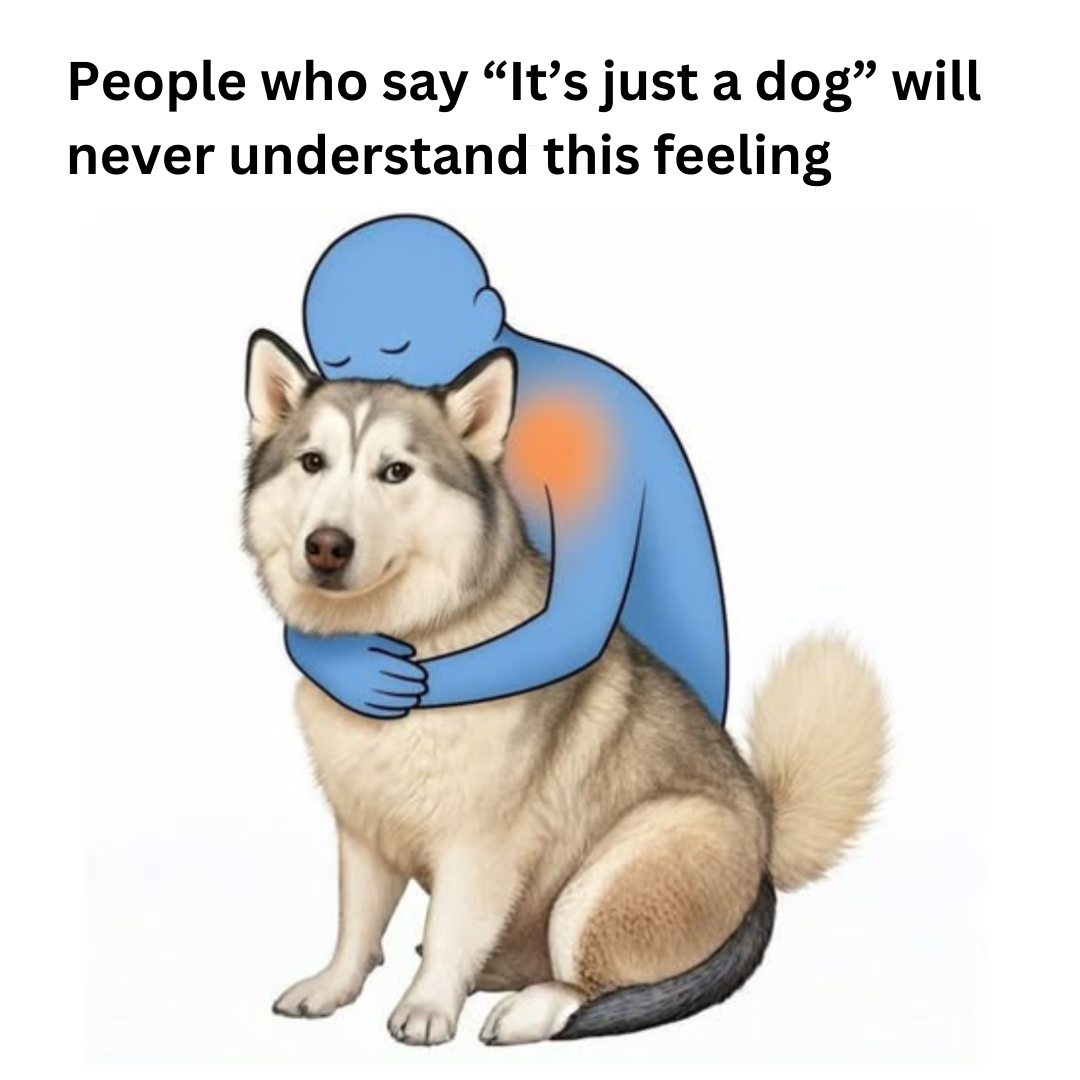
Ran for 2 days, from February 1 to February 3, 2026, the last day Crush saw it.
Run by Elise Rhodes on Facebook. Crush is not the advertiser and does not verify its claims. See this ad in Meta's Ad Library(opens in a new tab)
Want an ad like this for your product?
Crush makes new ad images for your product from this ad: your logo, your product photo, your offer.
Trials from $19.95 USD, then $79.95 USD a month. Cancel anytime.
About this ad
- Meta Ad Library ID
- 25717603977848907
- Platforms
- Facebook, Instagram, Audience Network, Messenger and Threads
- Relaunches
- 0
- Niche
- Pets
Ad text
I Tried Three Different Slow Feeders. Soaked the Kibble. Timed Every Walk. Her Stomach Still Made Those Sounds Every Night. You know the routine. Dinner goes in the slow feeder. You watch them eat—not too fast, good. You pick up the bowl. Now the clock starts. No playing. No running. No stairs. You sit with them. You watch. You listen for the gurgling. You check if the belly looks... different. Is that normal? Was it always that shape? Thirty minutes pass. An hour. Maybe you can relax now. But you don't. Not really. Because tomorrow, you'll do it all again. I lived like this for eighteen months. Every meal was a protocol. Every post-dinner hour was a vigil. Every gurgle from my German Shepherd Bella's stomach sent a jolt of adrenaline through my chest. I told myself I was being responsible. Proactive. A good dog mom. But the truth? I was exhausted. And terrified. Every single day. I did everything the forums said. Everything the vet recommended. Everything the "experts" swore by. Slow feeder. Three different kinds, actually. The puzzle bowl. The lick mat. The one with the ridges that's supposed to make it impossible to eat fast. Bella figured out each one within a week. But I kept rotating them anyway, because what else could I do? Meal splitting. Two meals a day at first. Then I read that it was better for deep-chested breeds. So three it was. Same time every day. Measured portions down to the quarter cup. Rest protocols. No activity for an hour before eating. No activity for an hour after. I literally scheduled my life around her feeding windows. I soaked her kibble for thirty minutes before every meal. Switched to raw for two months—until the vet bill from the digestive upset made me switch back. Tried the WSAVA-approved brands. Tried grain-free before everyone said that caused heart problems. Added water. Added bone broth. Added digestive enzymes. I even researched gastropexy—the surgery where they staple the stomach to the abdominal wall. Two thousand dollars. I was ready to book it. I spent eighteen months and over $900 building what I thought was the perfect prevention system. And every single night, I still sat on the floor next to Bella after dinner, watching her breathe, waiting for something to go wrong. If you're reading this, you probably know exactly what I'm talking about. The way your heart skips when they drink water too fast after a walk. The panic when they gag or dry heave—even if it turns out to be nothing. The mental math you do constantly: When did she eat? How long has it been? Is that belly distension or is she just full? You've read the horror stories. You know how fast it happens. "Ten minutes from perfectly fine to full cardiac arrest." "We lost our sweet girl in under an hour." "I've never gotten over my guilt." Those words live in your head. They're why you do everything you do. Why you've built your entire routine around preventing the unthinkable. And yet. The fear never goes away. No matter how many protocols you follow. No matter how perfect your system is. There's always this voice in the back of your mind whispering: What if it's not enough? What if I'm missing something? I know that voice. I lived with it for eighteen months. Until I finally discovered what I was missing. It started with a question I couldn't shake. One night, sitting on the floor next to Bella while she slept off dinner—listening to her gut gurgle like it always did—I thought: If I'm doing everything right... why hasn't anything actually given me peace of mind? The slow feeder was working. She ate slower. The meal splitting was working. Her stomach wasn't overloaded. The rest protocol was working. She wasn't jostling food around. So why was I still scared? Why did I still hear those sounds? Why did I still watch and wait and worry? I started making a list. Not to feel sorry for myself—but to look for patterns. Slow feeders: Control HOW the food goes in. Meal splitting: Control HOW MUCH food goes in at once. Rest protocols: Control WHAT HAPPENS AFTER food goes in. Food changes: Control WHAT TYPE of food goes in. Gastropexy: Prevents the stomach from TWISTING if pressure builds up. I stared at that list for a long time. And then I saw it. Every single solution—every product I'd bought, every protocol I'd followed, every piece of advice I'd ever taken—worked on the OUTSIDE of digestion. How the food enters. When it enters. What happens around the meal. What to do if the worst happens. But not one of them addressed what happens INSIDE. Not one touched the actual digestive process—the place where food gets broken down, where fermentation happens, where gas is actually produced. I'd built an entire fortress around the meal. But I'd completely ignored what was happening inside the walls. That realization sent me down a rabbit hole. I started researching what actually happens inside a dog's gut after they eat. Not the surface-level stuff. The real science. And what I found changed everything. Here's what I didn't know: Gas in a dog's digestive system isn't primarily caused by eating too fast. It's caused by bacterial fermentation during digestion. When food hits the gut, bacteria break it down. That's normal. That's how digestion works. But when the bacterial balance is off—when there's more gas-producing bacteria than efficient digestive bacteria—that fermentation process produces excess gas. More gas means more pressure in the stomach. More pressure in a deep chest cavity means more strain on the anatomy that's already vulnerable. Every. Single. Meal. Think about that for a moment. Every protocol I'd followed was trying to reduce risk factors around the meal. But the gas wasn't being created by how fast she ate or how soon she moved afterward. It was being created INSIDE her gut. At the bacterial level. Where no slow feeder or rest protocol could ever reach. Those sounds I was hearing every night—the gurgling, the gas—that wasn't "just how dogs are." That was the inside producing what my outside protocols could never touch. Here's the part that kept me up at night after I realized this: Gut bacteria don't reset. They accumulate. Every day that passes with an imbalanced microbiome is another day of excess fermentation. Another day of unnecessary gas production. Another day of internal pressure that my external protocols couldn't address. And I'd let eighteen months go by. The research was clear: bacterial imbalances don't stay neutral. They tend to get worse over time, not better. The gas-producing bacteria crowd out the efficient ones. The fermentation becomes more pronounced. The gurgling gets louder. I thought about all those nights I'd sat there listening to Bella's stomach, telling myself it was "normal." It wasn't normal. It was a warning sign I didn't know how to read. And with every passing month—especially as dogs age and their digestive systems become less resilient—the window for easy correction gets smaller. I'd been so focused on preventing an acute emergency that I'd missed the slow accumulation happening inside her gut every single day. This is why nothing ever felt like enough. I wasn't doing anything wrong. My system was solid. My protocols were textbook. But I was trying to prevent a flood by sandbagging the doors—while the water was coming from a pipe inside the walls. A slow feeder can't change what bacteria live in your dog's gut. Meal splitting can't change how efficiently those bacteria break down food. Rest protocols can't reach inside the digestive system and reduce fermentation. I could stack external protocols forever. I could build the most sophisticated prevention system ever created. But until I addressed what was happening INSIDE digestion—at the bacterial level, where gas is actually produced—I was never going to feel like I'd done everything possible. The blind spot wasn't my fault. It wasn't a failure of effort or research or love. It was built into the entire category of solutions I'd been given. Every single one worked outside. None of them worked inside. Once I understood the real problem, the solution became obvious. If gas is produced by bacterial fermentation... I needed something that supports healthier bacterial balance. If the issue is what happens INSIDE digestion... I needed something that works at the bacterial level. I needed to address the inside layer. That's when I found Pawvive. I'll be honest—I almost scrolled past it. I'd seen probiotics before. Generic "gut health" supplements at PetSmart that seemed like an afterthought. I'd ignored them because they felt too simple. Too... easy. But this was different. Pawvive is formulated with six targeted probiotic strains—including Bacillus subtilis DE111, a spore-forming probiotic that actually survives stomach acid and reaches the gut alive. That matters, because most probiotics die before they get where they need to go. The science made sense: support efficient bacterial breakdown of food, and you reduce the excess fermentation that produces gas. Less fermentation. Less gas. Less pressure building in that deep chest cavity. And here's what clicked for me: This wasn't asking me to throw out my slow feeder. It wasn't saying meal splitting was useless. It wasn't replacing my rest protocols. It was completing them. The inside layer. The one piece my system had been missing. Everything I'd built on the outside—still valuable. Still doing its job. But now, finally, I could support what was happening on the inside too. I ordered a bag that night. Told myself not to expect miracles. I'd been disappointed before. I wasn't going to let myself hope too hard. But then. Day 3: Bella's stomach was quieter after dinner. Less gurgling. Less of those sounds that always made my chest tighten. I noticed it. I didn't want to say anything. Could've been coincidence. Day 7: The gas had reduced noticeably. My husband even commented on it—unprompted. "Is it just me, or has Bella been less... you know... gassy?" It wasn't just him. Day 14: I realized something that stopped me in my tracks. I hadn't done the belly check that night. I'd just... sat with her. Watched TV. Relaxed. Without the constant monitoring. Without the mental math. Without the low-grade hum of anxiety that had been my background noise for eighteen months. And then it hit me: For the first time since I'd brought Bella home, I wasn't WAITING for something to go wrong. I was just being with my dog. I'm not the only one. After I shared my experience in a German Shepherd group, my inbox filled up with messages from other owners who'd found the same thing. Rachel, Great Dane owner from Ohio: "I've had Danes for 15 years and lost one to bloat in 2019. The guilt never leaves you. I started Pawvive with my current boy mostly for my own sanity—I needed to feel like I was doing something beyond the slow feeder ritual. Three weeks in, his digestion is noticeably calmer. Less rumbling, less gas, and honestly? I'm calmer too. That's worth everything." Marcus, Standard Poodle owner from Texas: "My vet recommended gastropexy and I did it—$2,400. But I still worried because the surgery doesn't stop bloat, just the twist. Adding Pawvive felt like the missing piece. His gut sounds completely different now. Quieter. More... normal? I don't know how else to describe it. I actually forgot to do my post-meal watch last week. That's never happened." Jennifer, Irish Setter owner from Colorado: "I was one of those people who timed everything—45 minutes before walks, 60 minutes after meals, soaked kibble, elevated bowl, the whole system. Still anxious every single day. Pawvive was the first thing that actually changed how her digestion SOUNDED. By week two, the gurgling that used to send me into panic mode was just... gone. I cried the first night I realized I wasn't listening for it anymore." The fear didn't disappear overnight. I'd spent too long living in that headspace. You don't undo eighteen months of hypervigilance in two weeks. But something had shifted. The sounds that used to terrify me? Mostly gone. Her digestion was smoother. Quieter. More predictable. The rituals I'd built my life around? Still there—but they felt like reasonable precautions now, not desperate attempts to control the uncontrollable. And that voice in the back of my head—the one that whispered what if you're missing something? It finally went quiet. Because I wasn't missing anything anymore. I'd controlled how the food goes in. I'd controlled when it goes in. I'd controlled what happens after it goes in. And now—finally—I was supporting what happens inside. For the first time, I could say something I'd been desperate to feel for eighteen months: I've done everything I can. Look. I'm not going to tell you this is some magic cure. I'm not going to promise that your dog will never have a health emergency. What I will tell you is this: If you've built your prevention system around external controls—slow feeders, meal splitting, rest protocols, food changes—you've done important work. Those things matter. Don't stop doing them. But if you're still watching. Still waiting. Still feeling like something is missing... It's probably because something IS missing. The inside layer. The bacterial level. The place where gas is actually produced. That's the blind spot I lived with for eighteen months. That's the gap that no amount of external protocols could fill. And every day that gap stays open is another day of unnecessary fermentation, another day of excess gas production, another day of your dog's gut bacteria drifting further from balance. Pawvive filled that gap for me. Here's what you get: Pawvive Probiotic Gut & Immunity Chewy Bites. 120 bites per bag. Six targeted probiotic strains, including Bacillus subtilis DE111—the spore-forming strain that survives stomach acid and reaches the gut alive. Dosing based on your dog's weight: 1 chew for dogs up to 25 lbs, 2 chews for 26–75 lbs, 3 chews for 76 lbs and over. No grains. No gluten. Made in an FDA-registered facility. $36 for a full 60-day supply (for most dogs). That's about 60 cents a day. Less than the coffee you drink while doing your morning worry-spiral. Subscribe and save 10%—drops to $32.40, delivered monthly, cancel anytime. Never miss a day. Never run out. Never have to think about it. Or grab the bundle: Buy 1, get 1 for 50% off. Or buy 2, get 1 free. Free shipping. Worldwide. And a 30-day money-back guarantee. If you don't notice a difference—in your dog's digestion OR in your own peace of mind—you get every penny back. No questions. I'm not asking you to abandon what you're already doing. I'm asking you to stop leaving a gap in your system that no slow feeder can fill. You've spent months—maybe years—building your protocols. You've researched. You've invested. You've sacrificed convenience and spontaneity and peace of mind trying to protect your dog from something that terrifies you. You deserve to feel like that effort is complete. You deserve to stop watching. Stop waiting. Stop living in constant low-grade fear. You deserve to just BE with your dog. Pawvive is the inside layer. The missing piece. The part of the system that works where your slow feeder and your rest protocols can't reach. It's not a replacement. It's what's been missing all along. And every day you wait is another day of fermentation you can't take back. Try Pawvive Risk-Free → — Bella's mom P.S. — The 30-day guarantee means you risk nothing. Try it. Watch your dog's digestion. Listen for the sounds that used to scare you. If you don't notice a difference—if you don't feel that shift toward peace of mind—send it back. Full refund. But if it works for your dog like it worked for Bella... you'll finally get to stop waiting for something to go wrong. And start just enjoying the time you have together. Finally Stop Waiting → Try Pawvive Today https://trypawvive.com/products/probiotic-gut-immunity-chewy-bites
Where the ad sends people
trypawvive.com
Still Watching After Meals?
Give your pets the care they deserve with Pawvive™ — premium, vet-approved vitamins and supplements that support digestion, joint health, immunity, skin, and coat. All-natural, no fillers, and made with love for dogs and cats of every age.
Shop now: trypawvive.com(opens in a new tab)