Eric Bussey
 Facebook ad: “Support stamina and heart health every day”
Ran for 22 days, from October 15 to November 6, 2026, the last day Crush saw it.
Run by Eric Bussey on Facebook. Crush is not the advertiser and does not verify its claims. See this ad in Meta's Ad Library(opens in a new tab)
Make your own version of this ad
Crush makes it, launches it in your own Meta ad account, scales the winners and pauses the losers.
About this ad
- Meta Ad Library ID
- 2575494922953168
- Platforms
- Facebook, Instagram, Audience Network, WhatsApp and Threads
- Relaunches
- 1
- Niche
- Home & Garden
Ad text
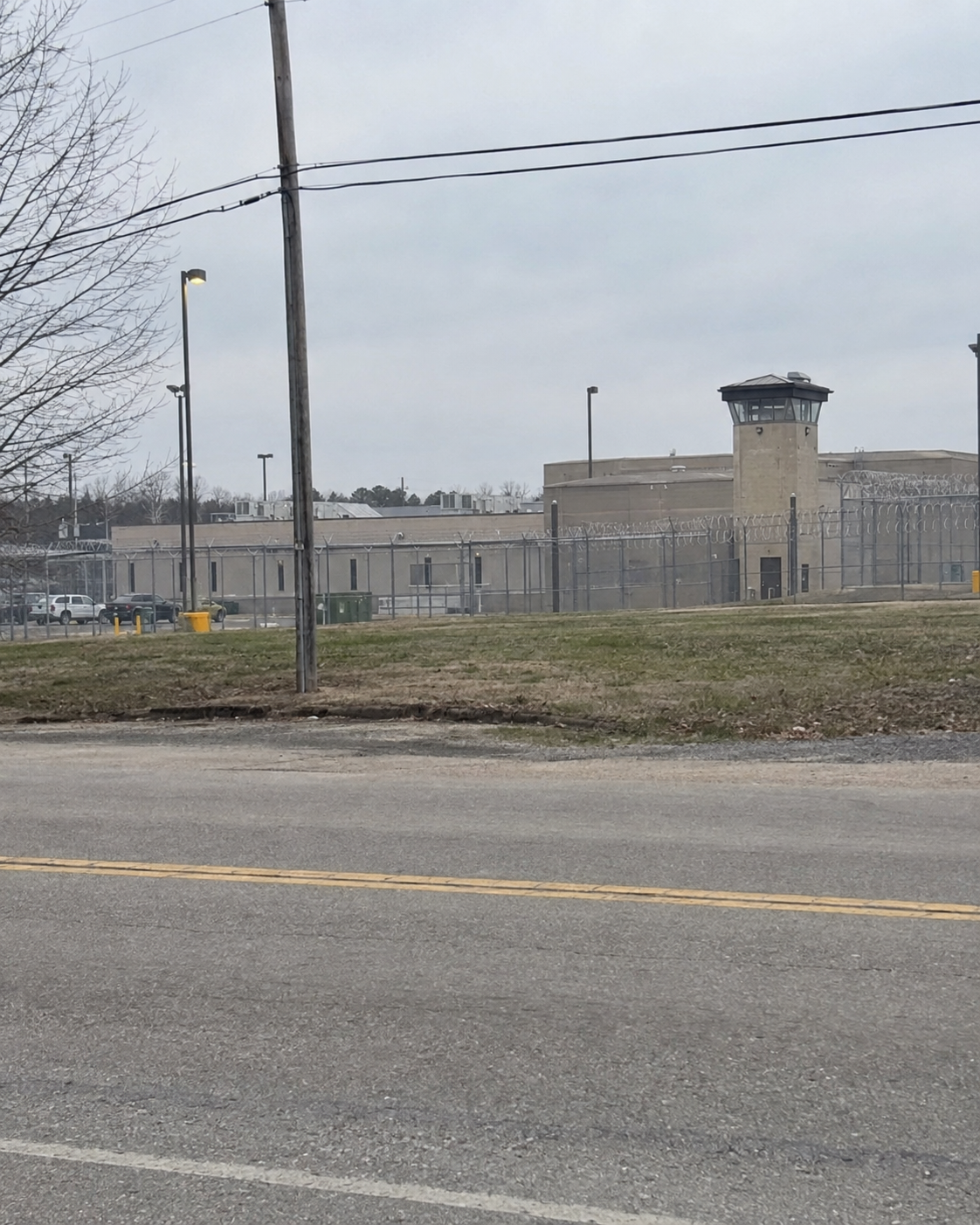
I spent 27 years in prison for a shooting I didn't do. The night before my cellmate made parole, he told me the first thing I had to do if I ever got out was go see my mother's grave. Then he walked out that gate and never wrote me once. Not one letter in 9 years. Last June a DNA test set me free, and I took a bus straight to that cemetery. The groundskeeper was waiting for me. The officer at the property window didn't look up. "Hatch. 614429." "Yes sir." He slid a paper bag across the counter. My name on it in black marker, and a date. 1999. Everything I had on me the night they arrested me. A brown wallet with eleven dollars in it, a pack of gum gone hard, and a key to an apartment other people had been living in for twenty-seven years. And my watch. It had stopped at 4:10. Some afternoon back then the battery quit, and nobody was around to notice. I put it on anyway. "Sign here." I signed. My hand wouldn't sit still. Twenty-seven years, and the last thing they needed from me was my name on a line. They counted forty dollars into my hand. Gate money, they call it. Then the doors. The first one buzzed. The second one buzzed. Then there wasn't a third. Nobody shook my hand. Just a parking lot, and more sky than I'd seen in twenty-seven years. There was one person standing in it. Ellen Brandt. My lawyer. Six years she worked my case for nothing. She's the one who got a lab to test the hair again — the one hair a man in a white coat swore was mine at my trial. It wasn't. It never was. "Leon," she said. Nobody had called me by my first name in a long time. Inside you're a last name and a number. I didn't know what to do with my hands. She didn't either. So she hugged me, kind of stiff, and I stood there and let her. "Where do you want to go?" she said. "Anywhere. I'll drive you." I'd had the answer to that for nine years. "Mount Olive. The cemetery." She knew about my mother. She'd read every page of my file. "Okay. Get in." "No," I said. "I want to take the bus." "Leon, it's three hours." "I know." She looked at me a long second. She didn't argue. She drove me as far as the station, and I bought my own ticket with the state's forty dollars. For twenty-seven years, somebody else decided where I went. That ticket was the first thing I'd decided for myself since 1999. Three hours is a long time to look out a window. I spent most of it thinking about how I ended up in there. I was thirty-seven. I fixed small engines out of a rented garage on the edge of town. Lawn mowers, chainsaws, outboard motors. Whatever people brought me. One night in March, a man in a ski mask walked into a gas station out on Route 9 with a pistol. He took what was in the register. On his way out the door he shot the kid behind the counter. The kid lived. He never walked right again. Two weeks later the police came to my garage. That night I'd been home asleep. Alone. Nobody could say so but me. A woman who'd been at the pumps said she saw the man's face when he pulled his mask up in the parking lot. It was dark. She saw him for maybe three seconds. She picked me out of a lineup anyway. And there was a hair on the counter. At my trial a man from the state crime lab got up in a white coat and said he'd looked at that hair under a microscope next to mine, and they matched. I didn't know what that meant. I don't think the jury did either. But they knew what a white coat meant. Guilty. The judge gave me forty years. I was thirty-seven years old. My mother sat in the second row every day of that trial. She didn't cry when the verdict came. She held on until they put the cuffs on me. Then she couldn't stop. My fourth year inside, they moved Gus Bell into my cell. He was eight years older than me. Quiet. Big hands. He'd already done twelve years by then, and he worked the infirmary. Up at five every morning, pushing a cart down the rows of beds, sitting with the old men nobody came to see. He never talked about what put him there, and I never asked. Inside, that's manners. The first night, I told him I didn't do it. He just nodded. "Okay." Nobody in that place had ever said that to me. My mother wrote me every week. Every Sunday night I'd sit on my bunk and read her letter out loud. Who was sick at church, what the tomatoes were doing, which neighbor had a new dog. Gus never got mail. Not once in fourteen years. The first few weeks he pretended he wasn't listening. By the second month he was asking if she'd written yet. By the second year she was signing off with "Tell Gus hello." By the fifth year she was writing him a paragraph of his own. She never met him. She worried about him anyway. Was he eating. Was he warm enough. Did he have anybody. "Tell her I'm fine," he'd say. Then he'd turn over and face the wall, and I'd read that part again, slower. There was a man on our block named Wendell. He'd been in thirty years and he cut hair for the whole tier. Clippers and a comb. He could line up the back of your neck so straight you'd swear somebody drew it with a ruler. Steadiest hands in the place. Everybody said so. Gus and I sat in Wendell's chair every other Saturday for fourteen years. Same table at chow, same laps around the yard. I knew how he breathed when he was asleep, and he knew which nights I didn't sleep at all. You don't pick your family in there. But sometimes you get one anyway. My seventeenth year, the letters stopped. One Sunday there was nothing. The next Sunday, nothing again. Gus asked me if she'd written. I said the mail must be slow. By the third Sunday neither of us asked. That Thursday the chaplain came to our cell door. A chaplain doesn't walk all the way down your tier with good news. She'd gone in her sleep. Eighty-one years old. I asked to go to the funeral. Sometimes they let you, with two guards and chains on your ankles. I didn't care about the chains. I'd have crawled there. The answer came the day before. Denied. Violent offense. For a shooting I didn't do. They buried my mother on a Saturday at eleven o'clock, three hours away. At eleven o'clock I was sitting in the chow hall with a tray in front of me. Gus was across the table. He didn't say anything. When the clock on the wall hit eleven, he just set his fork down. So did I. Neither one of us picked it back up. She had nobody else. No brothers, no sisters. My father had been gone since I was a boy. It was just her and me. And I was in there. The next spring, Gus made parole. Fourteen years in the same cell, and they gave him one week's notice. He was sixty-three. The night before he left, neither of us slept. He was on the bottom bunk, I was on top, and we lay there in the dark not saying much. Around two in the morning he spoke up. "Leon. You awake?" "Yeah." "First thing you do when you get out, you go see your mother." I almost laughed. I still had twenty-two years left. "I'll be seventy-seven, Gus." "I didn't ask how old you'll be. I said when." It was quiet for a long time. "I'll make sure she isn't alone till then." I didn't know what he meant. I didn't ask. "And I'll write you," he said. "Every week. Same as she did." In the morning they called his name. Everything he owned fit in one paper bag. At the door he turned around and looked at me. "Every week," he said. Then he was gone. The first week, no letter came. I figured he was getting settled. After my mother died I'd stopped listening at mail call. Now I listened again. Every evening the officer walked the tier calling out names, and every evening I waited for mine. A month. Nothing. Six months. Nothing. A year. I worked it out the way you work everything out in there, lying on your bunk at night with nothing else to do. He was out. He had a life now. I was a cell he used to live in. I stopped listening for my name. Not one letter. Not one in nine years. My twenty-first year, a letter did come. It wasn't from Gus. It was from a woman at a law school clinic who'd read my file. Ellen. She wanted to test the hair again. With DNA this time, the kind of test nobody did back when they convicted me. It took her six years. Two labs. Four hearings. A prosecutor who fought her on every page. Last June I sat in the same kind of courtroom I'd been sentenced in, and a judge read a lab report out loud. Then he took off his glasses and looked at me. "Vacated." A lab report put me in there. A lab report got me out. Out the bus window, a green sign went by. Mount Olive, 12 miles. The bus let me off on Main Street a little after two. The cemetery was a mile out of town. I walked it. I'd never seen her grave. Not once. The whole way there I tried to get ready for it. She'd been in the ground ten years. I figured I'd find the stone sunk and crooked, grass grown up over her name, the way they look when there's no one left to come. There was a shed by the gate. An old man was out front with a rake. "I'm looking for Ida Hatch," I said. He stopped raking. He looked at me for a long time. Longer than a stranger should. "You're Leon," he said. I didn't know what to say to that. "Come on." His name was Ortiz. He'd kept those grounds for thirty years. He walked me up the hill without another word, past rows and rows of stones, and stopped near the end of a row. I'd been ready for weeds. The grass around her was cut short and edged clean, like somebody had done it with scissors. The stone had been washed. You could read every letter. And in the little vase by her name there were flowers. Pink carnations. Fresh. I stood there and couldn't make my mouth work. "Who did this?" "Fella comes every May," Ortiz said. "Mother's Day. Nine years now, never missed one. Pays me to keep fresh flowers on her the rest of the year." My knees went. I sat down in the grass right there in front of her. "Big man?" I said. "Big hands?" "Biggest hands I ever shook." Nine years I lay on a bunk thinking he forgot me. He never forgot her once. Ortiz cleared his throat. "He left something for you," he said. "Every May he asks me if you've come yet. Said you'd be along eventually." He walked back down to the shed. When he came back up the hill he was carrying a green metal tackle box with the latch taped shut. He set it in the grass next to me. "He said you'd know what to do with it." I peeled the tape off the latch and opened it. On top was an envelope with my name on it, in handwriting I hadn't seen in nine years. Under it, a roll of bills with a rubber band around it. And under that, a second envelope. Sealed. Two words across the front in capital letters. NOT YET. I opened the first one. Leon, If Ortiz gave you this, you got out. I knew you would. I'm sorry about the letters. I meant every word that night. Then my first morning out I sat down with my parole officer, and the first rule he read me was no contact with anybody inside. No letters. No phone calls. Not even through somebody else. Break it and I go back. So I did the only thing I could do. Your mother wrote me a paragraph every week for twelve years. The least I could do was keep her company till you got there. I'm on a lake in Missouri now. Cedar Hollow. I run a little bait shop and rent out a few boats. Bell's Bait & Boat. Anybody in town can point you. There's no phone out at the dock worth calling. Don't call. Come. The money's for the bus. The other envelope is for later. Don't open it yet. You'll know when. Your friend, Gus I read it sitting in the grass. Then I read it again. I picked up the sealed envelope and turned it over in my hands. It was thick. Several pages, at least. I didn't open it. Gus had been sure I'd get out when nobody else was. I figured he was right about this too. I put it back in the box. I sat with her until the sun went down and Ortiz came up the hill to tell me he had to lock the gate. Twenty-seven years, I'd had nowhere to go. Now I had somewhere. It took six days to get ready to go. Ellen found me a room at a halfway house, drove me to get a state ID, and bought me a cheap phone with one number in it. Hers. I bought a ticket to Missouri with Gus's money. Nine hours, two transfers. The bus left Monday at 7:40 in the morning. I was at the station by six. The platform there is up a flight of concrete stairs. I had the tackle box in one hand and a bag of clothes Ellen bought me in the other. I was halfway up when my chest locked. It wasn't pain. It was pressure. Like somebody had set a cinder block on my chest and leaned on it. The edges of everything went gray. I grabbed the rail. I couldn't go up and I couldn't go down. A man behind me said, "You okay, buddy?" and stepped around me. I sat down right there on the step. I don't know how long I sat. Long enough to hear the doors hiss shut up top. Then the engine. Then the bus pulling out without me. I looked down at my wrist out of habit. 4:10. Six days out. My time hadn't even started yet, and it was already running out. When the gray finally pulled back, I took out the phone. There was only one number in it. She got there in twenty minutes. I was still on the step. She didn't say anything at first. She just sat down next to me in her good suit, right there on the dirty concrete. "Did the bus leave?" "Yeah." "What happened?" I told her. The stairs. The weight on my chest. The gray. "When's the last time you saw a doctor?" "Inside they'd take blood every couple of years. Nobody ever told me what it said." "So never." "I feel fine now." "Leon." "There's another bus Thursday." She looked at me. She was holding her car keys so tight her knuckles had gone white. "I didn't spend six years getting you out of there to watch you die on the steps of a bus station." Her voice didn't shake. Her hand did. I could hear the keys rattling. Nobody had been scared for me since my mother. "Okay," I said. She called a free clinic from the car and got me in the next morning. The ticket to Missouri was still in my shirt pocket. I left it there. The clinic was in an old storefront on Fourth Street. Thirty folding chairs and one doctor. Dr. Kowalski. Young. Tired. She'd probably seen forty people before me that morning. A nurse took my blood pressure, wrote something down, and circled it. They drew blood and sent me home. Two days later they called me back in. Dr. Kowalski had my results on a laptop. She turned the screen toward me like I'd know what I was looking at. "Mr. Hatch, your LDL cholesterol is 198. Your total cholesterol is 274. Your blood pressure is high, and so are your triglycerides." I didn't say anything. "Given what happened on those stairs, I want to start you on a statin. Atorvastatin. Ten milligrams, once a day." Statin. I knew that word. Gus used to hand it out every morning in the prison infirmary, off his cart. "No," I said. She blinked. "Mr. Hatch —" "No statins." She kept going about risk and plaque and my age. I'd stopped hearing her. In my head I was back on the block, sitting in Wendell's chair. A couple of years before Gus made parole, the prison doctor put Wendell on a statin. Simvastatin. The cheapest one they stocked. Inside a year his hands started to shake. The clippers would jump. He nicked a man's neck. Then another. A barber who'd lined up necks for forty years without a mark, and now men were walking out of his chair bleeding. They took the clippers away from him. After that the fog came. He'd call men by the wrong name. Men he'd cut every other Saturday for twenty years. Then his legs went. By the end he was in the infirmary, and Gus was the one holding the cup to his mouth so he could drink. I remember the night Gus came back to the cell and sat on his bunk without taking his shoes off. "His chart says his numbers are fine," he said. Wendell died two weeks later. The steadiest hands in that whole place. I watched that pill take them one Saturday at a time. So when a doctor said statin, all I could see was Wendell's clippers shaking. "No," I said again. She didn't give up easy, I'll give her that. Then she wrote the prescription anyway and put it in my hand. "Think about it," she said. "Please." I folded it up and put it in my shirt pocket. Right next to a bus ticket to Missouri. I couldn't sit in that room all day waiting on my own heart. Ellen knew a man named Ray who ran a small-engine shop out by the interstate. He needed somebody who could still fix a carburetor without a computer telling him how. My first week, he rolled in a riding mower that hadn't run since fall. I had the carburetor apart on the bench. I picked up the smallest screwdriver he had to set the idle screw. A job I'd done a thousand times before they locked me up. My hand shook. Once. Just enough to slip off the screw. I set the screwdriver down and looked at my hand like it belonged to somebody else. It was nothing. A bad night's sleep. The second time it held fine. But for a second there, I wasn't looking at my hand. I was looking at Wendell's. That night I sat on the bed at the halfway house and took everything out of my shirt pocket. The prescription. The bus ticket. I laid them side by side on the blanket. If I took the pill, I'd end up like Wendell. A man who fixes engines for a living, who can't hold a screwdriver. If I didn't, my heart might quit on the next flight of stairs. And Gus would be out on a dock in Missouri, waiting on a bus I was never going to be on. Either way, I wasn't getting to that lake. And I wasn't going to show up after nine years just to fall down in front of him. Gus had already held one man's cup at the end. He wasn't going to hold mine. So I decided to fix it myself first. I stayed away from the vending machine at the halfway house. I ate the salads Ellen kept bringing by. I walked the two miles to Ray's shop every morning and the two miles back every night. Eight weeks of that. The prescription stayed folded in my shirt pocket the whole time. Then I went back to the clinic. LDL: 192. Eight weeks of trying, and it moved six points. Dr. Kowalski looked at the screen for a while before she looked at me. "Mr. Hatch, you've done everything right. I can see that. But this isn't going to come down on its own. You need the medication." "I'm not taking it." She closed the laptop. "Then I honestly don't know what else to tell you." I walked out of that clinic with nothing left to try. I sat in the bus shelter out front for a long time, staring at the street. Then I thought about the tackle box under my bed. "The other envelope is for later. Don't open it yet. You'll know when." I knew. I opened it at the little table in my room that night. Four pages, both sides. His handwriting got smaller toward the end, like he was running out of paper. "Leon, if you're reading this, a doctor has told you that you need a pill for your heart, and you've run out of ways to say no." "I'm sorry I made you wait. I didn't want this to be the first thing you read when you got out. You'd been through enough." "But I saw your chart in there. They drew your blood every couple of years and filed it, and nobody ever sat you down. I knew your numbers before you did." "Inside I didn't understand what I was looking at. I just handed out what the doctor wrote. It took me getting out to learn what I'm about to tell you. So here it is, plain." "All those years I pushed that cart. You know what most of the men we carried out of there had in common?" "Their numbers were fine." "Not high. Fine. On the pill, every morning, and the chart said fine. Wendell's chart said fine." I put the letter down and looked at the wall for a while. Then I picked it back up. "Here's what nobody told us, Leon." "Cholesterol isn't the enemy. Your body makes it on purpose. It needs it." "The trouble starts when something attacks it. Free radicals. When they get hold of your cholesterol, it rusts." "Same word as the rust on an old fender. Same thing that happens to an apple you cut in the morning. By lunch it's gone brown." "Nobody added anything to that apple. The air did it." "That rusted cholesterol turns sticky. It works its way into the walls of your arteries and packs in, year after year, and hardens. Then one day a piece of it tears loose and jams the pipe shut." "That's what kills a man. Not the cholesterol you've got. The cholesterol that's gone bad. The rust." "And the number your doctor watches doesn't measure any of it. It counts how much cholesterol you have. It says nothing about how much of it has already gone brown." "You can have a beautiful number and rusting arteries in the same body." "Wendell did." "The number was the cover of the book. Nobody ever read what was inside." I read that line three times. "It gets worse. When your cholesterol rusts, your body takes it as damage. So it makes more cholesterol to patch it. Which gives the rust more to work on. Which the body takes as more damage. So it makes more." "It's a wheel. Round and round." "And the pill can't stop it. All it does is chop the number down. It bails water as fast as it can and never once finds the hole the water's coming in through." At the bottom of the page he'd drawn a circle with an arrow chasing its own tail. I knew rust. I'd fought it on every engine I ever touched. You can paint over it, and the fender looks brand new. Underneath, it keeps eating. I turned to the next page. "Now I have to tell you something about me, Leon. Something I never told you inside." "The same year they put Wendell on it, the prison doctor put me on it too. Same cart. I was handing myself the same little paper cup I handed everybody else." "By the time I got out, I was dropping those cups. Holding one steady to Wendell's mouth at the end took both my hands." "My grip was going. My legs felt like somebody poured concrete in them. I told the doctor inside. He said it was my age." I remembered him working his hands open and shut at night on the bottom bunk. I'd figured it was the cold. "The first doctor I saw outside looked at my hands and asked me how long I'd been on it. Then he took me off it, slow, and watched my blood the whole way down." "That's when I started reading. Every night, at the library in town, till they turned the lights off." "Here's what I found, Leon. Here's what happened to Wendell." "That pill works by shutting down a production line in your liver, so you make less cholesterol and the number drops." "But that same line makes something else. CoQ10. It's the spark every muscle in your body runs on. Your heart. Your legs. Your hands." "Shut the line down to force the number lower, and you shut down the spark with it. Same switch. You can't have one without the other." "The tiredness that sleep doesn't fix. The grip going soft. The fog that takes the back half of your sentences. High cholesterol doesn't do that. High cholesterol doesn't do anything you can feel." "That's the pill. Draining the spark out of every muscle a man has got." "They call it a side effect. It isn't. It's the pill doing exactly what it was built to do." I thought about Wendell's clippers jumping in his hand. About Gus holding that cup with both hands. "So the pill fails twice, Leon. It never stops the rust that's killing you. And it drains the spark that keeps you standing." "What a man needs is the opposite. Something that stops the rust and leaves the spark alone." "I found it. And it wasn't a drug." "You know the deep red that stains everything when you cut open a beet? That color has a name. Betalains." I almost laughed. A beet. Nine years without a word, and Gus Bell was writing me about beets. But I kept reading. "Most things they sell to fight free radicals are a carpet bomb. They knock out all of them, even the ones your body needs to fight off a cold." "Betalains are a smart missile. They go after the one thing that turns your cholesterol to rust, and they leave the rest alone." "And they get in. They ride in your blood and fold right inside the cholesterol itself, where the rusting starts." "The pill can't reach in there. Fish oil can't. The betalains stop the rust before it ever turns sticky." "And they never touch that production line in your liver. They don't lay a finger on your spark." "Stop the rust. Leave the spark." "There's a study. Twelve weeks. People taking real beetroot dropped their cholesterol, and the rusted kind, the kind that kills you, fell by more than twenty percent." "I've been off the pill eight years. My last number was 131. And my hands are steady enough to tie a hook on a fishing line in the dark." "One more thing, before you go running to a store. Almost none of the beetroot you can buy will do a thing for you." "The beet in the grocery store has been bred for a hundred years for one thing. Sugar. Sweeter and sweeter, till the medicine got bred right out of it. The beet that used to be medicine turned into candy." "There's an old strain the Amish in Lancaster County have been saving by hand for a hundred and fifty years. Blutwurzel. Blood root. Nobody ever sweetened it. It carries about ten times what the grocery beet does." "And heat kills betalains. Most of what's on the shelf gets cooked dry because it's fast and cheap. What's left is brown dust. It looks like medicine and does nothing." "Candy or dust. That's most of what's out there. So I wrote down what to look for." I put the pages down on the table and looked at my own hands for a long time. Clipped to the last page was an index card. His printing, block letters, pressed hard into the paper. DON'T BUY THE FIRST ONE YOU SEE. 1. The right beet. Blutwurzel. Not the grocery beet. 2. Shade-dried, never cooked. Heat kills it. 3. 1,300 mg a capsule. That's what the study used. 4. A lab report you can read. Trust the lab, not the reviews. Open one over a white saucer. Red is alive. Brown is dead. If a cheap one makes you feel a little something, don't let it fool you. Even a weak beet moves your blood some. The feeling isn't the proof. The lab is. And at the bottom, smaller: When your number comes down, get on the bus. I put the card in my shirt pocket, next to the ticket and the prescription. I should have done exactly what it said. There was a drugstore two blocks from the halfway house. That Saturday I walked in and found a bottle of beetroot capsules on the bottom shelf. Fourteen dollars. I didn't read the label. I wasn't going to spend weeks hunting for the right one when there was a bottle right in front of me. Every day I waited was another day Gus was out on that dock. I took two every morning for two weeks. Around day four, I thought I felt something. A little more left in me at the end of a day at Ray's. I figured it was working. At the end of the two weeks I paid for a cholesterol test at one of those walk-in labs. LDL: 194. Higher than before I started. That night I sat at the little table and finally did what the card said. I twisted a capsule open over a white saucer. Brown. Brick-brown, like something swept off a shop floor. Then I read the label. "Beet root powder." No strain. 500 milligrams, inside something called a proprietary blend. No lab report anywhere. Four rules. It failed every one. I read the card again. "The feeling isn't the proof." I'd read that line two weeks before and walked right past it. Fourteen years in a cell with me. He knew I'd buy the first one I saw. I threw the bottle in the trash. Then I did it the way Gus did. At the library. The woman at the desk showed me how to work the mouse. I hadn't touched a computer since 1999. I started with the studies Gus wrote about. He wasn't making any of it up. Real studies, from universities in Europe. Betalains stopping the exact reaction that rusts cholesterol, and leaving everything else alone. Two evenings, I sat there till they turned the lights off. Every beetroot I could find, against his four rules, one at a time. The juices and the grocery store powders were the sugar beet. Candy. Most of the capsules were cooked dry. Dust. The few that claimed the right dose hid it inside a "proprietary blend," and not one of those had a lab report anywhere. I crossed them off on the back of a library slip, one after another. One was left. Rosabella. The old Blutwurzel beet, from the Amish seed in Lancaster County that nobody ever sweetened. Pulled by hand after the first frost, when the cold makes the root fill up with that red. Shade-dried slow, never heated, so the red makes it into the capsule alive. 1,300 milligrams a capsule. And a lab report posted right on their website, for anybody to read. Four for four. It cost more than the drugstore bottle. I paid for it out of my checks from Ray's without thinking twice. When the box came, I didn't swallow a thing. First I twisted a capsule open over the same white saucer. Deep red. Almost purple. Nothing like the brown dust I'd been taking. I tipped a drop of water on it, and it bled red across the dish like a fresh cut. The real thing. I took two with a tall glass of water and sat down on the edge of the bed. I wasn't expecting anything. Twenty-seven years teaches you not to. Seventeen minutes by the clock on the wall. The one on my wrist still said 4:10. Then something changed. Warmth, moving down my arms and out into my hands. The heaviness I carried behind my eyes all day, the kind I'd stopped noticing years ago, thinned out. Like somebody turned the lights up in a room I didn't know had gone dim. It wasn't the cholesterol. Gus's card had told me that much. A beet moves your blood. That's all this was. My blood, moving easier than it had in a long time. The cholesterol would take weeks. It would show up on a lab sheet, not on the edge of a bed. But it wasn't the little something the drugstore bottle gave me, either. This was a whole different thing. Day five, I walked the two miles to Ray's and never stopped once to catch my breath. Day ten, I did something I didn't tell anybody about. I took the city bus to the station and stood at the bottom of those concrete stairs for a long minute. Then I climbed them. All the way to the top, without touching the rail. The bus to Missouri was sitting right there with its doors open. I didn't get on. "When your number comes down, get on the bus." I wanted the number first. Week two, Ray rolled in an old outboard motor nobody else in the shop wanted to touch. I had the carburetor apart by lunch and set every screw on it. My hand didn't move once. I won't tell you the capsules did all of it. I'd been walking four miles a day all summer. But all that walking never got me up those stairs. Something had turned. That night I sat at the little table and looked at my hands for a long time, the way I had the night I read Gus's letter. This time they were steady. Week four, I went back to the walk-in lab. LDL: 156. I read it twice. Down from 194 on the drugstore bottle. Down from 198, where I started. I didn't tell anybody yet. I wanted it from the doctor. Week six, I went back to Dr. Kowalski. Same folding chairs. Same laptop. She pulled up my blood and didn't say anything. Then she pulled up the old results next to it and looked from one to the other. "Mr. Hatch. Your LDL is 143." "Okay." "Your total cholesterol is 211. Your triglycerides are way down. Your blood pressure is better than it's been since you walked in here." She sat back. "Last time you were in here you were at 192, and you told me you'd done everything you could. What changed?" "I found something that worked." "What?" "A supplement." I expected the look doctors give you when you say that word. She gave me a different one. Like she was doing math in her head and it kept coming out the same. "Whatever it is," she said, "keep doing it. These numbers don't need medication." I reached into my shirt pocket and took out the prescription she'd written me in June. Still folded. I set it on her desk. She looked at it a second. Then she dropped it in the wastebasket. I walked outside and called Ellen. She was the only one I'd ever told about the tackle box. She picked up on the first ring. "143," I said. "What?" "My cholesterol. 143. No pills." She didn't say anything for a while. I could hear her breathing. "Leon," she said. "Now go see him." There was a little watch repair counter in the back of a pawn shop on Main Street. I'd walked past it every day for months. That afternoon I went in and set my watch on the glass. The old man behind the counter turned it over in his hand. "Nobody's opened this in a long time." "Not since 1999." He popped the back off, put in a new battery, set it to the time, and slid it back across the glass to me. The second hand was moving. I stood there and watched it go all the way around once. It had said 4:10 for twenty-seven years. The next morning I was at the station by six. I went up those concrete stairs with the tackle box in my hand. I didn't touch the rail. I got on the bus. Nine hours. Two transfers. I didn't sleep for any of it. I just watched the country go by, and every so often I'd look down at my wrist and watch the second hand move. Cedar Hollow is a gas station, a church, and a lake. The man at the gas station pointed down a gravel road without asking who I was looking for. Bell's Bait & Boat was a little shed with a hand-painted sign. Nobody inside. A piece of cardboard taped to the register said BACK AT THE DOCK. The dock ran a long way out over the water. Gray boards, a rail on one side. At the very end, a big man sat on an overturned bucket with a line in the water and his back to me. I knew those shoulders. I'd slept three feet above them for fourteen years. I started walking. That summer, I couldn't make it up a flight of stairs to a bus. Now I walked the whole length of that dock, every board of it, and my chest never once got tight. He heard me coming about halfway. He didn't turn around. "Shop's closed, friend. Be back in an hour." I stopped a few feet behind him. "I went to see my mother, Gus." He didn't move for a long time. Then he set the rod down on the boards, real careful, and stood up off that bucket and turned around. He was older. Whiter. Thinner in the face. He looked at me like I might not be real. Then he looked at my hands. I knew why. I held one out to him. It didn't shake. He took it. His didn't shake either. He didn't say anything about nine years. He didn't say anything about the letters, or the envelope, or the pill. He just nodded, the same way he did my first night in that cell. "Okay," he said. And then two old men stood at the end of a dock in Missouri and held on to each other, and neither one of us was ashamed of it. When he finally let go, he wiped his face with the back of his hand and looked down at the tackle box. "You brought my box back." "I figured you'd want it." "Keep it," he said. He picked the rod back up and held it out to me. "You're going to need it out here." I sat down on the edge of that dock next to him and put a line in the water. I didn't look at my watch once the rest of the day. I'm writing this because I almost never made it to that dock. Not because of a judge this time. Because of my own heart, and a number nobody ever bothered to explain to me. Twelve people once believed a piece of paper over the man sitting right in front of them. It took me twenty-seven years to prove them wrong. Then, two weeks out, a doctor handed me another piece of paper. A prescription for the same kind of pill that took Wendell's hands. I'm not a doctor. I'm a mechanic. But I know this much now. Wendell's chart said fine, while every man on our block watched his hands go. Gus's doctor called it his age while he was dropping paper cups. The chart tells you how much. It never tells you what's going on underneath. The doctor watches the chart. The people who love you watch the man. Kowalski saw a number. Ellen saw me sitting on a bus station step. Gus saw my chart once, and wrote me four pages. Trust the ones watching the man. So look. At yourself, or at the man across the table from you. The stairs that take your breath halfway up. The grip going soft on jobs one hand used to do. The fog that rolls in by afternoon and eats the back half of your sentences. The tank that's empty by four o'clock. And a lab report in a drawer somewhere that says everything is fine. If a doctor is pushing a pill, and something in you says no because you've watched what it did to somebody, you're not crazy. You're not being stubborn. You're seeing something the number can't. Don't let a piece of paper take your years. I already gave one twenty-seven of mine. There's another way. It worked for Gus. It worked for me. It might work for you, or for the man you've been thinking about this whole time. Rosabella. Two capsules. One glass of water. The betalains go after the rust the pill was never built to touch, right inside the cholesterol where it starts. And they never lay a finger on the spark. No production line shut down. No hands going soft. It's the old Blutwurzel beet, from the Amish seed nobody ever sweetened. Pulled after the first frost, shade-dried so the red gets to you alive. 1,300 milligrams a capsule, and the lab report posted where anybody can read it. Not candy. Not dust. Do what Gus told me to do. When the bottle comes, twist one open over a white saucer. If it's deep red, you've got the real thing. Then take two, and give it about twenty minutes. You'll feel your blood moving. The rust work takes weeks, and it shows up on paper. The proof you got the right one shows up the first day. https://track.tryrosabella.com/e73e2b82-57e8-45b3-b98f-f257632c842b — Leon Hatch P.S. — If you read all the way down here, I think I know why. Somebody's face kept coming up while you read. Maybe your own, in the mirror, slower on the stairs than last year. Maybe your husband's, calling it his age. Maybe a friend who hasn't been the same since he went on the pill. You're not imagining what you've seen. You're paying attention. Paying attention is the only reason I made it to that dock. P.P.S. — That first night at the lake, Gus and I sat out on the end of that dock till way past dark. At some point he said, "You spent twenty-seven years fighting a piece of paper, Leon. Don't spend the rest of them fighting the wrong number." The wrong fight is arguing with a cholesterol number on a chart. The right fight is stopping the rust that number can't even see. That's what Rosabella does. And they give you 90 days to find out for yourself, money back if it doesn't work for you, even if the bottle's empty. Twenty-seven years, and the state never once gave me back a thing. Rosabella will give you back every penny. P.P.P.S. — You'll feel it in about twenty minutes. Not a jolt. Not a coffee buzz. Just warmth moving down your arms and into your hands, and the lights coming up in a room you didn't know had gone dim. That's not the cholesterol. That part takes weeks and shows up on your bloodwork. What you feel that fast is simpler. Your blood, moving easier. I took the cheap drugstore bottle for two weeks and felt a little something. The first night on the real thing was a whole different animal. Open one over a white saucer before you take it. Brown is dust. Deep red is the real thing. P.P.P.P.S. — I want to be careful how I say this, because it matters. Gus didn't throw his pill in the trash because he read something at a library. A doctor outside looked at his hands, took him off it slow, and watched his blood the whole way down. Coming off one of these pills on your own can be dangerous. If you're on one now, don't do it alone. Take the bottle and the research to your doctor and make the call together, with somebody watching your numbers. I never started the pill, so I never had to come off it. But if I had, I'd have done it the way Gus did. The beetroot doesn't ask you to choose. It goes after the rust either way. P.P.P.P.P.S. — For the women reading this. If there's a man in your life who won't see a doctor, who says he feels fine, who gets winded on the stairs and calls it his age, I want you to know something. I'm alive because a woman in a good suit sat down next to me on a dirty bus station step and wouldn't let me get up until I said okay. She didn't ask. She told me. You might be the one who gets him to that doctor. You might be the one who hands him the glass. And the rust works the same in women as it does in men. Rosabella isn't a men's product. If your own numbers are climbing, it's for you too. But if you're reading this for him, do what Ellen did. Don't ask. Tell him. P.P.P.P.P.P.S. — Rosabella is a small company, and they sell out. It's one heirloom seed line, grown by a handful of Amish families in Lancaster County, pulled by hand once a year after the first frost and shade-dried slow. You can't rush any of that, and you can't grow a hundred-and-fifty-year-old seed line the way you grow a sugar beet. When a season's batch is gone, it's gone until the next harvest. The second time I ordered, I waited eleven days. Gus keeps a few bottles behind the register at the bait shop now, for whoever walks in looking the way I did. They've got a buy 3 get 3 free deal going right now. Three for you, and three for the person you've been thinking about this whole time. If your bloodwork is coming up in the next month or two, check now. Every week you wait is another week of rust. And don't forget the 90-day money-back guarantee. https://track.tryrosabella.com/e73e2b82-57e8-45b3-b98f-f257632c842b
Where the ad sends people
get.tryrosabella.com
Support stamina and heart health every day
Learn more: track.tryrosabella.com(opens in a new tab)