Dog Wellness Explained
Dog Wellness Explained Facebook ad: “Take Your Dog Off Apoquel And Give Them Itch Relief That…”
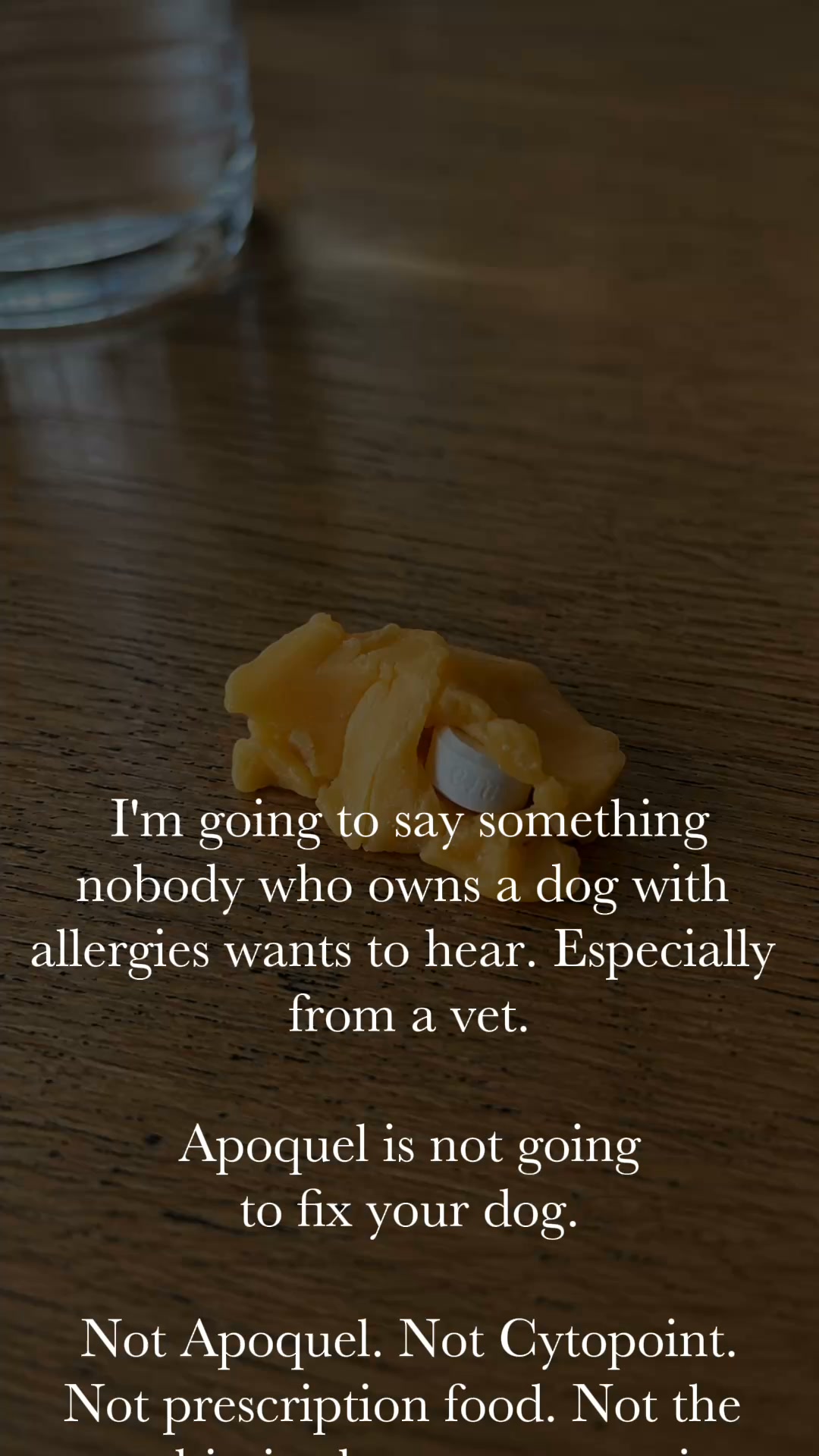
Running for 8 days since September 28, 2026. Crush last saw it on October 6, 2026.
Run by Dog Wellness Explained on Facebook. Crush is not the advertiser and does not verify its claims. See this ad in Meta's Ad Library(opens in a new tab)
Want an ad like this for your product?
Crush makes new ad images for your product from this ad: your logo, your product photo, your offer.
Trials from $19.95 USD, then $79.95 USD a month. Cancel anytime.
About this ad
- Meta Ad Library ID
- 2582710865506906
- Platforms
- Relaunches
- 0
- Niche
- Pets
Ad text
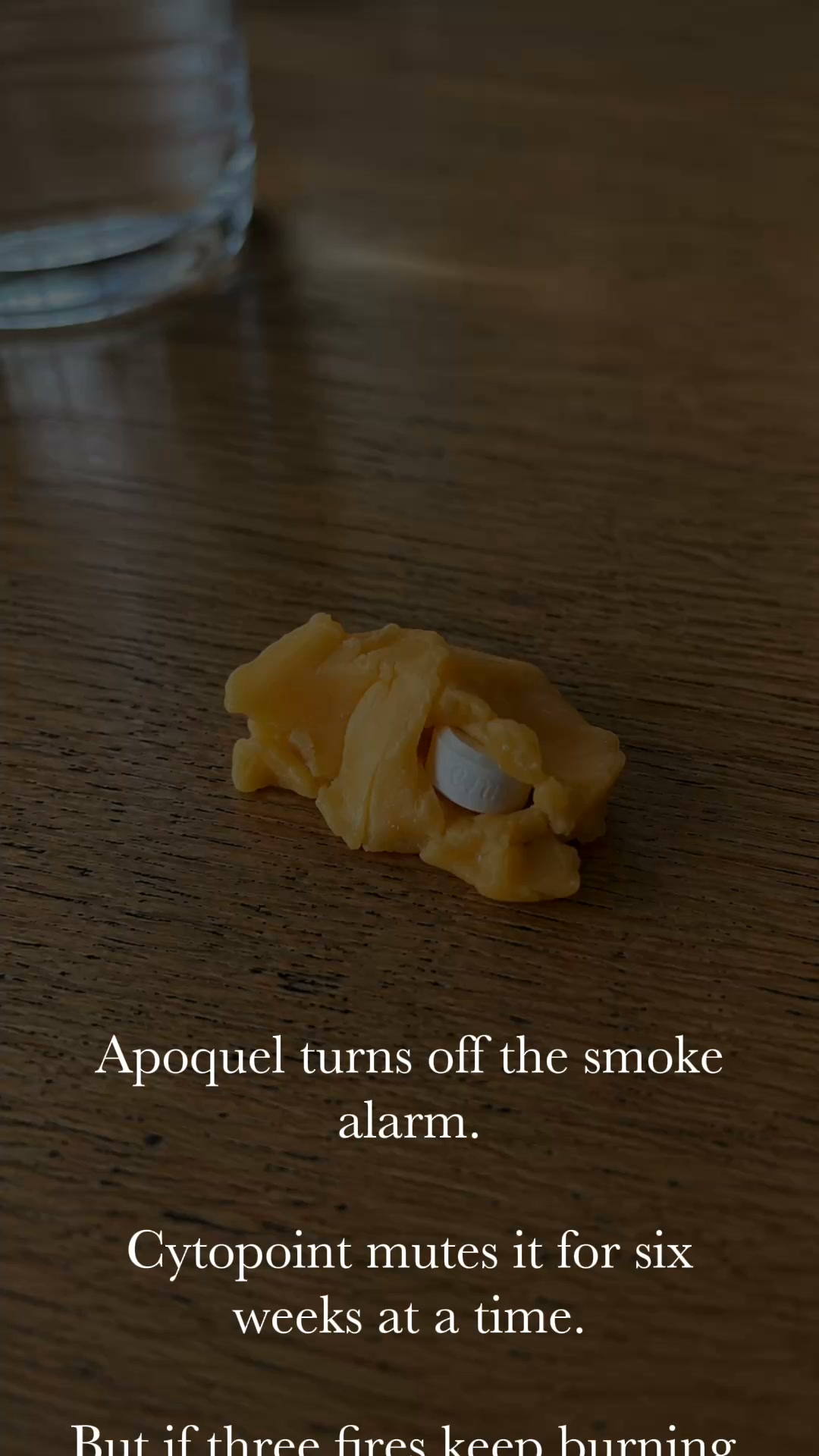
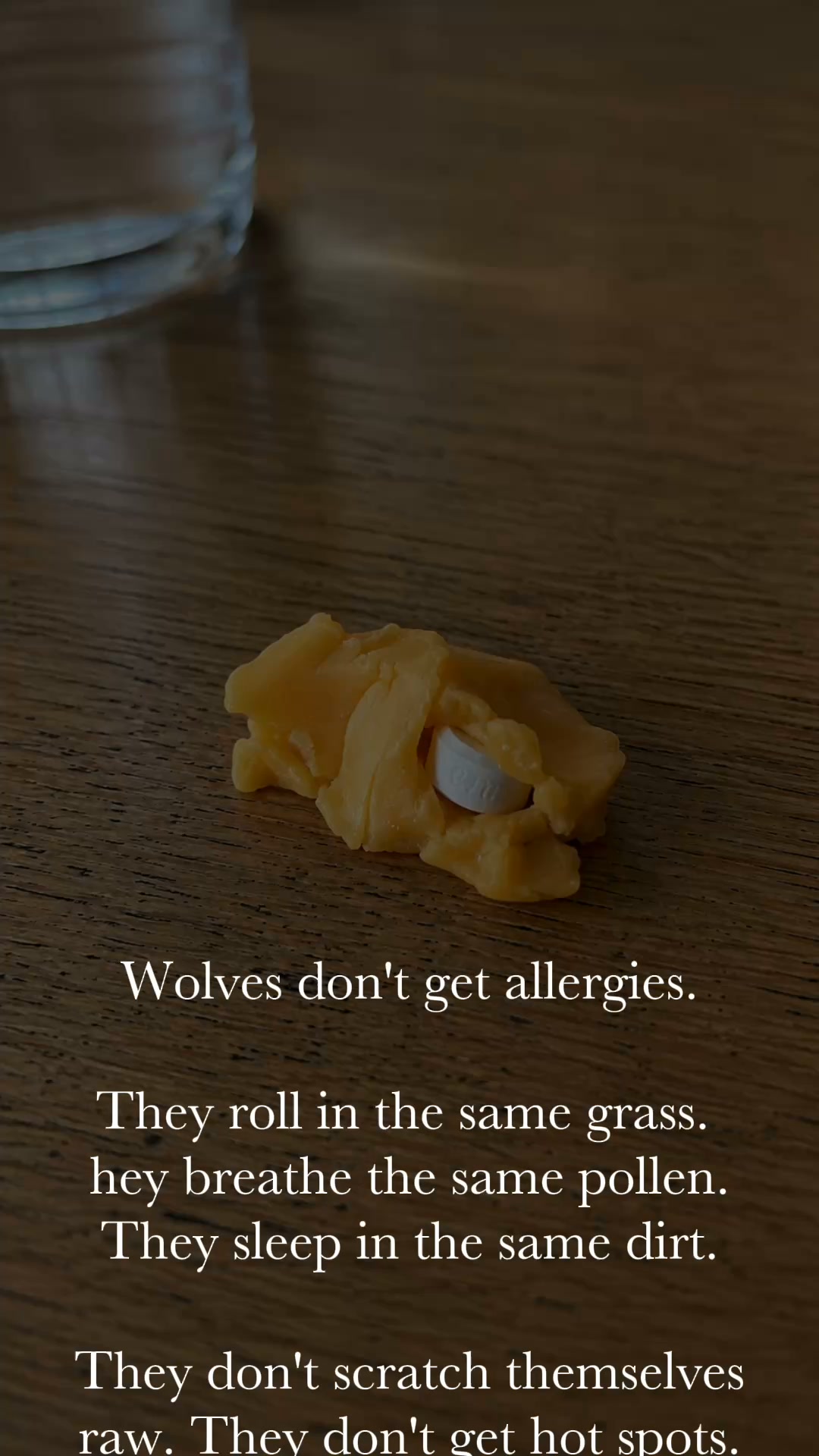
I'm going to say something nobody who owns a dog with allergies wants to hear. Especially from a vet. Apoquel is not going to fix your dog. Not Apoquel. Not Cytopoint. Not prescription food. Not the probiotic chews everyone in your Facebook group swears by. None of it is going to fix this. I know because I prescribed all of it. Every medication. Every diet. Every supplement. For fourteen years. And I watched the same dogs come back to my exam room, year after year, still scratching. I thought I was helping. I was only buying them a few quiet weeks at a time. If your dog is scratching and you're wondering whether to go up on the Apoquel, add the injections, or try another elimination diet, you are spending time and money your dog does not have. My name is Dr. Helen Brooks, DVM. Along with Dr. James Carter and Dr. Emily Shaw, I've spent the last fourteen years at a small-animal practice outside Raleigh, treating dogs with chronic itching, recurring hot spots, and ear infections that never stay gone. Between us, we've treated over 18,000 dogs. We prescribed Apoquel. We prescribed Cytopoint. We told owners to add antibiotics when the ears flared again. And we watched dogs get better for three months. Then worse again. Then the owner would come back and we'd increase the dose. And it would work for six weeks. And then they'd be back again. When owners asked for something natural, we sent them home with a probiotic and a bottle of fish oil. It didn't hurt. It didn't help either. For years, we accepted this as the nature of allergic dogs. Some breeds are prone to allergies. Some dogs need lifelong itch management. Some dogs just have bad skin. I believed all of it. Until I understood what the medication was actually doing. And what it wasn't doing. Here's the part I'd never followed to its end. The itch your dog feels comes from a signal, a protein called IL-31, that tells her brain there's something to scratch. And that signal isn't made by the skin. It's made by the immune system. Not the skin. The immune system. Apoquel works by blocking that signal from getting through, so the brain never hears it. But if the immune system keeps making more, there's more to hold back every month. That's why it works at first and then stops. Apoquel doesn't stop the itch. It stops her from feeling it. Cytopoint works on the same signal. It catches the signal before it reaches the brain. The itch quiets because less of it gets through. But the immune system is still making more. The problem deepens. Within months, you're back to hearing that wet paw-licking at 2 AM. You are turning off the smoke alarm while the house keeps burning. The fire never stopped. The alarm just got louder than the medication could handle. Dr. Carter was the one who finally connected this to what we were seeing clinically. He'd attended a veterinary neuroimmunology conference — not a drug company lunch, not a pet food seminar — but an immunology event and heard a presenter explain, in detail, why the itch keeps outrunning the drugs. He came back to the clinic and said something that made me uncomfortable. "Every itchy dog we've ever treated had three problems keeping the immune system switched on. We've been treating them one at a time" I pushed back. I'd been practicing fourteen years. We tested everything. Allergy tests. Elimination diets. Apoquel. Injections. "That's the point," he said. "Every one of those goes after one piece. None of them sees the whole thing. We've been treating one problem at a time and telling owners it's just allergies." I didn't want to believe him. But I'd seen Cooper. And Bella. And Duke. And the ear surgery referrals stacked on the counter. Dogs on the highest dose. Dogs whose owners had done everything right. Dogs whose families sat in my exam room and asked, quietly, whether it was time. He pulled up the slide from the conference. Three circles. Gut. Nerves. Skin. Arrows running between all three. Across the top, two words: compound itch. He started with the gut. "Most of a dog's immune system lives in her gut," he said. "And it's kept calm by specific bacteria whose only job is to tell her body to calm down" "Have you ever seen a wolf scratching itself raw? Wild dog hot spots?" I hadn't. A wolf never runs short of those bacteria. It eats its prey whole, organs, muscles in the wild, and swallows billions of them with every meal. Your dog eats processed food. Even the premium brands. Every one of those bacteria is cooked out during manufacturing. So nothing is telling her immune system to calm down. It panics. At pollen. At dust. At the grass in your own backyard. And every time it panics, it sends out more of that itch signal. The same one Apoquel has been holding back. Nothing was ever telling it to stop. Then he pointed to the second circle. The nerves. The one none of us had ever treated. After years of itching and scratching and licking, the nerves in the skin physically change. They start overreacting. Picture someone shouting in your ear every day for a year. Eventually, a whisper makes you flinch. That's what happens to her nerves. They've heard itch, itch, itch for so long that they stop waiting for a reason. A breeze sets them off. The carpet. Her own collar. Apoquel blocks the itch signal. These nerves don't need one. And nothing we prescribed ever touched them. Not the Apoquel. Not the steroids. Not the elimination diets. Then the third circle. The skin. Healthy skin is a brick wall. Ceramides are the mortar holding it together. All that scratching and licking wears the mortar away. Gaps open between the bricks. Pollen, dust and grass slip in through those gaps, straight to an immune system that's already panicking. So it panics harder. And two more things move in. Staph bacteria and yeast. They start an itch of their own, one Apoquel was never built to block. That's where the hot spots come from. The brown gunk in her ears. The corn-chip smell on her paws. Now look at what they do to each other. The gaps in her skin let more allergens through. So the gut panics harder. The gut panicking harder means more signal. So the nerves fire more. More firing means more scratching. And more scratching means bigger gaps. And then it starts over, worse than the time before. That's why the medication treadmill keeps accelerating. That's why dogs on the highest doses still lick at nothing. That's why the ears clear up with drops and come back six weeks later. Miss even one circle, and the other two bring the whole loop back. After seeing how widespread the problem was, we needed to find out what we could actually do about it. Specifically: was there anything on the market that treated all three at once? Dr. Shaw pulled every chew we'd ever recommended. Products I had personally suggested to clients. Products with "veterinarian recommended" labels and thousands of five-star reviews. She read every label against the three circles. What we found made all three of us furious. The probiotic chew (Amazon Bestseller): Gut only. Nothing for the nerves. Nothing for the skin. Even if every strain arrives alive, it covers one circle out of three. The skin and coat chew ("Veterinarian Recommended"): Fish oil and biotin. Supports the surface of the skin. Zero gut mechanism. Nothing for the nerves. The allergy and immune bite: Colostrum, a probiotic, some salmon oil. Two circles, partially. Nothing for the nerves. Products I had been recommending. Products I had believed were helping. The supplement industry is built on the same assumption as the medication: fight one fire, and ignore the other two. Dr. Carter spent eight weeks looking for one chew that covered all three. Calling manufacturers. Reading formulations. Demanding Certificates of Analysis. Most wouldn't provide it. Then he found Floof. It covered all three. By design. They answered immediately. Certificate of Analysis arrived in forty-five minutes covering every active compound. We checked the formula against all three circles: For the gut - It has a billion live bacteria per chew, built around the two strains an itchy dog is missing. They move into a gut that's been running without them for years and start calming the immune system down. And they arrive alive, because the strain it's built around is spore-forming. The bacteria sit sealed inside a natural protective shell, so they survive the heat of manufacturing and the acid in the stomach, and only wake up once they reach the gut. For the nerves - it uses a compound called PEA. It calms the inflammatory cells surrounding the nerve endings, so they stop keeping those nerves on constant high alert. They stop turning every little thing into an urge to scratch. For the skin - It uses Nicotinamide, which gives the skin the raw material to remake the fatty mortar between the cells. As that mortar fills back in, the wall closes. Allergens and yeast stay out. And once the wall closes, the gut stops being flooded, and the whole loop stops turning. We introduced Floof into our clinical protocol alongside, not instead of, existing treatment. Jean's dog Rosie. 4-year-old Lab mix. Chewed her paws raw most nights. On Apoquel for over a year, and it held less every month. Jean used to lie awake counting the hours, listening to Rosie lick in the dark. The first two weeks on Floof, nothing changed. By week 4, the paw licking had stopped. Completely. No new hot spots. The existing ones were drying up. By month 2, we took her off Apoquel. And Rosie was sleeping through the night. So was Jean. Jean told me, "My last vet kept raising the Apoquel. It worked less every time. Nobody ever told me it was three problems, not one." Carol's dog Murphy. 6-year-old Golden Retriever. Ear infections every six weeks. Two previous clinics had recommended ear canal surgery. On Apoquel for three years, Cytopoint for one. Every time we raised the dose, he got six good weeks. Then the scratching came back. By week 5: No new hot spots. The first time in two years. His groomer, who had been bathing him every six weeks, stopped Carol at pickup. "I don't know what you changed, but something's different. His skin hasn't looked this calm since I started with him" By month 2, his ears came back clean. Pink. No smell. No brown gunk. The surgery talk is on hold. These outcomes are not unusual. They're what we've seen again and again since we finally started treating all three circles at once, and the loop had nothing left to feed on. If your dog is scratching and the medication isn't holding, listen to me. The medication is only turning off the alarm. The house is still burning. And every month the loop runs, the nerves get more sensitive and harder to bring back down. One problem is never the problem. The only way out is to stop fighting one fire and put out all three. Then count the nights she doesn't wake you. This is the one we use with our patients: 👉 floofchews.com/pages/floof-chew-anti-itch-from-root-1 P.S. We kept every dog on their existing medication while introducing Floof. This is not a replacement for veterinary care. It's the missing piece that makes veterinary care work the way it was supposed to. Don't judge it by the first two weeks: the gut moves first, and the paws, ears and nights follow. Most dogs in our protocol showed enough improvement within 4-6 weeks to begin working with their vet on tapering medication doses. Some are off medication entirely. None of them are off Floof. P.P.S. We recommend Floof because it's the only chew we found that covers all three circles, and because, clinically, we've seen what changes when the loop finally has nothing left to feed on. After fourteen years and 28,000+ dogs, this is the recommendation we stand behind completely.
Where the ad sends people
floofchews.com
Take Your Dog Off Apoquel And Give Them Itch Relief That Lasts
Shop now: floofchews.com(opens in a new tab)