
Inactive· since Dec 29, 2025
- 45
- days it ran
- 1
- relaunches
Ad copy
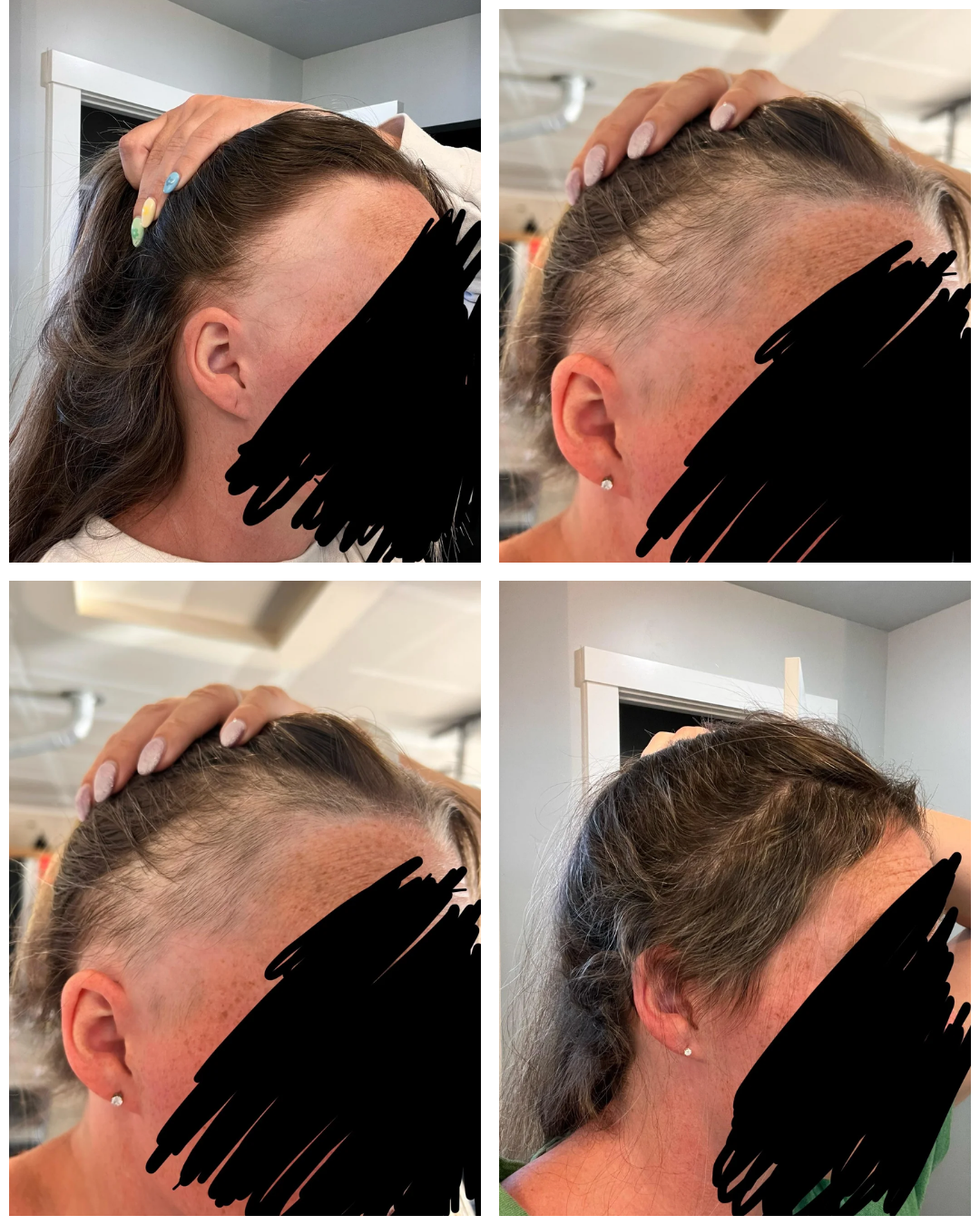
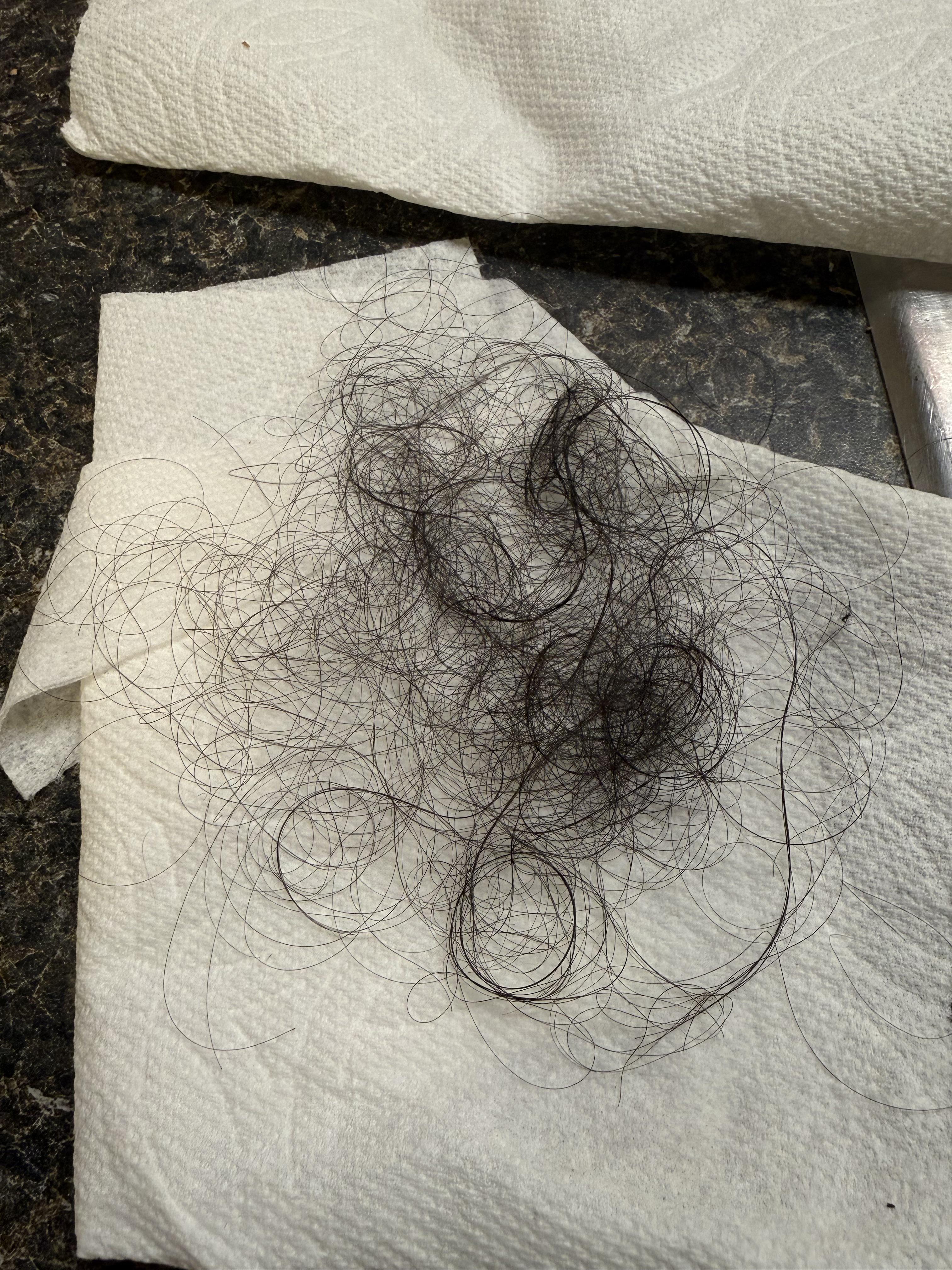
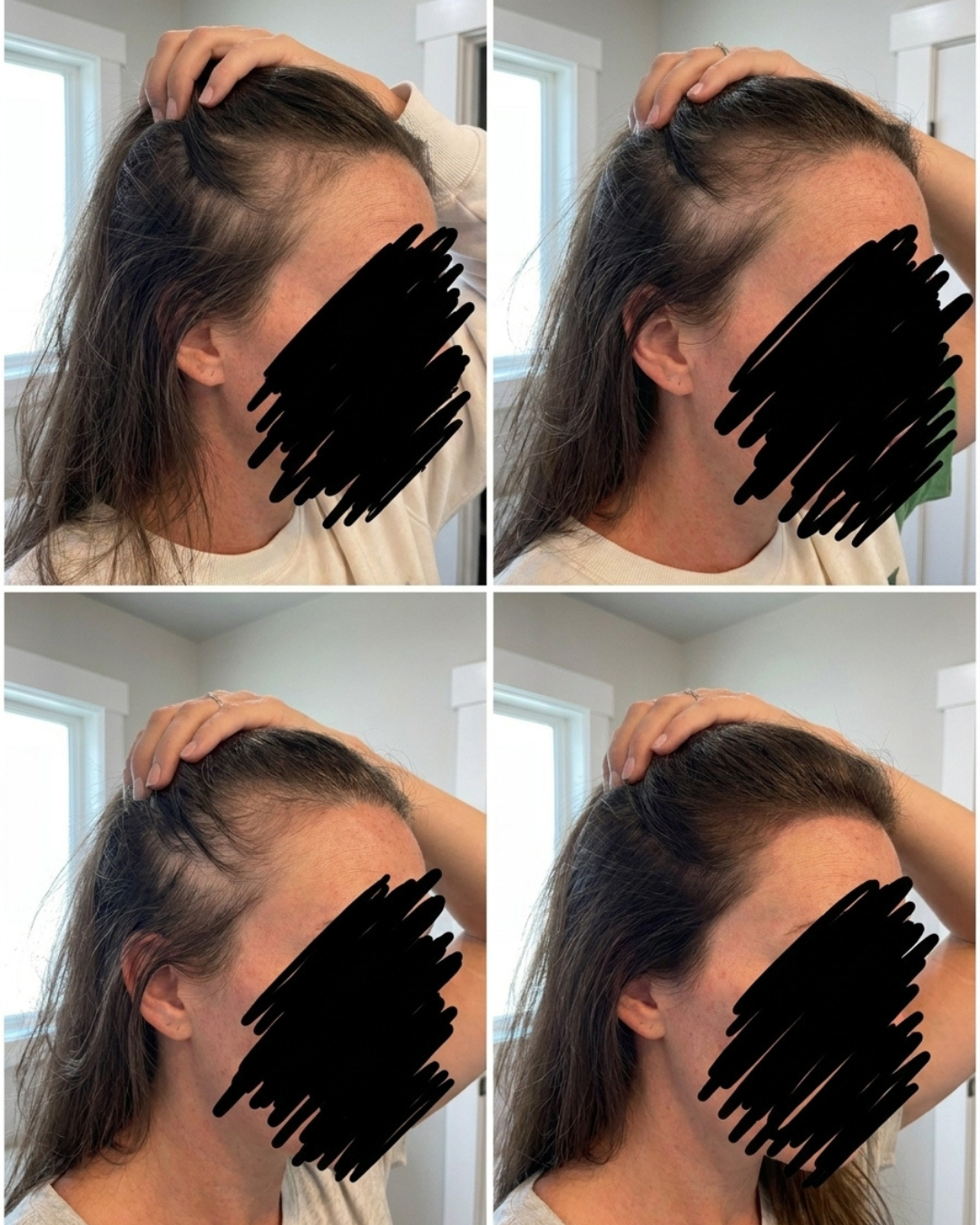
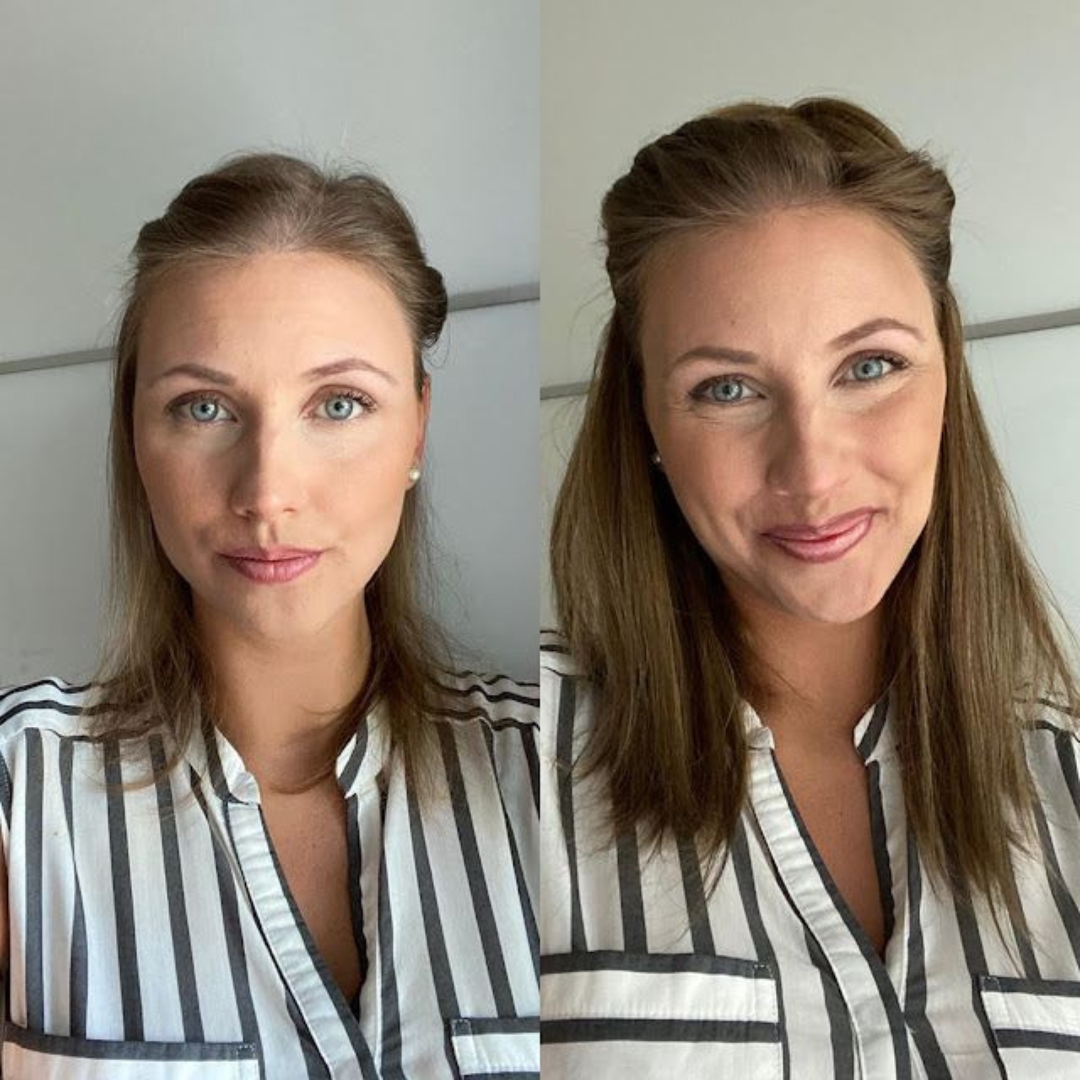
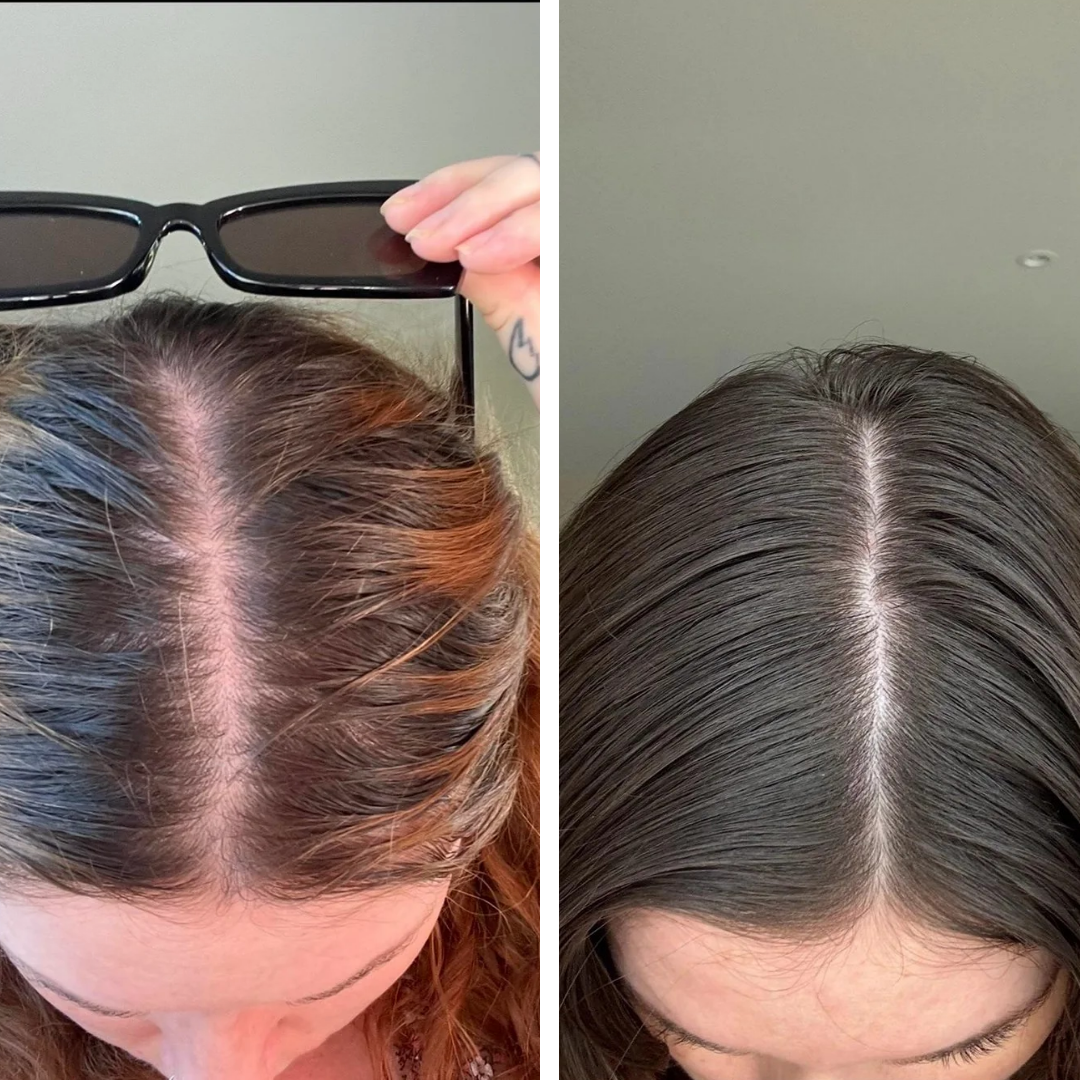
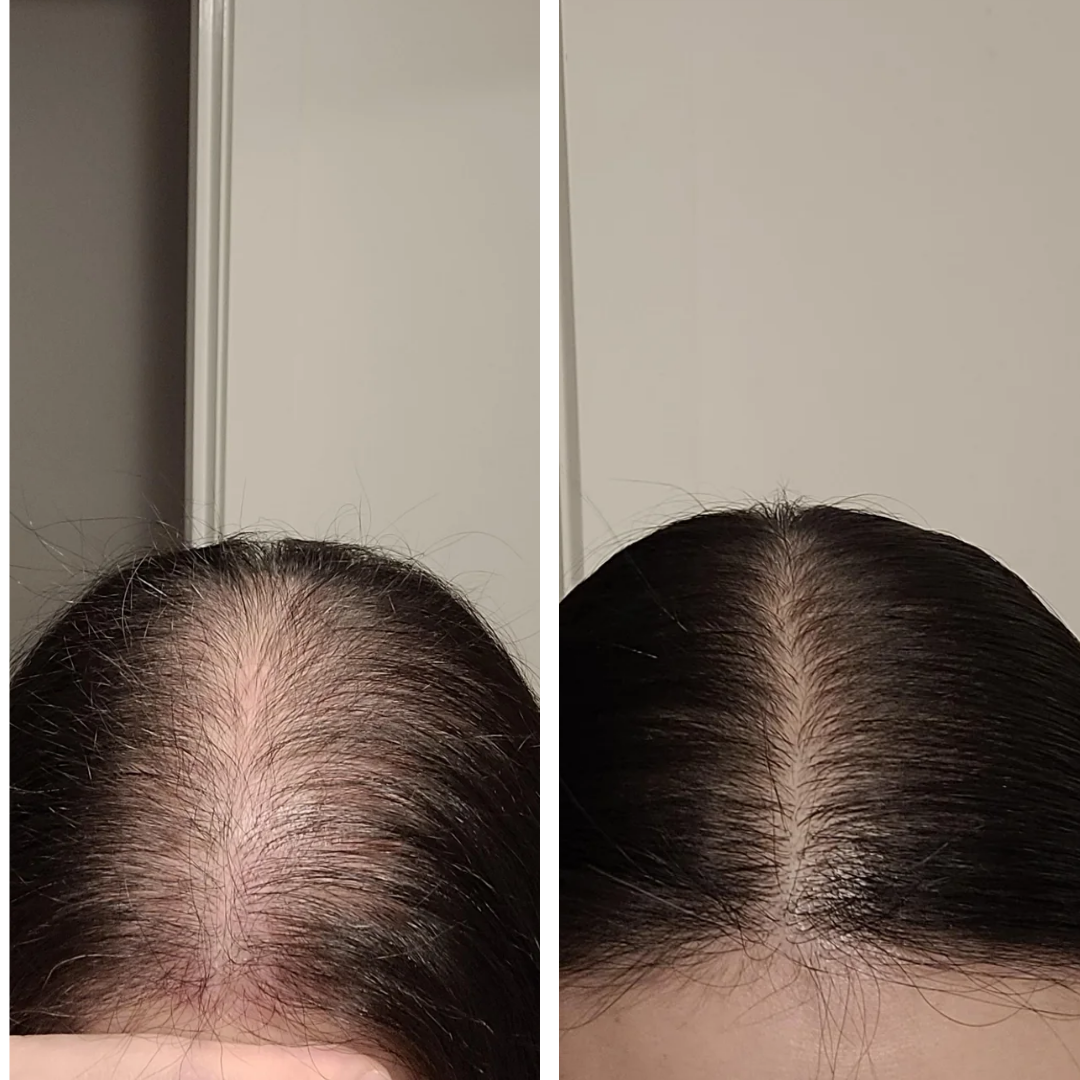
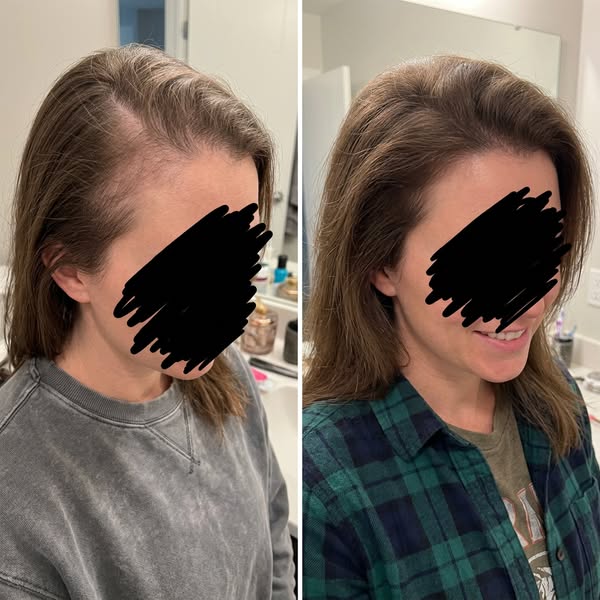
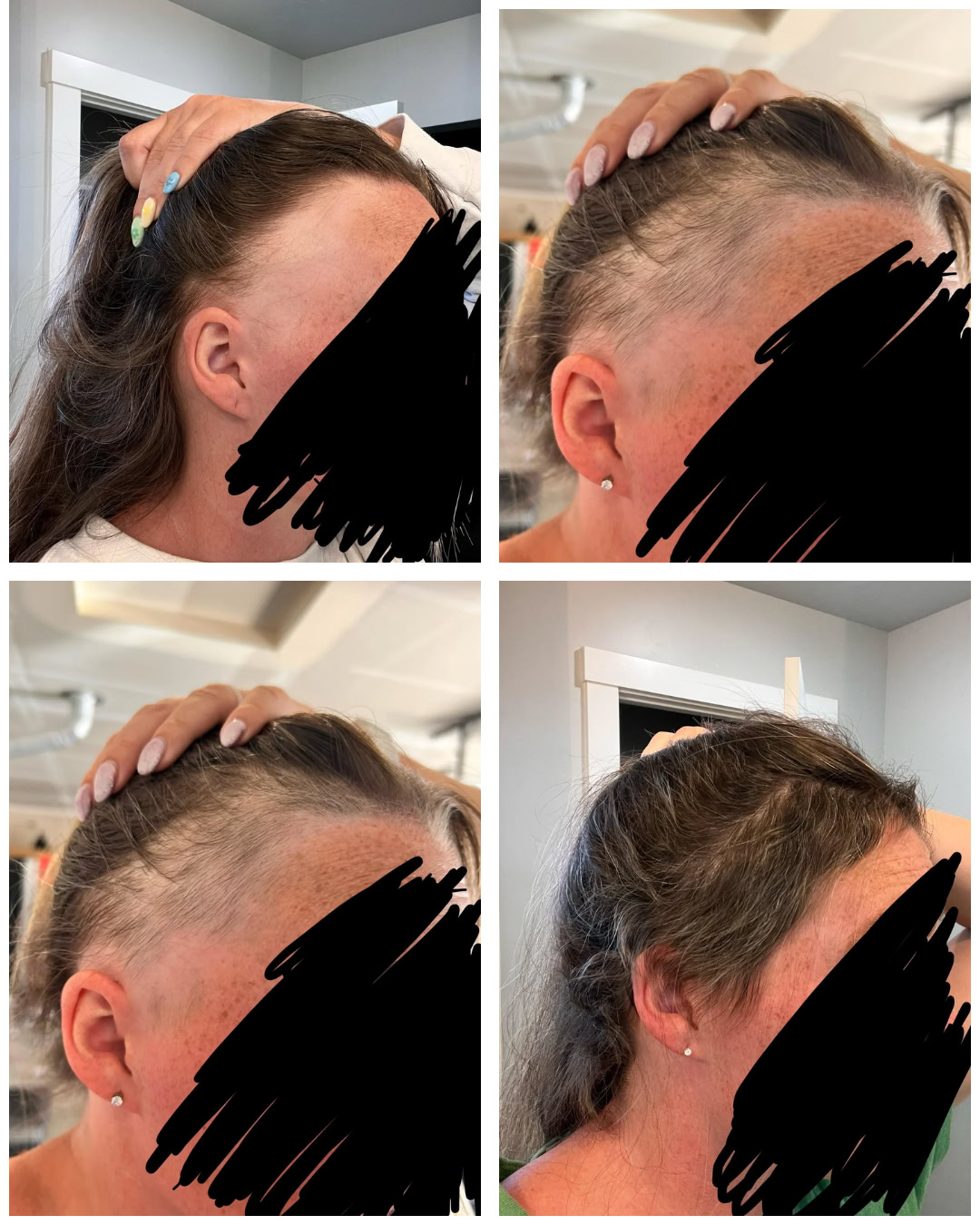
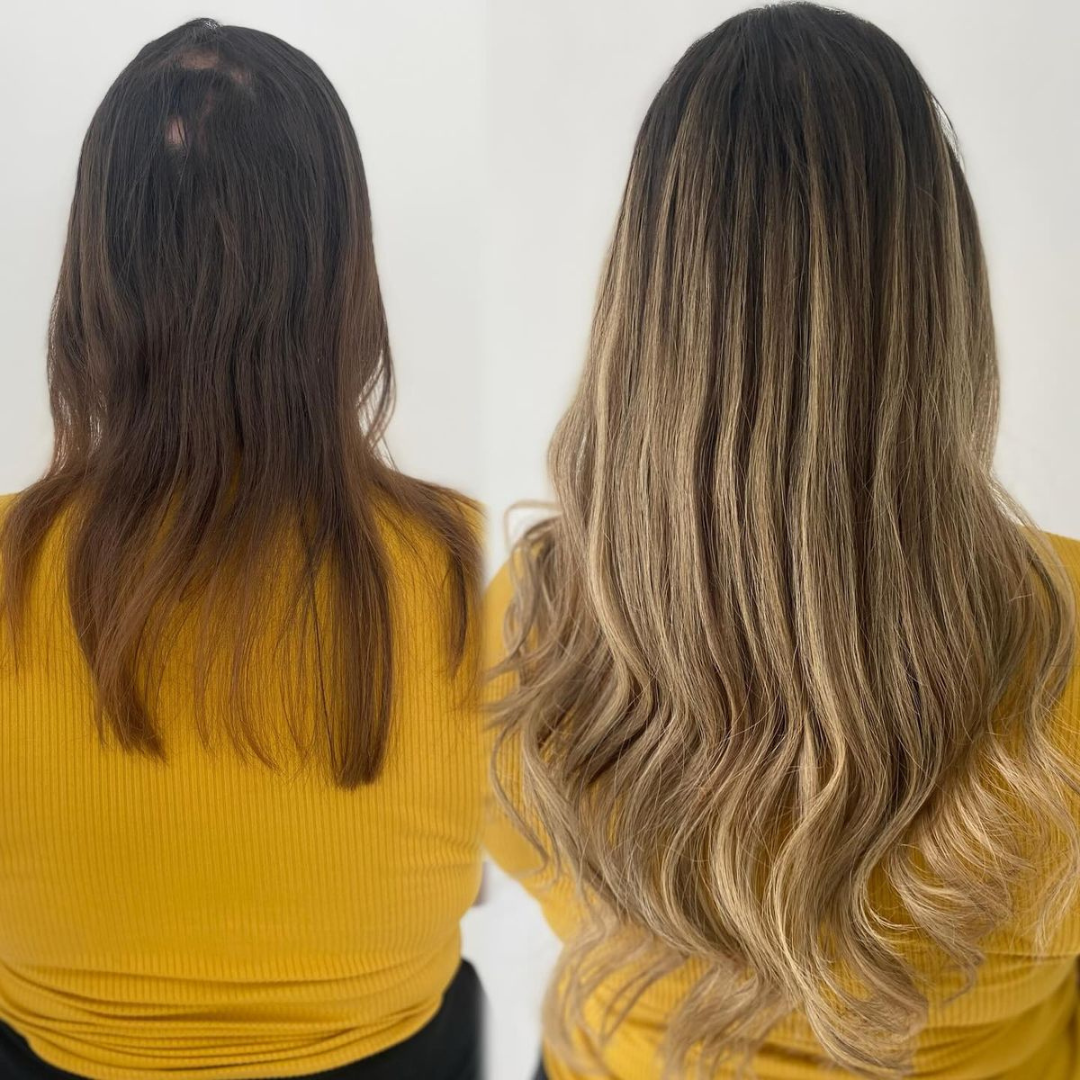
My hairstylist stopped mid-cut and said "you've lost so much hair since last time"—I could no longer deny what was happening. When I discovered the root cause behind my GLP-1 hair loss, everything finally made sense and I found what actually fixed it. I used to love getting my hair done. Every eight weeks like clockwork. A trim. Sometimes highlights. Two hours where someone else took care of me while I just sat there and relaxed. My hairstylist, Michelle, had been doing my hair for six years. She knew my hair texture, my problem areas, how it responded to different products. She'd seen me through pregnancies, stress-induced shedding, postpartum recovery. We had that kind of relationship where we talked about everything. Our kids. Our lives. Our frustrations. I trusted her completely. So when I walked into my appointment in May—three months after starting Zepbound—I didn't expect anything to feel different. But the moment Michelle ran her fingers through my hair during the shampoo, I saw her expression change in the mirror. A quick flicker of concern. Then her professional mask slid back into place. "So how have you been?" she asked, too casually. "Good," I said. "Really good, actually. I've lost 28 pounds." "That's amazing," she said. But her eyes stayed on my hair in the mirror. During the cut, I noticed she was being... careful. Gentle in a way she'd never been before. Like she was handling something fragile. When she finished blow-drying, she turned the chair away from the mirror slightly. "Let me just clean up the back," she said. That was weird. She always turned me directly toward the mirror for the final reveal. But I didn't question it. Just thanked her, paid, left. It wasn't until I got home and looked in my bathroom mirror that I realized: my hair looked thinner than when I'd gone in. Not because she'd cut too much. Because there was just... less of it overall. And the cut had made that more obvious. I pushed the thought away. Told myself I was being paranoid. But I kept touching my hair all day. Feeling the weight of it—or the lack of weight. Running my fingers through it and noticing how much less resistance there was. Eight weeks later, I went back for my next appointment in July. This time, Michelle's concern wasn't hidden. When she started sectioning my hair, she paused. Looked at me in the mirror. "How have you been feeling?" she asked carefully. "Health-wise?" "Fine," I said. "Great, actually. I've lost 42 pounds now." "That's wonderful," she said. Then, more quietly: "Are you... eating enough protein?" My stomach dropped. Because I knew what she was really asking. "Yeah," I said defensively. "I track everything. I'm getting plenty." She nodded. Didn't say anything else. But I could see it in her face—concern. Professional, careful concern. The cut took longer than usual. At one point, she stepped back, looked at my hair from different angles, bit her lip. "Everything okay?" I asked. "Yeah," she said quickly. "Just trying to figure out the best way to add some volume." Volume. That word hung in the air between us. When she finished, the cut looked good. She'd done her job well—made the most of what was there. But we both knew there was less there than there should be. I drove home in silence. Didn't turn on the radio. Just sat with the knowledge I'd been trying to avoid for weeks. My hair was thinning. And it was noticeable enough that a professional had noticed it. Two months later—September—I almost cancelled my appointment. I'd been dreading it for days. Because I knew Michelle would notice that things had gotten worse. Way worse. My shower drain clogged daily now. My brush was constantly full. My ponytail had shrunk from thick and full to what I privately called my "sad little ponytail." But I needed a cut. My hair looked ragged. So I went. The moment Michelle touched my hair during the shampoo, I saw her face in the mirror. No professional mask this time. Just shock. She tried to hide it. But I'd seen it. During the cut, she was quieter than usual. Asked how I was doing, but in that careful voice people use when they're worried about you. Halfway through, she stopped. Scissors still in her hand. Looking at my hair in the mirror with this expression I couldn't quite read. "What?" I said, anxiety spiking. She hesitated. Set down the scissors. Looked at me directly in the mirror. "I need to say something," she said softly. "And I hope you won't be upset with me." My heart started racing. "You've lost so much hair since last time," she said. "Actually, since you started coming in this year. It's significant. I'm worried about you." The salon suddenly felt too hot. Too bright. Too public. "I know," I whispered. "Have you seen a doctor?" "It's from the weight loss medication," I said, voice shaking. "Everyone says it's normal. That it'll grow back." Michelle's expression softened. "How long have you been losing it?" "Four months. Maybe five." She was quiet for a moment. Then: "I've been doing hair for fifteen years. I've seen a lot of different kinds of hair loss. This isn't normal shedding. This is..." She paused, choosing her words carefully. "This is something you need to address. Soon." I felt tears building. Tried to blink them away. Failed. "I'm sorry," she said quickly. "I didn't mean to upset you. But I would feel terrible if I didn't say something." "No, you're right," I said, voice breaking. "I know you're right. I just... I don't know what to do. Everyone keeps telling me it's normal, that I just need to wait, that it'll grow back when I stop losing weight. But it's not stopping." She squeezed my shoulder gently. "I don't think waiting is the answer. Something is causing this, and you need to figure out what it is." I nodded, tears now running down my face while I sat in her salon chair under fluorescent lights with half a haircut. She finished cutting in near silence. Did her best to make my hair look fuller. Styled it gently. When I left, she hugged me at the door. "Figure this out," she said. "Your hair is fixable. But you need to act now." I sat in my car in the parking lot and sobbed. Not quiet tears. Full-body, gasping sobs. Because hearing it from Michelle—from a professional who'd seen my hair at its best and was now seeing it at its worst—made it undeniably real. I wasn't being paranoid. I wasn't overreacting. A trained professional had just confirmed: my hair loss was significant and abnormal. That night, I couldn't sleep. Michelle's words kept replaying: "This is something you need to address. Soon." At 1:47 AM, I started searching. Not "is hair loss normal on GLP-1s"—I'd already read all those threads. I searched: "what causes GLP-1 hair loss mechanism" I found a research article that explained something I'd never fully understood: the hormonal mechanism. GLP-1 medications are synthetic hormones. When you inject them, they can disrupt your natural hormone balance and cause DHT to elevate. DHT is a hormone that, when elevated, attacks hair follicles. Literally shrinks them and forces them into premature shedding. That's why Michelle had noticed such significant thinning. It wasn't just "some shedding." It was active follicle attack causing mass hair loss. And here's what made everything click: The article explained that DHT-related hair loss doesn't just stop on its own. It continues as long as DHT remains elevated. You need to actively address the hormone to stop the shedding. That's why "waiting" wasn't working. That's why it had been five months and nothing had improved. Because I wasn't addressing the actual cause—the DHT attacking my follicles. The article went on to explain that specific ingredients can help address elevated DHT: Saw palmetto—research showed it may help block the enzyme that creates excess DHT. Pumpkin seed oil—studies demonstrated it could help reduce DHT levels. Pearl powder—traditionally used to help regulate hormonal responses. Aloe vera extract—concentrated inner leaf extract that helps normalize how follicles respond to DHT. I spent hours reading about these ingredients. About how they work on the hormonal mechanism that was causing my visible hair loss. That's when I found Hair Revive gummies by Balmbare. Specifically formulated for people on GLP-1 medications dealing with DHT-related shedding—with all four of those ingredients. I ordered them that morning. Started taking two every day when they arrived. The first three weeks, I didn't see much change. The shedding continued. I kept thinking about Michelle's face when she'd said "you've lost so much hair." But week four, something shifted. The shedding decreased noticeably. My shower drain wasn't clogging every day. My brush wasn't constantly full. Week six, I could see baby hairs. Tiny new growth along my part and hairline. Week eight, my ponytail felt thicker when I put my hair up. Not thick like before—but noticeably less sad. Month three, I had my next hair appointment scheduled. I almost cancelled out of habit—out of fear of what Michelle would say. But then I realized: I actually wanted her to see my hair. Because for the first time in eight months, things were better instead of worse. I walked into the salon. Michelle looked up from her station, smiled, then did a double-take. "Oh my god," she said, walking over. "Your hair." "I know," I said, smiling nervously. "Is it... better?" She was already touching it, running her fingers through it the way she always did during consultations. "It's not just better," she said slowly. "You have new growth everywhere. Like, significant new growth. What did you do?" I told her about discovering the DHT mechanism. About finding the gummies that addressed the hormonal cause instead of just waiting for it to resolve. She was quiet for a moment, still examining my hair. "In fifteen years of doing hair, I've seen a lot of women on these medications," she said. "Most of them just wait and hope. Their hair either slowly recovers over years, or it doesn't fully recover at all. But this?" She gestured at my head. "This is actual reversal. In three months." She paused. "Can you write down what you're taking? I have three other clients dealing with this right now." During the cut, she kept commenting on the new growth. On how much healthier my hair looked. On the texture improvement. "I'm not just saying this," she said. "This is real, visible progress. I can see it, and I've been tracking your hair for months." When she finished, she turned me toward the mirror—full-on, bright lights, no angles. "Look at the difference," she said. I looked. And for the first time in eight months, I didn't feel devastated by what I saw. My hair wasn't perfect. It wasn't back to pre-GLP-1 fullness. But it looked like hair again. Real, healthy hair with visible new growth and normal thickness. I started crying right there in the chair. Happy tears this time. "Thank you," I said. "For telling me the truth that day. For not just pretending everything was fine." She squeezed my shoulder. "That's what I'm here for. I see your hair more objectively than you do. And I'm telling you now—what you're doing is working. Keep doing it." It's been six months since that awful appointment where Michelle stopped mid-cut to tell me the truth I didn't want to hear. My hair is so much better now. The shedding is normal. The thin spots have filled in. The texture is healthy again. But more than that—I don't dread salon appointments anymore. I don't sit in the chair terrified of what Michelle will say. I don't avoid looking in the mirror during the cut. Last week, she posted a before-and-after photo of my hair on her salon's Instagram (with my permission). The comments were full of women asking what I'd done. Because the difference is undeniable. Even in photos. Even to strangers. If you're reading this and you see yourself in my story—if you've noticed your hairstylist being careful with your hair, if you've seen concern in their face, if they've hinted that something's wrong, or if they've flat-out told you your hair loss is significant—please don't ignore it. They see your hair objectively. They see it when it's wet, when it's dry, under bright lights. They can see things you might be missing or denying. And if they're concerned, you need to act. Not wait. Not hope it resolves on its own. My hairstylist shattered my denial. And I'm grateful she did, because that's what pushed me to finally address the real problem instead of waiting for it to magically resolve. The real problem wasn't weight loss. It wasn't nutrition. It wasn't "normal shedding." It was DHT elevation from my GLP-1 medication. And that doesn't resolve by waiting. It resolves by actively addressing the hormone that's attacking your follicles. The gummies I found are called Hair Revive by Balmbare. They're formulated specifically for people on GLP-1 medications dealing with DHT-related shedding—with saw palmetto, pumpkin seed oil, pearl powder, and aloe vera extract. They're not a prescription drug. Just a supplement that addresses the hormonal mechanism causing the hair loss your hairstylist noticed. They have a guarantee, so if they don't work for you, you're not stuck with them. I'm sharing this because I know what it feels like to sit in that salon chair and have a professional confirm your worst fear. To have someone you trust tell you that what's happening to your hair isn't normal. But I also know what it feels like to sit in that same chair three months later and hear them say "I can't believe the difference." Your hairstylist sees your hair more clearly than you do. If they're concerned, listen to them. And then address what's actually causing it. Click below to learn more about what turned my hair around so dramatically that my hairstylist posts about it. You don't have to dread your next appointment. You don't have to sit in that chair terrified of what they'll say. You just have to address what's really happening. And then let them witness the transformation.
Like this ad? Make it yours.
Crush rebuilds this exact creative around your product — your brand, your colors, your offer — in about a minute.