American Health Support Community
 Facebook ad: “Natural Relief in Weeks”

Ran for 3 days, from October 30 to November 2, 2026, the last day Crush saw it.
Run by American Health Support Community on Facebook. Crush is not the advertiser and does not verify its claims. See this ad in Meta's Ad Library(opens in a new tab)
Make your own version of this ad
Crush makes it, launches it in your own Meta ad account, scales the winners and pauses the losers.
About this ad
- Meta Ad Library ID
- 2588869718209193
- Platforms
- Facebook, Instagram, Audience Network, WhatsApp and Threads
- Relaunches
- 0
- EU reach
- 1,434
- Niche
- Food & Beverage
Ad text
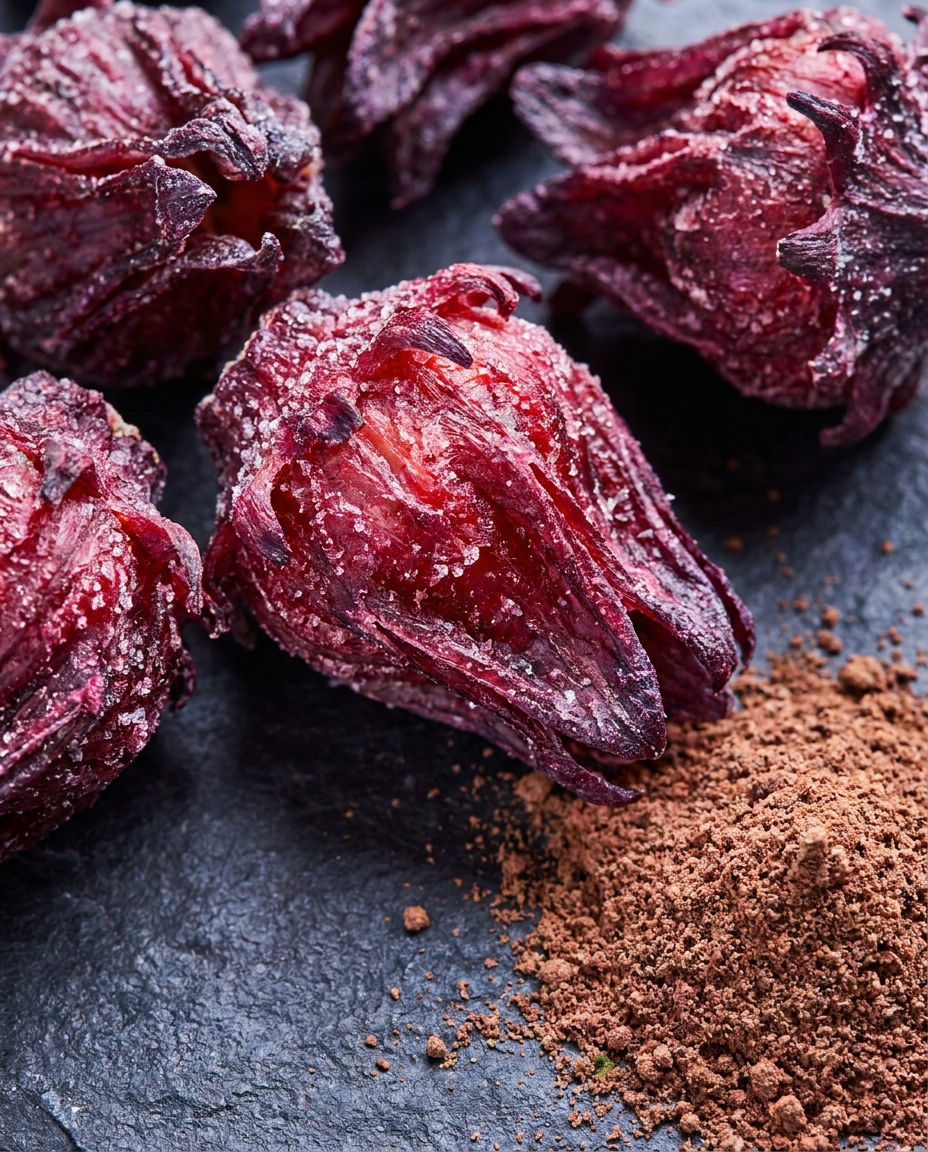
I saw a statistic that made me sick. A woman with high blood pressure is 71% more likely to have a stroke than a man with the exact same reading. Not 5% more likely. Not 20%. 71%. Same number on the cuff. Completely different risk. I'd had high blood pressure for 14 years and not one doctor had ever told me that. But here's the truth. Your primary care doctor manages your numbers. Your cardiologist checks your heart. If your kidneys start slipping, someone else checks those. The actual lining of your blood vessels, the part that decides whether they relax or stay clenched, sits between all three of them... and nobody is paid to look there. That's why most of us never heard this. That's why my mother never heard it either. My mother was one of the women in that number. Eighteen years on lisinopril. In range at every appointment. A stroke took her at 71. I'm 57. Last month my doctor told me to increase my lisinopril dose and add a diuretic for the swelling. I refused. And what I found instead, buried in a comment thread I almost scrolled past at 2 AM, took me from spiking into the 160s every afternoon and dreading the cuff... to averaging under 125 over 80 within a few months. No diuretic. No dose increase. But to understand why I was desperate enough to message a stranger at two in the morning, and then order three different bags of tea before one finally worked, you have to know what I watched that medication do to my mother. And what I didn't know it was quietly doing to me too. For 18 YEARS... almost two decades... my mother was trapped on blood pressure medication. Started with lisinopril. Her doctor called it "the gold standard for blood pressure." Said she'd take it daily, but that her numbers would stabilize. Her numbers came down. Everything else fell apart. Within the first year her readings were better but never steady. She'd go three weeks in range and then spike to 160 over 100 for no reason she could find. Doctor said it was stress and too much sodium. By year five the lisinopril alone wasn't holding her numbers down anymore. She needed it just to stay out of the danger zone, and even with it her readings crept back up by evening. So her doctor increased the dose. Now it was the same pill, just more of it, and nobody asking why it was still happening. Her ankles started swelling around year nine. She'd get lightheaded standing up out of a chair, and her hands were cold in a warm house. So her doctor added a low-dose diuretic. Now it was a blood pressure pill and a water pill. Two medications, same doctor, same chart, nobody connecting what was actually happening. By year twelve she'd stop halfway up the gravel rise to her mailbox and pretend she was looking at something out in the field. She never said why. We all knew why. Nobody said anything. And every time we brought it up, her doctor said the same thing. "Her readings look fine, Nancy. She's in range at every visit. She just needs to watch her sodium." She hadn't added salt to a meal in four years. Weighed her food. Walked forty minutes every morning. Cut every processed thing out of her kitchen. Kept a cuff on the counter and a spiral notebook next to it where she wrote down every single reading for eighteen years. Sodium wasn't the problem. My sister said it was like watching her get slower one summer at a time. They had her on those medications for EIGHTEEN YEARS. Eighteen years of the spikes coming back anyway. Eighteen years of planning her entire day around that pill. When to take it, what not to eat so her ankles wouldn't swell, how long to sit on the edge of the bed before she stood up. Eighteen years of appointments where they'd adjust her dose or add another pill... but never once... not ONE TIME... did anyone say, "Maybe something is wrong that these medications aren't fixing." And then it happened anyway. She collapsed in her kitchen on a Sunday morning, four feet from that notebook. A bleed in her brain, the ER doctor said. She never woke up. Two days later my sister and I sat in a room in the ICU and made a decision no family should have to make. She was 71. Seventy-one. At the funeral my sister Carol grabbed my arm and said something I'll never forget. "For 18 years they told her numbers were fine, Nancy. They were wrong the whole time." So fast forward to a little over a year ago. I'm 57. High blood pressure since I was 43. I've been a good patient. Take my lisinopril every morning. No added salt. No processed food. Forty minutes on the treadmill. Potassium-rich diet. Beetroot juice every single morning because a forum said it opens your vessels. Basically running a cardiac rehab program out of my own kitchen. And my readings are still spiking most days by late afternoon. 158, sometimes 164 over the mid-90s. Headache behind my right eye by four o'clock. Hands cold in July. Standing up out of a chair too fast and having to wait a second for the room to settle and the spots to clear. I go to my annual physical. Nurse does the weight. Wraps the cuff. 162 over 98. Pulse 88. Doctor pulls up my chart. Looks at me. "Nancy, your readings are averaging higher than we'd like even on the current dose. Your kidney numbers have moved a little too. With your family history, I think we should increase the lisinopril and add a low-dose diuretic for the swelling I'm seeing in your ankles." Something tightened in my chest. Lisinopril. Eighteen years of watching my mother plan her whole day around that pill. Eighteen years of her taking it exactly as prescribed. Eighteen years of her doctor telling her her numbers looked fine while the spikes kept coming. And then it took her anyway. "No," I said. She blinked. "Excuse me?" "I'm not doing it. My mother was on lisinopril for 18 years. I watched what it did to her. And I watched a stroke kill her anyway." She leaned back. "Nancy, we need to get your pressure under control and protect your kidneys. The diuretic”" "What's the point of more pills if they didn't save her?" She didn't have an answer. I told her to give me three months. She wasn't happy. Wrote something in my chart. I didn't care. For three months I did everything right. Cut sodium to almost nothing. Walked every morning, no exceptions. Added a potassium supplement. Took every capsule the forums recommended. Three months later I went back. Averaging 158 over 95. Down from 162 over 98. Doctor pulled out her prescription pad again. "Nancy, it's time." "Give me three more months." "Nancy”" "Three more months." She sighed. I didn't care what she wrote. That night I lay in bed doing the arithmetic. Fourteen years for me so far. My mother got eighteen. At 2 AM I gave up trying to sleep. Got out of bed. Opened my laptop. I started searching. What actually causes blood pressure to keep climbing when you're on medication and doing everything right. Why the spikes never stop. Why your vessels stay tight even when your doctor calls your chart controlled. Every site said the same thing. Take your medication. Cut your sodium. Reduce stress. Lose weight. I'd done all of it. So I kept digging. Looking for people who'd actually solved this. Not managed it. Solved it. That's when I found the thread. Buried near the bottom, a woman named Ellen describing almost exactly what I was living. The afternoon spikes, the headache behind the eye, a doctor telling her she was "in range" while she felt terrible. She said she'd started drinking hibiscus tea every morning, and her numbers had come down more in six weeks than three different medications had in six years. I almost scrolled past. I'd heard "miracle tea" stories before. But something about how specific she was, the exact numbers, the exact weeks, made me message her. At 2:39 in the morning, from my kitchen table, like a crazy person. She wrote back at six. Turns out Ellen spent thirty-one years as a dialysis nurse in Ohio. Retired at 64. She didn't sell anything. She wasn't selling anything to me either. She asked me twice whether I'd talked to my doctor before she'd tell me anything. I asked her later why she'd spent four days on a stranger. She said she'd been carrying this around for years and I was the first person who'd ever asked her a second question. What she told me is the reason I'm writing this. "Your pill is fighting the wrong battle," she said. I didn't understand. "Lisinopril forces the vessel open from the outside. That's all it does. It moves the number to where your doctor wants to see it. But the reason the number keeps climbing back, the reason it spikes at four in the afternoon no matter what you ate, nobody's touching that part." She explained it the way nobody in fourteen years of appointments had bothered to. Inside every blood vessel you have there's a lining, one cell thick, and it's alive. Its whole job is to make a molecule called nitric oxide, a signal that tells the vessel to relax and open. When it's healthy your vessels open on their own and you never think about it. But it wears down. Not from salt. From ordinary oxidative damage, the kind that happens to every human being alive, and somewhere in your forties it starts making less of that signal every year. "That's not a sodium problem," Ellen wrote. "That's just biology. And no one ever tells you, because there's nothing on the prescription pad for it." I read that line four times. Then she told me the part I wasn't ready for. A vessel that can't relax stays tight. A tight vessel means more pressure inside it. And that pressure grinds against the lining, which damages it further, which means less signal, which means a tighter vessel. "It feeds itself, Nancy," she wrote. "That's why it never gets better on its own. That's why the dose always goes up and never comes down. You're not failing at this. You're standing inside a circle that's turning." So I asked her the question that had been sitting in my chest since two in the morning. Why women. Why is the same number worse in me than it is in my husband. "Because that lining had help, and you lost it," she wrote. "Estrogen does two jobs in there. It turns the production up so the lining makes more of the signal. And it protects what gets made so it isn't destroyed before it can work. Your husband never had that help, so he never lost it. He just declines slowly, year over year, the way everybody does." "You lost both of them in the same few years, on a circle that was already turning. That isn't a slow decline. That's both hands coming off the wheel at once. Same number on the cuff as your husband. Completely different thing happening underneath it." "And the numbers they're treating you to were worked out mostly on men. Nobody went back and asked whether 140 over 90 means the same thing inside us. That's why that statistic exists. We're being managed to a number that was never measured on us." I asked her if that meant I should be asking about hormones. "That's between you and your doctor. What I can tell you is that the lining doesn't only answer to estrogen. The oxidative side is the other half of it, and that half you can start doing something about tomorrow morning." Then she told me why she'd bothered with me at all. "I spent thirty-one years putting people on dialysis machines. Almost every one of them had been taking their blood pressure medication the entire time, exactly as prescribed. Every one of them thought controlled meant safe. Nobody ever sat down and told them there was a difference between the two." She also told me why the beetroot juice hadn't done anything. "That hands your vessels the signal from outside. Like carrying buckets to a well that's gone dry. It doesn't repair the well. The day you stop, you're right back where you were, and the lining is a year older." I asked her why I felt so many other things that had nothing to do with blood pressure. "They're not separate," she said. "That's the whole point. The headache behind your eye. The room tilting when you stand. Cold hands in July. The fog. Waking at three in the morning for no reason you can name. It's one lining, and it runs through every part of you. Same rust. Different room." I sat there with my eyes burning. Then I told her about my mother. She was quiet for a while. Then she wrote: "That is what killed your mother. Her numbers were 'controlled.' But that circle had been turning inside her vessels for twenty years and nobody once looked at it. Every year it got faster while her doctor told her she was fine." I asked her what hibiscus actually does. She said the red in a hibiscus flower comes from compounds called anthocyanins, and that's the whole reason it works. "They go into that lining and take the oxidative load off it. Take enough off and it starts making its own nitric oxide again. Not handed to it from outside like the beet juice. Its own. The way your body did before your forties." "That's how you stop a circle," she wrote. "You don't stop it by pushing on one point from the outside forever. You fix the thing that started it." I ordered a bag of hibiscus tea on Amazon that night. Thousands of reviews, four and a half stars. Figured I had nothing to lose. After two weeks, my readings had dropped a little. 153 over 92. Better. Not what I was hoping for. So I figured I'd bought the wrong one, and went looking for something better. Picked up a box at the health store near my house. Organic right on the front, cost half again as much as the Amazon one. Two more weeks. My numbers plateaued at 149 over 90. Still too high. Still spiking by afternoon. I was ready to give up on the whole idea. I told Ellen. She wasn't surprised at all. "Anthocyanins are fragile," she said. "That's the thing nobody tells you. They break down from weak growing conditions, from broken material, from heat, and from time on a shelf. Organic on the front of the box doesn't tell you a single thing about any of that. Most of what's sold as hibiscus tea has almost none left in it by the time you buy it." I went back and read the thread more carefully. People weren't just saying "hibiscus tea." They were getting specific about which hibiscus tea. One woman said she'd gone through three brands before one actually moved her numbers. Someone else said most of what's sold online is "flower dust," the broken leftover scraps from processing. So I dug into it properly. Most hibiscus is grown fast at low elevation, where the plant never has to work and the flower comes out thin. Then it's machine-stripped, run through a heat tunnel to dry in an afternoon, and heat destroys the exact compound you're buying it for. Then it sits in a warehouse for two years. Then they bag up whatever's left after the whole flowers are sold to somebody else. Broken pieces. Stems. Dust. Most boxes don't list their anthocyanin content anywhere. Because if they did, you'd see how little is actually in there. The kind that actually worked for people had five things in common. Organic. Whole flower, never dust or stems. Grown at real altitude, where the plant has to fight for it. Hand-picked at peak bloom. Dried slow, never heat. Nothing added, no fillers. And a lab report they'd paid for and published, with the anthocyanin content on it. I sent Ellen the list and asked if that was really what separated the ones that worked. "That's it," she wrote. "That's the whole thing right there. Took me a lot of forums and a lot of wasted money to work that out. You got there in an afternoon." So I asked her what she drinks. "PiPi Tea. It's the only one I've found that hits every single one of those. Whole flower, high altitude, hand-picked, dried slow, nothing added. And they put the anthocyanin number on a lab report instead of hiding it. Eighty milligrams a cup." I stared at that message for a full minute. Then, a few minutes later, she sent another one. "I want to be clear about something. I don't sell tea. I don't make a penny off anybody's order and I'm not in anybody's affiliate program. That's also why I didn't just hand you a name earlier. If I'd opened with a brand, you'd have spent this whole time wondering what I was getting out of it. And you should have. Do your own reading. Look at the lab report yourself. Then decide." I ordered it that night. It cost more than the other two combined. At that point I didn't care. When it arrived, I could tell the difference before I even brewed it. Whole flowers, deep red, almost burgundy, curled up like little fists. None of the broken bits I'd been steeping for the last month. Two cups a day. That was the whole thing. I drank the first one every morning before anything else. I brewed the first cup on a Tuesday evening. Sat on my back porch. Waited. What happened over the next few weeks changed my life. Week one. My afternoon readings held under 145 twice. The other days it crept up, but only into the low 140s, not the high 150s I'd been stuck at. For the first time in three years, I wasn't dreading the 3 PM check. Week two. I pulled up my home monitor log. 138 over 86 average. Down from 149 over 90 on the other teas. I checked it twice. 138 both times. Week three. Still improving. Somewhere around day 19 I realized I hadn't thought about my blood pressure once all afternoon. Hadn't braced for the headache. Just went about my day. Week four. Average at 129 over 82. I sat in my car in the parking lot and looked at the number for a long time. 129 over 82. Actually controlled. Not "technically on medication but still spiking by dinner" controlled. My follow-up was at the end of month two. The nurse wrapped the cuff. Did it. Frowned. Did it again. "124 over 80. Pulse 72." Doctor walked in. Pulled up my chart. Stopped. Scrolled. Looked at me. "Nancy. What did you change?" I told her. The comment thread. The retired dialysis nurse. The two brands that hadn't worked. The whole-flower, high-altitude hibiscus that finally did. The anthocyanin number and the lab report. She typed. Nodded slowly. "Let's run your full panel in four weeks. If your pressure holds and your kidney numbers look good... we hold on the diuretic and the dose increase." Four weeks later my average was 120 over 77. Kidney numbers came back better than the year before. No diuretic. No dose increase. That was four months ago. My reading this morning? 117 over 74. Zero afternoon spikes into the 160s in four months. Without another pill. Without another restriction on my meals. Without living in fear of what my next reading might show. My blood pressure runs 114 to 121 now. My resting heart rate is 63. My hands and feet stay warm through the whole afternoon for the first time in years, and I stand up out of a chair without waiting for the room. Last month I drove out to my mother's house to help my sister clear it out. There's a gravel rise from her house up to the mailbox at the road, maybe two hundred feet. It was ninety-four degrees. I walked up it without stopping. I got to the top and turned around and stood there a minute, waiting for the thing that always came. The pressure behind my right eye, the spots, the need to put a hand on something. It wasn't there. I thought about my mother stopping halfway up, pretending to look at something out in the field. I called my sister Carol that night. Told her my numbers. Long silence. "Mom tried everything they told her to try, Nancy. She just never found this." If you're reading this, you probably see yourself in my story. Your numbers are "managed" and you still spike every few weeks. Your doctor has mentioned a higher dose, or a diuretic, or asked about your ankles or your kidney numbers in the same breath as your chart. You hold the counter when you stand up. Your hands are cold in a warm house. Your knees creak. You wake at three in the morning for no reason and lie there doing math about how many hours are left. Your kitchen counter has a cuff on it, and a notebook, and a pill organizer. You've tried the low-sodium routine. You've tried the beetroot juice. You've tried a hibiscus tea from the grocery store or some cheap online brand that did nothing. You've tried doing everything so perfectly right that your kitchen feels like a medical experiment. They didn't work. But now you know why. You weren't drinking real whole-flower hibiscus. You were drinking low-elevation cuttings, heat-dried and crushed into tea-bag dust, with the anthocyanins already gone. Your vessels never got what they needed to start making their own nitric oxide again. And that circle, tight vessel, more pressure, more damage to the lining, less signal, never stopped turning. And it's been turning faster in you than it ever would in a man with your exact same chart. Nobody told you that either. Your heart and your kidneys have been absorbing it this whole time, just like my mother's were, while your doctor watched the number and called you fine. PiPi Tea is different. Organic, whole-flower hibiscus, not low-elevation cuttings crushed into dust. High-altitude grown and hand-picked at peak bloom, not machine-stripped for the token amounts in cheap tea bags. Dried slow, never heat. No fillers, no additives. 80 milligrams of anthocyanins per cup, with a third-party lab report to prove it. Two cups a day. That's the whole regimen. https://shop.pipitea.com/hbt/sp-nm They offer a 90-day money back guarantee. Try it and watch what happens to your numbers. Check your reading at the same time every afternoon, same arm, same chair. Write it down the way my mother did. But this time watch it go the other way. Ask your doctor for a basic blood pressure and kidney panel at day 60. If your numbers aren't improving, if the spikes haven't slowed, if your markers haven't changed, ask for a full refund. No questions. And do what Ellen made me promise. Keep your doctor in the loop. Don't stop or change anything you've been prescribed on your own. Let the numbers make the argument for you, the way mine did. You're at a crossroads. One path. Keep taking the lisinopril. Keep spiking by afternoon and calling it managed. Add the diuretic when your doctor runs out of options. Add a second medication when your numbers keep climbing. Spend the next 20 years managing your chart while that circle keeps turning. End up where my mother did. Another path. Try what I tried. Give your vessels what they need to start making nitric oxide again. Take the pressure off the lining instead of grinding on it. Break the circle instead of managing the number. Track it. See what changes in 90 days. I chose the second path. It gave me my numbers back. And it may have saved my life. The medical system isn't coming to save you. Your primary care doctor is looking at your chart. Your cardiologist is looking at your heart. Nobody is looking at the lining connecting both. Every year you wait is another year of that lining wearing down. Another year of that circle turning faster. Another year closer to becoming the statistic I refuse to be. My mother didn't have this information. You do. —Nancy Whitfield https://shop.pipitea.com/hbt/sp-nm P.S. My blood pressure went from 162/98 to 129/82 by week four with PiPi Tea, after two other brands barely moved the needle. Two cups a day, that's all it was. Zero afternoon spikes into the 160s in four months. No diuretic and no dose increase at the two-month follow-up. My kidney panel came back better than the year before. Your timeline might be different. But you won't know until you try. P.P.S. My older sister Carol started PiPi Tea the week after I called her. She's 60. High blood pressure since her early 40s. Her average last month was 122 over 79, the best numbers she's had in a decade. She called me last week, holding back tears. "I'm not going to end up like Mom." Neither am I. Neither should you.
Where the ad sends people
shop.pipitea.com
Natural Relief in Weeks
Learn more: shop.pipitea.com(opens in a new tab)