
Inactive· since Aug 22, 2026
- 17
- days it ran
- 2
- relaunches
Ad copy
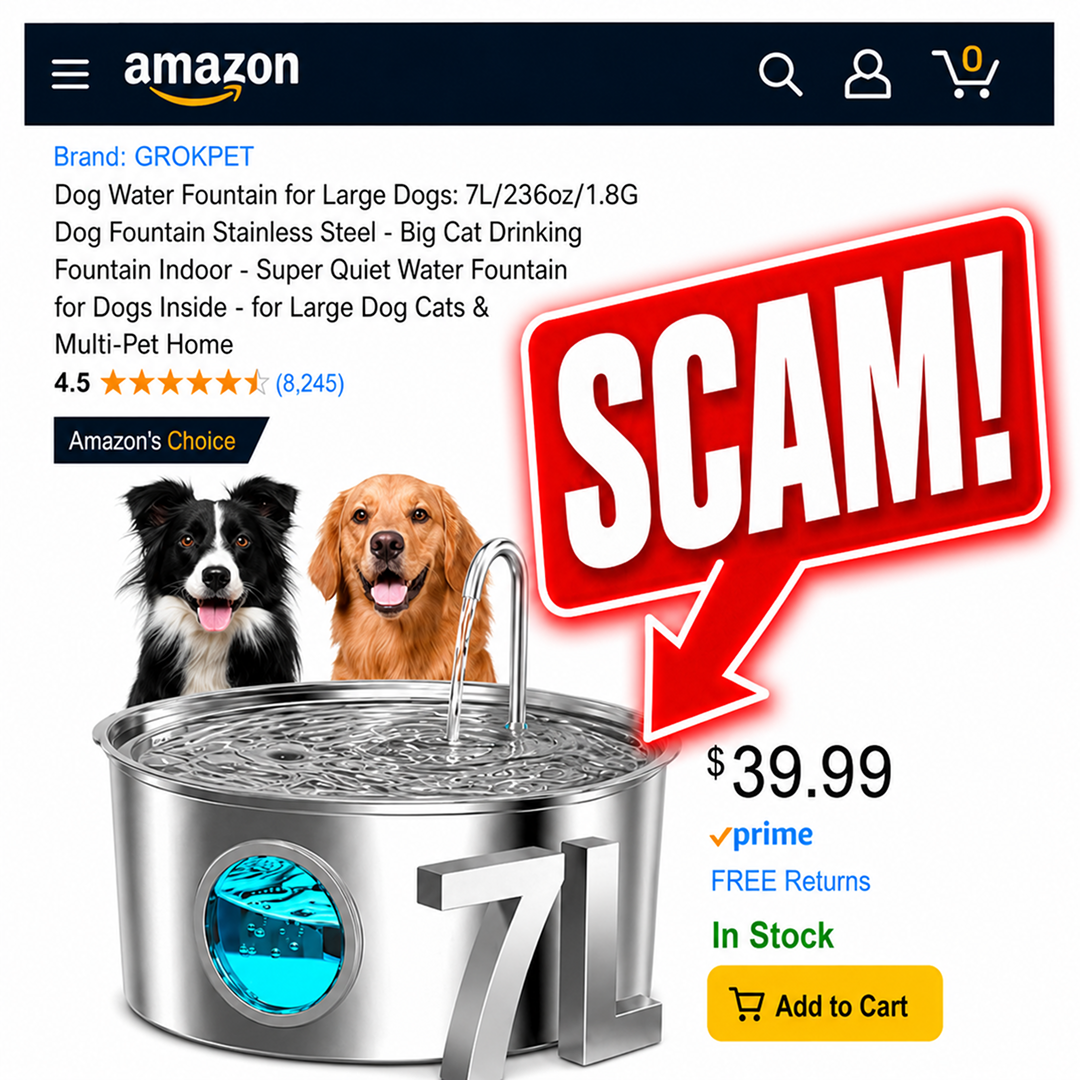
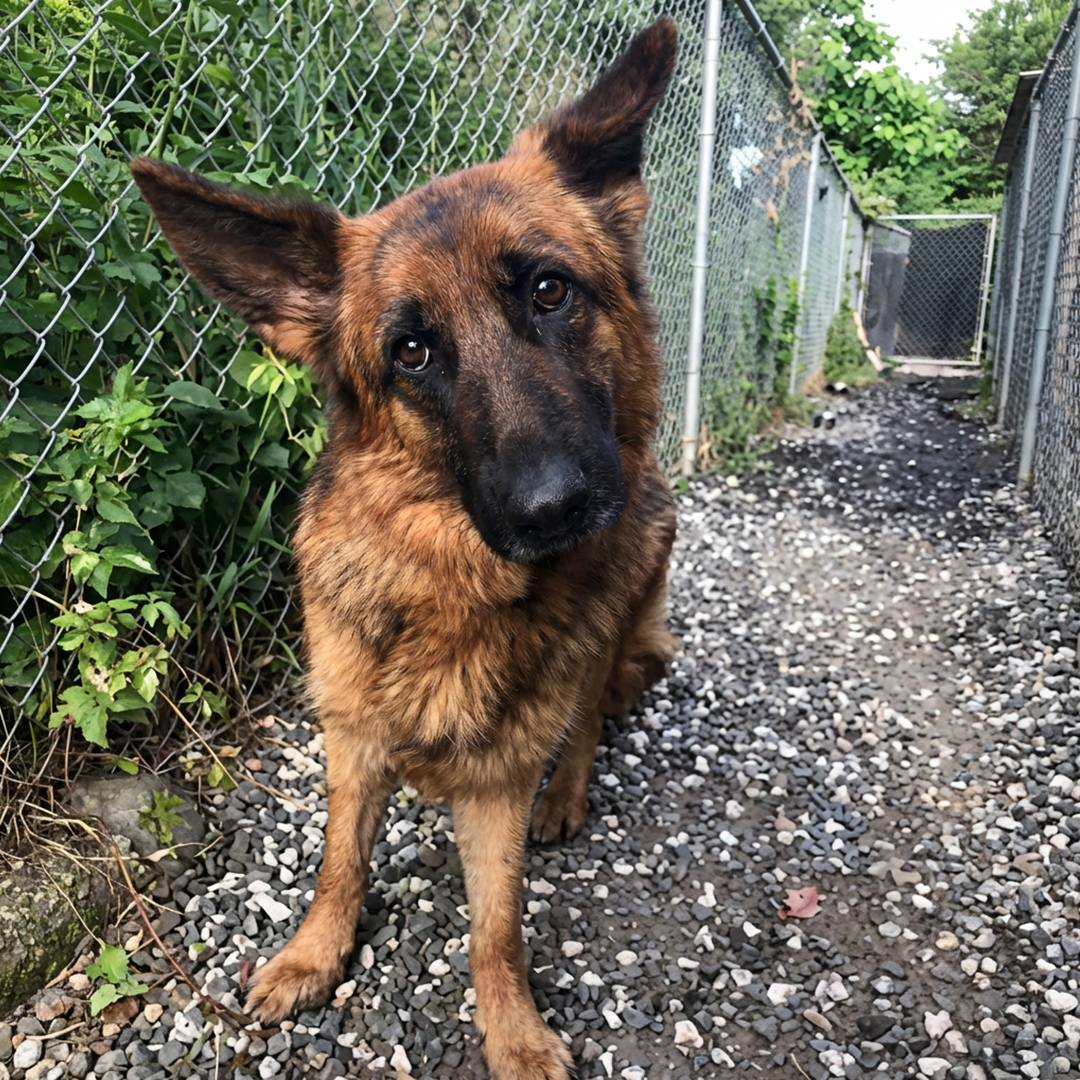
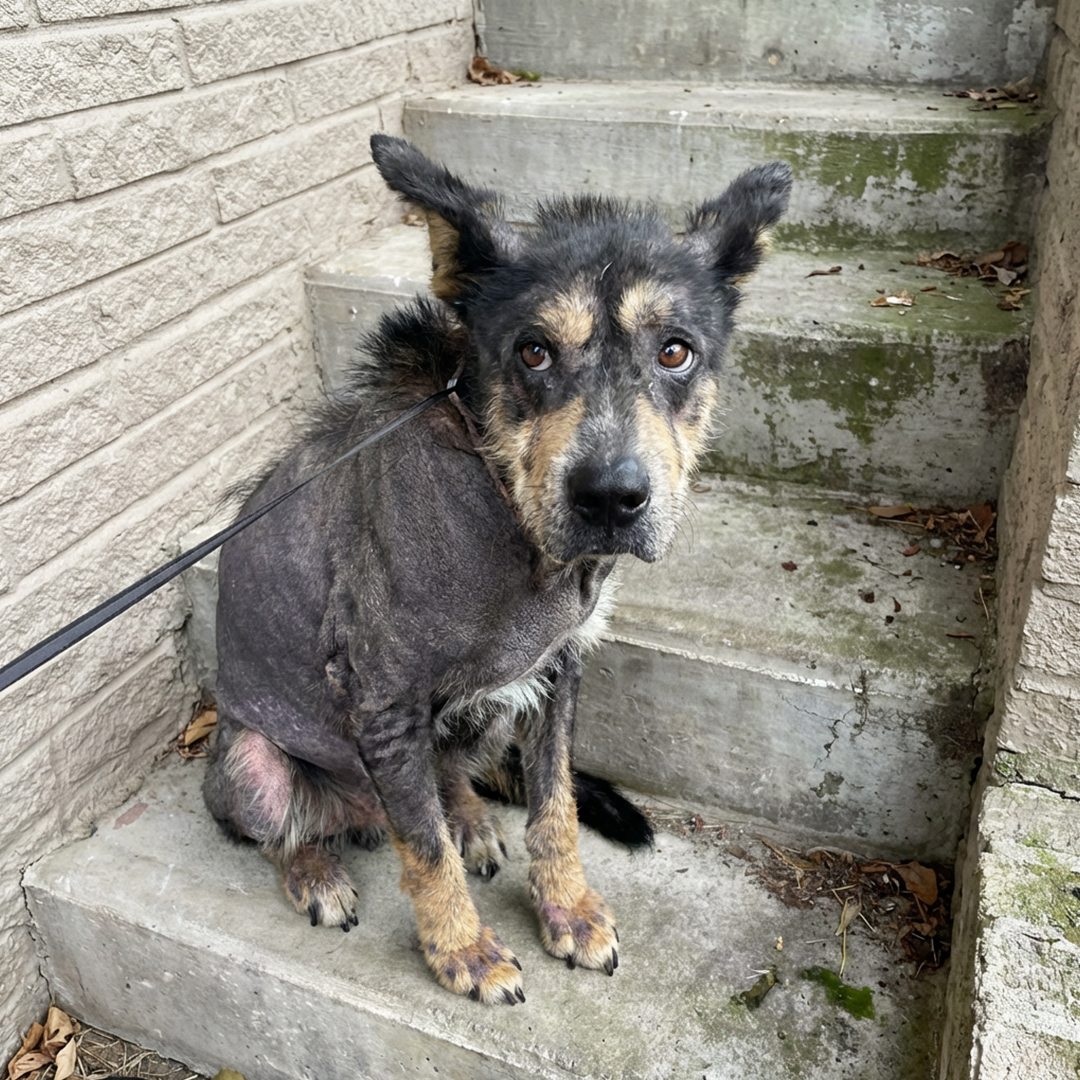
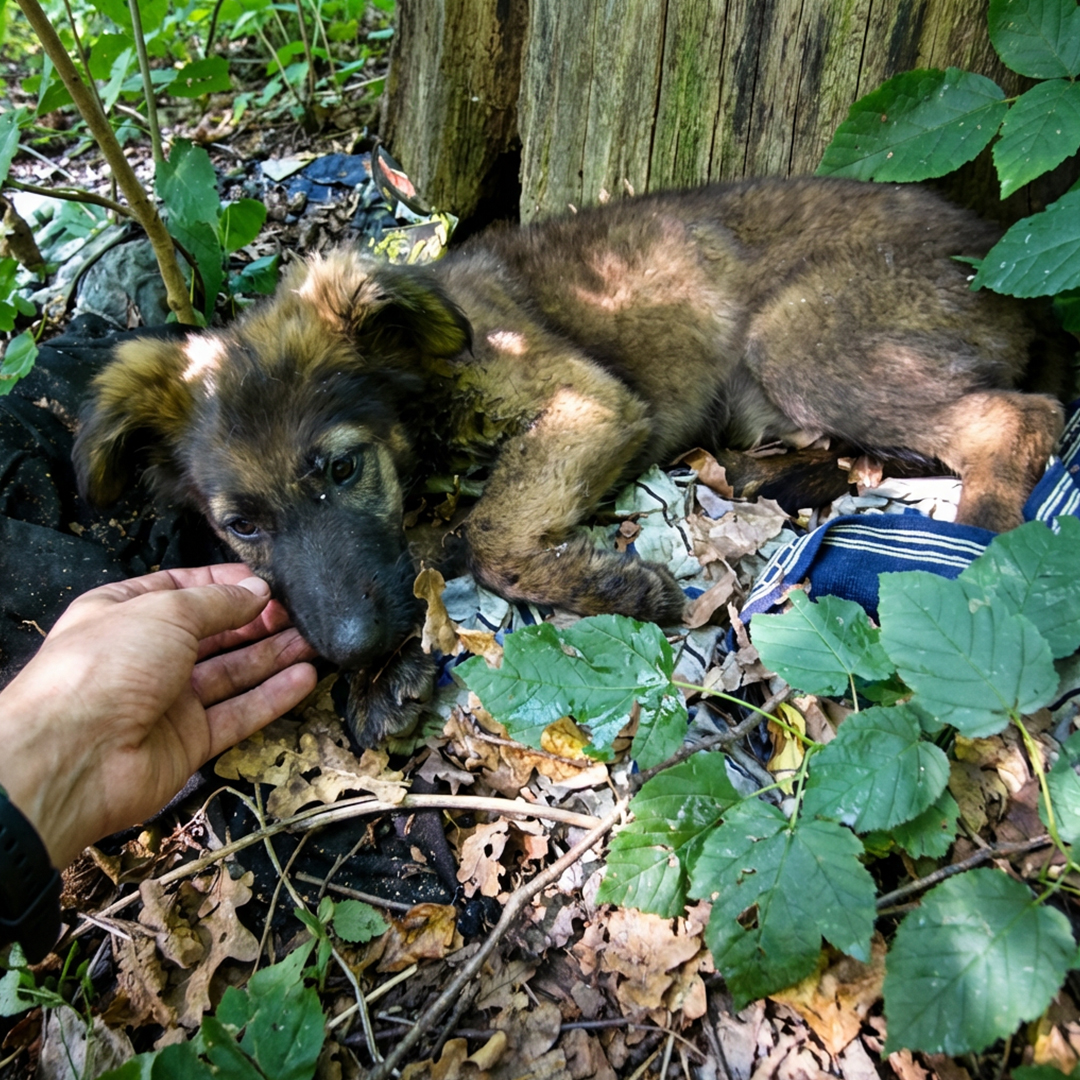
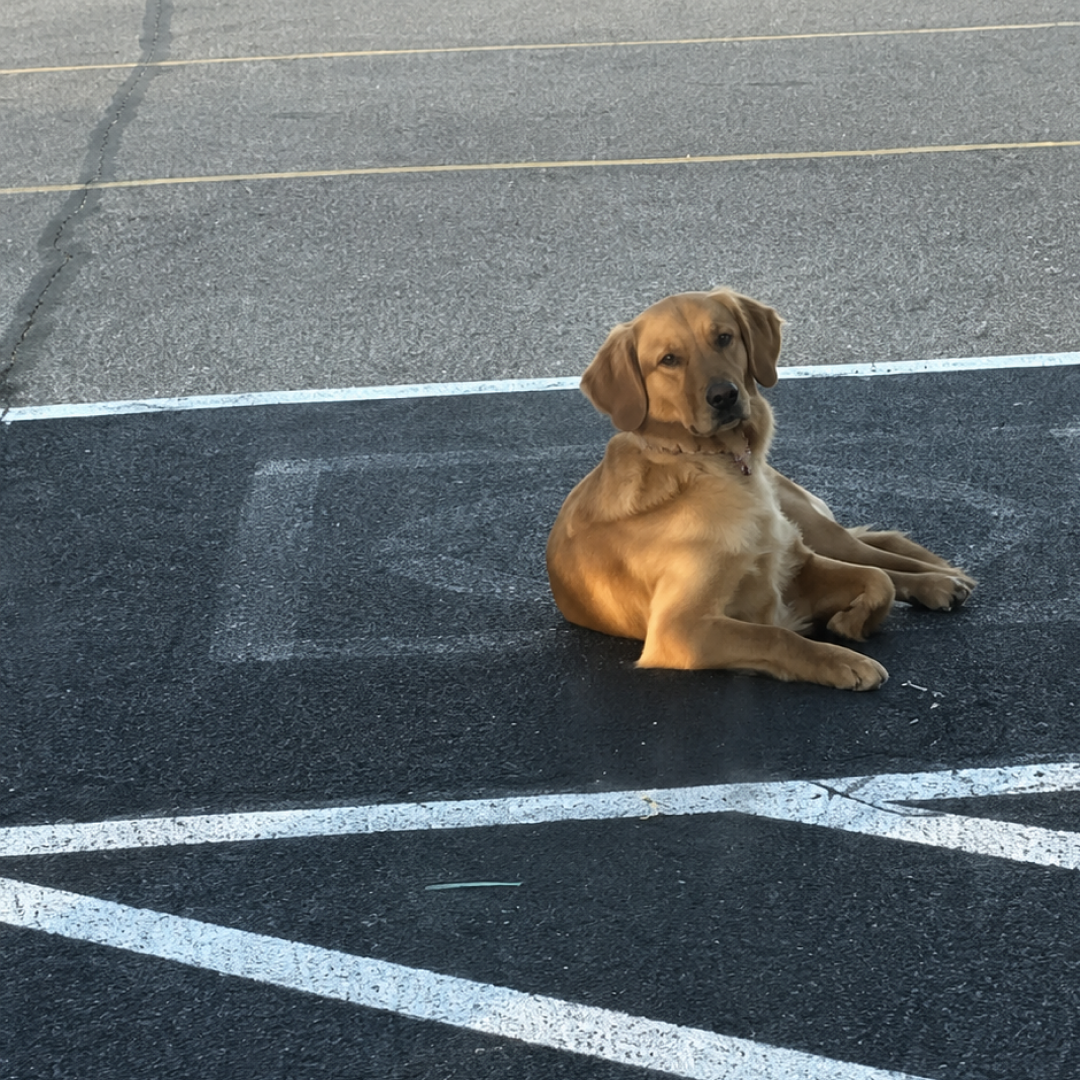
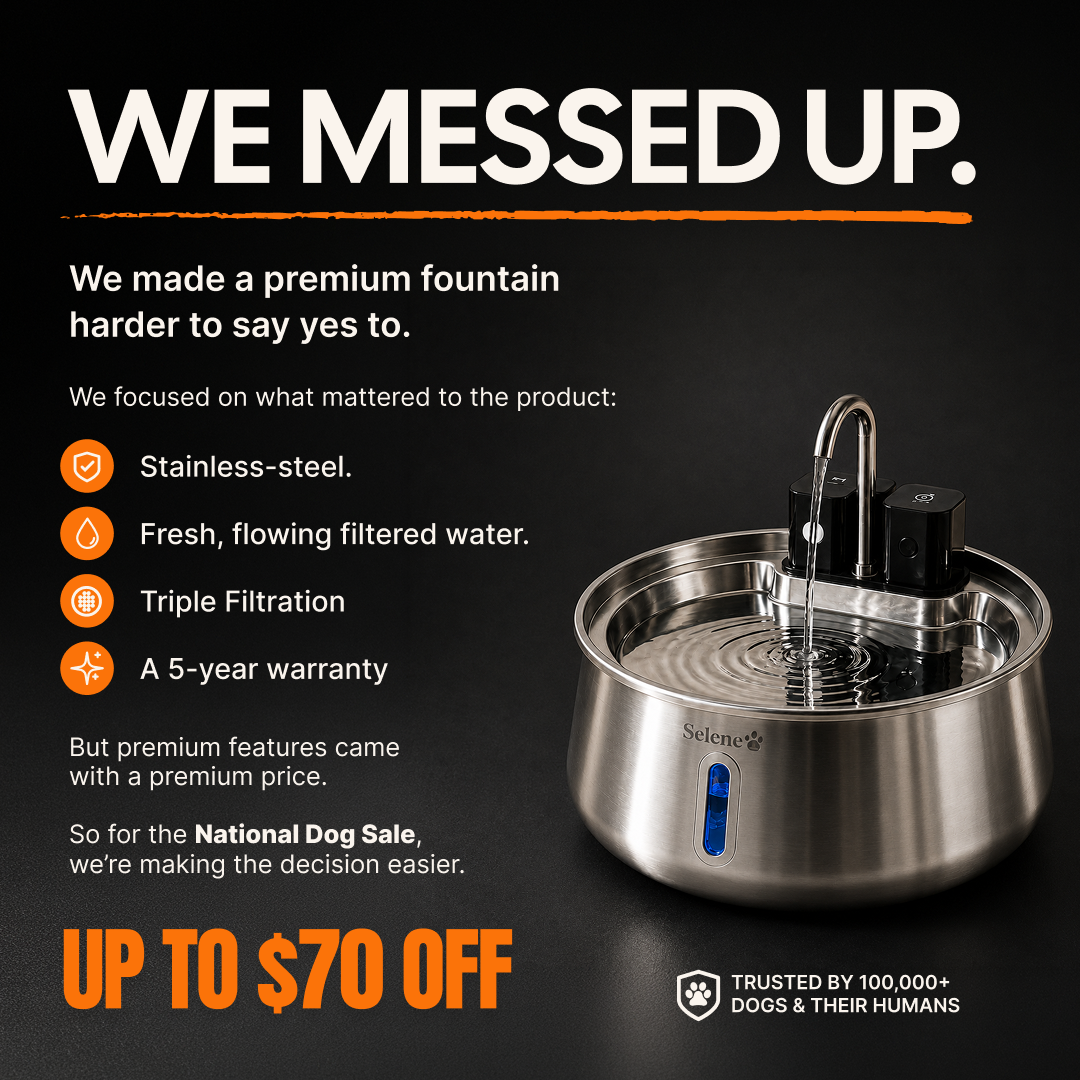
Last Friday, a man came to pick up his Beagle from our daycare and said something that made me sit down on the floor of our reception area and cry in front of three other customers. "I need to understand what is happening inside your building. Tucker has been coming here five days a week for two months and his vet just called with his latest bloodwork. His kidney values improved for the first time in three years. And he comes home drinking from his bowl every night now. He has not done that in over a year. What are you doing differently?" I looked up at him from the floor and did not know where to start. Let me back up. So my husband and I have been running a dog daycare for the past 6 years. On any given day we have 25 to 30 dogs in my facility. Every breed. Every age. Every personality. I know these dogs better than most people know their own neighbors. I know which ones need a slow morning before they are ready to play. I know which ones are secretly terrified of the mop. I know which ones eat faster when they think another dog is watching their bowl. I opened this place because I believe dogs deserve more than a cage and a concrete floor while their families are at work. They deserve a real day. Real movement. Real companionship. About ten months ago something started happening that I could not explain. Owners would come to pick up their dogs and say things like: "She has been drinking so much more water at home since she started coming here. Did you change something?" "He has more energy in the evenings than he has had in years. What are you feeding them?" "She walked past her water bowl at home and sat in front of the sink staring up at it. She has never done that before." At first I figured it was the exercise. Dogs who run and play all day come home tired and thirsty. Made perfect sense. Then Patricia brought in her 11-year-old Golden, Duke. Duke had been coming to us twice a week for over a year. Slow, gentle, the kind of old dog who supervises the younger ones from a comfortable spot on the mat rather than joining the chaos. Patricia told me at drop-off that Duke had stage 2 kidney disease. That his creatinine had been climbing every quarter for eighteen months. That his vet had started using phrases like "keeping him comfortable." When she came to pick him up that afternoon she stopped me at the door. "His vet called this morning, Linda. She ran bloodwork last week and his numbers dropped for the first time since his diagnosis. She asked me what changed at home. Nothing changed at home. The only thing that is different is he comes here now. What are you doing?" I looked at her for a long moment. "Patricia. It is the water." She stared at me. "The water." "Not his food. Not the exercise. The water. There is something happening in his bowl at home every single day that is working against him. I only figured it out because of what happened to my own dog." She sat down in the chair by the reception desk. "Tell me everything," she said. So I told her about Rosie. Rosie is my 7-year-old Golden Retriever. The dog who has been the unofficial mascot of this daycare since the day I opened. The dog who greets every single dog who walks through that door like she personally invited them. The dog who has slept under my desk every night for seven years like it is the best place on earth. Fourteen months ago she started refusing her water. It was so gradual I almost missed it. She would walk to her bowl, sniff it, take a few laps, then simply walk away. I figured she was drinking enough during the day at the facility. That she was fine. Then I caught her drinking from the toilet in the back bathroom. I scrubbed her bowl that night harder than I ever had. Hot water. Dish soap. Let it air dry completely before refilling with fresh water. She still would not drink from it. I upgraded to a premium stainless steel bowl. Filtered water from the refrigerator every single morning. Scrubbed it without fail every single night. Rosie still would not drink. I started adding chicken broth to get her interested. Sometimes it worked for a day. Usually it did not. I told myself she was just being particular. That some dogs get that way as they get older. Three weeks later I closed up the facility at 6pm and found Rosie in the back room on her side. Barely lifting her head. Her gums pale and tacky when I touched them. I have never locked up a building so fast in my life. An hour later the emergency vet came out of the back with a look on her face I recognized immediately. "Rosie's kidneys are functioning at about 26%. She is in acute kidney failure." I grabbed the counter. "She is 7 years old. She has been healthy her entire life. I scrubbed that bowl every single night. Every single night. HOW did this happen?" She sat down across from me. "How long had she been avoiding her water?" "Three weeks. I thought she was being picky. I added broth." She nodded slowly. Like she had heard this exact story a hundred times. "How often were you cleaning her bowl?" "Every single night. Hot water and soap. Filtered water every morning." "And it looked clean?" "Crystal clear every morning." She leaned forward. "Within 24 to 48 hours of filling any container, water develops something called biofilm. It is a thin, invisible layer of bacteria that colonizes every surface the water contacts. You cannot see it. You cannot smell it. But Rosie absolutely could. Dogs have over 220 million scent receptors. They detect bacterial contamination long before we ever can. When a dog sniffs their bowl and walks away, or drinks from the toilet instead, that is not random behavior. That is your dog telling you the water is not safe." I put my head in my hands. "But I cleaned it. Every single night." "You cleaned what you could see. Biofilm anchors into microscopic scratches in the bowl material. Every material has them. Stainless steel. Ceramic. Plastic. Once a colony establishes, scrubbing removes the surface layer and nothing underneath. The roots stay embedded. The colony rebuilds within hours of the next refill." For three weeks Rosie had been standing at that bowl every morning trying to tell me something was wrong. And I called her picky. They kept her two days. IV fluids. Medications. Bloodwork every six hours. The bill was $3,600. When I brought her home the vet handed me a care plan and said: "Manage this carefully and she could have a few good years left." She was 7 years old. I did not sleep that night. I kept thinking about every dog in my facility. Every water bowl I had been filling every single day for 8 years. Every owner who dropped their dog at my door trusting me completely. I got up at 2 in the morning and started reading everything I could find. I joined every online group I could find for dogs with kidney disease. Thread after thread of owners doing everything right and watching their dogs fail anyway. And the same answer kept coming up. Moving water. The logic made sense. Biofilm needs stillness to anchor. A surface that never stops moving never gives bacteria that 6 to 8 hour window they need. If the water circulates continuously the colonies cannot form. The answer, everyone said, was a fountain. So I ordered one that night. $45. Over 8,000 five-star reviews. Rosie approached it cautiously. Took a few laps. I felt hopeful for the first time in weeks. That lasted about 10 days. I noticed a smell. I took it apart. The inside of the pump housing was coated in dark slime. The plastic reservoir had a film I could feel with my fingers. The fountain had grown more bacteria than the bowl. Threw it away. Tried a ceramic fountain next. $55. Rosie drank from it four days then stopped. Hairline cracks in the glaze. Biofilm embedded in every one. Tried a $90 stainless steel fountain from the pet store. Three weeks later the coating had developed micro-pitting. My finger came back with a faint film every single time. Every fountain failed the same way. Moving water on the surface. Contamination building in the hidden places. And Rosie's nose finding it every time. I went back to the forums. This time searching specifically for fountain mold and fountain slime. The posts were everywhere. "Grew black mold inside the pump housing after two weeks." "Tried four brands. They all slime up the same way." "Went back to the bowl. At least I know what I am dealing with." One reply stopped me cold: "These fountains are designed wrong from the beginning. The pump sits inside the water and becomes a bacterial incubator. The plastic scratches and holds biofilm the same way bowls do. You are not solving the contamination problem. You are just moving it somewhere harder to see." Bowls were failing. Fountains were failing. I sat in my empty facility at midnight and said out loud: there has to be something built differently. Late one night I found a comment from a woman named Michelle buried deep in a Reddit thread. "My 11-year-old Lab was given six months to live three years ago. He is still alive. Still walking with me every morning. Everyone asks what I did. The honest answer is I tried three fountains and all three grew slime. All three failed. I was ready to just use bottled water for whatever time he had left." Then she continued: "My own vet told me about one that is built completely differently from anything on the market. The pump is sealed entirely away from the water reservoir. The full water-contact surface is food-grade stainless steel, non-porous at a molecular level. Bacteria cannot physically embed into it. Triple filtration that removes the organic material bacteria need to colonize. And the water circulates 24 hours a day without stopping. No dead zones. No stagnant pockets. Nowhere for anything to establish." Someone asked what her vet had recommended. "It is called Selene. My vet said it was engineered the way hospital water systems are engineered. That is why it stays clean when nothing else does." Six replies underneath confirmed the same experience. "Tried four fountains. Selene is the only one still clean after 30 days." "My vet keeps one in the office as a demo. That is how I found it." I looked it up that same night. Food-grade stainless steel throughout. Not a coating over plastic. Actual food-grade steel. Pump seated completely outside the water flow path. Not submerged in the reservoir turning itself into an incubator. 24-hour circulation. Continuous. The stillness window bacteria need never opens. Triple filtration removing the debris, heavy metals, and organic matter bacteria use as building material. You are not just filtering the water. You are removing what bacteria need to survive. I searched specifically for any review mentioning slime, mold, or film. I could not find one. I ordered it that night. When it arrived I could tell something was different before I had fully opened the box. The weight. The construction. This was not a pet product trying to look medical grade. This was built like medical grade. I set it up next to Rosie's old bowl. She approached it. Sniffed it. Walked away. Day two: sniffed it again. Took a few slow laps. Day three she drank for almost a full minute without stopping. Like water had been restored to her rather than simply made available. By day five she had stopped approaching the old bowl completely. Day 7. Day 10. Day 14. Every point where the other fountains had failed, I ran my finger along the inside of the bowl. Clean. Smooth. Nothing. Week 2: Rosie started greeting dogs at the door again. Her old self coming back. Week 3: Her coat looked different. The dullness from the past months was gone. Week 6: Bloodwork. Her creatinine dropped from 4.0 to 2.9. Her BUN from 65 to 40. The vet ran the numbers twice before saying anything. "I almost never see these values move in this direction at this stage." She paused. "What changed?" Three weeks after Rosie stabilized I replaced every water bowl in my facility with Selene fountains. Every dog that walks through my door now drinks what Rosie drinks. The messages started coming within weeks. Patricia was first. Three weeks after I told her it was the water she sent me a photo of Duke drinking from his new fountain at home. "He greeted me at the door this morning, Linda. He has not done that in over a year." Then Cooper, a 10-year-old Labrador. "He came home with more energy than he has had in two years." Then Bella, an 8-year-old Cocker Spaniel. "She is playing with her toys again. I had packed them away because she had stopped touching them." And now Tucker. The Beagle whose owner sat down on my reception floor with me last Friday and told me his kidney values had improved for the first time in three years. I get a message like Patricia's almost every single week now. Different dog. Different family. Same result. Not new food. Not a new supplement. Not a medication. Just clean water. Here is what I tell every owner who asks: Most fountains on the market will fail within days to weeks. If it is plastic, it scratches and holds biofilm the same way a bowl does. If the pump sits inside the water reservoir, it becomes a bacterial breeding ground. If the filter is a thin carbon pad, it clogs and stops removing anything meaningful. That is why the fountain your dog loved the first week eventually failed. The first few days the water is genuinely fresh. Then contamination builds in the hidden places and your dog's nose finds it long before you do. Selene is the only fountain in my facility. The only one in my home. The only one I recommend without hesitation. Because I cannot send a dog home in worse shape than they arrived. Right now they are running $70 off plus two free replacement filters. They are a small company and they sell out fast. I will be honest. When I saw the sale I ordered two extra units for the new room we just opened. I did not want to risk running out. If your dog has been avoiding their bowl, drinking from the toilet, or their bloodwork has been heading the wrong direction and nothing you have tried has made a difference, just try this. They back it with a full one-year money-back guarantee. A full year to watch your dog drink freely again. To watch the energy return. To watch the dog you remember come back. If nothing changes, full refund. No questions. But based on what I have watched happen to Rosie, and the messages I receive from families almost every week now, I do not think you will be sending it back. The link is below. Listen to your dog. If they sniff their bowl and walk away, they are smelling something you cannot. 220 million scent receptors do not lie. I wish I had listened to Rosie sooner. 👉 https://selenepets.com/products/fun-25-cro-90-c-11?c=b P.S. Rosie stopped drinking from the toilet the day after the Selene arrived. She knew the entire time. I keep the three failed fountains in my supply closet. $190 in products that every pet store sells as the solution, and my dog rejected every single one within two weeks. The kidney tissue lost while you work through products that do not work is tissue that does not come back. Do not spend another month finding out the hard way what your dog has already been trying to tell you.
Like this ad? Make it yours.
Crush rebuilds this exact creative around your product — your brand, your colors, your offer — in about a minute.