Home Safety Insiders
Home Safety Insiders Facebook ad: “Read This To Prevent Carbon Monoxide Poisoning”
Ran for 21 days, from February 3 to February 24, 2026, the last day Crush saw it.
Run by Home Safety Insiders on Facebook. Crush is not the advertiser and does not verify its claims. See this ad in Meta's Ad Library(opens in a new tab)
Want an ad like this for your product?
Crush makes new ad images for your product from this ad: your logo, your product photo, your offer.
Trials from $19.95 USD, then $79.95 USD a month. Cancel anytime.
About this ad
- Meta Ad Library ID
- 2603383776723729
- Platforms
- Facebook, Instagram, Audience Network, Messenger and Threads
- Relaunches
- 1
Ad text
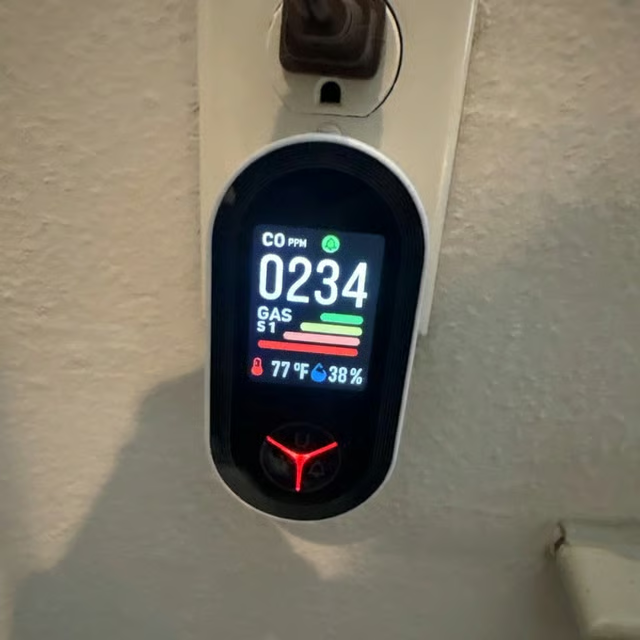
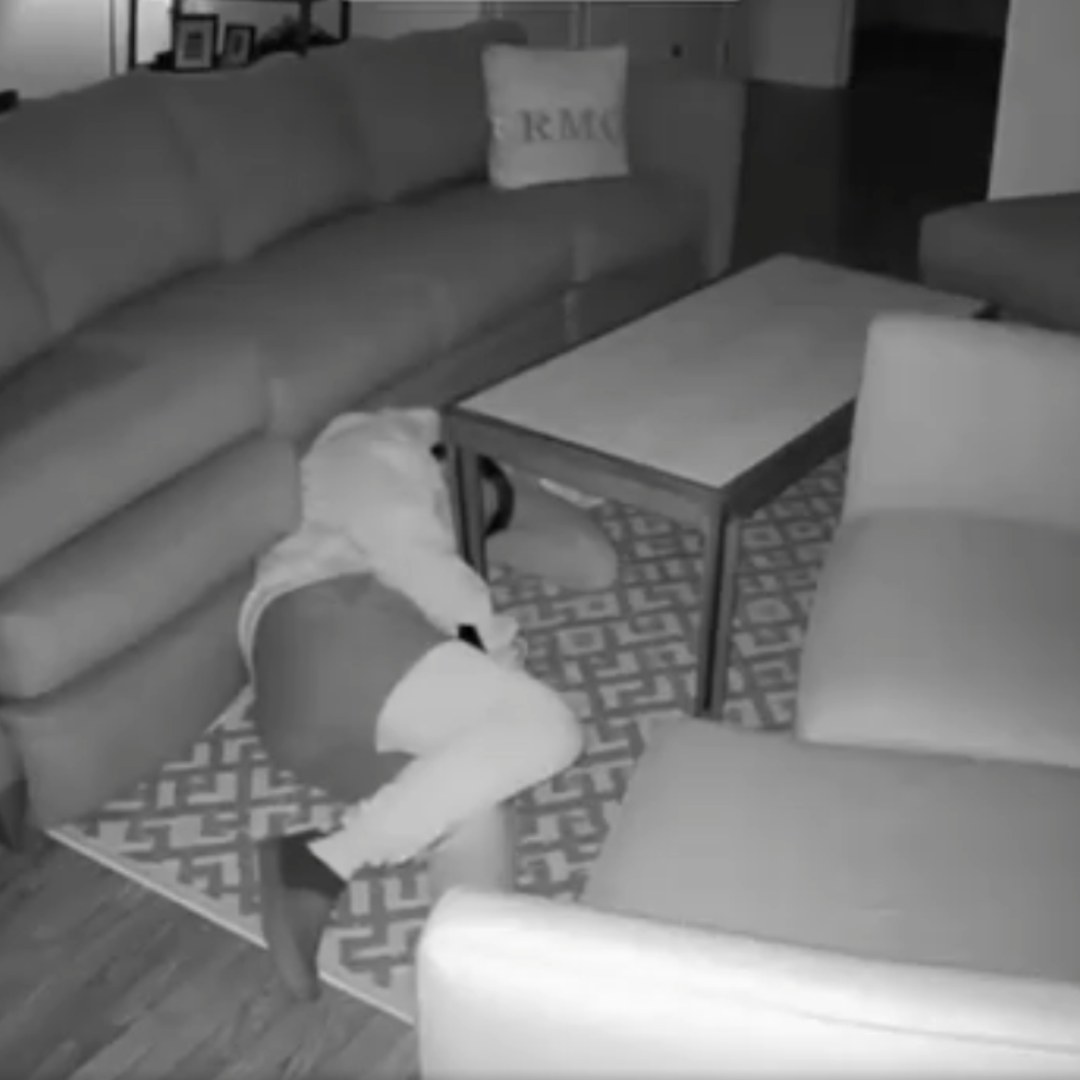
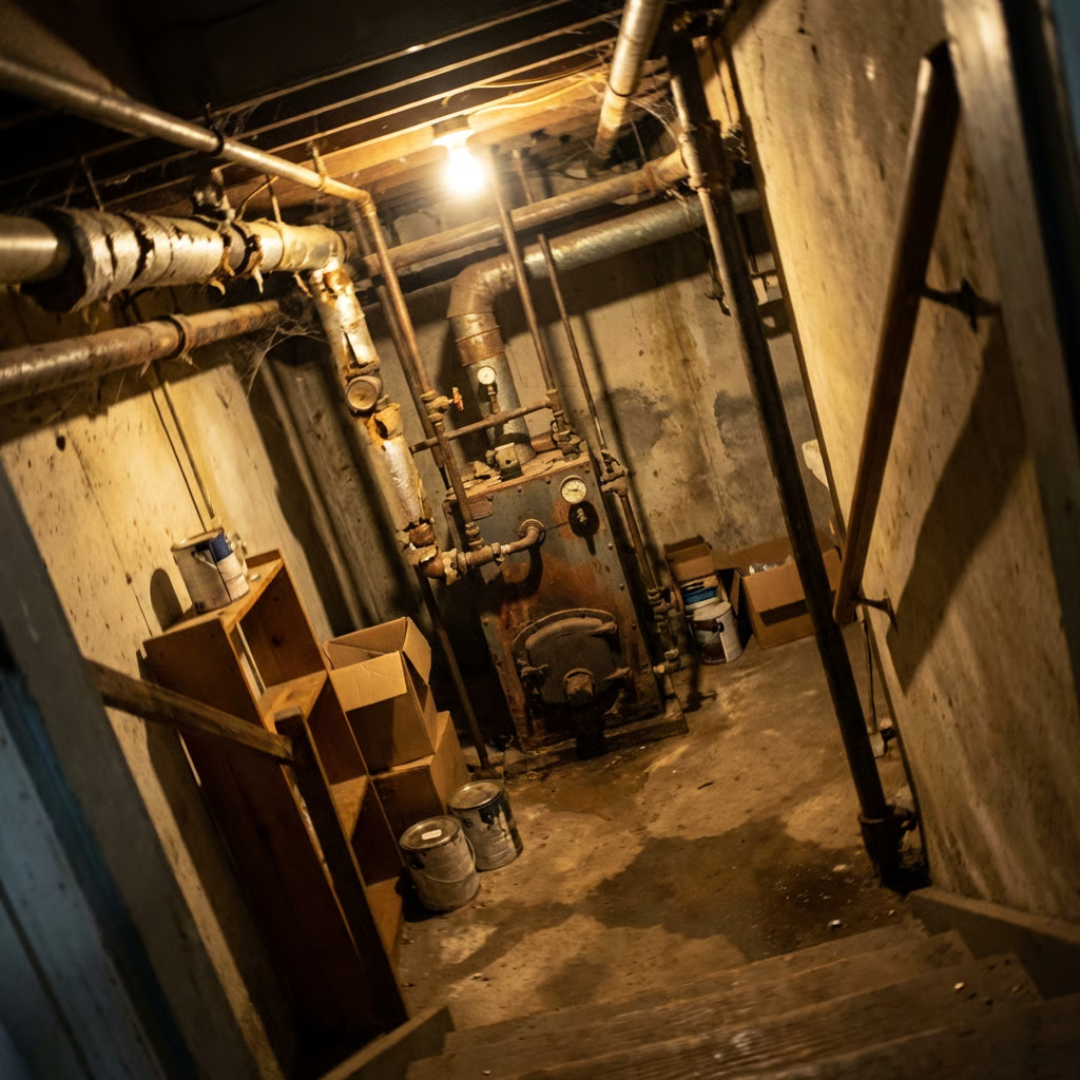
The firefighter looked at our detector, still showing green, and said "This almost killed your family." I was standing in my driveway in February. No coat. No shoes. My daughter crying because I'd pulled her out of bed without explaining. My son holding the dog. And a firefighter telling me that the detector I'd trusted for years — the one still glowing green on my wall — had been silent while poison filled our home. But I'm getting ahead of myself. Because the thing that saved us? I almost didn't buy it. I almost convinced myself I was being crazy. I almost let my husband talk me out of it. I need to tell you the whole story. Because if your brain does what mine does — if you lie awake listening for something you can't hear, smelling for something you can't smell, waiting for a danger you can't see — this might be the most important thing you read this year. It started three months ago when my neighbor's furnace almost killed her family. Carbon monoxide. Colorless. Odorless. Her detector never made a sound. The firefighter told her she was "lucky" her daughter woke up with a headache bad enough to complain about at 5 AM. Lucky that a 9-year-old's whining saved four lives. I couldn't stop thinking about it. That night I checked our detector. Green light. "Working." I went to bed and stared at the ceiling for three hours. What does "working" even mean? How do I know? The green light was on at Sarah's house too. The next morning I pressed the test button. It beeped. Great. But I'd read somewhere that the test button only checks if the speaker works. Not whether it can actually detect gas. So what was I testing? My confidence? It got worse. Every headache became evidence. Every time my kids seemed tired, I'd wonder. I started opening windows in January. I'd wake up at 3 AM with my heart pounding, walk downstairs, stare at the little green light, and feel nothing. No peace. No certainty. Just a plastic box on the wall that might be protecting us or might be a $30 lie. I Googled "how to know if CO detector is working" at 1 AM. I Googled "carbon monoxide symptoms vs anxiety" at 2 AM. I Googled "can you test carbon monoxide yourself" at 3 AM. The answers were useless. "Trust your detector." "Replace every 5-7 years." "If the light is green, you're fine." But the light was green at Sarah's house. I found myself holding my breath when I walked past the furnace. Checking on my kids while they slept. Lying awake running calculations — if it started leaking now, how long until the alarm would sound? Would we have time? Would we even wake up? My husband said I was being irrational. Maybe. But I couldn't stop. Then came the night on the kitchen floor. I'd gotten up for water and just... couldn't go back to bed. Couldn't walk past that green light one more time and pretend it meant something. I sat down and cried because I was so tired — not sleepy tired, but tired of my own brain. Tired of being afraid of something I couldn't see, couldn't smell, couldn't measure, couldn't control. That's when Mike came downstairs. He didn't tell me I was crazy. He just sat with me. And then he said something that changed everything: "What if the problem isn't whether there's CO? What if the problem is that you have no way to actually know?" I looked at him. "You're not afraid of carbon monoxide," he said. "You're afraid of not knowing. The detector doesn't give you information. It just sits there. Green light. No data. You're supposed to trust it with your family's life, and it tells you nothing." He was right. The fear wasn't irrational. The fear was a completely rational response to having zero real information about an invisible threat. I wasn't broken. The system was broken. The next day I started actually researching. Not "how to feel better about my detector." But "how do professionals actually monitor CO?" What I found made me sick. HVAC technicians don't use the detectors they sell us. They use commercial monitors that show real-time PPM readings. They can see exactly what's in the air, right now, as a number on a screen. And here's the part that kept me up for another reason entirely: Standard home detectors are designed — on purpose — not to alarm until CO reaches 70 PPM or higher. Some won't sound until 150 PPM. By the time your detector goes off, you've been breathing poison for hours. This isn't a defect. It's the specification. They set the threshold high so you don't get "nuisance alarms" from brief CO spikes when you use your stove. They prioritized your convenience over your warning time. And those expiration dates buried in the fine print? A detector can be "expired" for years and still show a green light. Still beep when you press test. Still give you absolutely nothing but false confidence while your family sleeps. I thought about Sarah's house. Green light. Working detector. Four people almost dead. I thought about my kids' rooms directly above the furnace. I thought about every night I'd checked that light and told myself we were safe. We weren't safe. We were uninformed. There's a difference. I needed something different. Not another plastic box that shows a green light and asks me to trust it. I needed to actually see what was in my air. A number. In real time. Something my brain could look at and finally, finally know. I found a new kind of detector. Not a $400 professional unit. But one that works like them. Shows PPM readings on a screen. Alerts at 30 PPM — not 70, not 150. Uses the same electrochemical sensor technology the HVAC pros use. Tells me the actual number, right now, while I'm looking at it. The first night I plugged it in, I watched the screen for an hour. 0 PPM. 0 PPM. 0 PPM. And for the first time in months, I went to bed and stayed there. Not because I'd convinced myself everything was fine. Because I could see that it was. I had data. Real information. Something my brain could process instead of spiral around. The second night was easier. The third night I slept until my alarm. I started to feel like myself again. The anxious weight lifted. I'd check the screen when I walked by — still zero — and feel actual peace instead of hollow hope. Six weeks later, it saved our lives. It was a Tuesday. February 11th. I remember because Emma had a spelling test the next day and we'd been practicing words at the kitchen table. I walked past the detector on my way to start laundry. 20 seconds later, a loud alarm came straight from the detector. I ran to it. 32 PPM. I stopped. Stared at it. It had never shown anything but zero. I watched it climb. 34. 37. 41. My old detector — the one still plugged in across the room — showed a green light. Silent. "Working." At 45 PPM the new detector started beeping. I grabbed both kids. Grabbed the dog. We were out the front door in under a minute. I called 911 from the driveway in my socks, February air burning my lungs, Emma crying because she didn't understand what was happening. The fire department found it immediately. A crack in our furnace heat exchanger. CO had been seeping into our ductwork, spreading through the house. The readings in the basement were over 200 PPM. The firefighter looked at my old detector — still on the wall, still showing green — and shook his head. "This wouldn't have gone off for another hour at least," he said. "Maybe longer. You'd have been asleep by then." I thought about Emma's bedroom directly above the furnace. I thought about her spelling test she would have slept through. I thought about what my husband would have found in the morning. I couldn't breathe. And this time it had nothing to do with carbon monoxide. "What made you check?" the firefighter asked. I pointed to the detector I'd bought six weeks earlier. Still beeping from where I'd dropped it on the lawn. "That thing alerts at 30," I said. "I could see the number climbing." He picked it up. Looked at the screen. Looked at me. "Smart," he said. "Most people don't know the difference until it's too late." We stayed in a hotel that night. New furnace installed by Thursday. But I couldn't sleep anyway — not from fear this time. From realizing how close we'd come. My old detector would have stayed silent until we were already poisoned. Green light. "Working." Waiting for us to reach 70 PPM. Then 100. Then 150. Waiting to tell us we were dying instead of warning us while we could still walk out the door. Forty-five PPM felt like nothing. No headache. No dizziness. No symptoms at all. That's the point. I had hours of warning. Hours to grab my kids and leave. Hours I would not have had with any detector I'd owned before. Here's what I want you to know: If your brain does what mine did — if you check detectors compulsively, if you lie awake wondering, if you Google symptoms at 2 AM — you are not being irrational. You're responding logically to having no real information about a real threat. The problem isn't your anxiety. The problem is that standard detectors are designed to tell you nothing until it's almost too late. The detector that saved my family’s life is the SafeDetect Pro. You deserve to actually know what's in your air. You deserve to see a number instead of trusting a light. You deserve hours of warning instead of minutes. My kids are asleep upstairs right now. I'm going to walk past the detector on my way to bed. I'll look at the screen. It'll say zero. And I'll feel something I didn't know I'd lost: Certainty. That's worth everything. I'm not going to tell you what to buy. But I am going to tell you that detectors exist now that show real-time readings, alert early instead of late, and use professional-grade sensors. They're not $400 anymore. They're not complicated. They just work differently than the ones we all grew up trusting. And if you're sitting on your kitchen floor at 2 AM wondering if you're losing your mind — you're not. You just need better information. I almost learned that too late. You don't have to.
Where the ad sends people
verylin.com
Read This To Prevent Carbon Monoxide Poisoning☝️
Verylin
Learn more: verylin.com(opens in a new tab)