
Inactive· since Mar 5, 2026
- 6
- days it ran
- 0
- relaunches
Ad copy
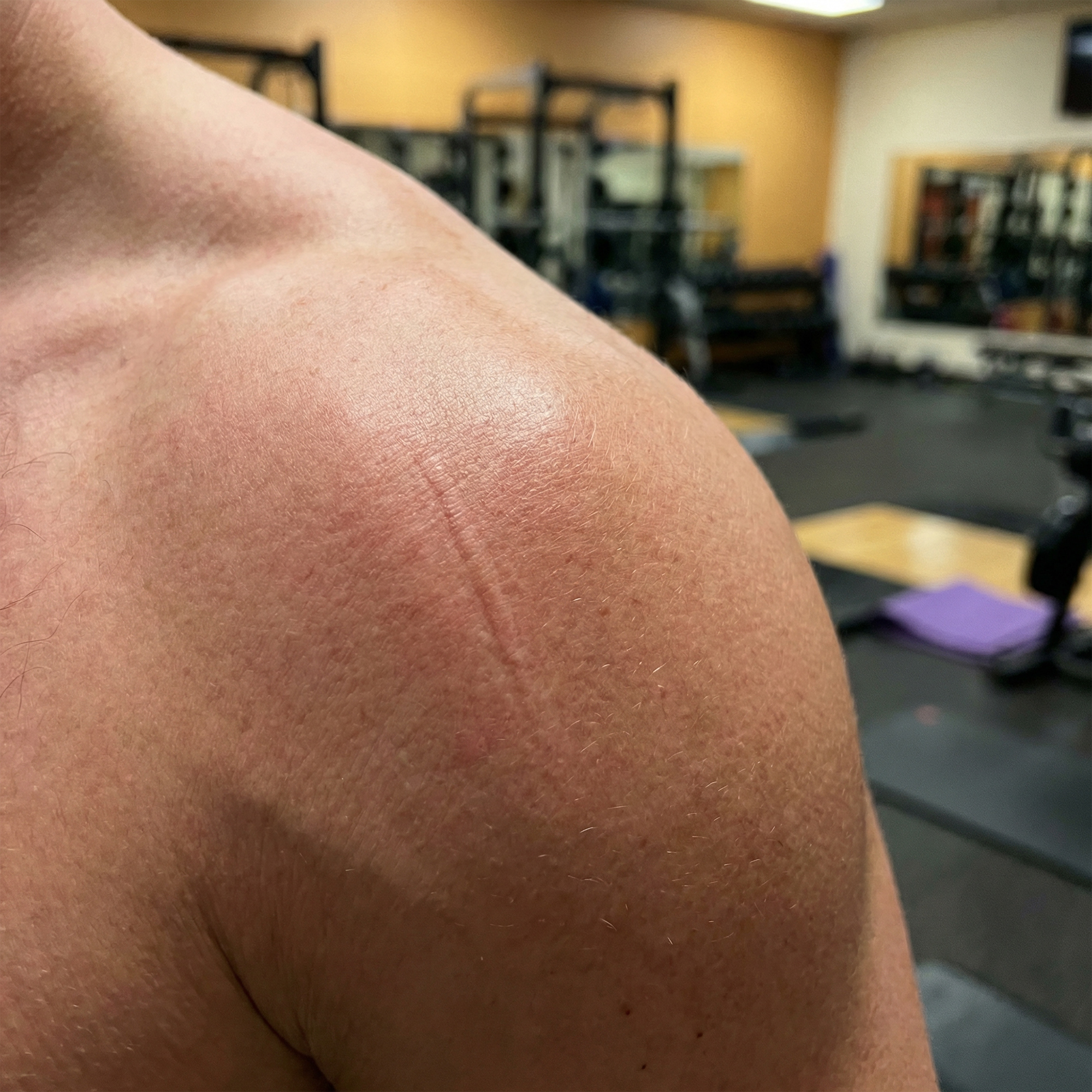
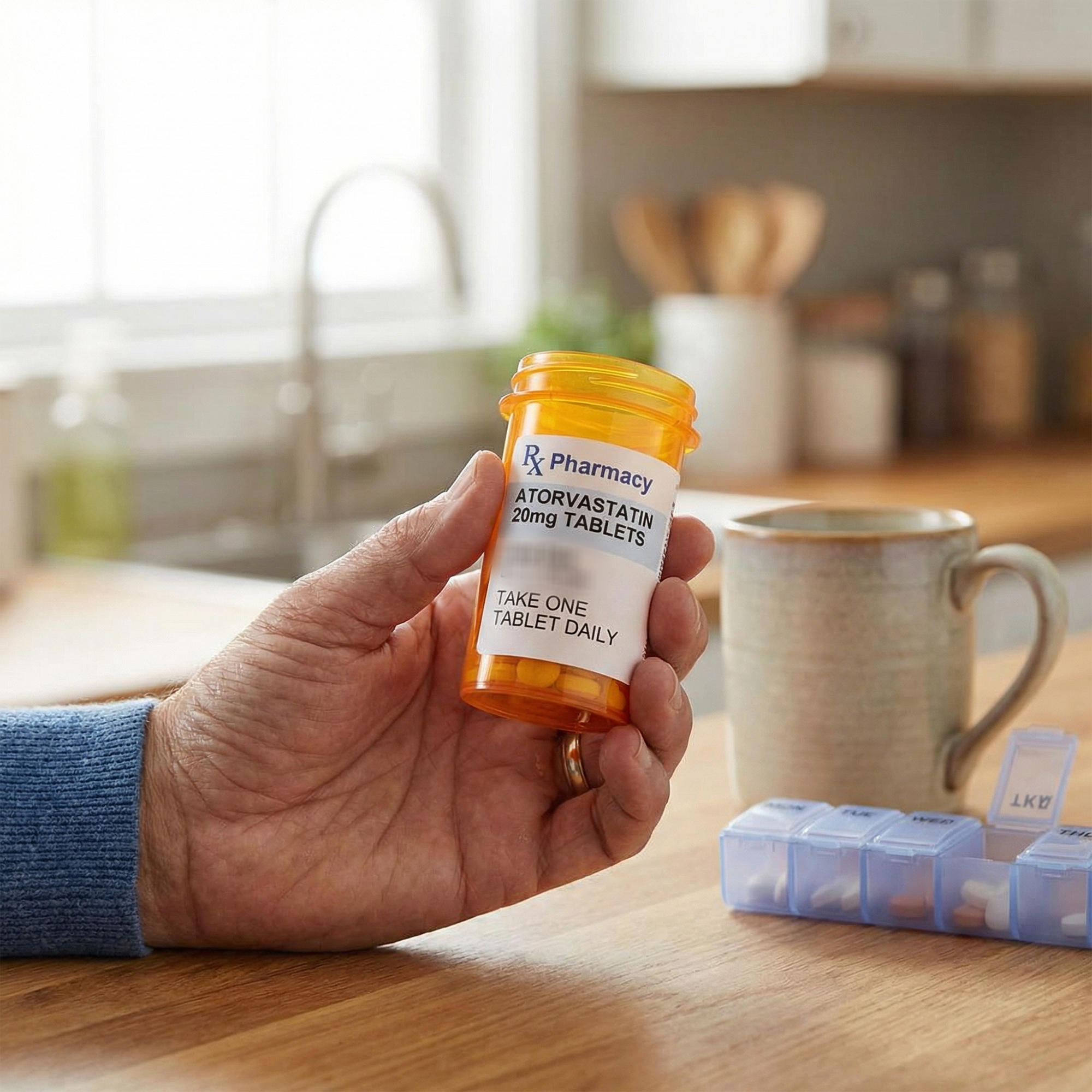
I spent $1,847 on Red Yeast Rice before I realized I was taking a watered-down version of a prescription drug with none of the safeguards. My doctor put me on statins at 54. They worked - I'll give them that. My LDL dropped from 174 to 118 in three months. But I couldn't walk up a flight of stairs without my thighs burning. I'd wake up at 3am with aching arms. My wife thought I was coming down with something. I knew it was the statins - I'd read enough to recognize it. My doctor called it myalgia, said it was manageable, suggested we try a lower dose. The lower dose still hurt. Just less. I wanted off. My doctor agreed we could try, but warned me: the moment you stop, your cholesterol climbs back. And she was right. Within six weeks of stopping, my LDL was back above 160 and still rising. So I went looking for something else. Something that worked the same way but without destroying my legs. That's how I found Red Yeast Rice. I should have known something was wrong when my LDL didn't budge. Not after 8 weeks. Not after 12. I'd done everything right. Quality brand. Thousands of five-star reviews. Consistent timing every morning. I even cut back on red meat. But my latest lipid panel looked almost identical to the one from four months earlier. My LDL: Still 174. My doctor's patience: Running thin. My frustration: Through the roof. I'm the kind of person who reads the actual studies, not the blog summaries. I'd found the research on Monacolin K - the active compound in Red Yeast Rice - showing real LDL reductions. I'd read about how it works on the same pathway as prescription statins. The science was solid. So why wasn't it working? I started reading Amazon reviews differently. Not the five-star ones. The angry one-star reviews from people like me. I found it buried deep. A retired pharmacist with a verified purchase was furious: *"Do you know how much Monacolin K is actually in this? Neither do I. Neither does the manufacturer, apparently. This is a pharmacologically active compound being sold with zero standardization. You could be taking nothing. You could be taking the equivalent of 40mg Lovastatin with no liver monitoring. This is not okay."* I grabbed my bottle. Turned it over. Read every word on the back label. Nothing. No mention of Monacolin K content at all. I called the company. The customer service rep didn't know what Monacolin K was. I called three other top-selling brands. Same result. Not one of them could tell me how much of the active compound was in their product. Here's what I discovered that no brand will tell you. Red Yeast Rice isn't just an herbal supplement. It contains Monacolin K - a compound chemically identical to Lovastatin, an FDA-approved prescription drug for high cholesterol. It works on the exact same pathway. That's why it can lower LDL. That's also why it carries the same risks when the dose isn't controlled. And here's the problem: Monacolin K content in Red Yeast Rice varies wildly from bottle to bottle. There are no labeling requirements. No standardization rules. No testing mandates. Underdosed (0-2mg Monacolin K) You're essentially taking rice powder. Your LDL doesn't move. You spend months wondering why nothing works. Overdosed (20-50mg Monacolin K) You're unknowingly taking a pharmaceutical-level statin dose with no doctor monitoring your liver, no dosage adjustment for your size or health, and no plan if something goes wrong. The clinical sweet spot is 5mg standardized Monacolin K. Strong enough to meaningfully lower LDL. Conservative enough to avoid the risk profile of high-dose prescription statins. This is the dose with actual clinical trials behind it. But I couldn't find a single brand that tested for Monacolin K content and put it on the label. Not one. Because the testing requires specialized laboratory equipment that most supplement manufacturers don't own. So they skip it. They grow the red yeast, grind it into powder, fill capsules, and send it out the door. What's actually inside is anyone's guess. One reviewer wrote: *"We might as well be buying red-colored flour."* She wasn't wrong. But the unstandardized dosing wasn't even the whole story. Here's what I found next - and this is the part that finally explained the muscle pain. When your body lowers cholesterol production, it also lowers something else at the same time: CoQ10. Think of CoQ10 as the fuel your muscles run on at the cellular level. Every cardiologist knows that prescription statins drain it. That's why muscle aches are the number one reason people quit statins. Red Yeast Rice does the exact same thing. So here's what actually happens to most people: You start taking Red Yeast Rice. A few weeks in, your muscles start feeling heavy. Your legs ache. You feel more tired than usual. You figure you're just getting older, or maybe you're sensitive to something. You stop taking it. Your LDL goes back up. You didn't fail the supplement. The supplement failed you - because it took something away and never put it back. Some brands have started adding CoQ10 to their formulas. But almost all of them use the cheapest form, called Ubiquinone. Your body has to convert Ubiquinone before it can actually use it - and for most people over 50, that conversion is slow and inefficient. You're getting a fraction of what the label implies. The form that actually works is Ubiquinol - the active version your body uses directly, no conversion needed. It costs more. So most brands don't use it. I went through this cycle twice before I figured it out. And once I understood the CoQ10 piece, I started pulling on that thread. If Red Yeast Rice was missing something that obvious - something every cardiologist knows about - what else was it missing? Turns out: a lot. Because high cholesterol isn't one problem. It's four. And Red Yeast Rice, even done perfectly, only addresses the first one. 1. Your liver overproducing cholesterol. This is what Red Yeast Rice targets. It matters. It's real. But it's one piece of four. 2. The signal telling your liver to keep making more. This happens when your blood sugar is unstable and your insulin keeps spiking. Every time it does, your liver gets the message: make more cholesterol. You can slow down production all you want - but if that signal keeps firing, you're pushing against a current. This is where Bergamot comes in. Specifically a clinically verified extract called Bergamonte® from Calabria, Italy - the only source containing the compounds that actually improve insulin sensitivity and quiet that signal. Every other bergamot on Amazon, regardless of dose or concentration claims, doesn't contain those compounds. They exist in one fruit, from one region, in one trademarked extract. 3. Calcium hardening in your artery walls. Most people have never heard of this one. Arterial calcification is a completely separate risk from cholesterol - your arteries can stiffen and narrow even as your LDL comes down. Vitamin K2 - the MK-7 form specifically - is what directs calcium to your bones where it belongs, instead of letting it deposit in your artery walls. Without it, you've solved half the problem. 4. The CoQ10 your supplement drains. Already covered - but worth saying plainly: if your cholesterol formula doesn't include Ubiquinol, it's taking something from you and not giving it back. Four problems. One thing most supplements address. That's why the numbers barely move. That's why people get achy and quit. That's why you're still searching. I spent weeks looking for a product that covered all four. I couldn't find one. Every "advanced formula" I tried had the same trick: pile in ten or twelve ingredients at doses too small to do anything, because it looks impressive on a label. That's not a formula. That's a marketing list. I was about to give up and call my cardiologist to talk about statins again. Then I found something buried in a thread on a cardiovascular health forum. Not a Reddit post. Not a blog. An actual discussion between people who clearly knew what they were talking about - researchers, a couple of retired pharmacists, one guy who said he'd spent 30 years in pharmaceutical manufacturing. Someone had asked the same question I was asking: does a complete cholesterol formula actually exist, or is everything out there either a single ingredient or an underdosed blend? Most of the replies were cynical. Then one person linked to a small company called Healthletic. Said they'd stumbled across it while researching Monacolin K standardization. Said it was the only supplement they'd found that tested its own active compounds in-house rather than trusting a supplier's certificate. The thread had maybe forty replies. Healthletic had no Amazon presence at the time. No influencer promotions. No full-page ads. I spent two hours reading everything I could find about them. Small research-focused company. They'd built their own HPLC testing capability specifically because they couldn't find a lab that could reliably measure Monacolin K content. They used Bergamonte® - not generic bergamot. Ubiquinol, not Ubiquinone. MK-7, not MK-4. Every choice on their label was the harder, more expensive choice. I ordered a bottle immediately. Here's the difference spelled out. Typical Amazon Red Yeast Rice: - No Monacolin K content listed - could be 0mg or 40mg, nobody tested it - CoQ10 either missing, or added as Ubiquinone - the cheap form that barely absorbs - Generic bergamot - commodity extract with none of the active compounds - No K2, or the wrong form at the wrong dose - You're either taking rice powder or an unsupervised pharmaceutical dose Healthletic Cholesterol Complex: - 5mg standardized Monacolin K - tested in-house using HPLC equipment at Healthletic's own facility, because even their US lab couldn't do it reliably - 200mg CoQ10 as Ubiquinol - the active form, not Ubiquinone. Goes to work immediately, restoring what the formula takes away, so your muscles don't pay the price - 500mg Bergamonte® - authenticated Calabrian extract, the only one clinically shown to address the insulin signal that keeps telling your liver to produce more cholesterol - 200mcg Vitamin K2 as MK-7 - the long-acting form that stays in your system long enough to work, keeping calcium in your bones and out of your arteries No guessing. No mystery doses. No side effects you'll chalk up to getting older. What changed after I switched: Week 2 The muscle aches I'd written off as normal were gone. Not reduced - gone. I hadn't realized how much of my fatigue was CoQ10 depletion until it lifted. Week 7 New lipid panel. LDL down from 174 to 138. More movement in seven weeks than I'd seen in the previous fourteen months. Week 10 I stopped dreading my next blood test. Not because I'd stopped paying attention - because I finally knew I was doing something that could actually work. Not because I felt dramatically different. Because I finally understood what I'd been missing - and I was no longer missing it. Here's the thing. You're not choosing between supplement brands. You're choosing whether you know what you're actually taking. If your LDL has been elevated for months or years. If you've tried Red Yeast Rice and seen minimal results. If you've had muscle aches on statins or supplements and stopped because of the pain. Then unstandardized Red Yeast Rice isn't solving your problem. It's an expensive gamble with your liver and your time. Healthletic Cholesterol Complex addresses all four pieces - standardized Monacolin K, Ubiquinol to restore what it depletes, Bergamonte® to quiet the insulin signal, and MK-7 K2 for the calcification risk that lower LDL alone doesn't touch. They are confident enough to back it with a 60-day money-back guarantee. If your LDL doesn't drop, you pay nothing. No questions asked. Not a wellness blend. The complete formula for people who are done guessing.
I Spent $1,847 Before I Learned This About Red Yeast Rice.
Reduce LDL, protect your arteries, and eliminate statin side effects with a clinical-dose formula combining Citrus Bergamot, Red Yeast Rice, Vitamin K2, and CoQ10.
LEARN MORELike this ad? Make it yours.
Crush rebuilds this exact creative around your product — your brand, your colors, your offer — in about a minute.