
Inactive· since Apr 20, 2026
- 107
- days it ran
- 0
- relaunches
Ad copy
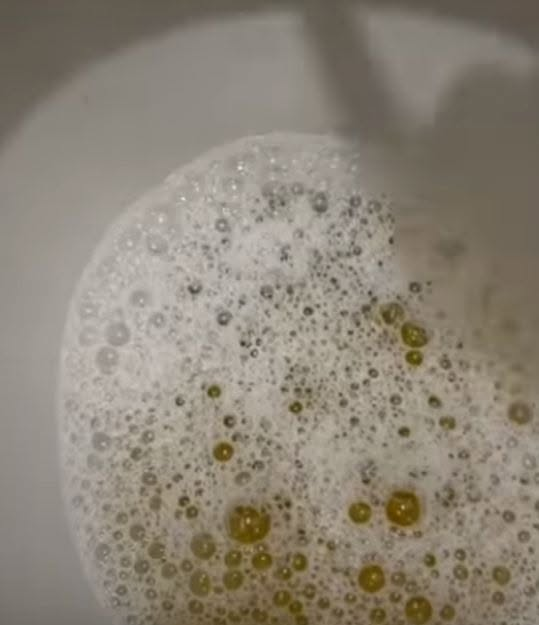
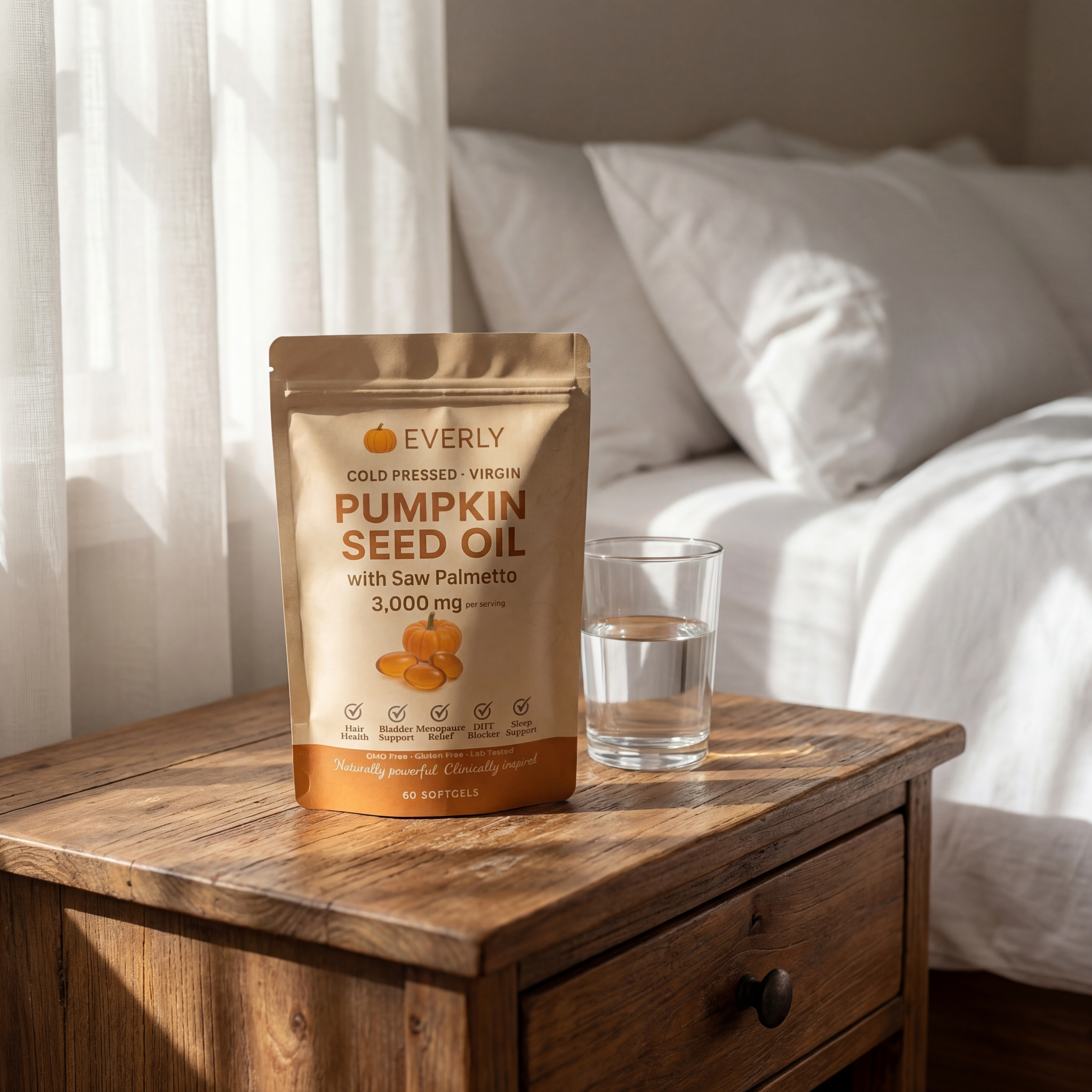
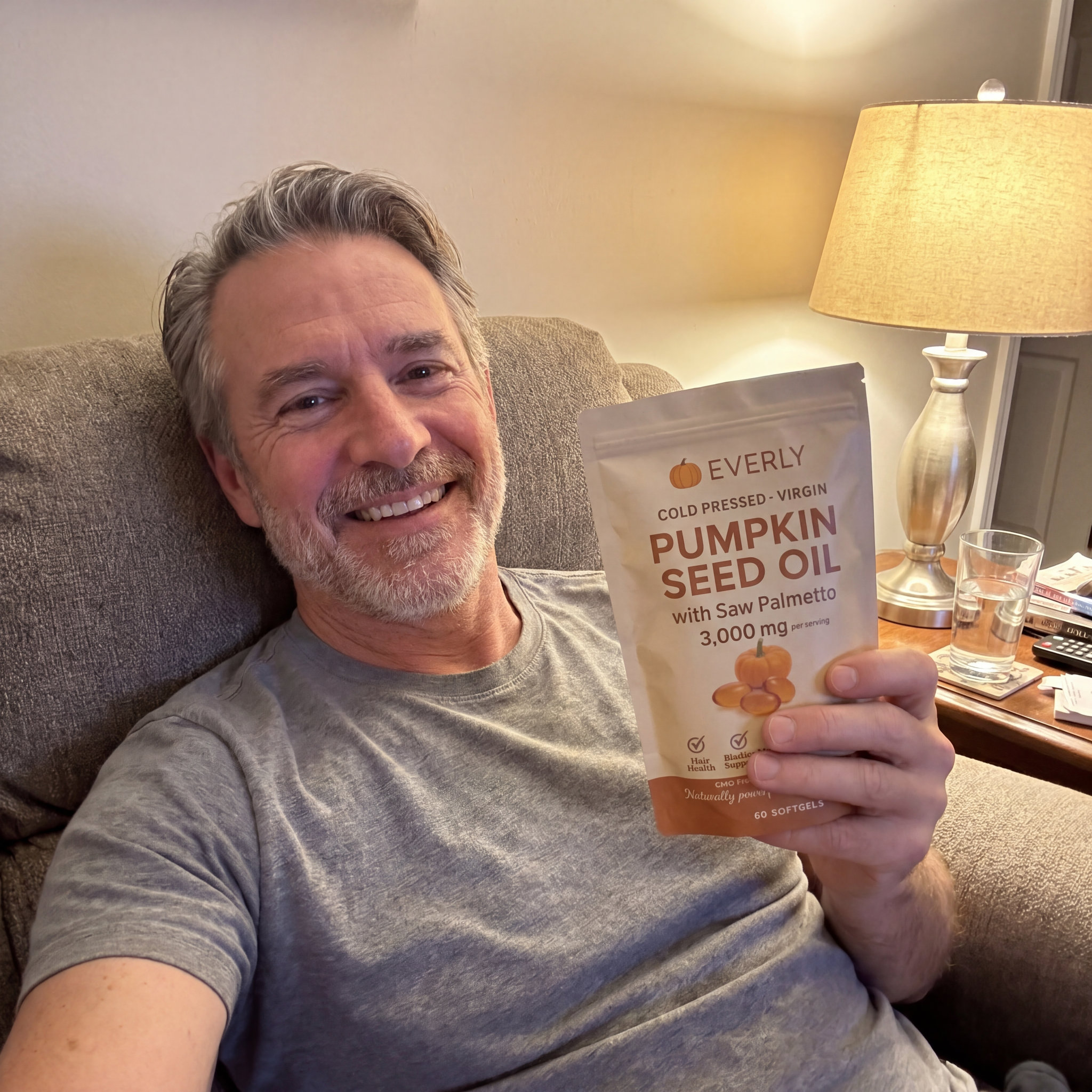
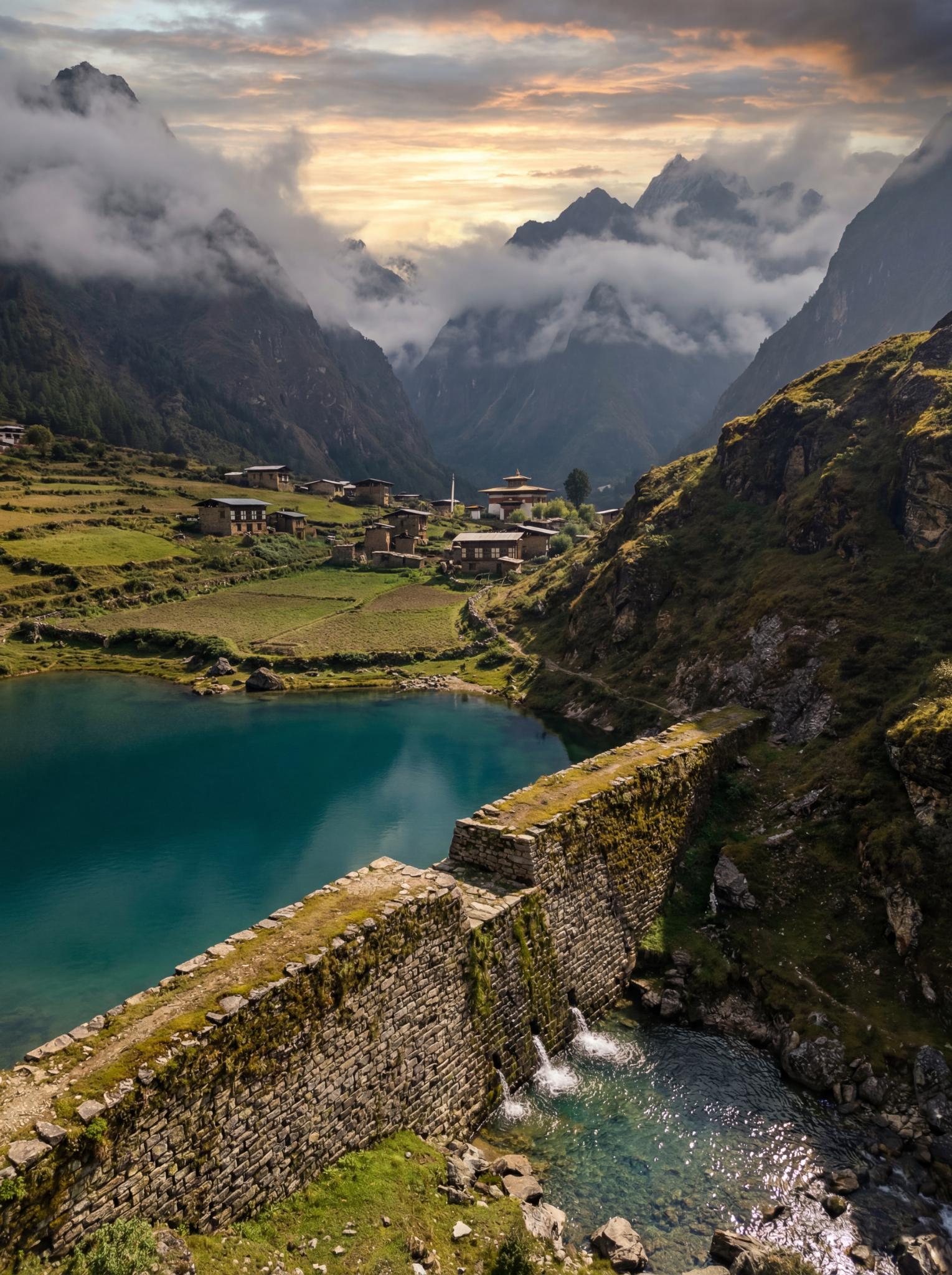
There is a valve in your body that no one ever told you about. Not a heart valve. Not the kind a surgeon replaces. This one sits at the base of your bladder — a ring of smooth muscle called the detrusor — and it controls something you think about more than you'd ever admit. When to go. When to hold. When to finally release. When this valve works properly, you don't think about it. You go when you choose. You sleep through the night. You sit through a movie, a meeting, a long drive — without mapping every restroom in advance. When it stops working properly, your entire life reorganizes around a bathroom. And most people have no idea why it's happening. There's a dam in the mountains of Bhutan that has stood for over 400 years. Not concrete. Not steel. Stone and packed earth — built by hand in the 16th century by engineers who never read a textbook. It holds back a glacial lake at 4,300 meters above sea level. Freezing temperatures. Seismic activity. Snowmelt surges that would overwhelm modern drainage systems. It has never failed. Not because it resists the water. Because it manages the pressure. The dam's builders understood something that modern engineers didn't formalize until centuries later: a containment system doesn't fail because of what it holds. It fails when the pressure behind it exceeds what the structure was built to handle. The dam works because the stone is porous enough to allow controlled seepage — a slow, managed release that prevents pressure from building to a catastrophic level. The water moves through. The dam stays standing. The village below stays dry. Too much pressure, too fast? The dam cracks. The water wins. Not enough controlled release? Pressure builds silently until the entire structure gives way — not with a dramatic breach, but with a slow, widening fracture that no one notices until it's too late. The dam doesn't control the water. It manages the pressure. And it's been doing it perfectly for four centuries. Your bladder works on the exact same principle. The bladder is not a passive bag. It's a pressure-management organ — one of the most sophisticated in the human body. The detrusor muscle that forms the bladder wall is designed to stretch as the bladder fills, accommodating up to 500 milliliters of urine without sending a signal to your brain. Below that threshold, you feel nothing. No urgency. No pressure. Complete silence. When the bladder reaches approximately 300-400 milliliters, stretch receptors in the muscle wall send a gentle signal through the pelvic nerves to the brainstem. Your brain registers the message: available capacity is decreasing. You note it. You plan accordingly. You go when it's convenient. This is the system working. The detrusor stretches. The internal sphincter holds. The signal arrives on time — not too early, not too late. The pressure is managed. Now here's what happens when it breaks. The enzyme is called 5-alpha reductase. It sits in the tissue of the prostate gland, the bladder wall, the hair follicles, and the skin. Its job is simple: convert testosterone into dihydrotestosterone — DHT. DHT is essential during puberty. It drives the development of male characteristics — muscle, bone density, voice depth. In your twenties, it does its job and stays in balance. Testosterone converts to DHT at a rate the body can manage. The prostate stays small. The bladder pressure stays low. The hair stays thick. But 5-alpha reductase doesn't slow down with age. It accelerates. After 40, DHT production increases while testosterone levels decline. The ratio shifts. And DHT does what excess DHT always does — it builds. In the prostate, it causes the gland to swell. Not dramatically. Not overnight. A fraction of a millimeter per year. But the prostate wraps around the urethra — the tube that carries urine out of the bladder — and as it grows, it squeezes. The urethra narrows. The bladder has to push harder to empty. The detrusor muscle thickens from the effort — the way a heart muscle thickens when it has to pump against a resistant valve. A thickened detrusor becomes an irritable detrusor. It starts contracting before the bladder is full. It sends false urgency signals. It wakes you at 2 AM, 3:30 AM, 5 AM — not because your bladder is full, but because the muscle has lost its ability to stretch and wait. The dam is cracking. Not from the water. From the pressure behind it. And DHT isn't just destroying the bladder. In the hair follicles, the same excess DHT is shrinking the follicle from the inside. The hair shaft thins. The growth cycle shortens. The follicle that once produced a thick, pigmented strand now produces a transparent wisp — and eventually, nothing at all. In the kidneys, DHT-driven inflammation impairs the filtration units — the nephrons — that clean your blood. The foam in your urine? That's protein leaking through damaged kidney filters. Your body is literally losing structural material through a filtration system compromised by the same hormone that's waking you up at night. It's all the same engine. The same enzyme. The same molecule. 5-alpha reductase converts testosterone to DHT. DHT swells the prostate. The swollen prostate compresses the urethra. The compressed urethra forces the bladder to overwork. The overworked bladder sends false signals. You wake up four times a night. Your stream weakens. Your sleep shatters. Meanwhile, the same DHT is shrinking your hair follicles and inflaming your kidneys. One enzyme. Three systems failing at the same time. And every year it goes unaddressed, the pressure builds. Like the dam — it doesn't fail all at once. It fractures slowly. Silently. Until the night you realize you haven't slept through without waking in longer than you can remember. There is a seed that has been used to manage this exact pressure for over a thousand years. Pumpkin seeds — Cucurbita pepo — were prescribed by Persian physicians in the 10th century for urinary complaints and "swelling of the male gland." European herbalists in the 16th century documented them as a treatment for nocturnal urination and kidney ailments. Native American healers used them for bladder infections and kidney stones. Three continents. Three independent medical traditions. The same seed. The same application. They didn't know the word "dihydrotestosterone." They didn't know about 5-alpha reductase. But they were observing, across centuries and cultures, that men who consumed pumpkin seeds urinated less frequently, slept through the night, and maintained stronger urinary flow as they aged. Modern science has identified why. Pumpkin seed oil contains a concentrated dose of beta-sitosterol — a plant sterol that inhibits 5-alpha reductase, the enzyme responsible for converting testosterone into DHT. A clinical study published in the Journal of Medicinal Food demonstrated that pumpkin seed oil blocked testosterone-induced prostate growth in laboratory models. The mechanism was direct: the phytosterols in the oil reduced the enzymatic conversion that drives DHT production. A 24-week randomized, double-blind, placebo-controlled trial published in Evidence-Based Complementary and Alternative Medicine studied 76 men with hair loss driven by DHT. The group taking 400 milligrams of pumpkin seed oil daily saw a 40% increase in hair count compared to placebo. The researchers attributed the effect to the oil's inhibition of 5-alpha reductase — the same enzyme driving prostate swelling and bladder dysfunction. A separate study published in the Journal of Traditional and Complementary Medicine followed subjects with overactive bladder symptoms. After 12 weeks of pumpkin seed oil supplementation, scores on every measured symptom — daytime frequency, nighttime frequency, urgency, and incontinence — significantly improved. The phytosterols block the enzyme. The enzyme stops overproducing DHT. The prostate pressure eases. The bladder calms. The hair follicle reopens. The kidney filters recover. One seed. One mechanism. Multiple systems restored. Just like the Bhutanese dam — you don't fight the water. You relieve the pressure. And the structure holds. Everly® Pumpkin Seed Oil Softgels deliver 3,000 mg per serving of cold-pressed pumpkin seed oil combined with saw palmetto extract. Two capsules daily. The pumpkin seed oil is cold-pressed — no heat, no chemical solvents — to preserve the full concentration of beta-sitosterol, essential fatty acids, zinc, and tocopherols that drive the DHT-blocking effect. Saw palmetto amplifies the mechanism. Where pumpkin seed oil inhibits 5-alpha reductase through phytosterols, saw palmetto binds directly to DHT receptors in the prostate, preventing the hormone from triggering tissue growth even if some conversion still occurs. Clinical trials using 320 mg of saw palmetto daily have documented a 30% reduction in serum DHT within six months. In dam terms: pumpkin seed oil reduces the water flow. Saw palmetto reinforces the stone. Both work on the same system. Together, the pressure management is comprehensive. 3,000 mg cold-pressed pumpkin seed oil. Saw palmetto extract. Softgel delivery for intestinal absorption. Non-GMO. No soy, dairy, gluten, preservatives, or artificial ingredients. Why this is different from what you've tried. Generic prostate supplements use dried herb powder or low-concentration extracts. The phytosterol content — the active compound that actually inhibits 5-alpha reductase — is too diluted to produce a clinical effect. It's the difference between the Bhutanese dam's precision-fitted stone and a pile of loose gravel. Prescription DHT blockers like finasteride work — aggressively. They reduce DHT by more than 65%. But they also suppress DHT below the threshold your body needs for sexual function. The side effects are well-documented: reduced libido, erectile difficulty, decreased ejaculate volume. You solve the bladder problem and create a new one. Pumpkin seed oil and saw palmetto inhibit 5-alpha reductase more gently — reducing excess DHT without crashing it below functional levels. Clinical studies on pumpkin seed oil have reported no sexual side effects. The dam manages the pressure without collapsing it. Bladder training exercises strengthen the pelvic floor muscles. They don't address the prostate swelling that's causing the obstruction. You're training the muscles around the problem without solving the problem itself. Cranberry supplements support urinary tract health by preventing bacterial adhesion. They have no effect on DHT, prostate tissue, or detrusor function. Different system entirely. What to expect. Week 1-2: Nighttime trips to the bathroom begin to decrease. The urgency that jolts you awake at 3 AM softens. You notice you're not mapping restrooms before leaving the house. Sleep starts to consolidate — not perfectly, but noticeably. Week 3-4: Urinary stream strengthens. The hesitation, the starting and stopping, the feeling of incomplete emptying — these begin to resolve. Daytime frequency drops. You sit through entire meetings. Energy improves because you're finally sleeping in unbroken blocks. Week 5-8: Hair shedding slows. The drain catches less. The foam in your urine — if you've been watching for it — reduces. The kidneys, no longer under constant DHT-driven inflammatory pressure, begin filtering more efficiently. The afternoon crash that's been following you for years starts to lift. Month 3+: The cumulative effect. You stop thinking about your bladder. You stop planning around bathrooms. You sleep through the night — consistently. Your hair looks thicker. Your energy sustains through the day. You feel like you did at 40 — not because you've reversed aging, but because you've removed the pressure that was making you feel older than you are. The Bhutanese dam doesn't fight the glacier. It doesn't try to stop the water or freeze the lake or redirect the river. It simply manages the pressure — precisely, continuously, silently — so that the structure holds and the village below stays dry. It's been doing this for 400 years. Your body was designed to manage its own pressure the same way. The bladder stretches. The sphincter holds. The prostate stays small. The hair grows. The kidneys filter. The signals arrive on time. The system works. But the system wasn't designed for what modern life throws at it. Decades of accumulating DHT. A prostate that swells a fraction of a millimeter every year. A bladder that overworks, thickens, and loses its ability to wait. Hair follicles that shrink. Kidney filters that leak. The dam doesn't fail from one storm. It fails from decades of unmanaged pressure. You can manage the pressure. Two softgels. 3,000 mg cold-pressed pumpkin seed oil. Saw palmetto extract. The phytosterols that block 5-alpha reductase. The fatty acids that reduce prostate inflammation. The zinc that supports hormonal balance. The mechanism that physicians across three continents and ten centuries kept arriving at independently — because it works. Everly® Pumpkin Seed Oil Softgels. Clear the pressure. Restore the flow. Let the system do what it was designed to do. Fewer bathroom trips. Stronger stream. Better sleep. Fuller hair. Cleaner kidneys. Not because you took a drug. Because you gave your body what it needed to manage itself again. The dam holds when the pressure is managed. Your body works the same way.
🎃 Natural Support for Your Daily Routine
“I’ve been feeling stronger and more balanced since taking Everly Pumpkin Seed Oil. My bladder feels so much calmer, I’m sleeping through the night again, and my hair feels thicker than it has in years. I love how natural it feels — just pure support for my body.”
LEARN MORELike this ad? Make it yours.
Crush rebuilds this exact creative around your product — your brand, your colors, your offer — in about a minute.