
Active· since Jun 3, 2026
- 106
- days running
- 0
- relaunches
Ad copy
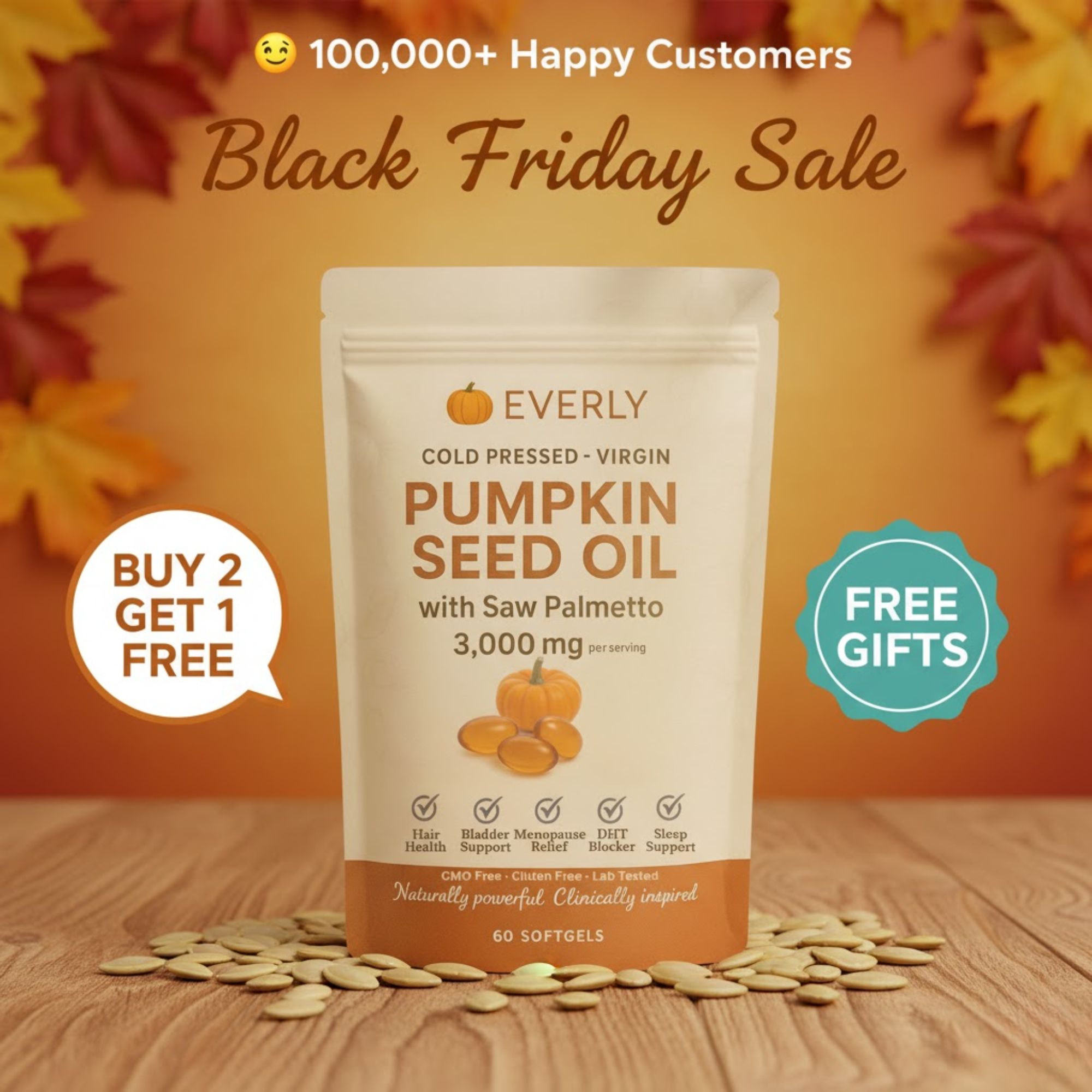
If your kidney numbers keep dropping no matter what you do, you've cut the salt, cleaned up the diet, lost the weight, quit the soda, followed every instruction and your doctor keeps saying "We'll recheck in 6 months." I'm about to tell you what they're missing. And why most of them will never figure it out. Because here's what's actually happening right now: One — There's a reason your numbers haven't moved. And it has nothing to do with how hard you've tried. Two — The medical system is gaslighting you into thinking it's just your diet or your age. Three — There's a billion-dollar industry that profits every single day your kidneys keep getting worse. Let me tell you about my aunt Linda. Because what happened to her is why I'm writing this. Linda is 58. Two years ago, her eGFR came back at 52. Her doctor looked at the numbers, looked at her, and said: Early-stage kidney disease. CKD. The fix? Cut sodium. Drink more water. Lose weight. Avoid NSAIDs. So Linda did all of it. She quit processed food completely. Lost 22 pounds over 9 months. Started drinking 80 ounces of water a day. Stopped taking ibuprofen for her back pain and just dealt with it. She was the most disciplined person in the family. Prepping every meal. Reading every label. Turning down restaurant outings with friends. Saying no to everything. 9 months later, she went back for her blood test. eGFR: 44 It had dropped even further. Her doctor's response? "These things take time. We'll monitor it. Come back in 6 months." Linda called me that night. "I've done everything they told me. Everything. I don't understand. What else is there?" I had nothing for her. Because she had done everything. She still had that dull ache in her lower back that wouldn't go away. That exhaustion that hit by 2 pm and never lifted. Sleeping 9 hours and waking up feeling like she'd been awake the whole night. Sitting at her desk at work, staring at the screen, struggling to focus on a single email. She stopped mentioning the foamy urine to her doctor because the last time she brought it up, he just shrugged and said "It happens." She started noticing her ankles were swollen by the end of every workday. Her daughter told me she'd come home, sit in her recliner, and that was it — done for the night by 6:30 pm. She said to me, "I feel like my body is shutting down from the inside. Like something is draining me and nobody can tell me what it is." So she went back. Pushed harder. Paid out of pocket for a nephrologist. More specialist appointments. More bloodwork. More urine tests. Thousands of dollars across 8 months chasing an answer. Linda is still prepping every meal. Still logging everything. And every 6 months, the test comes back, and the numbers keep sliding. Her doctor looks at her like she must be sneaking salt. Like there's something she's not admitting. She posted in a kidney disease support group online one night: "Doing everything right. eGFR keeps dropping. Doctor has no answers. Feeling hopeless. What am I missing?" Hundreds of people replied. All doing the same things. All getting the same non-answers from the same doctors. That's when I got angry enough to start digging. Not health websites. Not blogs. Actual research. Nephrology journals. Clinical studies on kidney function and natural compounds. And I kept hitting the same wall everywhere I looked. Cut sodium. Drink water. Exercise. Limit protein. The same recycled advice that hadn't moved Linda's numbers in two years. Until I found something that stopped me completely. A published clinical study. Researchers had been studying a specific compound found in pumpkin seeds — something called delta-7-sterol — and its direct effect on kidney filtration markers. Not general "wellness." Not "antioxidant support." Actual measured changes in kidney function markers in human subjects. I read it three times. Linda already knew pumpkin seeds were "healthy." We all do. But the connection to why her kidneys weren't responding despite doing everything right? Nobody had ever made that specific link for her. Not her GP. Not the nephrologist. Not the specialist charging $350 a visit. Here's what the research showed: Chronic low-grade inflammation sits at the root of progressive kidney decline. Oxidative stress damages the delicate filtering units inside the kidneys — the nephrons. Once those nephrons are under constant assault, no amount of clean eating alone reverses the damage. The inflammation cycle has to be interrupted at the cellular level. Diet changes fix what's coming in. They do nothing about the damage already accumulating inside. That was the missing piece. Linda had fixed the input side completely. But the inflammatory cascade inside her kidneys was already running, and 2 years of clean eating hadn't touched it. It couldn't. That's not how kidney inflammation resolves on its own. So I kept digging. Reading every study I could find on pumpkin seed oil and kidney tissue. Searching for anything that had been studied in humans — not mice, not petri dishes — and shown to actually support kidney filtration once numbers had started declining. Most of what I found were dead ends. Until I was scrolling through a kidney health forum late one night, probably 1 am, phone in bed, and someone in the comments mentioned they'd been researching pumpkin seed oil specifically and had found a small company that had built a formula around exactly the research I'd been reading about. Not general "kidney health." Not a detox tea. Not a 47-ingredient multivitamin with a sprinkle of everything and enough of nothing. Cold-pressed pumpkin seed oil. Concentrated. Research-backed dosing. I went to the site expecting nothing. It wasn't nothing. They'd built their formula around published research on pumpkin seed oil's three mechanisms: its anti-inflammatory phytosterols that interrupt the oxidative damage cycle in nephrons, its zinc and magnesium content that supports the enzymatic processes kidneys depend on to filter properly, and its fatty acid profile that has been shown in studies to support healthy blood flow to the kidneys — which is critical because reduced blood flow is one of the main drivers of declining eGFR. It wasn't just built to support what's already declining. It was built for daily protection too. Because even if you reduced the inflammation today, you're still exposed to the dietary and environmental factors that trigger it. That exposure doesn't stop. So the support has to be ongoing, not a one-time effort. Concentrated pumpkin seed oil. Clean formula. Every component targeting the actual problem. The company was called Everly. I sent Linda everything. She read it that night and ordered it. Week 2 — the constant lower back ache started easing. She texted me saying it was the first time in over a year she'd noticed it wasn't just constantly there. Week 3 — the 2 pm crash stopped. She was getting through full work days without her brain shutting off halfway through. And she noticed something else — she wasn't getting up 3 times a night to pee anymore. Down to once. Week 4 — the swelling in her ankles that had become "normal" to her? Gone. She pressed on her ankles after work out of habit. Nothing there. Week 5 — she looked in the mirror and noticed something she hadn't even been thinking about. The thin patch at the front of her hairline — the one she'd been covering with a headband for the past year — was filling in. New growth. Fine baby hairs, but they were there. Week 6 — her urine looked different. Clearer. No foam. She stared at it for a full minute because she'd forgotten what normal looked like. 10 weeks in, she went for tests. eGFR: 61. Her nephrologist called her personally. First time that had ever happened. Asked what she'd changed. Linda walked her through the pumpkin seed oil research, the Everly formula. There was a long pause on the line. She'd never heard of the specific research. She told Linda to keep going and booked a follow-up. That was it. Last Sunday, Linda was in the kitchen making dinner for the whole family. Standing, chopping, laughing, moving around the kitchen for two hours straight. For two years, she'd been the aunt who sat at the table because she didn't trust her body to keep up. Her daughter texted me that evening. "Mom is back." She called me Monday morning. Sharp. Clear. Energetic at 8 am in a way I hadn't heard in over a year. She said to me, "I thought this was just what getting older felt like. I thought my body was giving up on me. But I hadn't failed. The protocol failed me. It was never built to deal with what was actually happening inside my kidneys." Her last 2 sets of tests have both come back in the normal range. The brain fog is gone. The back ache is gone. The ankle swelling is gone. Her hair is growing back. She's not getting up at night anymore. She has energy at 7 pm. She looks like herself again. If you've done everything right and your numbers keep dropping, you haven't failed. The link is below. Everly is running a promotion right now. They're a small company, and stock moves fast. If your kidney numbers keep sliding despite doing everything right, this is what's been missing. Your kidneys haven't stopped responding because you failed. They stopped responding because nobody told you about the piece that diet alone was never going to fix. 👉 try.shopeverly.shop/esl 30-day money-back guarantee. Doesn't move your numbers? Full refund. No questions.
The "Triple Relief" Solution No One Talks About
“I’ve been feeling stronger and more balanced since taking Everly Pumpkin Seed Oil. My bladder feels so much calmer, I’m sleeping through the night again, and my hair feels thicker than it has in years. I love how natural it feels — just pure support for my body.”
LEARN MORELike this ad? Make it yours.
Crush rebuilds this exact creative around your product — your brand, your colors, your offer — in about a minute.