Mark's Survival Diary
Mark's Survival Diary Facebook ad: “Read If Water Dependence Is Your Biggest Weakness”
Ran for 4 days, from May 1 to May 5, 2026, the last day Crush saw it.
Run by Mark's Survival Diary on Facebook. Crush is not the advertiser and does not verify its claims. See this ad in Meta's Ad Library(opens in a new tab)
Make your own version of this ad
Crush makes it, launches it in your own Meta ad account, scales the winners and pauses the losers.
About this ad
- Meta Ad Library ID
- 26527597643564456
- Platforms
- Facebook and Instagram
- Relaunches
- 0
Ad text
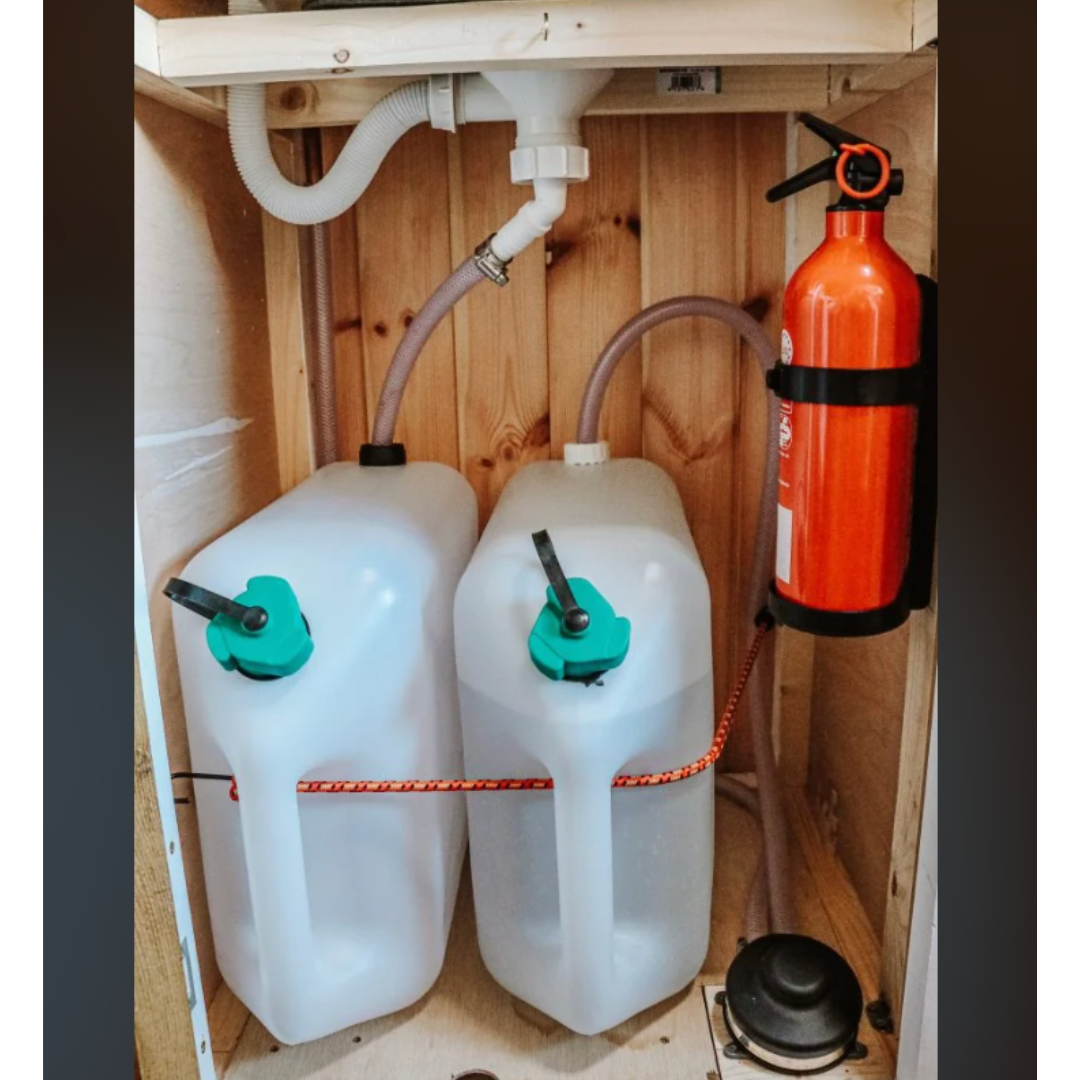
A guy on the prepper forum asked me to post a photo of my water storage setup... When I finally did, the response from a former military logistics officer made me realize I'd been preparing for the wrong scenario entirely. I've been on that forum for six years. I don't post much. Mostly lurk. Read the threads. Learn from people who've actually lived through grid-down situations. But when someone asked about long-term water storage, I figured I had something worth sharing. I'd spent the better part of two years building what I thought was a solid water prep. Six 55-gallon drums in the garage. Rotation schedule. Water preserver added. The whole setup. About 330 gallons total. Enough for my family for roughly 30-40 days if we're careful. I was proud of it. So I posted the photo. The first few responses were what I expected. "Nice setup." "Good rotation system." One guy asked about my treatment method. Another asked where I sourced the barrels. Normal forum stuff. Then a user I didn't recognize posted something that stopped me cold. His username was "LogOfficer_Ret" and his profile said former military logistics, 22 years. He wrote: "Solid execution on a fundamentally limited strategy. You've got 30-40 days. Then what?" I sat there staring at that comment for longer than I want to admit. Because he was right. And I knew he was right. I'd been so focused on building the storage system getting the barrels, figuring out rotation, making sure the water stayed good—that I never really thought through the actual math of what happens when it runs out. Sure, I had a filtration system. A good one. Sawyer and Berkey backups. But those only work if there's water to filter. And in the scenario I was supposedly prepping for extended grid-down, infrastructure failure, supply chain collapse—where exactly was that water coming from? My tap would be dry. The stores would be cleaned out in 48 hours. Even if I had access to a creek or pond, I'd be filtering the same contaminated sources everyone else was fighting over. I wasn't as prepared as I thought. I was just... delayed. I didn't respond to his comment right away. Instead, I did what I always do when something challenges my thinking: I researched. I went back through the forum archives. Read every thread on water independence. Looked at what people who'd actually lived through prolonged outages said about their biggest regrets. The pattern was obvious once I was looking for it. Water storage is essential for short-term emergencies. But for long-term scenarios? It's a stopgap. You're still dependent. Just on a longer timeline. The people who came through those situations best weren't the ones with the most barrels. They were the ones who'd figured out how to produce water. Wells. Springs. Robust filtration of renewable sources. Or—and this is what caught my attention atmospheric water generation. I'd heard of AWG before. Knew the military used it. Knew it was a thing. But I'd always dismissed it as too expensive or too complicated for a regular setup. Turns out, I was wrong about that too. I went down a rabbit hole that night. Found out there are ways to build these systems that don't require industrial equipment or a engineering degree. The principle is simple: pull moisture from the air, condense it into liquid water, filter and sterilize it. Same concept as a dehumidifier, but designed specifically to produce potable water. And the numbers were hard to ignore. A decent DIY setup could produce 5-10 gallons a day depending on humidity. That's renewable. That's sustainable. That's actual independence. I went back to the forum and asked LogOfficer_Ret a direct question: "What would you do differently?" His response came a few hours later. He said he'd spent years in logistics, managing water supply for forward operating bases in places where infrastructure didn't exist. Storage was always part of the plan. But it was never the plan. The real solution—the one that actually kept people alive long-term—was renewable production. "You can't stockpile your way to independence," he wrote. "At some point, you have to produce." Then he said something that stuck with me: "The goal isn't to outlast the crisis. It's to outlast your dependence on the system." I didn't make any changes immediately. I'm not the kind of person who jumps on the first thing that sounds good. I spent the next month reading everything I could find about atmospheric water generation. How it works. What the realistic output is. Whether the water is actually safe. Energy requirements. Maintenance. Cost. I joined a couple of off-grid forums where people were actually using these systems. Asked questions. Got real answers from people living with them daily. And the more I learned, the more it made sense. This wasn't some magical solution. It was just applied physics. Humidity exists in the air. You condense it. You treat it. You store it. And you can keep doing that indefinitely. Three months ago, I built my first system. Used plans I found from a group that's been refining this approach for years. Cost me about $740 in parts. Took a weekend to assemble. It's been running ever since. Produces about 6 gallons a day in my climate. More when it's humid, slightly less when it's dry. I still have my barrel storage. That's not going anywhere. But now I have something I didn't have before: A way to refill those barrels without depending on anything outside my property. I'm not telling you this to convince you to do the same thing. I'm telling you because I know there are other people out there who've built solid preps... but still have that nagging feeling that something's missing. That quiet worry that all the food, all the gear, all the preparation in the world doesn't matter if you run out of water on day 41. If that's you, I want you to know: There's a different approach. And it's more accessible than you probably think. LogOfficer_Ret ended up sending me a video after I told him I'd built my system. It's the same resource that helped me understand the full scope of what's possible with atmospheric water generation. The video breaks down the entire concept—not just the theory, but the actual execution. How it works. Why it's reliable. What realistic expectations look like. More importantly, it shows you the exact method people are using to build these systems themselves. I watched it twice before I committed to building mine. And I reference it now when other people on the forum ask me the same questions I was asking three months ago. If you've ever looked at your water storage and thought "this isn't enough"... If you've done the math and realized you're just buying time, not solving the problem... If you're tired of building preps that still leave you dependent on systems you don't control... This video is worth your time. It's not a sales pitch. It's an explanation. An explanation of how atmospheric water generation actually works—and why more people in the preparedness community are moving in this direction. Tap learn more to watch the full breakdown, I can't tell you it's the right move for everyone. But I can tell you this: There's a difference between being prepared for 30 days and being independent indefinitely. LogOfficer_Ret saw that difference immediately when he looked at my setup. It took me longer. But now that I see it, I can't unsee it. The forum thread is still up. Other people have posted their storage setups since then. And every time, I think about commenting what LogOfficer_Ret commented on mine: "Then what?" Because storage is important. But production is freedom. And if you're serious about long-term preparedness, you need both. See how the production side works I still rotate my barrels. I still maintain my filters. But I don't worry about day 41 anymore. And that's worth more than any amount of stored water ever gave me.
Where the ad sends people
www.smartsurvival.club
Read If Water Dependence Is Your Biggest Weakness👆
The same atmospheric water technology used by the U.S. military in remote bases can now be built in your garage this weekend - producing 5 to 10 gallons of clean drinking water per day without wells, plumbing, or dependence on any outside system.
Learn more: smartsurvival.club(opens in a new tab)