Susan Parker
 Facebook ad: “Stop the 2:47 AM Wake-Ups-Sleep Grounded”
Ran for 4 days, from October 30 to November 3, 2026, the last day Crush saw it.
Run by Susan Parker on Facebook. Crush is not the advertiser and does not verify its claims. See this ad in Meta's Ad Library(opens in a new tab)
Make your own version of this ad
Crush makes it, launches it in your own Meta ad account, scales the winners and pauses the losers.
About this ad
- Meta Ad Library ID
- 2668037613637893
- Platforms
- Relaunches
- 0
Ad text
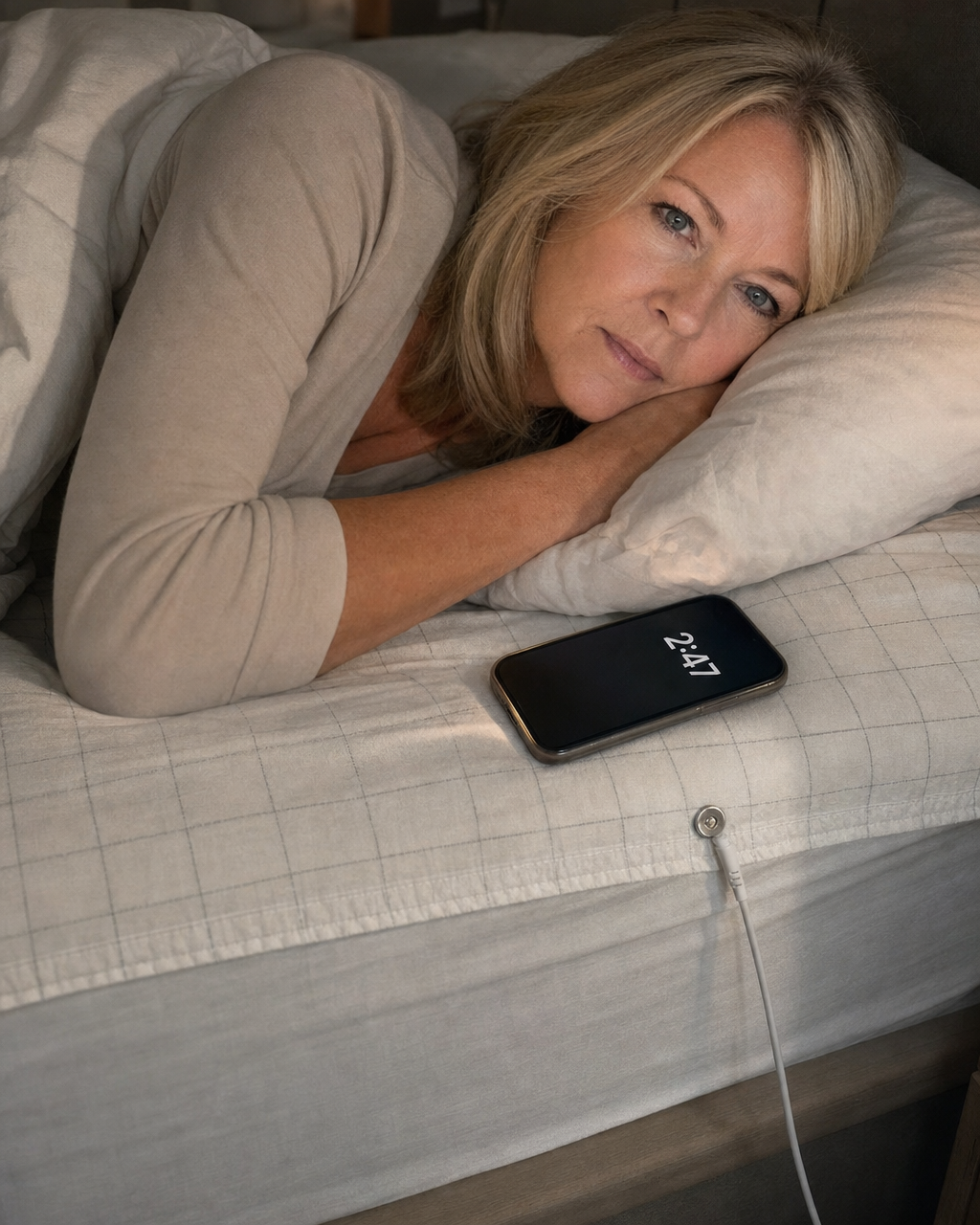
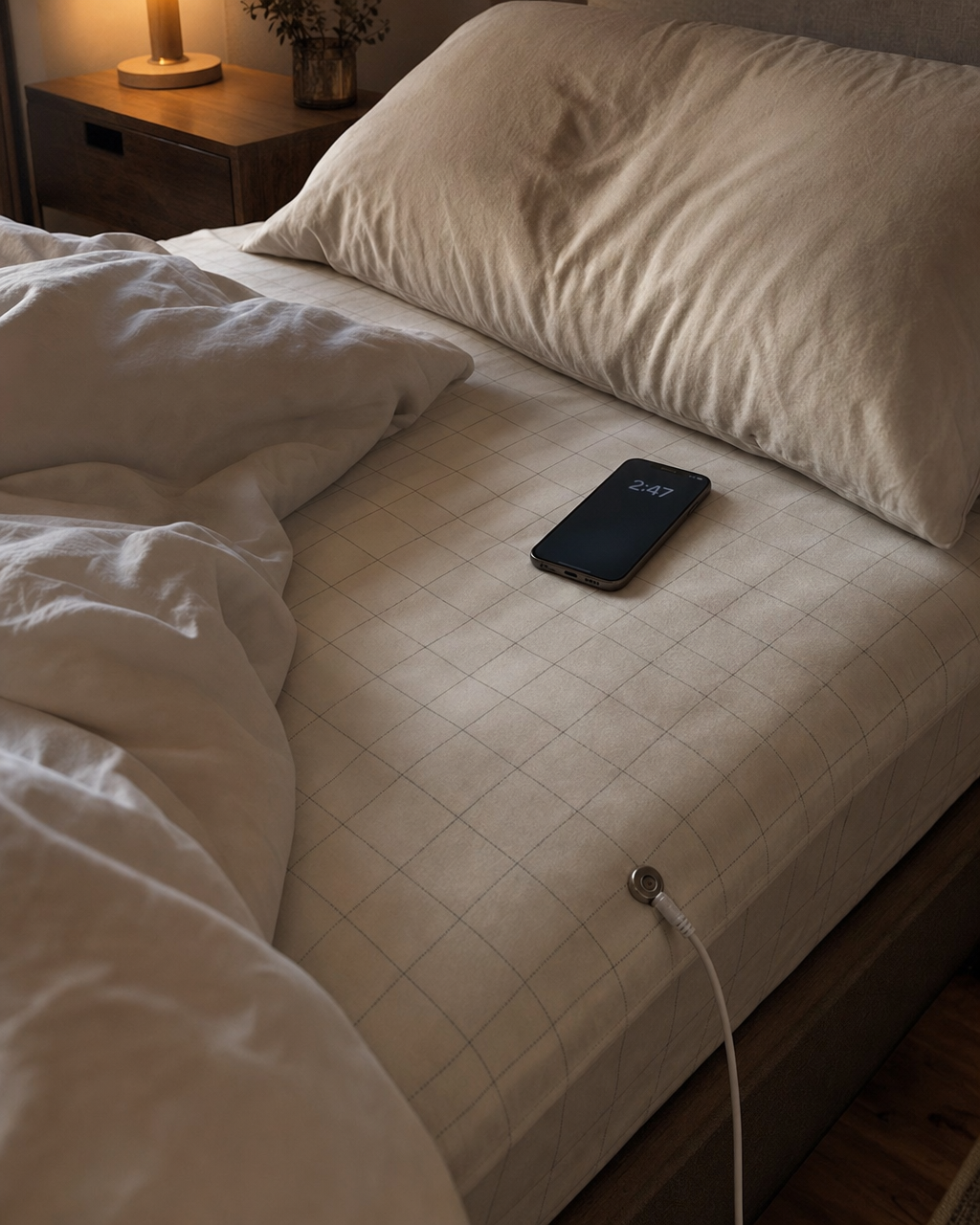
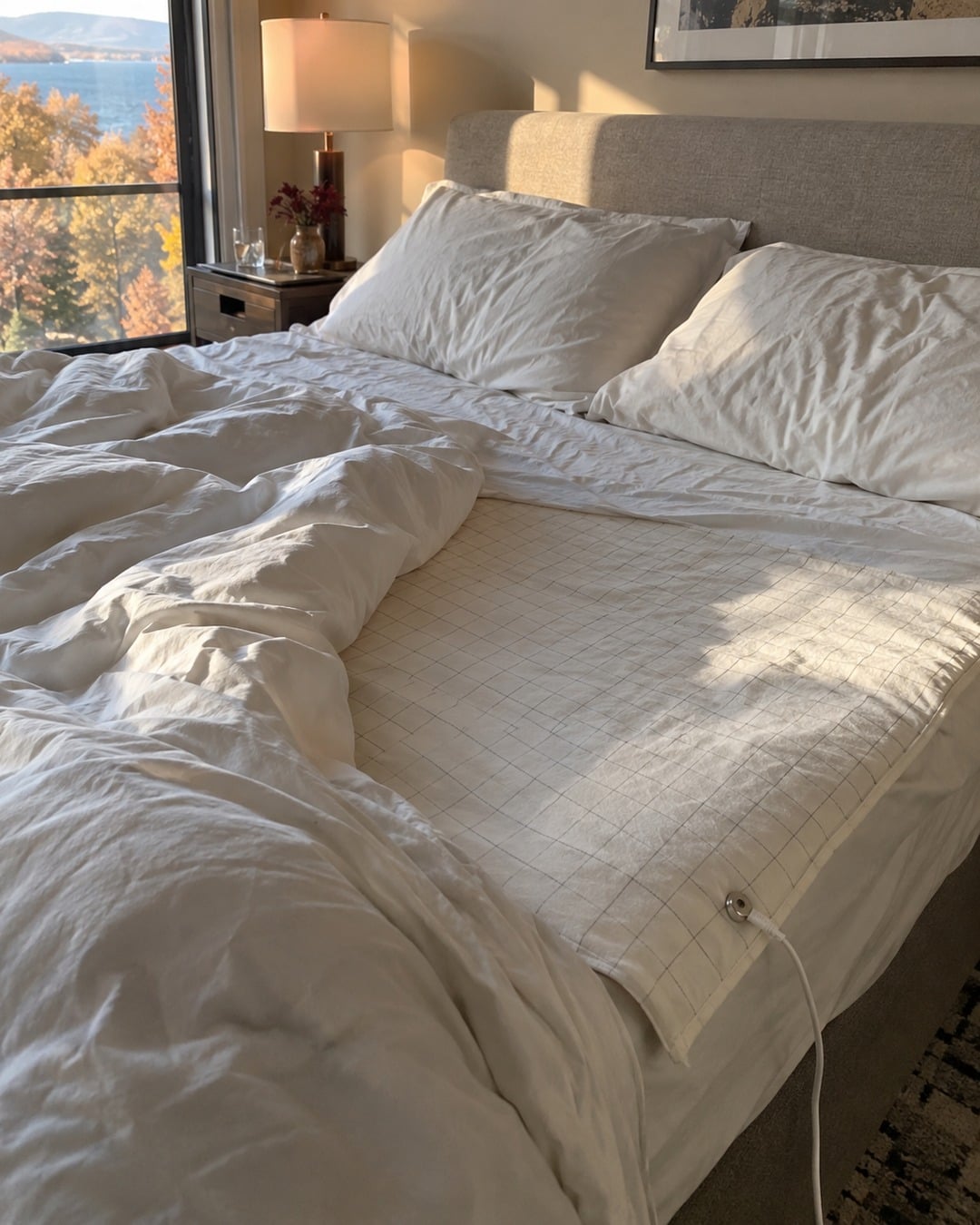
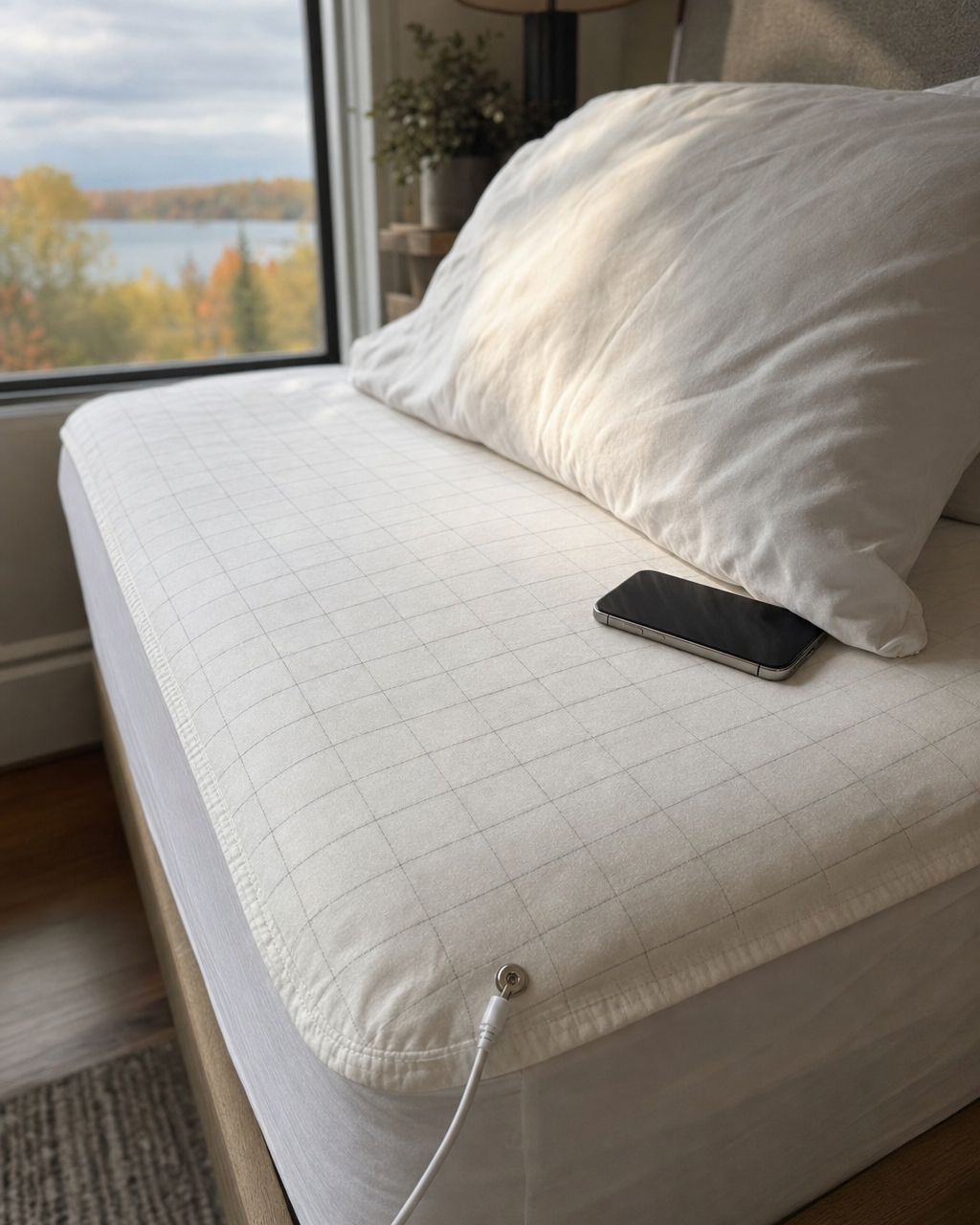
If you've been lying in the middle of the night with your heart pounding while everyone around you sleeps fine, your doctor keeps telling you it's "just stress" or "perimenopause," and every magnesium supplement you've tried has done absolutely nothing... I'm about to tell you exactly what they're not telling you and why they'll NEVER give you the real answer. And by the end of this, you're gonna PISSED. Because there are 3 things happening right now: One. Your body is screaming at you that something is seriously wrong. And it has NOTHING to do with how much you're worrying. Two. The medical system is gaslighting you into thinking it's your attitude, your coping skills, or your hormones. And three. There's a billion dollar supplement industry that profits every single day your real problem stays hidden. So let me tell you what happened with my sister, because her story is gonna open your eyes to how broken this really is. For THREE YEARS my sister Diane was watching herself become someone she didn't recognize. She started noticing the anxiety right after she turned 53. Heart racing at 2:47 AM for no reason. Lying there in the dark listening to her husband breathe while her chest felt like someone was sitting on it. Her family doctor told her it was perimenopause and offered a prescription for an SSRI. She didn't fill it. She wasn't depressed. She was terrified and exhausted and nobody would tell her why. Within the first year? She couldn't fall asleep without her mind replaying that conversation she had with her daughter six months ago. The one where she snapped at her for leaving dishes in the sink. Over and over. Every single night. By year two? She was snapping at her husband Greg over nothing. He'd ask what was for dinner and she'd feel rage rise up from nowhere. She couldn't remember why she walked into the bathroom. She'd stand there staring at the mirror trying to remember if she was going to brush her teeth or take her contacts out. By year three? She was lying awake calculating how much sleep she'd get "if she falls asleep right now." It was 3:12 AM. She knew she wouldn't. She did this calculation every single night while doing every calming routine the internet recommended. A meditation app. The 4-7-8 breathing. The lavender pillow spray from a big-box store. Every single one. Her bloodwork came back. Thyroid normal. Cortisol normal. Vitamin D a little low but "nothing concerning." Her doctor at the follow up said "Everything looks fine. Have you considered that maybe you're just a worrier?" But she couldn't sit through dinner at a casual chain restaurant with her family without her mind racing somewhere else. Her daughter was telling her about her new apartment and Diane realized she'd missed the last four sentences completely. She nodded and smiled and felt like a fraud. The racing thoughts? The moment her head hit the pillow at 10:30, her brain would start. Tomorrow's staff meeting. That email she forgot to send. Whether she paid the electric bill. That thing she said to her sister in 2019. Whether she locked the front door. She'd get up and check the door. Then get back in bed and wonder if she actually checked it or just thought about checking it. Didn't matter how tired she was. Her mind would not stop. It was like someone had ripped out the off switch. She stopped accepting invitations. Her friend Marianne invited her to book club for the sixth time. Diane said she was busy. She wasn't busy. She was too exhausted to pretend she was okay for two hours. She started wearing oversized cardigans to hide how much weight she'd lost. Leaving events early. Making excuses. Anything to hide. Her husband Greg never said anything directly. But she'd catch the look. When she said she was fine and her hands were shaking so bad she couldn't hold her coffee cup steady. When she mentioned trying another supplement she found online and he'd go quiet and look at his phone. He didn't have to say it. She could feel what he was thinking. The exhaustion? She'd get home from her job at the insurance office and be horizontal on the couch by 5:15pm. Her daughter Megan would ask if she wanted to watch that new show together and she'd say "maybe tomorrow honey." She said that so many times that Megan stopped asking. Started watching it alone in her room. The brain fog was bad enough that her manager noticed at work. Diane's been an admin coordinator at the same company for eleven years. She started forgetting deadlines she'd had on her calendar for weeks. She sat in the Monday meeting staring at her laptop and realized her coworker Patty had asked her a question and she had no idea what it was. Everyone was looking at her. She said "sorry, can you repeat that?" for the third time that meeting. Her face was so tense people asked if she was upset about something. Her jaw ached so bad she thought she had a tooth infection. Her dentist told her she was grinding her teeth at night and sold her a $400 CAD night guard that didn't help. Her shoulders were at her ears every single morning. She'd catch herself in the car clench the steering wheel like she was bracing for impact. On edge all the time. Tight, wired, scanning for threats. In rooms where everyone else was chatting and laughing and relaxed. And every single doctor told her the same thing. "Your labs look fine." "Maybe try a mindfulness app, a lot of my patients like that one." "Have you considered seeing a therapist? I can give you a referral." "Some anxiety is normal at your age, especially with the hormonal changes." One of them at urgent care when she went in because her heart was racing so fast she thought she was having a heart attack. They did an EKG. Normal. And this makes me want to put my fist through a wall. The clinician actually suggested she might have panic disorder and wrote a prescription for a benzo. For a woman whose racing thoughts had NOTHING to do with a psychiatric condition. Another doctor at her annual physical suggested a sleeping pill. "This sounds like it might be insomnia. A lot of women your age struggle with sleep." INSOMNIA? She was exhausted AND wired at the same time and waking up at 2:47 AM with her heart pounding so hard she could hear it in her ears. She went through four different doctors in three years. Her regular family doctor. A hormone specialist. A naturopath who charged $350 CAD for the first visit. A gynecologist who specialized in perimenopause. Not one. NOT ONE. Ever looked beyond her bloodwork and asked WHY her nervous system was stuck in overdrive at the cellular level. So here's what they kept telling her to do. And I need you to pay attention because you've probably tried all of this too: Melatonin 5mg from the drugstore for "sleep support." She took it every night for four months. It helped her fall asleep faster. But she still woke at 2:47 AM like clockwork. And the grogginess the next morning made her feel like she was swimming through wet concrete until noon. A meditation app. Then another meditation app. Then a YouTube channel that did sleep meditations. She did the breathing exercises. The body scans. The progressive muscle relaxation. Twenty minutes every night before bed for six months. Some nights it helped a little. Most nights her brain started racing the second she turned it off. Racing thoughts don't care about box breathing. Cutting caffeine completely. She stopped drinking her morning coffee. Switched to decaf. Then to green tea. Then to nothing. It made the exhaustion worse. She was falling asleep at her desk by 2pm and still couldn't sleep at night. Chamomile tea. Valerian root capsules. Lavender essential oil in a diffuser next to her bed. Lavender pillow spray. Lavender everything. Nothing touched the wired feeling. $42 CAD a month for a "stress support" supplement with ashwagandha, L-theanine, rhodiola, and GABA on the label. She took it for five months. Felt maybe 10% calmer for about two weeks. Then nothing. A basic magnesium from a warehouse club. The big white bottle everyone has in their medicine cabinet. She took two tablets every night for seven months. Nothing. Except the stomach cramps and the bathroom emergencies that made her scared to take it before bed. CBD oil. The $80 CAD bottle that was supposed to be the good stuff. Six months. Made her a little sleepy. Did nothing for the racing thoughts. Between the supplements, the apps, the doctor visits, the naturopath, the therapy sessions she started but was too exhausted to keep going to, and the Invisalign-style night guard she didn't need. She spent over $4,100 CAD in three years. More anxious than ever. Thousands of dollars poorer. And every doctor telling her she was "fine." At this point I'm not frustrated anymore. I'm angry. Because I'm watching my sister. Who is following every single instruction. Spending thousands of dollars. Trying every technique and supplement and app. Dragging herself through guided meditations when she can barely keep her eyes open. Get worse every six months while her doctors shrug and push the medication conversation. Managing. The. Symptoms. Not fixing it. Not reversing it. Not even trying to figure out WHY. Just managing her slow decline into a more anxious, more exhausted, more defeated version of herself. And that's when I started asking the questions nobody wants you to ask: Why are doctors so quick to suggest SSRIs and benzos but never investigate why her nervous system won't calm down at the cellular level? Why do they act like chronic anxiety is just inevitable? Like there's nothing you can do except learn to live with it? Why does every calming supplement on the market contain the same ashwagandha and L-theanine that clearly don't work for most people. And nobody questions it? And why does NOBODY ever talk about what's actually preventing her nervous system from shutting off the way it's supposed to? So I went down a rabbit hole. A deep one. I started researching why someone with chronic anxiety would keep getting worse even when their bloodwork is "normal," they're doing all the calming techniques, and they're taking every supplement their naturopath recommended. And every mainstream medical site gave me the same recycled answers. Manage your stress. Try therapy. Practice mindfulness. Consider medication. But then I found a peer-reviewed paper from a respected family-medicine source that changed everything. Not a blog. Not a wellness influencer. A peer reviewed paper. And it mentioned something I had literally never heard anyone connect to what my sister was living through in my entire life. The magnesium cortisol depletion loop. Now pause for a second. You know what's insane? Every anxiety supplement on the market focuses on "calming the symptoms." Every doctor talks about managing stress. Every protocol is about the FEELING in your head. But nobody. And I mean NOBODY. Talks about what happens to your nervous system when it's missing what it needs to produce calm. Specifically, what has to happen at the cellular level before your body can actually relax. And that's not an accident. Because once you understand what magnesium does to your nervous system. And what cortisol does to your magnesium levels. You realize that everything my sister tried, and everything YOUR doctor has probably told you, is addressing the wrong part of the problem entirely. Here's what I learned: Your nervous system needs magnesium to produce calm. It's the mineral that tells your stress response to shut off. Without it, your body stays locked in fight or flight mode 24 hours a day. A lot of adults are magnesium deficient. Processed foods. Chronic stress. Three cups of coffee a day. Soil that's been depleted of minerals since the 1950s. It all adds up. You're getting less than half of what your nervous system needs to function normally. When magnesium levels are adequate? Your body produces GABA. The neurotransmitter that quiets racing thoughts. The one that lets your brain actually shut down at night. Your cortisol drops. Your muscles release. Your mind settles. You drift off the way you used to before all this started. But when magnesium is depleted? That's when everything goes to hell. And here's what's causing the depletion that nobody is talking about. Chronic stress keeps cortisol elevated. Not sky high. Just constantly running a little too hot. The low grade, never fully switches off kind that every woman managing a full time job and a family and anxiety that won't respond to anything lives with every single day. And chronically elevated cortisol attacks your magnesium stores at THREE checkpoints simultaneously. FIRST. Cortisol burns through magnesium. Your body uses magnesium to process stress hormones. Every time you feel that spike of anxiety, your body burns through its magnesium stores to try to calm you down. The more stressed you are, the more magnesium you lose. A nervous system running on empty can't calm itself down. The magnesium that would normally tell your stress response to shut off is gone. That's why you're "tired but wired." Your body wants to rest. It doesn't have the raw material it needs to actually do it. SECOND. Cortisol prevents magnesium absorption. When cortisol is elevated, your gut lining becomes less permeable to minerals. So even if you're swallowing magnesium tablets every night, your body can't absorb them through the intestinal wall. The pills pass through. You see them in the toilet. The depletion compounds. The anxiety compounds. And standard bloodwork only measures serum magnesium. Which is a tiny fraction of your total body stores. So your doctor says you're fine while your cells are starving. THIRD. Cortisol keeps your nervous system stuck in overdrive. Without enough magnesium, your brain can't produce GABA. The neurotransmitter that turns off racing thoughts. The one that lets you actually relax. So your mind keeps spinning. Your body stays tense. The anxiety that everyone tells you is "just stress" never goes away. Because the off switch doesn't work without the mineral that makes it work. So my sister was: Taking calming supplements that her stressed out gut couldn't absorb. Running on depleted magnesium stores that her bloodwork didn't measure. And unable to produce the GABA her brain needed because the magnesium required for GABA synthesis was being burned through by the same cortisol nobody had ever investigated. Her labs looked perfect. Her nervous system was functionally starving. No meditation on earth can calm a brain that doesn't have the minerals it needs to produce calm. No breathing exercise can relax a body that's running on empty. No SSRI can solve a depletion loop that's keeping your stress response permanently switched on. THAT'S why she was lying awake at 2:47 AM with her heart racing. Her nervous system was stuck in overdrive because what it needed to shut off was being depleted at three separate checkpoints by the same cortisol signal nobody had ever investigated. She wasn't "too stressed." She wasn't weak. She wasn't bad at coping. She was trying every calming technique in the world while her body was systematically losing what makes calm possible. Like trying to fill a bathtub while the drain is wide open. The water is real. The bathtub is real. The drain is winning. And here's the part that made my blood boil: The medical system KNOWS about the cortisol magnesium depletion connection. It's in the research literature. The relationship between chronic stress and magnesium loss has been discussed in the research literature for decades. The role of magnesium in GABA production and nervous system regulation is discussed in the scientific literature and in many clinical resources. But the clinical protocol for anxiety that doesn't respond to therapy doesn't include a magnesium assessment. Doesn't check intracellular mineral levels. Doesn't measure cortisol patterns over time. Doesn't ask whether chronic stress is running a depletion cycle that no coping technique will ever penetrate. Because there's no pharmaceutical drug for magnesium depletion. You can't patent a mineral. There's no money in telling someone their stress response is burning through magnesium faster than they can replace it. There IS money in keeping you on medication at escalating doses. Sleep aids at $180 CAD a month. Therapy at $175 CAD a session. Appointments where they adjust your medication and tell you to give it another 30 days. And eventually? "Maybe it's time to try a different medication. Some people need to try several before they find the right one." See how that works? Manage every stage of the anxiety. Suggest increasingly expensive interventions. Never fix what would let your nervous system actually calm down. So I kept digging. Reading everything I could find. Research on cortisol effects on mineral absorption. Studies on GABA synthesis and magnesium. Clinical evidence on chronic stress and cellular magnesium depletion. And I found one specific pattern that kept appearing. Not in influencer content. Not in "10 hacks" videos. In real life. In the people who finally stopped waking up at 2:47 AM. They weren’t just adding another pill. They were giving their nervous system a real, consistent "off-switch" signal at night. And the simplest way they were doing it was by sleeping grounded. Now let me be crystal clear about what I mean. Not "go walk barefoot outside for 10 minutes" and hope your life changes. Not "touch something metal" and call it a protocol. I mean spending the same hours you’re already in bed with your body connected to the ground. Because once I understood the depletion loop, something clicked: If cortisol is the signal keeping the drain open… Then the intervention that actually matters is the one that helps your system switch out of fight-or-flight while you sleep. And here’s what almost nobody tells you. Format matters. Most people quit their routines within the first month because the format makes compliance impossible. And “grounding” is the same. If your plan relies on you remembering a routine at 10:30pm, doing it perfectly, staying still, and repeating it every night for months… you won’t. Especially in late October when it’s cold, the air gets dry, the heat kicks on, and you’re already running on fumes. So my sister tried to “do the right things” again. First: She tried one of those highly rated grounding options people rave about online. She did it every night for 30 nights. Nothing changed. Second: She tried a different setup that was supposed to be easier. Another 30 nights. Maybe felt a little calmer some nights. Anxiety unchanged. Still waking up at 2:47 AM with her heart pounding. So she went back to the methodology mindset. Read the fine print. Looked at what actually makes a nervous system intervention work: Consistency. Duration. And real contact. Because the problem with most “quick fixes” is the same problem with cheap magnesium forms. They’re technically the right category… But in the real world, they don’t deliver enough of what matters to make a difference. When you take the basic magnesium form most people buy, your body may only absorb a small fraction of it. A small fraction. And the rest goes right through you. Now think about grounding the same way. If you try to get grounded for 20 minutes here and there, that’s about 4% of an 8-hour night. Four percent. It’s not that grounding “doesn’t work.” It’s that the dose is designed to fail. The people who actually got traction weren’t doing 20 minutes. They were getting HOURS. The equivalent of around 90% of their night actually in contact—because they were already sleeping. And once she saw that, she realized why her setups kept failing. There was also the format problem. One option was annoying to set up. Another made her feel like she had to sleep in one position. Something would shift. She’d forget. Or she’d “forget” on busy nights. Which was every night. Sound familiar? So I’m scrolling on my phone at 11pm one night. Researching because her anxiety was getting worse and her regular doctor was pushing the prescription conversation again. And I see someone mention a small company called Bedground. So I go to their site. Ready to be disappointed like I had been with every other thing I’d investigated for her. And I almost dropped my phone. A grounding bedsheet. Not a gadget you have to remember. Not a routine you have to perform. A sheet you sleep on. Woven with silver conductive threads. Machine-washable. And instead of plugging anything into the power part of an outlet, the cord uses a single grounding pin that goes ONLY into the round ground hole. That’s it. Two steps at night: Put the sheet on the bed. Plug the cord into the round ground hole. No proprietary blends. No “secret” calming stack. No complicated setup. Just a simple way to be connected while you do the one thing you’re already doing for 7–8 hours. And that matters because the nervous system doesn’t change from one perfect 10-minute routine. It changes from repeatable signals. Night after night. My sister started sleeping on Bedground on a Tuesday night in March. After a few nights? The racing thoughts started slowing. She texted me on Saturday morning. She said she felt "less wired" for the first time in months. Like someone had turned the volume down on her brain from 10 to 6. Her mind was still busy but it wasn't spinning out of control. She could hold a thought without it spiraling into twelve other catastrophic worries. She'd been lying awake replaying that conversation with her daughter for three years. That first Saturday night she fell asleep without the mental replay starting. She didn't even realize it until she woke up. After a few weeks? The 2:47 AM wake ups. She'd been jolting awake with her heart racing at basically the same time every single night for years. She knew exactly what time it was without looking at the clock. One morning during week two she woke up and looked at her phone and it said 6:52 AM. She had slept through. She texted me at 7:03 AM. Just the words: "I slept until the alarm." When your nights stop being a nightly stress-event, your whole day changes. It’s not complicated. The system finally gets a chance to downshift instead of staying “on duty” all night. After a few more weeks? The edge. That constant low grade tension she'd been carrying for years. The tight jaw that made her dentist think she needed a night guard. The shoulders hunched up at her ears every morning. The feeling in her chest like something bad was about to happen. All of it started to fade. She sent me a photo. Her sitting at her kitchen table on a Sunday morning. Drinking coffee. Shoulders dropped. Face relaxed. She looked like herself for the first time in three years. By around 30 nights? Her husband Greg noticed. He looked at her one morning over breakfast. Scrambled eggs and toast, nothing special. And he said "You seem like yourself again. Like actually you. I missed you." She started crying right there at the kitchen table. He hadn't said anything like that in three years. After a little longer? Down from waking 4 to 5 times a night to sleeping straight through until her alarm at 6:30. Her daughter Megan came over for dinner and said "Mom, you're actually here now. Like present. You're not somewhere else." She started crying again. After a bit after that? She went back to her doctor for her follow up appointment. "You seem much calmer," the doctor said. "Whatever you changed, keep doing it." Same life. Same job at the insurance company. Same husband Greg. Same daughter Megan. Same house. Same everything. The depletion loop finally had a fighting chance to stop running her. Total transformation? A woman who felt like herself again. Who could sit through dinner and actually be present. Who could fall asleep without her brain attacking her. Who could feel something other than dread. Not from an SSRI. Not from a benzo. Not from a sleep aid. Not from a meditation app. From changing what her nervous system was experiencing for 7–8 hours every single night. So now I'm thinking: This actually works. It's literally doing what three years of doctors and supplements and therapy couldn't touch. And it's one product. One simple bedsheet setup that targets the actual mechanism we kept missing: the nervous system never getting a consistent “safe/off” window. Not the symptoms. Not eight different bottles from eight different companies at $150 CAD a month. One product that changes the environment your body is trying to recover in. This is what they don't want you to know. Because the second you stop spending every night in that wired state, you don't need their escalating conversations anymore. You don't need another bottle. Another app. Another $175 CAD session where you’re told to journal harder while your body keeps doing the same 2:47 AM thing. Your nights start calming. And your days follow. Now here's what I need you to understand. This doesn't wait for you to figure it out. Every month the loop continues is another month of your nervous system stuck in overdrive. Another month of low grade stress burning through what you need. Another month of anxiety compounding on itself. The racing thoughts get harder to stop. The 2 AM wake ups get longer. And every month, your doctor gets closer to a conversation about long term psychiatric medication for a woman whose problem was never "just in her head." So if you're dealing with ANY of this. Racing thoughts your doctor can't explain despite trying everything. That bloodwork that's "normal" while you feel broken. The 2 AM wake ups. Exhaustion that no amount of sleep fixes. Brain fog. The tension that never leaves your shoulders. The feeling that something is wrong and nobody is listening. This is the time. Not next month when the nights are darker and the mornings are colder and you’re even more depleted. Not six months from now when your doctor suggests SSRIs again. Not when you're sitting in a psychiatrist's office wondering how it got this far. Right now. Bedground is currently 50% off. You can get the grounding bedsheet for $139 CAD (regular $279), with free shipping. And it’s backed by a 30-Day Money-Back Guarantee. So you can try sleeping grounded at home for a full month and decide based on how YOU feel. If you want to understand exactly what I found and why “calming hacks” weren’t touching the real problem, I leave the link to the page below: https://journal.bedground.com/ca
Where the ad sends people
journal.bedground.com
Stop the 2:47 AM Wake-Ups—Sleep Grounded
People using grounding sheets report falling asleep more easily and experiencing significantly fewer nighttime awakenings. By promoting deep relaxation, these sheets transform your bedroom into a true space for rest and recovery.
Learn more: journal.bedground.com(opens in a new tab)