
Inactive· since Jun 2, 2026
- 17
- days it ran
- 0
- relaunches
Ad copy
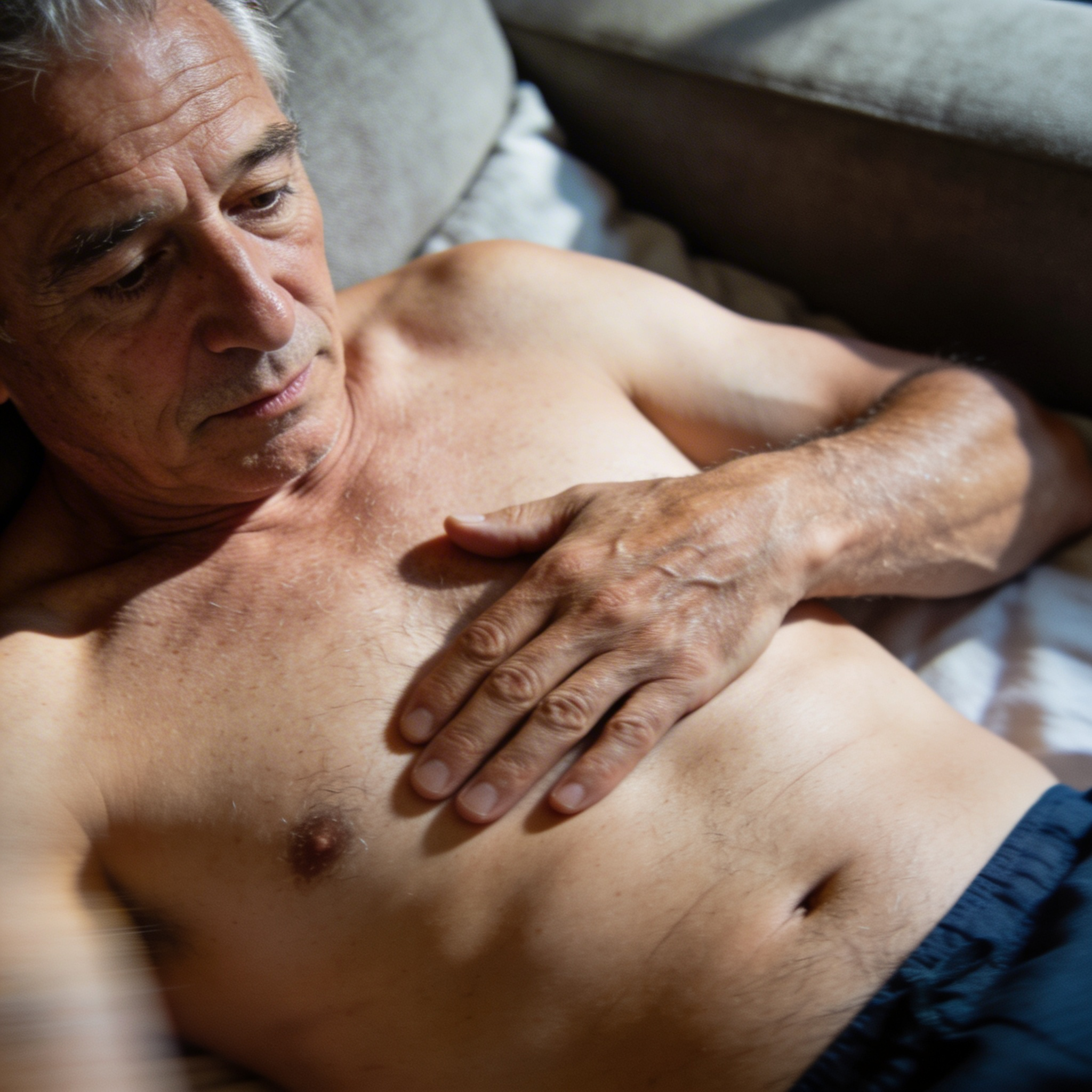
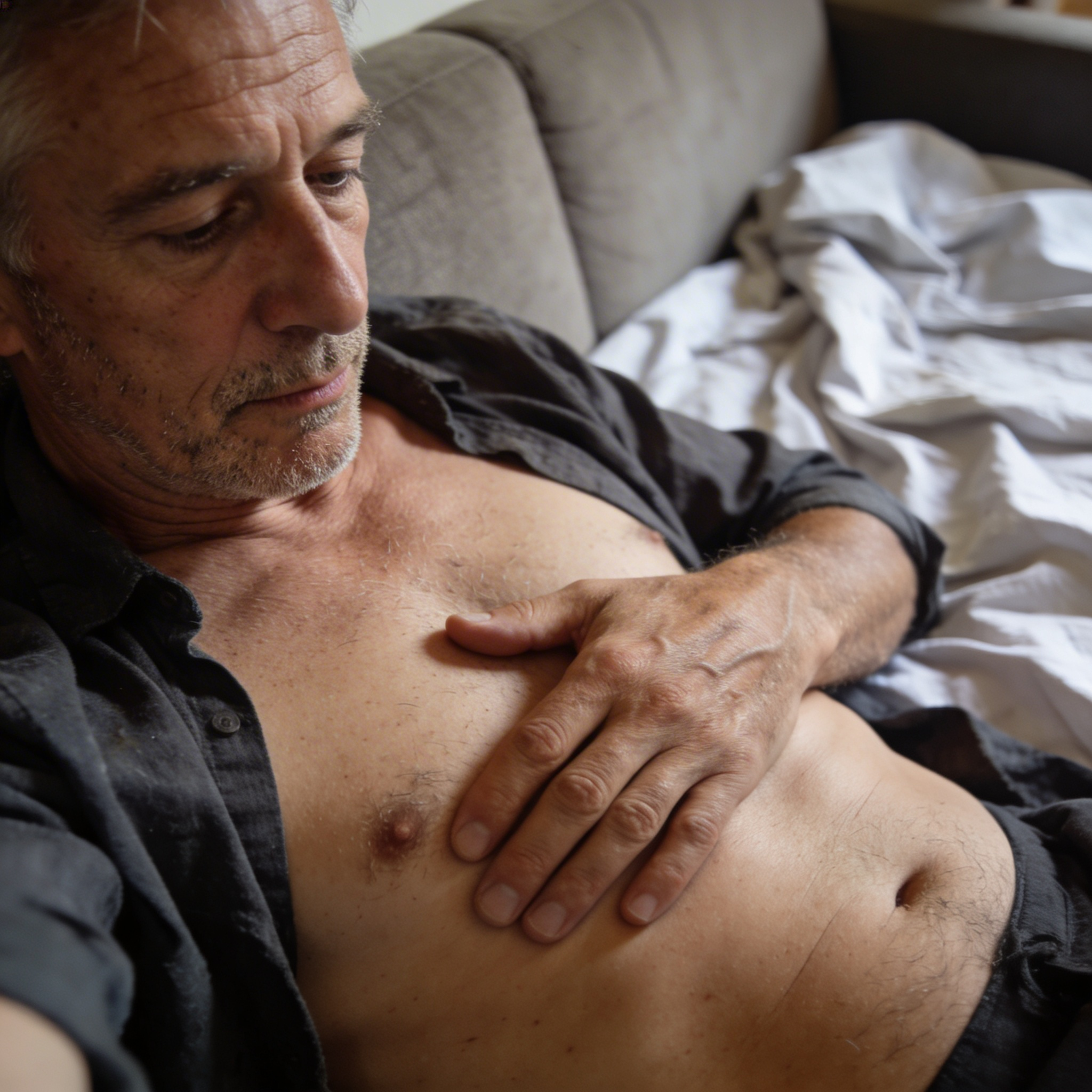
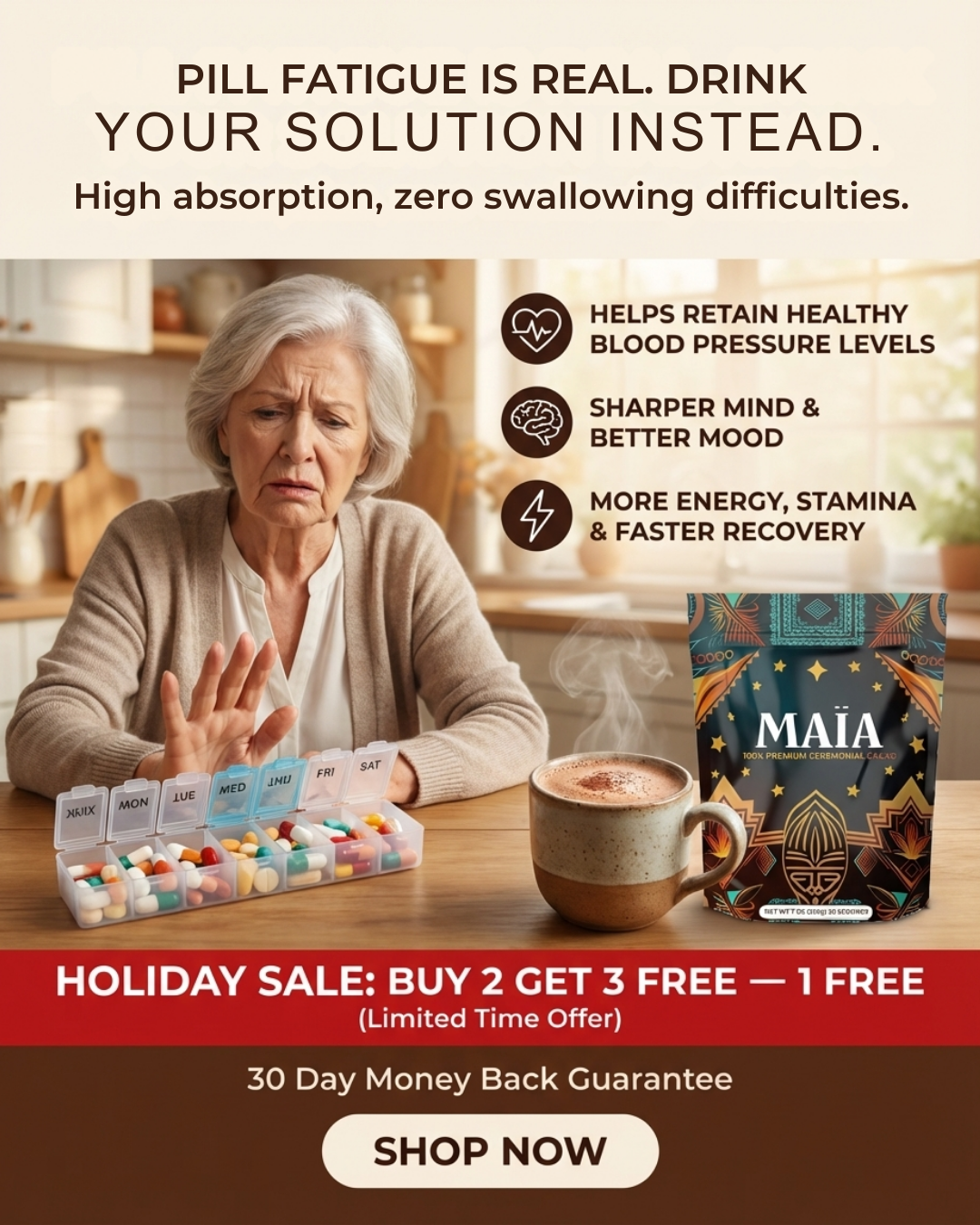
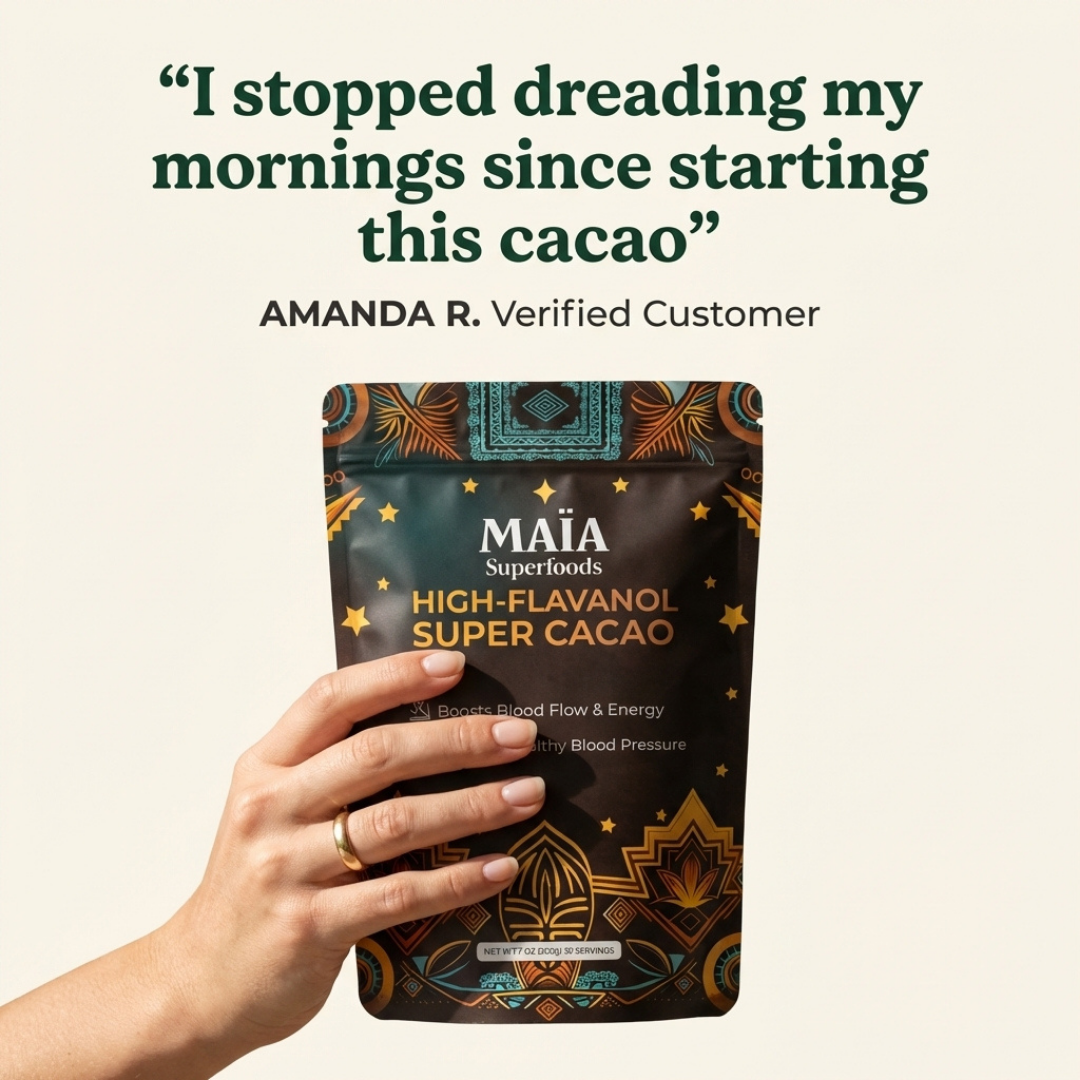
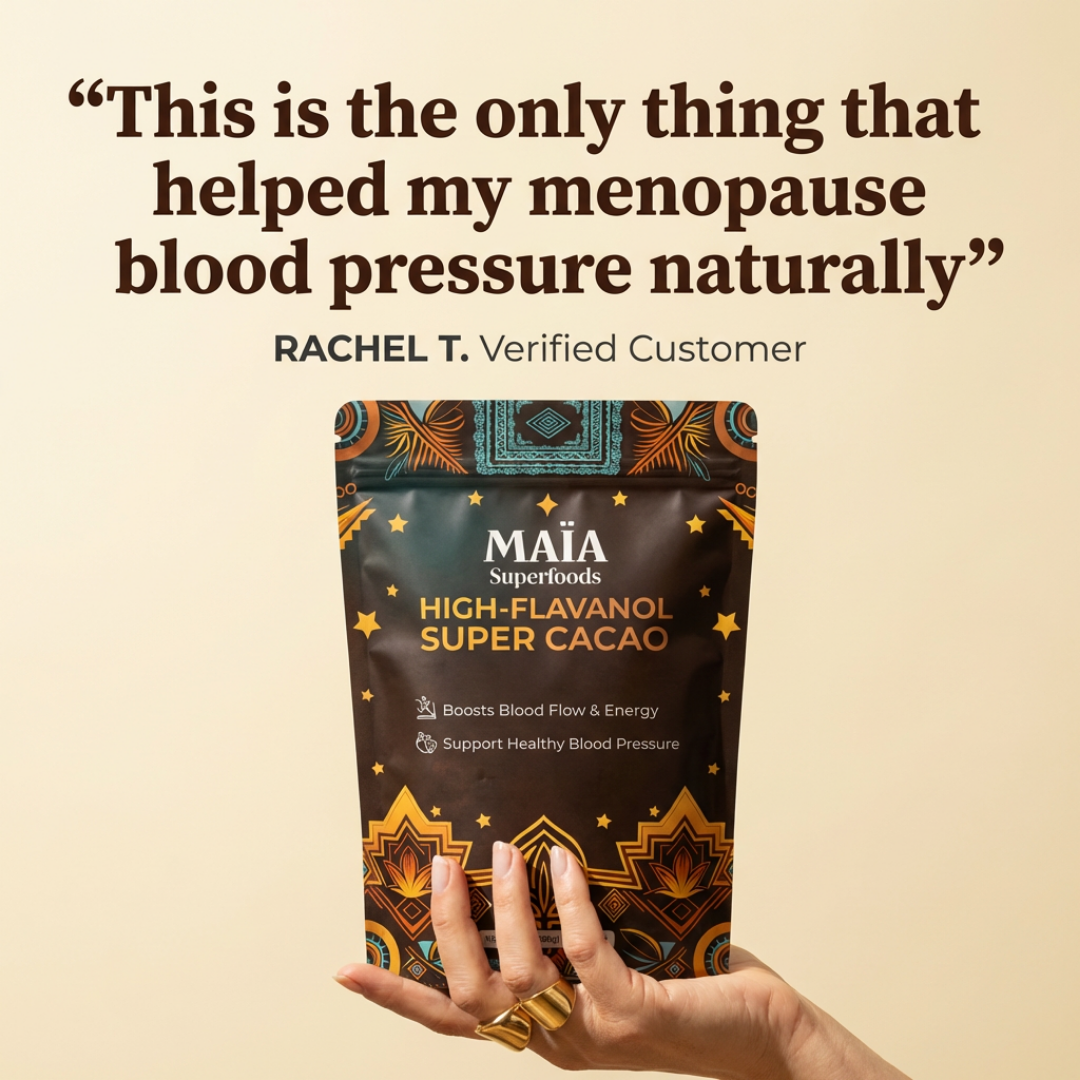
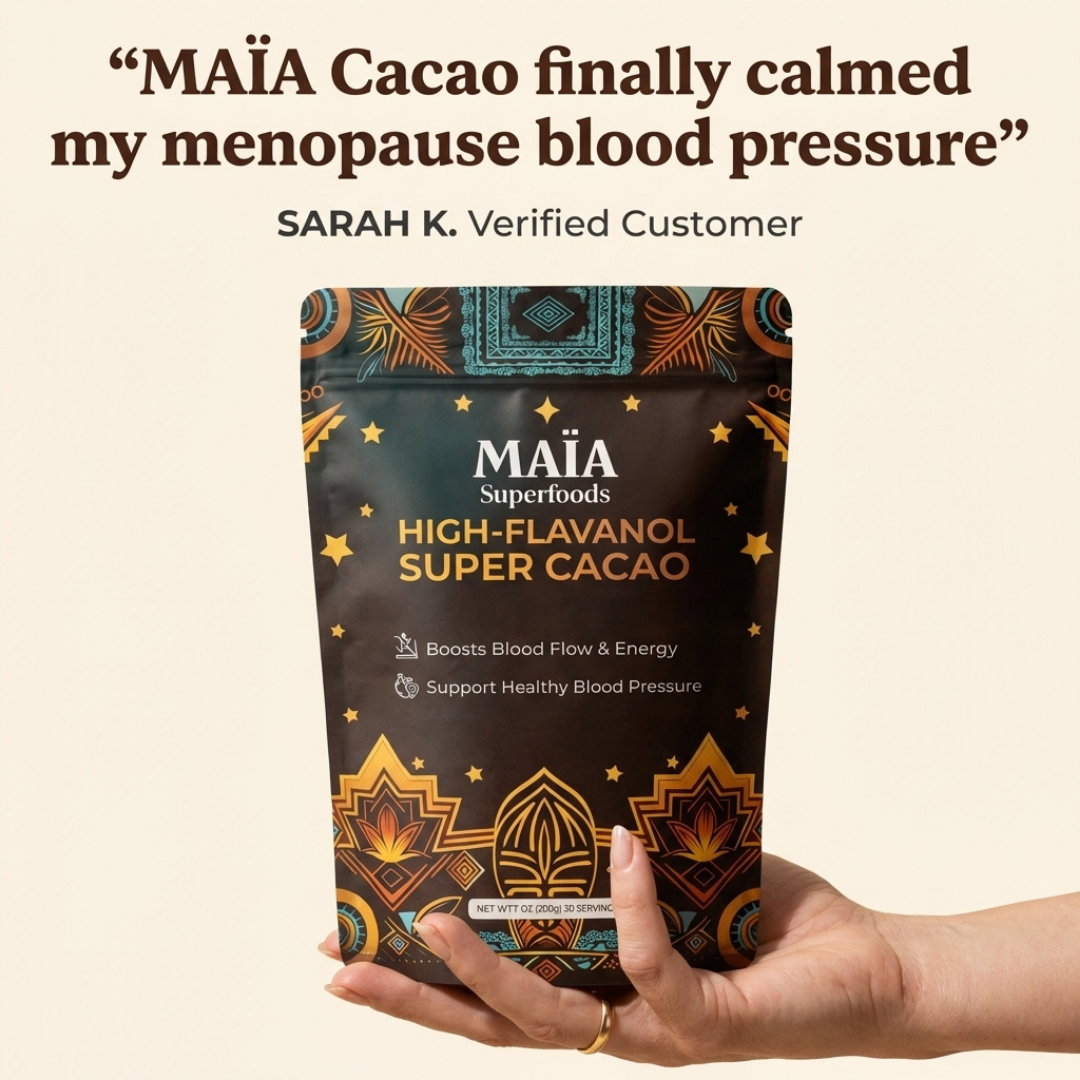
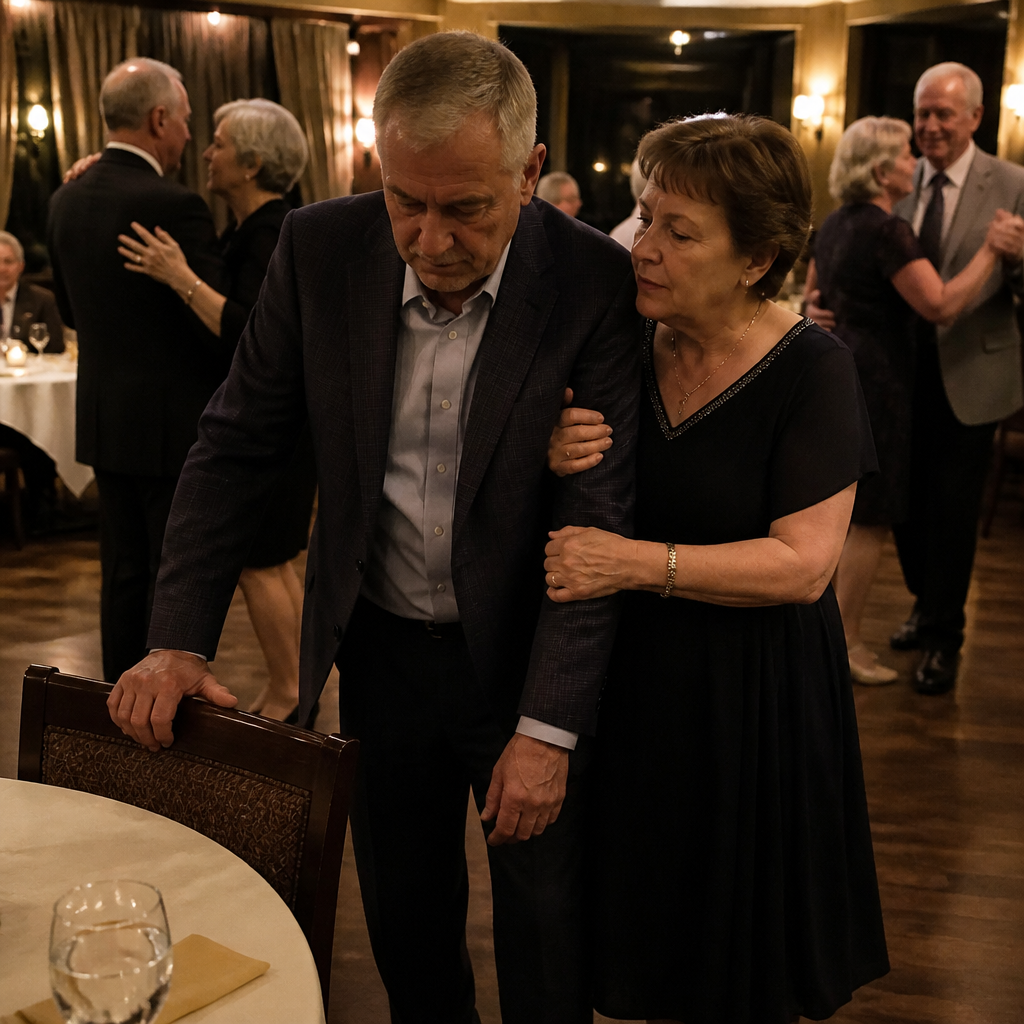
I helped my husband back to our table in the middle of "Unchained Melody" at our 35th wedding anniversary, while every other couple in the room kept dancing. Forty seconds. That's how long we lasted on the dance floor. We had walked out hand in hand to the song from our wedding. The same song that played at the reception 35 years ago. The song that had been "ours" through three pregnancies, two grandchildren, one cross-country move, and the longest, sweetest marriage I have ever known. I had been looking forward to that dance for months. Forty seconds in, I felt his hand grip mine harder. I looked up at him. His face was gray. Not pale. Gray. His lips were tight. His forehead was sweating. His eyes were glassy and unfocused. He squeezed my hand twice. That was our signal. I knew immediately. I tucked my arm under his elbow and walked him back to our table. We crossed the dance floor slowly, weaving between couples who didn't notice. Our daughter noticed. So did her husband. So did his brother and sister-in-law at the next table. I sat my husband down in his chair. I poured him water. I rubbed his back the way I had been rubbing it for almost three years. The song kept playing. I watched it end from the table. I'm 60 years old. My name is Joanne. I have been married to Bill since I was 25. And I want to tell you what I learned that night, sitting next to my husband while every other couple in the room danced to a song that used to belong to us. Bill's circulation had been failing for three years. He had tried everything. He cut salt out of his cooking completely. He started walking three miles every morning with our golden retriever. He took up fishing again because everyone said stress was the problem. His readings stayed high. So he started trying everything we could find. Beet juice. Garlic capsules. CoQ10. Magnesium. Hawthorn berry. Six different "blood pressure support" supplements from the health food store. A green powder he drank every morning that smelled like a lawn. None of it moved the numbers. And while the numbers stayed high, Bill started disappearing. The headaches behind his eyes that wouldn't go away. The dizziness when he stood up too fast. His hands and feet getting colder every winter. The ankles that swelled by 5pm every day. The tightness in his chest whenever he climbed the stairs. He'd come into the kitchen at 6am holding his head and say, "Joanne, I don't feel like myself." I'd say, "I know, honey. I know." But I didn't know what to do. He stopped going to the gym he'd belonged to for 22 years. He stopped golfing. He stopped offering to bring the groceries in from the car. One Sunday afternoon, he sat down on the bottom step of our staircase because he was too winded to make it to the top, and he looked at me with the saddest face I have ever seen and said, "I'm 64 years old. This isn't right." I just sat down next to him. I didn't have an answer. The anniversary dance was three weeks after that. That night, after we got home, I sat on the edge of the bed and watched Bill sleep, and I thought, I cannot watch this for another year. I went downstairs. I made coffee at midnight. I opened my laptop. And I started reading. I read until 5 in the morning. What I found cracked open three years of trying. Inside your blood vessels, there is a thin lining called the endothelium. It is one cell thick. It does one job above all others. It produces a molecule called nitric oxide. Nitric oxide is what tells your blood vessels to relax and open up. When nitric oxide is plentiful, your vessels stay flexible. Your blood flows easily. Your readings stay where they should be. Your hands stay warm. Your energy stays steady. When nitric oxide drops, your vessels stiffen. The same amount of blood pushing through tighter pipes creates higher pressure. That's what high readings actually are. Not too much blood. Pipes that have lost their ability to flex. And here's the part I had to read twice. After age 50, nitric oxide production drops by as much as 50 percent. By 60, it can be down 60 percent or more. Three things accelerate the drop. Decades of stress and processed food damage the endothelium. Chronic inflammation interferes with nitric oxide production at the cellular level. And almost nothing on the supplement aisle actually restores it. That was the part that gutted me. Bill had been trying for three years. Beet juice, garlic, hawthorn, magnesium. Some of those have a small short-term effect. Most of them don't reach the endothelium at all. What Bill needed was something that supported nitric oxide production directly. Something that fed the endothelium. Something that supported vascular flexibility at the cellular level. I kept reading. And I found the most studied natural compound for this exact problem. It isn't a fancy extract. It isn't a new supplement. It's cacao. The raw bean. Specifically, a class of plant compounds inside cacao called flavanols. Flavanols have been studied in dozens of clinical trials for their effect on the endothelium. They support nitric oxide production. They support healthy vascular flexibility. They support healthy circulation. They support healthy blood pressure levels already within the normal range. I almost laughed at my laptop. Cacao. The chocolate. I had been buying Bill dark chocolate squares for two years because someone told us they were good for circulation. Nothing had happened. So I kept reading. Here's what I learned. Almost every cacao product on the shelf has been destroyed before it reaches you. The raw cacao bean is one of the richest sources of flavanols on earth. But the processing kills them. Roasting at high temperatures destroys 40 to 60 percent of the flavanols. Dutching the cocoa with alkali, the standard process for making it darker and milder, destroys another 30 to 50 percent. Adding sugar, dairy, and emulsifiers dilutes what's left. By the time it reaches the grocery store shelf, somewhere between 60 and 90 percent of the active flavanols are gone. You're getting flavor. You're not getting function. The cacao that actually works has to be: Raw. Cold-processed. Never roasted. Never dutched. Made from a heirloom bean called Criollo. Dosed at clinical levels of flavanols. Third-party tested. I searched for two more hours. I found one small company that hit every single criterion. It's called MAÏA. They were the only ones I could find that disclosed the exact flavanol content right on the label. Cold-processed. Criollo beans. Third-party tested every batch. No sugar. No dairy. No fillers. Just cacao, the way it has been made for five thousand years. I ordered it that morning at 5:17am, still in my robe, before Bill woke up. It arrived four days later. He drank a cup every morning with hot water and a splash of oat milk. The first week, nothing dramatic. He said it tasted "like real chocolate. The way chocolate is supposed to taste." By week three, his hands started feeling warm in the morning for the first time in two winters. His ankles stopped swelling at 5pm. The headaches behind his eyes faded. By week six, he walked up the stairs at our house without stopping at the landing. He hadn't done that in fourteen months. By week eight, he asked me if we could go for a walk after dinner. We walked for forty minutes. He held my hand the whole way. By month three, he was back at the gym. By month four, he was back on the golf course. Last weekend, we threw a small dinner party at the house for our daughter's birthday. I put on music after the cake. Bill stood up from the couch, walked across the living room, and held out his hand to me. We danced in the living room to a song neither of us could remember the name of. Our daughter watched from the kitchen doorway with her hand over her mouth. I cried into Bill's shoulder. He whispered, "We're going to dance at our 40th, Joanne. Just so you know." I want to say something to you. If you are a wife reading this, and you've been watching your husband disappear. If you've been walking him back to the table while everyone else dances. If you've stopped suggesting places because you know he can't. If you've been carrying the groceries while he sits in the car. If you've watched him sit down on the bottom step because he can't make it up. You are not crazy. He is not just getting old. His vessels are losing their flexibility. His endothelium needs support. His nitric oxide is dropping. And the things he has tried so far have not been able to reach the place where the problem actually lives. MAÏA offers a 30-day money-back guarantee. That is the only reason I had the nerve to order it. If it doesn't work for you, they refund every dollar. I'll be honest. They're a small company. They sell out. The last time I reordered, they were on backorder for over a week, and I had a real moment of panic. So if you click below and they're out, I'm sorry. Try again next week. But if they have it. Please. Order it. Don't sit through another song. Don't watch another couple dance to one that used to belong to you. Don't wait until your 40th to wonder if he'll make it that far. You can give him his life back. I gave Bill his. The link is below. https://shop.trymaia.co/shocking-discovery-bp
The #1 Cacao for Heart Health
LEARN MORELike this ad? Make it yours.
Crush rebuilds this exact creative around your product — your brand, your colors, your offer — in about a minute.