Dr. Emily Parker, DVM
Dr. Emily Parker, DVM Facebook ad: “Read If You Have A Cat”
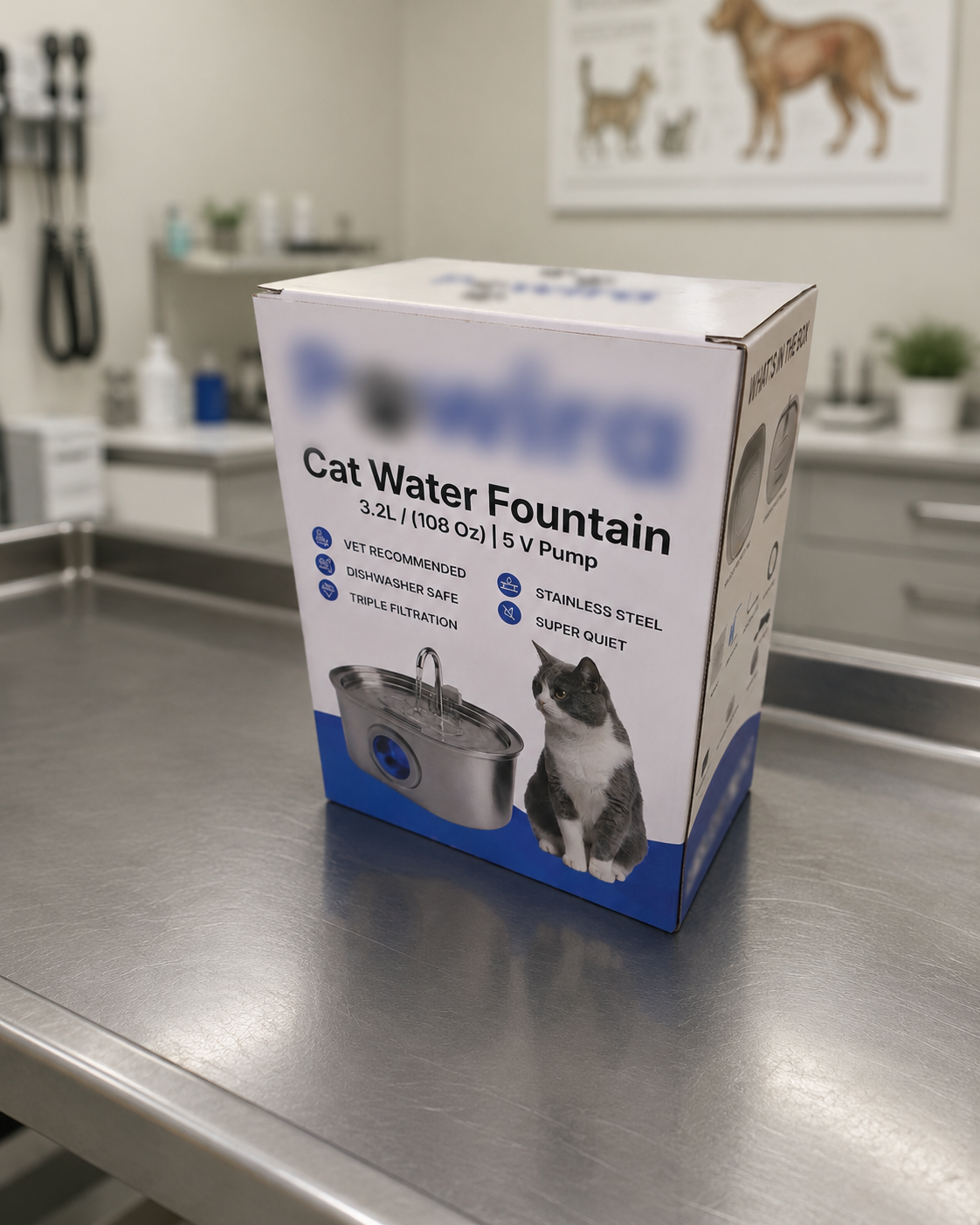
Ran for 6 days, from June 15 to June 21, 2026, the last day Crush saw it.
Run by Dr. Emily Parker, DVM on Facebook. Crush is not the advertiser and does not verify its claims. See this ad in Meta's Ad Library(opens in a new tab)
Want an ad like this for your product?
Crush makes new ad images for your product from this ad: your logo, your product photo, your offer.
Trials from $19.95 USD, then $79.95 USD a month. Cancel anytime.
About this ad
- Meta Ad Library ID
- 26900567916232513
- Platforms
- Facebook, Instagram, Messenger and Threads
- Relaunches
- 4
- Niche
- Pets
Ad text
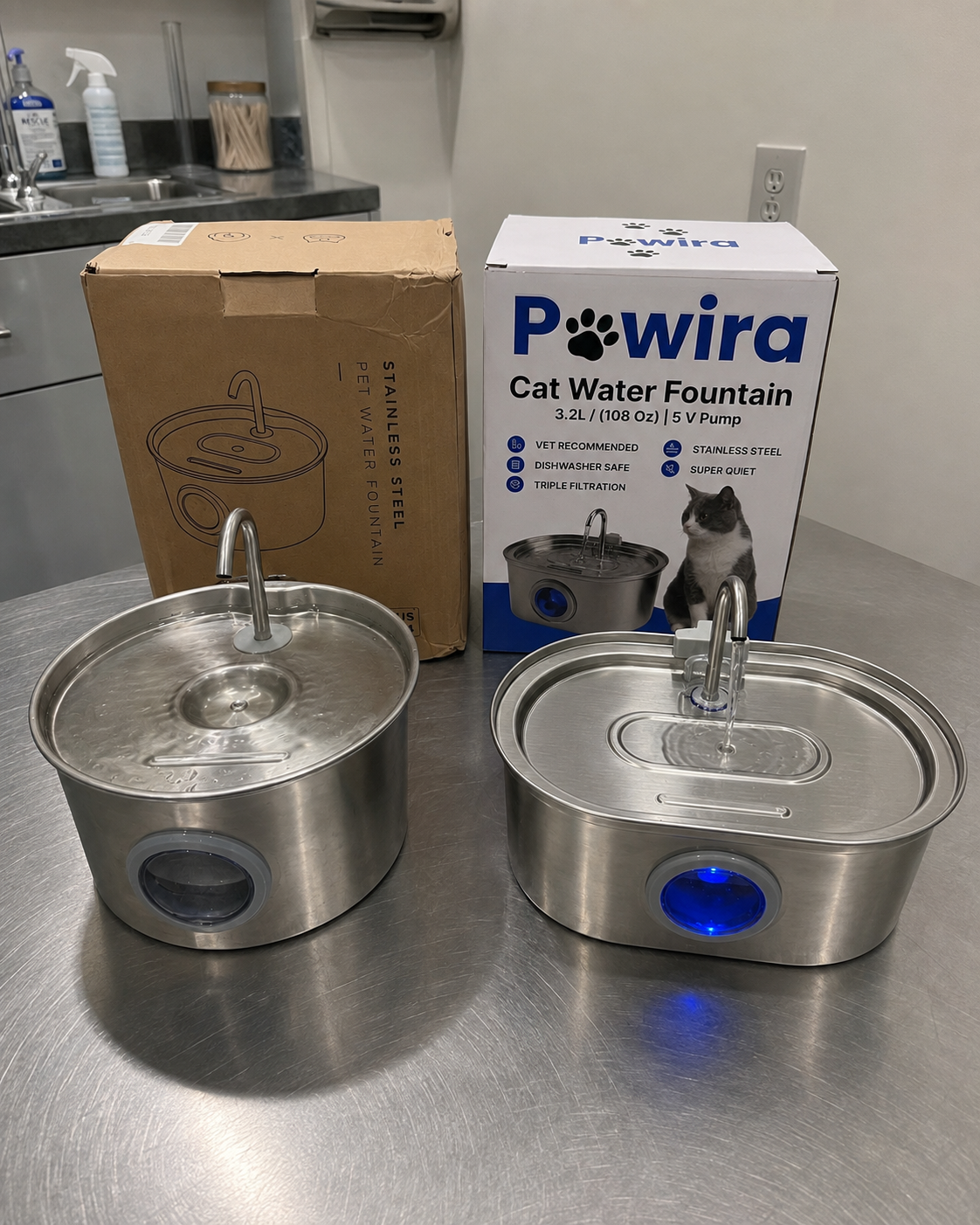
I want every cat owner to hear this. Because what I'm about to say could change how long your cat lives. Kidney disease is the number one killer of cats in my practice. One in three will develop it. By age 10, nearly 40%. By age 15, closer to 80%. For most of my career I accepted that. Cats are prone to kidney disease. It's genetic. It comes with age. That's just how they're built. I don't believe that anymore. I'm Dr. Emily Parker. I've been practicing veterinary medicine for 12 years. And after watching hundreds of cats decline from kidney disease while their owners did everything I told them, I finally asked the question I should have asked a decade earlier. Why do so many cats get this disease? Not how to manage it. Not how to slow it down. Why it happens in the first place. Because if one in three cats gets kidney disease, that's not bad luck. That's a pattern. And patterns have causes. I spent months going through my own patient records. Every cat I'd treated for kidney disease in the previous five years. I looked at breed, diet, age, indoor vs outdoor, male vs female. Nothing consistent. The disease hit across the board. Then I started asking every owner a question I'd never thought to ask before. "What water does your cat drink?" The answer was almost always the same. Tap water. And that's when everything started making sense. Your tap water is treated to meet EPA standards for human consumption. Chlorine. Chloramine. Fluoride. Lead and mercury from aging city pipes. Pharmaceutical residue. Agricultural chemicals. Even if your home plumbing is brand new, the city pipes it connects to were installed decades ago and have never been cleaned from the inside. Whether that's safe for humans is its own conversation. I personally don't drink it and wouldn't recommend it to anyone I care about. But here's what matters for your cat. Your cat weighs 10 pounds. Her kidneys are the size of grapes. About 20 grams combined. Yours are about 300. She's processing the same water at roughly fifteen times the concentration relative to her body weight. Chlorine corrodes kidney tissue at that concentration. Not overnight. Over years. Day after day, it degrades the renal tubule lining. The structures that do the actual filtering. Lead accumulates in small organs faster than in large ones. Pharmaceutical residue was never tested for safety on a 10-pound animal. This is happening silently. Cats are hardwired to hide pain and illness. In the wild, a sick cat is a target. So they mask everything until their body physically can't anymore. They sleep a little more. Groom a little less. Slow down in ways so subtle you think it's just aging. By the time symptoms show up, 75% of kidney function is already gone. So you have a cat drinking contaminated water at fifteen times the concentration her body can handle. Damage accumulating invisibly for years. And a biology that hides it from you until it's too late. That's not "prone to kidney disease." That's a predictable outcome from a daily exposure nobody warned you about. And there's a second layer. Your cat can sense what's in the water. Cats have about 200 million scent receptors. A human has about 5 million. When she approaches her bowl, she's detecting chlorine, metals, pharmaceutical traces at concentrations you'll never notice. Her instincts tell her the water isn't safe. So she doesn't drink. A few reluctant sips when she's desperate. That's it. The bowl sits there full and you assume she's fine. She's not fine. She's chronically dehydrating on top of the contamination she does consume. Concentrated urine. Mineral buildup. Crystal formation. More kidney damage. And if you bought a fountain thinking that would fix it, there's a third layer. Every fountain I've seen made from plastic, ceramic, or standard 304 stainless steel grows bacterial biofilm within hours. It starts with the cat's saliva. Enzymes break down into sugars. Sugars feed bacteria. Colonies form on the material and embed in microscopic scratches and pores. Scrubbing doesn't remove it. It pushes bacteria deeper and creates new scratches. The fountain gets more contaminated with every wash. Your cat uses it for two or three days while the water is fresh. Then her nose catches the biofilm. She walks away. You think she's picky or scared of it. She's detecting contamination you can't see. I hear it all the time. Owners telling me they've tried two or three fountains and their cat won't use any of them. They keep buying new ones thinking the next one will be different. It's never different because the materials are the same. So the cat dehydrates next to a fountain her owner thinks is working. The owner stops worrying because the fountain is running. And the kidneys keep deteriorating in silence. After years of seeing this pattern repeat itself, I stopped accepting that kidney disease is just something cats get. It's something we're causing. With the water. With the materials. With the assumption that filling a bowl from the tap is good enough. A colleague at a conference mentioned Pawira. I tested it on my own cat first, then started recommending it to patients. 316 medical-grade stainless steel with an antibacterial coating. Not the 304 every other fountain uses. 304 is porous, prone to corrosion, bacteria grips the surface and accumulates over time. 316 is what hospitals use in surgical implants. Non-porous. Bacteria can't embed in the surface. UV sterilization built into the pump. Kills bacteria continuously before colonies can form. The only consumer fountain with UV built in. Medical-grade triple filtration. Removes chlorine, heavy metals, pharmaceutical residue at the molecular level. The contaminants your cat is detecting in the tap water. Gone before the water reaches her. Continuous circulation. Water never stops moving. Biofilm needs stillness. And cats instinctively trust flowing water over still water. Nearly silent. Every cat I've recommended it to has eventually started drinking from it consistently. Kidney values stabilized or improved in the majority at their three-month recheck. These are cats who rejected every other fountain and barely touched their bowls. I used to tell owners "cats are prone to kidney disease." I don't say that anymore. I say "your cat's kidneys are being damaged by water you didn't know was harmful, and she's dehydrating because her nose won't let her drink it." One is a death sentence. The other is fixable. If your cat is over 7 and drinks tap water, her kidneys have been processing contaminants at fifteen times the concentration your body handles. If she barely touches her bowl or rejected a fountain after a few days, her nose is telling her something you can't detect. This is preventable. That's the part that keeps me up at night. One in three cats gets kidney disease and most of them didn't have to. Pawira. 316 medical-grade steel with antibacterial coating. UV sterilization. Medical-grade triple filtration. Continuous circulation. Nearly silent. Order from pawira.com only. There are counterfeits on Amazon using their name. They don't sell there or anywhere else. 30-day guarantee. Cat doesn't drink more, full refund. Lifetime warranty. Your cat is not destined for kidney disease. She's drinking water that's slowly causing it. Change the water and you change the outcome. That's not a theory. I've seen it happen in my practice over and over again. And you'll notice the difference almost instantly. When a cat finally has water her nose accepts, she drinks. Really drinks. You'll hear it from the other room.
Where the ad sends people
pawira.com
Read If You Have A Cat👆
One in three cats develops kidney disease. After 12 years in practice, I finally understand why it doesn't have to be that way.
Learn more: pawira.com(opens in a new tab)