Dr. Elliot Johnson
Dr. Elliot Johnson Facebook ad: “Neurologist Ignored His Own Feet Pain Until Almost Losing It”
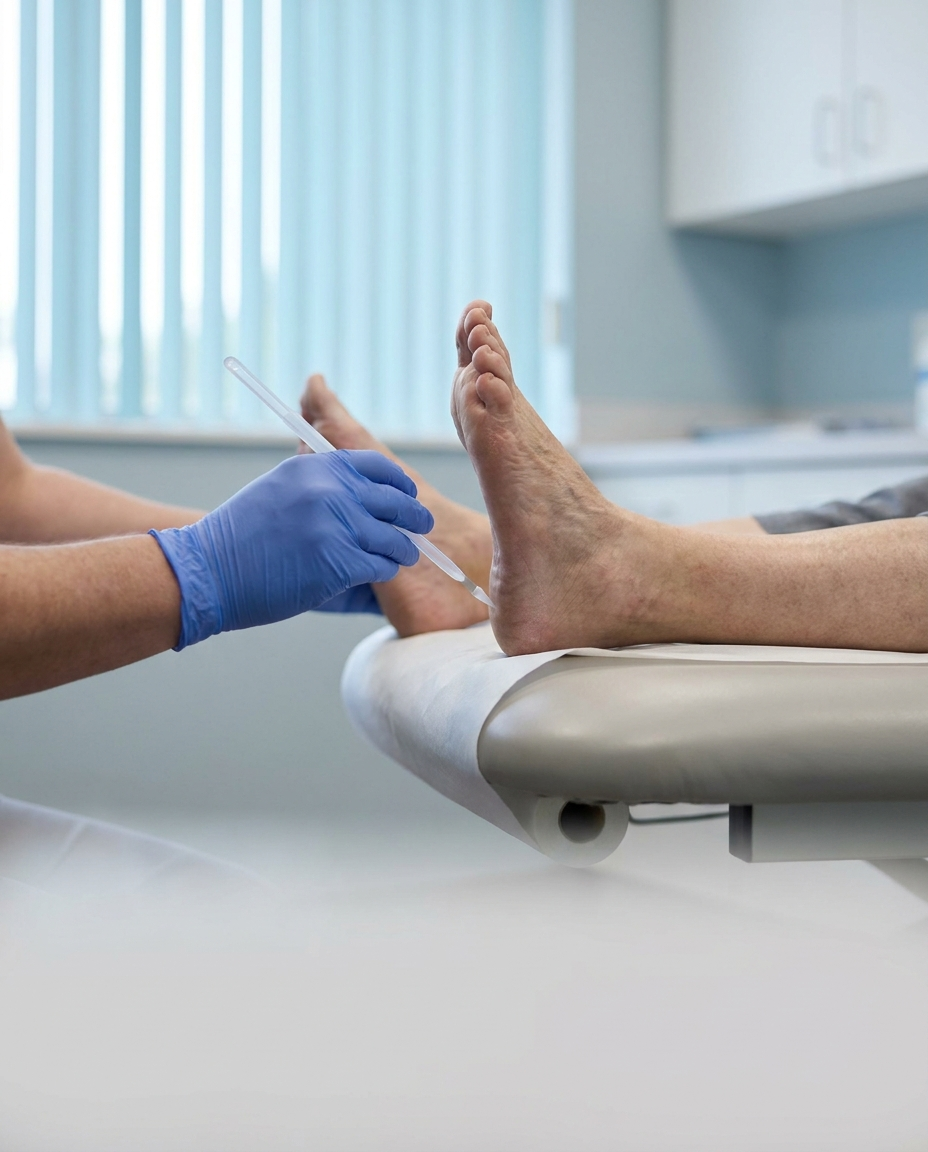
Ran for 7 days, from August 19 to August 26, 2026, the last day Crush saw it.
Run by Dr. Elliot Johnson on Facebook. Crush is not the advertiser and does not verify its claims. See this ad in Meta's Ad Library(opens in a new tab)
Want an ad like this for your product?
Crush makes new ad images for your product from this ad: your logo, your product photo, your offer.
Trials from $19.95 USD, then $79.95 USD a month. Cancel anytime.
About this ad
- Meta Ad Library ID
- 26908241512184862
- Platforms
- Facebook, Instagram, Audience Network and Messenger
- Relaunches
- 0
Ad text
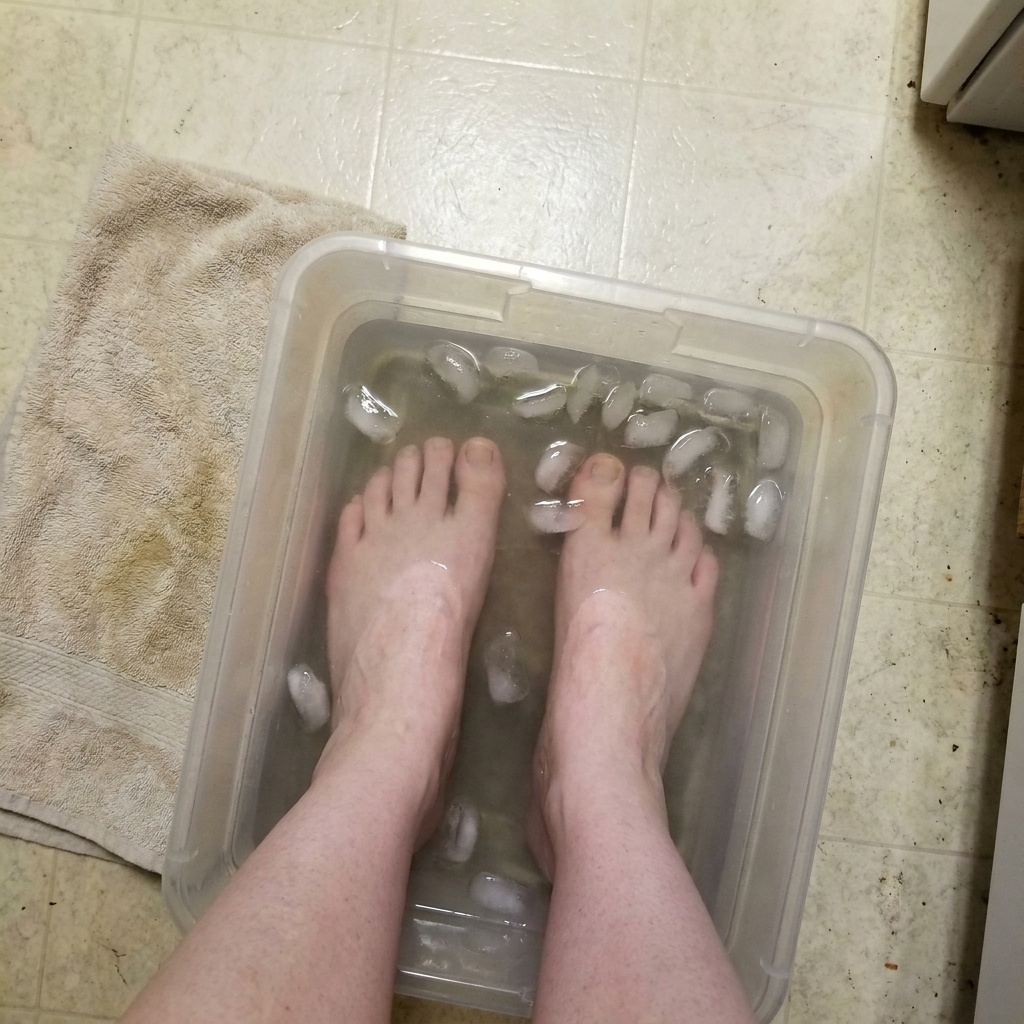
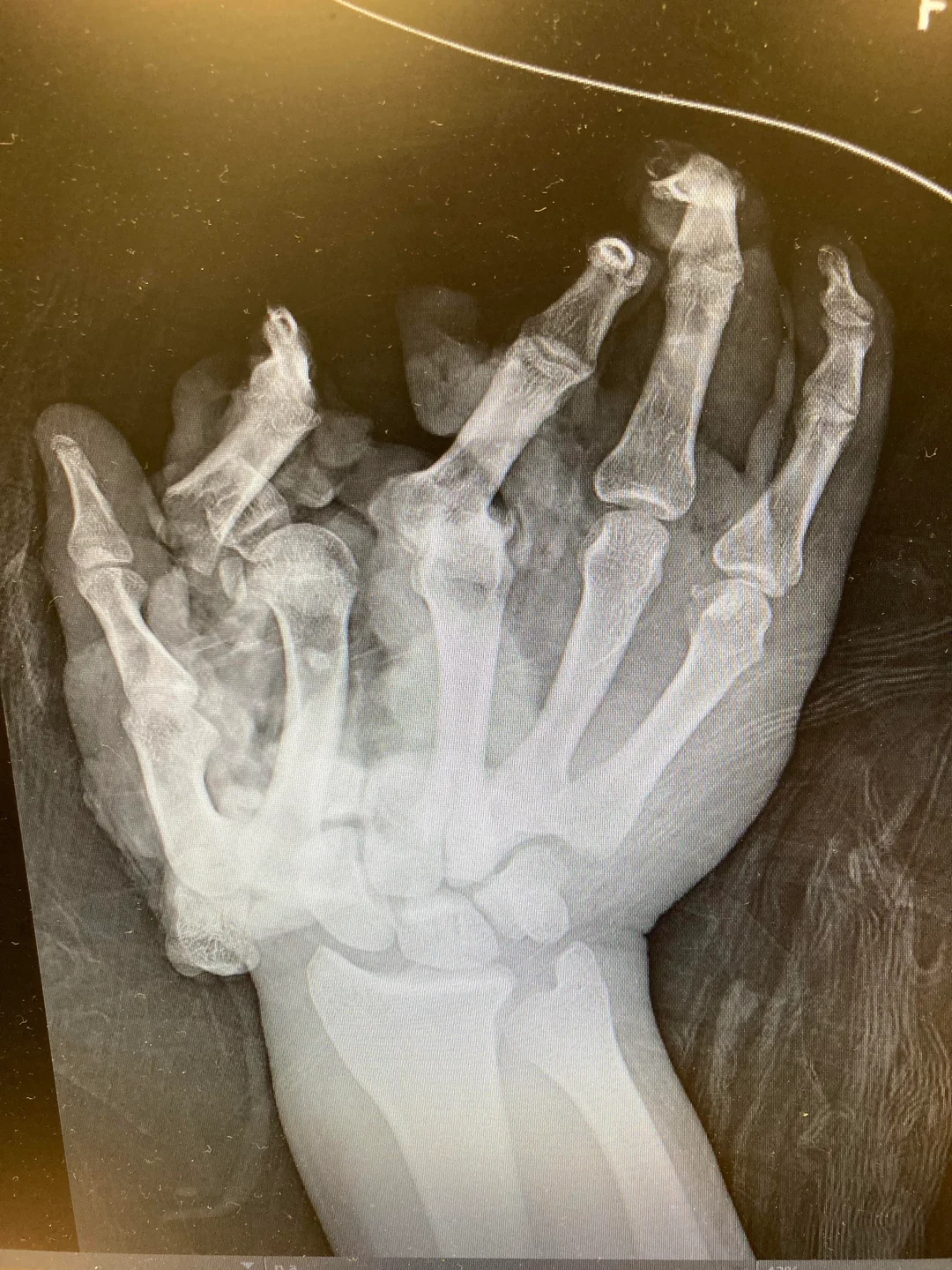
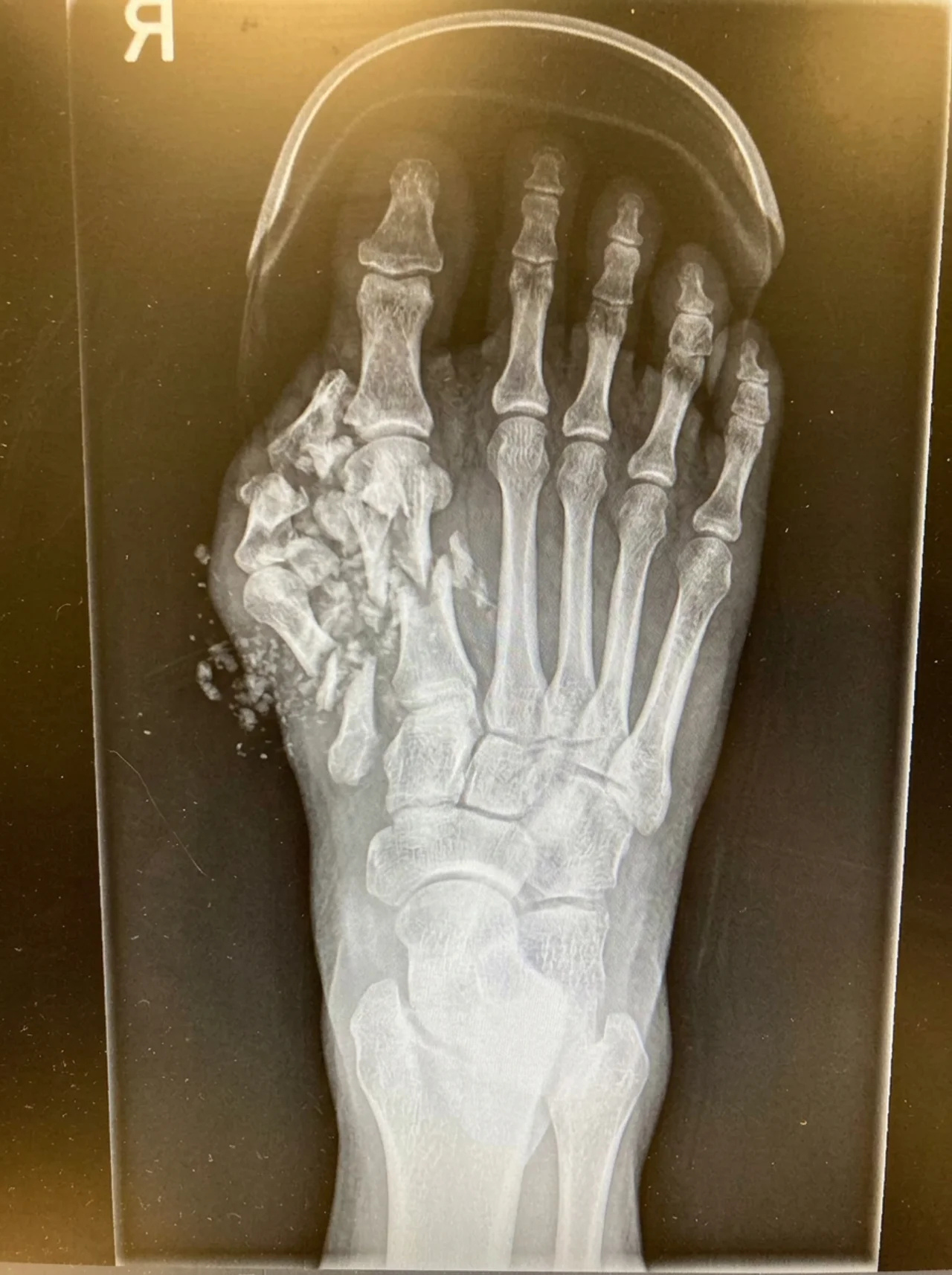
I've seen too many nerve conduction studies from 60+ year old diabetics with worsening foot pain to not share this with you. If you're a diabetic dealing with burning, tingling, or numbness in your feet right now — especially if the bottoms of your feet have started going numb while your skin still burns to the touch — I need to tell you something your doctor isn't seeing. (And something they would never say out loud.) I've read 3,800+ nerve conduction studies and diabetic vascular workups in 20 years as a neurologist. And when a diabetic walks into a clinic complaining of burning feet, I already know what their small-fiber testing will show 5-8 years before they lose feeling entirely, develop an ulcer that won't heal, or end up staring at an amputation consult. Sugar-coated capillaries. Glycated nerve sheaths. Nerve fibers suffocating because the tiny blood supply that keeps them alive has been choked off. The same sugar damage causing that burning in your feet is silently starving the nerves in your legs, your hands, and slowly stealing every sensation you have left. I'm Dr. Elliot Johnson. I'm a neurologist with two decades specializing in peripheral neuropathy. And when my own feet started burning at 58 — alongside a creeping A1C and a numbness in my soles I was too proud to mention even to my own physician — I knew something the pain clinics never tell their diabetic patients. Your neuropathy isn't a foot problem. It's a circulation emergency happening at the smallest level of your body. I've been reading nerve studies and diabetic tissue scans for 20 years. I've seen thousands of diabetics with burning feet. Thousands who got prescribed Gabapentin or Lyrica and thought their problem was handled. And I've seen the follow-up testing that pain clinics never order. Because the pain clinic sees you once. Writes a prescription. Sends you home foggy. They don't see you 5-8 years later when you can't feel a pebble in your shoe until it's become a wound. Or in a wound-care center with an ulcer that won't close. Or in a surgeon's office getting evaluated for an amputation because the same sugar that killed the feeling in your feet finally killed the circulation keeping them alive. But I do. Because I see what happens to the diabetics who masked their nerve warning with a pill. The 66-year-old Type 2 diabetic who took Gabapentin for 6 years. A1C drifting from 6.9 to 8.1. Masked her burning perfectly. Then stepped on a tack she never felt. The wound wouldn't heal. Six months later, two toes gone. Her body tried to warn her for 6 years. She chemically silenced it. The 61-year-old pre-diabetic. "Just a little tingling, Doc. Nothing serious." Started on Lyrica. Then a higher dose. Then it stopped touching the pain entirely. Came to me gripping the wall to walk. Small-fiber density severely reduced. By then the numbness had climbed to mid-calf and she'd stopped feeling the floor completely. Her burning feet were the 6-year early warning system she ignored. I see them in follow-up. They don't complain. They're grateful the pills "took the edge off." But I know what they lost. They had years to restore the blood supply. Years to feed the fibers before they died. Years to give their nerves a chance to recover before the damage went permanent. Their burning feet were screaming the warning. Pills just turned down the volume. My testing showed a different story than my symptoms. Burning getting worse at night. Numbness creeping across the soles. I'd be standing in the shower and could see the water hitting my feet but couldn't quite feel it the way I used to. That was the symptom that scared me most. Not the burning. The numbness underneath it. The shift. From my wife asking me to walk with her — to watching me wince and stopping herself. My colleague looked at my symptoms and said what he says to every diabetic patient. "Standard protocol. Start with Gabapentin, 300mg at night. Titrate up as needed. Should take the edge off." I know it would work. That's not the point. I'm a neurologist. I immediately ordered my own A1C, small-fiber sensory testing, nerve conduction studies, and a peripheral circulation workup. Because I know what diabetic neuropathy actually means. A1C of 7.2. Reduced nerve conduction velocity. Small-fiber density dropping. Poor microcirculation to the feet. And — what I was hiding from myself — measurable loss of sensation on quantitative testing, worse than I'd admitted. My neuropathy wasn't a foot problem. It was my nervous system starving in parallel with my circulation failing. And Gabapentin would have masked the only early warning sign I had. Here's what pain clinics don't tell diabetics because they don't watch nerve and circulation testing over time. The capillaries feeding your foot nerves are a fraction of a millimeter wide. The small nerve fibers carrying sensation from your soles are some of the finest in the body — barely a fraction of a millimeter across. When elevated blood sugar starts damaging your system, the smallest vessels and the smallest nerve fibers show symptoms first. Burning, tingling, and numbness in the feet appear years before the circulation damage reaches anything you can see. You're not "just getting older" or "diabetic, and that's that." Your blood sugar is sticking to the proteins inside your capillary walls and nerve sheaths — a process called glycation. The tiny vessels stiffen. Narrow. The blood supply to the nerve fades. And the nerve fibers downstream — the ones that need a constant microscopic blood supply to stay alive — start suffocating. Fiber by fiber. Some misfire, and you feel burning and electric shocks. Others go silent, and you feel nothing at all. And the exact same process starving the nerves in your feet is progressing up your legs right now. Diabetics have up to a 50% chance of developing peripheral neuropathy. And loss of protective sensation in the feet is the single biggest predictor of the diabetic foot wounds and amputations that nobody says out loud. Your burning feet aren't just misery. They're life-saving. They're your early warning system. And nerve pills silence that alarm while your sugar keeps starving your fibers. But pain clinics don't restore circulation. They don't regrow nerve fibers. They don't connect your neuropathy to what's coming for your feet. So they write the prescription and send you home. My next step was clear. Not more pills. Not a wound-care center. Not an amputation consult. Not yet. But I knew where this was heading. I tried what diabetic patients try. Tighter blood sugar. Cut the carbs harder. Walked when I could. Helped marginally — A1C dropped to 7.0 — but the burning and numbness persisted. Supplements. Alpha-lipoic acid. B vitamins. Didn't move the needle on either symptom. My sensory testing was unchanged. My nerve conduction was still poor. My circulation to the feet was still starved. Nothing was addressing the dual damage — the starved blood supply and the dying nerve fibers downstream — at the same time. But I kept thinking about something that made no sense. Microcirculation CAN improve. Small nerve fibers CAN regenerate in the early stages when the blood supply is restored. Nerve Growth Factor CAN be stimulated to repair damaged endings. The research proves it. So why wasn't mine improving? October 8th. 11:40 PM. I was reviewing neurology journals after a late shift. Couldn't sleep — the burning never let me. My feet were on fire and numb at the same time, which only another neuropathy patient will understand. I was scrolling through research on nerve regeneration and microvascular repair in diabetic tissue. Not looking for anything specific. Just desperate. I found study after study on photobiomodulation — red and near-infrared light — and its effect on sugar-starved nerve tissue. Specific wavelengths of light — 660nm red and 850nm near-infrared — do something to diabetic-damaged tissue that no pill does. They do two things at once. They open the circulation today. The light penetrates the tissue and drives the body's own nitric oxide — widening the tiny vessels that diabetes has been slowly narrowing for years. Blood begins reaching foot tissue that has been starved for a decade. They help repair the nerve over time. The same wavelengths stimulate Nerve Growth Factor — the body's own signal to rebuild nerve endings — while calming the inflammation that sugar grinds into the tissue day after day. The fibers that haven't yet died get fed, and the body starts doing what it was designed to do. Heal. Open. Repair. Two sides of the same mechanism. Two wavelengths. One device you wear. And here's the part that stopped me cold. When the circulation opens and NGF starts firing, the small nerve fibers downstream finally get the blood, oxygen, and repair signal they've been starved of. The fibers that haven't yet died begin to recover. The sensation that has been fading for years starts to come back — and the burning that comes from misfiring, dying nerves starts to quiet. Not forced. Not chemical. Naturally — because the wiring is finally getting fed and rebuilt again. "Near-infrared photobiomodulation improved microcirculation, stimulated nerve growth factor, and was associated with measurable improvement in sensory function and reduced neuropathic pain in diabetic subjects over 8 to 12 weeks." Not masked. The circulation actually opening. The nerve fibers actually regenerating. The sensation actually coming back. I sat there at 11:40 PM staring at the mechanism. Gabapentin dampens the pain signal for a few hours by quieting your overactive nerves. Then it wears off. Your glycation continues. Your numbness gets worse. Your circulation doesn't improve. Your nerve fibers don't regenerate. You're chemically fogged for a few hours while the underlying damage keeps progressing. Red light therapy opens the circulation and stimulates nerve repair — and because nerves need blood flow to survive, gives the small fibers a chance to come back. The damage slows. The circulation opens. The nerves get fed. NGF fires. The signal comes back. I've been a neurologist for 20 years. I've studied nerve and metabolic disease my entire career. And I'd never connected wearable red light therapy to diabetic neuropathy through this dual-action circulation-and-repair pathway. Because pain clinics don't study nerve regeneration. Endocrinologists don't treat feet. And the clinical red light machines cost thousands and hide behind appointment waitlists. At 12:06 AM, I looked for a device using the exact clinical wavelengths the published research uses — 660nm red and 850nm near-infrared — in a wearable form I could use at home. The one built around the clinical standard was Nouvera Neurosoothe. I didn't expect miracles. But the mechanism was sound. I started October 9th. 30 minutes every evening, wrapped around my feet while I read. October 14th — 5 days in. For the first time in months, I slept through until morning without the 2 AM burning waking me. I didn't trust it. I figured it was a fluke. October 17th — 8 days in. I was in the shower and I noticed I could feel the water on the soles of my feet again. Not differently. Properly. Like a switch had flipped back on a sensation I hadn't realized I'd been missing for two years. October 23rd — 14 days in. The night burning that had run my life for a year had dropped to a flicker. I lay in bed testing my feet against the sheets, waiting for the fire. It didn't come. November 3rd — 25 days in. I walked the full length of the neighborhood without gripping anything, without wincing. We hadn't taken an evening walk together in 8 months. But what got me wasn't the walking. It was that I could feel the pavement under my feet again. I could feel everything. My wife slowed down and looked at me. "Elliot. What's different?" I hadn't told her I was doing anything. I wanted to see if the testing would show results before I said a word. "Different approach," I said. "Whatever you're doing, keep doing it." November 18th — 40 days in. Night burning essentially gone. Sleeping through. Sensation in my soles back to what I remembered from years ago. Standing at the sink without holding on. I felt ten years younger from the ankles down. But more importantly, I wanted proof this was real. December 4th — 8 weeks in. Follow-up A1C, small-fiber sensory testing, nerve conduction studies, and circulation assessment. I waited for the results. When they came in, I stared at the screen for a full minute. A1C: 6.8, down from 7.2. Nerve conduction velocity: improved. Microcirculation to the feet: measurably increased. Quantitative sensory testing: measurably improved sensation across both soles. I pulled up the comparison. Spring testing versus December testing. The nerve function had visibly improved. My burning was resolving because the misfiring, starved fibers were finally getting fed. My numbness was resolving because the small nerve fibers were getting blood, oxygen, and the repair signal again. Not masked. Recovering. I printed everything. Walked down to my colleague's office. Dr. Bennett looked at the testing. Looked at the labs. Looked at me. Looked back at the numbers. "Elliot, what did you do? Your nerve conduction and your sensory scores both moved. That doesn't happen with neuropathy." I explained the dual mechanism. The near-infrared opening the circulation. The light stimulating NGF and calming the inflammation. The blood supply finally reaching the small nerve fibers that had been starving for years. He studied the numbers for another minute. "Your circulation improved. Your sensation came back. And… you said the night burning resolved? And the numbness?" "Completely." He was quiet for a moment. "I need to start asking my diabetic patients whether they're feeling their feet. And what they're doing about it besides pills." I cancelled nothing. Because I wasn't avoiding anything anymore. But I started telling diabetic patients something the pain clinics don't. I'm not telling you this because I'm against Gabapentin or Lyrica. Or against managing your blood sugar. These medications dull the pain. They get people through the night. They work exactly as designed. But they don't restore your circulation. They don't regrow your nerve fibers. They don't undo the glycation. They don't help your nerves recover. They don't lower your risk of a foot wound in any meaningful way once the sensation is gone. They temporarily quiet the symptom while the sugar damage progresses. And I see what happens 5-8 years later when those diabetics become wound-care patients, or amputation patients. Your neuropathy isn't failing you. It's warning you. The same sugar starving the nerves that gave you burning and numbness is building damage in your feet right now. And you have two choices. Mask the warning with a pill while the sugar keeps starving your nerves. Or address the circulation damage directly and give your nerves a chance to recover. I think about what I almost did. Not just accepting diabetic neuropathy. That's not the point. I almost masked a circulation warning with a prescription. I almost silenced my body's early warning system because I was too proud to admit how bad it had gotten. I almost became the patient I see in the wound-care center 5-8 years later, wishing someone had told them their burning and their numbness meant something bigger. Because once you lose protective sensation, you don't feel the injury that starts the wound. Once the wound won't heal, the countdown starts. Once a small-fiber nerve dies, it doesn't always come back. Once you lose part of a foot, you don't get it back. You don't get a second warning. Your neuropathy is your first warning. Your only warning you can still act on. I'm sharing this because if you're a diabetic taking Gabapentin or Lyrica for burning feet — and especially if you've noticed your feet have gone numb or lost feeling — you deserve to know what I know. Not from a textbook. From nerve studies, A1C panels, and sensory testing I order every single day. Your diabetic neuropathy isn't the problem. It's the symptom. Your foot capillaries are narrowed and starved. The nerves aren't getting the blood supply they need to stay alive. Your small nerve fibers are dying for the circulation that feeds them. The sugar damage is progressing. And every month you mask it with a pill is another month the damage advances toward a wound you won't feel until it's too late. The foot nerves fail first because they're the smallest and the farthest from your heart. Everything else has more reserve. Your feet show it first. By then, you're not looking at burning and tingling. You're looking at wound care. Non-healing ulcers. Amputation consults. Lifelong dependence. Or worse. Eight weeks. That's how long it took for the night burning to fade and the feeling in my soles to come back. Eight weeks of letting my circulation and my nerves do what they were designed to do. Recover. I'm not saying don't take pills. I'm saying understand what you're masking. Your diabetic neuropathy is your check engine light. Nerve pills are electrical tape over the warning indicator. The engine is still failing. You just can't feel the light anymore. But I see it every day on nerve studies and circulation panels. Diabetics who masked their burning for years. Then came to me with dead sensation, non-healing wounds, and irreversible nerve loss. Every single one says the same thing. "I wish someone had told me the burning and the numbness were a warning — not just something to live with." I'm telling you now. Your diabetic neuropathy is connected to the circulation in your feet, the survival of your nerves, and everything that follows. The same sugar damage causing all of it. Address the tissue directly — open the circulation, stimulate the nerve repair, let the fibers get their blood supply back — and you potentially support the whole system at once. Or mask the symptom, and risk everything. I'm a neurologist. I understand nerve disease at the fiber level. I read diabetic nerve workups every day. And I chose to open my circulation and start repairing my nerves before the damage cost me the feeling in my feet for good. That's all I'm asking you to consider. Give your circulation and your nerves a chance to recover before you accept lifelong pills, or risk a wound you'll never feel coming. Because once protective sensation is gone, once a wound won't heal, once a small-fiber nerve dies, it doesn't always come back. Your diabetic neuropathy — and the numbness underneath it — is giving you years of advance warning. Use them. Eight weeks. That's all it took to feel the water on my feet again and walk the neighborhood without holding the wall. Eight weeks of repairing the cause instead of masking the symptom. — Dr. Elliot Johnson, MD Neurologist & Peripheral Neuropathy Specialist, 20 years Board Certified in Neurology P.S. The device I used is called Nouvera Neurosoothe. A wearable red light therapy wrap using the exact clinical wavelengths the published research is built on — 660nm red to open circulation at the surface, and 850nm near-infrared to penetrate deeper and stimulate Nerve Growth Factor and nerve regeneration. Built around a single principle: open the circulation that diabetes has been silently choking, and stimulate the nerves to repair. The feeling comes back on its own once the blood reaches the fibers again. No pills. No fog. No appointments. Thirty minutes a day, wrapped around your feet while you read or relax. If you're a diabetic or pre-diabetic taking Gabapentin or Lyrica — especially if you've noticed reduced feeling or numbness — consider this. Try Nouvera Neurosoothe for 30 minutes a day and track how your burning, your sensation, and your sleep respond over the next few weeks. Most people notice a difference in the first 7 to 14 days. It's backed by a 90-day money-back guarantee — use it daily, and if you don't feel real relief, send it back in any condition for a full refund. Let your body show you what it can do when you address the circulation damage instead of masking the symptom. You can always go back to pills if it doesn't work. But you can't undo a non-healing wound, or dead nerve fibers, if your early warning system tried to save you and you silenced it with a pill.
Where the ad sends people
trynouvera.store
Neurologist Ignored His Own Feet Pain Until Almost Losing It
Nouvera
Learn more: trynouvera.store(opens in a new tab)