
Inactive· since Mar 19, 2026
- 50
- days it ran
- 2
- relaunches
Ad copy
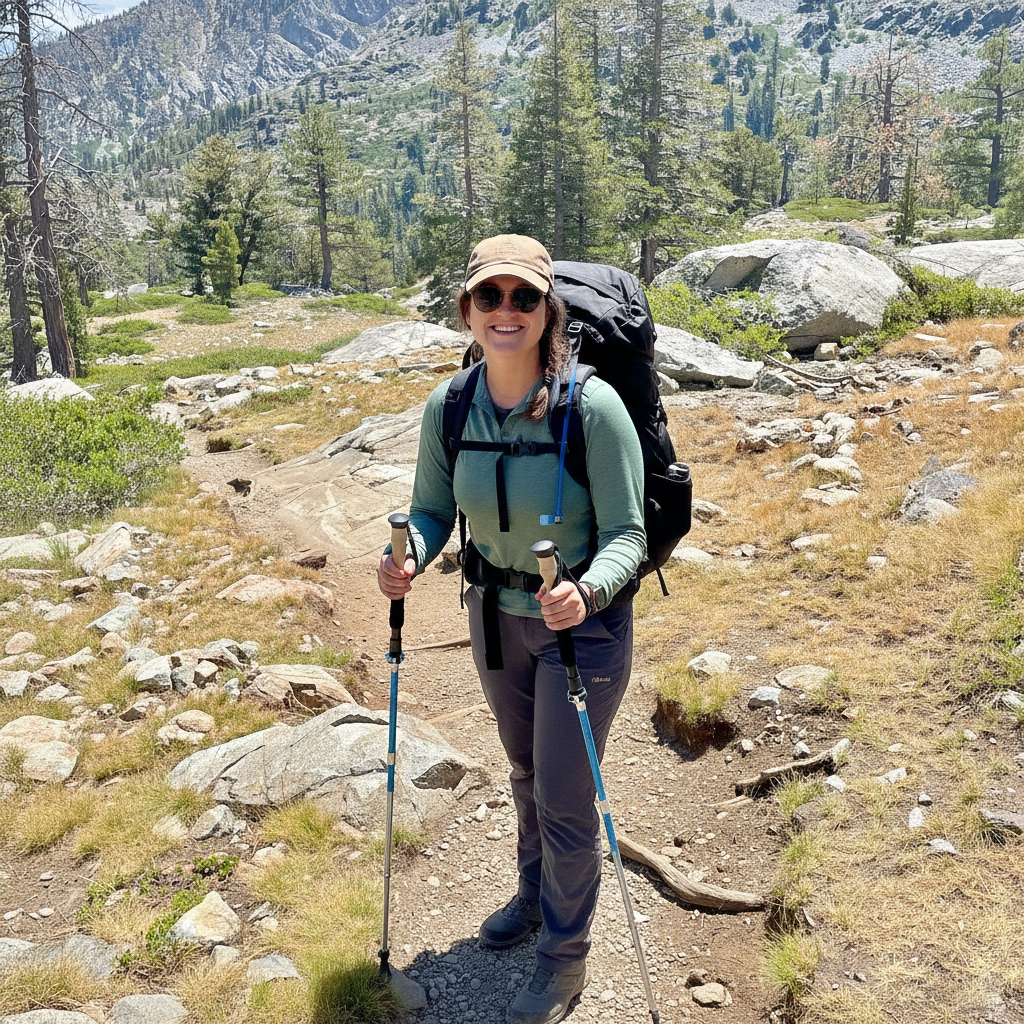
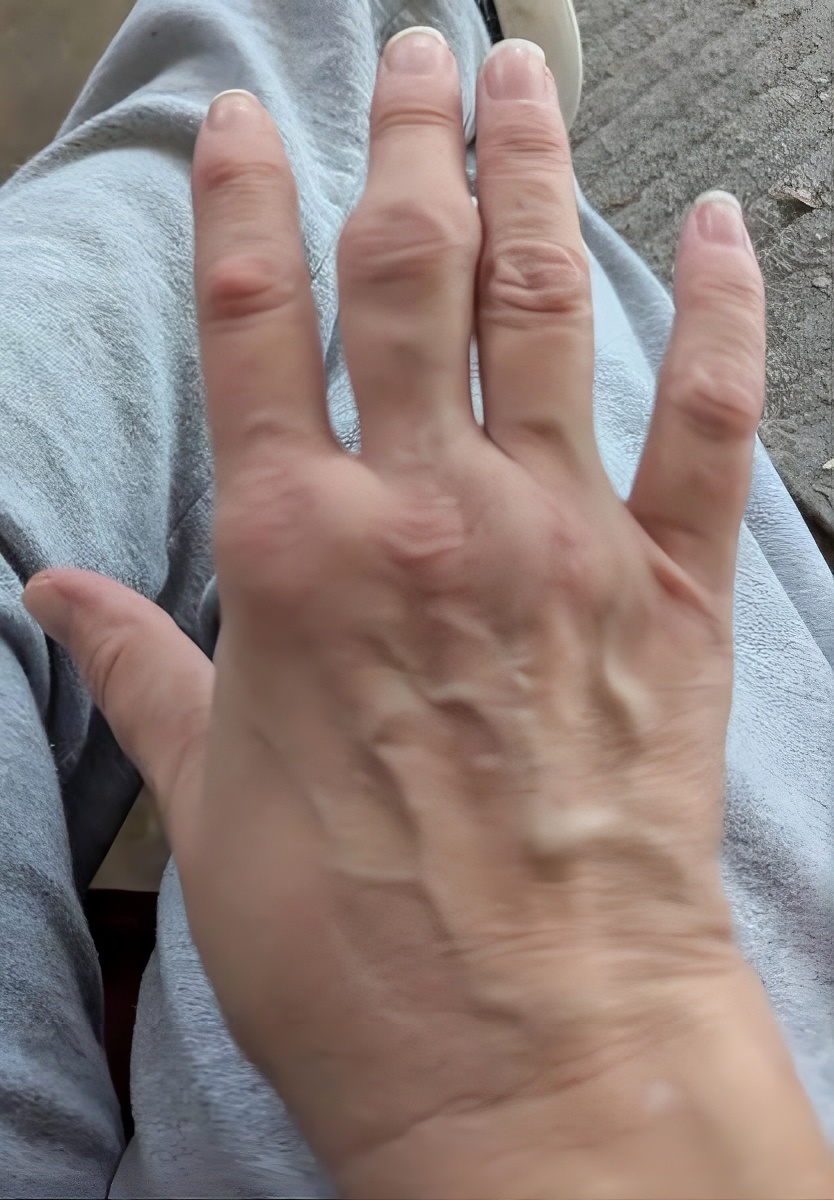
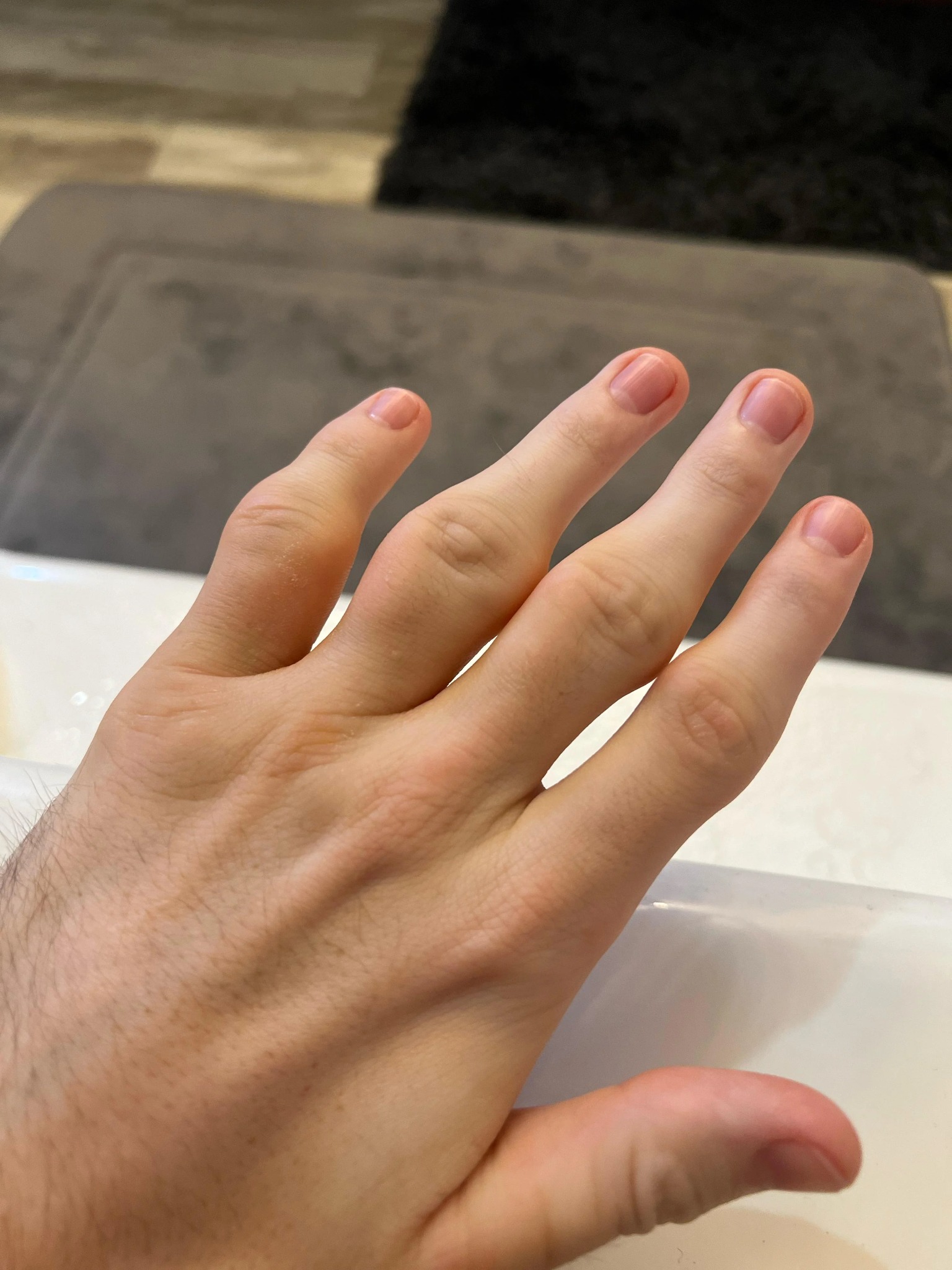
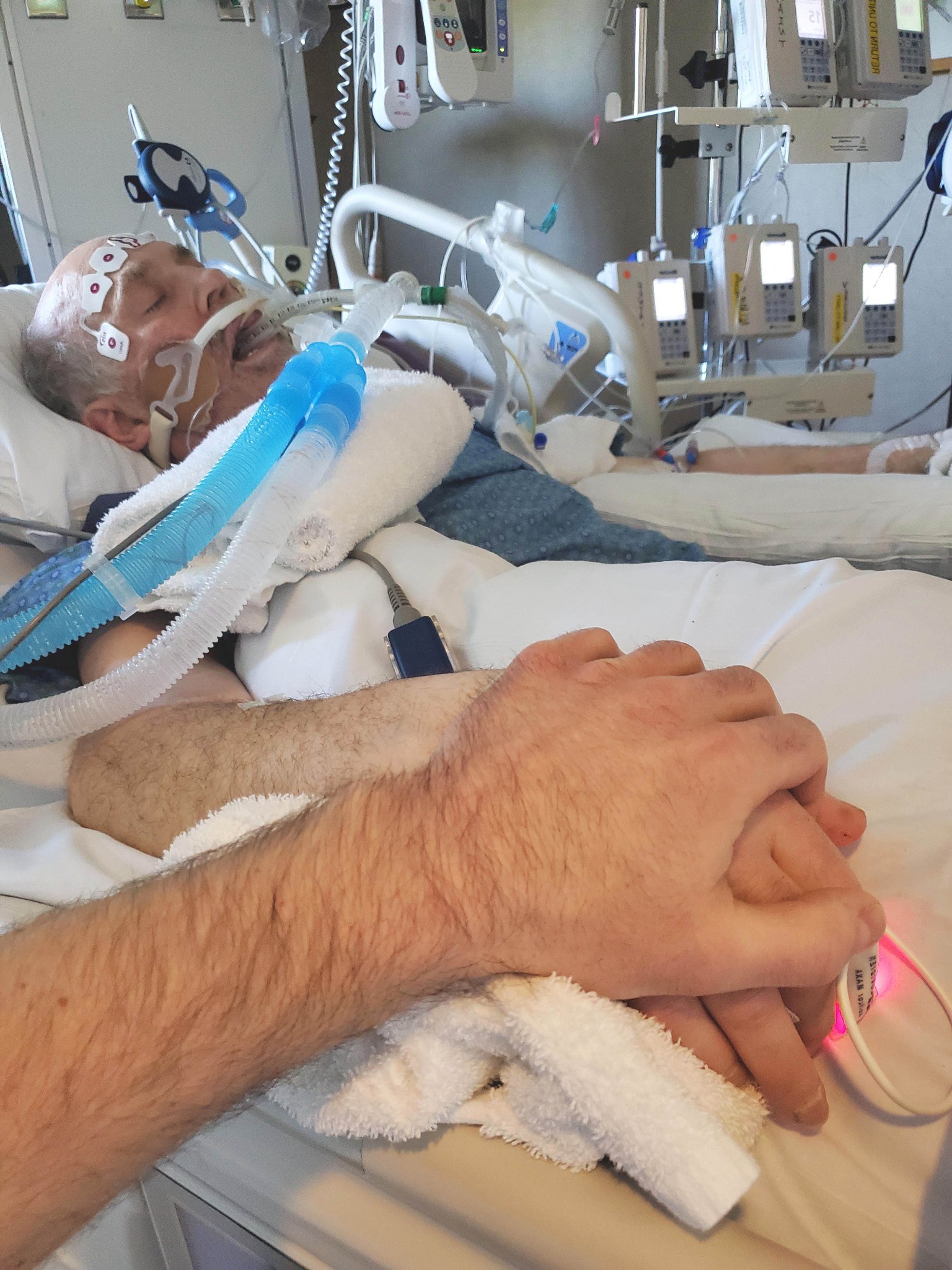
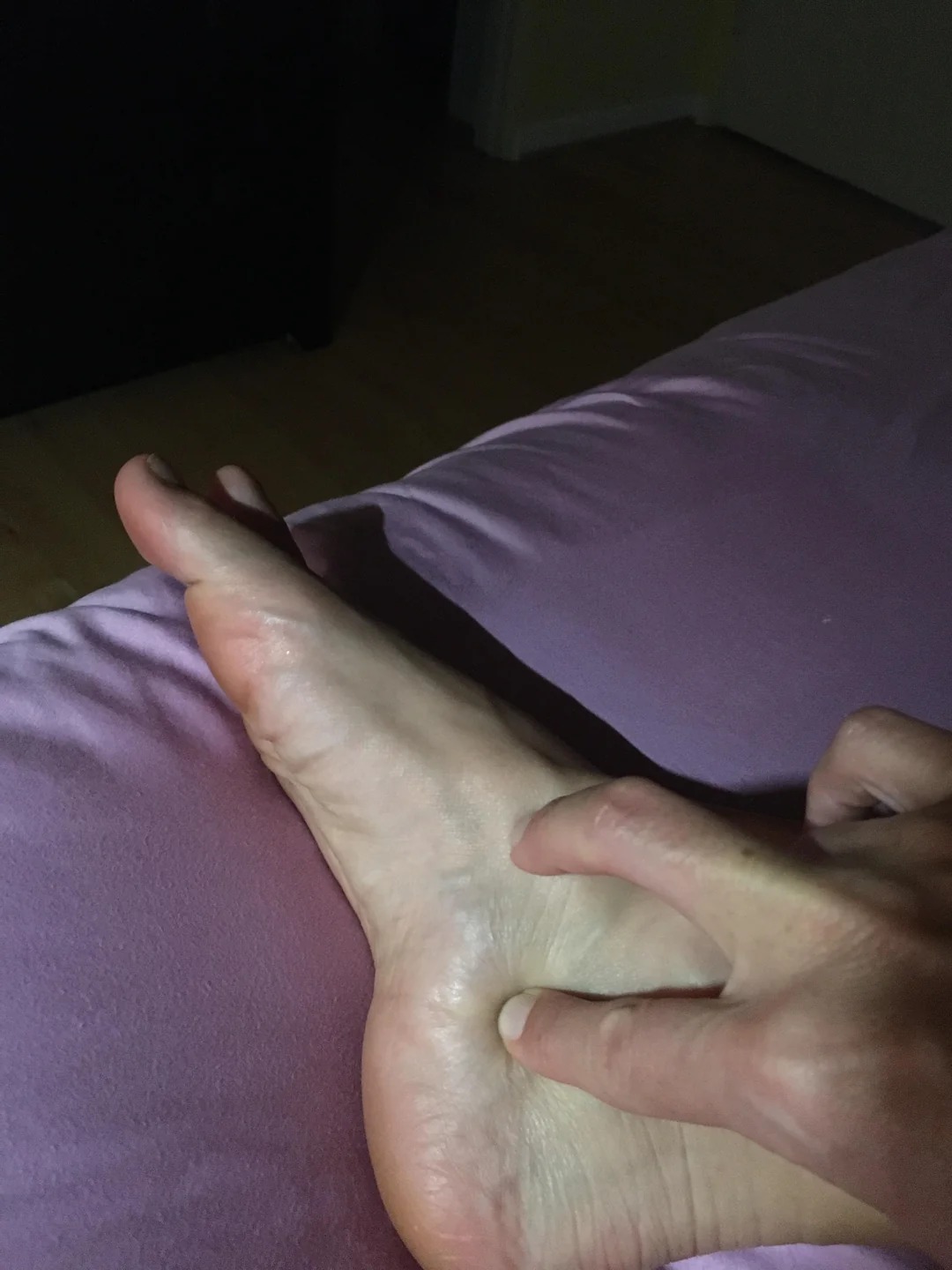
I was told my neuropathy was permanent at 47. I'm 61 now. Turns out my nerve cells were never actually dying. They were starving. For fourteen years, I "managed" a condition nobody ever actually explained to me. Fourteen years of compression socks that helped for an hour during the day and did absolutely nothing when the burning woke me up at 2 AM. Fourteen years of capsaicin creams that burned like fire for twenty minutes and wore off before I finished my morning coffee. Fourteen years of B vitamins, B1, B6, B12, every combination the internet recommended, swallowed faithfully every single morning with no change. Fourteen years of alpha lipoic acid at the clinical dose, twice daily, for months at a time. Fourteen years of expensive massage devices that felt nice for exactly as long as I used them and accomplished nothing the moment I put them down. Fourteen years of doctors who looked at my feet, ran their tests, nodded slowly, and handed me printed handouts about "lifestyle modifications" that had nothing to do with what was actually happening inside my body. I did everything they asked. I cut out alcohol completely. Two full years with not a single drink, because every article said alcohol worsens neuropathy. I walked every day, even when my feet felt like I was walking on broken glass and hot coals at the same time. I spent over $180 a month on supplements. Primrose oil. Magnesium glycinate. Fish oil capsules I choked down every morning because someone on a forum swore by them. Expensive nerve formulas with fancy labels and long ingredient lists that added up to nothing. When that didn't stop the progression, they sent me to a neurologist. She ran a series of tests on the nerves in my feet and legs. Afterward she sat down across from me and said the damage was real, it was progressing, and it was consistent with everything I'd been describing for years. More tests after that. Your nerves are thinning, they told me. Which sounded serious but still explained nothing about what to actually do about it. Blood work ruled out the obvious causes. "We don't always find a clear reason for this," my neurologist said. "Sometimes the body just does this. Very common after 45." She mentioned gabapentin. Said it was the standard of care. That it would help with the burning and the electric sensations. I told her I'd think about it. I'd done my research. I knew what gabapentin did to people over time. The brain fog that settled in and never fully lifted. The weight gain that crept up regardless of what you ate. The dizziness that made falls, already a real risk with numb feet, even more dangerous. And the dependence. The way doses climbed. The way stopping it became its own ordeal. I wasn't ready for that. Not yet. Not if there was anything else. So I kept trying. I bought a TENS unit. Used it twice a day for six weeks. The stimulation distracted from the pain while the pads were on. The moment I took them off, everything came back. I tried acupuncture. Eight sessions. My practitioner was kind and clearly believed in what she was doing. The tingling was unchanged. I ordered infrared light therapy panels. Set them up in my bedroom. Used them every evening for three months. Spent $400 on equipment that now collects dust in my closet. I tried cold water immersion for my feet. Ice baths, actually. Every morning. The cold would temporarily quiet the burning. Then I'd dry my feet off and within twenty minutes the electric buzzing would be back, angrier than before. Nothing stopped the progression. That's the part that broke me, more than the pain itself. The burning, the buzzing, the electric shocks that fired up my calves without warning, those were bad enough. But I could have lived with a stable level of bad. What I couldn't live with was watching it spread. It had started in my toes. Small patches of tingling that my first doctor waved off as circulation. By year three it had moved into the balls of my feet. By year six, my entire foot, sole to ankle, was involved. By year ten, it was creeping up my calves. And I couldn't feel temperature anymore. Not reliably. Hot water that should have felt warm felt like nothing. I had to be careful in the shower, careful in the kitchen, because I couldn't trust my feet to tell me when something was dangerous. I stopped walking barefoot anywhere. Even my own bathroom felt unsafe. I wore shoes all the time, soft soled, wide, nothing that put pressure on the parts that were most sensitive. I hadn't worn a normal shoe in four years. Stairs had become something I thought about before I took them. I held railings everywhere. I scanned every floor I walked on for anything uneven, anything that could catch my foot, because I couldn't fully trust what my feet were telling me. I stopped hiking. I'd loved hiking, trails, real trails, with rocks and roots and uneven ground. That was over. The liability of not trusting my footing on anything that wasn't flat and smooth was too high. I stopped driving at night because my focus on managing the burning made everything else harder. My husband watched all of this and didn't say much, because what was there to say. He just quietly started doing things I used to do. Taking out trash on icy mornings. Carrying things from the car. Standing close enough on stairs that he could catch me if something went wrong. I hated that. I hated needing that. I hated becoming someone who needed to be caught. And my next neurologist appointment was in eight weeks. And I knew what was going to happen. The tests would be worse. The damage would have moved further. And the prescription pad would come out and this time I wasn't going to have a good argument against it. I had stopped believing anything would help. I had started doing the math on gabapentin, on what "managed but not fixed" looked like for the next thirty years. On whether that was just my life now. Then I ran into a woman I used to know from my hiking group. We'd drifted apart over the years. She'd had neuropathy too, diagnosed around the same time as me, which was how we'd originally connected. We ran into each other at a farmers market on a Saturday morning, and she was moving differently than I remembered. Light. Easy. No hesitation on the cobblestones. I asked her how she was doing. She looked at me for a second and said, "Honestly? Better than I've been in fifteen years. I was going to reach out to you." We sat down at one of the outdoor tables. She got straight to it. "I know you've been struggling," she said. "I know because I was exactly where you are. Watching it spread. Running out of things to try. Looking at the gabapentin prescription and wondering if I was out of options." "What happened?" I asked. "I found out what was actually causing the damage. Not the neuropathy. The reason the neuropathy kept getting worse even when I was doing everything right." She paused. "Has anyone ever explained to you what your nerve cells actually need to survive?" I looked at her blankly. "Your nerve cells, like every cell in your body, have these tiny power plants inside them called mitochondria. They take the food you eat and the oxygen you breathe and turn all of that into energy for your cells. Think of it like a power grid. When the power is flowing, everything works. Your nerve cells can maintain themselves. Damaged tissue can heal. Everything runs the way it's supposed to." I was listening. "But as you get older, your mitochondria start dying off faster than your body can replace them. And every single time they produce energy, they also create a toxic byproduct that damages the very mitochondria that made it. It's like an engine that slowly destroys itself with its own exhaust. When you're young, your body handles that. It cleans up the damage, replaces what's lost. But as you age, the damage builds up faster than your body can fix it." "Okay," I said. "But why does that hit nerves the hardest?" "Because your nerve cells are massive. A single nerve can stretch over three feet long. Keeping that much cell alive takes an enormous amount of energy. More than almost any other cell you have. So when your mitochondria start dying off, your nerves are the very first thing to feel it. They're the most energy hungry cells you have. And they're the first to starve." She leaned forward. "That's when the tingling starts. Then the burning. Then the numbness. Then the spreading. Your nerve cells are literally running out of power." I stared at her. "You're telling me the neuropathy isn't the actual problem?" "The neuropathy is just the name they give it when your nerves are breaking down. But the reason they're breaking down is that your nerve cells are starving for energy. Their mitochondria are dead or dying. And without that energy, those cells can't do a single thing to maintain themselves or heal." "But I've been taking supplements for years," I said. "B vitamins. Alpha lipoic acid. Magnesium. All of it." She nodded like she'd been waiting for me to say that. "I know. I did the same thing. And here's what took me forever to understand. When you take B12, your body does deliver it to the nerve cell. B12 helps with nerve signaling. That's real. Alpha lipoic acid is an antioxidant. That's real. Magnesium supports nerve transmission. Also real." She paused. "But if your mitochondria are dead, your nerve cells can't actually use any of it. The cell doesn't have the power to do anything with those nutrients. It's like pumping gas into a car with no engine. The supplies are arriving. But nothing can happen with them because the power is gone." That hit me harder than anything anyone had ever said about my condition. "That's why the supplements didn't work. It was never a nutrient problem. It was a power problem. And your nerves were the first casualty because they depend on more of that cellular energy than almost any other cell in your body." "So all those years," I said. "All those bottles. All that money." "You weren't failing the treatment. The treatment was failing you. It never once touched the actual reason your nerve cells stopped working. Not a single nerve supplement you took ever addressed whether your cells even had the mitochondria to use what you were giving them. They all just said 'nerve support' on the label while your mitochondria were dying and your nerve cells were starving." I sat there for a long time. "So what actually fixes it?" I asked. "What regenerates mitochondria?" "There's a superfruit that's been used for over 5,000 years by Himalayan healers. They called it 'the nurse.' It was the remedy they reserved for people whose bodies were breaking down at the cellular level. People with nerve damage. People aging faster than they should. They didn't understand the science of why it worked back then. They just watched the results over thousands of years." "What is it?" "It's called Amla. And modern science now understands why those healers were right. This fruit activates something in your body called AMPK. Think of it as your body's master switch for cellular regeneration. When that switch gets turned on, your body starts building brand new mitochondria. Not just supporting the ones you have left. Actually generating new ones. And because your nerve cells are the most depleted, the most starved, they're actually the first to respond when that regeneration begins." "But what about all that toxic waste you were talking about?" I said. "The stuff that was destroying the mitochondria in the first place?" "That's the other half of why this works. Amla doesn't just rebuild your mitochondria. It also neutralizes the toxic byproduct that was destroying them. You're not just putting new engines in. You're stopping the exhaust that was killing the old ones. Rebuilding and protecting at the same time." She pulled out her phone. "When scientists tested the antioxidant content of over 3,000 foods, Amla came out number one. The highest of any food ever tested. That's why it's so effective at neutralizing the very thing that had been killing your mitochondria and starving your nerve cells." I looked at the screen. Then I looked at her. "So this isn't just another supplement that claims to help nerves." "No. This is the thing that gives your nerve cells the capacity to actually use every supplement you've ever taken. It doesn't manage pain. It doesn't mask symptoms. It rebuilds the system that had been breaking down for years. The system that B vitamins and alpha lipoic acid and magnesium can't touch. That's why everything else failed you. And that's why this works when nothing else did." I left that conversation and couldn't think about anything else. That night I went looking for everything I could find on the subject. Why nerve damage keeps progressing even when you're doing all the right things. Why the standard supplements so often fall short. What I found kept pointing back to the same thing. When the mitochondria inside your nerve cells are dead or dying, it doesn't matter what nutrients you give them. They can't use anything you send. And your nerves, which need more of that cellular energy than almost anything else in your body, just keep breaking down. I found people online who sounded exactly like me. Years of supplements. Watching the numbness spread. Then they found something that actually addressed the root of it. And the progression stopped. I texted her that night: "Okay. I believe you. What brand do I actually get?" She called me the next morning. "Most Amla supplements are already degraded before you even open the bottle. The active compounds in Amla are fragile. Most companies don't bother protecting them. So you're swallowing a capsule that lost most of its potency sitting on a warehouse shelf." One brand kept coming up consistently in everything I looked at. Alevia. Organic, wildcrafted, third party tested for purity and potency. Made in the USA. They used a specialized process to make sure those compounds were actually intact when they reached you. 90 day money back guarantee. After fourteen years of things that didn't work, one more try wasn't going to break me. I started the morning after the bottle arrived. I expected nothing. I had trained myself to expect nothing. By the second night, I noticed the burning was slightly different. Not gone. But quieter somehow. Less aggressive than usual going into sleep. I'd fooled myself before. I didn't let myself think about it. I kept taking it. One week: I slept through the night. The burning that had been waking me at 2 AM, it didn't wake me. I woke up at 6:45 naturally, in the same position I'd fallen asleep in. I was laying there for a moment before I moved, just taking that in. I hadn't slept through the night in over three years. Two weeks: My husband said something over breakfast. "You're moving differently." He wasn't trying to be kind. He looked almost confused. "Your face looks different when you walk." The tingling was less. Not gone. But undeniably less. Three weeks: I stepped into the shower and felt the temperature change when the hot water hit my feet. Felt it. Not perfectly, not the way I used to, but something was there that hadn't been there in years. I turned the water hot and cold, back and forth, standing there in my shower, just feeling my feet register the difference. I started crying and I couldn't have told you exactly why. It was just such a small thing. Such an ordinary thing. Four weeks: My neurologist appointment. She did the monofilament test, the one where they touch different spots on your feet and you say whether you can feel it. She started at my toes. Moved to the ball. The arch. The heel. She stopped. Checked her notes. Went back to my toes. "When did your sensation change?" she asked. "About three weeks ago," I said. "Maybe four." She did the test again, slower. Then she sat back and looked at me with an expression I hadn't seen on a neurologist's face before. Not concern. Something closer to genuine puzzlement. "Your sensation scores are higher than your last visit," she said. "Not dramatically. But meaningfully." I told her about the Amla. About the mitochondria. About how nerve cells are the most energy dependent cells in the body, the first to fail when that system breaks down, and the first to respond when it's restored. About AMPK, the master switch for cellular regeneration. About how Amla doesn't just rebuild mitochondria but also neutralizes the toxic waste that was destroying them in the first place. She typed while I talked. Asked me to spell Amla twice. Asked which brand. Then she closed her laptop and looked at me. "Whatever you're doing, keep doing it. No medication today." That was eight months ago. Most mornings now I have to remind myself I ever had neuropathy at all. And it isn't spreading anymore. I check every week. I note where I can feel and where I can't. For eight months, that line hasn't moved forward. For eight months, the progression that had been marching steadily up my calves for fourteen years has simply stopped. I've been back on trails. Not the difficult ones yet. But real trails, with real terrain, with my husband walking next to me instead of behind me with his hands ready. I walk without counting my steps. Without scanning every surface for what might catch my foot. Last month I wore a normal shoe. Just for an hour. To a dinner, nothing special. But I wore it and it wasn't agony and I drove home without thinking about my feet the entire way. Here's what I need you to understand. If you've tried nerve supplements and they didn't work, it wasn't a failure of natural solutions. It wasn't that your body is different, or that you're unlucky, or that you just have to accept the progression. It was that you were taking supplements while your nerve cells didn't have the capacity to use them. Your mitochondria were dead. And because nerves need more of that cellular energy than almost anything else in your body, they kept starving no matter what you gave them. You weren't failing the treatment. The treatment was failing you. It never once touched the actual reason your nerve cells stopped working in the first place. Amla fixes that. Not by masking anything. By activating your body's master switch for cellular regeneration. By triggering your body to build brand new mitochondria. And by neutralizing the toxic waste that was destroying them. When that system starts working again, nerves, which were the first to fail, are the first to respond. But only if the concentration is high enough. And only if the delivery actually works. Alevia is the only brand I've found that gets both right. Organic, wildcrafted Amla. Third party tested for purity and potency. No fillers. No additives. Made in the USA. Right now, they're running a promotion with significant savings. But Alevia is a small company. They make everything in small batches to preserve the active compounds. When they sell out, it's usually weeks before the next batch is ready. 90 days to try it. If nothing changes, full refund. No questions asked. But if it works? If by the second night the burning is a little quieter going into sleep? If by week one it stops waking you at 2 AM? If three weeks in you step into the shower and feel the temperature on your feet? If a month from now your neurologist is running the filament test twice because something has changed in a direction she didn't expect? If eight months from now you're walking trails again, wearing normal shoes, living without tracking the edge of the numbness every single day? You'll wish you started fourteen years ago. I know I do. 👉 https://getalevia.com/amla/7 You don't have to keep watching your nerve cells starve while the medication deadline gets closer.
Like this ad? Make it yours.
Crush rebuilds this exact creative around your product — your brand, your colors, your offer — in about a minute.