
Inactive· since May 16, 2026
- 31
- days it ran
- 4
- relaunches
- 27,197
- EU reach
Ad copy
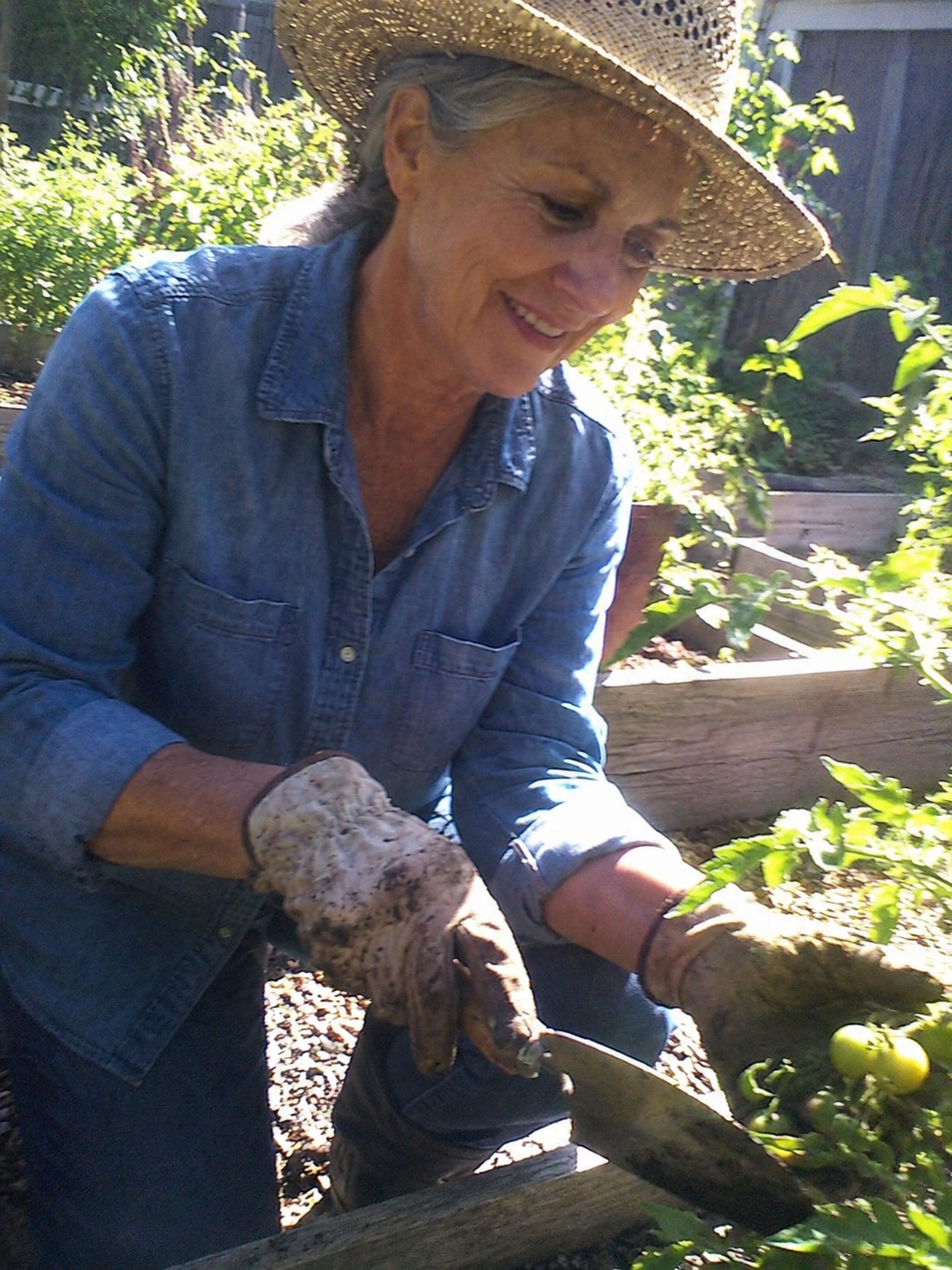
A woman whose garden plot has been next to mine for three years gave me back my Saturdays. My name is Nancy. I am sixty-four. I live with my husband outside Madison, Wisconsin, in the same small house we have been in for thirty-three years. We have a son in Milwaukee and a daughter in Minneapolis. I retired three years ago, after twenty-seven years as a property manager at a small real estate firm two blocks from our downtown. I managed about a hundred and forty small rental properties. I knew the families. I knew which furnaces were old. I knew which roofs we were going to be on the phone about that winter. It was steady work for a careful woman. I am, on paper, in fine shape. I am on no prescription medications. I take a multivitamin and a vitamin D and that is the entirety of my pill organizer. My doctor — Dr. Stewart, a careful woman I have been seeing for thirteen years — tells me at every annual visit that my bloodwork is in the ranges she wants it in. I walk every morning. I eat the way a woman my age should eat. I sleep seven hours a night. That is the part I want you to hold while you read this. I want to tell you, plainly, about a quiet question I had been carrying for almost two years. It was small. It would not have registered on any chart. I am not telling you a dramatic story. I am telling you what one careful woman in her sixties had been noticing quietly about herself, alone, for almost two years, before another woman said one sentence to her on a bench at the community garden in May. It looked like this. I have a small plot at our town community garden. I have been gardening there for five years. The plot is twenty feet by ten. I grow tomatoes, peppers, basil, parsley, and a row of beans. I had been planting it every May in two long Saturday mornings for five years. For the previous two springs, the same two Saturday mornings of planting had become four Saturday mornings. I had been needing to come home in the middle and lie down. I had been needing to leave half the work for Sunday morning, and to come back on Monday for the parts I had not finished. I had been telling myself it was the heat. It was not the heat. I had been telling myself it was the new mulch I had been using, which was heavier than the old one. It was not the new mulch. I had been telling myself a great many things. It looked like the afternoon. I had been a woman who never took an afternoon nap. I had not been a napper at fifty. I had not been a napper at fifty-five. I had not been a napper at sixty. Somewhere in the second year of my retirement, I had started lying down on the couch after lunch. I had told myself it was retirement. It was not retirement. It was the quiet pull of an afternoon I had not felt before, that started somewhere just past sixty-two, and that I had been giving in to once a week, then twice a week, then most days. It looked like my book club. I am in a book club that meets once a month at our library on Tuesday evenings. I had been a four-books-a-month woman for forty years. We read one for the club. I read three others on my own. For the previous eighteen months I had been falling asleep on the couch after dinner with the book club book open on my lap. I had been reading the same paragraph over. I had been finishing the book club book on Tuesday at five in the afternoon, in a rush, because I had not finished reading it at the natural pace I had used to read at for forty years. I had not finished three other books in eight months. I went into Dr. Stewart's office for my annual physical last February. She did the bloodwork. Everything was in the ranges she wanted it in. Not borderline. Not perfect. In the ranges. She looked at me across her desk. She said: anything we should be talking about, Nancy? I told her about the garden. I told her about the afternoons. I told her about the book club books. I told her I was not asking her for an answer. I just wanted her to have the picture. She listened. She wrote it down. She said: I do not see anything on your chart I would do anything about today. But you know your body better than I do. If something changes, or if you want to come back sooner, you call me. I told her thank you. I drove home thinking about that conversation. What I drove home thinking was this. Dr. Stewart was not wrong. I was not wrong either. There is a kind of quiet shift in your sixties that does not show up on the chart. It is not a thing to panic about. It is not a thing to ignore. It is, I decided that afternoon, a thing to pay attention to. I had been carrying it quietly for two years before I told Dr. Stewart about it. I had been carrying it quietly for two more weeks before I sat on a bench at the community garden. The community garden is two blocks from my house. It has thirty-two plots. The woman whose plot is next to mine is named Sandy. She is, I would guess, sixty-seven. Silver hair, a quiet manner, gardens in slow careful rows the way a woman who has been gardening for a long time gardens. We had been nodding at each other for three years. We had said hello and goodbye and complimented each other's tomatoes and asked each other about the rain, the way two women who garden next to each other for three years do. That kind of friendship is its own thing. You can have it with another woman for three years at a community garden without ever really knowing very much about her. The Saturday in May was a Saturday like every other Saturday. I had been at my plot since seven, planting the last row of tomatoes. I was tired. I had been planning to plant the peppers, too, and I knew I was not going to make it. I went and sat on the long bench at the edge of the garden area. It was eight-thirty. I had been planting for an hour and a half. I was already done for the morning. I was already going to come back on Sunday. I sat on the bench with my water bottle. I was angry at my body. I had been angry at my body off and on for two years. Sandy came over. She had been at her own plot. She sat down on the bench next to me. She did not say anything for a long time. She just sat there with her own water bottle. Then she said: Nancy, I have been meaning to ask you. Are you alright? You have been on this bench more often this spring than I remember from the other springs. I sat with that for a moment. I looked at my hands. I said: I am not unwell. My doctor is happy with me. The numbers are fine. The chart is fine. I am just tired in a way I was not tired three years ago. The garden tires me out. The afternoons tire me out. The books tire me out. I do not know how to say it any plainer. Sandy was quiet for a long minute. Then she said something I have been thinking about every day since. She said: Nancy. I had been quietly noticing the same thing about myself for almost three years before I decided to do anything about it. I had been sitting on this bench more than I had been planting, and I had been telling myself it was sixty-four. It was not sixty-four. It was something quieter than that. She told me she had been noticing her own shifts since her early sixties. Slow morning routine. The afternoon pull. Reading less. She told me she had told herself it was retirement. She told me she had told herself it was the dog. She told me she had told herself a great many things. Then she said: about four years ago, I added one small thing to my own mornings. I read for a month before I added it. I talked to my doctor and to my pharmacist before I added it. I want to be careful with you about what I say next, because I am one woman and you are looking at one woman and bodies are different. But I have been more like myself for the last four years than I was for the three years before that. I have been gardening more steadily. I have been finishing my book club books on time. I have been getting through a full Saturday without lying down. I would not tell you it is the beetroot capsule on its own. I would tell you it is one thing I added to everything else. She said it without performance. She said it the way a woman in her late sixties says something to another woman on a bench at the community garden where they have been gardening next to each other for three years. She wasn't selling me anything. She was just telling me. I asked her what she had added. She said it was a beetroot capsule. She said the brand was called Rosabella. She said she had picked it because the small company that made it cold-pressed the beetroot at low temperatures rather than processing it with heat, and because her doctor had specifically said how the supplement was processed mattered for what would make it from the field into the capsule. The morning was getting hot. She stood up. She put her hand on my shoulder before she walked back to her plot. She said: Nancy. Please call your pharmacist before you add anything. That is the only thing I am going to be insistent about. Promise me. I promised her. She walked back to her plot. I sat on the bench for another twenty minutes. I drove home thinking about Sandy. I drove the rest of that week thinking about Sandy. By the weekend, I was thinking about what I was going to do. I am, by temperament, a careful woman. A property manager for twenty-seven years is, almost by definition, a careful woman. I do not add things to my body without understanding what I am adding. I went home and I started reading. I read for almost three weeks. I read about beetroot. I read about the deep crimson pigment in the root. It is called betalain. It is the color that stains your cutting board for three days. It is also, according to a long and patient body of research the cardiovascular community has been quietly building for decades, one of the more potent antioxidants in the food supply. I read about the long, slowly built relationship the structure-function research has had with this vegetable. In the context of supporting healthy circulation. Supporting cardiovascular wellness. Supporting the body's own cellular energy. In people whose numbers are already in the range their doctors want them in. That last one is the one I had been waiting to find. Cellular energy. It is the basement-level work the body does to keep doing its work. It is not the same thing as energy in a coffee cup. It is not the same thing as the energy you get from a candy bar at four in the afternoon. It is the quiet, steady work the body has to do, all day every day, just to keep being the body it has been being. In people my age, in good health, who are doing all the careful things, that quiet work is something the research community talks about supporting. Not boosting. Not fixing. Not treating. Supporting. In a structure-function way. For people whose numbers are already in the range their doctors want them in. That was the shape of the language I had been hoping to find. I read about the cold-press, too. The chemistry is straightforward. The betalain pigment is heat-sensitive. If you process beetroot the standard way, with heat, you lose some of the compound to the heat. Rosabella cold-presses at low temperatures because they want as much of the compound as possible to make it from the field into the capsule. That is a slower way to make a supplement. It costs them more. At sixty-four, after twenty-seven years of watching small landlords in our town make small decisions about their own properties, I have come to pay close attention to the small decisions companies make when no one is watching. Those decisions tell you everything. The other thing I liked was the simplicity. Two capsules in the morning with a glass of water. That is the whole protocol. I have a husband, a garden plot, a book club, and a couch. I am not interested in a protocol that requires its own shelf. Now I want to tell you the most important part of this letter. I made Sandy a promise at the garden. I kept it. Before I added anything to what I was already taking, I called my pharmacist. His name is William. He has been the pharmacist at the small independent pharmacy three blocks from our house for sixteen years. I have been filling things there for as long as we have lived in town. I called him for a specific reason. I am on no prescription medications. I take a multivitamin and a vitamin D. I called William anyway. I called because I am a careful woman and because I wanted somebody who knew what was on my record to confirm that adding a beetroot capsule to a multivitamin was the right thing to do at my age. He pulled up my profile. He confirmed there were no concerns at the dosage on the label. He told me to take it in the morning with my coffee the way the bottle suggested. He told me to call him back if Dr. Stewart ever started me on any prescription medication in the future, because the conversation would be different at that point. He told me, before he got off the phone, that he wished more of his patients made the call I had just made. I also called Dr. Stewart's office that week. I left a message with her nurse, with the same information. She called me back the next day to tell me Dr. Stewart had no concerns about my adding it at the dosage on the label. I want to say something now, plainly, to every reader of this letter. If you are on any prescription medication, especially anything cardiovascular, please make the call before you add anything new. I made two calls. I would have made three if I had been on a prescription. So should you. The two minutes the call takes is the most important two minutes of your engagement with any supplement. I started on a Monday in early June. I set the bottle on the counter next to the coffee maker. I took the two capsules with my first sip of coffee. The first two weeks I felt nothing in particular. I had read enough alongside what Sandy had told me to know that bodies are different. Some women notice something within the first week or two. Some women take much longer. Some women don't notice much at all. I was prepared to land in any of those camps. I was prepared to be honest with myself about the result. What I noticed, I noticed slowly. The first thing I noticed, around week six, was the garden. It was a Saturday morning in mid-July. I had been at my plot since seven. By nine-thirty I had planted the second wave of beans, weeded both rows of tomatoes, and watered the basil that the heat had been hard on. I had not been to the bench. I came home at ten-fifteen. I made myself a sandwich for lunch. I did not lie down on the couch. I sat on the back porch with a book for an hour. I did not say anything about it to my husband. I did not want to make a thing of it. I had read enough not to make a thing of one observation. The second thing I noticed, around week nine, was a book. It was a Wednesday evening. I was on the couch after dinner. I was on the second chapter of the book club book. I read the second chapter. I read the third. I read the fourth. I looked at the clock and it was ten-fifteen. I had been reading for an hour and a half without falling asleep, without re-reading the same paragraph, without putting the book down on my chest. I finished the book by Friday. I finished the next book I picked up by the following Tuesday. I read four books that month. The third thing I noticed was Sunday dinner. My son and daughter-in-law and their two children come down from Milwaukee for Sunday dinner once a month. I had been hosting them for sixteen years. For the last two years, I had been needing to lie down on the couch for an hour before they arrived, just to get through the visit. The Sunday in early October was the first one after I had been on Rosabella for four months. I made a roast chicken, mashed potatoes, salad, and a small pumpkin pie. I set the table. They arrived at one. I hosted them for three hours. I cleaned up the kitchen with my daughter-in-law afterward. We sat in the living room for another hour after the kids went outside to play in our yard. I went to bed at the normal time that night. I had not needed to lie down at any point during the day. I sat in the kitchen at the end of that Sunday and I drank a small glass of water by myself and I let myself notice it. I want to be careful with what I am telling you. I am not telling you Rosabella did any of those things on its own. I had been walking a little more deliberately after my conversation with Sandy. I had been going to bed at the same time every night. I had been doing the careful things I had been doing for forty years, just a little more carefully. Something had unlocked in me the morning I sat on that bench with Sandy that had nothing to do with a capsule on a saucer. There were several things changing at once, the way there are when a careful woman finally tells another woman the thing she has been carrying quietly for two years. All I am telling you is that I added one small thing to a long list of things I was newly doing. I kept everything else exactly the same. And a stretch of months followed that was qualitatively different from the two years that had preceded it. That is the honest version. I would not give you a cleaner one. I went back to see Dr. Stewart in November for a follow-up. She did not have to repeat the bloodwork. She looked at me. She said: you look more rested than you did in February. I told her about the garden, the books, the Sunday dinners. I told her about the beetroot. I told her I had called William before I started. She nodded. She said: that was the right way to go about it. The research on antioxidant support is good. Keep doing what you are doing, and come back at your usual time. I drove home from her office that afternoon. I had been driving home from Dr. Stewart's office for thirteen years. This was the first time I had driven home thinking that I felt like the woman who had been driving home from that office five years ago. I am telling you all of this because I think you might be where I was the morning I sat on that bench. Sitting somewhere quietly, at sixty-three or sixty-four or sixty-five, in fine shape on paper, tired in a way the chart does not name. If you are a woman in your sixties who has been telling yourself it is retirement, or sixty-four, or just aging, I want to say a few things plainly. I do not know you. I do not know your bloodwork, your medications, or what your doctor has told you. Bodies are different. Some women notice something within the first week or two of adding something like this. Some women take much longer. Some women don't notice much at all. That is the honest version. Anyone offering you a cleaner one is selling you harder than I am. Here is how I think about Rosabella now, in the words I would actually use. It is something the body uses. The research community talks about it in the context of supporting healthy circulation, supporting cardiovascular wellness, and supporting the body's own cellular energy. In people whose numbers are already in the range their doctors want them in. It is not a fix for anything. It is not a substitute for a medication. It is not a treatment for fatigue. It is not a treatment for the quiet decline a woman can have in her sixties. It is not a treatment for tiredness, or for aging, or for any of it. It is one small thing you add to the long list of things you are already doing for yourself, alongside everything else. Please call your pharmacist or your doctor's office before you add it. If you are on any blood pressure medication, cholesterol medication, or anything cardiovascular at all, this is non-negotiable. I called William. I called Dr. Stewart's office. I would not have added anything to a prescription without those calls. Neither should you. The people who know your chart will tell you in two minutes whether the supplement is safe for you to add given what you are already taking. I am a sixty-four-year-old retired property manager in Wisconsin. I am not the person to ask. Your pharmacist or your doctor is. The company has a ninety-day satisfaction guarantee. If you are not satisfied — for any reason at all, including just changing your mind — they refund you. It is not tied to anything you have to prove. If you are not satisfied, you are not satisfied. That is the whole policy. The beets are grown on a small operation that harvests on its own schedule. There are stretches when they are in stock and stretches when they are not. I mention that not to push you — please do not let anybody push you into a health decision — but so that if you go to the site and they are out, you know why. That is all I have. Thank you for reading this far. I hope something here was useful to you. I hope, somewhere today, your own Sandy is sitting on a bench at your own community garden, waiting for you to come sit next to her with your water bottle. — Nancy P.S. I want to come back to the cold-press for a second. The betalain pigment — the deep crimson, the part the research community keeps circling back to — is heat-sensitive. That is the chemistry of the molecule. Process beetroot the standard way, with heat, and you lose some of the compound to the heat. Rosabella chose the slow way. Cold-press. Low temperatures. More of the compound through to the capsule. It costs them money. It costs them time. They made the choice anyway. At sixty-four, after twenty-seven years of paying attention to small operations in my own town, I have come to believe that the small decisions companies make when no one is watching tell you everything. P.P.S. Two capsules. In the morning. With a glass of water. That is the entire protocol. No powder to mix. No afternoon dose to remember. No schedule taped to the inside of the cupboard. I keep the bottle on the counter next to the coffee maker. I take the capsules with my first sip. That has been the rhythm of my morning for almost a year. A simple morning. I have earned one. P.P.P.S. I am going to say it one more time, because I have to. Please. Call your pharmacist or your doctor's office before you add anything new to what you are already taking. Especially if you are on a blood pressure medication, a cholesterol medication, or anything cardiovascular. They have your whole picture in front of them. I have written you a letter. There is a difference, and the difference matters. The two minutes it takes to ask are the most important two minutes of your engagement with any supplement. P.P.P.P.S. The guarantee, again, in case you skimmed. Ninety days. Any reason at all. You do not have to prove a single thing — not to them, not about your numbers, not about how you feel. If you tried it and you are not satisfied, you are not satisfied. They send the money back. That is the whole policy. A small-company policy. The kind of thing companies used to do when companies still answered the phone. P.P.P.P.P.S. The thing Sandy said to me on the bench — I had been sitting on this bench more than I had been planting, and I had been telling myself it was sixty-four; it was not sixty-four; it was something quieter than that — has been with me every day for almost a year. I had been doing that exact thing about myself for two years before Sandy said it. I had not realized, until she said it out loud on a bench, what I had been doing. I had been telling myself it was retirement. I had been telling myself it was sixty-four. I had been telling myself a great many things, the way careful women do, to keep from saying out loud the small quiet thing. If you are a woman who has been sitting on her own bench longer than she has been planting, I want you to know you are not the only one. You are not imagining the quiet. You are not being dramatic. You are reading your own body, which is what a careful woman in her sixties is supposed to be doing. I hope you find your own Sandy at your own community garden, or your own bench, or wherever you tend to end up sitting when you need to sit. I hope you accept the conversation if she offers one. I hope you read carefully. I hope you make the call before you add anything. I hope, in a year from now, you are at your own plot on a Saturday morning, planting the second wave of beans at nine-thirty, with no plan to sit on the bench. I hope that for you. That is the whole reason I wrote this. — N. https://track.tryrosabella.com/14309c20-4d60-44e3-9565-5ba6bb358986 DISCLAIMER Individual experiences vary. These statements have not been evaluated by the FDA. This product is not intended to diagnose, treat, cure, or prevent any disease.
Support stamina and heart health every day
"Best customer support ever. My issue was resolved quickly and professionally. I so love how the beetroot capsules are helping manage my blood pressure."
LEARN MORELike this ad? Make it yours.
Crush rebuilds this exact creative around your product — your brand, your colors, your offer — in about a minute.