
Inactive· since Feb 17, 2026
- 115
- days it ran
- 3
- relaunches
Ad copy
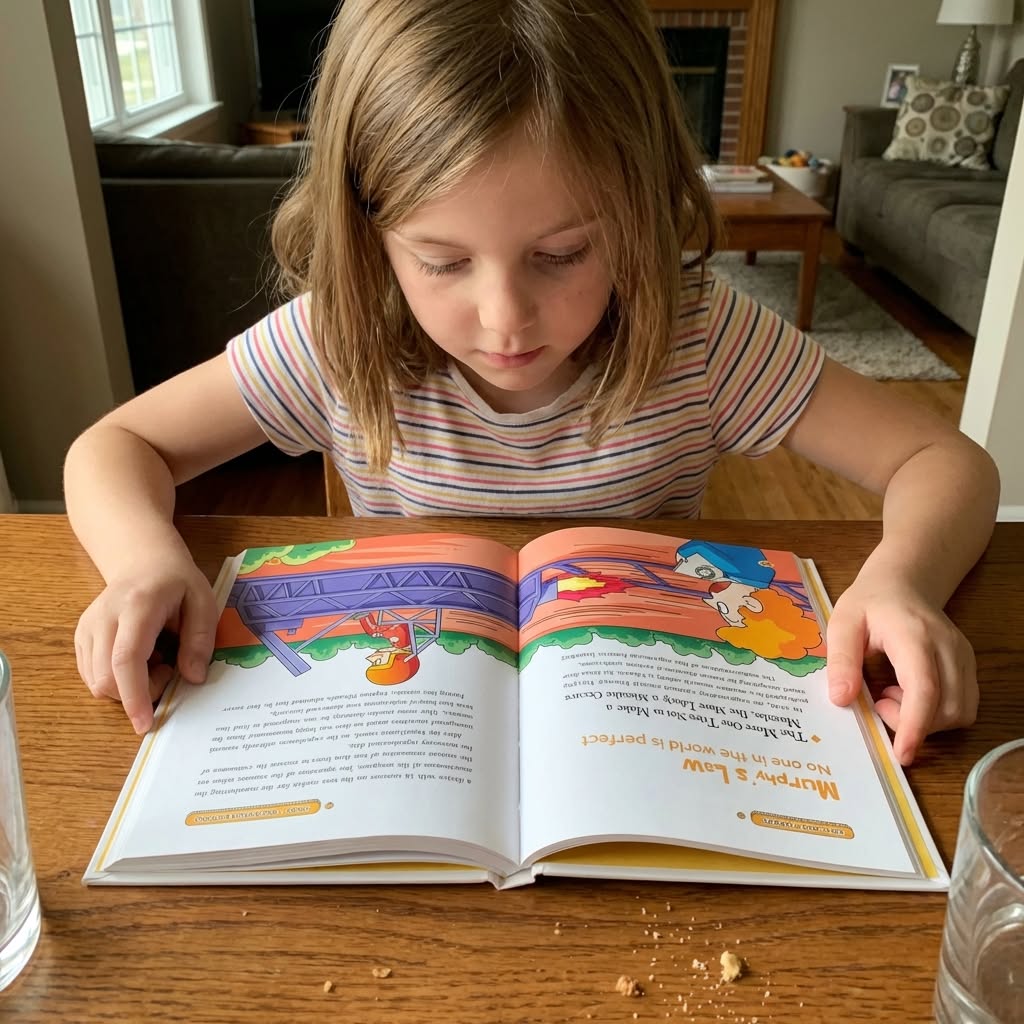
The fastest way to ruin a child's confidence is not bullying. It's not social media. It's not a bad teacher. It's living with a parent who snaps. You don't hit them. You don't curse at them. You just have a short fuse. You react to small things with big energy. You use that tone — the sharp, impatient, "why can't you just do what I asked" tone — and your kid freezes. And you think that means it's working. It's not working. It's breaking something inside of them that you can't see yet. I know because I broke it in my daughter. She used to be the loudest kid in the room. Funny. Bold. Would say anything to anyone. She was fearless. By the time she was 9, she was a different person. Quiet. Careful. Watched my face before she said anything to see if it was safe. Apologized for things that had nothing to do with her. Would rather go to her room than risk saying something that set me off. And I didn't even realize it was me. I thought she was just "maturing." Getting calmer. Growing out of the hyper phase. She wasn't maturing. She was surviving. My husband said it to me one night and it almost ended our marriage. "She's not scared of the world. She's scared of you." I didn't talk to him for two days. Because I knew he was right and I hated him for saying it. I was the one teaching her that emotions are dangerous. That speaking up leads to getting snapped at. That the safest thing to do in any situation is stay quiet, agree, and don't make anyone uncomfortable. I wasn't raising a calm child. I was raising a child who learned that having a personality was a risk. And here's what made it worse — I could see it spreading into everything. At school, she wouldn't raise her hand even when she knew the answer. Her teacher told me "she mouths the answer to herself but won't say it out loud." With friends, she went along with everything. Whatever they wanted to do, she did. Wherever they wanted to go, she went. She never once said what she actually wanted because she was trained to believe that saying what you want leads to conflict. When her older brother teased her — normal sibling stuff — she just took it. Didn't fire back. Didn't stand up for herself. Just absorbed it and went quiet. She was becoming invisible. And I made her that way. I tried everything to undo it. I softened my tone. I apologized. I told her she's allowed to speak up, allowed to disagree, allowed to be loud again. She'd smile and say "okay, Mom." Nothing changed. Because words don't undo years of programming. You can't lecture a kid out of fear they learned from living with you. I tried kids' books about confidence. She read two pages and lost interest. I tried journaling with her. She wrote what she thought I wanted to read. I tried therapy. She told the therapist everything was fine because that's what she does — she tells adults what they want to hear so nobody gets upset. I was running out of ideas. Then I saw something on Facebook that stopped me in my tracks. It was from the Stanford Child Development Studies account. They posted about how high-level families — CEOs, executives, generational wealth — don't teach their kids through lectures or tutoring or extracurriculars. They give them one book early and let it do the work. The post said the book teaches kids how to think, how to read people, how to manage their own emotions, how to stop following the crowd and start trusting their own mind. One of the comments said her son picks it up more than he picks up his phone. That it's more interesting to him than short videos. I looked it up. Murphy's Law — the comic version. Nearly 100 principles. All in comic form. Not a textbook. Not a self-help book. Illustrated stories that teach kids how people actually work — including how to understand their own emotions and reactions. I figured at this point I had nothing to lose. I ordered it. Left it on the kitchen counter. Didn't say a word. My daughter picked it up that evening. I watched her read for 45 minutes without looking up. This is a kid who won't sit still for anything. But nobody handed it to her. Nobody told her to read it. She just saw a comic book and picked it up. And because it's stories, not lessons, she didn't put it down. The first thing she said to me about it was "Mom, do you know what the Wild Horse Effect is?" "No, what?" "It's when your emotions take over and you react before you even think about it. Like when you get mad about small things. That's the wild horse. You have to learn how to control it instead of letting it control you." She said that to me. She's 9. She wasn't being disrespectful. She was genuinely explaining something she learned. And she was right. That's exactly what I was doing to her every time I snapped — letting the wild horse run. And she'd been on the other end of it her entire life. A few weeks later she came home and told me a girl at school tried to get everyone to stop talking to another girl. My daughter didn't go along with it. She said "that's the Herd Effect. She just wants everyone to follow her so she feels powerful. I don't have to follow anyone." She started catching herself when she'd automatically apologize for nothing. She'd stop mid-sentence and say "wait, that actually wasn't my fault." At dinner one night her brother couldn't decide what to order and she said "that's Buridan's Donkey. Just pick something. Not picking is worse than picking wrong." She started fixing bad habits I'd been nagging her about for years. Procrastinating on homework. Leaving her stuff everywhere. Wasting time on her phone. She just started handling it. On her own. No lecture from me. She told me "the book says that's the Flyer Effect — you just have to start, and once you start it's easy. The hard part is just starting." She told me "Mom, real friendships come from attraction, not from begging. If I have to try that hard to make someone like me, they don't actually like me." This is the same girl who three months ago would've done anything to make sure nobody was upset with her. Her teacher sent me an email that said "I don't know what's changed at home but your daughter is like a new kid. She participates. She shares her opinions. She even respectfully disagreed with me in class today and made a great point." I sat in my car and read that email three times. She's not a new kid. She's the kid she always was before I scared it out of her. Every line in that book helped her understand something about herself and the world that I couldn't explain — because nobody ever explained it to me. Every principle gave her a name for something she was already feeling but didn't have words for. And the moment she could name it, it stopped controlling her. I'm not writing this to make you feel guilty. I'm writing this because I know there are parents reading this right now who see themselves in this. You snap. You know you snap. And you can see what it's doing but you don't know how to fix it. You can change your tone tomorrow. But your kid still needs to understand why they feel the way they feel. Why they flinch. Why they apologize. Why they go quiet. They need to see the pattern and name it. Because once they can name it, it loses its power over them. If your child flinches when you raise your voice. If they apologize for everything. If they go quiet instead of speaking up. If they'd rather disappear than risk being wrong. That's not who they are. That's what they learned. And they can unlearn it. This book fixes the one gap that you and the school system aren't filling — preparing your child for the real world. School teaches them how to pass tests. You teach them how to behave. Nobody teaches them how to handle people. How to manage their emotions. How to think for themselves when everyone around them is telling them what to do. This book does. And from everything I've read, before 13 is when it matters most. That's when their brain is still wiring the foundation for how they think and react for the rest of their life. After that, the patterns harden. The kid who flinches at 9 becomes the adult who can't speak up at 39. The kid who can't say no at 10 becomes the adult who stays in relationships and jobs that destroy them at 30. But if you catch it while the wiring is still forming, it doesn't take years to undo. It takes weeks. The book is called Murphy's Law — the comic version, by Doris Walton. Leave it on the table. You won't have to say a word. P.S. A lot of people have been DMing me for the book. I've left the link below.
Teaching Kids Real-World Skills (Without the Lecture)
A simple, fun way to help kids understand mistakes and build problem-solving skills without pressure.
SHOP NOWLike this ad? Make it yours.
Crush rebuilds this exact creative around your product — your brand, your colors, your offer — in about a minute.