
Inactive· since Feb 5, 2026
- 53
- days it ran
- 0
- relaunches
Ad copy
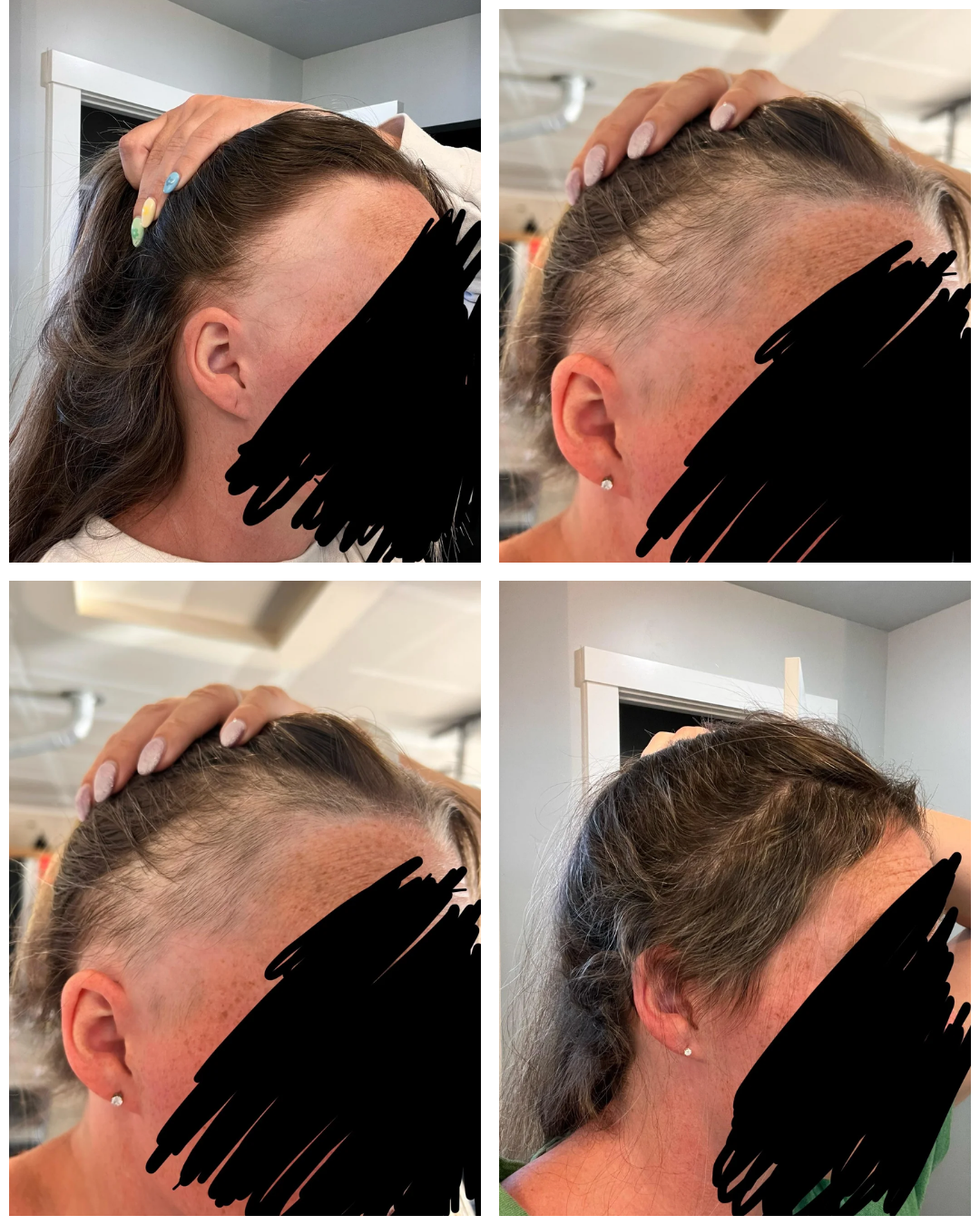
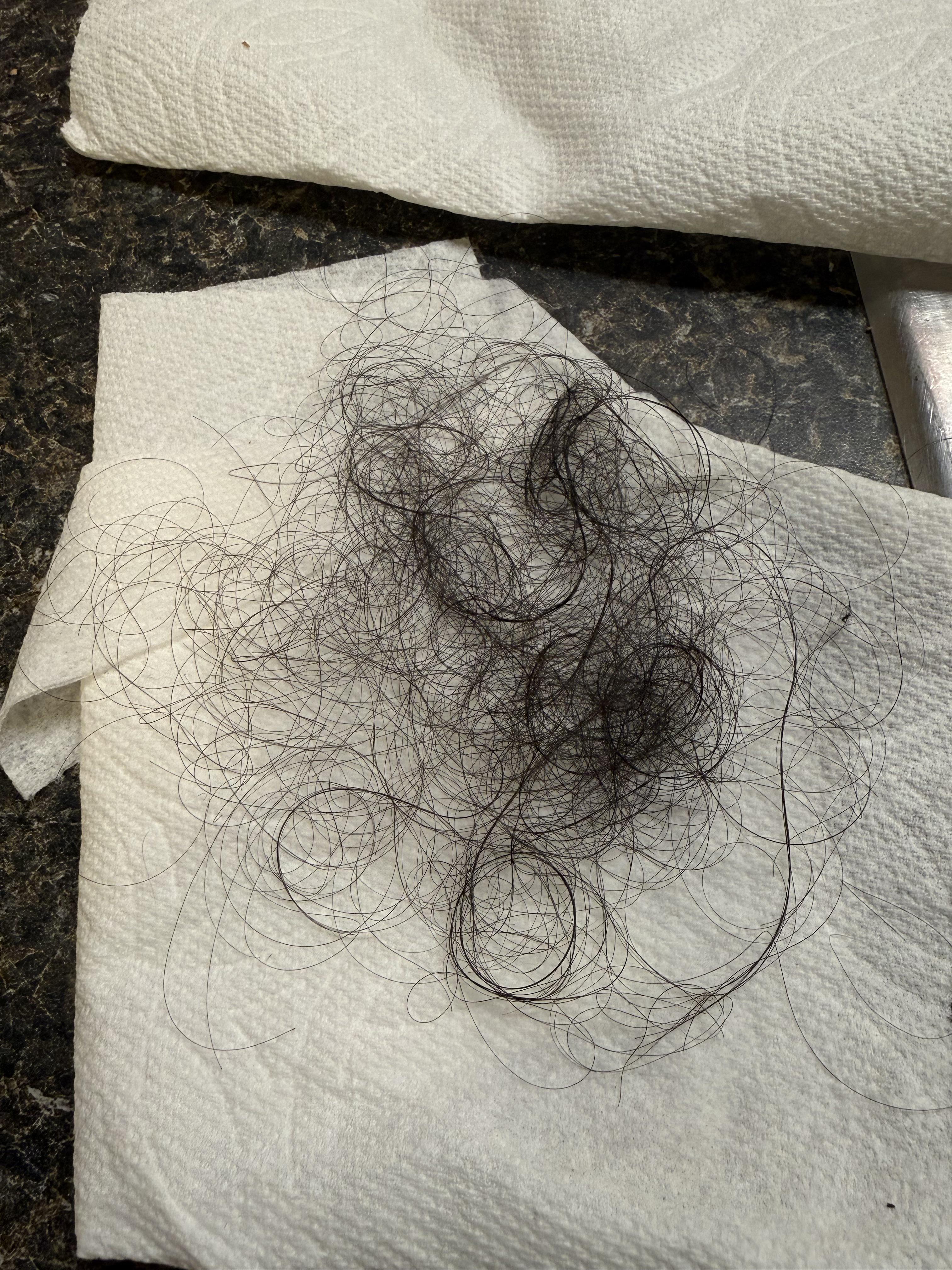
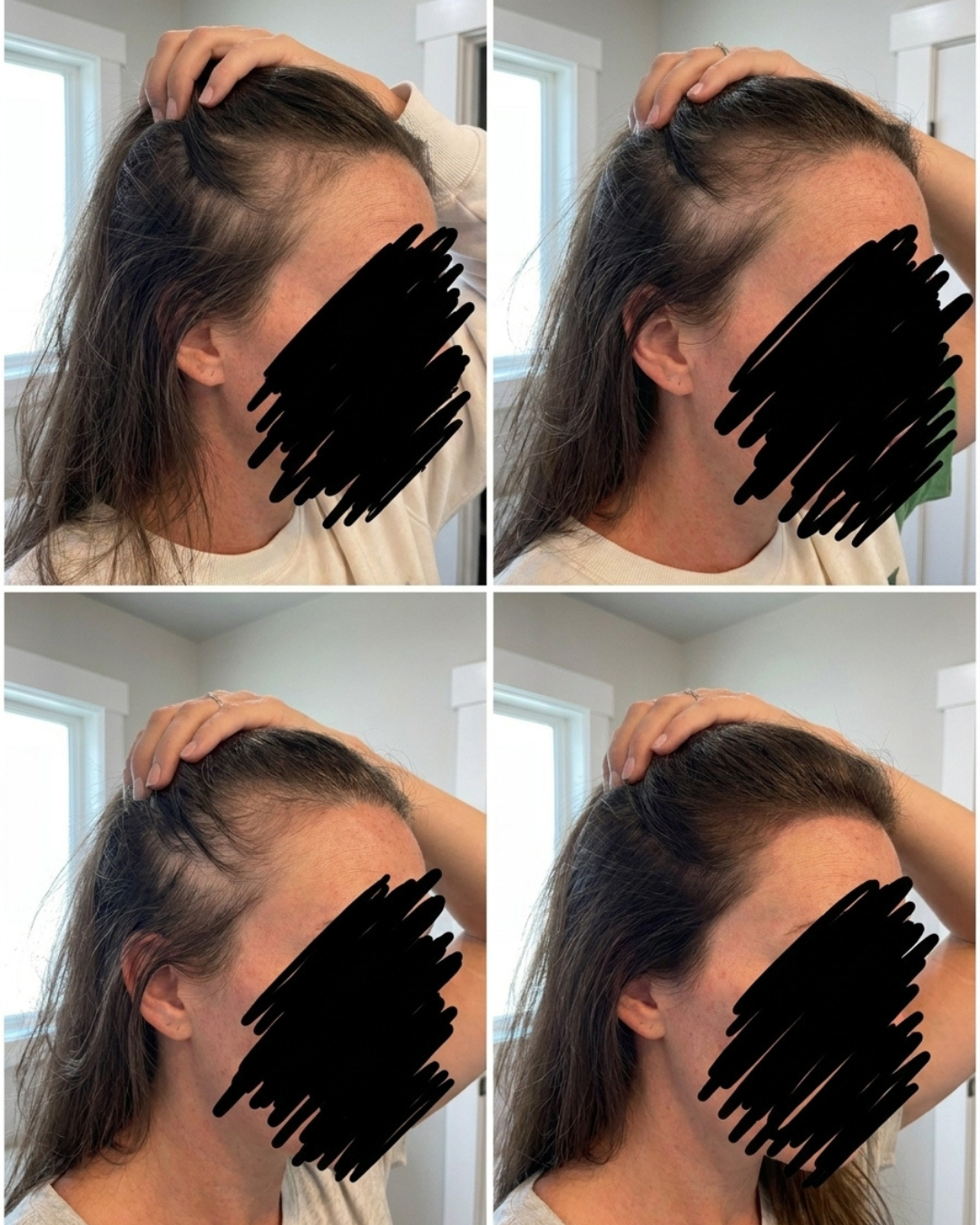
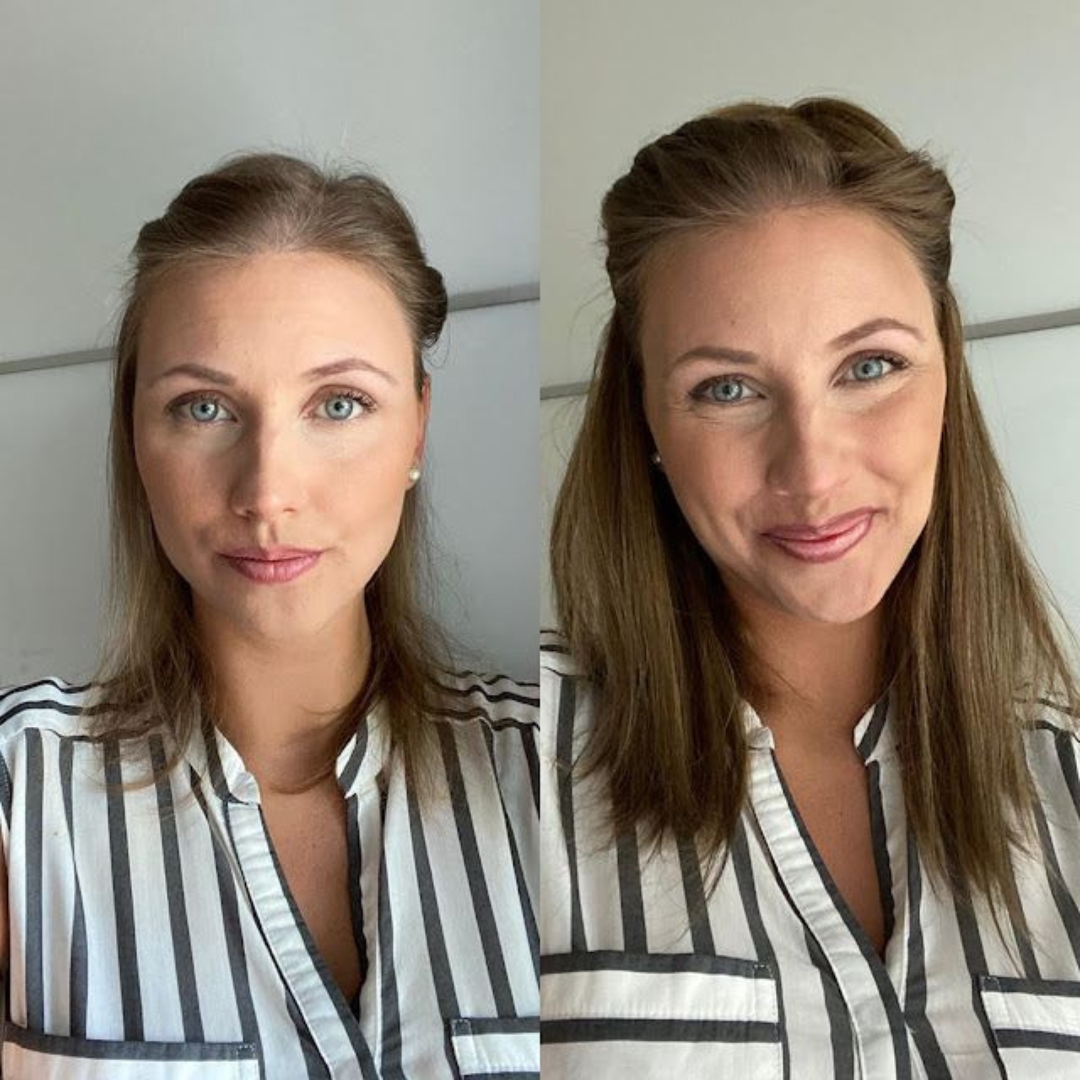
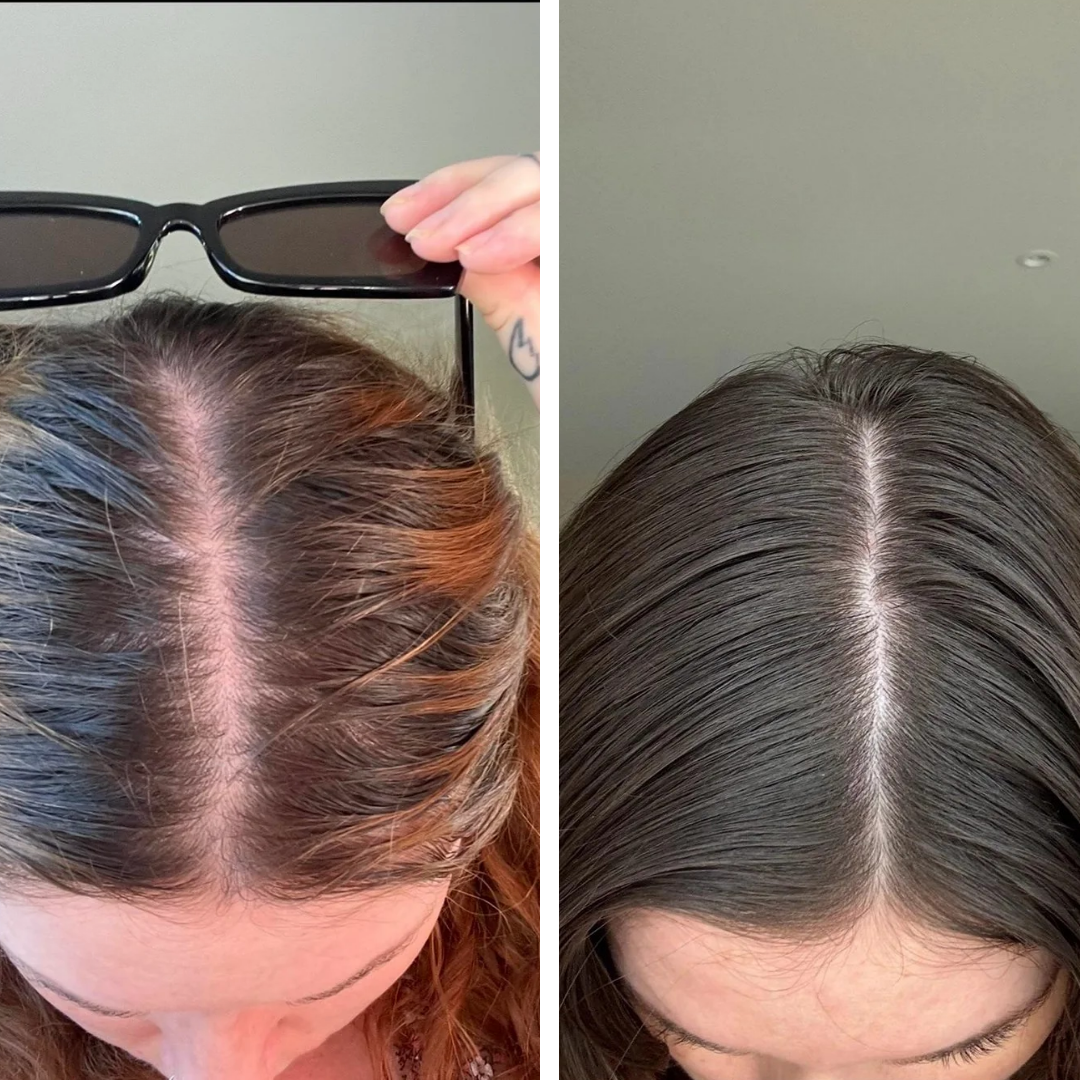
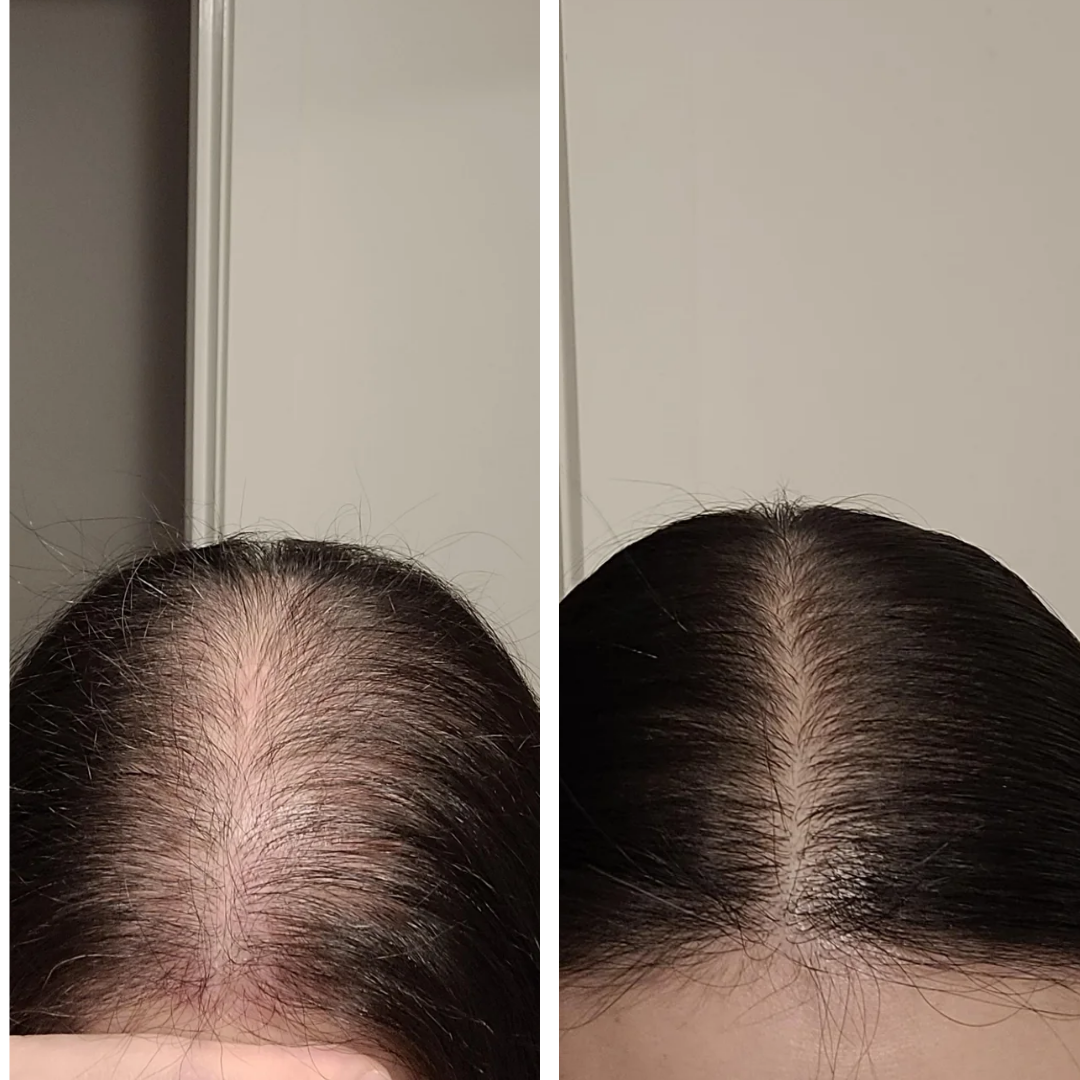
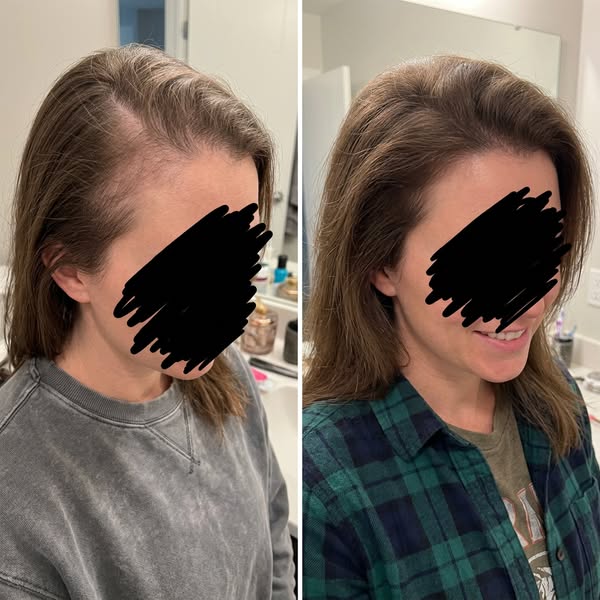
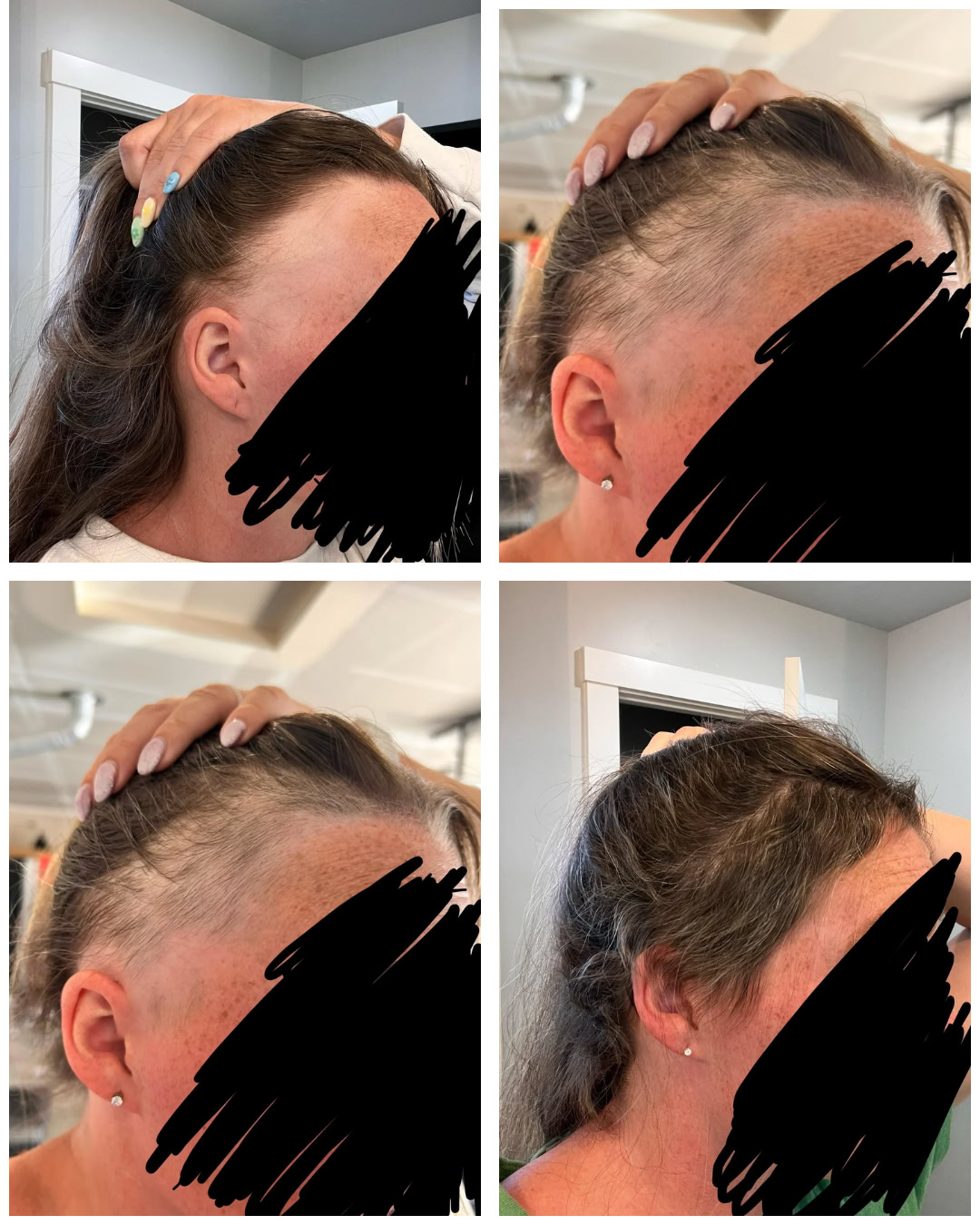
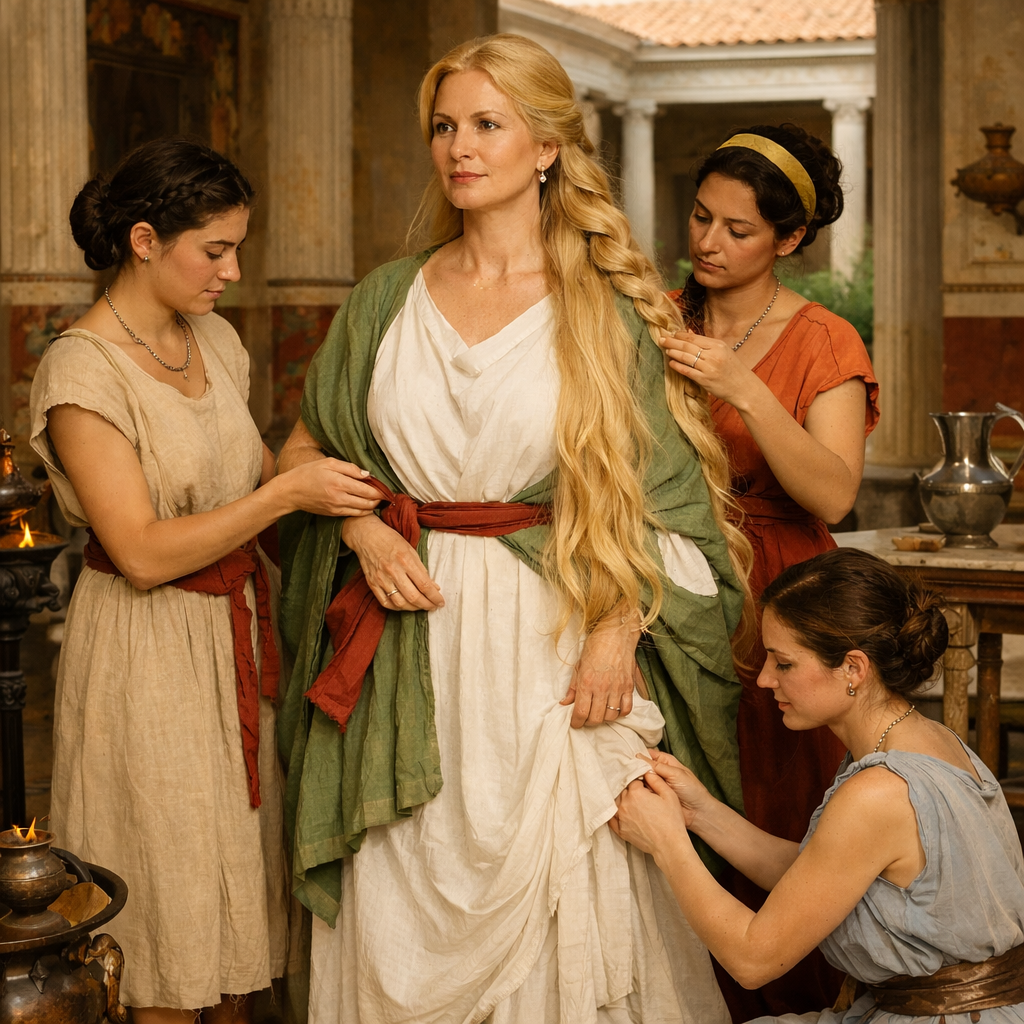
Roman women gave birth to 6, 7, sometimes 8 children. Each pregnancy in brutal conditions. No epidurals. No antibiotics. No modern medicine to help them recover. And through all of it—well into their 50s and 60s—they maintained those elaborate braided hairstyles you see in museum statues. The corona. The tutulus. The complicated updos that required servants working for hours and, most importantly, thick, healthy, abundant hair. You can't fake that kind of volume with thin, damaged hair. The physics don't work. Meanwhile the average woman today starts one GLP-1 medication and six months later she's watching clumps circle the shower drain. Historians assumed Roman women wore wigs or hairpieces. Until they started digging through ancient medical texts. A few years ago, researchers at the University of Rome began translating writings by Soranus of Ephesus—the most famous physician to wealthy Roman women in the 2nd century. They wanted to understand how elite Roman women survived constant childbearing when maternal mortality was so high. What they found wasn't what anyone expected. Soranus was obsessed with one specific condition above all others. He called it "the thinning that follows birth." He wrote about it constantly. Described it in clinical detail. Documented treatment protocols. Called it one of the most distressing afflictions for Roman matrons because in their culture, a woman's hair was literally proof of her vitality and status. If your hair thinned after pregnancy, everyone knew. Your value in society dropped. So Roman physicians developed strict protocols to prevent it. Before conception. During pregnancy. After delivery. Through nursing. They prescribed specific Mediterranean botanicals they called "shields against the male dominance." It wasn't optional. It wasn't cosmetic. It was considered essential medical treatment. Because a Roman matron who lost her hair after childbirth was viewed as weak, unhealthy, damaged. Here's the part that blew researchers' minds. Modern endocrinology has confirmed what Roman physicians figured out 2,000 years ago. When estrogen crashes—whether from pregnancy, menopause, or medication—a hormone called DHT surges. DHT is an androgen. Technically dihydrotestosterone. And it's absolutely brutal to hair follicles. Studies show it doesn't just damage follicles—it strangles them. Shrinks them by up to 50%. Cuts off their blood supply at the root and forces them into a dormant phase where they stop producing hair entirely. The Romans didn't have labs or microscopes. But they understood that when "female essences weakened" (estrogen dropped), "male vapors" (androgens) would "attack the roots and cause the thinning that shames women." That's... literally what modern medicine says is happening. Estrogen protects hair follicles. When it drops, DHT attacks. Simple as that. And Roman physicians developed botanical protocols specifically designed to block this process during the hormonal chaos of childbirth. They couldn't prevent pregnancy from crashing hormones. But they could protect women's follicles while it happened. The botanicals they prescribed? Saw palmetto. Nettle root. Pearl powder. Sea moss. The exact ingredients modern research shows may help regulate androgen activity and protect follicles during hormonal disruption. Now here's what every modern woman needs to understand. Roman women dealt with temporary hormonal crashes. A few months of chaos during and after pregnancy. Then their hormones recovered. That's it. We've got GLP-1 medications that create ongoing hormonal disruption for months or years. Plus we're eating way less food than they ever did—they feasted regularly between pregnancies. Our bodies are in sustained caloric deficit while taking synthetic hormones that mess with our natural rhythmic balance. Plus many of us are perimenopausal or menopausal, so our estrogen was already declining before we even started the medication. We're experiencing what a Roman woman went through during 8 pregnancies—except ours doesn't end after delivery. It just keeps going. Week after week. Month after month. Roman women with multiple pregnancies got daily botanical protection from DHT. We get told "eat more protein" and handed a bottle of biotin. Their physicians treated this as a serious medical condition requiring aggressive intervention with proven compounds. Ours dismiss it as a cosmetic side effect we should just accept while we lose weight. No wonder we're losing our hair. This hit me hard when I came across an article about Roman medical practices late one night. I'm 46. Started Zepbound in March because my A1C was creeping up and my doctor said it would help with both blood sugar and weight. And it did. I lost 32 pounds in five months. My labs improved. I felt better in my clothes. But my hair. By month four, I was finding it everywhere. Wrapped around the vacuum roller. Clogging the shower drain. On my pillow every morning—so much that I started putting a towel down because I couldn't deal with seeing it all over my pillowcase. The part down the center of my scalp kept getting wider. That spot at my crown where I could see pink skin through the hair when the light hit it wrong. My daughter looked at me during her college graduation photos and said "Mom, you can really see your scalp in this picture" and then immediately looked horrified that she'd said it out loud. I tried everything. Increased my protein to 100g a day—no change. Took biotin—broke out in acne, did nothing for my hair. Bought that $48 keratin shampoo from Sephora—used the whole bottle, zero difference. Every month, more hair gone. More scalp visible. More of myself disappearing. Started wearing hats constantly. Avoiding photos. Canceling plans because I couldn't get my hair to look acceptable no matter what I did. The article about Roman medical practices appeared around 2:30 AM on a Tuesday. I'd been awake for hours, scrolling through Reddit threads full of other women losing hair on GLP-1s, all of us confused and being told by doctors that it was "just temporary." But it wasn't temporary. It was getting worse. The article explained how Roman physicians documented specific protocols for protecting women's hair during hormonal disruption. How they understood that pregnancy caused an "imbalance of humors"—what we now know as hormonal chaos. How they prescribed specific botanicals to block what they called "male vapors" from attacking hair roots. I clicked through to the research citations. Started reading actual studies on DHT and female hair loss. And everything clicked. This wasn't about protein. It wasn't about biotin or vitamins or how much chicken I was eating. This was about DHT attacking my follicles while my estrogen was too low to protect them. A hormonal mechanism that biotin and protein can't touch. The same mechanism Roman women dealt with during pregnancy. And they had a solution for it 2,000 years ago that we've somehow forgotten. I spent the next three days researching what actually works for DHT-related hair loss. Most supplements are garbage. Just biotin and collagen and generic multivitamins that don't address hormones at all. Then I found Hair Revive by Balmbare. The ingredients list stopped me: Saw palmetto extract. Organic pumpkin seed oil. Pearl powder. Aloe vera inner leaf. These weren't random beauty ingredients. These were the same botanicals Roman physicians prescribed for "the thinning that follows hormonal disruption." Saw palmetto—studies show it may help block the conversion of testosterone to DHT. Pumpkin seed oil—research suggests it supports hormonal balance and may reduce DHT activity. Pearl powder—provides the amino acids and minerals that support keratin structure. Aloe vera—supports scalp health and follicle function. Finally. Someone actually understood the mechanism instead of just throwing biotin at the problem. The product description even mentioned it was specifically formulated for hormonal hair loss—GLP-1 users, menopausal women, postpartum shedding. They weren't trying to treat a vitamin deficiency. They were addressing the actual hormonal cascade causing the loss. I ordered it that night. Two gummies every morning. Tasted like actual fruit, not that weird chemical-sweet flavor most supplements have. Week one: Nothing dramatic. But I wasn't breaking out like I had with biotin. Small win. Week two: I'd been obsessively counting hairs in my shower drain for months. Usually 80-100+ strands every wash. Day 12: 52 strands. I counted three times. Week three: My husband commented that my hair looked shinier. Not thicker yet. Just... healthier. Less dry and brittle. Week four: The shedding had noticeably decreased. Still more than I wanted, but nowhere near the clumps I'd been losing. Week six: Baby hairs. Those tiny little sprouts along my hairline that I hadn't seen in over a year. I took a picture and cried. Week eight: Put my hair in a ponytail and the hair tie stayed in place all day. Held without slipping. Do you know how long it had been since that happened? Week ten: My hairdresser—who'd been cutting my hair for 8 years and watched it thin in real time—stopped mid-cut. "Okay, what are you doing differently? Your hair feels thicker." It's been five months now. My hair isn't what it was before Zepbound. I'm realistic—I'm 46, perimenopausal, still on the medication. But it's SO much better. The part down my scalp? You can barely see skin anymore. Just hair. My ponytail? Three wraps with a hair tie instead of slipping off. That thinning at the crown? Filling in with new growth. The shedding? Down to 30-40 strands in the shower. Normal levels. I told three women in my GLP-1 support group. All three tried it. One messaged me six weeks later: "I don't know how to thank you. I was about to quit my medication because I couldn't take losing more hair. This is working." Roman women figured this out 2,000 years ago. They gave birth 6, 7, 8 times in brutal conditions. Dealt with hormonal chaos that would make our GLP-1 side effects look manageable. Lived in a society that judged their worth by their appearance. And they protected their hair through all of it. Because they understood that when hormones crash, you don't just eat more protein and hope for the best. You address the mechanism. You block the DHT. You support hormonal balance. You give follicles what they need to survive the chaos. We're told "it's just temporary" and "eat more chicken" and "biotin should help." Meanwhile our ponytails are disappearing. Roman physicians treated this as a serious medical condition requiring aggressive intervention. We should too. If you're on a GLP-1 and watching your hair thin... if you're seeing more scalp every month... if you've tried protein and biotin and expensive shampoos and nothing is working... It's not a protein deficiency. It's DHT attacking your follicles while your estrogen is too low to protect them. And the only way to address that is to address the actual hormonal mechanism causing it. Roman matrons used saw palmetto, pearl powder, nettle root, and sea moss to protect their hair through multiple pregnancies. Those same ingredients are in Hair Revive. It's the closest thing I've found to what they used 2,000 years ago. And because it's gummies—not horse pills or terrible-tasting powders—I actually take them every single morning without fail. I think about those six months I wasted trying everything except what actually works. Six months of avoiding photos and wearing hats and feeling like I was disappearing. But I also think about the five months since. The shower drains that aren't clogged anymore. The ponytails that hold. The baby hairs along my hairline. The way my hairdresser looks at my hair now and smiles instead of looking concerned. The way I can take a photo without immediately checking to see how much scalp shows. Roman women gave birth 8 times and kept their elaborate hairstyles. We started one medication and lost our ponytails. The difference? They had a protocol for protecting hair during hormonal chaos. Now we do too. EDIT: A bunch of people asked so here's the link: https://balmbare.com/products/hair-revive-gummies They explain the whole DHT mechanism on their site and why biotin doesn't work for hormonal hair loss. They also have a 30-day guarantee, which is what convinced me to try it after wasting money on everything else.
Like this ad? Make it yours.
Crush rebuilds this exact creative around your product — your brand, your colors, your offer — in about a minute.