Sarah Mitchell
Sarah Mitchell Facebook ad: “If You Travel With Peptides Read This”
Ran for 11 days, from May 10 to May 21, 2026, the last day Crush saw it.
Run by Sarah Mitchell on Facebook. Crush is not the advertiser and does not verify its claims. See this ad in Meta's Ad Library(opens in a new tab)
Want an ad like this for your product?
Crush makes new ad images for your product from this ad: your logo, your product photo, your offer.
Trials from $19.95 USD, then $79.95 USD a month. Cancel anytime.
About this ad
- Meta Ad Library ID
- 27101329276157468
- Platforms
- Facebook, Instagram, Audience Network, Messenger and Threads
- Relaunches
- 0
Ad text
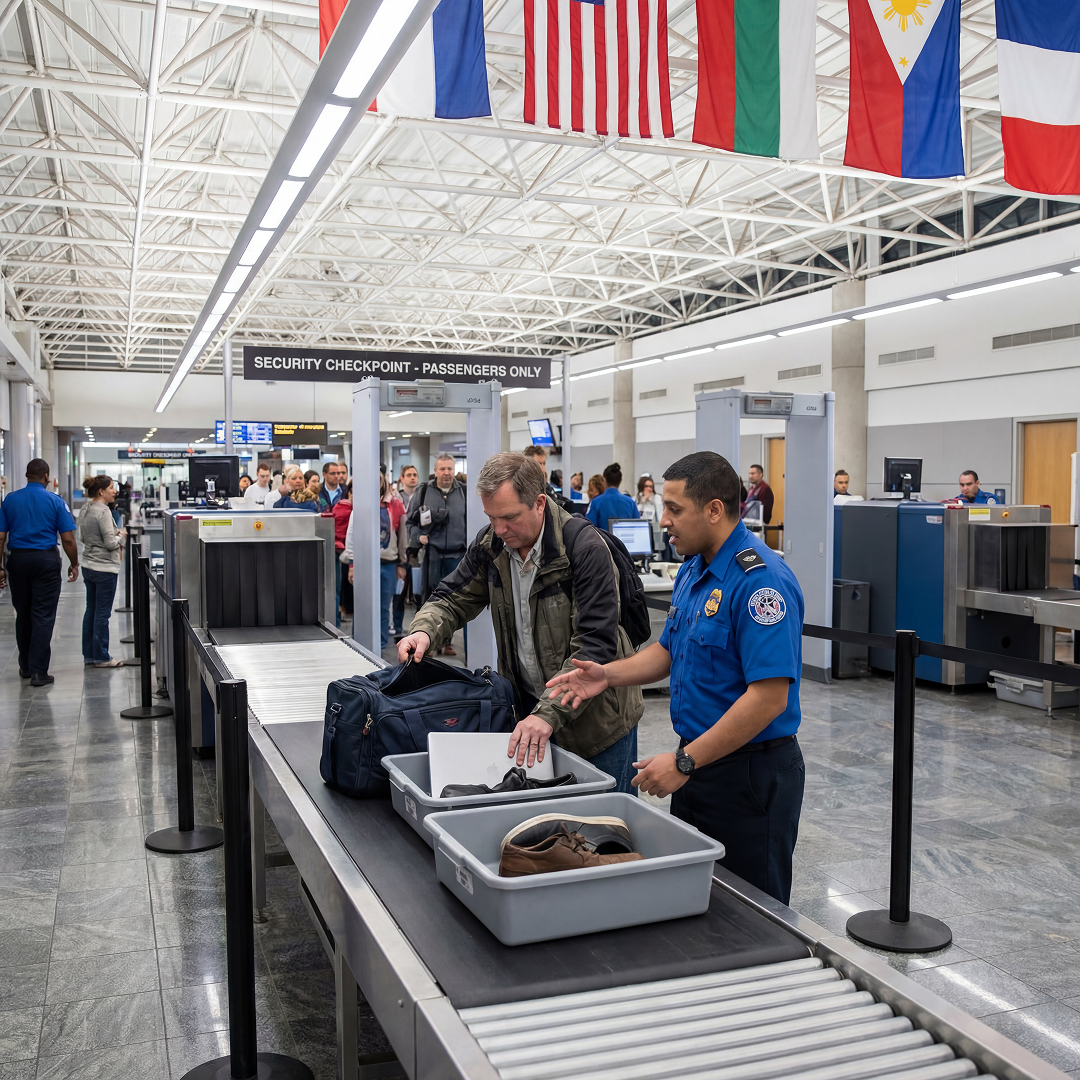
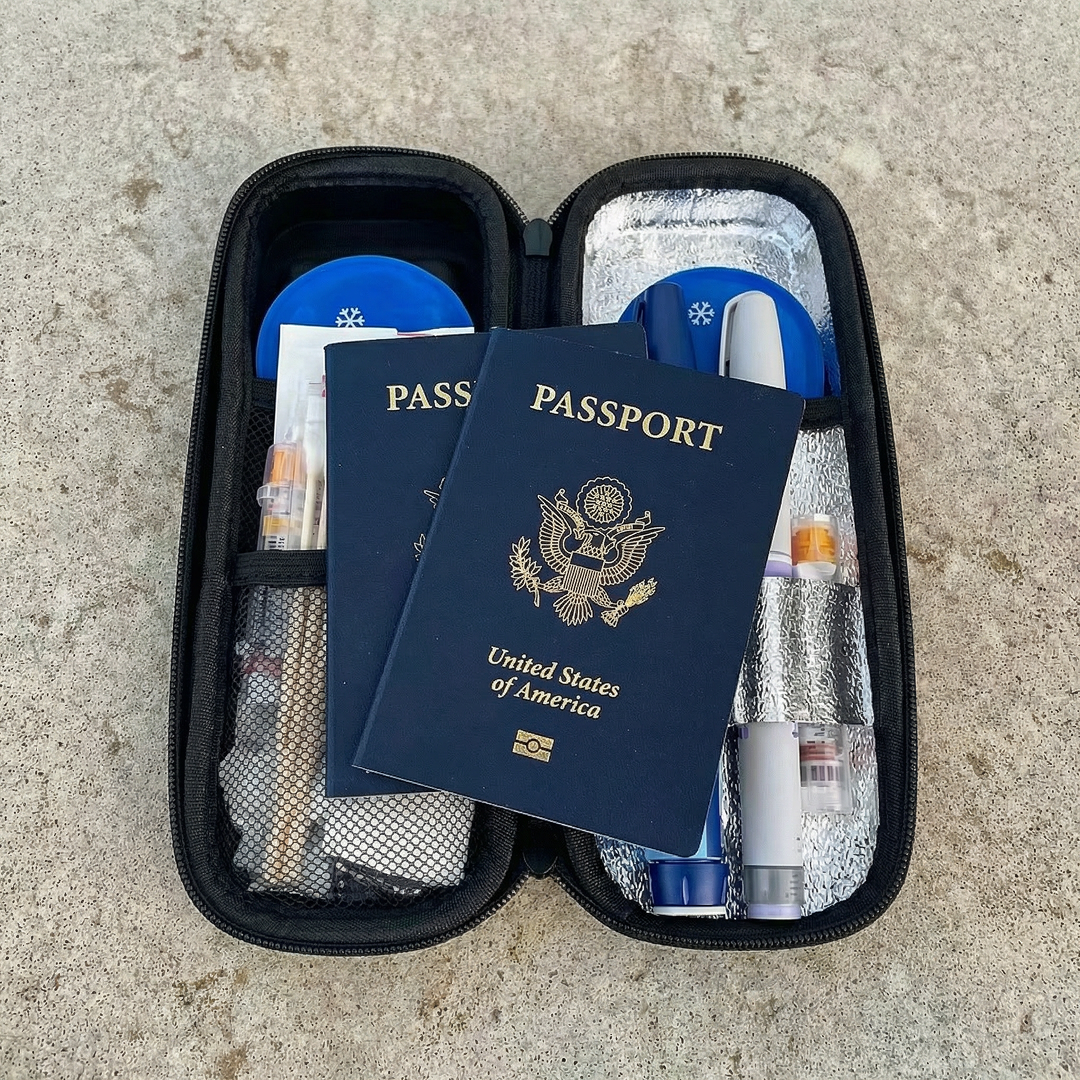
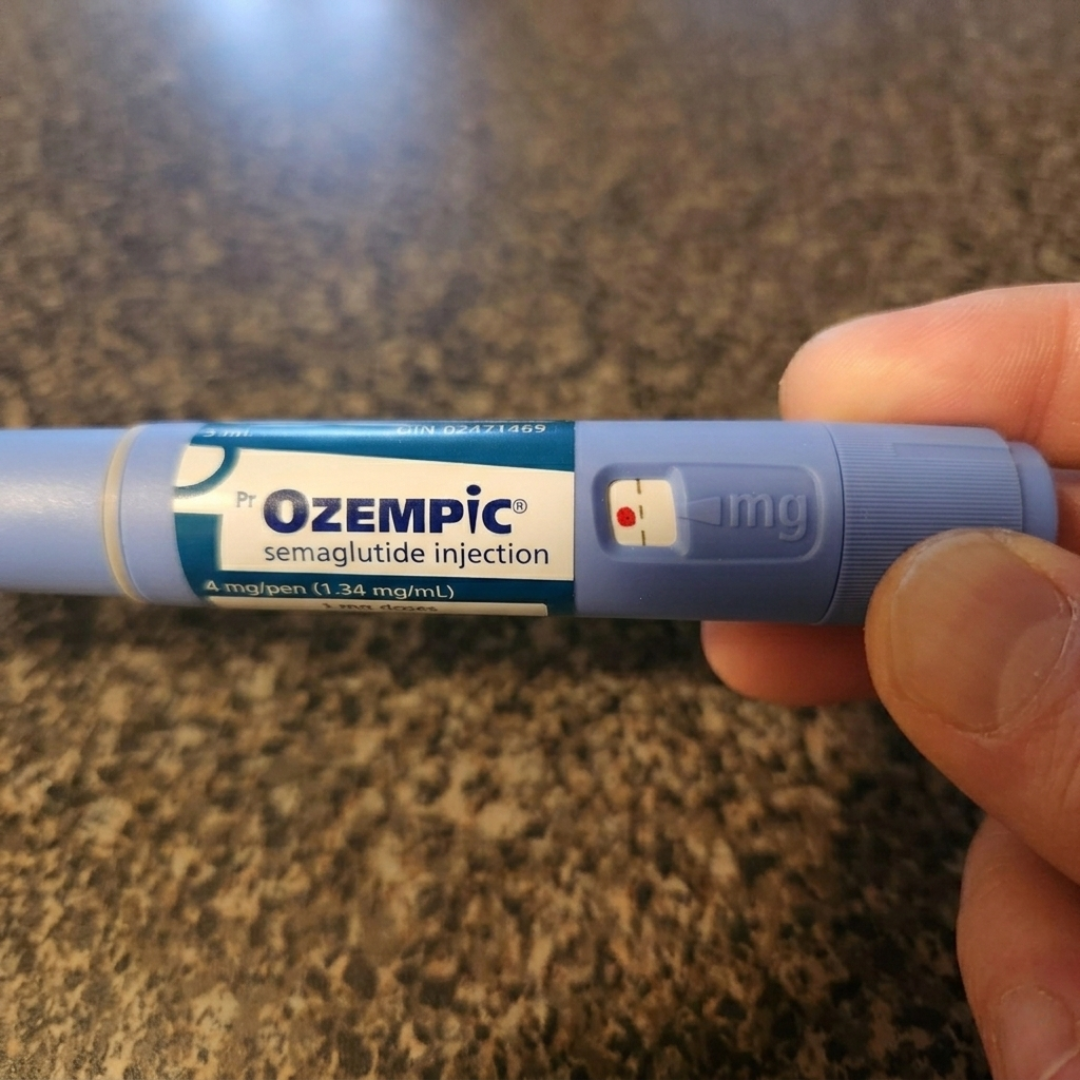
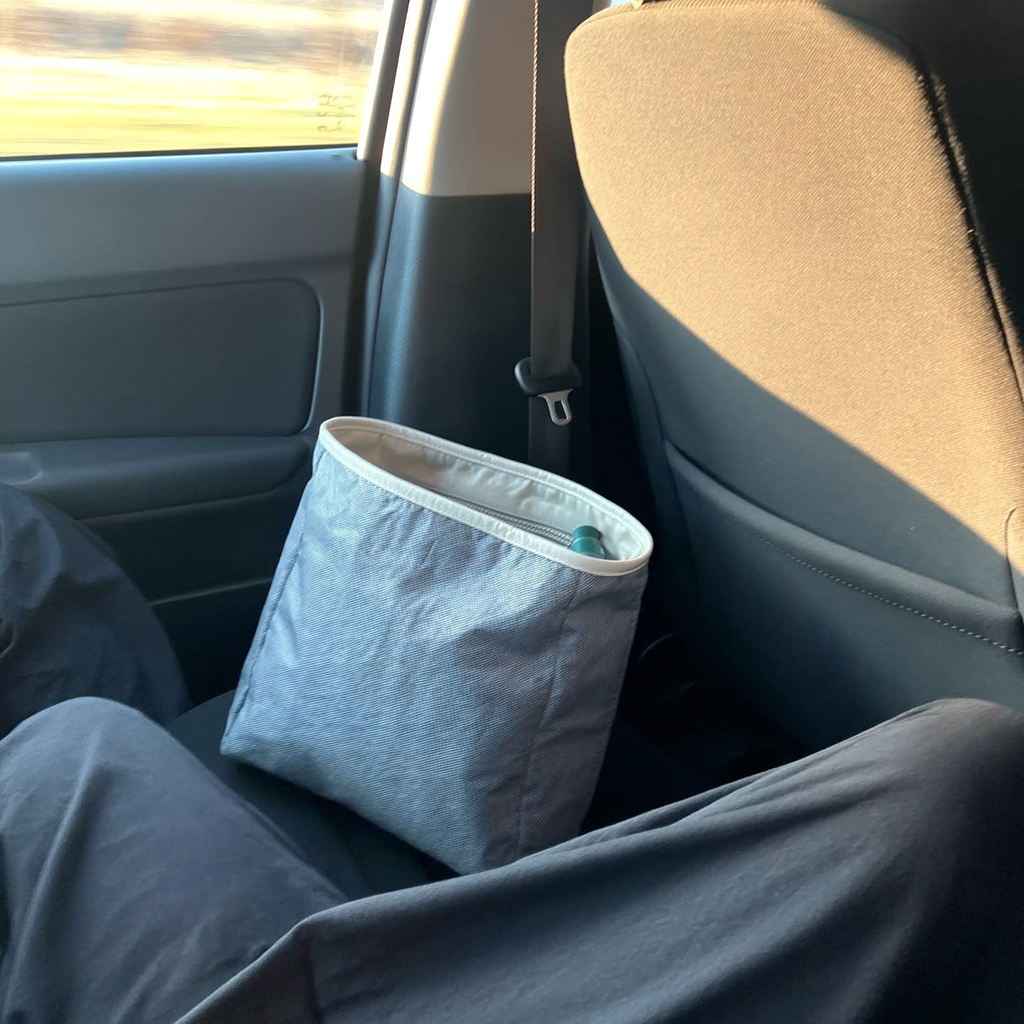
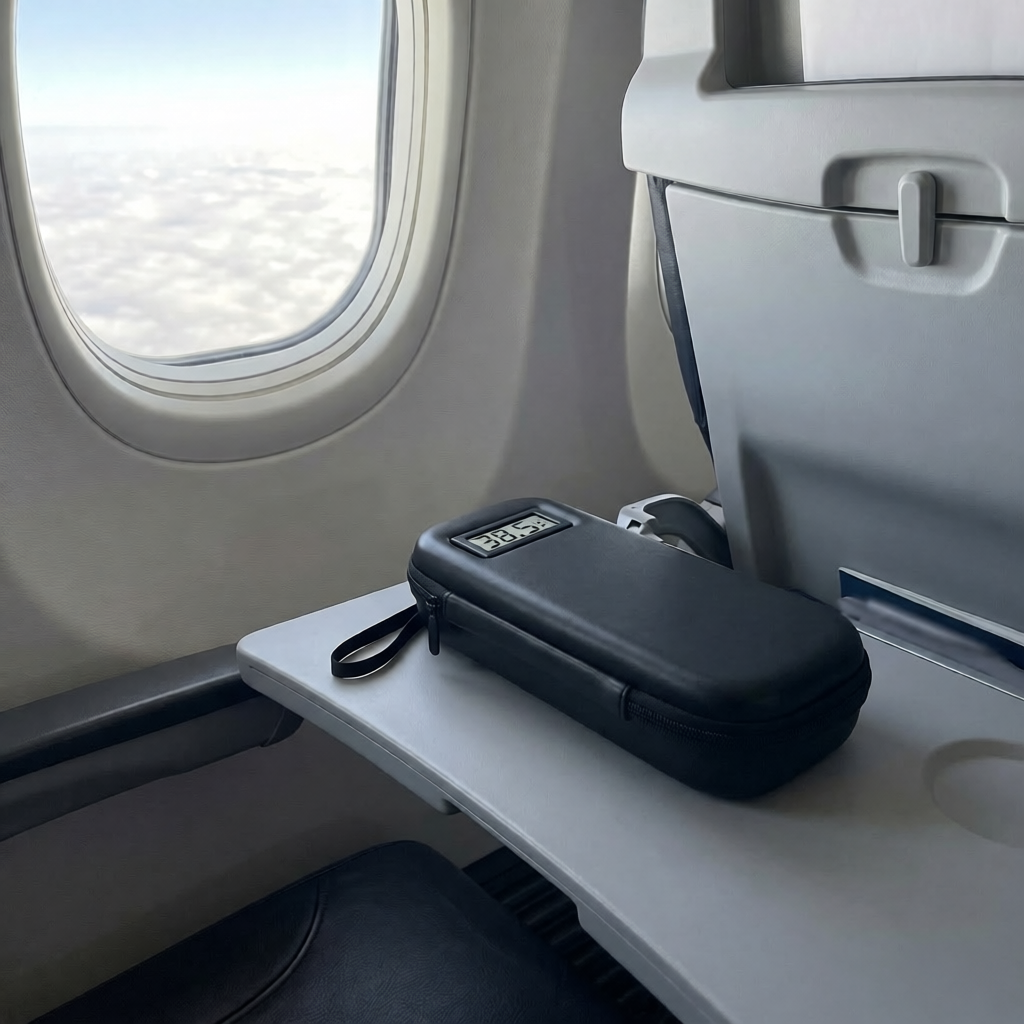
I left my Mounjaro pen in my carry-on during a 3-hour tarmac delay in Phoenix. When I finally injected it that night, something felt off. What my pharmacist told me the next morning about heat damage made me realize I'd been traveling wrong for six months. The pilot's voice crackled over the intercom for the third time. "Folks, we're still waiting for our departure slot. Unfortunately, we're looking at another 45 minutes to an hour on the tarmac. We appreciate your patience." I looked out the window at the Phoenix asphalt shimmering in 108-degree heat. My Mounjaro pen was in my carry-on bag. Overhead bin. Row 23. I'd been sitting on this plane for two and a half hours already. The air conditioning was running, but barely. The cabin felt stuffy. Hot. Stale. I reached up to check my bag, just to touch it, to see if it felt warm. The flight attendant stopped me immediately. "Ma'am, I need you to remain seated with your seatbelt fastened. FAA regulations." "I just need to grab something from my bag." "Not while we're on an active taxiway. I'm sorry." By the time we finally took off, we'd been sitting on that tarmac for three hours and twelve minutes. The overhead bins had been closed the entire time. No air circulation. I pulled my bag down as soon as the seatbelt sign turned off. Unzipped it. Felt the insulated pouch where I kept my pen. It was warm to the touch. Not hot. But definitely not cool. My heart started racing. I'd read the storage instructions when I started Mounjaro six months ago. Something about keeping it refrigerated. But I thought that was just for long-term storage at home. Nobody told me it mattered for a few hours in a bagor that "feels cool" and "stayed between 36–46°F" are two completely different things. That night in my San Diego hotel room, I took out the pen for my weekly injection. It looked normal. Same clear liquid. Same feel in my hand. But when I injected it, something was different. The medication going in felt... room temperature. Not cold like usual. I tried to shake off the feeling. It's fine. It was only a few hours. People travel with this stuff all the time. Besides, I had it in an insulated pouch. It still felt a little cool. That had to be enough… right? Over the next week, I noticed things changing. The appetite suppression that had been so strong for five months? Fading. The food noise that had finally gone quiet? Coming back. By day four, I was thinking about food constantly again. Snacking between meals. Craving things I hadn't wanted in months. By day seven, I'd gained three pounds. I told myself it was stress. Travel. Restaurant food. But deep down, I knew something was wrong. I called my pharmacy on day eight. "Hey, I have a question about Mounjaro storage. If it gets warm for a few hours, is it still okay to use?" The pharmacist her name was Linda asked me to hold. When she came back on the line, her voice was different. More serious. "How warm are we talking? And for how long?" "I don't know exactly. It was in my carry-on bag during a long tarmac delay. The bag felt warm when I got it down. Maybe three hours?" She was quiet for a moment. "And you already injected it?" "Yes. A week ago." "Okay. So here's the thing. Mounjaro needs to be stored between 36 and 46 degrees. If it's been exposed to temperatures above 77 degrees for more than a few minutes, the medication can start to degrade. The protein structure breaks down." My stomach dropped. "But it looked fine. It wasn't cloudy or anything." "It wouldn't be. Heat damage doesn't always show visible signs. But you might notice it's not working as effectively." That's when it clicked. The returning hunger. The weight gain. The cravings. It wasn't me failing. It was the medication failing because I'd accidentally destroyed it and had no way to know when it happened. "What do I do now?" I asked. "You need to start with a fresh pen. This one is likely compromised. And going forward, you need to be really careful about temperature exposure during travel." "How careful?" "Overhead bins on planes can get very hot, especially during tarmac delays. Hotel mini-fridges aren't always cold enough. Car trunks in summer are basically ovens. You need consistent temperature control if you're going to travel with this medication." "But how? Ice packs melt. Cooler bags and thermal bottles just slow down temperature change they don't tell you what temperature your medication actually is." She paused. "Have you looked into medical-grade travel cases? The ones with temperature displays?" "What do you mean 'temperature displays'?" "They have a digital screen that shows you the exact internal temperature. So you're not guessing whether your medication is safe you know." I spent the rest of that day researching. Not on diabetes forums or general travel sites. I went straight to the medical supply sites. The pharmacy resources. The actual science. And I found study after study saying the same thing: GLP-1 medications are temperature-sensitive biologics. Even short periods above 46 degrees can reduce potency by 15-30%. I found forum threads where people said things like: "I thought my Wegovy stopped working. Turns out I'd been storing it wrong for four months." "My doctor never explained how sensitive Ozempic is to heat. I learned the hard way." "Lost $400 worth of Zepbound on a road trip because my cooler bag wasn't actually keeping it cold." Some people swore by ice packs, insulated mugs, or thermal bottles. Others said their "cold" bags still let temps creep into the 50s. The pattern was always the same: nobody actually knew what temperature their medication had reached, only how cold it felt from the outside. And then I found the solution Linda had mentioned. Travel cases designed specifically for temperature-sensitive medications. Not generic coolers. Not lunch bags with ice packs. Cases with active temperature control and digital displays showing real-time internal temperature. Mine arrived three days later. I opened the box and there it was a slim black case with a small screen on the front. I put my new Mounjaro pen inside and closed it. The screen lit up: 38°F. I stared at that number for a long time. Such a simple thing. Two digits on a screen. But it represented something I hadn't had in six months of traveling with Mounjaro: certainty. I tested it obsessively at first. Left it in my car on a 95-degree day while I was in a two-hour meeting. Came back: 40°F. Took it on a work trip to Houston. Through TSA, on the plane, in the overhead bin during a one-hour delay. At my hotel: 42°F. Carried it in my laptop bag to client meetings all day. Temperature at the end of the day: 41°F. It worked. Not "seemed to work." Not "felt cool enough." It actually maintained the exact temperature range my medication needed, and the little screen proved it to me every time I glanced at it. And here's what happened over the next month. The appetite suppression came back. Strong and consistent. The food noise disappeared again. Completely quiet. My energy leveled out. My mood stabilized. I started losing weight again, not dramatically, but steadily. A pound and a half per week, just like I had during months two through five. My medication was working again. Not because I got a different prescription or a higher dose. Because I finally stopped accidentally sabotaging it with guesswork and “good enough” storage. I think about that tarmac delay in Phoenix a lot. Three hours that cost me a month of progress. Three hours that taught me something nobody had bothered to explain when I started this medication: "keep refrigerated" doesn't mean the same thing as "keep at a controlled temperature." The pharmacy fridge is controlled. My random cooler bag on a hot plane? Not so much. Refrigeration at home is easy. But life isn't lived in refrigerators. Life is lived in cars and airports and offices and hotels. And if your medication can't survive your actual life, then you're forced to choose between living normally and managing your health effectively. I'm down 47 pounds now. But more than the number, I'm different in other ways. I say yes to work trips without medication anxiety. I fly to visit friends without worrying about overhead bin temperatures. I take weekend road trips without obsessively planning cooler bag strategies or hunting for the “coldest” hotel mini-fridge. I just... live. With my medication. As part of my routine. Not as the thing dictating every decision. Here's what I wish someone had told me on day one of Mounjaro: This medication will change your life. It really will. But only if you store it correctly. And "correctly" doesn't mean "in a cooler bag with some ice" or "in a tumbler that feels cold on the outside." It means 36-46 degrees. Consistently. Verifiably. With proof. You can't guess whether it stayed cold enough during that tarmac delay. You can't assume the overhead bin was fine because your mug still feels chilled. You can't hope your hotel mini-fridge is actually refrigerator-cold and not just "cool-ish." You need to know. If you're reading this and you've been traveling with your Mounjaro, Wegovy, Ozempic, or Zepbound in regular bags, coolers without temperature monitoring, or just "being careful" You're not doing anything wrong. You're doing what most people do. What I did for six months. But here's what I learned the expensive way: being careful isn't the same as being certain. And with medication that costs $900-$1,400 per month, certainty matters. You can find medical-grade travel cases online with digital temperature displays. Not thermometers you check manually. Not “it feels cold, so it must be fine.” Screens that show constant, real-time internal temperature, so you know whether you're still in the safe range. Look for ones that maintain 36-46°F regardless of external conditions. It's not overkill. It's not paranoia. It's protecting your investment both the financial one and the physical transformation you're working toward. I still travel for work constantly. Flights every other week. Client meetings. Conferences. Hotels in different cities. If your life lets you take your once-a-week shot from the same fridge at the same time every single week, that's amazing you probably don't need any of this. But if your dose day keeps landing on flight days, red-eyes, conferences, kids’ tournaments, or weekends away, you know exactly why this matters. Now when I'm sitting on a delayed plane, waiting on a hot tarmac, I don't panic. I glance at the small screen on my medication case sitting in my bag. 39°F. And I go back to reading my book. No anxiety. No wondering. No gambling with $400 worth of medication. Just certainty. That's what that Phoenix tarmac delay taught me. Not to stop traveling. Not to live smaller because of my medication needs. But to demand tools that actually work for the life I'm already living. You deserve that too. I promise.
Where the ad sends people
varoura.com
If You Travel With Peptides Read This ☝️
A simple guide to explain the 9 reasons VerifiedCool™ protects your GLP-1 better than tumblers, cooler bags, or guesswork.
Shop now: varoura.com(opens in a new tab)