Heart Health Tips
Heart Health Tips Facebook ad: “The First Time I Connected ED To What I See In The…”
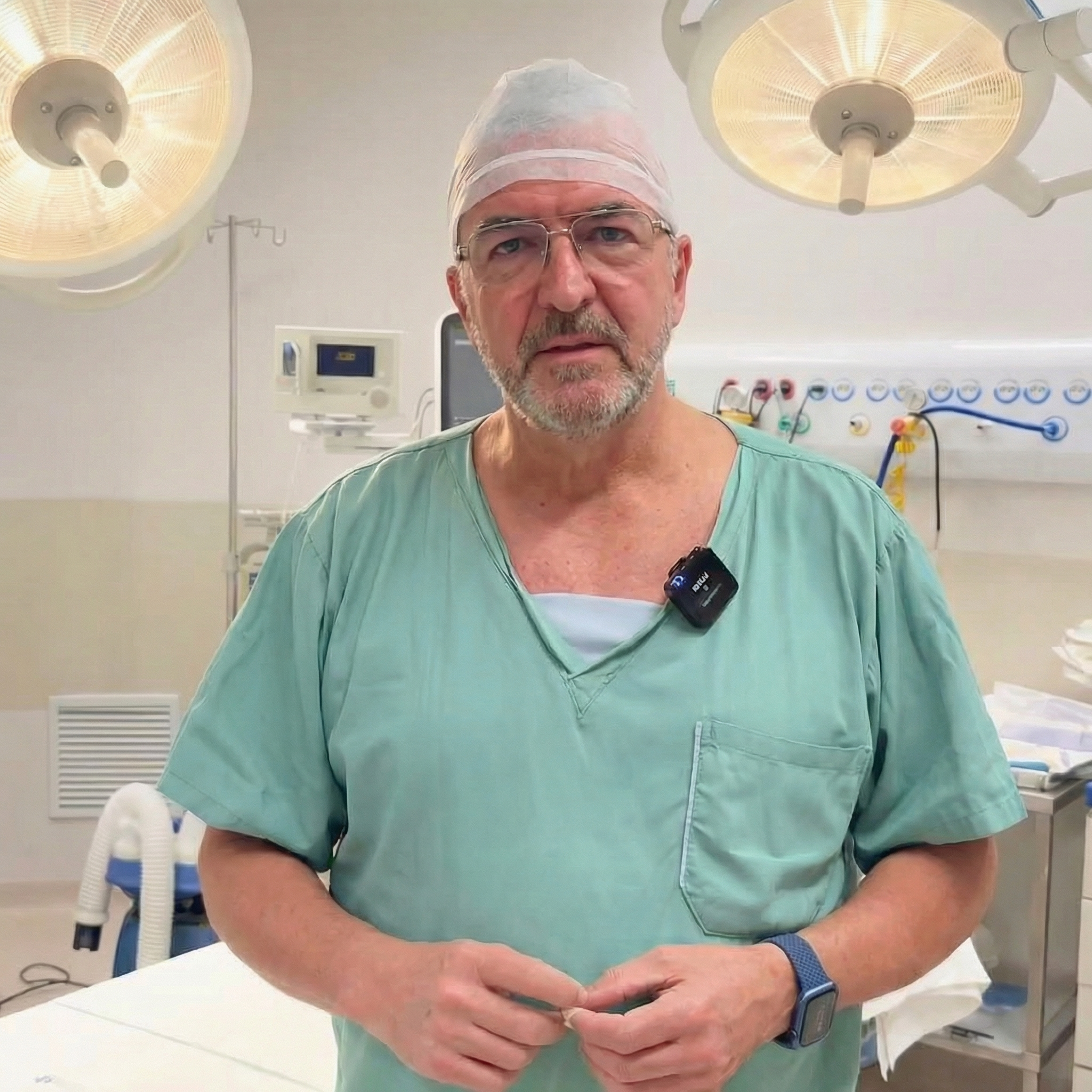
Ran for 32 days, from June 11 to July 12, 2026, the last day Crush saw it.
Run by Heart Health Tips on Facebook. Crush is not the advertiser and does not verify its claims. See this ad in Meta's Ad Library(opens in a new tab)
Want an ad like this for your product?
Crush makes new ad images for your product from this ad: your logo, your product photo, your offer.
Trials from $19.95 USD, then $79.95 USD a month. Cancel anytime.
About this ad
- Meta Ad Library ID
- 27236120972706477
- Platforms
- Facebook, Instagram, Messenger and Threads
- Relaunches
- 0
- Niche
- Marketing & Agencies
Ad text
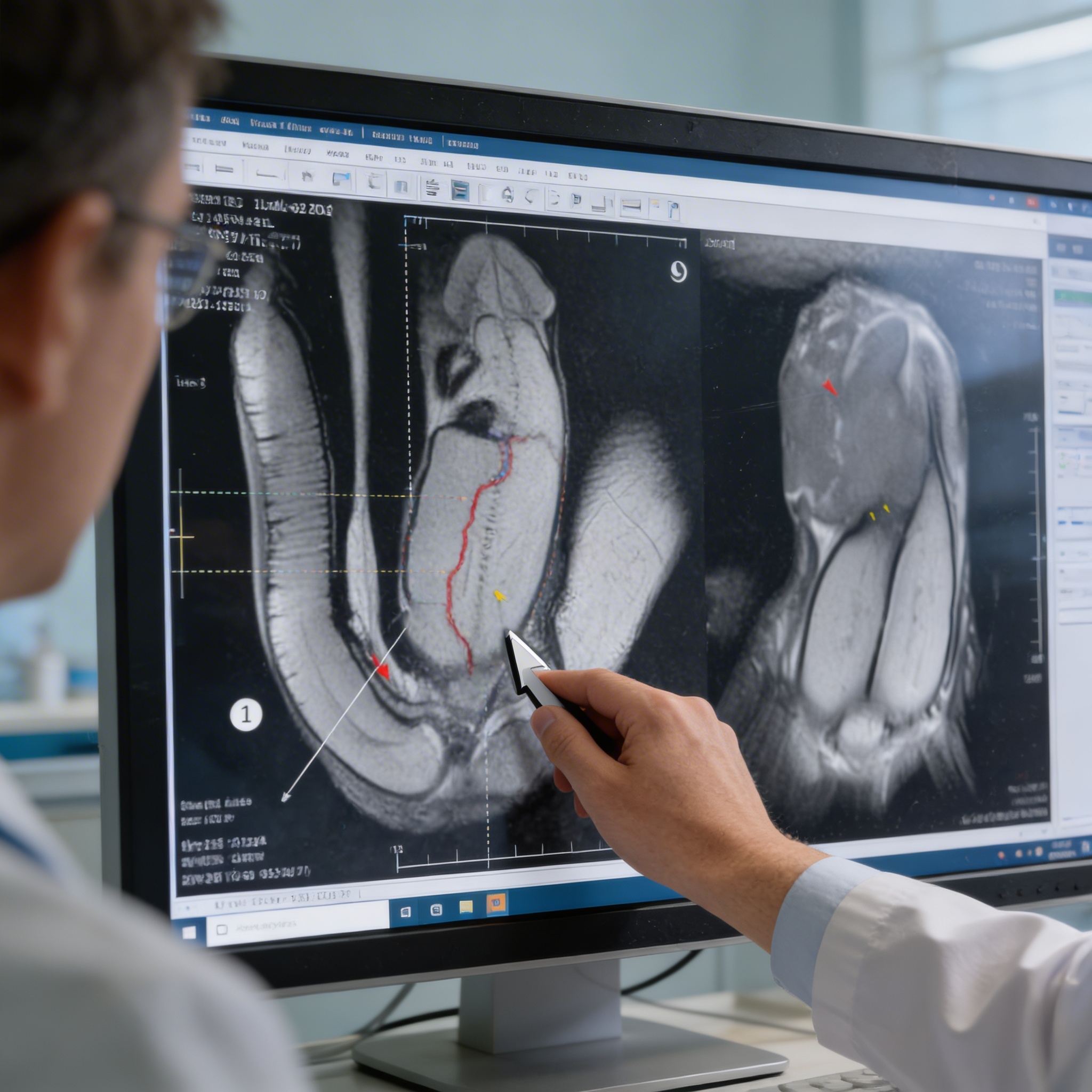
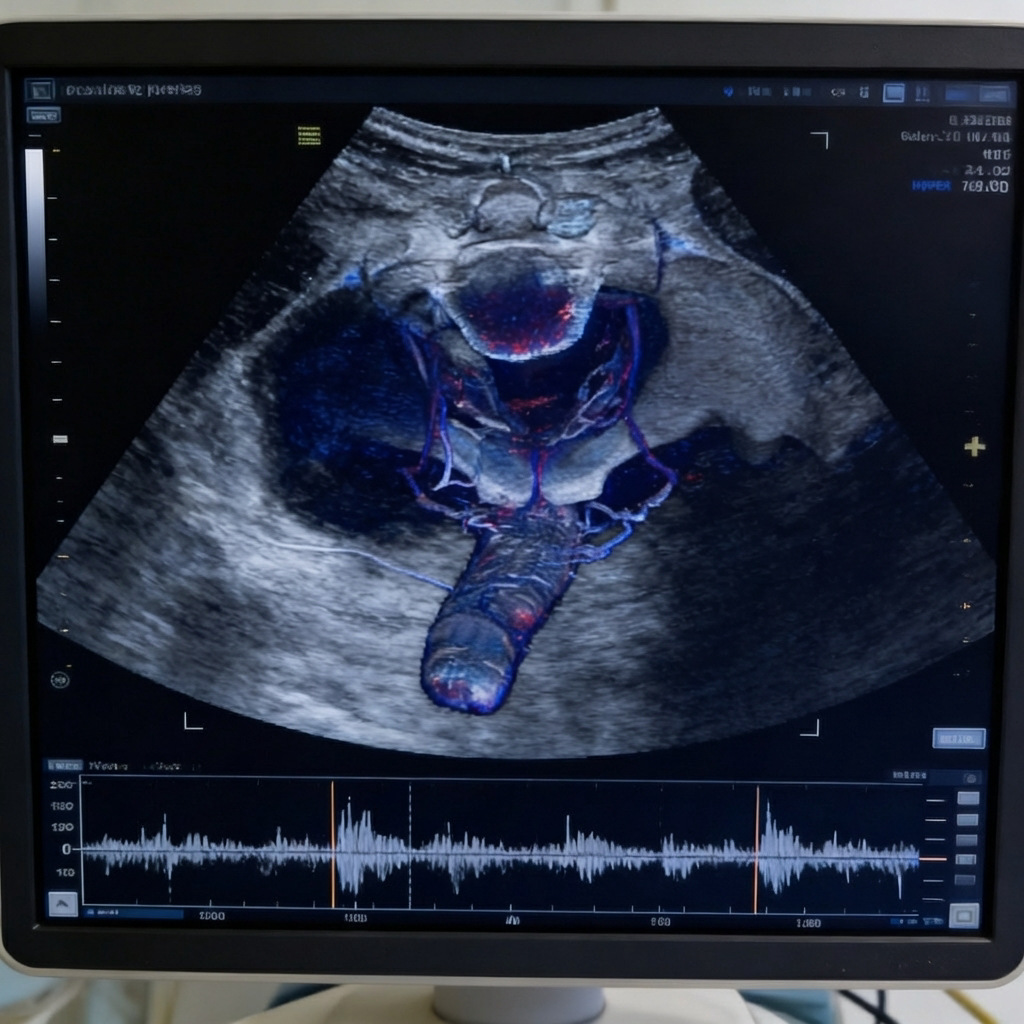
I Have Held Human Arteries in My Hands for Twenty-One Years. I Know What a Healthy Artery Feels Like. I Know What a Diseased One Feels Like. The First Time I Connected What I Hold in the Operating Room to What My Patients Describe in Pre-Op, I Was Standing at a Scrub Sink at 6:45 AM. I have held human arteries in my hands for twenty-one years. I know what a healthy artery feels like — supple, compliant, responsive. I know what a diseased artery feels like — stiff, calcified, narrowed down to a channel that blood forces through rather than flows through. The first time I connected what I hold in the operating room to what my patients describe in pre-op, I was standing at a scrub sink at 6:45 AM. And everything I thought I understood about the sequence of this disease changed. My name is Dr. Michael Harris, FACC. Board-certified vascular surgeon. I perform arterial bypass procedures, endarterectomies, angioplasties. I spend my working life addressing the downstream consequences of arterial plaque accumulation — the strokes, the claudication, the gangrene that follows years of arteries that nobody addressed until the damage was irreversible. The pre-op consultation that morning was routine. Sixty-one-year-old man. Peripheral artery disease. Significantly reduced blood flow to the lower extremities. Scheduled for femoral-popliteal bypass. Standard presentation. Standard procedure. His wife was with him, asking the practical questions — recovery timeline, mobility restrictions, return to work. Then she asked something that was not on the standard pre-op checklist. She said: "Will the surgery help with the other circulation problem?" I looked at my chart. He had a notation from his primary care physician — three years on sildenafil, ED managed pharmaceutically, noted and nothing further done. I asked him directly: "How long have you been managing erectile dysfunction?" He said: "About four years. Before the leg symptoms started." I asked: "Did anyone connect the two?" He and his wife exchanged a look that contained the answer. Nobody had connected the two. Now here's what I almost said. I was about to say something standard. "They have similar underlying causes." The kind of clinically accurate sentence that contains everything and says nothing. But I stopped. Because I was going to put my hands inside this man's arteries in three hours. I had put my hands inside arteries like his for twenty-one years. And I had never once thought to tell a pre-op patient that the symptom he was managing with a blue pill was the same disease I was about to address surgically in his leg. Different vessel. Same process. I thought about that in the OR. My hands were preparing his femoral artery. My mind was with the sildenafil notation. Penile arteries: one to two millimeters wide. Femoral arteries: six to eight millimeters wide. The same plaque accumulation. The same calcification. The same narrowing. The smaller vessel expressing the disease first — by years. By the time a man has femoral artery disease requiring surgical bypass, the penile arteries have been showing the same pathology for a decade. He had been on sildenafil for four years. The sildenafil was forcing blood through a one-millimeter channel. The bypass I was performing was rerouting blood around his six-millimeter channel. Both interventions doing the same thing — forcing blood past the blockage, addressing nothing about the blockage. And here's the part nobody talks about. I have performed more than two thousand vascular procedures in my career. What I have never once been trained to offer a pre-op patient was an intervention for the underlying arterial plaque that didn't require a scalpel. I went home that evening and searched specifically for non-surgical plaque reversal mechanisms with human clinical evidence. Not because I believed I would find something my training had missed. Because that man's wife had asked a question about two problems that were one problem and I had been unable to answer it. And that bothered me in a way I needed to resolve before morning rounds. Now here's what I found. Pharmaceutical-grade capsaicin at 300mg activates TRPV1 receptors in arterial endothelial cells. Continuous nitric oxide production follows. Sustained nitric oxide dissolves calcium deposits at the arterial wall surface. Endothelial function restores. Plaque reduces. "Reversed early atherosclerotic changes in 67 percent of subjects." I read that with the specific attention of someone who spends their working life looking at arterial plaque from inside vessels with magnification and lighting. The mechanism was real. The endothelial biology was sound. The 67 percent reversal rate matched what early-stage arterial disease is capable of when the right mechanism is applied. And here's what my surgical training confirmed about what I was reading. You don't have to cut a vessel to address what's inside it. You have to address the endothelial cells that line it. Healthy endothelial cells produce nitric oxide. Nitric oxide keeps plaque from forming and helps dissolve early deposits. TRPV1 activation produces nitric oxide at the endothelial cell level, the same mechanism the vessel uses when it's healthy. The surgical intervention I perform addresses the downstream consequences of endothelial failure. This addressed the endothelial failure itself. That's when everything made sense. I called my patient's room the morning after surgery. His wife answered. I told her I had found something I wanted him to know about. I told her the mechanism. She was quiet for a moment. Then she said: "You're telling me there was something that might have addressed the circulation problem before it got to surgery?" I said: "At the stage his penile arteries were showing symptoms, yes. The leg arteries were further along. But yes." She said: "Nobody told us." I said: "Nobody knew to tell you. Including me. Until yesterday." I have since added the capsaicin question to every vascular pre-op consultation. Not as a replacement for surgery when surgery is indicated, the bypass I performed on that man was necessary and saved his leg. As a preceding intervention for the patients who present early. The ones whose penile arteries are showing me the disease before it reaches the caliber I operate on. Because here's what twenty-one years of vascular surgery taught me. The sildenafil was forcing blood through his vessel. My bypass was rerouting blood around his vessel. Neither of those interventions addressed what was inside his vessels. The capsaicin protocol addresses what is inside the vessel, at the endothelial cell level, from inside the artery wall itself. The formula I use and recommend is Aurivita. Pharmaceutical-grade capsaicin at 300mg in oil suspension, not cayenne pepper, not food-grade capsaicin at 50mg. This distinction matters to a surgeon. Food-grade cayenne contains unmeasured concentrations in a matrix not optimized for arterial tissue absorption. Pharmaceutical-grade capsaicin at clinical concentration in oil suspension is a different compound in a clinical sense. The dose matters. The form matters. I operate at the cellular level and the specificity of this formulation is clinically significant. Vitamin K2 as MK-7 activates Matrix Gla-Protein to physically remove calcium from arterial walls. Vitamin D3 completes the calcium regulatory system. Curcumin at 98% concentration fights arterial inflammation from a second direction. Beetroot extract provides a second nitric oxide production pathway. BioPerine, a standardized black pepper extract, increases capsaicin absorption by 2000% — without it most supplements are wasted before they reach the arterial tissue that needs them. Every ingredient at clinical doses. Third-party tested. Nothing missing. Nothing underdosed. My entire career is the downstream consequence of the early warning nobody addressed. Twenty-one years. Two thousand procedures. Every one of them the downstream consequence of the early warning nobody addressed. The warning was available to every one of my surgical patients. None of them were given the intervention the warning warranted. I cannot unsay twenty-one years of pre-op consultations. I can change the next one. Get a baseline calcium scan this week. Start Aurivita. Let your follow-up scan tell you whether your endothelium responded. 120-day guarantee, every dollar back if nothing changes. The plaque in your penile arteries is announcing what your surgical consult will confirm in a decade. Answer the announcement now. P.S. My patient came back for his three-month vascular follow-up. He and his wife had started the capsaicin protocol four weeks after his discharge. He said his urologist was surprised at the preliminary improvement in penile blood flow on Doppler assessment. His wife didn't say anything. She didn't need to. She had asked the question in the pre-op room. It had been answered. P.P.S. I am a surgeon. I was trained to cut and reroute and repair. I was not trained to prevent. The fact that my training ends where prevention begins is an economic reality, not a scientific one. Surgical intervention is billable. Endothelial restoration through a non-pharmaceutical mechanism is not billable. The economic structure of vascular medicine is built on the late stage of the disease. The early stage has no billing code. P.P.P.S. 300mg pharmaceutical-grade capsaicin is not cayenne pepper. Food-grade cayenne contains unmeasured concentrations in a matrix not optimized for arterial tissue absorption. Pharmaceutical-grade capsaicin at clinical concentration in oil suspension is a different compound. The dose matters. The form matters. I operate at the cellular level. The specificity of this formulation is clinically significant. P.P.P.P.S. 120-day guarantee. Four months. Long enough for the endothelial restoration timeline to produce measurable results on Doppler assessment or calcium imaging. I have seen arteries improve in eight weeks when the right intervention is applied. The guarantee is calibrated to the biology.
Where the ad sends people
aurivita.co
The First Time I Connected ED To What I See In The Operating Room
Support your cardiovascular health with our capsaicin softgels, a premium supplement meticulously formulated for those who prioritize long-term heart vitality.
Learn more: aurivita.co(opens in a new tab)