
Inactive· since Mar 18, 2026
- 3
- days it ran
- 0
- relaunches
Ad copy
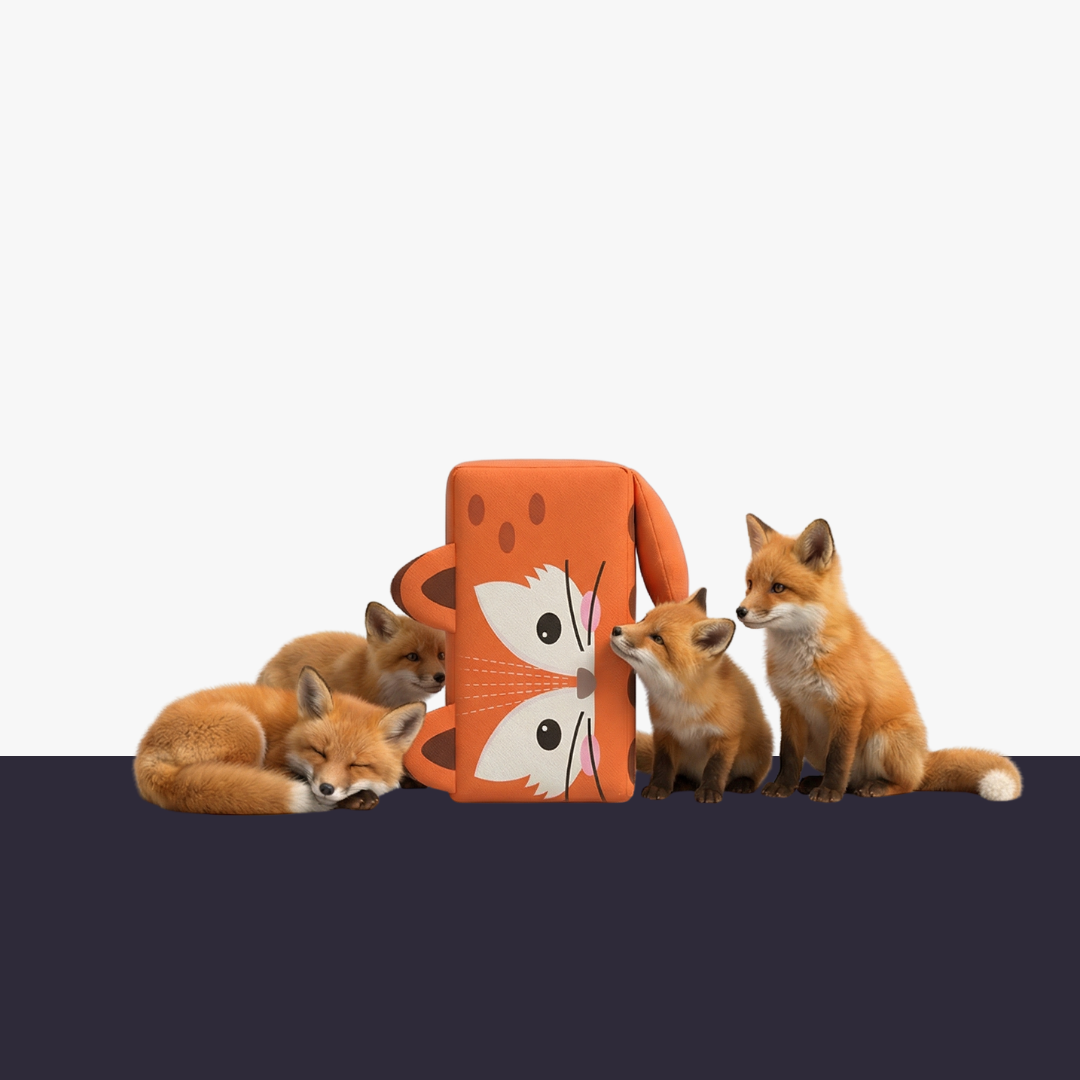
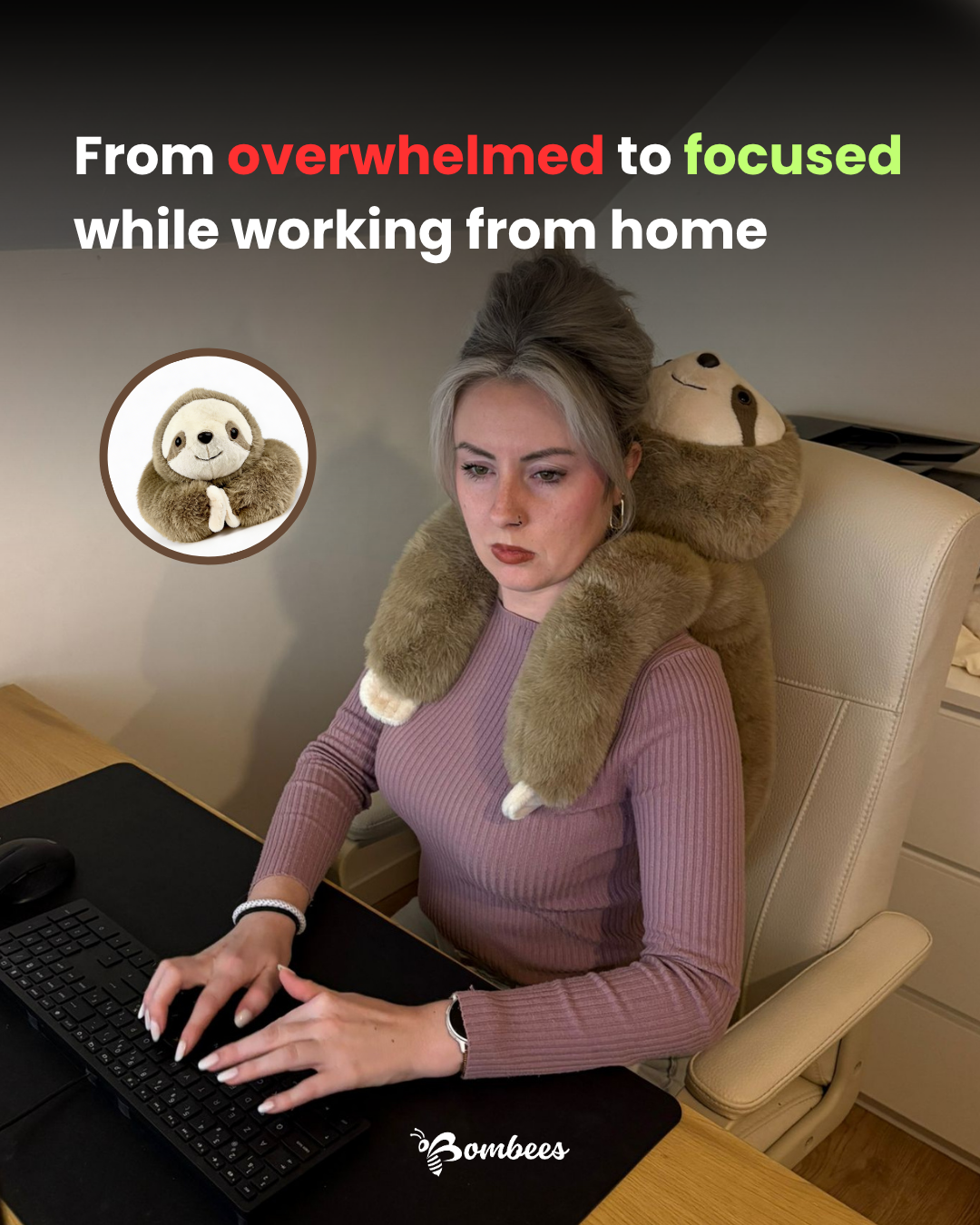
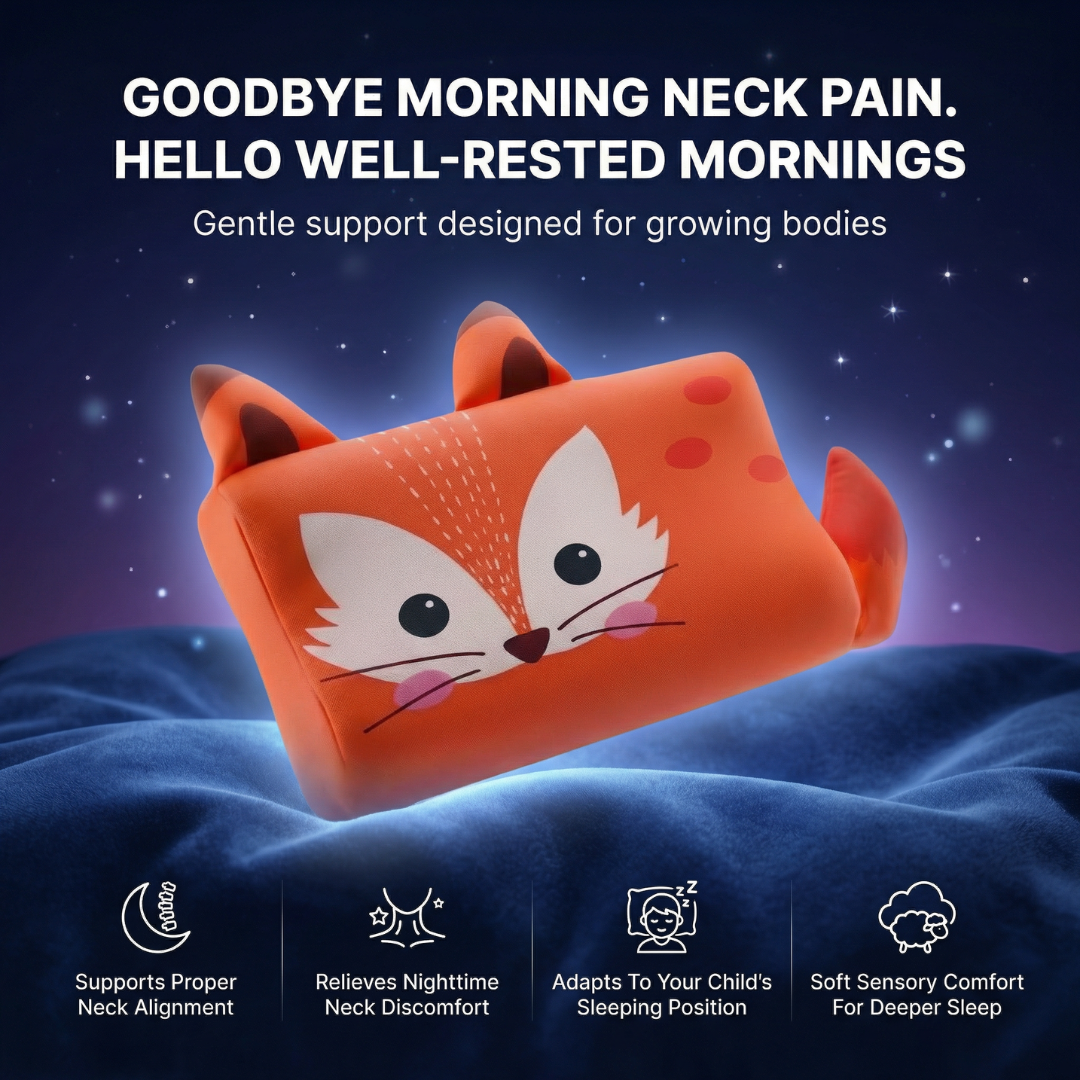
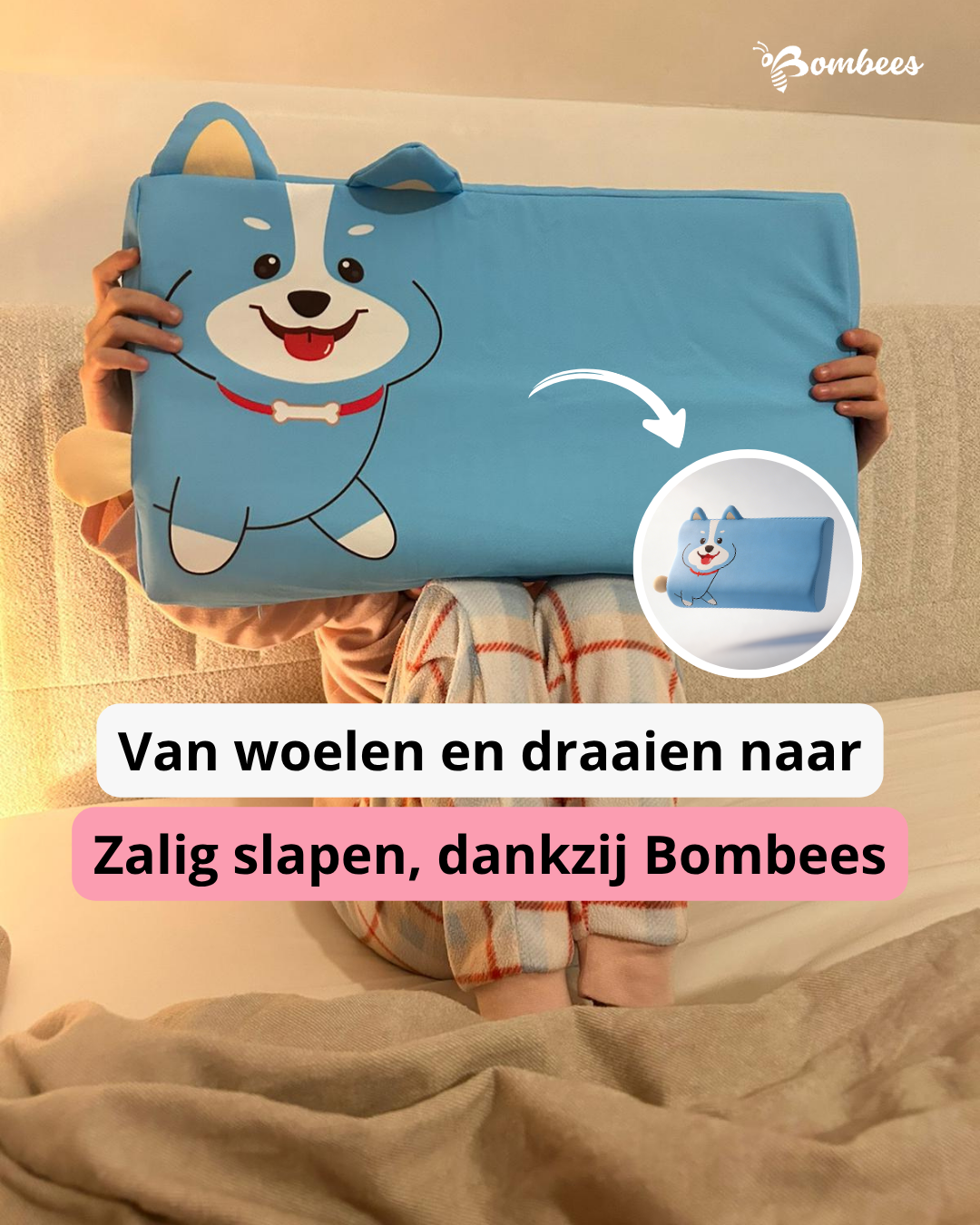
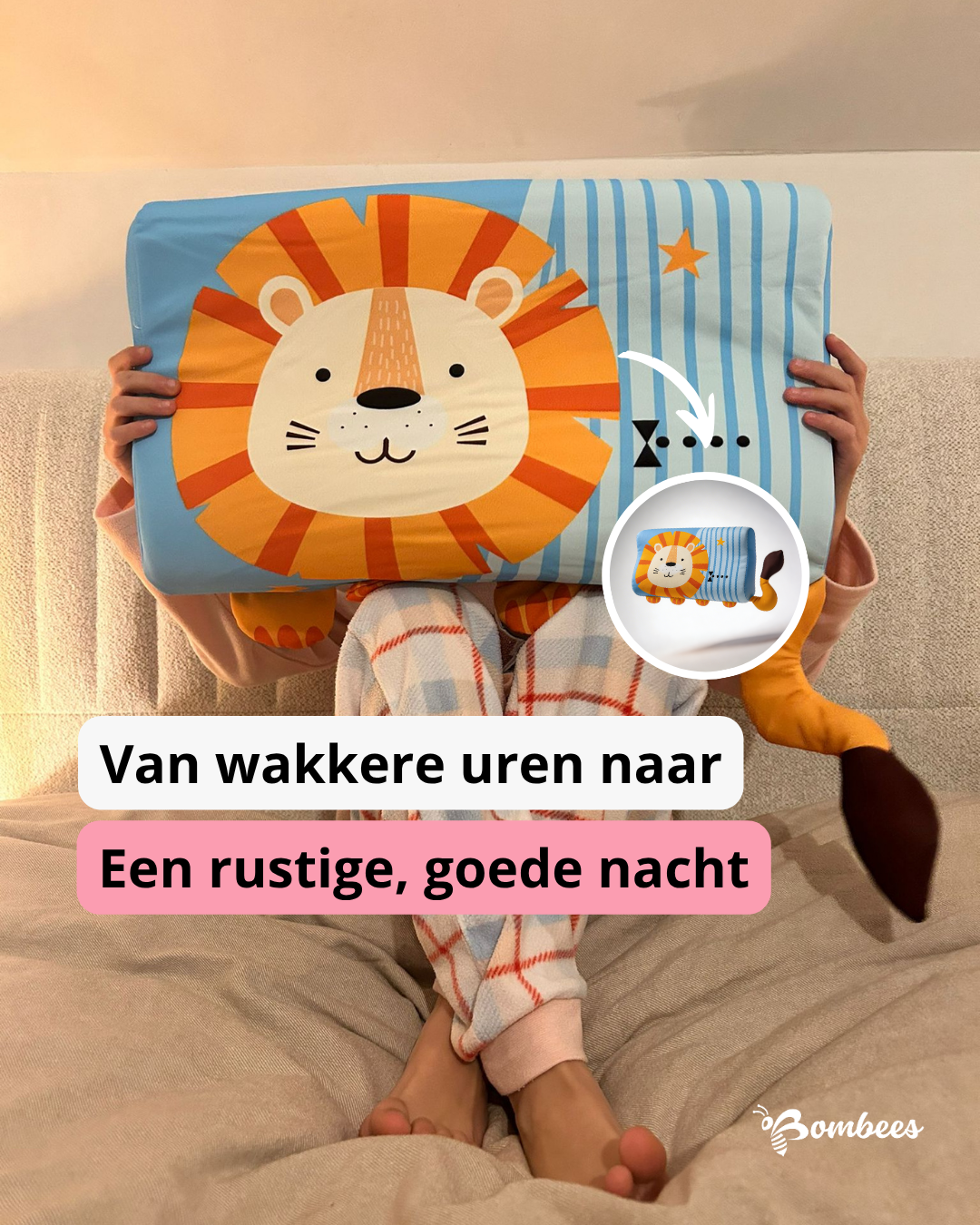
“The child therapist said, ‘He’s not staying awake because he’s energetic. He’s staying awake because he can’t find anything to anchor him.’” I felt that sentence like a door unlocking in my chest. A sentence that explained months of frustration, guilt, and endless nighttime cycles we could never break. Our evenings had stopped feeling like evenings. They felt like a loop we couldn’t escape. He would climb into bed willingly enough, but then the unraveling began. He tugged the blanket up, then pushed it away. He flopped from his back to his side to his stomach and back again. His fingers fidgeted with invisible threads. He whispered questions he wasn’t ready to let go of. He tapped the pillow with restless rhythm. He wiggled his toes like his body needed motion to stay alive. His body was tired. But his brain was scanning the room like a lighthouse on full beam. By 9pm, tension wrapped around my neck. By 10:30pm, I felt fragile in a way I didn’t want to admit. And by 12:15am, when he whispered, “I’m trying, Mom. I just can’t stop thinking,” I felt my heart crack. Not because he couldn’t sleep— but because he thought it was his fault. People kept giving advice— as if we hadn’t memorized the entire internet. Lavender, routines, breathing tricks, white noise, quiet time, chart systems. None of it touched the real issue. The therapist explained it better than anyone else ever had: his nervous system wasn’t misbehaving. It was overworking. It needed sensory grounding, not silence. Predictability, not emptiness. That evening he fell asleep on my shoulder, worn out from the effort of trying to shut down a brain that simply wouldn’t. While he slept, I replayed every morning meltdown, every sluggish school start, every “my head feels too loud.” And I felt the weight of not knowing how to help him. A few nights later, after midnight, I ended up in a forum full of parents describing the same patterns. Children who couldn’t fall asleep even though they wanted to. Kids whose minds ran like engines without brakes. Kids who needed their hands to calm before their thoughts could. One parent wrote: “Our kids don’t calm down because the room is quiet. They calm down because they finally have something to hold.” That line felt like someone had been watching our nights. Parents described their children regulating through touch. Tags. Edges. Fabric textures. Little corners they could rub rhythmically. The nervous system calms through tactile repetition. Consistency. Grounding. Then someone posted a picture of a pillow shaped for exactly those needs. A Bombees pillow. Soft contours. Little ears. A tail. Weight and texture placed intentionally. Everything about it looked like it was designed for kids who needed something real to hold onto. I bought it without ceremony— just a tired parent grabbing the one thing that finally made sense. When it arrived, I didn’t hype it. I just said, “Here, maybe this will feel good.” He traced the seams. Rubbed the fabric between his fingers. Held the tail like a tiny lifeline. Then rested his head on it and breathed out— a long, slow, settling exhale I hadn’t heard in weeks. Ten minutes. Stillness. Real stillness. He didn’t spring back up. He didn’t start talking. He didn’t kick his feet. He slept. The next night, faster. The night after that, even faster. And soon the whole house felt different— warmer, softer, safer. He woke with calm eyes. Not puffy. Not frantic. Just rested. His teacher said he seemed “more present, more regulated.” The Bombees calming pillow wasn’t a miracle. But it was right. It gave his nervous system what it had been desperately searching for— a tactile anchor. It didn’t change who he was. It supported who he is. And finally— I understood that nothing was wrong with him. Nothing was wrong with me. His brain simply needed grounding to release the day. When you give children like him what their body has been craving, nights soften, mornings brighten, and everything feels possible again. The Bombees pillow didn’t fix him. It freed him. And that changed everything.
Read this if your child can’t switch off his thoughts 🧠
SHOP NOWLike this ad? Make it yours.
Crush rebuilds this exact creative around your product — your brand, your colors, your offer — in about a minute.