EverCalm
EverCalm Facebook ad: “Read this if you want your libido back”
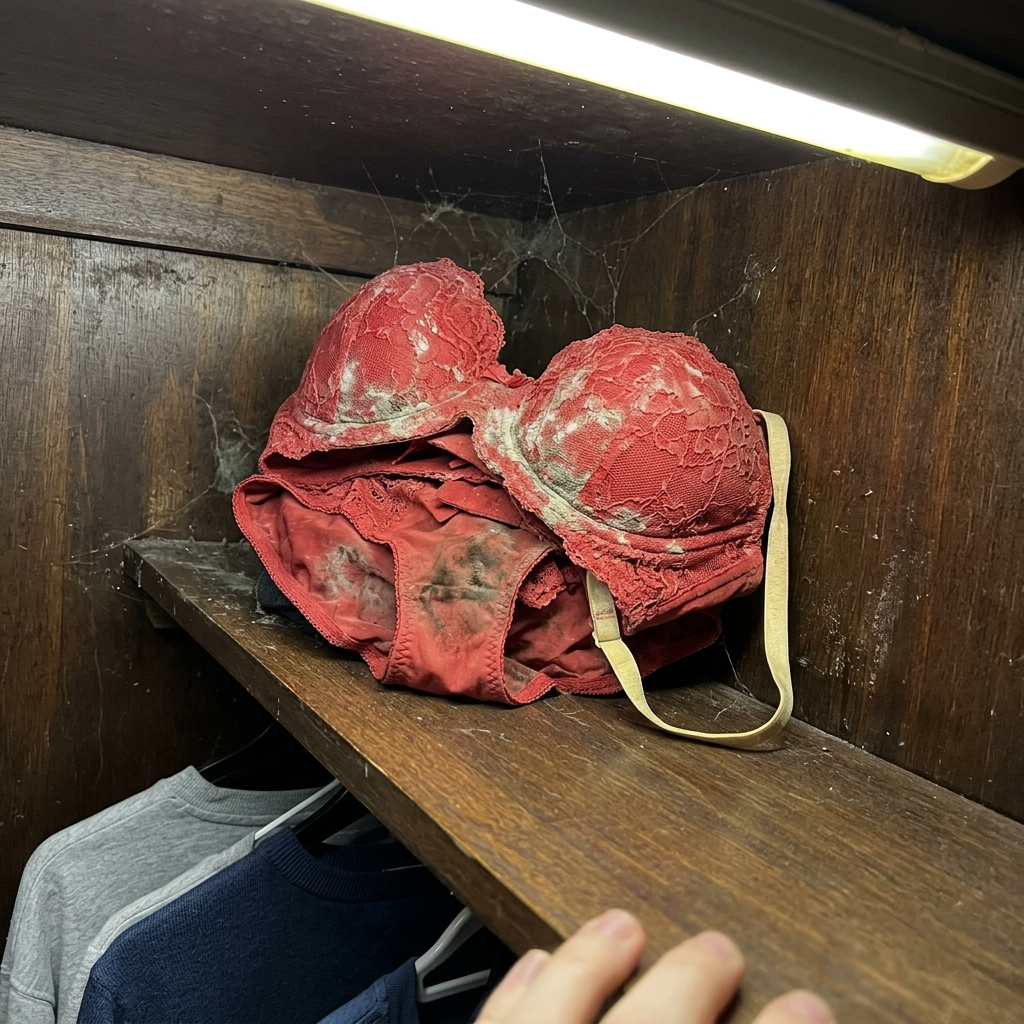
Ran for 36 days, from June 9 to July 14, 2026, the last day Crush saw it.
Run by EverCalm on Facebook. Crush is not the advertiser and does not verify its claims. See this ad in Meta's Ad Library(opens in a new tab)
Want an ad like this for your product?
Crush makes new ad images for your product from this ad: your logo, your product photo, your offer.
Trials from $19.95 USD, then $79.95 USD a month. Cancel anytime.
About this ad
- Meta Ad Library ID
- 27470805535941554
- Platforms
- Facebook, Instagram, Audience Network, Messenger and Threads
- Relaunches
- 0
Ad text
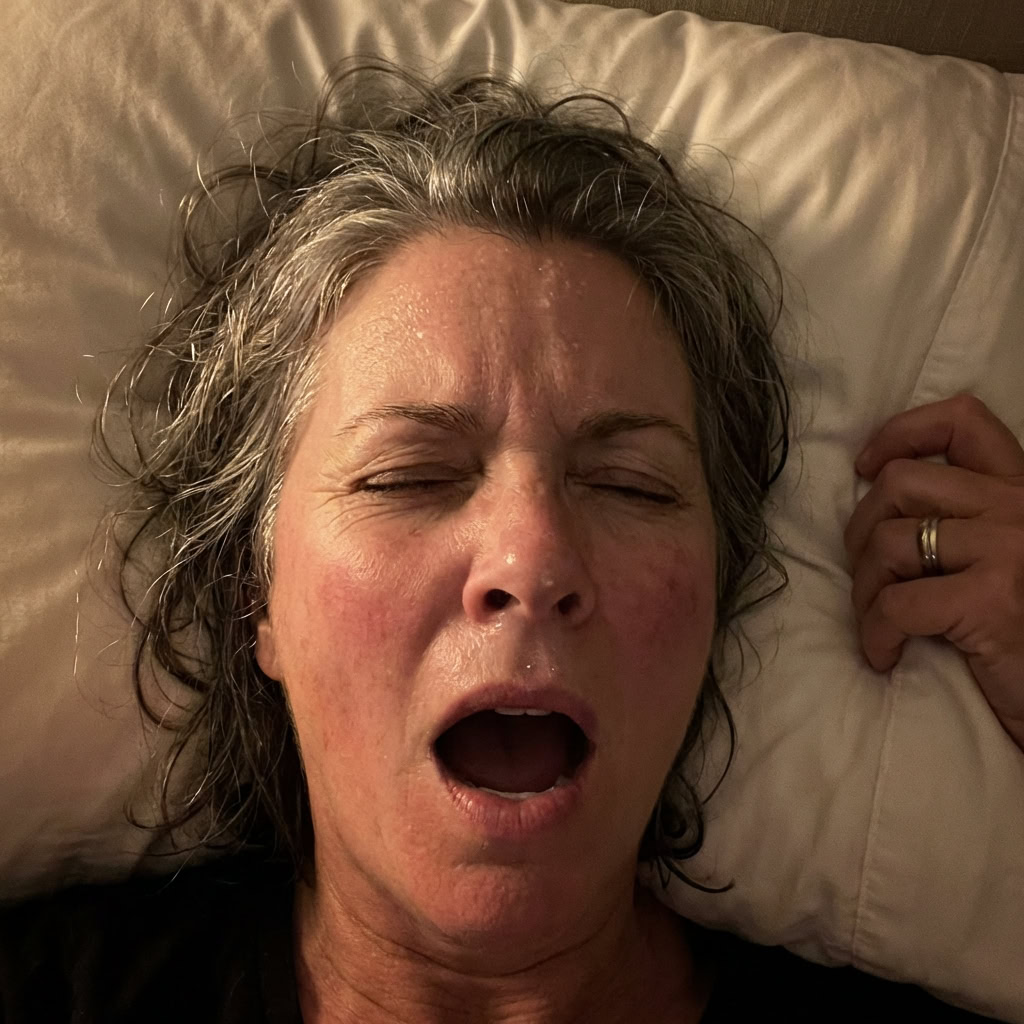
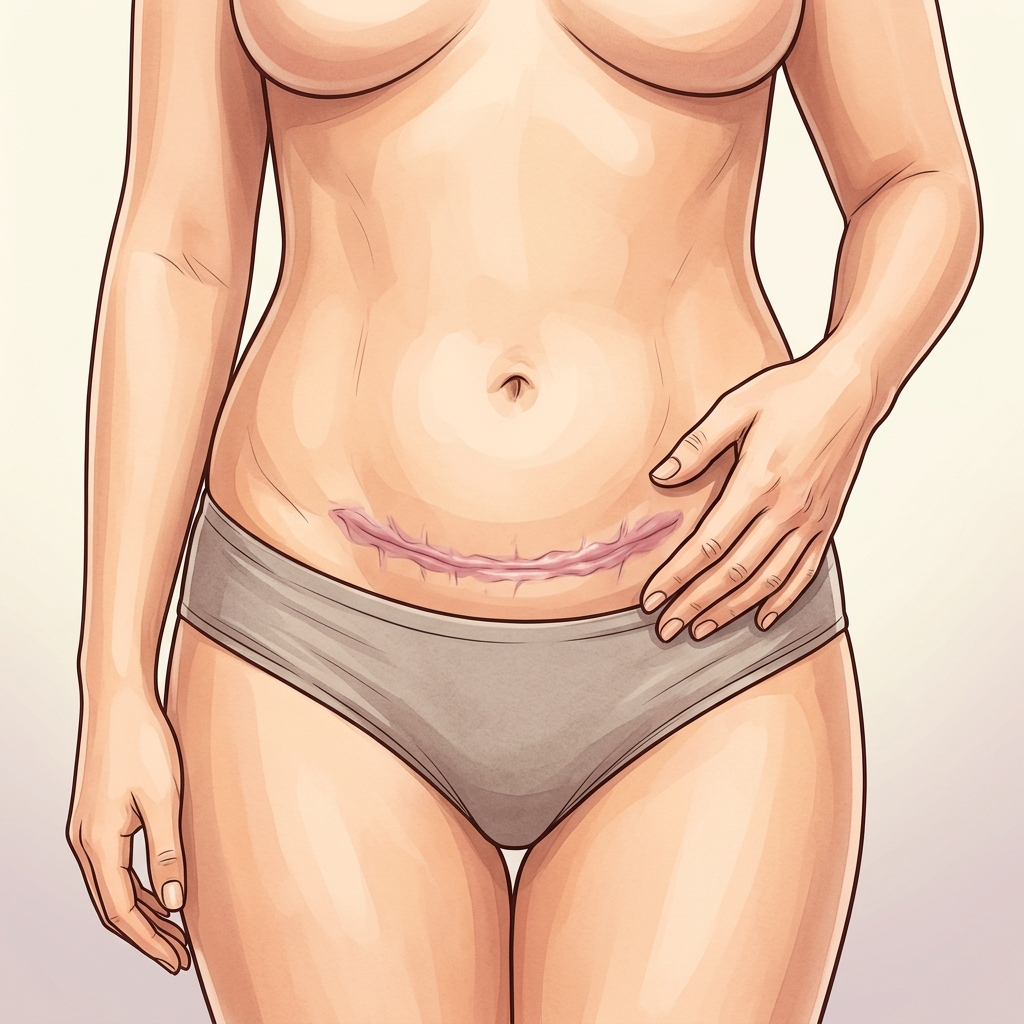
My husband held my hand through chemo and the surgery. But two years of dead sex drive and no HRT to fix it, and he wasn't holding my hand anymore. He was packing a bag. I need to tell you this because I don't want you to ever get as close to losing everything as I did. I beat cancer at 47. Stage 2 breast cancer. Eight months of treatment. Lost my hair, lost 15 pounds, lost the ability to look in a mirror without crying. But I had him. Every appointment. Every 3am panic. Every time I threw up so hard I thought my ribs would crack, he was there with a wet cloth and a glass of water. We were going to come out the other side stronger. That was the deal we made each other. What nobody told me — not the oncologist, not the surgeon, not a single nurse in 8 months of treatment — was that beating cancer was going to cost me something I didn't even know was at risk. My desire. All of it. Gone. Not fading slowly. Not "less interested." Gone. Like someone reached inside me and switched off a light. I didn't flinch when he touched me. It was worse than that. I felt nothing. His hand on my hip in the kitchen. His arm around me on the sofa. Nothing. Like being touched through a wall. I told myself it was temporary. My body had been through hell. Give it time. Six months. A year. Eighteen months. Nothing came back. I went to my GP. She nodded like she'd heard it a hundred times and said the words I'll never forget. "The most effective treatment for this is HRT. But with your history, I'm afraid that's not something we can offer you." She said it gently. Like she was doing me a kindness. Then she printed a leaflet about "mindfulness and intimacy" and walked me to the door. I sat in my car in that surgery car park for twenty minutes. Just sat there. That was the day I realised: the system that saved my life had absolutely no plan for the life I was supposed to live after. I tried everything they said I could try. Black cohosh. Evening primrose oil. Maca capsules from Amazon. Some supplement called "In The Mood" that cost £35 and tasted like grass and did absolutely nothing. Then my GP suggested paroxetine. An antidepressant. "It helps some women with menopause symptoms," she said. I wasn't depressed. But I was desperate. So I took it. Within three weeks, the tiny flicker of something I occasionally still felt — that 2% of me that still responded when he kissed my neck — was gone. Completely. The antidepressant didn't just fail to help my sex drive. It killed what was left. I stopped the paroxetine. I stopped the supplements. I stopped googling. And that's when things got really bad. He didn't shout. He didn't accuse me. He just… withdrew. Inch by inch. He stopped reaching for me at night. Stopped making those little comments he used to make. Stopped looking at me the way he looked at me before. We went from sleeping tangled together to lying on opposite sides of the bed like strangers in a hotel room. And then one Sunday morning — 23 months after my last chemo session — I came downstairs and he was sitting at the kitchen table with a holdall by his feet. He wasn't angry. That's what broke me. He was just… tired. He said he loved me. He said he would always love me. But he said he couldn't live like roommates for the rest of his life. That he'd tried. That he felt selfish for even saying it after everything I'd been through. But he couldn't pretend anymore. I stared at that bag on the floor. And something cracked open inside me that was worse than any diagnosis I'd ever received. I begged him to give me one more month. I don't know why I said a month. I had nothing. No plan. No solution. Just the absolute terror of losing the man who stayed through cancer over something neither of us could control. He left the bag by the door. He didn't unpack it. But he stayed. I had thirty days. I didn't sleep that night. Or the next. On the third night I was in bed with my earphones in at 1am, listening to a podcast about menopause — honestly just to feel less alone — and the host was interviewing a Chinese medicine practitioner. I almost skipped it. I'd heard every menopause expert on earth at that point and none of them had said anything useful for a woman who couldn't take HRT. But this woman said something in the first two minutes that made me sit up in bed. She said the Western approach to menopausal libido loss focuses entirely on replacing oestrogen. But in Chinese medicine, they've known for thousands of years that desire isn't controlled by oestrogen directly. It's controlled by the nervous system. Specifically, by whether the body is in a state of safety or a state of survival. She explained that when oestrogen drops during menopause, cortisol — the stress hormone — spikes. And cortisol puts the body into fight-or-flight mode. And in fight-or-flight, the body physically shuts down desire. Not reduces it. Shuts it down. Because the body believes it's under threat, and reproduction is the last priority when you're trying to survive. I paused the podcast. Stared at the ceiling. Every doctor. Every supplement. Every single thing I'd tried in two years was aimed at oestrogen or serotonin. Not one of them — not one — had addressed cortisol. I hadn't lost my desire because something was missing. I'd lost it because something was actively blocking it. My nervous system was stuck in survival mode. Probably from years of cancer, chemo, surgery, terror, and then the hormone cliff of menopause stacked on top. My body never got the signal that the crisis was over. It was still braced. Still protecting me. Still shutting down everything that wasn't essential to survival. Including desire. I pressed play again. The practitioner talked about acupressure points on the fingers that Chinese medicine has used for over 3,000 years to calm the stress response. She said that stimulating these points sends signals through the nervous system that essentially tell the body: you're safe. You can come out of survival mode. And when cortisol drops, the body begins to restore the functions it shut down — including libido. She mentioned a ring. A magnetic acupressure ring that applies continuous pressure to those points. You wear it. That's it. No hormones. No pills. Nothing entering the body. Just gentle, constant pressure on the same meridian points Chinese practitioners have been using since before Western medicine existed. I paused the podcast again. No hormones entering the body. Nothing my oncologist could object to. I found it online in about forty seconds. It was called EverCalm. It looked like a simple band. Nothing medical about it. I ordered it at 1:47am. Not because I believed in it. Because I had a holdall sitting by my front door and twenty-seven days left. It arrived two days later. I put it on. Forgot about it by lunchtime, honestly. It just looked like jewellery. After about 10 days, I noticed I was sleeping deeper. Not jolting awake at 4am with that tight knot in my chest. Just… sleeping through. After three weeks, something happened that I can't fully explain without crying. I was standing in the kitchen. He was behind me reaching for something in the cupboard. His arm brushed against my back. And I felt something. A pull. Faint. Like a radio station you can barely tune into. But it was there. After two years of absolute silence from my body, I felt something. I didn't tell him. Not yet. I was terrified it was a fluke. But it wasn't. By week five, the signal was stronger. I noticed him in ways I hadn't in years. The way his forearms looked when he rolled his sleeves up. The smell of him after a shower. Things my brain had completely stopped registering were suddenly back online. And one night — week six — I reached for him. I reached for HIM. Not because I felt obligated. Not to save the marriage. Because I wanted to. He looked at me like I'd come back from the dead. Which, in a way, I had. Twice. I'll spare you the details. But I will tell you this: that holdall got unpacked the next morning. And it hasn't come back out. That was four months ago. We're not "fixed." Marriage doesn't work like that. But we're in the same bed again. Not just sleeping — living. Touching. Laughing at things that aren't even funny. That stupid giddy energy that I thought belonged to a version of me that no longer existed. She existed. She was just locked behind a wall of cortisol that nobody in the medical system thought to mention. If you're sitting where I was — cancer survivor, hysterectomy, blood clot history, whatever reason they gave you for crossing HRT off the list — please hear me. You are not broken. Your body is not finished. Your nervous system is stuck in a state it was never meant to stay in, and the thing keeping it there is cortisol. Not low oestrogen. And you do not need hormones to fix it. The ring is called EverCalm. There's a 60-day money-back guarantee so you risk nothing. But please don't wait as long as I did. I almost lost my marriage because nobody told me what I just told you. You just found it. Don't scroll past it.
Where the ad sends people
tryevercalm.co.uk
Read this if you want your libido back
Limited Stock Available
Shop now: tryevercalm.co.uk(opens in a new tab)