Hey Keratin
Hey Keratin Facebook ad: “What 22 Years of Research Taught Me About Hair Loss”
Ran for 3 days, from July 16 to July 19, 2026, the last day Crush saw it.
Run by Hey Keratin on Facebook. Crush is not the advertiser and does not verify its claims. See this ad in Meta's Ad Library(opens in a new tab)
Want an ad like this for your product?
Crush makes new ad images for your product from this ad: your logo, your product photo, your offer.
Trials from $19.95 USD, then $79.95 USD a month. Cancel anytime.
About this ad
- Meta Ad Library ID
- 27720989054205394
- Platforms
- Facebook and Instagram
- Relaunches
- 0
- Niche
- Hair Care
Ad text
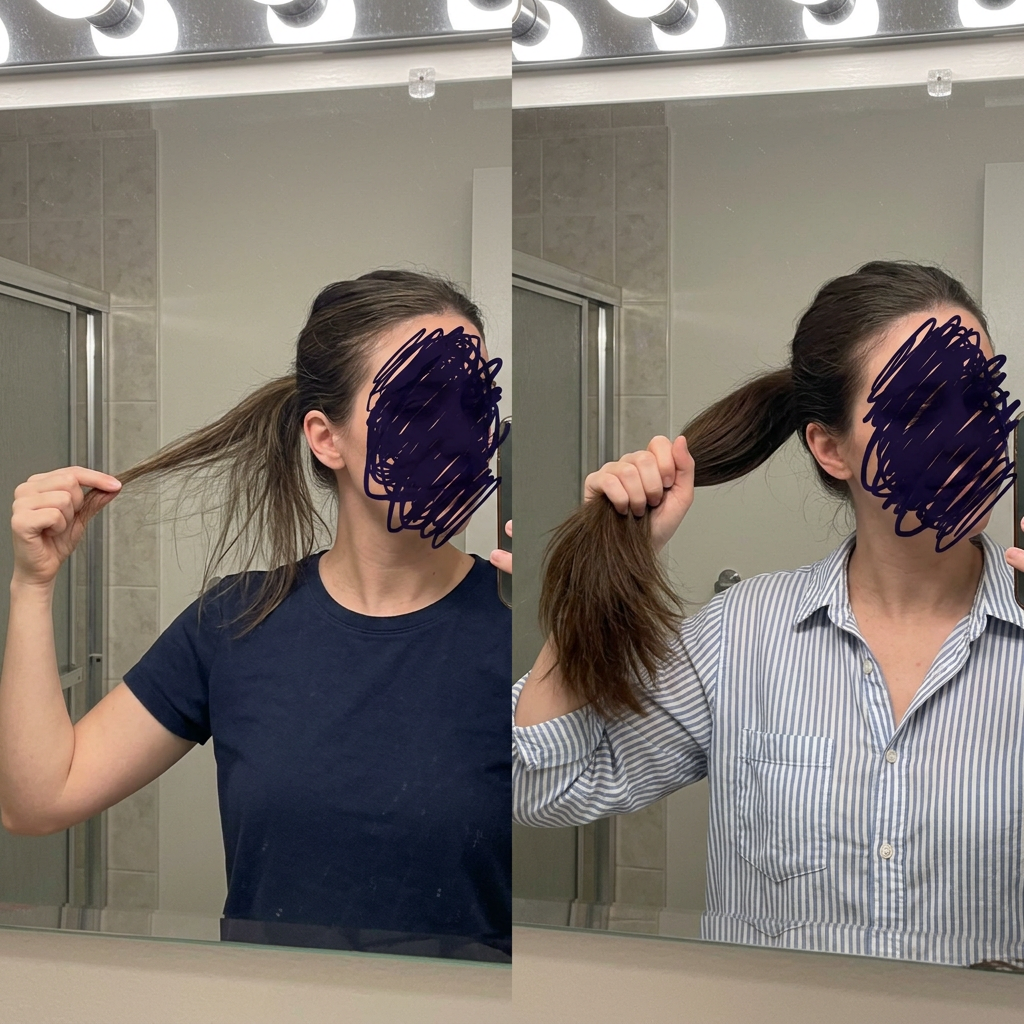
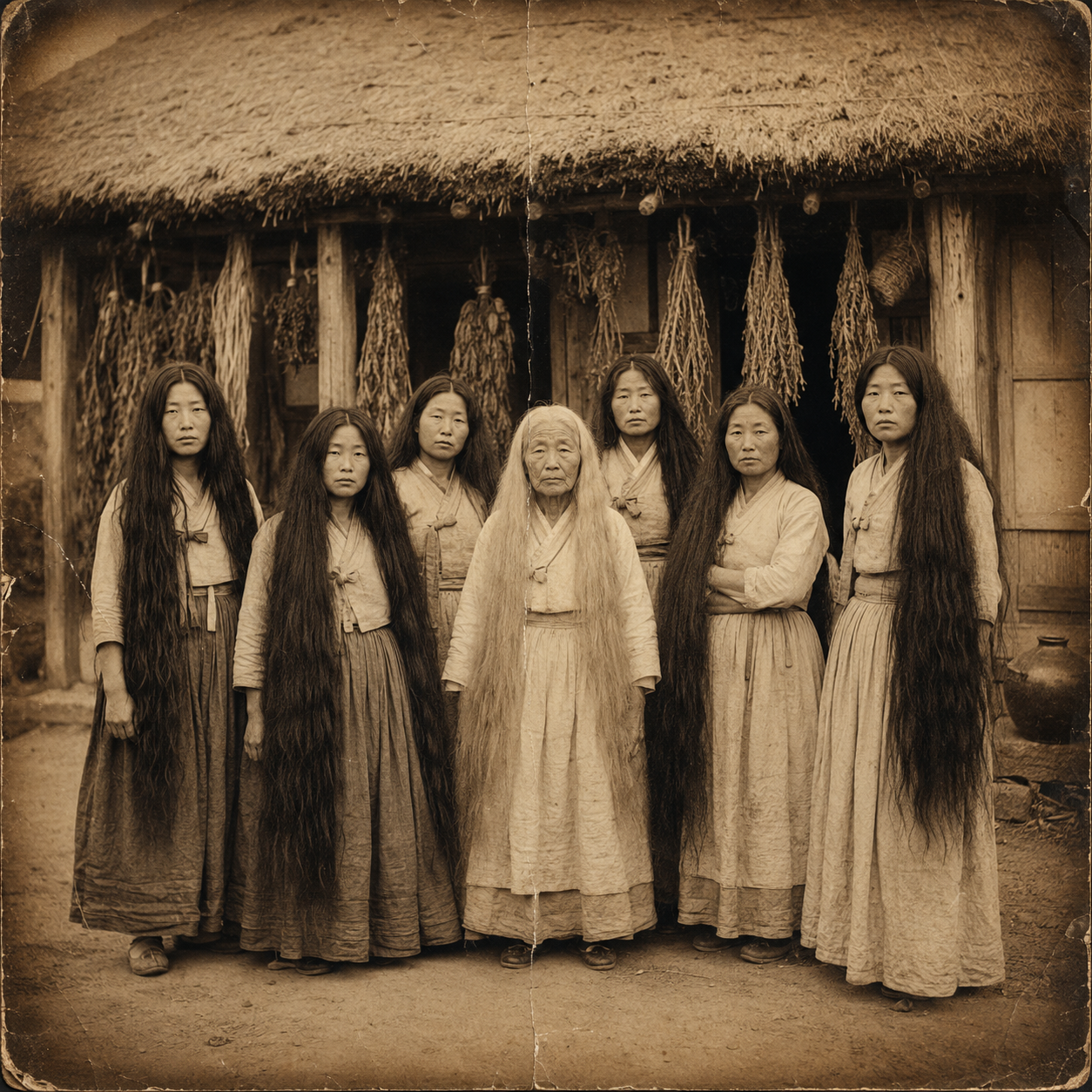
A hair loss researcher flew 6,000 miles to study a village in Hadong, South Korea, after a clinical paper reported something that shouldn't have been possible. 127 women surveyed. Ages 34 to 91. Average hair density: 30% higher than age-matched controls in Seoul. Not one reported chronic thinning. I requested a travel grant the next morning to find out why. What I found there, Korean herbalists had known for centuries. Modern dermatology never bothered to ask. Women who wash their hair with chemical shampoo almost always develop the same pattern. The part widens. The ponytail shrinks. The shedding accelerates. Eventually the scalp shows through. The oldest woman in that village was 91. Her hair was braided down her back. Thick. Full. Not thinning. She had never used shampoo from a bottle. Not once in her life. I'm Dr. Yuna Park. I spent 22 years at the Seoul National University Institute of Ethnobotany studying traditional plant preparations that existed before the modern beauty industry replaced them. Four years before I flew to Hadong, I became my own case study. I was 44. Postpartum hair loss after my second child had never fully recovered. My part was widening. My ponytail, the one I used to wrap twice with an elastic, now wrapped three times and still felt thin. I was pulling hair from the shower drain in clumps that made my stomach drop. My dermatologist prescribed minoxidil. Told me to apply it twice daily. Said we'd "manage it." I put the prescription in my desk drawer. Not out of arrogance. Because I had spent my entire career reading what hair care looked like before the modern shampoo industry existed. And the record was not silent. Across Joseon Dynasty medical texts from the 1400s, Ayurvedic treatises from the 3rd century, Japanese Heian period beauty manuals from the 900s, one preparation appeared more than any other. Ancient physicians had a name for what was happening to women like me. Korean texts called it "du-pi-yeol." Scalp fever. They watched how the scalp became inflamed, oily, irritated, and how follicles slowly weakened until the hair fell and never returned. They also had a treatment. Not for the hair. For the scalp underneath it. That treatment was what I found in a clay vessel in a bathhouse basement in Hadong, South Korea. I didn't understand what made that village different until I met the woman who maintained the tradition. Her name was Grandmother Shin. Eighty-seven years old. Hair still dark at the roots, silver at the tips, thick enough to braid. She walked me through the old bathhouse where village women had washed their hair for generations. Stone basins. Wooden combs. And a row of clay jars sealed with cloth, each one labeled with a date and a list of herbs. She opened one. The smell hit immediately. Sharp. Earthy. Alive. Like soil after rain mixed with something medicinal. She scooped out a dark paste with her fingers. I said, "Can't you just buy herbal shampoo at the store?" She looked at me like I'd said something foolish. "What you buy at the store is not medicine. It's perfume in a chemical base. Different process. Different chemistry. Different results." "I know," I said. She looked surprised. "How?" "Because I've spent my entire career studying what you're holding." That was the beginning of the most important conversation I've ever had. Because Grandmother Shin knew something about herbs that I'd only read about in 600-year-old medical texts. She was living it. And the preparation I kept coming back to, the one that appeared in more traditional pharmacopeias than any other treatment for hair and scalp, was fermented herbs. Not the raw powders listed on the back of your shampoo bottle. The living, fermented preparations that Korean herbalists spent centuries perfecting. In the Joseon Dynasty, court physicians prepared fermented herb pastes for the royal family's hair rituals. The Donguibogam, Korea's most important medical text from 1613, documented specific fermented preparations for scalp restoration. These formulas were guarded. Controlled. Passed from master to apprentice. Women didn't sprinkle raw herbs on their heads. They fermented them for weeks, sometimes months, and applied the living paste directly to the scalp. The fermentation was the medicine. I have a reproduction of the Donguibogam on my office shelf. Herbal preparations for the scalp are listed alongside treatments for internal organs. That's how seriously they took it. Your scalp was not cosmetic. It was medical. Physicians used fermented herbs for what traditional texts called "conditions of the withering follicle and the burning scalp." Symptoms described as excessive oiliness at the root, dryness at the ends, irritation, flaking, and progressive thinning starting at the crown and the part line. Excessive oil. Dryness. Flaking. Thinning at the part. The classical descriptions of what we now call androgenetic alopecia, telogen effluvium, and seborrheic dermatitis. The conditions that are stealing women's hair today. The treatment was fermented herbs. Applied directly to the scalp. For centuries, this was documented medicine. Then the shampoo industry happened. Traditional herb preparations require time. Fermentation takes weeks. Sourcing takes knowledge. Application takes ritual. You can't scale that into a $4 billion industry. So manufacturers found a shortcut. They took raw herb extracts, the cheapest, fastest, easiest version, and dissolved them in sodium lauryl sulfate. SLS. The same chemical compound used in industrial degreasers and engine cleaners. They printed "contains rosemary" and "infused with ginseng" and "biotin-enriched" on the front of the bottle. They called it herbal shampoo and shipped it by the millions. The chemistry wasn't the same. Not even close. Raw herbs are large, complex molecules. Flavonoids, polyphenols, terpenes, ginsenosides. In their natural state, these compounds are too large to penetrate the scalp's lipid barrier. They coat the surface, create a pleasant smell, and rinse down the drain. They never reach the follicle. They do nothing. Fermented herbs are different at the molecular level. Fermentation uses beneficial microorganisms to enzymatically break down those large compounds into smaller, bioavailable molecules. Peptides, amino acids, organic acids. Small enough to pass through the scalp barrier and reach the follicle directly. Raw herbs sit on the surface. Fermented herbs penetrate. We replaced a medicine with a decoration, called them the same thing, and filed herbs under "ingredient list." After I told Grandmother Shin about my research, she went quiet for a long time. Then she said something I'll never forget. "City women pour chemicals on their scalp to clean their hair. Then they pour more chemicals on top to fix what the first chemicals destroyed." She held up the jar of fermented paste. "This doesn't clean the hair. It feeds the scalp. The hair grows because the scalp is healthy. Not the other way around." "Serums treat the hair. Oils treat the hair. Conditioners treat the hair. None of them touch the scalp. And the shampoo that does touch the scalp is poisoning it." I stared at her. A woman with no formal education had just described how the scalp microbiome destruction cycle works more clearly than most dermatologists I know. "Fix the soil," she said, "and the plant grows on its own. You don't glue leaves onto a dying plant. You fix what's underground." I asked how she used the preparation. She said her grandmother taught her mother. Her mother taught her. Her daughters use it now. Her granddaughters too. They ferment 12 herbs for weeks. Ginseng, rosemary, fo-ti, tea tree, shea butter, and seven others. Each one has a job. They work the paste into wet hair at the scalp, massage for one minute, and rinse. Every wash. Every woman in the village. For four generations. I asked to see her hair up close. She let me examine her scalp without hesitation. Grandmother Shin. Eighty-seven years old. Never used a bottle of shampoo in her life. Never used minoxidil. Never used a hair supplement. Scalp: no visible inflammation. No flaking. No excess oil. Pores clear. Hair density: visibly thick. Minimal miniaturization. Strands strong from root to tip. Her doctor in town had been asking her for decades what she does differently. She never tells him. I asked why. She looked at me with something between sadness and patience. "Because doctors profit from women buying more products for their hair. They don't profit from women fixing the scalp underneath it." I didn't argue. I had my own prescription sitting unused in my desk drawer. I asked her the only question that mattered. "Where do you source your herbs?" She told me. The same families in Hadong province have been cultivating and fermenting these herbs for generations. The ginseng is Korean Panax, not cheap substitutes. The rosemary is grown at altitude. The fermentation process follows the traditional timeline, not the 48-hour industrial shortcut. The paste in her bathhouse was irreplaceable not because herbs are rare. Raw herbs grow everywhere. It was irreplaceable because traditionally fermented herbs, from verified sources, with intact bioactive compounds, are one of the most labor-intensive preparations in herbal medicine. And the way she applied it, worked into the wet scalp with a 60-second massage, wasn't ritual for ritual's sake. It was delivery science. Fermented herb compounds are activated by water and friction. The massage stimulates scalp circulation, increasing blood flow to follicles by up to 54% in clinical studies. The direct scalp contact allows the small, bioavailable molecules to penetrate the lipid barrier immediately. No water dilution. No chemical interference. Herb to scalp. Barrier crossed. Follicle reached. The Joseon physicians understood bioavailability 600 years ago. Grandmother Shin's family understood it for four generations. The entire village understood it every wash day. I was the educated one. I was the last to figure it out. I'd already tried. Before meeting Grandmother Shin, I'd ordered herbal shampoo from a popular "natural" brand. $28 a bottle. Listed rosemary, biotin, and ginseng on the label. I used it every day for a month. Hair still in the drain. Scalp still oily by noon. Part still widening. Nothing changed. After meeting Grandmother Shin, I understood why. The herbs on that bottle were raw. Dead. Too large to penetrate my scalp. And they were floating in a sodium lauryl sulfate base that was stripping my scalp's microbiome with every single wash. I was putting vitamins in a glass of bleach and wondering why I wasn't getting healthier. So I did what Grandmother Shin did. What her grandmother did. What the Joseon physicians documented. I sourced fermented Korean herb paste from a traditional supplier in Hadong. Ginseng. Rosemary. Fo-Ti. Tea Tree. Twelve herbs total. Fermented for weeks with Lactobacillus cultures. No sulfates. No silicones. No water filler. I wet my hair. Worked the paste into my scalp in sections. Massaged for 60 seconds. Rinsed. The texture was different from anything I'd used before. Rich. Dense. No foam. It didn't feel like shampoo. It felt like medicine. But I was committed. Day three: my scalp stopped itching. The low-grade irritation I'd had for so long I'd stopped noticing it was just gone. Quiet. Calm. Like my scalp exhaled for the first time in years. Day five: I washed my hair and checked the drain. Counted the strands out of habit. Fewer than usual. Noticeably fewer. I checked again the next wash. Same thing. I called my sister into the bathroom. "Look at this drain." "That's barely anything." "That's the least amount of hair I've lost in a single wash in two years." Week two: my scalp felt different. Not oily by midday. Not tight and dry after washing. Just balanced. My roots had volume I hadn't seen in months. Week three: I ran my hand through my ponytail and paused. It felt different in my hand. Not dramatically thicker. But the strands felt stronger. There was more resistance. More weight. Week four: I pulled my hair back and looked at my part in the mirror. I looked three times. Because I wasn't sure I was seeing it right. It looked narrower. Not by a lot. But enough that I could see scalp on both sides of the line instead of a wide strip down the middle. I took a photo and compared it to the one I'd taken a month before. I sat on the bathroom floor and cried. Not because the change was dramatic. Because for the first time in two years, it was going in the right direction. Grandmother Shin was right. Fix the scalp, and the hair grows on its own. Fix the cause, and the symptom resolves. I felt like myself again. Three months later, I walked into my dermatologist's office with a photo log, a scalp analysis, and my translation of the Donguibogam hair restoration passages. She examined my scalp for a long time. "Your scalp inflammation markers are significantly reduced." "Yes." "Sebum production has normalized. No more excess oil at the root." "Yes." She pulled up the trichoscopy images from three months ago and compared. "Hair density has visibly increased. I'm seeing new growth at the temples and along the part line. Follicle miniaturization appears to be reversing in several zones." I nodded. "Shedding at this level doesn't typically reverse without pharmacological intervention. Once follicle miniaturization starts, we usually manage it long-term with minoxidil. But you've shown genuine regrowth." She looked at the photos again. "What did you do?" "I didn't use the minoxidil." Her face tightened. "I used fermented Korean herbs. The real preparations, not raw powder in a sulfate base. Applied directly to the scalp the way traditional herbalists have done for centuries. The same preparation documented in the Donguibogam in 1613. And the same preparation a village in Hadong has been using for four generations." I handed her a folder with six published papers on fermented herbal bioavailability, my translation of the historical texts, and scalp trichoscopy images from three village women Grandmother Shin had allowed me to document. She read for ten minutes. Closed the folder. "Inflammation down. Microbiome rebalanced. Shedding reduced. New growth confirmed." "I know." She sat back. "Keep doing whatever you're doing." That was nine months ago. My shedding has stayed at normal levels. My part is narrower than it's been in three years. My ponytail wraps twice again. My hairdresser asked what changed. My scalp is calm, balanced, and clear for the first time since before my pregnancies. I sleep without dreading the next morning's brush. The drain check is just a habit now, not a fear. The quiet thought that used to hit me every time I caught my reflection, "this isn't me anymore," that's gone. I found what the traditional herbalists documented. What Korean court physicians guarded for centuries. What Grandmother Shin kept alive for four generations while the rest of the world poured sulfates on their heads and wondered why their hair was falling out. And then I found something better than sourcing fermented paste from a village in Hadong. A company called HeyKeratin had already figured it out. 12 fermented Korean herbs. The same species used in traditional preparations. Ginseng for scalp circulation. Rosemary that matched minoxidil in a six-month clinical trial. Fo-Ti for DHT defense. Tea Tree for antimicrobial protection. Shea Butter for barrier repair. And seven more, each with a documented role in scalp restoration. Fermented with Lactobacillus cultures. Not raw powder dumped into a chemical base. Living herbs broken down into bioavailable molecules small enough to penetrate the scalp barrier and reach the follicle directly. Concentrated into a solid bar. Zero water filler. When your bottle of "herbal" shampoo is 80% water, preservatives, and sulfates, the herbs represent a fraction of the formula. Diluted to nothing. HeyKeratin's bar is 100% active ingredient. Every gram is working. No sulfates. No silicones. No synthetic fragrance. Nothing that destroys the microbiome you're trying to restore. The bar format enables the 60-second scalp massage ritual. Rub the bar directly on the wet scalp in sections, massage for 60 seconds, rinse. The friction activates the fermented compounds. The direct contact delivers them through the barrier. The massage increases scalp circulation by up to 54%. The format is the delivery system. One bar. 60 washes. No bottles. No water. No chemicals working against the herbs. The same preparation. The same mechanism. The same medicine that a village in Hadong has maintained for four generations. But optimized for your shower. I went back to see Grandmother Shin six weeks after our first meeting. Told her about HeyKeratin. Showed her the bar. She held it to her nose. Smelled it. Turned it over. Read the ingredients. "Ginseng. Rosemary. Fo-Ti. Tea Tree. Shea." She nodded slowly. "Same medicine. Better shape." Then she said, "How many women know about this?" "Not enough." "That's the problem with the world today. You have the herbs. You have the science. You've had the answer for centuries. And women are still pouring chemicals on their scalp and then buying more products to fix what the chemicals destroyed." I've told four colleagues about this since meeting Grandmother Shin. Two were losing hair postpartum. One had been on minoxidil for three years. One had tried every "natural" shampoo on the market and given up. All four came back with the same story. Shedding slowed within the first two weeks. Scalp irritation gone. Less oil. More volume. New growth visible by week six to eight. One colleague, a fellow researcher, 51 years old, widening part for five years, tried everything, spent thousands. She looked at me across the lunch table and said, "My hairdresser asked what I changed. My part is narrower than it's been since my 40s." She called me the next week and said, "Why doesn't anyone know about this?" I told her what Grandmother Shin told me. Because we forgot. Because we substituted. Because we filed one of the most effective scalp treatments in human history under "ingredient" and stopped paying attention. Because we replaced fermented herbs with raw powder and called them the same thing. Because we didn't understand that the shampoo cleaning your hair is the same product destroying your scalp. And no serum, supplement, or oil applied on top can fix what's being destroyed underneath. Here's what I want you to understand. Fermented herbs contain postbiotic compounds. Organic acids, antimicrobial peptides that feed beneficial scalp bacteria instead of killing them. The microbiome rebalances. Oil production normalizes. Inflammation calms. Follicles that were under constant attack from sulfate stripping and microbial invasion recover. New growth begins because the foundation is finally healthy. You fix the soil. The plant grows on its own. Grandmother Shin knew it. Her grandmother knew it. The Joseon physicians knew it 600 years ago. But you have to get it right. Fermented herbs, not raw powder. Concentrated format, not diluted in 80% water. Direct scalp contact, not a lather that rinses off in seconds. Zero sulfates, zero silicones, nothing that destroys the ecosystem you're trying to rebuild. That's HeyKeratin. You can buy another bottle of "herbal" shampoo tomorrow. You can keep gluing leaves onto a dying plant. Or you can fix the soil. Grandmother Shin lost nothing in that bathhouse. She said the jars would outlast her. I asked her if she ever worries about her hair. She said, "I'm 87. My hair is braided to my waist. My mother's hair was the same at 90. My granddaughter's hair is the thickest in her school. I don't worry. I wash." Then she looked at me. "The question isn't whether the herbs are worth it. The question is what your hair is worth to you." Tap below. 90 days risk-free. See what happens when you stop poisoning the soil and start feeding it. Dr. Yuna Park, PhD, Ethnobotany, Seoul National University, 22 years P.S. A few things I wish I'd known before I started: 1. Don't waste money on "herbal" shampoo in a bottle. I tried it first. Nothing in a month. The herbs are raw, too large to penetrate, and they're dissolved in the same sulfates destroying your scalp. Traditional herbalists documented this centuries ago. A village in Hadong has been doing it differently for four generations. I had to learn the hard way. 2. Most "natural" shampoos still contain sulfates, silicones, or both. Sulfates strip your scalp's protective barrier and microbiome. Silicones coat your hair with synthetic plastic to simulate shine while clogging follicles underneath. If the ingredients list includes sodium lauryl sulfate, sodium laureth sulfate, dimethicone, or cyclomethicone, it's working against you no matter what herbs are printed on the front. 3. Timeline: Scalp irritation calms first, usually within the first week. Shedding slows around weeks two to three. You'll feel more volume and strand strength around week three to four. Visible density improvement, narrower part line, thicker ponytail, takes six to twelve weeks. Commit to the full timeline. 4. HeyKeratin offers a 90-day money-back guarantee. If your hair doesn't improve, you pay nothing. 5. They sell out regularly. Small company, growing fast. If it's in stock, order now. If you're dealing with: A widening part that gets harder to hide every month A ponytail that's half the size it was two years ago Hair in the drain, on the pillow, on the brush, everywhere except your head A scalp that's oily by noon no matter how often you wash Products that promise "thicker, fuller hair" and deliver nothing The quiet fear every time you look in the mirror that this is only going to get worse The feeling that you're managing the symptoms while nothing is actually getting better The medicine that Korean court physicians guarded for centuries, that Joseon Dynasty texts documented in detail, that a village in Hadong kept alive for four generations while the rest of us poured chemicals on our heads, still exists. The compounds your scalp recognizes are still there. The preparation the traditional herbalists perfected still works. We just forgot. Then we faked it. Then we moved on. HeyKeratin is the original. You can keep buying bottles of chemical shampoo with decorative herbs on the label. Or you can give your scalp what it actually needs. Tap below. Try it for 90 days. See what happens when you stop gluing leaves onto a dying plant and start fixing the soil it grows from.
Where the ad sends people
heykeratin.com
What 22 Years of Research Taught Me About Hair Loss
Money Back Guarantee!From 12 concentrated fermented herbs to one easy bar, here's what makes HeyKeratin different. Deeply cleanses buildup gently Supports thicker, fuller hair Maintains natural moisture balance Eco-friendly, travel-ready bar
Shop now: heykeratin.com(opens in a new tab)