Inactive· since Aug 6, 2026
- 39
- days it ran
- 0
- relaunches
Ad copy
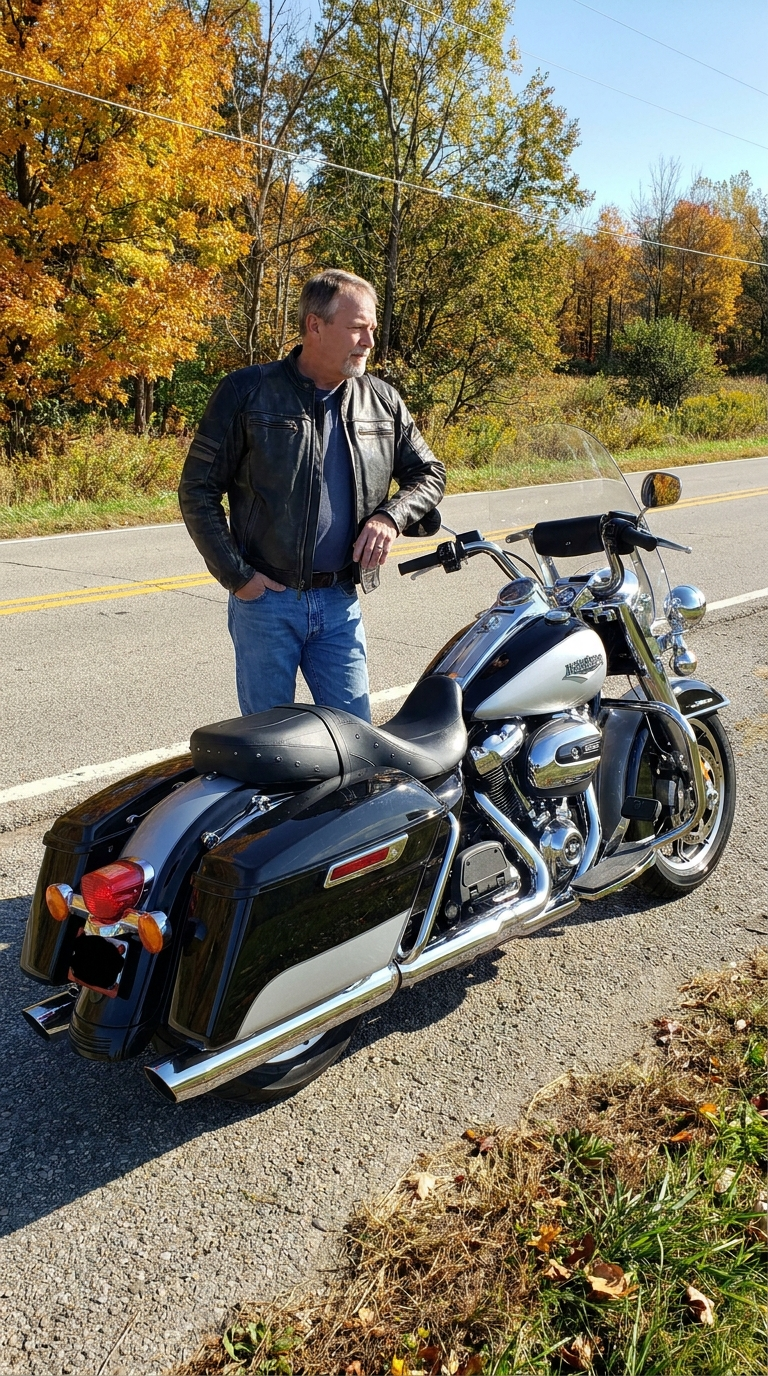
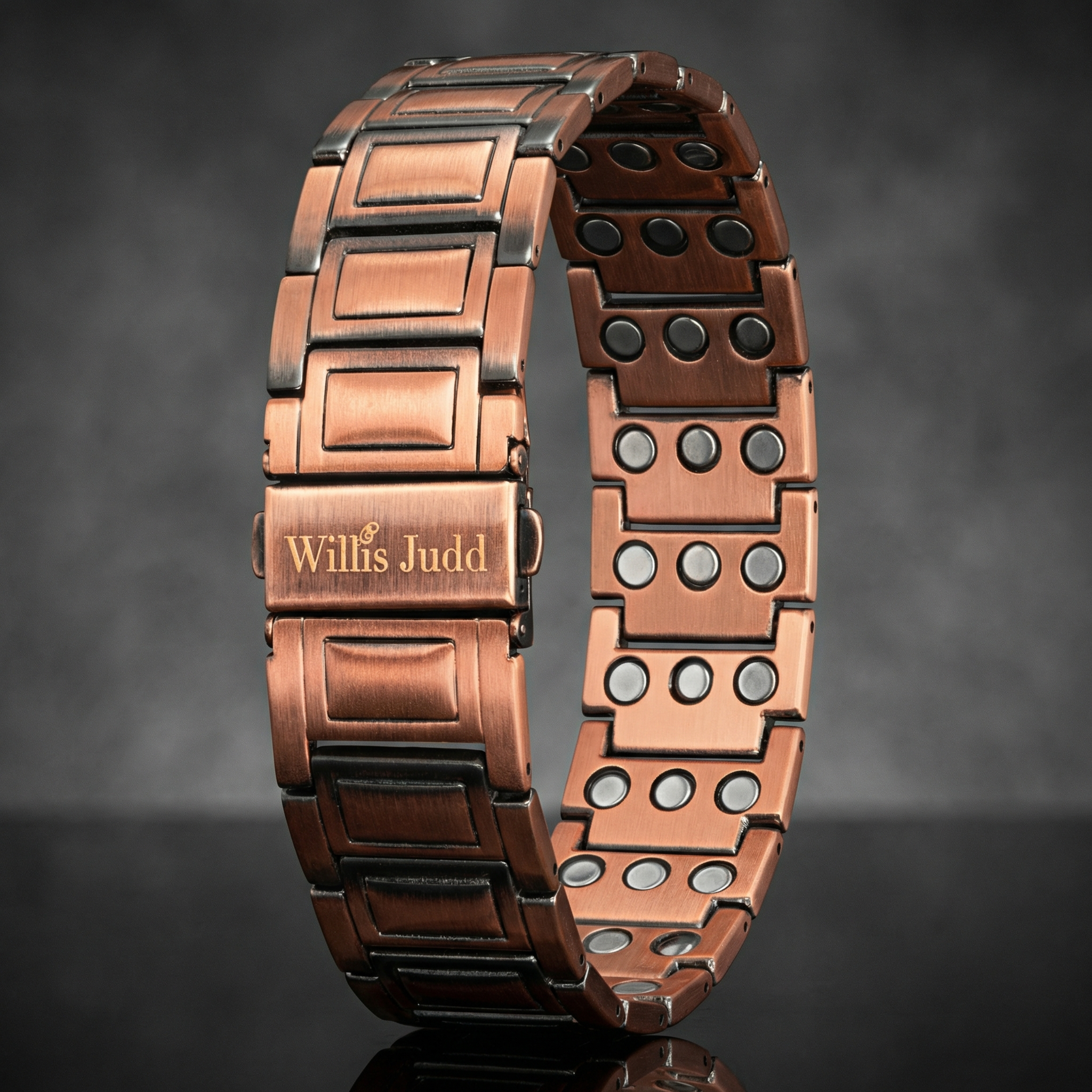
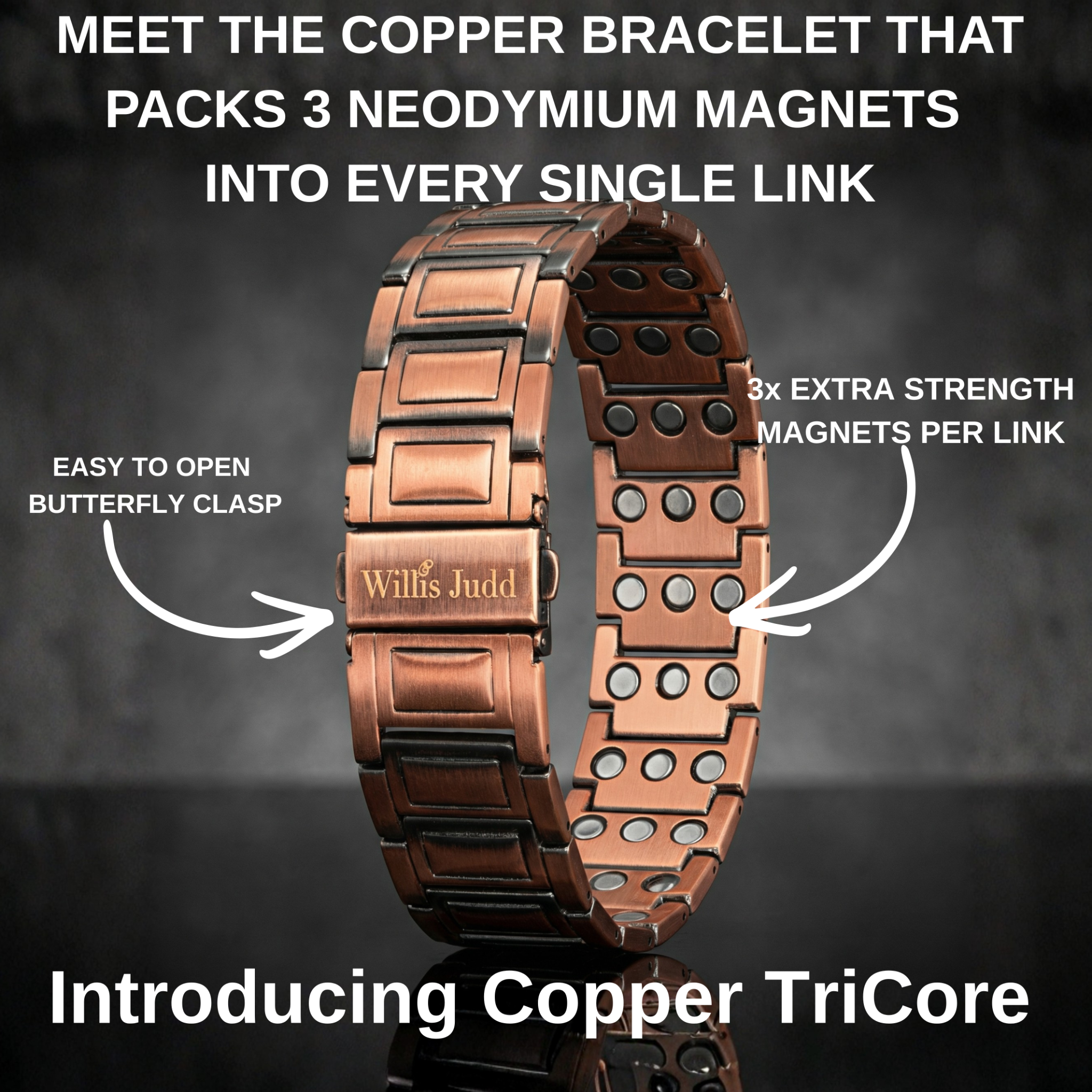
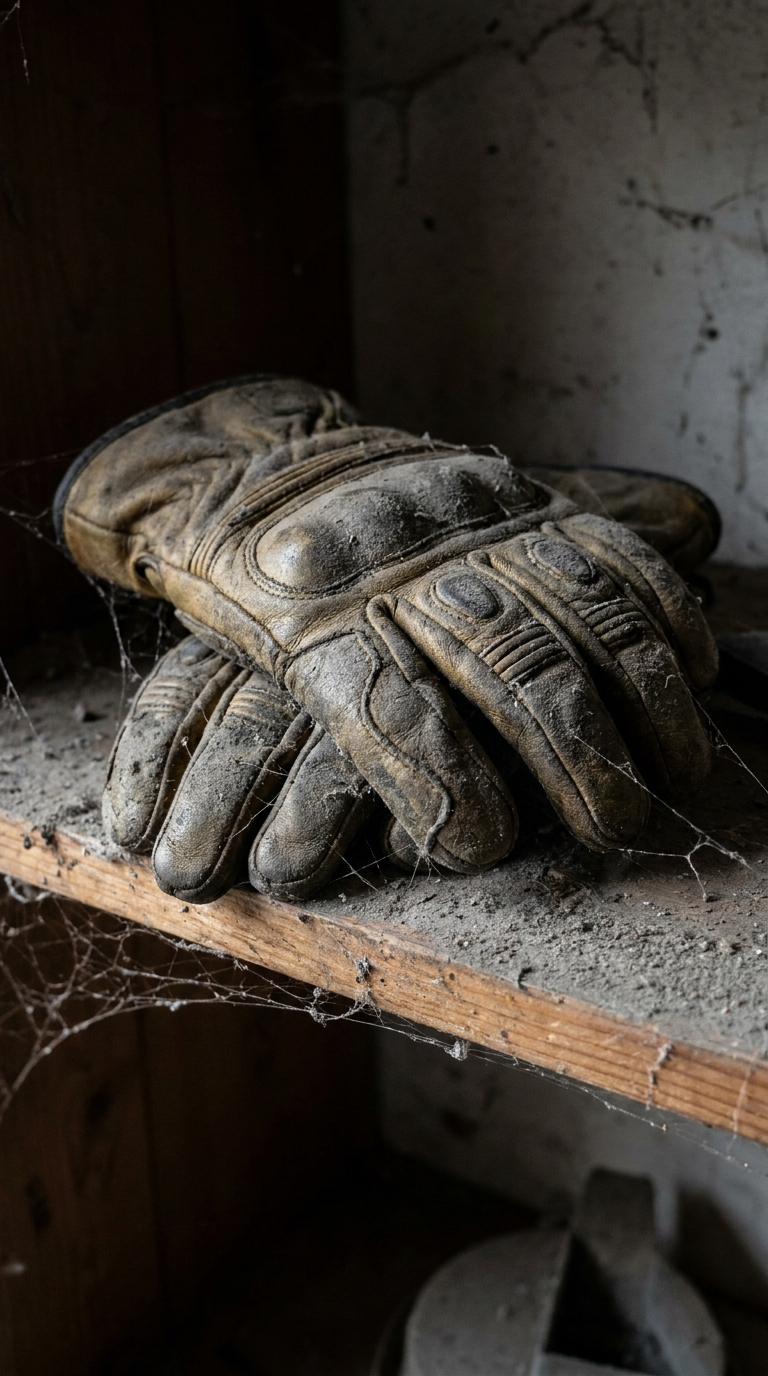
Last year, I almost killed my dog. A rabbit broke from the brush, she lunged, and the leash tore straight out of my fingers — because they wouldn't close. She ran flat out toward the road, and there was a car coming. And there wasn't one thing I could do about it. My own hands wouldn't work. Let me back up, because I'm not the kind of man who writes things like this. I'm seventy years old. I carried mail in this town for thirty-one years. Rain, snow, August heat, didn't matter. I walked every street in this place more times than I could count. I knew every porch, every fence, and every dog behind every gate. My legs and my hands were the tools of my trade, and they never once let me down on the job. When I retired, the one thing I swore I'd never give up was the walking. So I got Maggie. A golden retriever, eight weeks old, all feet and ears. And the two of us walked this town every morning the way I always had, except now I had company. Those morning walks were the best part of my day. Down to the path by the creek, around the long loop, back by the time the coffee shops opened. There was a whole crowd of us out there at sunrise. Dog people. We knew each other's dogs better than we knew each other's last names. For a few years, retirement felt like a reward instead of an ending. And then, the way these things always do, it started. It came on so slowly I can't tell you when it began. First it was just my hands being stiff in the mornings. Ten minutes, and then they were fine. I blamed the cold. I blamed thirty-one years of sorting mail. Then it was the throbbing. A deep ache that would settle into my knuckles and my wrists overnight and sit there, and I'd wake at two in the morning flexing my fingers in the dark, trying to work it loose. Then came the grip. That was the cruelest one. My hand would close, and then a few seconds later, without my permission, it would just start to open again. You don't think about your grip until it leaves you. I started dropping things. Coffee cups. My keys. A full bag of groceries on the porch steps one afternoon, eggs and all. And Maggie's leash got harder and harder to hold. She's a strong dog. Sixty-five pounds, and she loved that walk like it was Christmas morning every single day. When she'd pull toward a squirrel, the leash would start sliding through my fingers because I couldn't keep my hand closed around it. I tried not to think about what that meant. I did what everybody does. I tried to fix it. I started with the ibuprofen. Two with breakfast, two at night, and after a while more than that, until my stomach started complaining. It took the edge off. It never touched the grip. I bought the wrist braces, the neoprene ones with the velcro. I'd take them off at night and my wrists felt ten years older than the rest of me. I even bought one of those padded leash handles, the thick foam kind, thinking if I couldn't grip the leash I'd just make the leash easier to grip. It helped for about a week. Then it didn't. I took the glucosamine. The turmeric. A fish oil the size of my thumb. A whole shelf of bottles, and not one of them gave me my hand back. I went to the doctor, of course. He pressed on my knuckles, looked at the swelling, and gave me the word every man my age learns to dread. "Arthritis. It's just age, friend. Keep taking the ibuprofen." I walked out of there feeling like I'd been handed a sentence and told to serve it quietly. I even tried a copper bracelet, a cheap one off the internet, twelve dollars, because a fellow on the path swore by his. It turned my wrist green in a week and the clasp snapped soon after, and I decided the whole copper business was nonsense and threw it in a drawer. Remember that I thought that. It comes back later. So now you know about that Saturday morning on the path. Let me tell you the rest of it. Maggie and I were down by the creek, early, the way we always were. A rabbit broke out of the brush right in front of us, and she lunged. And the leash tore straight out of my hand. My fingers just opened. There was nothing I could do about it. She bolted across the grass toward the parking lot, toward the road, ears back, not hearing a word I called. I have never felt so helpless in my life. I ran after her, this seventy-year-old man, screaming her name, knowing I would never reach her in time. A car was coming up the lot. It slowed. It stopped. The driver had seen her. And Maggie pulled up at the curb and looked back at me, confused, wagging her tail, like it had all been a wonderful game. I got to her and I sat down right there on the grass and I put my arms around that dog and I shook. Because my hands, the hands that carried this whole town's mail for thirty-one years, had almost gotten her killed. That was the morning I said I'm done. Not done with the pain. Done walking her. I couldn't risk it. It wasn't fair to her. So the walks stopped. I'd hand the leash to my wife Diane in the evenings and watch the two of them go out the door without me. And every morning Maggie would still bring me that leash, and drop it at my feet, and wait. And every morning I'd look at her and pretend I hadn't seen it, and she'd eventually carry it back to the hook and lie down by the door. A dog can't be told why. That's the thing. You can't sit her down and explain about arthritis. She just knows the walks stopped, and she thinks somehow it's her fault, and there is no way on earth to tell her it isn't. It was Sully who finally came and found me. Sully's a fellow from the path. Walks a big chocolate lab named Gus, every morning, rain or shine. Before he retired, Sully spent thirty-five years as a physical therapist. Hands, knees, shoulders, all day, for people my age. He'd noticed Maggie and I had stopped showing up. So one morning he knocked on my door, Gus at his side, and he said, "Where've you been? Maggie miss her walks?" And I don't know if it was Sully, or a year of not telling anyone, but it all came out. The grip. The leash. The rabbit. The road. Sully got quiet. Then he said, "Sit down on the porch with me a minute. There's something nobody's ever bothered to explain to you, and I think you've been fighting the wrong fight." We sat on the steps, the dogs at our feet. "Tell me when your hands are worst," he said. I told him. The mornings, always. And the grip, all day, the way it just won't hold. "Right," he said. "Now let me tell you why the grip is the first thing to go and the last thing to come back. Because it's not random. It's plumbing." He held up his own hand and made a fist. "Your grip isn't really in your hand. It runs on the small muscles and tendons in your hand and forearm, and they need a steady supply of good blood to keep firing. To hold. To stay closed." "Now. Your hands are the furthest point from your heart. The very end of the line. The worst circulation in your whole body, even when you're young." He pointed down the street. "You were a mail carrier. Think of your heart as the post office and your hands as the last house on the longest route in the county. The mail still gets there. It just gets there last, and the least, and first to get skipped when there's a problem." "So here's what's happening," he said. "In a joint that's inflamed, the body makes waste. Junk. And good circulation carries it off as fast as it's made. But in an old hand with poor flow, it doesn't get carried off. It pools. It settles. It thickens overnight while you're lying still." "That's your two a.m. throbbing. That's your stiff mornings. And that sustained grip you've lost? That's the first casualty, because holding a fist closed for thirty seconds takes more steady blood flow than your hands can deliver anymore." I sat there on my own porch steps feeling like he'd been reading my mail. "How'd you know about the leash sliding," I said. He just smiled. "Because it's the same in everybody. The grip's the canary in the coal mine." "Now here's why nothing you tried worked," Sully said. He held up one finger. "The ibuprofen. It floods your entire body to reach a few knuckles, and it's long gone by two in the morning, which is exactly when you're stillest and it's worst. You're medicating the alarm, not the cause, at the one hour the medicine isn't even in you." Two fingers. "The brace. A joint stays healthy by moving, because movement is what drives the blood through it. You strapped it down so it'd hurt less, and a joint that stops moving stops getting flushed at all. You weren't fixing it. You were teaching it to seize." He put his hand down. "Everything you tried was aimed at the pain after the fact. Not one thing you own does anything about the circulation overnight, which is the whole problem." I asked him the question that had been building. "Sully. You did this for a living. Why has no doctor ever told me any of this?" He sighed. "Because there's no prescription at the end of it. 'Keep the blood moving through your hands' isn't a pill. There's nothing to bill for it. It's not that they're hiding it. It just doesn't make anybody any money, so nobody bothers to say it." And then he got quiet. "Which brings me to the part you're going to think is foolish." "That cheap copper bracelet you threw in a drawer," he said. "You had the right idea and the wrong object." I told him I'd decided copper was nonsense. Turned me green. Snapped. He let me finish. "You bought plated zinc. A whisper of copper sprayed over cheap pot metal. That's why it went green and broke. You weren't wearing a copper bracelet. You were wearing a costume." "But solid copper, real copper, against the skin, is a different animal. Copper's a trace mineral your own body actually uses, to help build the connective tissue in your joints and to help settle that inflammation we talked about. A tiny, steady trickle, all day. And here's the thing most folks never consider." "We've quietly cut copper out of modern life," he said. "Our grandparents drank from copper, cooked in copper, their water ran through copper pipe. They took in a little of it all day without ever knowing. We've swapped all of it for steel and plastic. And after fifty, the body pulls less of it out of food anyway." I asked him about the magnets. He was honest with me, and that's the only reason I kept listening. "The magnets, I'll be straight with you, the research is split, and I'm too old to oversell a man on his own porch. Some studies say a magnetic field helps the surface circulation along. Some show nothing. I'm not promising you magic." "But the whole idea is you wear it twenty-four hours a day. Through the night. While you're lying still and everything's settling. It's the one thing in this entire conversation that's actually working during the hours that cause your mornings. Everything else clocks out when you go to bed. This doesn't." He stood up and whistled for Gus. "I can't promise you anything, and I won't. But the good one, the solid copper kind with real magnets, is about eighty dollars, and they give you your money back for sixty days. So let me ask you something." "At eighty dollars you can get back, what exactly are you protecting? Because that dog's been bringing you her leash every morning for a year, and you've got nothing to lose but the cost of a tank of gas." "One more thing," he said, halfway down the walk. "This is slow. It's circulation. You'll wear it a couple weeks and feel like nothing's happening, and then one ordinary day you'll notice you did something you couldn't do. Give it a month. Wear it day and night. And don't you dare let me catch you buying another twelve-dollar one." I ordered it that night. The one Sully told me to get. The solid kind. It's called Willis Judd. Eighty dollars. Pure solid copper the whole way through, with the real magnets. The men's model. I went to bed wearing it, with my doubts firmly intact, because a man my age has earned his doubts. Now let me tell you the honest truth about what happened, because the dishonest version would have me cured by morning, and that is not how it went. The first week, I felt almost nothing. I wore it day and night and I still woke at two with my hands throbbing, and I damn near decided Sully had talked a fool into a piece of jewelry. The only difference was a band of copper on my wrist while I lay there. But I'd promised him a month, and I keep my word. And somewhere in the second week, I noticed I'd buttoned my own shirt without thinking about it. I stood there in the bedroom holding my own collar, because I hadn't done that without a fight in a long time. One small thing. But it was the first. By the third week, the mornings were easier. The two a.m. throbbing got shorter, then rarer. I started sleeping through. And one afternoon I picked up a full mug of coffee and carried it across the kitchen, and my hand held it the whole way, and didn't start opening on its own. I set it down and just looked at my own hand like it belonged to a stranger. By the fourth week, Diane noticed before I'd said a word. She watched me carry the groceries in from the car, both hands, no drama, and she set down the bag she was holding. "Something's different with you," she said. I told her about Sully, and the porch, and the plumbing, and the copper. She reached over and turned my wrist to look at the bracelet, and she didn't say anything, but her eyes did. But the morning I'll remember as long as I live was about eight weeks in. I went to the hook by the door, and I took down Maggie's leash, and I clipped it to her collar myself. She didn't even understand at first. She looked at the leash, then at me, then back at the leash. And then she came apart with joy, the way only a dog can, spinning in circles, knocking into the wall. We went down to the path at sunrise, the way we used to. A squirrel ran across the trail and she lunged, and the leash went taut. And my hand held. It just held. I stood there on that path with my dog at the end of a leash I could finally grip, and I'm not ashamed to tell you a seventy-year-old man cried a little into the morning. Sully was down by the creek with Gus. He saw the two of us coming, and he didn't say a word. He just raised his coffee an inch in my direction, the way one old man tells another that he understands exactly what just happened. Now, I'm not going to lie to you the way that cheap one did. I still get a stiff morning here and there. It is not a cure, and it is not magic. Sully would have my hide if I called it either one. It's a steady trickle of real copper and a bit of magnet on my wrist, doing the one thing none of my pills or braces or padded handles ever did. Working through the night. Through the still hours when everything used to settle and seize. Slowly, over weeks, it gave me back my grip. And with my grip, it gave me back the leash, and the path, and the best part of my day. So here's why I bothered to write all this down. Somewhere out there is a man about my age reading this, and there's a leash hanging on a hook by his door that he doesn't reach for anymore. Maybe there's a dog lying next to it who doesn't understand why. Maybe you've started handing things off. Letting somebody else carry the heavy end. Calling it getting old. Don't. Getting old is not the same as your hands letting go of a leash, and you've got a right to know the difference. It's called Willis Judd. Solid copper the whole way through, not the plated junk that turns you green and snaps in a week. Real magnets. You wear it day and night, and the night is the whole point, because the night is what causes the morning. It's about eighty dollars, and more than fifty thousand people are already wearing one, and they back it with a full sixty-day money-back guarantee. So you can wear it every day and every night for two months, and if your hands are no different, you send it back and you're out nothing but the postage. Give it the full month before you judge it. This works slowly, the way Sully said. Any man who promises you a miracle by morning is selling you something I wouldn't buy. And please, don't grab the cheap plated ones to save a few dollars. I made that mistake once, and all it cost me was a green wrist and another month I'll never get back with my dog. That sunrise walk was eight months ago. Maggie still brings me her leash every morning. The difference is, now I take it down off the hook, and I clip it on, and the two of us walk this town the way I have for forty years. Don't wait until the leash slips out of your hand. Go put it on, give it the month, and go get your mornings back.
Tingling in your hands… what’s really going on?
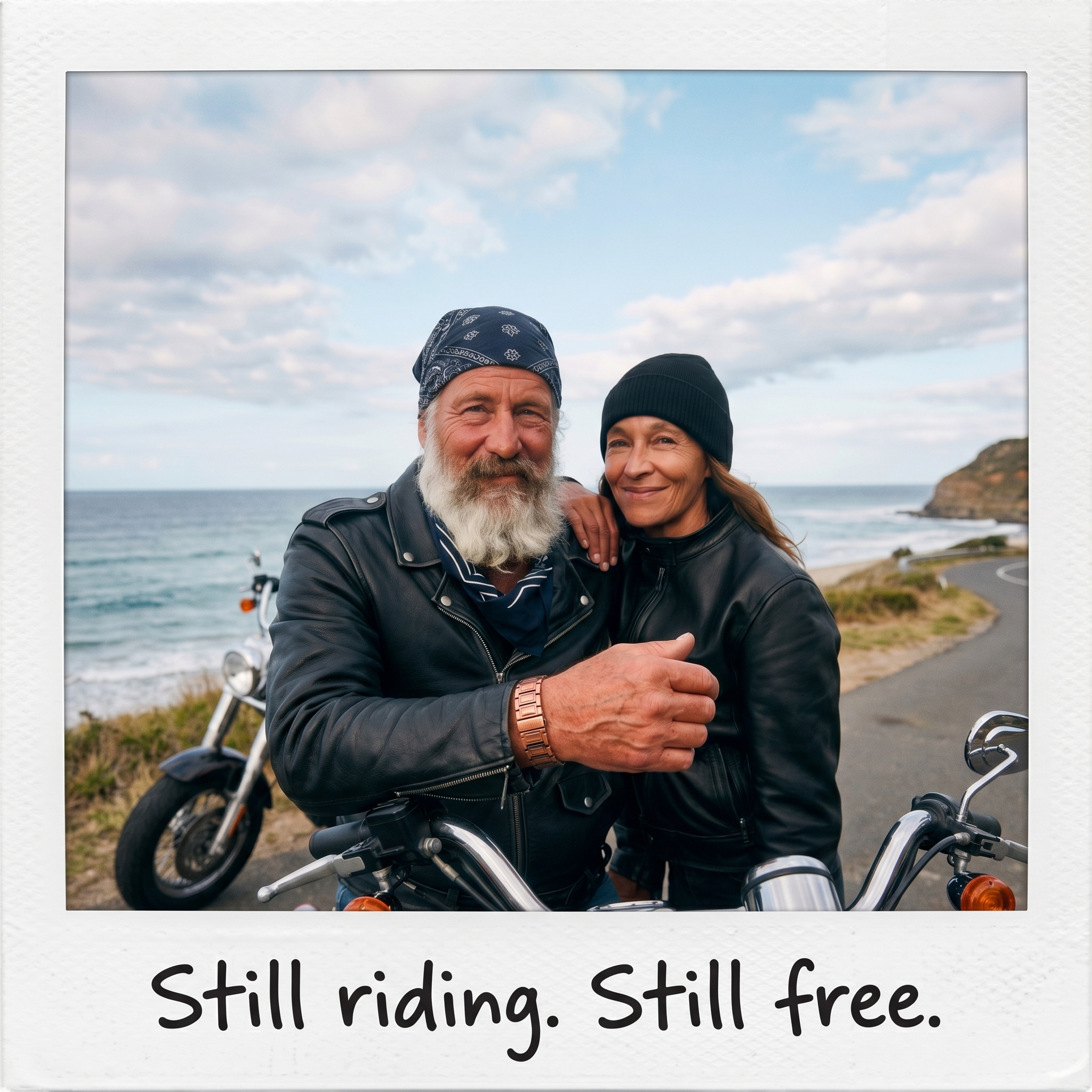
That strange tingling feeling in your hands… ever looked it up? A lot of people notice their hands feel different as they get older. Sometimes it’s stiffness after working, that random tingling feeling after a long day, or the occasional pins and needles from typing, lifting or even scrolling on a phone. That’s one of the reasons so many people choose copper magnetic bracelets. Some like them for general comfort, others enjoy the solid, grounded feel, and many simply enjoy wearing one as part of their daily routine. A small habit that feels good, just like stretching in the morning or wearing a favourite watch. Our Copper Magnetic Bracelet is built with strong copper and a premium magnetic design, giving it that distinctive warm look that makes it both functional and stylish. Easy to wear at home, at work, or while you’re out and about. If you’ve ever wondered why so many people wear copper magnetic bracelets, now’s a great time to see what they’re all about. 👉 Tap to learn more
LEARN MORELike this ad? Make it yours.
Crush rebuilds this exact creative around your product — your brand, your colors, your offer — in about a minute.