
Inactive· since Jun 11, 2026
- 49
- days it ran
- 0
- relaunches
Ad copy
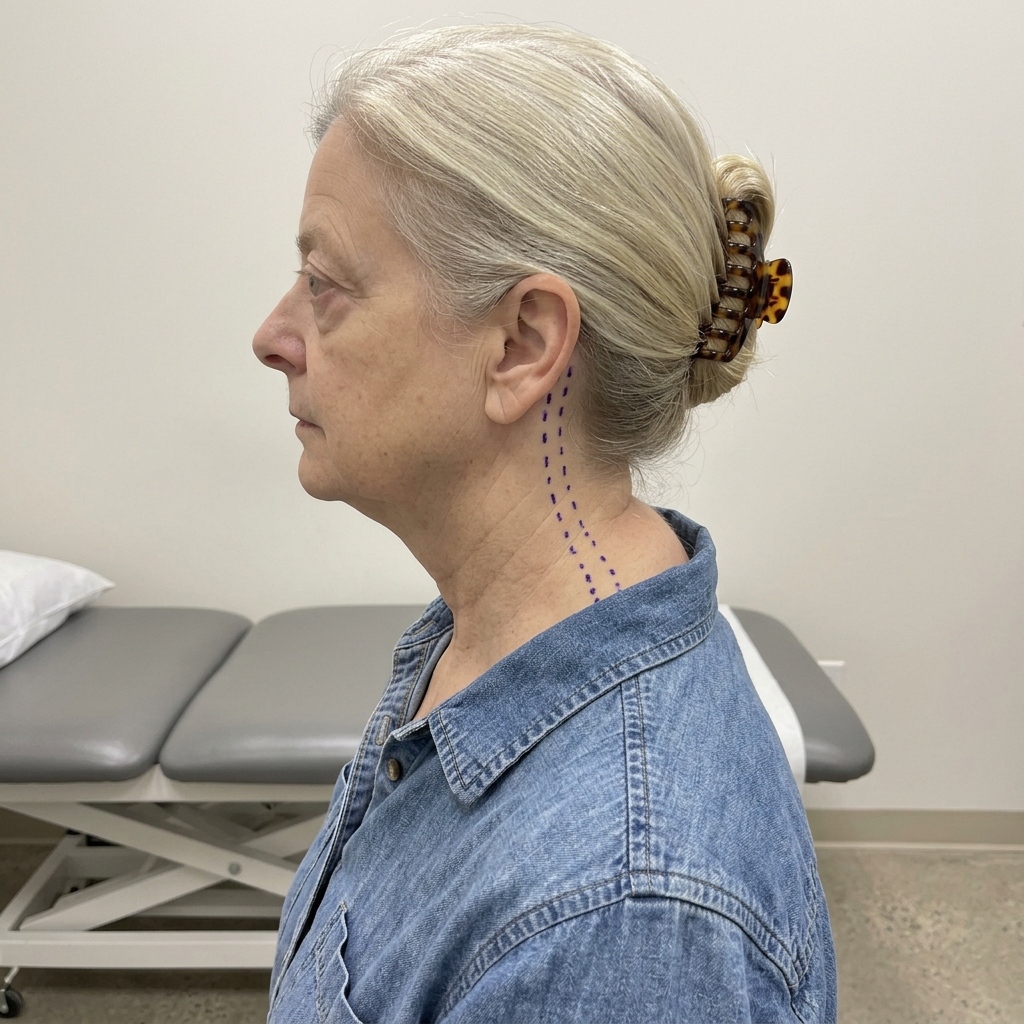
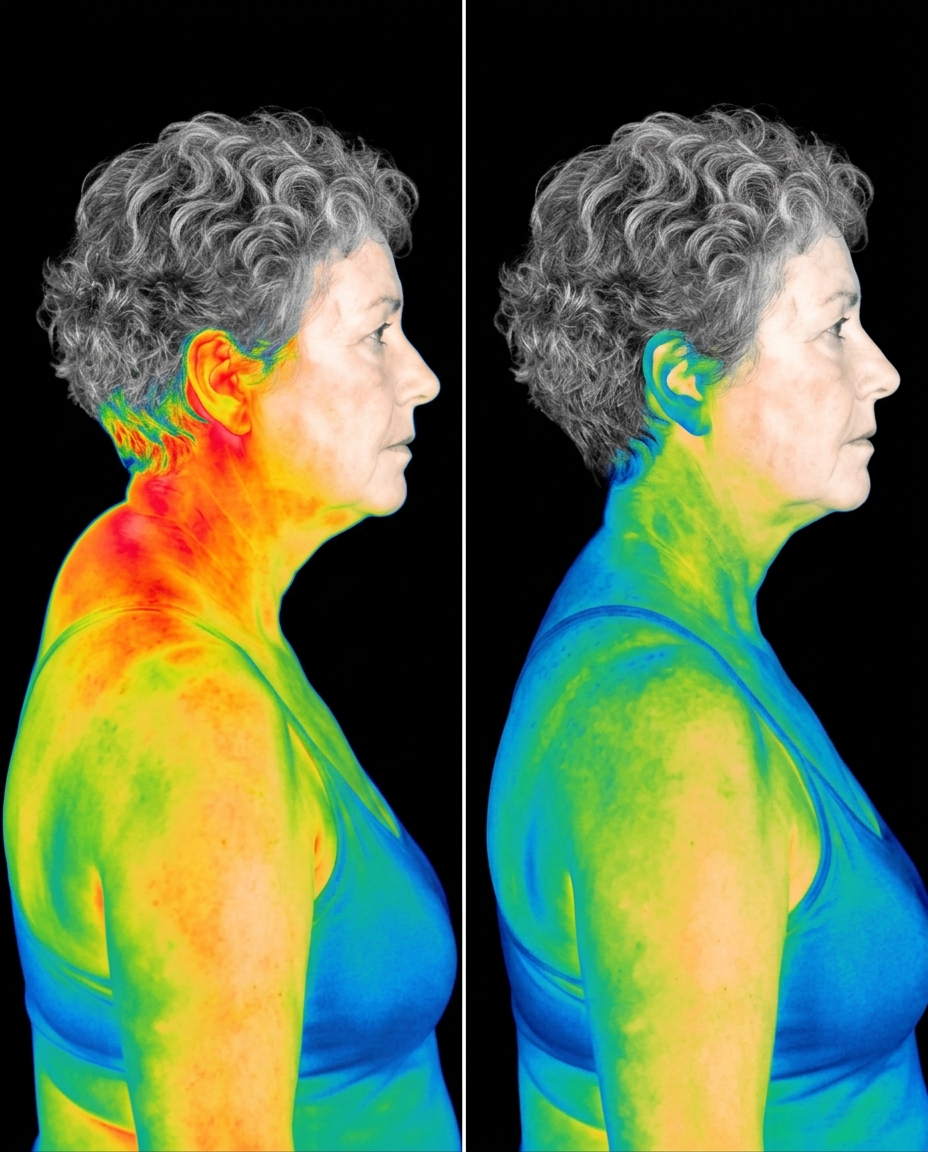
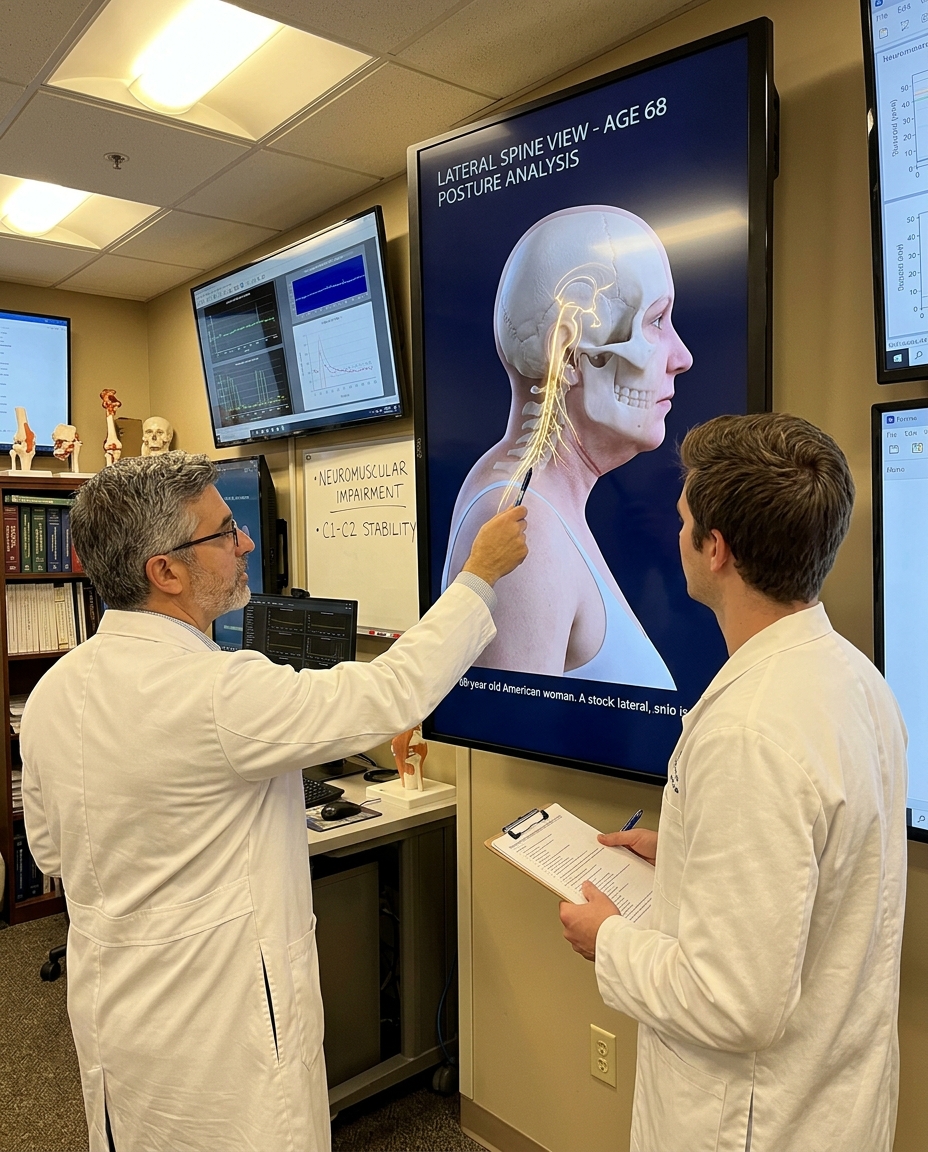
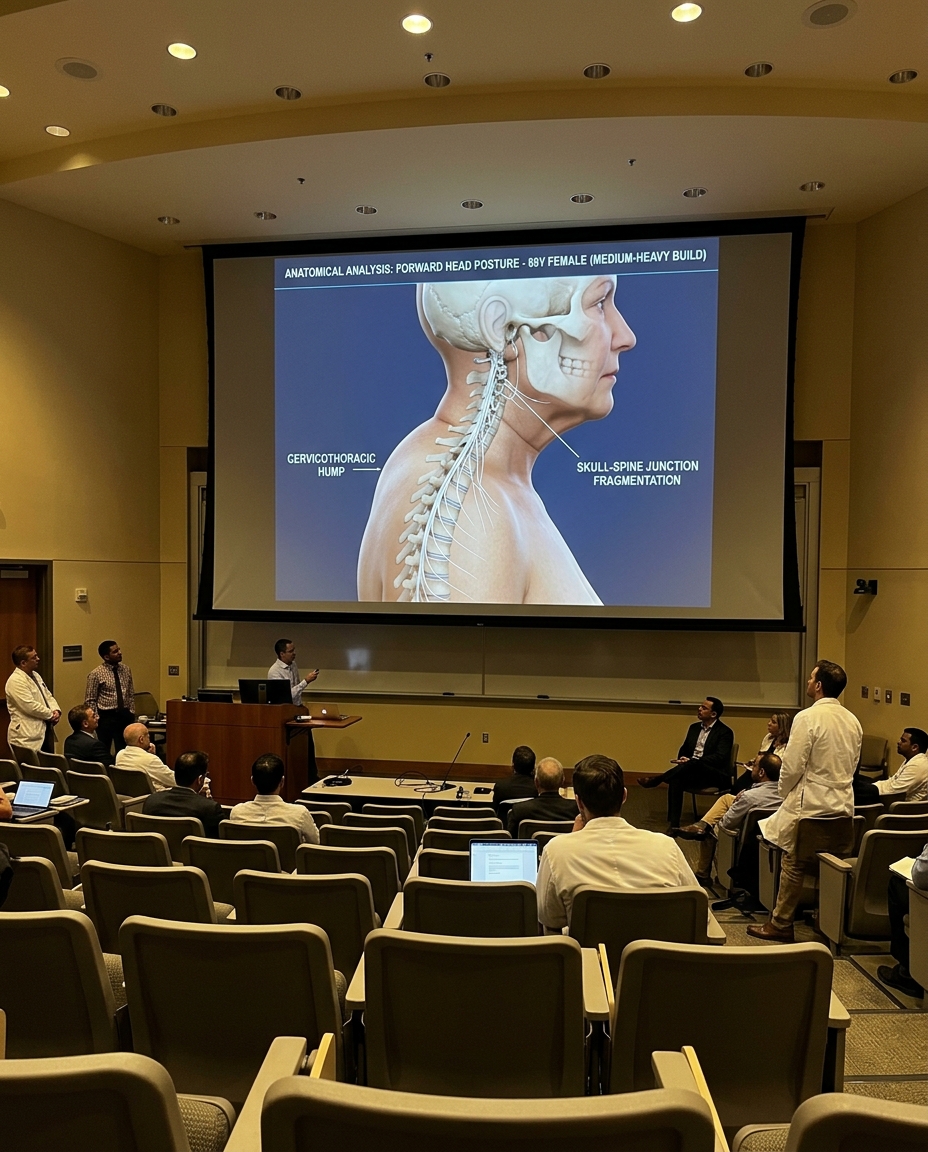
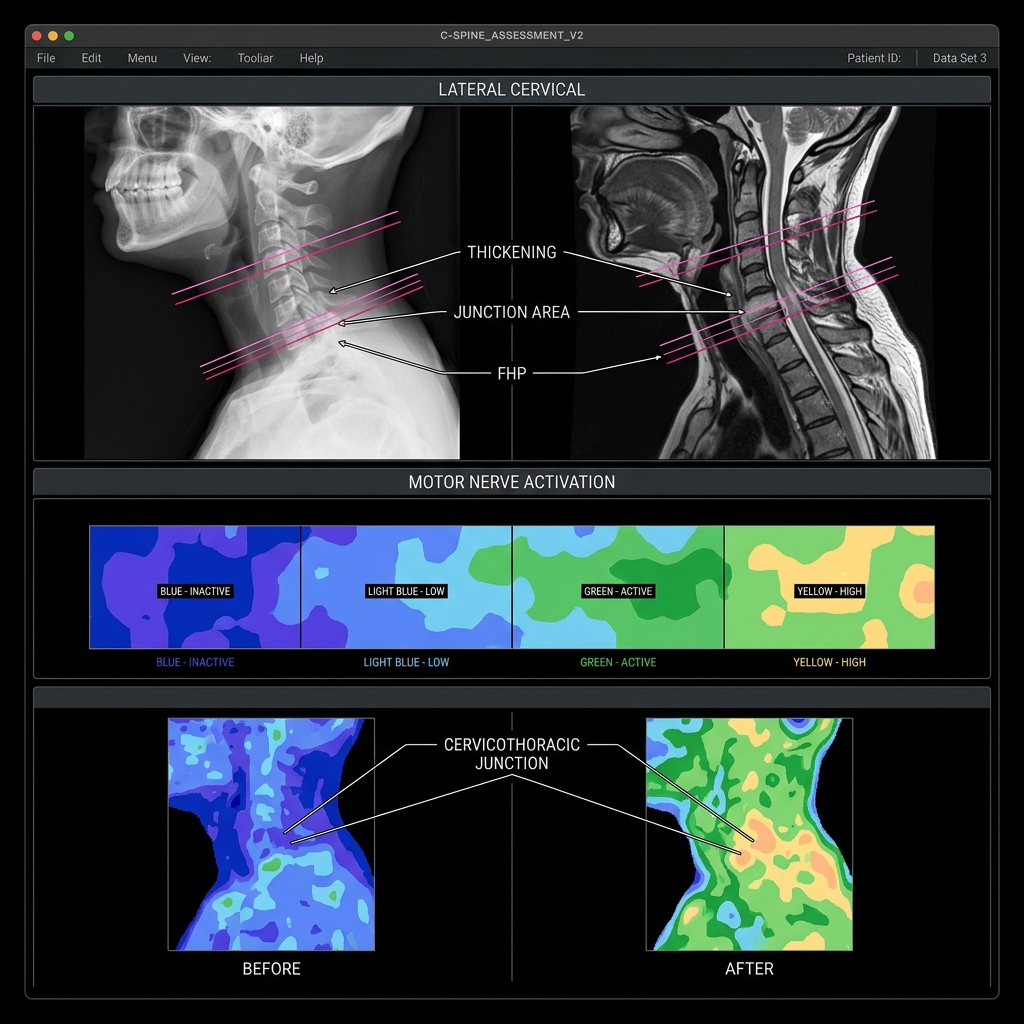
I'm a cervical rehabilitation specialist. I've been treating neck hump progression for 24 years. And there's something I need to tell you that I don't have time to explain in a 30-minute session. Every week, I look at the assessment results of women who are watching their posture slowly change. I see the frustration. I see the withdrawal. I see the silent question they're too afraid to ask out loud: "Is this going to keep getting worse?" And every week, I have to tell them something that breaks my heart. "We'll monitor it and see how it progresses. Keep doing your exercises." I watch their faces fall. I watch hope drain from their eyes. I watch them leave my clinic believing there's nothing they can do but manage — session after session — while the measurements keep creeping. It's the worst part of my job. Because here's what I can't fully explain in a rushed session with three more patients waiting: There IS something they can do. Something most cervical practitioners never mention. Something that could change the trajectory of their progression entirely. And I'm going to tell you what it is right now. First, let me tell you what I see every single day in my practice. I see 68-year-old women who can't choose a neckline without running a calculation — terrified that every photo will show what they've been hiding for years. I see 72-year-old women who have stopped attending family events — too exhausted by the constant management of angles and clothing to be fully present for the people they love. I see grandmothers who cry in my assessment room because they can't stand at the front of a family photo anymore. They describe positioning themselves at the back of every gathering, back to the light, calculating — when all they want is to just be there. I see the successful ones too — the ones who found the right intervention early, whose measurements stabilized or even reversed. But they're the minority. Most of my patients come to me too late. After years of exercises that weren't reaching the signal. After years of adjustments that reset every 48 hours. After years of believing management was the best available option. By then, the inhibition is established. The tissue has consolidated. And I'm left with very limited options. This is what keeps me up at night. Because I KNOW there's a window of opportunity. I KNOW that early signal restoration can make a massive difference. I KNOW that neck hump progression doesn't have to mean inevitable consolidation. But the clinic system doesn't let me have that conversation. Insurance gives me 30 minutes per patient. In that time, I have to run assessments, review measurements, make a determination, and explain management options. There's no time to sit down and really explain what's happening inside the deep cervical system — or what they can do about it. So I'm going to explain it now. To you. Right here. If you're experiencing a visible rounding at the base of your neck, a forward pull that's heavier by afternoon, a morning calculation that runs before you've had coffee, clothing choices that have quietly shifted toward coverage — please pay attention to what I'm about to tell you. These symptoms are not just "normal aging." Something specific is happening inside your cervical system. And understanding it could change everything. Let me show you what I see when I look at your assessment results. At the very base of your cervical spine is a system of deep muscles. Small. Layered. Running along the front and back of your cervical vertebrae — responsible for ALL of your ability to hold your head back against the constant forward pull of daily life. Reading. Driving. Working at a screen. Looking at your phone. Everything that loads your neck happens against this system. When I examine a healthy cervical system, I see strong motor nerve activation. The brain-muscle signal is intact. The muscles are firing at threshold. The head sits back without effort. When I examine a cervical system with established progression, here's what I see: The motor nerve activation is depleted. The brain-muscle signal has gone quiet. Sometimes to less than 10% of clinical threshold. The natural holding system has broken down. And without that activation, the deep cervical muscles are not doing their job — the head drifts forward, the body builds compensatory tissue, and nothing from the outside can reverse it. This is what causes the visible rounding. The morning calculation. The forward pull that returns every evening no matter what you do during the day. Now here's the part that most cervical practitioners never explain — because most were never taught it in their training. Your deep cervical muscles CANNOT activate without a functioning brain-muscle signal. Let me say that again, because it's critical. The activation your deep cervical muscles need to hold your head back can only come from a functioning motor nerve signal. If that signal is broken, your muscles will not hold. Period. And here's the problem. Standard rehabilitation provides almost none of what the signal needs to restore. Previous generations moved more constantly. Changed positions naturally. Never sat hunched over screens for eight or ten hours a day. Their cervical motor signals stayed intact. We drive for hours. We work at screens. We look down at phones thousands of times a day. We get a fraction of the natural movement our cervical systems need. The result? An epidemic of neck hump progression. Rates have increased dramatically over the past 40 years. And it's not just because people are living longer — it's because our cervical motor signals are starving for direct activation. When patients come to me with early progression, here's what I wish I could tell them: "Your deep cervical muscles aren't just aging. They're missing a signal. And if you don't restore it directly, the progression will continue until the tissue has consolidated past the point of easy reversal." But I can't have that conversation in 30 minutes while documenting everything for insurance and moving to the next patient. So patients leave my clinic believing exercises and adjustments are the best available option. They go home, keep doing the protocols, and watch their measurements creep — never knowing that direct signal restoration could have changed everything. It breaks my heart. And it's why I'm writing this now. Here's what the research shows — research that changed how I practice. The deep cervical motor nerve system requires THREE specific inputs to restore inhibited signal: Graduated program specificity. Direct motor nerve pathway targeting. And graduated intensity calibration. These are the parameters found in clinical-grade direct EMS devices. When delivered to the inhibited deep cervical motor nerves, they bypass the broken connection and force the inhibited nerves to activate directly. Studies from rehabilitation research institutes have demonstrated that direct cervical EMS at clinical parameters can: — Increase deep cervical motor nerve activation measurably — Improve forward head position — Reduce tissue buildup at the cervicothoracic junction — Stabilize or reverse progression The research is clear. Direct signal restoration works. But here's what frustrates me about the EMS device industry. Most cervical EMS devices are incomplete. They deliver fixed-frequency surface stimulation — maybe some sensory nerve activation. But almost none deliver the graduated multi-program clinical-grade targeting that actually reaches the inhibited deep cervical motor nerves. And this is a critical failure. Each program parameter reaches a DIFFERENT depth of the cervical motor nerve system. Early inhibition responds to different parameters than established inhibition. Established inhibition requires different targeting than advanced inhibition. Maintenance requires different calibration than active restoration. Without all parameters addressed, you're stimulating the surface while leaving the deep inhibition intact. You're sending a signal that bounces off the surface and never reaches where the failure is occurring. When patients ask me what devices I recommend, I can't officially endorse specific products in my clinical practice — liability issues, you understand. But when my own mother started showing early cervical progression three years ago, I knew exactly what to give her. I found a device called Cevera. It's an 8-program complete cervical motor nerve restoration device with graduated targeting for ALL stages of inhibition — early, established, advanced, and maintenance — at clinically validated parameters. But it goes beyond just the programs. Cevera includes: — 8 unique programs: Each calibrated for a different stage of cervical motor nerve inhibition. Early inhibition responds to different parameters than established inhibition. Generic single-frequency devices miss this entirely. — 19 adjustable intensity levels: Graduated calibration that builds as the inhibited nerves begin to respond. You can't overwhelm inhibited motor nerves with maximum intensity from day one. Cevera builds as the signal restores. — Clinical-grade motor nerve pathway targeting: Not surface stimulation. Not sensory nerve activation. Direct delivery to the deep cervical motor nerve layer where the inhibition is actually occurring. — Third-party tested parameters: Published specifications. Exact program calibration verified. No guessing about what you're actually receiving. — 15 minutes a day: The clinical protocol window that matches what the published research used. 8 parameters total. Each one backed by published research. Each one at therapeutic targeting levels — not the surface stimulation many devices use for "label credibility." This is what I gave my mother. This is what I would give any family member showing early signs of cervical progression. My mother has been using Cevera for three years now. At 79 years old, her deep cervical motor nerve activation has improved measurably. Her forward head position has stabilized. She still chooses what she wants to wear every morning without running a calculation. She still attends every family event. She still appears in every family photo — front row, open neckline, present. She's not withdrawing from gatherings. She's not declining invitations. She's not positioning herself at the back of every room, collar up, calculating her angle. That's what complete signal restoration can do when you intervene early enough. Now let me speak directly to you. If you're reading this and you're experiencing: ↳ A visible rounding at the base of your neck that keeps building... ↳ A morning forward pull that's heavier than it was six months ago... ↳ A calculation you run before choosing what to wear... ↳ Photos you've started stepping back from... ↳ Necklines you've stopped reaching for... ↳ Events you've started declining... ↳ A collar that's become your default... ↳ That quiet feeling that your posture is slowly being taken from you... Please listen to me. You are not powerless. Your deep cervical muscles are not just "aging." They're missing a signal. And you can restore it. The window for effective intervention is not unlimited. Every month you wait, the inhibition sets deeper. The tissue consolidates further. The opportunity to reverse the progression shrinks. I have watched too many patients come to me too late. I have watched too many women lose their ease, their presence, their confidence — because they believed management was the only option. Don't be one of them. Cevera offers a 90-day money-back guarantee. If you don't notice improvement in your forward head position, your morning calculation, and your ease of presence — you get a full refund. Even if you've completed the full 90-day protocol. As a specialist, I don't make recommendations lightly. But as someone who has dedicated 24 years to treating cervical progression, I can tell you this: Direct cervical signal restoration is one of the most important interventions available for early to moderate neck hump progression. And most women have never even heard of it. Now you have. What you do with this information is up to you. But please, don't do nothing. Don't accept progression as inevitable. Don't let the morning calculation become your permanent morning routine. Your deep cervical motor nerves are waiting for a signal. Your posture is waiting to be restored. 👉 https://trycevera.com/pages/adv2-womens-wellness-report I wish I could sit down with every one of my patients and have this conversation. Since I can't, I'm having it with you. Take action while you still can. — Dr. Linda Marsh Cervical Rehabilitation Specialist, 24 years
Like this ad? Make it yours.
Crush rebuilds this exact creative around your product — your brand, your colors, your offer — in about a minute.