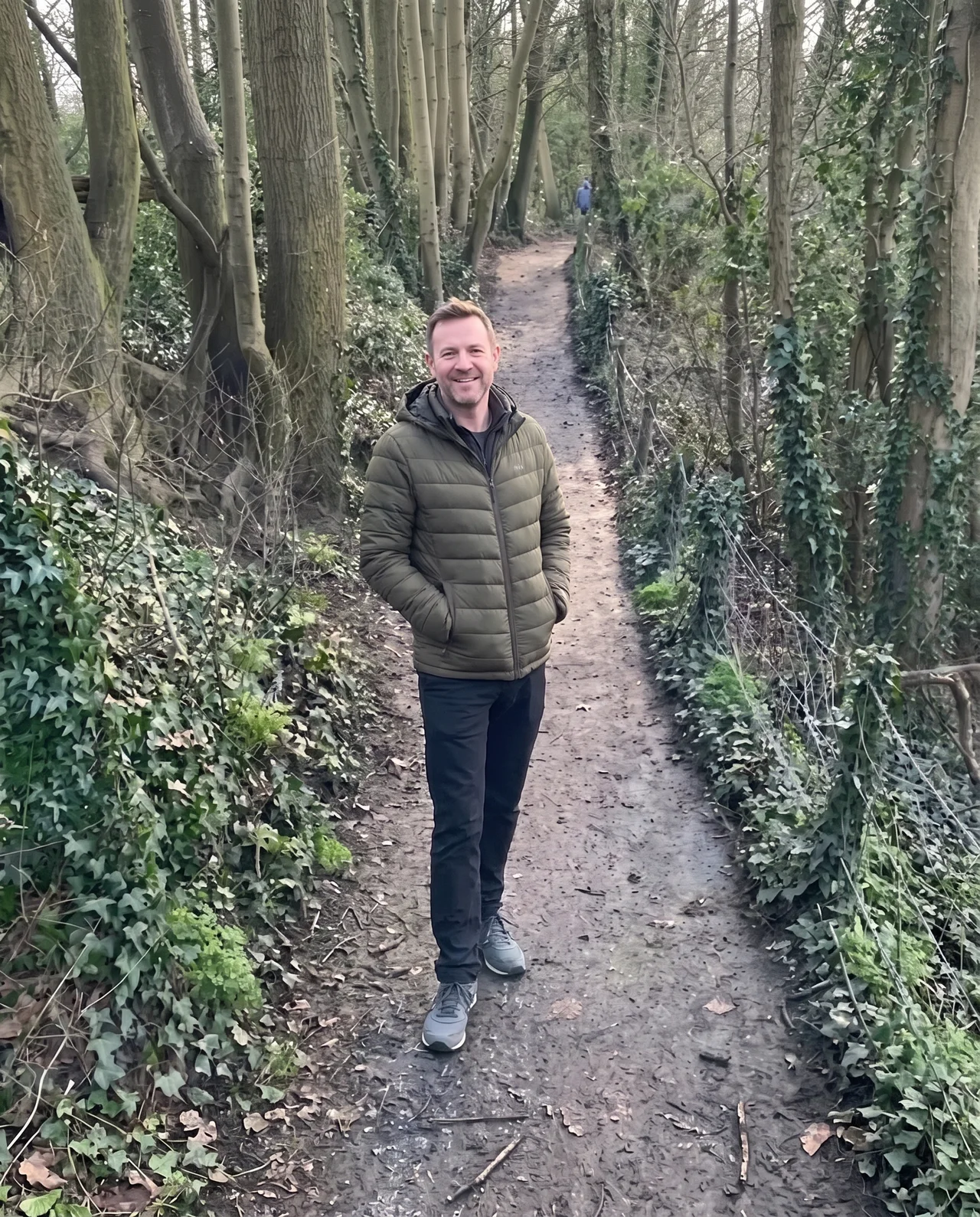
Henry Wilson
Henry Wilson Facebook ad: “Read this if you deal with sleep issues”

Ran for 30 days, from August 25 to September 24, 2026, the last day Crush saw it.
Run by Henry Wilson on Facebook. Crush is not the advertiser and does not verify its claims. See this ad in Meta's Ad Library(opens in a new tab)
Want an ad like this for your product?
Crush makes new ad images for your product from this ad: your logo, your product photo, your offer.
Trials from $19.95 USD, then $79.95 USD a month. Cancel anytime.
About this ad
- Meta Ad Library ID
- 28072944209053203
- Platforms
- Relaunches
- 0
- Niche
- Jewelry & Watches
Ad text
My older brother had insomnia. Dementia took his mind at 61. He died last winter. He was 64. I have insomnia too. Same sleeping tablets. Same sleep logs that always "looked fine." Same memory his GP was "keeping an eye on." After the funeral... I went looking for what took his mind. What I found is the reason I can still find my own words. And the reason I'm writing this. ======== His name was Steve. He taught secondary school English for thirty years. Two grown daughters. A wife he'd been married to since he was 23. He knew every poem by heart. Could recite Larkin in the car from memory, the whole thing, while he drove. Never lost an argument because he never lost a fact. He was the sharp one. The one who remembered every birthday, every anniversary, the name of every child in the neighbourhood. By the end he couldn't remember the word for "spoon." He was 64 years old. He should still know my name. ======== Steve was diagnosed with insomnia in his mid-40s. Put on Zopiclone. His GP said it was the gold standard for sleep. Said his sleep would stabilise. Said he'd feel like himself again. He didn't. The fatigue he blamed on teaching. The fog he blamed on stress. The nights he still lay awake he blamed on work. His memory started slipping in his late 50s. He'd tell me the same story twice in one phone call. Lose his keys, then lose the car in the car park. His GP called it stress and poor sleep. Said they'd keep an eye on it. Kept an eye on it for years. Steve used to ring me after those appointments. Frustrated. Saying his sleep log was "in range" but he felt like his head was full of cotton wool. I told him the same thing every time. "If your GP says it's fine, it's fine." I wish I could take those words back. The last thing he told me before the diagnosis was that he'd got lost driving home from the supermarket he'd shopped at for twenty years. Sat in the car park for forty minutes until it came back to him. He blamed it on being tired. A few months later the diagnosis came. ======== The neurologist's office. A Tuesday. His wife and I sat on either side of him while the doctor read the scores off a screen. Tired eyes. Quiet voice. Said something I'll never forget. "Memory slipping. Sleep's been a mess for years. Blood pressure creeping up. We see this all the time in men his age. There's not much that could have been done." He said it the way you'd talk about the weather. Like my brother losing his mind at 61 was just... what happens. It didn't take him all at once. It took him a piece at a time. First the words. Then the faces. Then the years. There was a sticky note on his fridge near the end, in his own handwriting, from back when he could still write it: "Your name is Steve. Claire is your wife. You are safe." He'd written it to himself. His daughter got married last June and he sat in the front pew and asked who the bride was. He died last winter. I was holding his hand and he didn't know whose hand it was. None of the things that were supposed to happen are happening now. ======== Two weeks after Steve's funeral, I went to my own annual check-up. The nurse wrapped the cuff around my arm. Frowned. Took it again. Pulled up my notes. Sleep log averaging under five hours. Blood pressure 148 over 93. Pulse 84. My GP sat down across from me. Same tone. Same words I'd been hearing for years. "Henry, your sleep isn't where we want it and your pressure's up. With your brother's history, I think we increase the dose, add a low-dose antidepressant for sleep, and get a baseline memory screen on file. This happens to a lot of men your age." A lot of men my age. Like my brother. I sat in the car park afterwards and couldn't turn the key. I'm 57. Same insomnia as Steve. Same tablets. Same sleep logs that "look fine." Same blood pressure creeping up. Same words starting to slip out from under me mid-sentence... a thing I'd been blaming on getting older. Just like he did. I knew, sitting in that car, that I was looking at the same road. That if I did nothing, I was going to leave my wife and my children the exact same way Steve left his — a piece at a time, until I didn't know their names. I drove home. Didn't collect the prescription. I was going to find out what actually took my brother's mind. ======== That night I couldn't sleep. I went downstairs at 2 AM and opened my laptop. I wasn't searching for sleep tips. I wasn't searching for a better pillow. I was searching for what takes the mind of people with insomnia. What I found stopped me cold. A study following thousands of people for years. Those with untreated chronic insomnia were developing dementia at more than four times the rate of people who slept normally. Not 30% more. Not double. More than four times. Nobody had ever told Steve. Nobody had ever told me. I kept digging. Found a Mumsnet thread with over 3,000 replies. The title... "Why don't women in rural farming communities get dementia?" I almost scrolled past. Something made me click. The Yorkshire Dales. Dementia rates a fraction of the national average. Not a little lower. A fraction. Reply after reply. Stories. Studies. Photographs of people in their 70s and 80s, sharp as a tack, working from dawn to dusk. And buried in the thread, the part that stopped me cold: it wasn't really about their memory at all. It was about how they slept. Someone posted a link. A farm in North Yorkshire. I looked at the clock. 2:47 AM. By 6 AM I was in my car. By midday I was in the Dales. ======== I didn't have a proper address. Just drove until I saw open farmland. Turned down a dirt track when I spotted a hand-painted sign. "Vegetables and Preserves." First farm I came to, there was an older woman on the doorstep. Had to be pushing 80. Small. Slight. Grey hair pulled back neatly. She was shelling peas into a bowl so fast her fingers blurred. No reading glasses. No notes. Just sharp, steady hands and clear eyes. I parked and walked towards the door. By the time I reached the step I'd half lost the thread of what I came to say. I hadn't slept more than three hours, and lately the words just slipped away from me like that. "Excuse me," I said. "I'm sorry to bother you. But how old are you?" She looked up with steady, clear eyes. "Seventy-eight." I stood there. 57 years old. Losing words mid-sentence. And this woman 21 years older was shelling peas and reciting the price of each row of her garden without a single pause. "I'm 57," I said. "I have insomnia. My older brother had it too. Dementia took him at 61. He died this past winter. Same medication I'm on. His sleep logs always looked fine. My GP wants to put me on more tablets and a memory screen. I'm frightened I'm next." She set down the bowl. Looked at me for a long moment. "You came here for a reason," she said. "Come inside. I'll put the kettle on." Her kitchen smelled of coffee and proving bread. She poured me a cup without asking. Pulled out a chair. "Your tablet," she said. "It's fighting the wrong battle." I blinked. Not what I expected her to say. "Zopiclone sedates your nervous system enough to call it sleep. That's all it does. But the reason you still wake at 3 AM — and the part that took your brother's mind — that tablet never touches. Nobody told you about the other half. And without the other half, the tablet doesn't matter." She folded her hands on the table. "There are two kinds of sleep," she said. "The sleep that looks like sleep on a chart. And the sleep that actually cleans your brain." She held up two fingers, separated. "They are NOT the same thing. Your sleep tracker only measures the first one. The hours. Your brain runs on the second one. And those are two different numbers. One of them is the one that matters... and nobody is measuring it." I stared at her. "Every night your brain makes waste, the way your body does. And every night there's a system up there that rinses it out — like washing the dishes before bed instead of letting them pile up in the sink. But that rinse only runs in the deepest part of sleep. Skip the deep part, and the waste just sits there. Night after night. Year after year. It hardens. It builds up. And that buildup is what they finally put a name to. Dementia." My chest tightened. "And here's the part no one has told you," she said. "What carries you down into that deep part — what unlocks the door to it — is something your own body makes. Melatonin. Your body used to make plenty. Enough to put you under before 11 and keep you down till morning. But somewhere in your 40s the part of your brain that makes it starts making less. Every year a little less. By your 50s you're running on a fraction of what you had at 30. That's not a lifestyle problem. That's just biology." She picked up two peas from the bowl. One in each hand. "No melatonin... no key. No key... no deep sleep. No deep sleep... the brain never rinses. You can lie in that bed eight hours. You can swallow the tablet every night. If you never reach the depth, the dishes just keep piling up in the sink." She leaned forward. "That's why your sleep hours can be 'in range' and you can feel like your head is full of cotton wool. That's why people who do everything right still lose their words. That's why the chemist's melatonin doesn't fix it — synthetic melatonin from outside just makes your body make even less of its own, and it still never carries you to the depth. You can manage the hours all day long. But if you never reach the deep sleep... none of it cleans the one place it's supposed to." She looked me straight in the eye. "Your tracker measures the hours you're down. Your mind runs on the depth you reach. These are two different numbers. And one of them is the one that matters... and nobody is measuring it." She reached across the table. "Now here's what your GP isn't telling you. Zopiclone knocks you out, but it blocks the deep part. On the chart it looks like you slept. But the rinse never ran. So every night you're on that tablet, your brain looks asleep and the waste keeps piling up underneath. The tablet hides how bad it's getting. And the worse it gets, the more they raise the dose." My eyes started to burn. "And here's the piece that will make you angry. Every part of your brain needs that rinse. But it's your memory — the part that holds who you are, who your children are, your own name — that fills up first and pays the price worst. When the deep sleep stops coming, that's the room the fire starts in." She tapped the table once. "That is what took your brother. Not his insomnia. Not his tablet. Sleep that looked fine on a log but never reached the depth that cleans the brain. A mind that filled up for years while his GP told him he was normal." I couldn't speak. "But I want to be clear," she said. "I'm not telling you to throw your tablets in the bin. What you take is between you and your GP — never stop a prescribed medicine on a stranger's say-so. The point is this: the tablet was only ever managing the hours. It was never going to clean the brain. That job needs your own melatonin running again. Give your body back the ability to reach the deep sleep, and your brain finally gets the cleaning it's been missing for years." I asked her how. She smiled. A small smile. "My grandmother preserved tart cherries on this land. Her grandmother before her. Three generations of women in this family who slept through the night — and stayed sharp until the day they died. We never needed a study to tell us what we could see at our own kitchen tables." She stood. Walked to a shelf along the wall. Pulled down a dark glass jar. Inside was a deep red concentrate, almost burgundy. "Tart cherry," she said. I'd tried the juice from the supermarket. Six weeks. Did nothing. She must have read my face. "That's not what you think it is," she said. "What's in your supermarket is essentially worthless." She held up the jar. "The supermarket juice is pasteurised at high heat so it survives shipping and a six-month shelf life. Heat destroys the anthocyanins — the compounds that give your body what it needs to start making its own melatonin again. The same melatonin that carries you down into the deep sleep where your brain finally cleans itself. By the time that bottle hits the shelf, most of what mattered is cooked out of it." She set the jar down. "And it's not only the sleep. In the brain, melatonin is one of the strongest protectors there is. Every night, it mops up the very damage that builds towards dementia. Less melatonin, less protection — every single night you don't make enough." She looked at me. "Real tart cherry has to be pressed cold. And you need a proper dose — not a splash of juice. The studies that showed anything used 3,600 milligrams of anthocyanin-standardised extract. Not juice. Not a token capsule. Concentrated. Standardised. Cold-extracted." She leaned back. "Most supplements won't even put the anthocyanin content on the label. Because if they did, you'd see how little is actually in there. They use heat-dried powder to keep it cheap. Grind it with filler. The people who buy that get nothing. Their body never restarts. Their sleep stays broken. Their brains keep filling up. And their GPs keep raising the dose." She looked me straight in the eye. "But get enough of the real thing — at the right dose — and that's where everything changes. Instead of just sedating you, it gives your body what it needs to restart its own melatonin. Not from a tablet. Your own. The way your body used to make it. And with real melatonin running again, you finally reach the deep sleep where your brain clears out what's been building for years." She tapped the table once more. "Shows up in your sleep tonight. Shows up in your memory ten years from now. Same fire. Different room." I asked whether anyone sold it the way she was describing. She nodded. "My daughter works with one company. They spent years getting it right. Cold extraction. Standardised anthocyanin content. Third-party tested. One thing, done properly." She wrote the name on a piece of paper and handed it to me. Lumero. ======== I ordered it from her kitchen table. The bottle arrived a few days later. I took the first capsules that evening. Kept taking my tablet the way I always had, exactly as prescribed. Sat in the garden after supper. Waited. ======== Week two. The first thing I noticed was the clock. I woke at some point in the night and instead of lying there watching 2:00 turn to 3:00 turn to 4:00, I rolled over and was gone again before I'd finished the thought. Twice that week I slept clean through. For the first time in three years, I wasn't watching the clock at 3 AM. That's when it hit me. Because lying awake from 2 to 4 was the exact thing Steve used to ring me about. And it was already loosening its grip. Week three. I pulled up my sleep tracker. 5.8 hours average. Up from 4.3. I checked it twice. 5.8 both times. Week four. Somewhere around day 19 I was on the phone with my daughter, and a word I'd been groping for just... arrived. On its own. I hadn't realised how long I'd been losing words until they started coming back. Week five. Sleep average at 6.4. And my head was clear. Not coffee-clear. Actually clear. The fog I'd spent two years blaming on getting older had lifted. I sat in my car in the car park and looked at the number for a long time. 6.4. Actually sleeping. Actually thinking straight. Month two. Follow-up appointment. The nurse wrapped the cuff. Frowned. Did it again. "128 over 81. Pulse 70." My GP walked in. Pulled up my notes. Stopped. Scrolled. Looked at me. "Henry. What have you changed?" I told her. The woman on the farm. Her daughter's company. The cold-extracted tart cherry. The standardised anthocyanins. The dose. She typed. Nodded slowly. "Your pressure's down twenty points. And honestly, you seem sharper than you did when I last saw you." She paused. "Let's hold off on the antidepressant and the dose increase. Carry on with what you're doing." She cancelled the memory screen. Month four. My sleep last night? 7.1 hours. Not a single night lying awake until 4 AM in four months. I haven't lost a word mid-sentence in weeks. Blood pressure runs between 120 and 128 now. Resting heart rate 67. I wake before my alarm most mornings, and my head is clear when I do. No antidepressant. No dose increase. No memory screen. Just my tablet as prescribed. And the tart cherry every night. Last weekend I drove up to the cottage Steve used to rent every August. New sounds. Unfamiliar bed. Exactly the kind of night that used to guarantee a terrible one. I fell asleep before 11. Woke at 6:30. I lay there a moment, waiting for the old weight of exhaustion and fog. It wasn't there. ======== I'm here. My numbers are good. My head is clear. My GP told me last month I seem sharper than I have in years. I should be celebrating. But Steve is still gone. Christmas this year had an empty chair. His daughter got married and her father sat in the front pew not knowing who she was. Last week my niece rang me in tears because she'd dialled Steve's old number out of habit before she remembered. I get my mind back. Steve doesn't get his. There is no version of this where I get to fully celebrate. Every clear morning I've had in the last seven months is a morning Steve didn't get. And the part that keeps me up at 3 AM — the part I can't put down — is that he could have had this. If anyone had told him about the deep sleep. If anyone had told him that his sleep log was lying. If anyone had told him that his mind was filling up for ten years while his GP said he was fine. He would still know my name. ======== So I'm writing this. Not because I want to sell you anything. Because if you're reading this... you're sitting where Steve sat. Insomnia. A sleeping tablet. Sleep logs that "look fine." A GP who mentioned a memory screen in the same breath as your sleep. You've tried cutting out caffeine. You've tried the chemist's melatonin. You've tried the supermarket tart cherry juice. You've tried doing everything so perfectly right that your bedroom feels like a medical experiment. You have every single one of his qualifiers. And nobody is checking the one thing that actually matters. Your own melatonin has been running low for years. You never reach the deep sleep. Your brain never gets rinsed. The waste keeps building. And every year that passes it gets worse. Please. Don't be my brother. Your wife doesn't want to watch you forget her name. Your children don't want to become strangers to you. Your grandchildren deserve a grandfather who knows them. ======== This is what I found. 👉 Lumero: https://lumeroofficial.com/products/lumero-tart-cherry-sleep Cold-extracted tart cherry concentrate, not heat-dried powder. 3,600 milligrams of anthocyanin-standardised extract per serving, not the token doses in supermarket capsules. Third-party tested. No fillers. Two capsules a day. The only formula I've found that gives your body what it needs to make its own melatonin again — and reach the deep sleep where the brain finally cleans itself. 90-day money-back guarantee. If your nights aren't deeper, if the wakings haven't slowed, if your head isn't any clearer — full refund. Keep the bottle. Over 3,600 verified reviews from others like me. ======== Real reviews from people like me: "Three years of waking at 3 AM and watching the ceiling. Gone in two weeks. I sleep through the night now and my head is clear for the first time since my 40s." "My dad died with dementia. I have insomnia and I was terrified I was on the same road. Four months in, my sleep tracker went from 4.6 hours to 6.9, and the brain fog I'd blamed on ageing just lifted." "I started this for my sleep. The words coming back were the part I didn't expect. I stopped losing names mid-sentence around week three." "My blood pressure dropped 18 points and my GP asked what I'd changed. I told him tart cherry and he wrote it down." "I've tried every sleep supplement on the shelf. This is the only one that did anything. Seven hours last night." ======== I tried ordering a second bottle last month. On back-order for two weeks. If it's in stock when you click, don't wait. 👉 https://lumeroofficial.com/products/lumero-tart-cherry-sleep P.S. Last week I was at Steve's house helping his wife sort through a cupboard. On his bedside table, behind a stack of books he'd stopped being able to read, I found an unopened bottle of a sleep supplement. He'd been trying. Looking for something. Same as the rest of us. He just never made it to the right one in time. I sat on the edge of his bed and held that bottle for a long time. If he'd known about the deep sleep. If anyone had told him his sleep log was lying. If he'd had this. He'd know my name this Christmas. Your family wants you to know their names too. 👉 https://lumeroofficial.com/products/lumero-tart-cherry-sleep
Where the ad sends people
lumeroofficial.com
Read this if you deal with sleep issues
Supports deeper sleep, helps you fall asleep faster, and promotes natural rest without dependency.
Learn more: lumeroofficial.com(opens in a new tab)