Tea and Whisk
Tea and Whisk Facebook ad: “Why is Bingdao one of the most famous…”
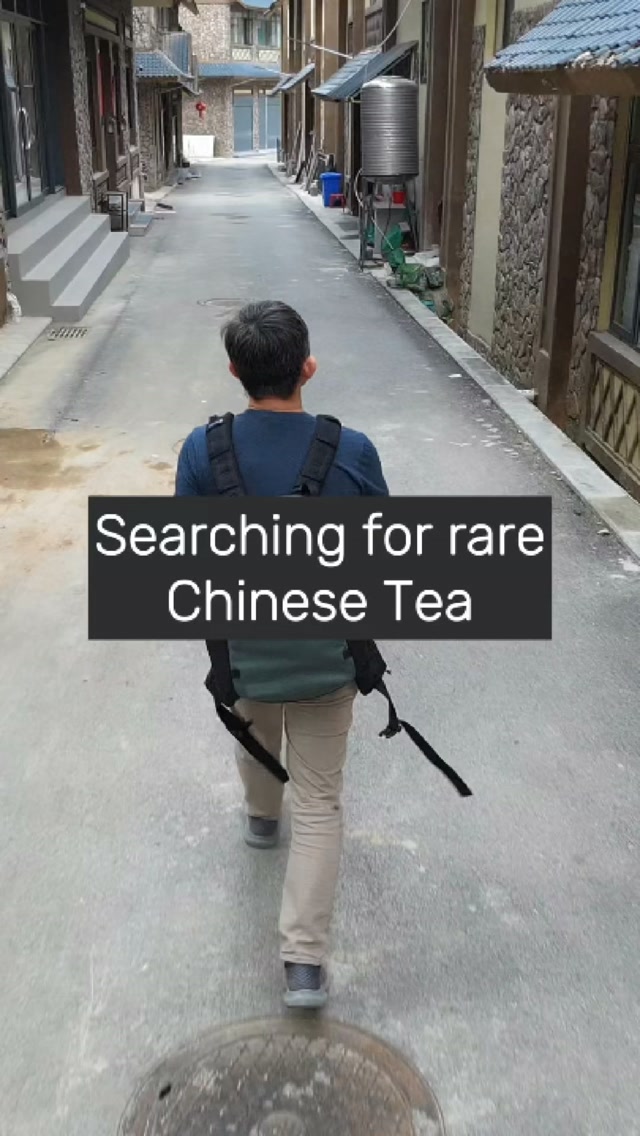
Ran for 58 days, from August 10 to October 7, 2026, the last day Crush saw it.
Run by Tea and Whisk on Facebook. Crush is not the advertiser and does not verify its claims. See this ad in Meta's Ad Library(opens in a new tab)
Want an ad like this for your product?
Crush makes new ad images for your product from this ad: your logo, your product photo, your offer.
Trials from $19.95 USD, then $79.95 USD a month. Cancel anytime.
About this ad
- Meta Ad Library ID
- 28101772092792711
- Platforms
- Facebook and Instagram
- Relaunches
- 1
Ad text
Why is Bingdao one of the most famous names in puerh? Two words: rock sugar. Tea people often describe great Bingdao with the phrase 冰糖韵 — bīng táng yùn — “rock-sugar rhyme.” That doesn’t mean the tea literally tastes like sugar water. The idea is a very clean, crystalline sweetness that keeps coming back after you swallow. With good Bingdao, sweetness is only part of the experience: you’re also looking for fast salivation, long hui gan (returning sweetness), throat sensation, fragrance that lingers in the mouth, and a soft but substantial texture. That combination is what makes Bingdao so recognizable. And here’s why this white tea was so interesting to me: Bingdao is famous through puerh, but terroir and processing are two different things. If you take material from the same region and process it as white tea, what survives? Do you still find that Bingdao-style sweetness? Does the texture stay thick? Does the sweetness return after the sip? How long does the finish stay in your mouth and throat? SAVE THIS tasting exercise: Next time you drink a tea described as “Bingdao,” don’t just ask, “Is it sweet?” Pay attention to: 1. WHEN the sweetness appears 2. WHERE you feel it 3. HOW LONG it stays 4. Whether it returns after swallowing 5. Whether the tea still has body underneath the sweetness “Sweet” is a flavor. 冰糖韵 is an experience across the whole sip. #PuerhTea #ChineseTea #YunnanTea #WhiteTea