
Active· since Feb 12, 2026
- 216
- days running
- 1
- relaunches
Ad copy
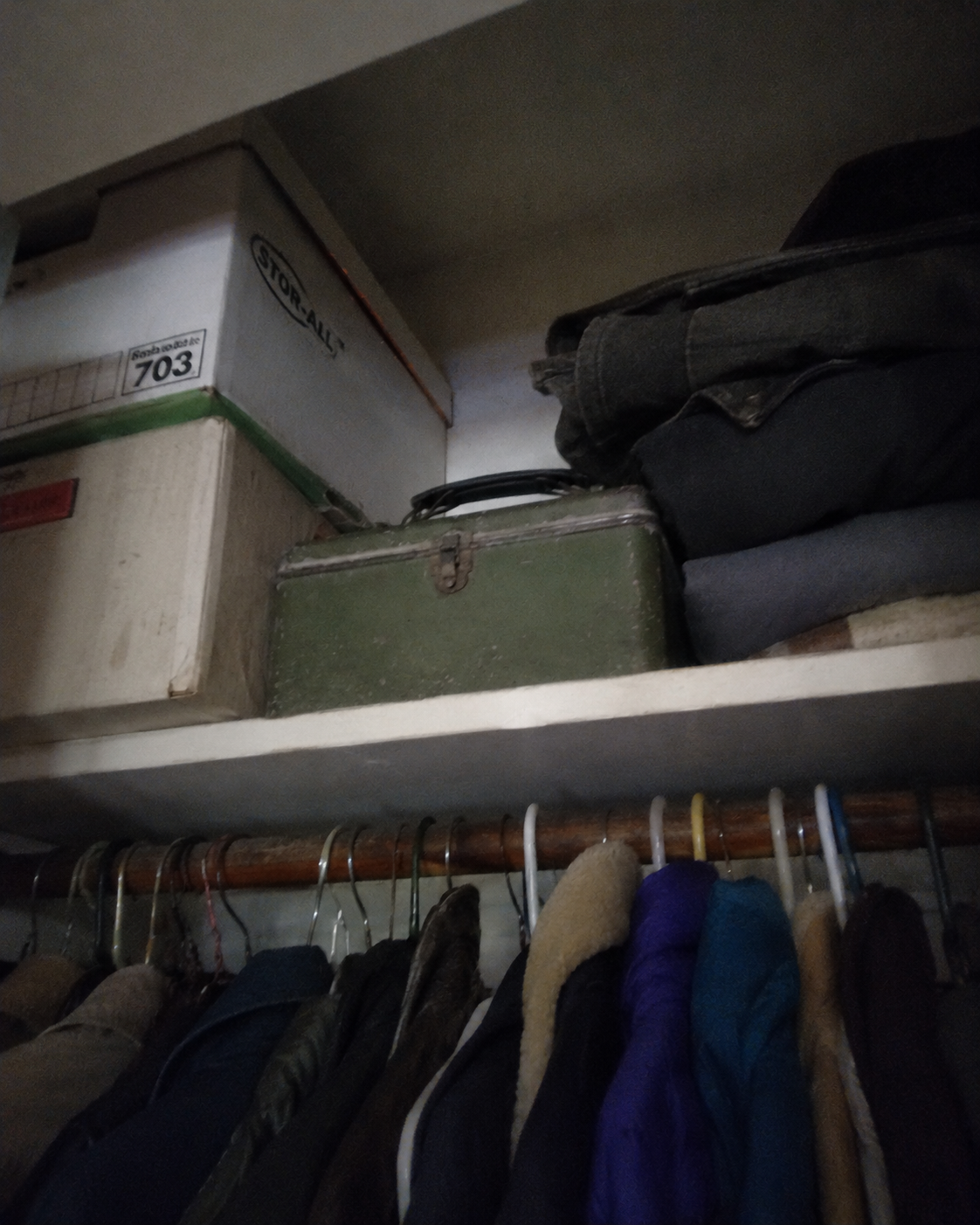
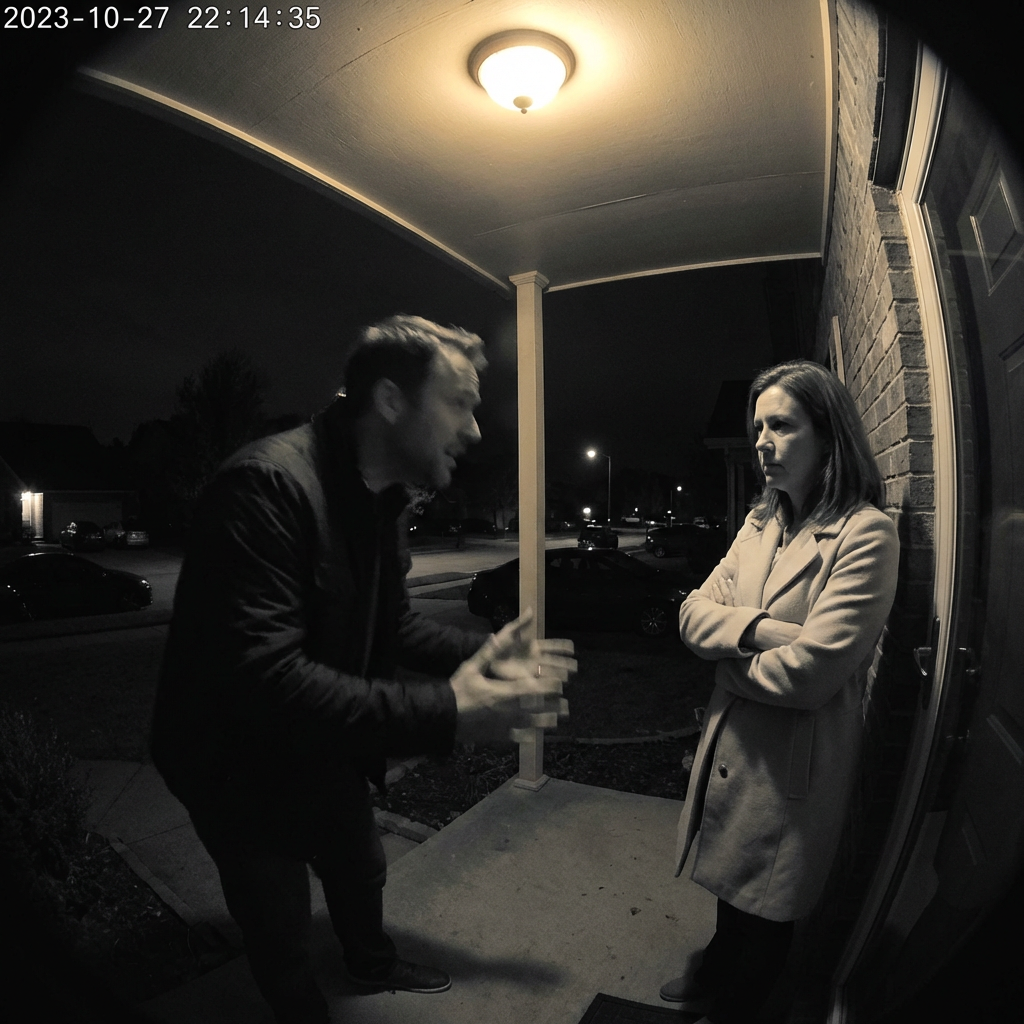
"Are you having an affair?" My husband was standing at the front door. Dead serious. I actually laughed. Then I saw his face. "Wait. You're not joking." "You've been different for weeks now. Happier. More... here. Like something woke you up. And I can't figure out what changed. So I thought maybe..." I put down my glass and just stared at him. Three years of me slowly disappearing — hiding behind baggy clothes and excuses and a mental fog that had nothing to do with aging. Three years of him watching me pull further away. And now that I was finally coming back, his first thought was that I must be getting it from somewhere else. I didn't know whether to cry or scream. Let me back up. I'm 53. For the past three years, my weight has been stealing me from my own life. And stealing me from my husband. The mornings were a ritual of avoidance. I'd wake up and just lie there, negotiating with myself about whether to step on the scale. That moment when you swing your legs off the bed and catch your reflection in the dresser mirror and look away so fast it's a reflex. The sucking in. The turning sideways. Standing in the closet holding up clothes that used to fit, trying to find something that didn't make me feel like I was stuffed into someone else's skin. My husband would already be downstairs making coffee, moving through the morning like a normal human being. Meanwhile I'm dreading getting dressed. I'm 53. Not 83. By noon, the real problem would set in. The noise. Like someone installed a radio inside my head tuned permanently to the Food Channel. A constant hum of what am I going to eat, what did I already eat, how many calories was that, should I skip lunch to make up for breakfast, why am I thinking about snacking when I just ate... It never shut off. I'd be sitting across from my husband at dinner and realize I hadn't heard a single word he'd said. Because I was calculating. Running a mental spreadsheet of everything I'd eaten, deciding whether I'd "earned" the meal in front of me. "Did you hear me?" "Sorry. What?" After a while, he stopped trying. We became roommates. Polite strangers sharing a kitchen. He'd disappear to the garage. I'd stay on the couch with my phone, scrolling through transformation stories of women who looked nothing like me — torturing myself with evidence of what was apparently possible for everyone except me. Some nights I'd look over at him reading in his chair and think: He married someone else. Someone who'd suggest a hike without doing the mental math. Someone who was actually present. That person was gone. And I didn't know if she was coming back. I'd stopped being intimate. Not because he'd rejected me — he hadn't. Because I couldn't stand being seen. I'd change in the bathroom with the door locked. Wear a t-shirt to bed in July. He never said anything. Which almost made it worse. I'd tried everything. Calorie counting that worked for three months, then the scale stopped moving no matter what I did. Keto that dropped weight fast until month four, when my energy cratered, my hair started falling out, and I caved at 11 PM eating bread over the kitchen counter like a criminal. Gained it all back plus five more pounds. A trainer I couldn't afford to keep. Apps that tracked every morsel. Intermittent fasting that turned into skipping meals that turned into bingeing at night. Each one followed the same arc: hope, initial results, plateau, slow creep back, crash. And each time, I'd end up heavier than where I started. With less confidence. Less energy. Less of myself. My doctor mentioned Ozempic. I went home and spent three hours reading forums. The nausea. The vomiting. The "you will never trust a fart again on Ozempic." The hair loss. The Ozempic face. And the fact that if you stop, the weight comes right back — all of it — except now you've lost muscle mass too. A thousand dollars a month. For life. I closed my laptop and sat there in the dark. I remember lying in bed one night, staring at the ceiling while my husband slept next to me. We used to fall asleep whispering in the dark like teenagers. Now we said goodnight like colleagues ending a shift. I thought: This is it. This is my life now. Managing weight. Managing shame. Managing the noise. I was adjusting to being trapped in my own body. And so was my husband. Then about two months ago, I saw something that made me stop scrolling. An article on Facebook. Written by a metabolic researcher. The headline was about why diets always stop working and why the weight always comes back. I almost kept scrolling. I'd read a hundred articles. They all said the same useless things. Eat less. Move more. Like I hadn't tried all of that. But something made me click. She said weight gain — the kind that won't go away — isn't a food problem or a willpower problem. It's a communication problem. Every time you eat, your pancreas releases insulin. Insulin whispers to your cells — open up, accept this glucose, burn it for energy. When you're young, your cells hear that whisper clearly. The system works. But for millions of Americans — especially women over 40 — your cells have gone partially deaf. Then she laid out the cycle. And I felt my stomach drop. Step 1: The Whisper Gets Ignored. Your cells can't hear insulin properly. Glucose stays in your bloodstream. Step 2: Your Body Starts Shouting. Your pancreas produces more and more insulin — louder and louder — trying to force the message through. Step 3: The Fat-Storage Lock Engages. High insulin directly commands your body to store fat and block fat-burning. It's like having a full pantry but the door is padlocked shut. Step 4: The Hunger Lie. Your cells are starving despite you just eating. So your brain sends cravings. That constant noise about food. It's not willpower. It's a communication problem. Step 5: The Yo-Yo Trap. You diet. You white-knuckle through hunger. You lose weight temporarily. But the deafness is still there. The cycle snaps back. The weight returns. This is why 80-95% of dieters regain within 2-5 years. Not because they're lazy. Because every approach they've tried is shouting louder at cells that can't hear. She called it "The Volume Trap." Every diet, every app, every program — they're all turning up the volume. Eat less. Burn more. Restrict harder. But as long as your cells can't hear the whisper, it doesn't matter how loud you scream. You can scream in keto. You can scream in intermittent fasting. You can scream on a treadmill at 5 AM. The communication is broken. Then she wrote: Have you ever cut your calories dramatically and still barely lost weight? Ever felt ravenous two hours after a full meal? That's not aging. That's insulin resistance getting worse while every solution you've tried ignores it completely. I read that paragraph five times. That was it. That was exactly what had been happening to me for three years. Nobody — not one doctor, not one app — had ever explained it like that. They'd been telling me to shout louder. Nobody ever mentioned that my cells couldn't hear. And there's one more thing. Insulin doesn't work alone — it needs magnesium to physically move glucose through the cell door. But 45% of Americans are magnesium deficient, and standard blood tests don't catch it because only 1% of your magnesium is in your blood. So even if your cells could hear the whisper? They can't open the door because the key is missing. The article went on to talk about something that works upstream. Not another diet. Not another drug. Researchers found that cells go deaf because of oxidative damage — free radicals that physically corrode the insulin receptors on cell surfaces. Like rust on an antenna. The signal is still being sent. The receptor can't pick it up. So the solution isn't another diet. It's repairing the antenna. Something called molecular hydrogen. The smallest molecule in existence. So small it passes through cell membranes and reaches the mitochondria where the damage happens. Unlike regular antioxidants — vitamin C, vitamin E, turmeric — which are too large to get inside cells, hydrogen passes right through and selectively neutralizes only the most destructive radicals. The ones corroding your insulin receptors. She called it "Restoring the Whisper." Fix the antenna. Replace the missing key. Let your body hear the signal it's been trying to send all along. The weight loss isn't something you force. It's what happens when your metabolism can finally function the way it was designed to. She linked to clinical research. An 11% improvement in insulin sensitivity in just weeks. An 8-week trial showing 2.0 kg weight loss without any changes to diet or exercise. 18 out of 20 metabolic health markers improved. Activation of the FGF21 pathway — the "fat-burning gene" — that unlocks stored fat for fuel. And one more thing I didn't expect: because hydrogen is the only molecule small enough to cross the blood-brain barrier, it reaches the brain — where inflammation drives the constant food thoughts. The cravings. The noise. When the brain inflammation quiets, the food noise goes quiet too. Not through willpower. By addressing it at the source. It sounded almost too simple. But I'd spent three years and God knows how much money on complicated solutions that didn't work. And this had a 90-day money-back guarantee. I ordered something called PrimeCell H2 without telling my husband. When the bottle arrived, he walked in as I was reading the label. "What's that?" "It's a hydrogen tablet. It dissolves in water and—" "How much?" I told him. He closed his eyes. That sigh I'd heard a hundred times. "Another miracle cure. Great." "There's a 90-day guarantee." "We both know you're not going to return it." "Just... don't expect me to get excited about this one, okay? I can't keep watching you get your hopes up." He walked out. I dropped a tablet in water, watched it fizz. Raspberry flavor. Not bad. That night, nothing felt different. I didn't expect it to. But the next morning, something was off. I woke up. Walked to the kitchen. Poured coffee. And I was halfway through my first cup before I realized I hadn't thought about food yet. No mental inventory. No calorie negotiation. No hum. Just... quiet. Fluke, I thought. Coincidence. Don't get excited. But it happened again the next morning. And the morning after that. By the end of the first week, I'd eaten three meals a day for seven days without the noise. Without the mental math. For the first time in three years. I didn't say anything to my husband. Part of me was waiting for the familiar crash. But it didn't come. About ten days in, my jeans buttoned without the tug. Without the breath-holding. They just... buttoned. Then came dinner. I made pasta — real pasta — ate a normal portion and felt... done. Not white-knuckling. Not eyeing the pot. Just satisfied. Like my body got what it needed and calmly moved on. I can't remember the last time that happened. The fog lifted. The energy came back — not jittery, just steady. I could follow conversations. I could be present at dinner without running calculations in the background. About two weeks in, he said something at breakfast. "You seem... different lately." His voice was careful. Like he was approaching a wild animal. "Yeah." He waited for more. I wasn't ready yet. But I noticed him doing things he hadn't done in a while. Asking about my day and waiting for the answer. Sitting next to me on the couch. One night he reached over during a movie and held my hand. We hadn't done that in over a year. Three weeks in, I got up in the middle of the night. When I came back to bed, I noticed something on his nightstand. A glass. With that familiar fizzy residue at the bottom. I didn't say anything. But the next morning, the bottle was moved. Fewer tablets inside. Then one Saturday, I found him sitting on the edge of the bed. Waiting for me. "I need to tell you something." My stomach dropped. "Okay..." "You know how Dr. Chen's been on me about my blood sugar creeping up? And the leg cramps — waking up at 3 AM feeling like someone's twisting my calf with pliers?" He paused. "I've been taking your tablets." "I know." "You know?" "The glass. The bottle. You're not exactly subtle." He laughed. First real laugh I'd heard from him in months. "I watched you change. Not just the weight — you were here again. So I figured... what the hell." He flexed his calf. Rotated his foot. "The leg cramps stopped. Second night. And I've been sleeping through the night for the first time in a year." He looked at me. "I'm sorry I was a jerk about it. Order more. We'll both take them." That was six weeks ago. Last week, we were at dinner with friends. Our friend Lisa had just come back from a doctor's appointment. Blood sugar was "borderline." The doctor mentioned her weight and suggested she "consider her options." "I've been looking into Ozempic," she said quietly. "But the side effects..." "Have you tried molecular hydrogen?" I almost spit out my wine. My husband. The eye-roller. The sigher. Now recommending it unprompted. He already had his phone out. "Here. This explains why diets stop working. It's called The Volume Trap. And this is what we've been taking." He sent her the links at the table. "PrimeCell H2. 90-day guarantee. Try it before Ozempic." She ordered before dessert came. She texted me four days later: "Is it crazy that I haven't thought about snacking all afternoon? I ate lunch and just... forgot about food until dinner. What IS this stuff??" But the moment that really got me was Tuesday night. When my husband stood at the front door and asked if I was having an affair. After I stopped crying — relief, not sadness — he sat down across from me. "The past couple years," he said slowly, "it felt like you were here but not really here. Like you were behind glass. I could see you but I couldn't reach you." He paused. "And then a few weeks ago, you just... came back. You were present again. Laughing again. And I didn't know what changed, so I thought maybe..." "No," I said. "God, no." "Then what happened?" I took a breath. "The noise stopped. The constant noise about food and calories and whether I deserve to eat — it went quiet. And I didn't realize how much of myself I'd lost to it until it stopped." He was quiet for a long moment. "I missed you," he finally said. "I missed me too." A supplement didn't save my marriage. But it gave me back enough of myself to show up again. To be present. To stop hiding behind shame and locked bathroom doors. To be the person he married instead of the ghost drifting through our house, half-absent, always calculating, never here. And that changed everything. Here's what I've learned about why PrimeCell H2 may work the way it does: Most approaches to weight loss target the downstream symptoms — the calories, the portions, the willpower. None address the upstream cause: oxidative damage to insulin receptors that makes your cells deaf to the signal. Molecular hydrogen is different. It's the smallest molecule that exists. It passes through cell membranes and reaches the mitochondria where the damage happens. And it only targets the most harmful radicals — restoring your cells' ability to hear insulin's whisper. The magnesium isn't just there to deliver the hydrogen. It's the missing key your cells need to transport glucose through the door. And because hydrogen crosses the blood-brain barrier, it reaches the brain where inflammation drives food noise. When that inflammation quiets, the noise quiets too. It's not downstream restriction. It's upstream support. I didn't set out to fix my marriage. I just wanted to stop feeling like a prisoner in my own body. But when the noise went quiet and I started feeling like myself again, everything else fell into place. If you've been stuck in that cycle — where diets work for a while and then fail, where the weight always comes back, where you've slowly disappeared from your own life — read the article I found. It explains The Volume Trap better than I can. And it's where I found PrimeCell H2. And if your husband is skeptical, just get it anyway. Give it a few weeks. Mine went from rolling his eyes to sending the link to our friends at dinner. Yours might surprise you too. 👉 shop.getamalahealth.com
Fix Yourself at the Cellular Level
PrimeCell H2 is a next-generation molecular hydrogen tablet designed to selectively neutralize the most damaging free radicals in your body - at the cellular level, right where aging actually happens.
LEARN MORELike this ad? Make it yours.
Crush rebuilds this exact creative around your product — your brand, your colors, your offer — in about a minute.