
Inactive· since Aug 31, 2026
- 11
- days it ran
- 0
- relaunches
- 6,208
- EU reach
Ad copy
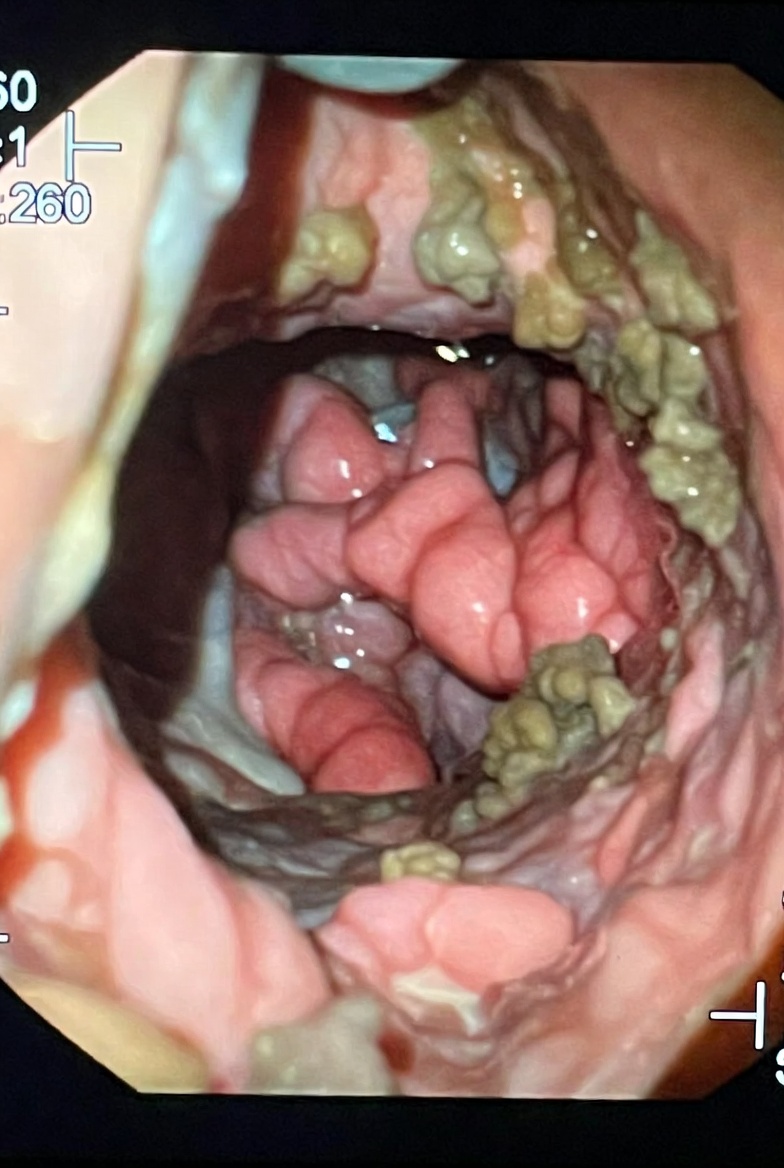
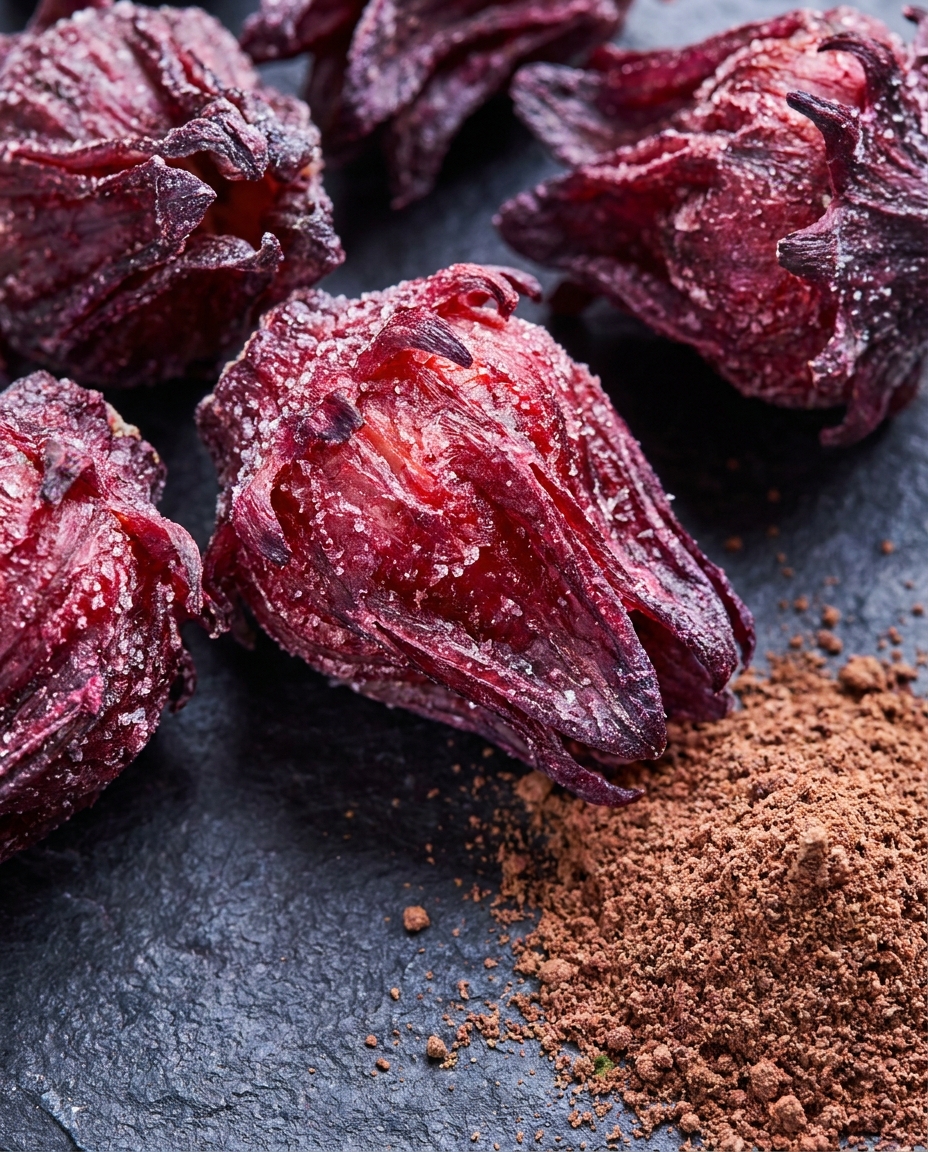
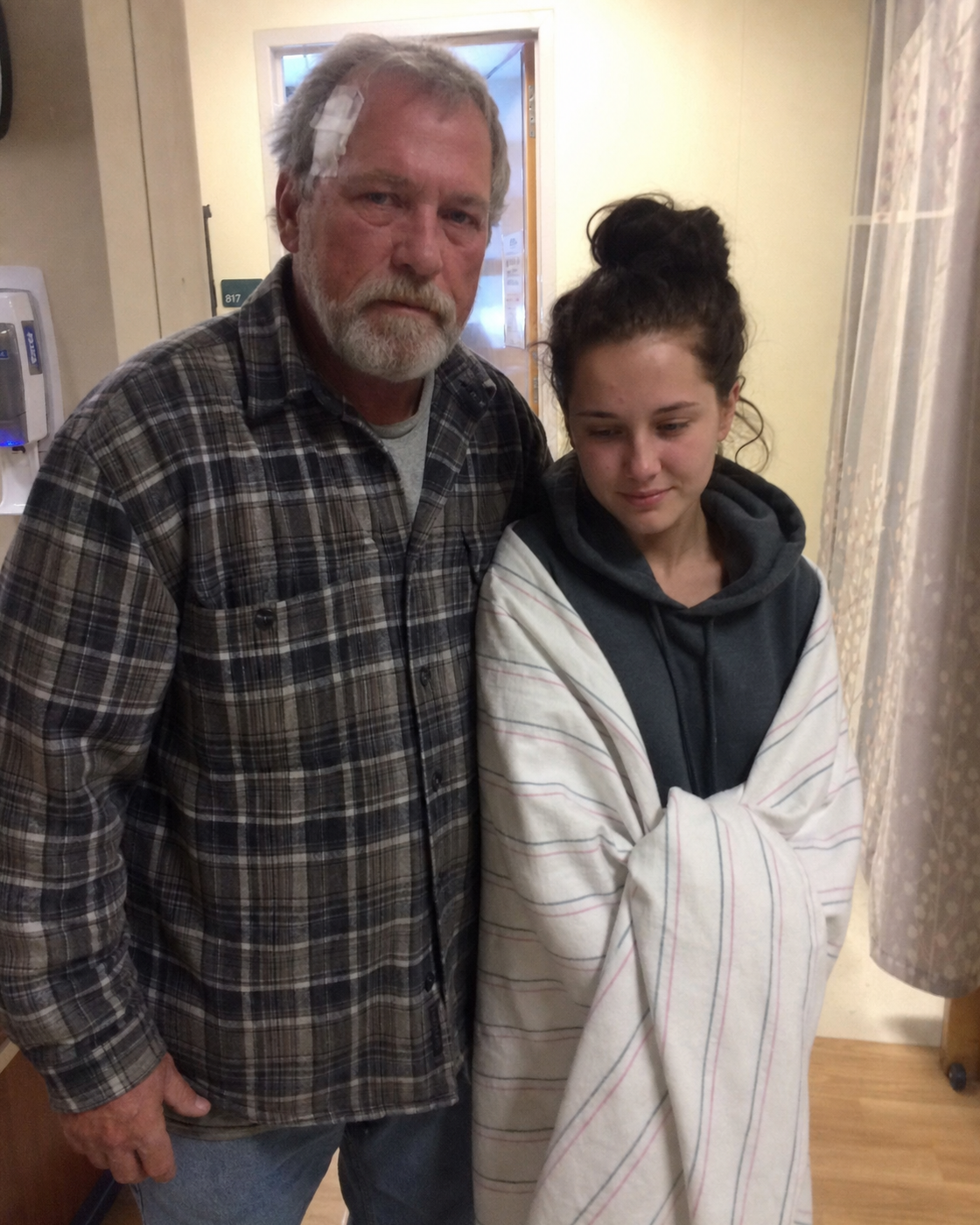
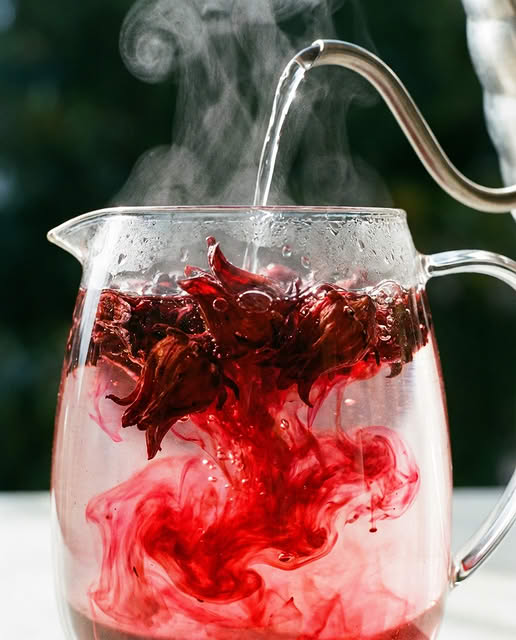
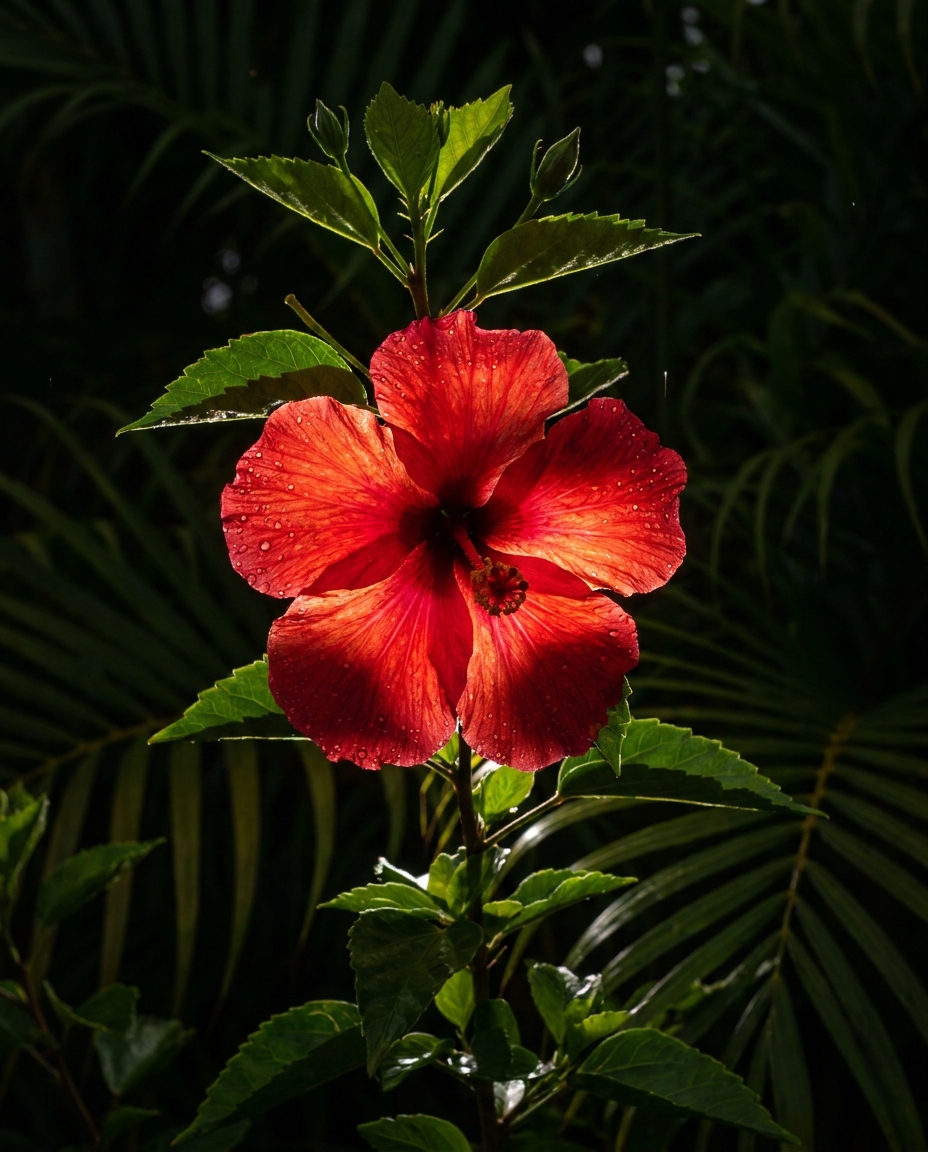
An ER doctor in Italy told me something about my blood pressure no American doctor ever had. He said if anyone had ever measured the other half of what I was eating, I'd understand why eighteen months of cutting salt moved my numbers almost nothing. Except I only found this out because three nights into Rome I woke at 3 AM with the room swimming, couldn't remember my own husband's name, and ended up in an Italian ER while they checked me for a stroke. We'd been planning this trip for two years. Our 25th anniversary. The one we kept delaying. By night three, I was on a rooftop terrace near the Pantheon, a glass of wine in hand, watching the sun sink over the whole city. My husband laughing next to me. I remember thinking we should've done this ten years ago. We got back to the hotel late. I took my blood pressure pill the way I have every night for years, and I went to bed. Then at 3 AM, I woke up. The room was pitch black and it was moving. That happens sometimes when you travel. You sit up, you wait a second, it settles. Except this time it didn't settle. I couldn't remember the city. I couldn't remember why there was a man in the bed next to me. I looked at him in the dark and for a few seconds I did not know who he was. My heart started slamming. I tried to say something and the words came out wrong, or didn't come at all. I kept asking the same question. Where are we. How did we get here. I asked it enough times that it woke him, and when he saw my face and heard me ask it again, something in him went white. He thought I was having a stroke. He had his phone out before I could get a sentence together. Twenty minutes later I was strapped to a stretcher in the back of an Italian ambulance. He was in the front seat, not speaking Italian, trying to explain something to a paramedic who didn't speak English. And I watched the doors close on his face. At the hospital they moved fast. They were treating it as a stroke until they could prove it wasn't. A scan of my brain. Bloodwork. A blood pressure cuff they checked twice. 186 over 104. The doctor came in. Maybe 60, wire glasses, completely unhurried. His English was better than he let on at first. "186 over 104," he said. "Is that where you normally sit?" "No. About 168." He wrote something down and didn't answer that. Then he looked at the scan, and at me. "Good news first," he said. "This was not a stroke. There is no bleed. Your speech has already come back. You will remember my face tomorrow." I started to breathe again. "But what happened to you tonight was not nothing," he said, and sat down. "The room moving. Losing your husband's name. That was your vessels showing you the road they are already on. You are not there yet. But you are much further down it than anyone at home has ever told you. Most doctors would send you home and call this nothing. I am not going to do that. Because what caused it has not gone anywhere. And I can tell you exactly why it happened." He asked how long I'd had the high blood pressure. I told him the truth. Years. Diagnosed in my forties. A pill every night. And I told him about the diet, because I was proud of it and ashamed of it at the same time. Eighteen months of no salt. Reading every label in the store. Food that tasted like paper. My doctor took my numbers at the end of it and told me I'd come down nine points and I should keep going. I remember sitting in the car afterward feeling like I'd failed a test I'd studied for. He nodded like he already knew. "And every one of your doctors told you the same thing," he said. "That your numbers were controlled. That this happens to women your age. They were measuring the wrong thing. Let me show you what they never checked." Then he explained something no doctor back home ever had. "Your body does not regulate salt," he said. "It regulates a ratio. Sodium on one side, potassium on the other. Those are not the same thing." Your body has never once cared how much salt you ate on its own. It cares about the balance between the two, because that balance is what your vessel walls run on. Potassium is what lets the muscle in a vessel wall let go. Sodium is what tells it to hold on. The two are supposed to sit at something like ten to one, potassium to sodium. That is what every population ever studied without high blood pressure has run on, and not one of those people counted anything or read a label. Yours is running backwards. It has been for years. Nobody has ever measured it, because they measured the side you could see. Picture a scale with a weight on one side. For eighteen months you took weight off that side, a little at a time, and you gave up everything you liked eating to do it. You did that correctly. But the other side of that scale has been sitting empty since you were about thirty five, and nothing you did in your kitchen was ever going to put anything on it. Then he told me the part that actually scared me. "Two things happened to you," he said, "and they happened at the same time. The first is your food. More than seventy percent of the salt you eat was put into it before you ever saw it, in a factory, and the potassium came out in the same process. That is not something you did. That is what was on the shelf." "The second is your body. Estrogen is part of how a woman handles sodium. When it falls, and it falls all through your forties, you stop being able to shrug salt off the way you could at thirty. The same meal. A different result. That is not willpower. That is biology." "And your arteries have no nerve endings," he said. "You feel none of it happening. Your knee would scream. Your arteries say nothing, year after year, until one night they finally do, and you wake up in a dark room and you don't know your own husband. Tonight they spoke. And you were lucky it only whispered. For most women, the first real sign is the one they don't come back from." "Tonight I scanned your brain. I can see there is no stroke, no bleed. What I cannot see on this screen is the balance your body has been running on for the last ten years, because a scan shows the structure, not the chemistry the structure is working in. And your cuff shows the pressure you walked in with. It cannot show you which side of that scale was empty when it happened. The one thing that decides whether any of this reverses, nobody is measuring." "And taking more salt out will not save you. You can empty every shaker in the house. You can eat food that tastes like nothing for the rest of your life. If the other side of that scale stays empty, you are pushing down on one side with your whole body weight and wondering why it will not balance." He let that sit for a second. "Now. I am not telling you to stop your medication. That is between you and your doctor, and you never stop a prescribed medicine on a stranger's word. But I am going to tell you something most people selling you a tea will not, because it matters and because you are on a pill." "Some blood pressure drugs already hold potassium in your body. Lisinopril does. Losartan does. Others do the opposite and flush it out, which is its own problem and probably part of why you feel the way you do. So the question is not whether potassium is good for you. It is which direction your particular drug has already been pushing you, and I cannot know that from here. Your doctor can. He has your bloodwork." "So you do this. You bring it up at your next appointment. Not as permission. As information. You tell him what you are drinking and you ask him to check your potassium the way he checks everything else. It is one line on a blood test he is already ordering." He looked at me over the glasses. "And hear why I am telling you this, because it is not a warning. Nothing weak enough to be harmless is strong enough to help you. That is true of the pill in your hand and it is true of the cup." "What you feel tonight is the pressure," he said. "What you'll feel in ten years is the stroke. It is the same fire. You just notice it in a different room." I asked him what I was supposed to do. "We use something here for exactly this," he said. "Hibiscus. Not the tea bag, the whole flower. We give it to the patients whose numbers will not come down, the ones we are trying to keep off the road you are on. People in far worse shape than you. If it helps them, it will more than help you." He explained how it works. Hibiscus is one of the few things you can drink that carries real potassium and the compounds that let your vessel walls actually use it, in the same cup. Not a mineral on its own, which is half the answer and the half that does the least by itself. Both sides of the scale, one cup, in the morning. And it moves fluid the way your body prefers to move it, instead of the way a water pill does, which takes the minerals out with it. He said it the way you'd talk about reaching for ibuprofen. I almost laughed. Told him I'd already tried hibiscus. Bought the tea bags from the grocery store, drank it every day for two months. Nothing happened. And there was a bottle of potassium sitting in my cabinet that I'd bought at some point and quit taking, because nothing happened with that either. He held up one finger. "Two different mistakes," he said. "The bottle was one side of the scale with nothing to help your vessels use it. That is a mineral looking for a door that is shut." "And the tea bag is dust. Broken pieces and flower scraps, what is left after the good flower is sorted out, sitting in a warehouse for a year. What matters is in the intact flower and it degrades. By the time that box reaches your store, most of it is gone. It is red water. You would have to drink a gallon a day to get a real amount of anything, and even then it is not tested, so you never know what you are getting." He slid a piece of paper across the counter. "When you get home, find real flower. Whole flower, not dust, so what is in it is still in it. Grown high, because a plant only concentrates these things when the conditions force it to. And nothing else in the bag. No flavoring, no filler, no scraps padding it out. Miss any one of those three and you are back to red water." They kept me overnight, watching the monitor. What happened to me was enough that they wanted eyes on me until morning. We flew home five days later. First thing I did was go looking for what he described. CVS didn't have it. Whole Foods didn't have it. Everything on the shelf was either the same grocery store dust or a blend where hibiscus was the fourth ingredient behind three things I'd never heard of. So I called my brother-in-law. He's a nurse practitioner, over a decade in primary care. I read him the doctor's note. He went quiet for a second. "The Italian doctor's right. Most of what's in stores is useless. The only brand I trust for this is Pipi Tea." Whole organic flower, hand harvested at peak bloom, not dust and not scraps. Grown above 4,500 feet, where the conditions force the flower to concentrate instead of coasting. Triple tested for heavy metals, pesticides and contaminants before it's bagged, and batch tested so you know what's actually in the cup and not just on the label. And nothing else in the bag. "Miss any one of those three," he said, "and you might as well drink hot water. What you tried before was never going to work. It wasn't the flower that failed you. It was what they sold you." I ordered that night. And I kept taking my pill, exactly the way I always had. Week one, nothing dramatic. The first thing I noticed was the afternoon. For two years I'd been sitting down on the edge of the bed around three o'clock every day and waiting for it to pass. That week I got to four and realized I hadn't sat down once. No crash. No jitters. I just kept going. By week two, I pulled out my cuff. 152 over 94, down from 168 over 98. I checked it twice. By week three, I was on the phone with my daughter and a word I'd been groping for just arrived, on its own. I hadn't realized how long I'd been losing words until they started coming back. By week four, the cuff read 138 over 86, and my head was clear. Not coffee clear. Actually clear. The fog I'd spent two years blaming on getting older had lifted. Then six weeks in, I went back to my own doctor for a physical I'd booked before the trip. I told her what I was drinking and she checked my potassium along with everything else, exactly the way the Italian doctor said to. The nurse wrapped the cuff. Frowned. Did it again. 128 over 82. My doctor pulled up the chart, then looked at me. "Your pressure's down forty points. Your bloodwork looks better than it has in years. And honestly, you seem sharper than the last time you were in here." She paused. "Whatever you're doing, keep doing it." That was the part that got me. I hadn't turned into a different person. I never stopped taking my pill, took it every night exactly as prescribed. Still had my wine with dinner. And I put the salt back on the table, because it turns out that was never the lever anyway. My body just stopped punishing me for it. Most women don't end up in an Italian ER. They just feel wrong and blame it on getting older. The crash at three in the afternoon that you plan the rest of your day around. The fog that never quite lifts. The word that won't come at the dinner table. The name that's suddenly, briefly gone. The reading that's fine on paper while everything about how you feel says otherwise. The eighteen months of eating food you didn't like for nine points you didn't feel. That's not just getting older. That's a ratio that's been running backwards inside you for twenty years, in a direction nobody ever thought to check. And the answer isn't on the shelf at CVS. Pipi Tea is a small company, and they won't touch the sourcing to cut costs. Whole flower, hand harvested. That means limited harvests, and they sell out regularly. Don't buy the cheap versions on Amazon. Not whole flower. Not tested. Just dust in a bag, the same thing that didn't work the first time. If you see Pipi Tea in stock, grab it. 90 day money back guarantee. If you don't feel the difference, every penny back. No runaround. You did your half. For eighteen months, and for years before that. Nobody ever told you there was another half. https://shop.pipitea.com/hbt/sp-nm
Natural Relief in Weeks
LEARN MORELike this ad? Make it yours.
Crush rebuilds this exact creative around your product — your brand, your colors, your offer — in about a minute.