Linda Harper
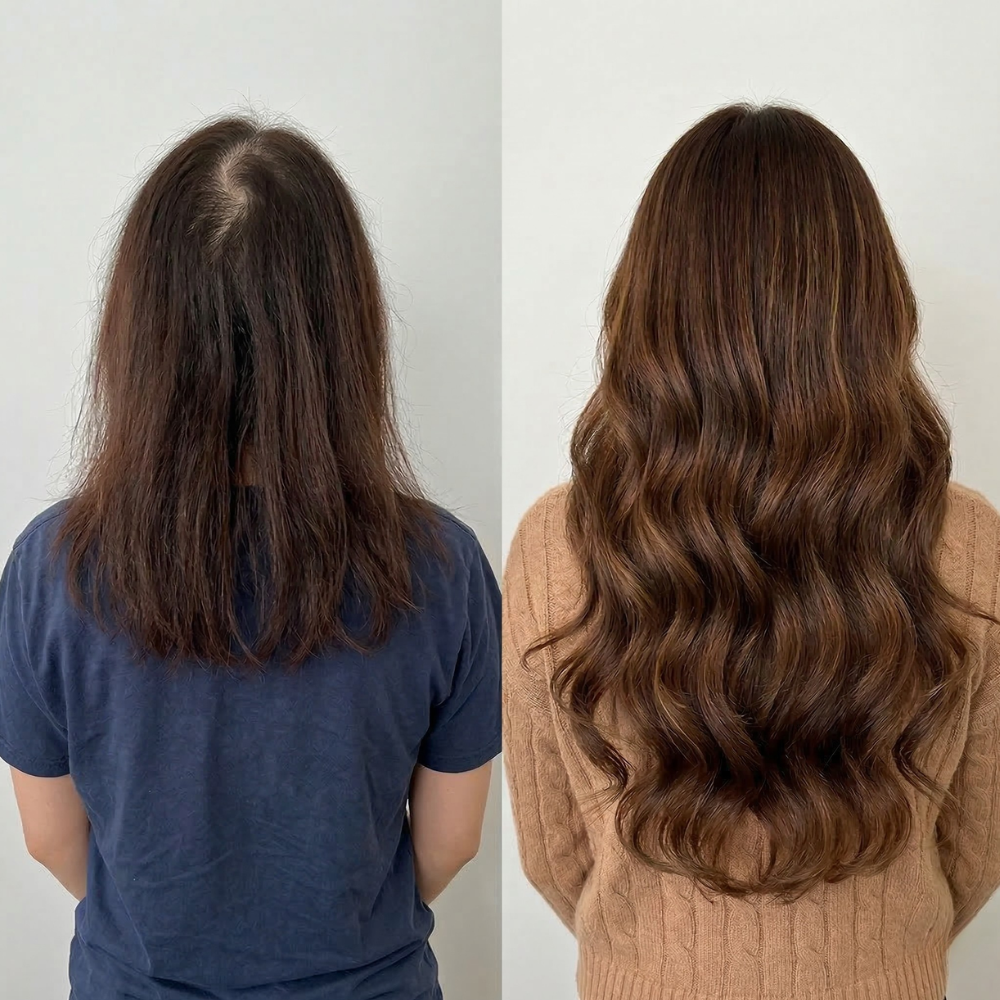
Linda Harper Facebook ad: “Hair Loss Due to GLP-1”
Ran for 5 days, from March 14 to March 19, 2026, the last day Crush saw it.
Run by Linda Harper on Facebook. Crush is not the advertiser and does not verify its claims. See this ad in Meta's Ad Library(opens in a new tab)
Want an ad like this for your product?
Crush makes new ad images for your product from this ad: your logo, your product photo, your offer.
Trials from $19.95 USD, then $79.95 USD a month. Cancel anytime.
About this ad
- Meta Ad Library ID
- 2823425714665694
- Platforms
- Facebook, Instagram, Audience Network, Messenger and Threads
- Relaunches
- 0
Ad text
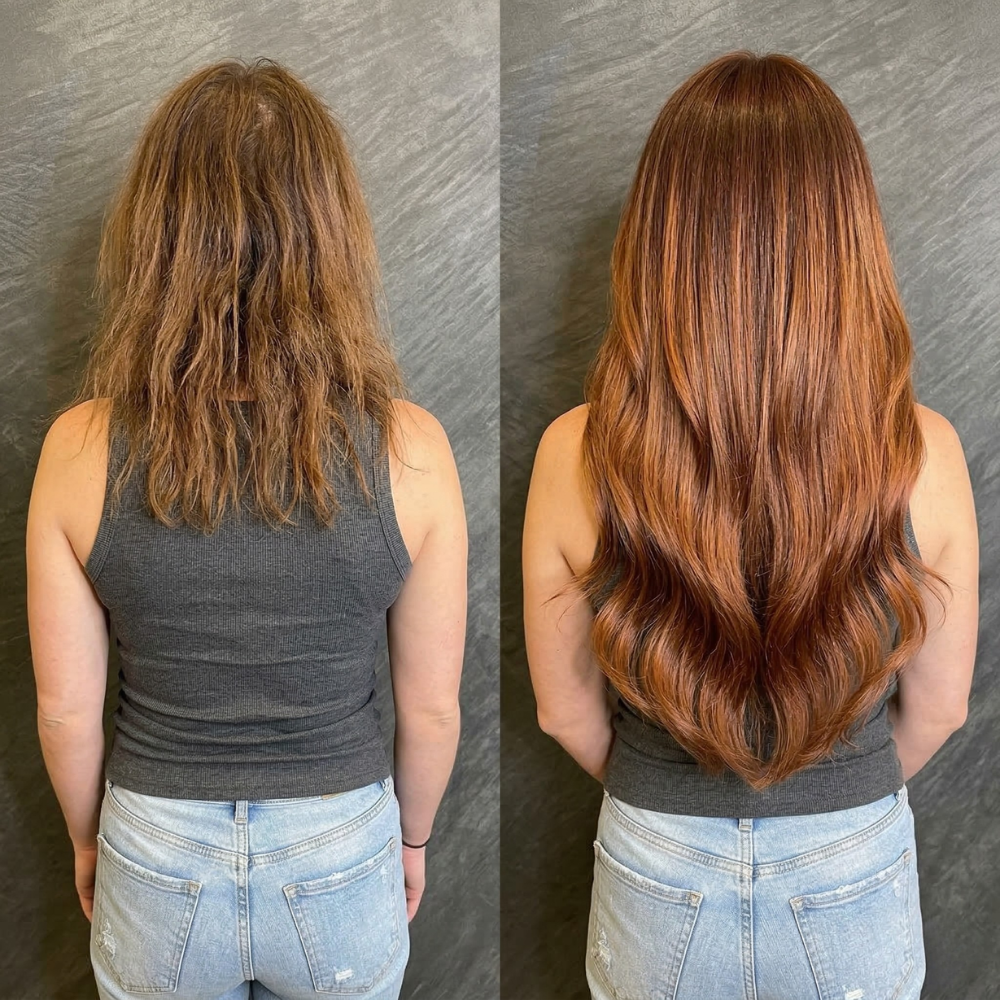
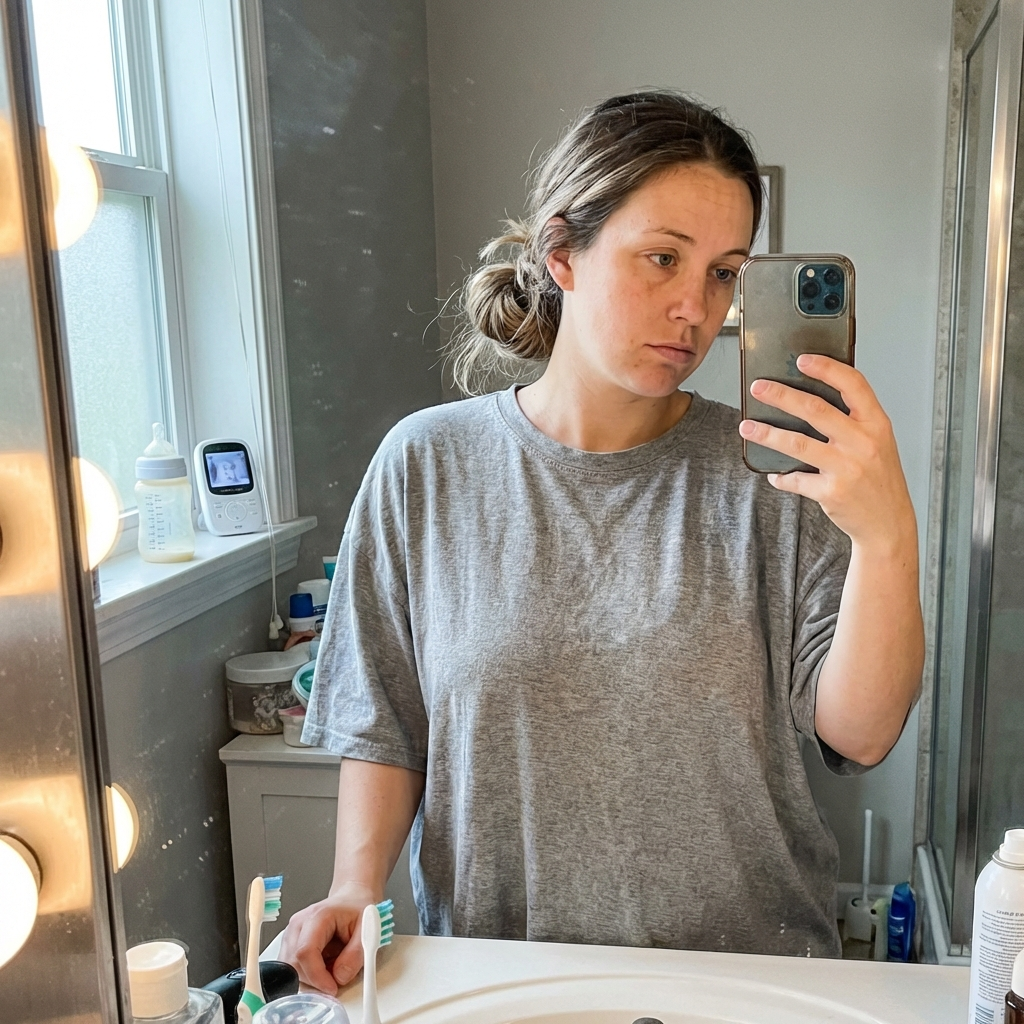
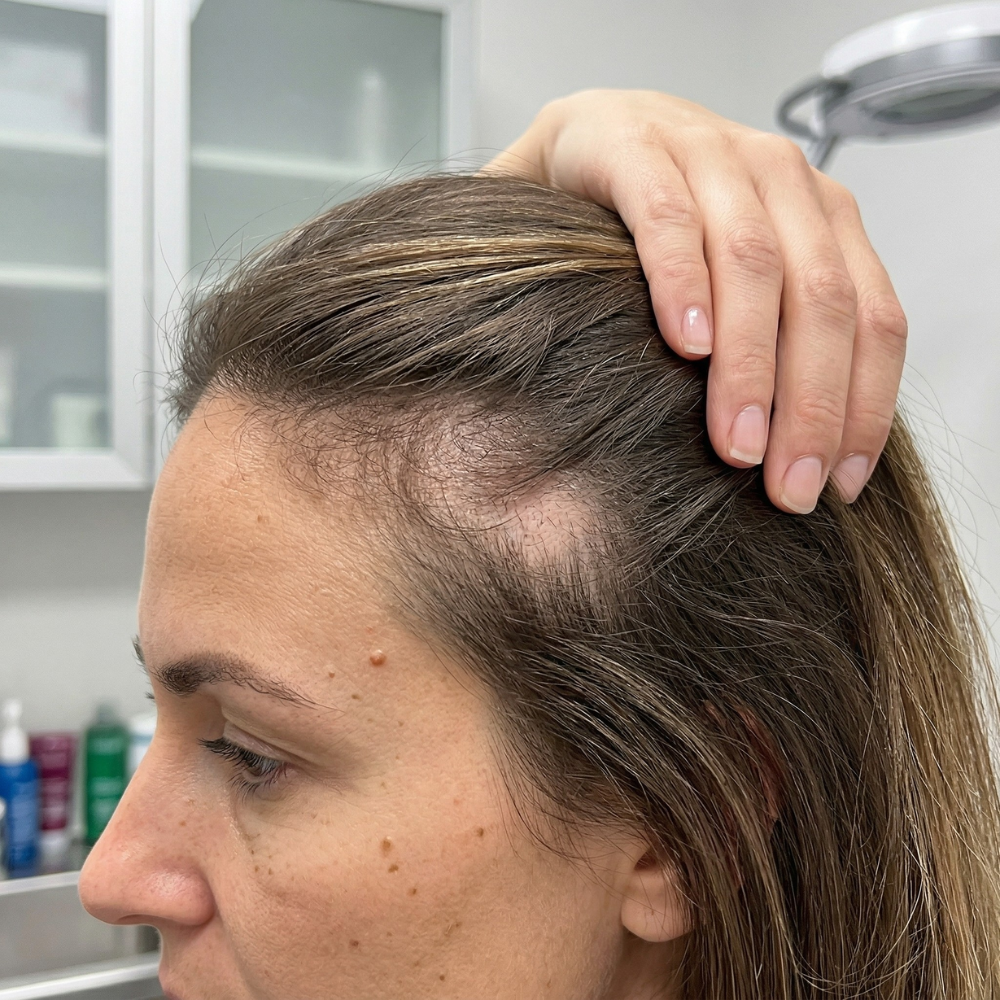
If you're on Ozempic, Wegovy, Mounjaro, or Zepbound and your hair has been falling out — I need you to read this before you try one more supplement. Because I spent four months doing everything the GLP-1 forums told me to do. The protein. The biotin. The collagen. The expensive hair vitamins. And my hair kept falling out anyway. It wasn't until a random midnight research spiral that I found out why none of it was working — and why almost everything we're told about GLP-1 hair loss is focused on the wrong cause entirely. What I found changed everything. And once I understood it, the fix was actually straightforward. But I'm getting ahead of myself. Let me start from the beginning. I'd lost 67 pounds on Mounjaro. My doctor was thrilled. My blood pressure was normal for the first time in eleven years. People I hadn't seen in months would stop me in parking lots to tell me how incredible I looked. And I was secretly falling apart every single morning in my bathroom. Not because of the weight loss. Because of what it was doing to my hair. It started around month four — the timing that so many of us in the GLP-1 community know too well. First the pillowcase. Then the shower drain. Then the hairbrush. I told myself it was stress. That it would stop. It didn't stop. By month five I was losing what felt like handfuls every single day. My part had widened so much I'd started parting my hair differently just to cover it. I wore it up constantly — not because I wanted to, but because wearing it down meant seeing how thin my ponytail had become. I remember standing in front of the mirror one morning, pulling my hair back, staring at my scalp, and thinking: I worked so hard to get here. And now this. I want you to understand something about that feeling. It wasn't vanity. It was grief. And I know how that sounds — I know there are bigger problems in the world. But when you're standing in your bathroom at 6am watching your hair come out in your hands, logic doesn't really help. So I did what all of us do. I went to the forums. The GLP-1 groups were full of women asking the exact same question I was. The answers were always the same: more protein, biotin, collagen, wait it out. So I did all of it. I hit 110 grams of protein every single day even when I had zero appetite — which on Mounjaro is not easy. I bought the expensive biotin. I added collagen powder to my morning coffee. I tried a hair gummy that promised results in 30 days. Three months. Hundreds of dollars. The shedding continued like I'd done nothing at all. I went to my GP. She ran a full panel — iron, ferritin, thyroid, B12, vitamin D. I sat in that waiting room convinced something would finally show up. Some deficiency I could just fix. Everything came back normal. She looked at me kindly and said: "Your labs are perfect. Sometimes this happens with rapid weight loss. It usually resolves on its own." I drove home and cried in my car in the driveway. Because if my labs were perfect and I was doing everything right — then why was my hair still falling out? What was I missing? That question is what eventually led me to the answer. And here's where it gets interesting — because what I found completely reframed why GLP-1 hair loss happens, and why the advice most of us receive does almost nothing to stop it. I'm a bit of a night owl when I'm anxious, and I have a bad habit of disappearing down research rabbit holes at midnight. About a week after that doctor's appointment, I was lying in bed, phone in hand, and I stopped searching for "how to stop hair loss on GLP-1" and started searching for something different. I typed: "why doesn't biotin fix GLP-1 hair loss." What came up changed everything I thought I understood about what was happening to me. I started reading about how GLP-1 medications work at a hormonal level. Not the appetite effects. Not the blood sugar effects. The actual hormonal cascade that happens in your body when you inject a synthetic GLP-1 receptor agonist. Here's what I learned, in plain language: GLP-1 medications don't just tell your stomach you're full. They interact with your body's hormonal signalling in complex ways that researchers are still mapping. And one of the downstream effects — something most prescribing doctors don't mention, and most forums don't discuss — is that this hormonal disruption can elevate a hormone called DHT. DHT — dihydrotestosterone — exists in everyone's body. In normal amounts, it's completely fine. But when your hormonal balance gets disrupted, DHT levels can rise. And elevated DHT does something very specific and very damaging to your hair follicles. It binds to them. It shrinks them. It shortens the active growth cycle and pushes follicles prematurely into the shedding phase. That's why my hair was falling out. Not because I wasn't eating enough protein. Not because I had a vitamin deficiency. My labs were normal because the problem wasn't nutritional. The problem was a hormone that was actively attacking my follicles from the inside — and no blood test routinely screens for what DHT is doing at the follicle level. That's why biotin didn't work. Biotin supports nutritional deficiencies. It has no mechanism for blocking or regulating DHT. If DHT is the issue, taking biotin is like trying to fix a gas leak with duct tape. You're not addressing what's actually broken. That's why collagen didn't work. Same reason. That's why stopping and starting the medication made no difference to the shedding timeline. The hormonal disruption, once in motion, doesn't stop the moment you pause your injection. I sat there in the dark reading this and felt something I hadn't felt in months: the sensation that this actually made sense. That I wasn't crazy, wasn't doing something wrong, wasn't missing some obvious thing everyone else had figured out except me. The problem was real. And it was specific. And if it was specific, maybe the solution could be specific too. I kept reading. I started looking into what actually works against elevated DHT — not pharmaceuticals, but the clinical research on natural compounds. Saw palmetto came up again and again. There's a meaningful body of research showing that saw palmetto may inhibit the enzyme — called 5-alpha reductase — that converts testosterone into DHT in the first place. Several studies have looked at its effect on hair specifically. It wasn't a miracle claim. It was a mechanism. A plausible one. Pumpkin seed oil appeared in multiple studies as well. There's Korean clinical research in particular that looked at pumpkin seed oil and hair count over several months — the results were significant enough that it kept appearing as a reference in academic papers on DHT and hair loss. Pearl powder — which I'd never encountered before — showed up in research as a compound with effects on the hormonal pathways that regulate the hair growth cycle. Not just as a structural protein, but as something that may help normalize how follicles respond to hormonal signals. The more I read, the clearer it became: there is a category of ingredient that addresses hair loss from the hormonal side. It's not the same as biotin or collagen or any of the nutritional supplements I'd already tried. It operates through a completely different mechanism. And I'd never tried any of it. Because nobody had ever told me the problem might be hormonal. I was frustrated. I was also, for the first time in months, genuinely hopeful. The next morning I started looking for a product that actually contained these ingredients — specifically formulated for the DHT disruption that GLP-1 medications can cause. Not a generic hair supplement. Not something that just listed biotin and called it a day. Something that was actually built around the mechanism I'd spent half the night reading about. That's when I found Lunvara. I'll be honest — I approached it with real skepticism. I'd already wasted money on things that didn't work. I read every ingredient on the label, cross-referenced each one against what I'd been reading, and went looking for reasons not to trust it. I didn't find them. The formula addressed DHT directly — saw palmetto, pumpkin seed oil, the compounds I'd read about. It also included targeted nutritional support for the specific micronutrients that GLP-1 medications are known to deplete. It wasn't just one angle. It was both. The hormonal disruption and the nutritional gap, covered in a single product. It was also designed specifically for people on GLP-1 medications. Not repurposed from a general hair growth formula. Built around the actual reason this particular population loses hair. I ordered it telling myself firmly not to get my hopes up. The first two weeks: nothing. Same amount of hair in the drain. I started mentally composing the disappointed review I was going to leave. Week three is when I noticed something shift. It was subtle — I almost missed it. After my shower, I looked at the drain, and there was less hair than I'd seen in months. Not dramatically less. But less. I told myself I was probably just seeing what I wanted to see. Then it happened again the next day. And the day after that. By week four, I wasn't imagining it. The amount of hair coming out had dropped noticeably. It wasn't gone — I was still shedding — but it felt different. It felt more like what shedding used to feel like before all of this started. Week six: my husband commented without me saying anything. We were watching television and he looked at me and said, "Your hair looks different. Is it getting thicker?" I went to the bathroom mirror. Pulled it back. Looked at my hairline under the light. He was right. The thinning hadn't reversed yet, but it had stopped getting worse. It was like someone had pressed a pause button on the progression. Month two and a half: I was at a family dinner and my sister-in-law — who has no reason to flatter me — grabbed my arm and said, "Your hair looks so good. What are you doing?" I showed her the Lunvara gummies on my phone. Month three: I went in for a trim. My stylist, without any prompting from me, stopped midway through the cut and said, "I'm seeing a lot of new growth back here. Little hairs coming in all along your hairline. Whatever you're doing, keep doing it." That was the moment I knew this was real. Not wishful thinking. Not placebo. Real, visible, external confirmation from someone who sees hair every day and had no reason to tell me something that wasn't true. It's been just over four months now. The shedding is normal. Just a few strands here and there — the way it used to be before Mounjaro, before any of this started. The thinning areas are slowly filling back in. My part looks like a part again. My ponytail has actual weight to it. More than any of that — I'm not dreading my shower anymore. I'm not avoiding mirrors. I'm not arranging myself in photographs to hide my hairline. I'm not mentally calculating how many more months I can keep losing hair before it becomes something I can't cover. I'm still on Mounjaro. I didn't have to choose. If you're reading this and you recognize yourself in any part of what I've described — if you're losing hair on a GLP-1 medication and you've already tried the biotin, already hit your protein goals, already had labs come back normal and been told to just wait it out — I want you to hear this: It might not be a nutritional problem. It might be hormonal. And if it's hormonal, none of the nutritional solutions will touch it. Not because you're doing something wrong. Because they're not designed for the actual mechanism causing the loss. I wasted months chasing the wrong answer. Months of forcing down protein when I had no appetite, taking supplements that couldn't work on the problem I actually had, feeling like I was failing at something I was doing correctly. The moment I addressed what was actually happening — the DHT disruption, the hormonal cascade that GLP-1 medications can trigger — things changed. I'm not a doctor. I can't tell you what's happening in your body specifically. But I can tell you what was happening in mine. And I can tell you that if you haven't looked at the hormonal side of this, it might be worth asking that question. Lunvara was built specifically for GLP-1 users dealing with this. Not a repurposed general formula. Not another biotin product with a rebrand. Formulated around the actual mechanism — the DHT disruption that most people in our community have never been told about. There's a money-back guarantee, so you're not locked in the way I was locked into bottles of things that weren't going to work no matter how long I waited. I'm sharing this because I spent too many mornings staring at my shower drain feeling like I was the only person whose situation didn't fit the standard explanations. I don't want that for anyone else. You worked hard to get here. You deserve to keep your hair through it. Click below to learn more about what worked for me — and why going after the hormone issue made all the difference. Your weight loss is worth protecting. So is the rest of you.
Where the ad sends people
mylunvara.com
Hair Loss Due to GLP-1
Lunvara
Learn more: mylunvara.com(opens in a new tab)