
Inactive· since Jul 2, 2026
- 27
- days it ran
- 0
- relaunches
Ad copy
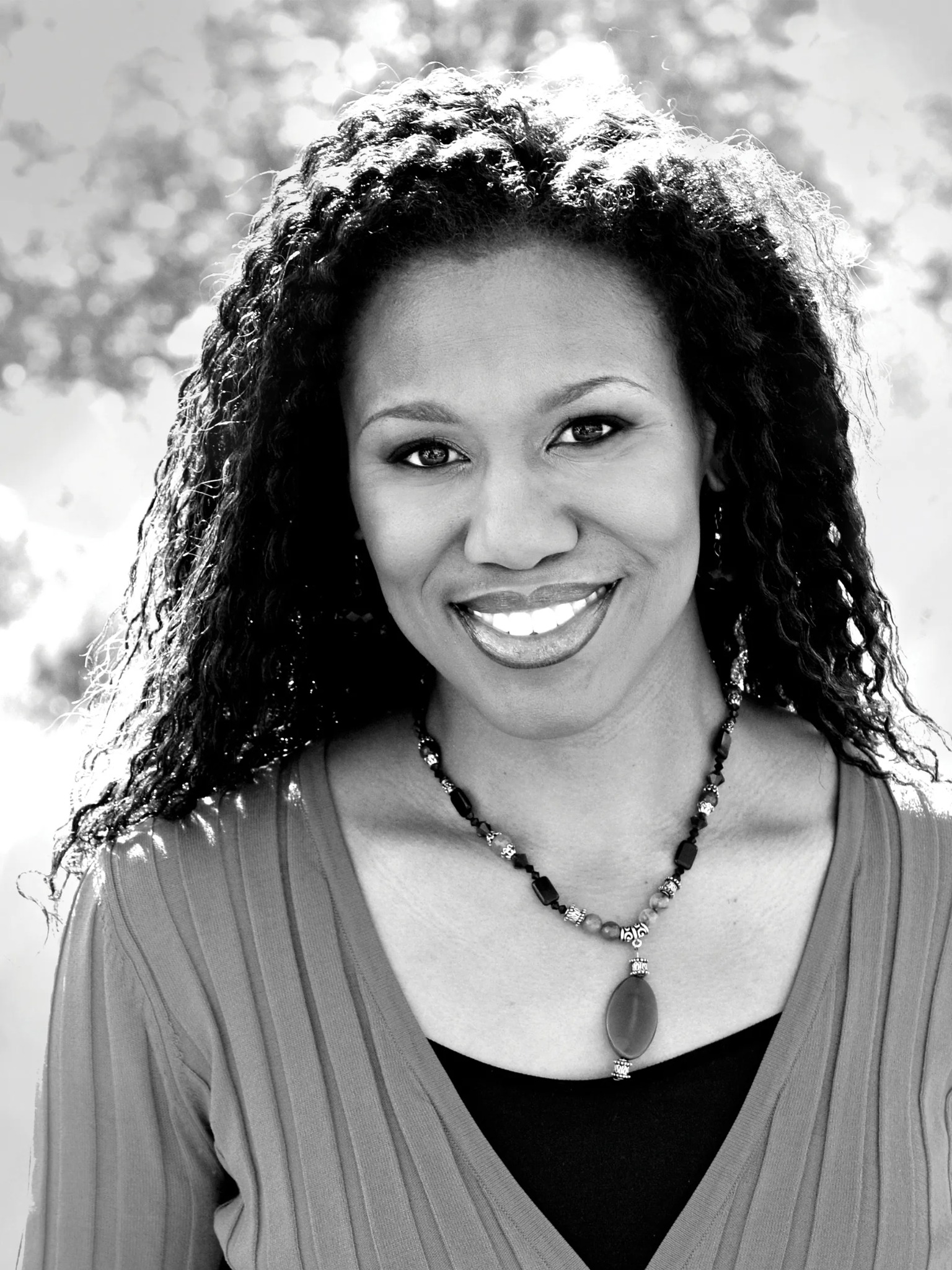
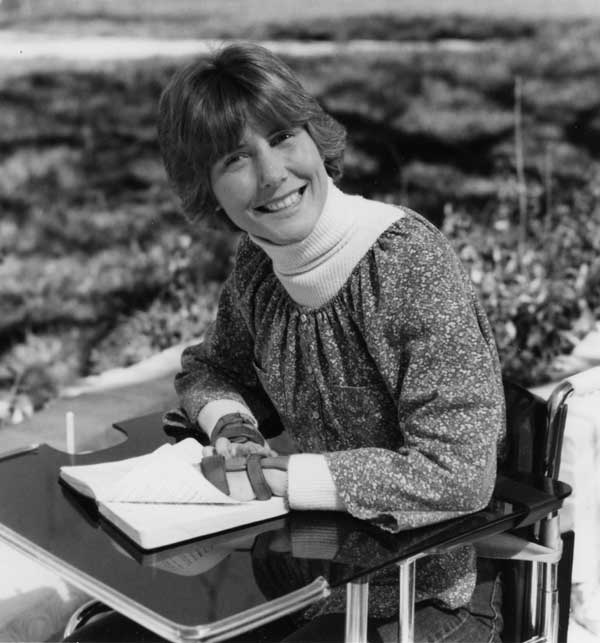
Joni Eareckson Tada did not lose her faith when she broke her neck. She lost the version of faith that only worked when God did what she expected. Before the accident, Joni Eareckson Tada believed she understood how faith worked. She believed in Jesus. She had confessed her sins. She tried to do what Christians were supposed to do. God was good. Prayer worked. Faithful people could trust Him to take care of them. Then, at 17 years old, Joni dove into shallow water and broke her neck. In a single moment, she lost the use of her hands and legs. The active girl who rode horses, swam, and filled sketchbooks with drawings could no longer turn herself over in bed. She could not brush her own hair. Feed herself. Scratch an itch. Reach for someone she loved. At first, Joni expected the numbness to wear off. There would be surgery. Therapy. A difficult recovery. Then she would walk out of the hospital and return to the life she had left behind. Instead, her father sat beside her and told her the injury was permanent. She would remain paralyzed. The news did not only shatter her plans. It shattered the simple understanding of God she had carried into the hospital. Joni cried out: “How can any of this be Your will?” She reminded God that she had done what Christians were supposed to do. She had believed. Repented. Tried to live correctly. How could He let this happen? Why had He not stopped her? Why had He not sent one angel to soften the impact? Why would a loving God leave a teenage girl trapped inside a body that would not move? The answers she had once repeated so easily no longer felt large enough. God is good. Everything happens for a reason. Just have faith. Keep praying. Those words may have sounded comforting before the accident. Now they felt painfully incomplete. Joni did not need someone to hand her another polished Christian answer. She needed to know whether God was still good when the life in front of her looked unbearable. At her lowest point, she asked a friend to help her die. She wanted pills. When her friend refused, Joni asked her to cut her wrists. She could not do it herself. That was how helpless she felt. She was unable to accept the life she had been given and unable to escape it without someone else moving her hands. Eventually, Joni prayed: “God, if I cannot die, show me how to live.” That was not the prayer of someone who felt confident. It came from a young woman who had run out of answers. Therapy continued. Joni learned how to sit upright. How to control a wheelchair. How to write and draw with a pen held between her teeth. People encouraged her to keep working. But part of her still believed the real answer would be physical healing. Christians prayed over her. They quoted promises. They believed God could restore her body. Joni believed too. She told her hands to move. Waited for her fingers to respond. Searched for sensation in her legs. She had faith. She prayed sincerely. She wanted the healing to glorify God. But her hands remained still. Her spinal cord remained severed. She stayed in the wheelchair. That unanswered prayer created another crisis. If God could heal her, why had He not? Had she failed to believe enough? Had she misunderstood His promises? Did He listen more closely to other people? Was His goodness only visible when He gave someone the answer they wanted? Joni later admitted that she had thought she understood God in a nice, neat package. The accident tore that package apart. Her old faith had answers for small disappointments. It did not know what to do with permanent paralysis. That is where some Christian women quietly find themselves. They still believe God exists. They still attend church. They may continue praying and reading familiar verses. But something happened that the old answers could not carry. A diagnosis changed the future. A marriage ended despite years of prayer. A child walked away. A loved one died. The pregnancy never came. Someone they trusted betrayed them. Now they feel guilty because the words that once comforted them no longer reach the pain. They wonder whether questioning God means they are losing Him. So they hide their doubt. They smile at church. Say they are trusting. Repeat the correct answers. Meanwhile, an honest question remains underneath everything: God, are You still who I believed You were? Joni’s faith did not become stronger because someone finally explained why she broke her neck. No one could. It became stronger when she began reading Scripture deeply enough to discover that faith had never required every “why” to be answered. A young man named Steve placed his marked-up Bible in front of her. He did not offer a quick explanation for her suffering. He simply told her that the answers she needed were in there. Joni began reading. She read that now we see only partially, as though looking into a dim reflection. One day, we will see clearly. She read that human weakness does not prevent God’s strength from being revealed. That a seed enters the ground before new life appears. That earthly bodies are temporary. That resurrection is real. That those who belong to Christ will receive bodies untouched by decay, pain, or paralysis. She read about Jesus. Not a Savior who watched suffering from a safe distance. A Savior who entered it. Who felt nails driven through His hands. Who allowed His body to be broken. Who stayed on the cross when He could have come down. The Bible did not tell Joni exactly why God allowed the accident. It gave her something deeper than a neat explanation. It revealed the character of the One holding the answer. Joni began to understand that trusting Christ did not always mean having trustful feelings. Sometimes trust was an act of the will. A decision made while questions remained. She could still grieve. Still feel angry. Still ask why. Still long to walk. Faith did not require her to pretend the wheelchair was easy. It meant placing the unanswered parts of her story into the hands of the God revealed in Scripture. Eventually, Joni prayed: “Lord, I will stop trying to work it out so it makes sense only for me.” She surrendered her demand to understand everything before she would trust Him. That did not make the accident good. It meant the accident was no longer powerful enough to define God for her. Instead, Scripture began defining how she saw the accident. That distinction changed everything. I know because there was a time when my faith also depended on life making sense. I believed God was good because I could point to good outcomes. Prayer seemed powerful when the answer came. Trust felt easy when doors opened. Then something happened that did not fit. I prayed. Waited. Searched for meaning. The situation did not change. People offered verses. Some were true, but they felt too small when removed from the larger story. “God has a plan.” “All things work together for good.” “His ways are higher.” I knew the words. But I did not understand how people in the Bible actually lived when God’s plan looked nothing like the one they had prayed for. So I felt ashamed of my questions. A stronger Christian would trust without struggling. A faithful woman would not feel angry with God. Maybe doubt proved something was wrong with me. I tried to silence every question before bringing it into prayer. But unanswered questions do not disappear because we use Christian language around them. They move deeper. Eventually, I realized the problem was not that I had too many questions. My understanding of God was too small to hold them. I had built much of my faith from individual promises. Verses that reassured me. Stories that ended well. Lessons that could be summarized quickly. But I had not learned to read the Bible as one long story of people trusting God before they could see what He was doing. I knew Joseph reached the palace. I had not sat with the years he spent betrayed, enslaved, falsely accused, and forgotten. I knew Ruth found a new family. I hurried past the graves she left behind and the frightening uncertainty of beginning again. I knew Job was restored. I had not understood how many chapters were filled with questions God never answered directly. I knew Jesus rose from the dead. I often rushed past Gethsemane, the cross, and the silence of Saturday. The Bible was not filled with people who never doubted. It was filled with people who brought their confusion to God and discovered He was still faithful. Joni’s story helped me see that doubt and unbelief were not always the same thing. Unbelief turns away from God. Honest doubt can turn toward Him with trembling hands and ask: “Help me understand.” “Show me who You are.” “I do not know why this happened, but I do not want to leave.” That kind of faith may look weaker from the outside. But it is often becoming more real. The truth I needed had been inside the Bible I already owned. I simply did not understand its context, tension, and full story well enough to let it carry the weight of real suffering. That is when I found a 52-week guided study that takes you through the entire Bible one theme at a time, from Genesis to Revelation. Before each week’s reading, it explains the context behind the passage. Who was involved. What they had lost. What they believed God would do. How long they waited. Why the moment mattered. And how it connected to the larger story He was telling. Reflection questions then help you slow down and bring your own fears, grief, and unanswered questions into the reading. For the first time, I was not opening the Bible merely to find a quick answer. I was learning who God had shown Himself to be across generations. The God who remained with Joseph in prison before explaining the purpose. Who listened to Job’s questions without abandoning him. Who met Elijah when he was exhausted and wanted to die. Who allowed Thomas to admit his doubt and then invited him closer. Who did not remove the cross from Jesus, but brought resurrection through it. The more I understood the full story, the less threatened I became by the unfinished parts of mine. I no longer needed to force every painful experience into an immediate lesson. Some questions could remain questions. Some prayers could remain unanswered for now. My faith did not have to collapse simply because I could not explain what God was doing. Scripture gave me something stronger than certainty about my circumstances. It gave me confidence in His character. That is what happened to Joni. She did not receive a complete explanation for her paralysis. She received a clearer view of Jesus. Years later, she said she would rather remain in the wheelchair knowing Him than stand on her feet without Him. That statement did not come from easy faith. It came from faith that had been torn apart, questioned, tested, and rebuilt around something deeper than a desired outcome. Joni still looked forward to healing. She believed that one day she would stand before Jesus with legs that worked and arms she could lift. But she stopped treating physical healing as the only proof that God was good. The wheelchair remained. So did Jesus. And in the end, knowing Him became more precious than having every question answered. You may be carrying questions you are afraid to say aloud. You may feel guilty because your old understanding of God no longer seems large enough for what happened. That does not necessarily mean your faith is dying. You may be standing at the beginning of a deeper one. A faith that does not depend on pretending. A faith that can grieve and still remain. A faith built not merely on what God gives, but on who Scripture reveals Him to be. You may already own the Bible that can meet you there. But knowing a few comforting verses is not the same as understanding the larger story that makes them strong enough to hold real pain. Once the full story becomes clear, Bible reading stops being a search for easy answers. It becomes the place where you learn to trust the God who holds the answers you cannot see yet. Right now, the 52-week study is up to 62% off, and every order comes with a free pen pack. Do not spend another year hiding your questions because you think faithful women are not supposed to have them. Tap below and begin understanding God’s Word in a way that helps your faith grow deeper, more honest, and strong enough to survive the questions that have no easy answer.
Like this ad? Make it yours.
Crush rebuilds this exact creative around your product — your brand, your colors, your offer — in about a minute.