
Inactive· since Apr 9, 2026
- 6
- days it ran
- 0
- relaunches
Ad copy
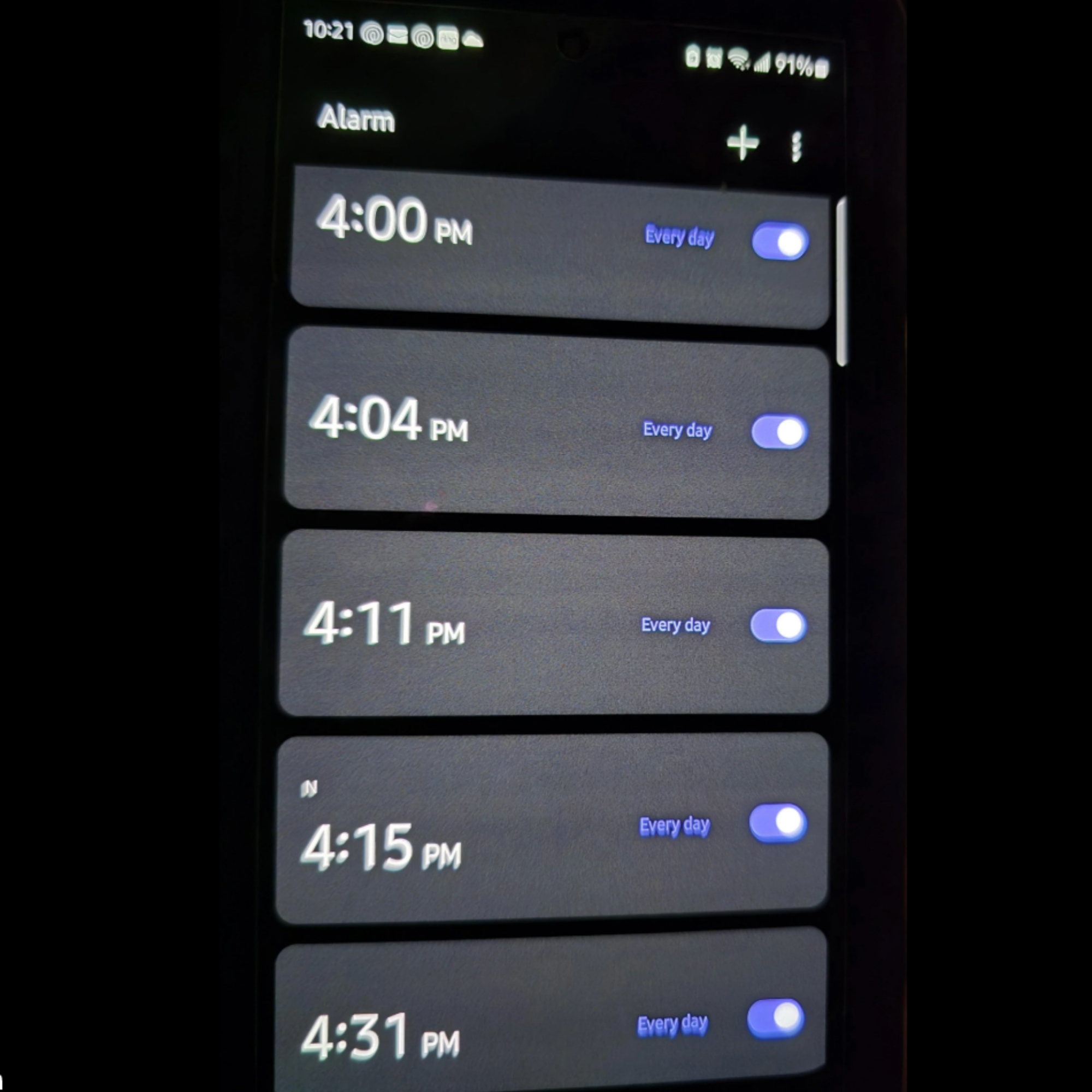
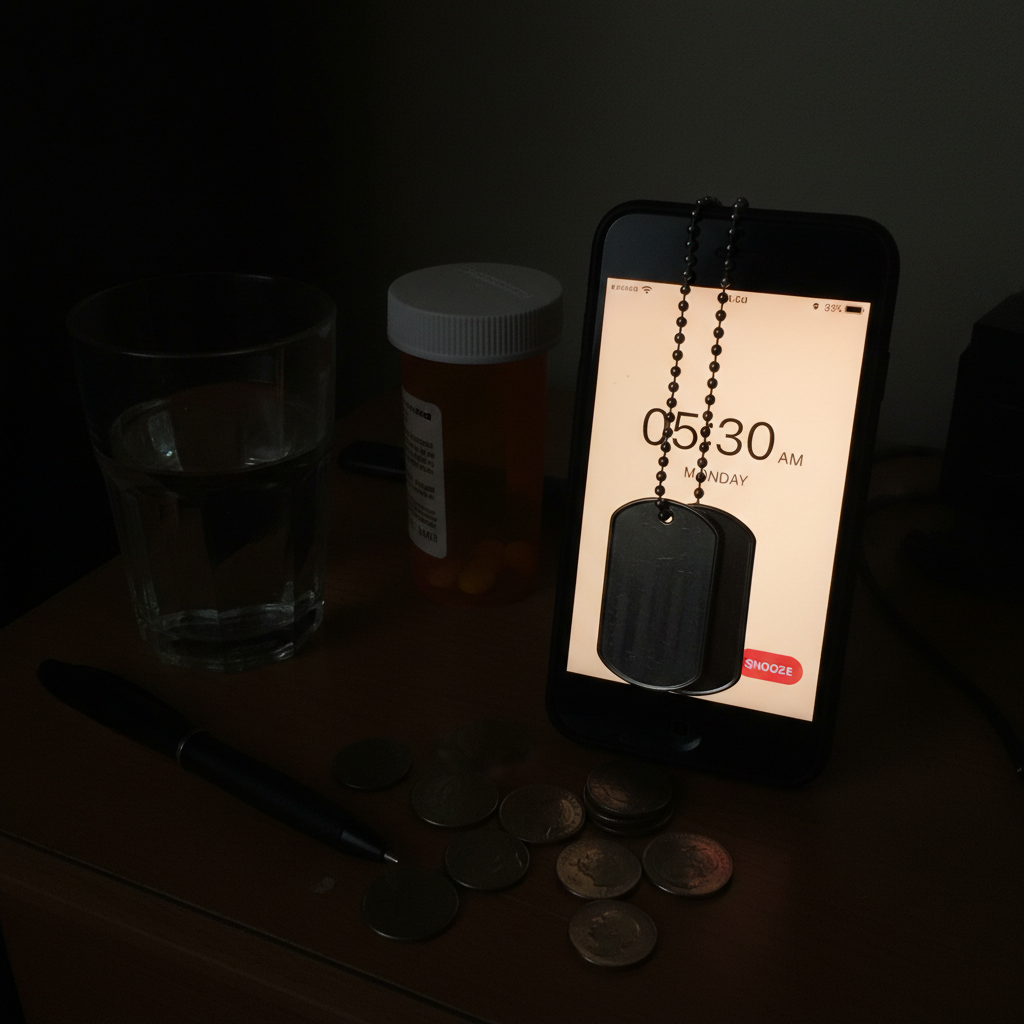
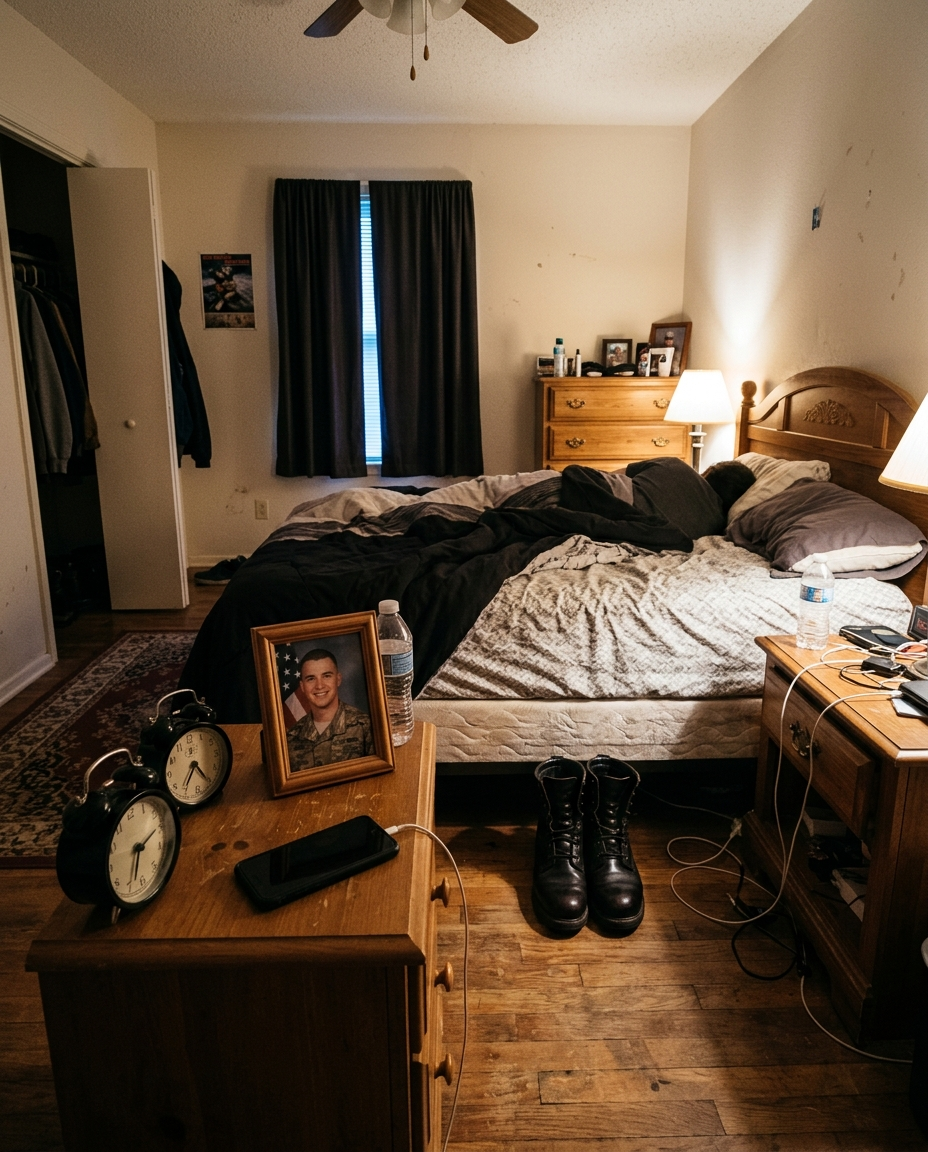
The morning I almost got fired, I woke up at 9:17. Not 7:30, when my first alarm was set. Not 7:35. Not 7:40. Not 7:45, 7:50, or 7:55, when the next five were set after that. 9:17. The light in my room was completely wrong. That flat, settled daylight that means the morning has already happened without you. I looked at my phone and just held it for a second. Twelve missed calls. My manager. A colleague. My manager again. A text from my best friend that just said "everything ok???" I knew before I checked the date that it was a Tuesday. We had a 9 AM client presentation. I was supposed to be running it. I sat on the edge of my bed and did the math. How late I was. Who was in that room right now covering for me. Whether this was finally the one that ended it. I lay there for a moment thinking about whether I could fake being sick. Whether there was a version of this where I just didn't go in and called it a stomach bug and bought myself one more day. I went in. But I thought about it. I'm 28. I work in marketing at a mid-sized agency. Normal hours, 9 to 6, nothing unusual about the schedule. The kind of job where showing up late occasionally is fine and showing up consistently late is a pattern and having a pattern means you have a problem. I have a problem. I've been a heavy sleeper since I was a kid. My mum used to say nothing could wake me — not the dog, not the neighbours, not her standing in the doorway saying my name. She thought it was funny. It stopped being funny around the time I started needing to be somewhere in the mornings. Here's what nobody tells you about being a heavy sleeper: you can turn off your alarm without ever waking up. You don't press snooze. You don't decide to stay in bed. You reach over, dismiss it, put the phone down, and keep sleeping. No memory of it at all. I've unlocked my phone, navigated to the alarm app, and shut off three separate alarms without a single second of consciousness. My phone log showed me exactly what I'd done. Timestamps and everything. I just wasn't there for any of it. Seven times late in eleven months. Two formal written warnings. One very uncomfortable conversation with my manager in which she used the phrase "we need to be able to rely on you" and meant it as a final warning without calling it that. And then there were the mornings in the car. Running amber lights. Speeding past cameras I knew exactly where to find. Watching the clock instead of the road. Four fines in nine months. And then one morning — blue lights in my mirror, pulled over at 8:51 AM, still in the clothes I'd thrown on ten minutes earlier. Sitting on the side of the road trying to explain to an officer that I wasn't a reckless driver. That I was just late. That this was just what my mornings had become. He didn't find that as reassuring as I'd hoped. I'd built a system. Not a good one, but a system. Seven alarms on my phone, starting at 7:00, every few minutes — but not regular intervals, because I'd read that your brain learns the pattern and tunes it out. So I did 7:00, 7:11, 7:17, 7:28, 7:35, 7:42, 7:50. Each one a different sound, because I'd read that too. Still slept through all of them. A second alarm clock on the windowsill — the old-school kind, two bells on top, loud enough to wake the floor. Phone on the other side of the room so I had to physically get up to stop it. Which worked, the first few times, before my brain learned to walk over there and silence it and walk back and get into bed with zero awareness of any of it. I downloaded Alarmy. Set it so I had to walk to the kitchen and scan the barcode on the dish soap before the alarm would stop. A non-zero number of times I scanned the bottle and got back into bed. I am not proud of this. I tried a sunrise lamp. $65, beautiful packaging, long explanation about cortisol and circadian rhythms. I believed every word of it. I used it for two weeks before my brain absorbed it into sleep and it became just a warm glow I stopped noticing. My body was more rested, maybe. I was still late. I tried a sleep tracking app. It cost $8.99 a month and was supposed to monitor my sleep cycles and wake me during a light phase. My light phase, apparently, was somewhere around 10 AM. The app woke me at random intervals and called them optimal. I used it for four months. It didn't work once. I tried going to bed at 9:30 PM, reasoning that if I slept more, I'd sleep lighter. I slept ten hours and was still late. My flatmate Priya used to knock on my door at 7:50 if she didn't hear movement. Hard. She did it for about three months. She has her own job, her own mornings, her own life. I couldn't ask her to keep doing it. She stopped, and I understood, and nothing got better. Some mornings I'd lie there between alarms — half-awake, already running the math — wondering if today was the day I'd just call in sick. Fake a stomach bug. Buy one more morning. I never did. But I thought about it more than I'd like to admit. The Tuesday of the presentation, I walked into the office at 9:43. My colleague had covered. The client hadn't noticed, or at least had pretended not to. My manager saw me come through the door and looked at me in a way that didn't need words. After that I went back to Googling. Same results I'd already read. Set multiple alarms. Put your phone across the room. Go to bed earlier. Try a sunrise lamp. I'd done all of it. None of it worked. My brain had learned to ignore every single one. Three weeks later a girl on my team — Bea — came in one morning looking different. Hard to explain. Less hurried. She's like me, or was like me. We'd covered for each other before, the way you do when you both have the same problem and neither of you wants to say it out loud. So when she walked through the door at 8:52 looking like she'd had time to spare, I asked her what was going on. She held up her wrist. A band. Thin, plain, no screen. Like a fitness tracker but simpler. Smaller. She said it woke her up. Not with sound — with vibration. She said it started soft and built up slowly until she was just awake. No alarm noise. No jolt. She said she'd been sitting in her kitchen drinking coffee before her phone had even gone off. I didn't believe her. She offered to lend it to me for a night. I took it mostly to have something to report back when it didn't work. I put it on before bed. Set it for 7:30. Lay there thinking about the sunrise lamp, the app subscription, the barcode on the dish soap, the two bells on the windowsill that had woken literally everyone in the building except me. Then. 7:30. A buzz at my wrist. Soft. Then a little more. Then a little more than that. And I was just awake. Not jolted into it. Not in the middle of a snooze I didn't know I'd started. Just awake. Eyes open. Room still dim. Priya's door still closed. My phone across the room hadn't made a sound yet. I sat on the edge of the bed at 7:32. Completely still. I had time. I did not know what to do with time. I got to work at 8:47. Walked in, put my bag down, made coffee. Nobody looked at me. Nothing happened. I was just there. I flipped the bracelet over. Found the name on the clasp. FitSleeps Pro. I searched it on my phone at my desk. 4.6 stars. 175,000 customers. I started reading reviews and couldn't stop. People describing exactly what I'd just described. The seven-alarm cascade with irregular intervals. The sunrise lamp that stopped working after a week. The sleep app that charged a monthly fee and solved nothing. The barcode missions in the kitchen they'd walk to half-asleep and then go back to bed. The flatmate or partner who became a backup alarm until the cost of that became too high. One woman wrote about walking to her phone in her sleep to dismiss it without ever waking up. I'd written that exact sentence in my head a hundred times and never thought anyone else experienced it the same way. The reason it works is simple. Sound travels through air. Your brain is very good at filtering sound — that's why you stop noticing the traffic outside your window, why you sleep through your own ringtone after a while. It's protective. It also works completely against you if you're a heavy sleeper. And no matter how many alarms you set, or how irregular the intervals, or how loud the sound — it's still just sound. Your brain already knows how to ignore it. Vibration through the wrist is different. It bypasses your hearing entirely. It's direct contact — straight into your nervous system — and your brain cannot learn to filter it the way it filters noise. The Pro has five alarms that automatically escalate if you don't respond — starting gentle and building to full power until you're actually awake. There's nothing to swipe away in your sleep. It just keeps going until you're up. I looked at the price. I checked it twice. I thought I must be missing something — a subscription, a catch, something. There wasn't. I had spent $65 on a lamp that collected dust after two weeks. Thirty-six dollars on an app over four months that woke me up wrong every single morning. Four fines. One morning sitting on the side of a road with blue lights in my mirror, trying to explain myself to someone who had a notepad and no interest in my alarm history. Two formal written warnings on my employment record. An entire client presentation I nearly destroyed. And here was the thing that woke me up at 7:32 on the first try. I ordered it from my desk before 10 AM. When my own Pro arrived two days later, I half-expected it to fail in my own bed. I'd convinced myself there was something about borrowing Bea's — the unfamiliar, the novelty — that had made it work. That my room, my mattress, my brain's years-long relationship with the sound of alarms it had learned to ignore would defeat it. 7:30. My bed. My room. Buzz at my wrist. I was awake at 7:32. Week one: on time every day. Not rushing. Not breathless. I drove to work at a normal speed for the first time in months. No running amber lights. No checking the clock at every junction. No blue lights appearing in my mirror because I was watching the time instead of the road. Just on time, five days in a row, like someone who had it together. I checked the clock on my walk in. I had minutes to spare I didn't know what to do with. Week two: I turned off every phone alarm. No irregular intervals. No different sounds. No barcode on the dish soap. Just the Pro. Five alarms set, escalating, no sound. That was it. First morning without a backup felt terrifying. I woke up at 7:31 and just lay there, amazed. Week three: Priya slept in on a Saturday. She mentioned it that evening — said she'd realized she wasn't listening for my alarm anymore. That she'd stopped tracking it at some point and hadn't noticed until she slept through to 9. "I didn't know I was still doing that," she said. I didn't either. Week four: I cancelled the sleep app. $8.99 a month. Four months. Done. My manager stopped me in the kitchen last week. She said she'd noticed I'd been in on time. No big speech. Just: "I've noticed." I said thank you and left because I didn't trust the moment not to turn into something I couldn't hold together in front of her. I've spent $49 on the FitSleeps Pro. I spent $65 on a sunrise lamp that now lives on a shelf. $36 on a sleep app that never worked. Months of Alarmy missions I completed in my sleep and went back to bed. Four fines on a road I drove every morning like I was already five minutes behind — because I was. One morning with blue lights in my mirror and a notepad on my window, parked on the side of the road at 8:51 AM because I couldn't wake up at 7:30. Two years of lying there between alarms wondering if today was finally the day I just gave up and called in sick. FitSleeps has a 100-day money-back guarantee. Full refund, no questions asked. They also offer a 100% wake-up guarantee — if it doesn't wake you, you don't pay. I've never needed either one. It has woken me up every single morning since I strapped it on. And the Pro runs over 20 days on a single charge — I stopped thinking about it entirely after the first week. It's just always there. Bea told me last week her sister wants one. She tried to order one for her and it was out of stock for nearly two weeks. That comes up often in the reviews. I spent two years thinking this was just who I was. The heavy sleeper. The unreliable one. The girl who always has an explanation ready and never quite has a solution. The one lying there every morning wondering if today was the day she finally faked a stomach bug and bought herself one more morning. The one with blue lights in her mirror on a Tuesday at 8:51, trying to explain herself to someone who wasn't interested. Turns out it was $49.
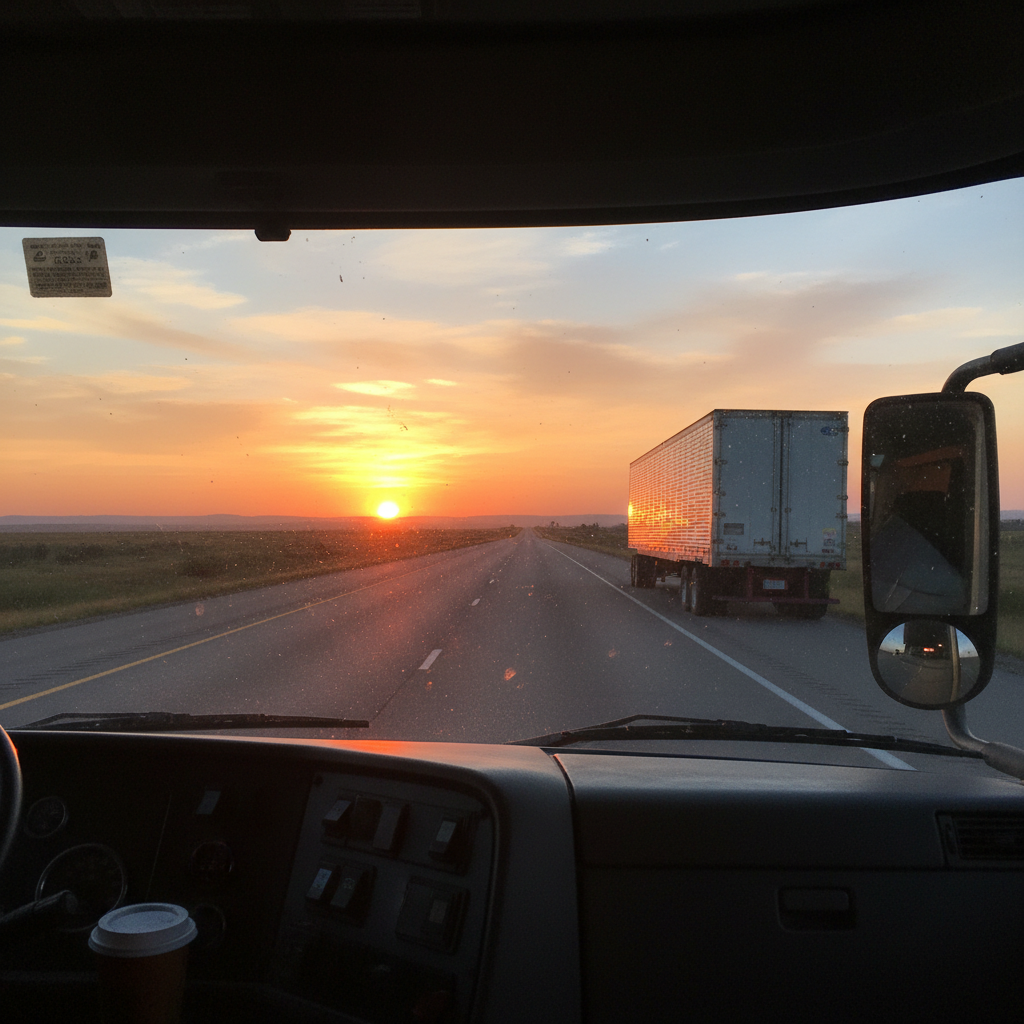
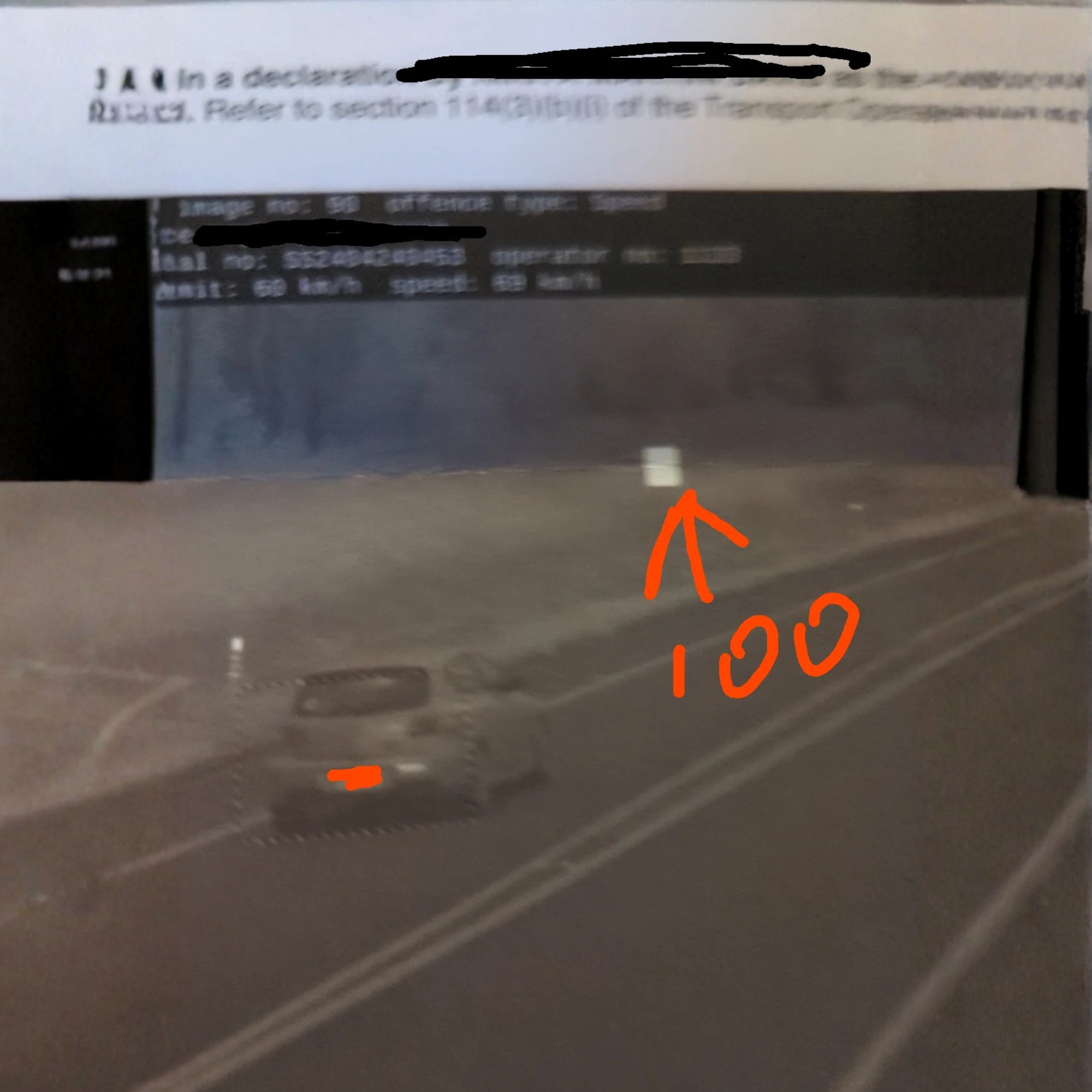
Blue lights in my mirror at 8:51 AM. I wasn't reckless. I just couldn't wake up on time.
She tried every anti-aging serum, cream, and device. The only thing that made her look younger was this foundation.
LEARN MORELike this ad? Make it yours.
Crush rebuilds this exact creative around your product — your brand, your colors, your offer — in about a minute.