FromEarth LLC
FromEarth LLC Facebook ad: “. BRAIN HEALTH”
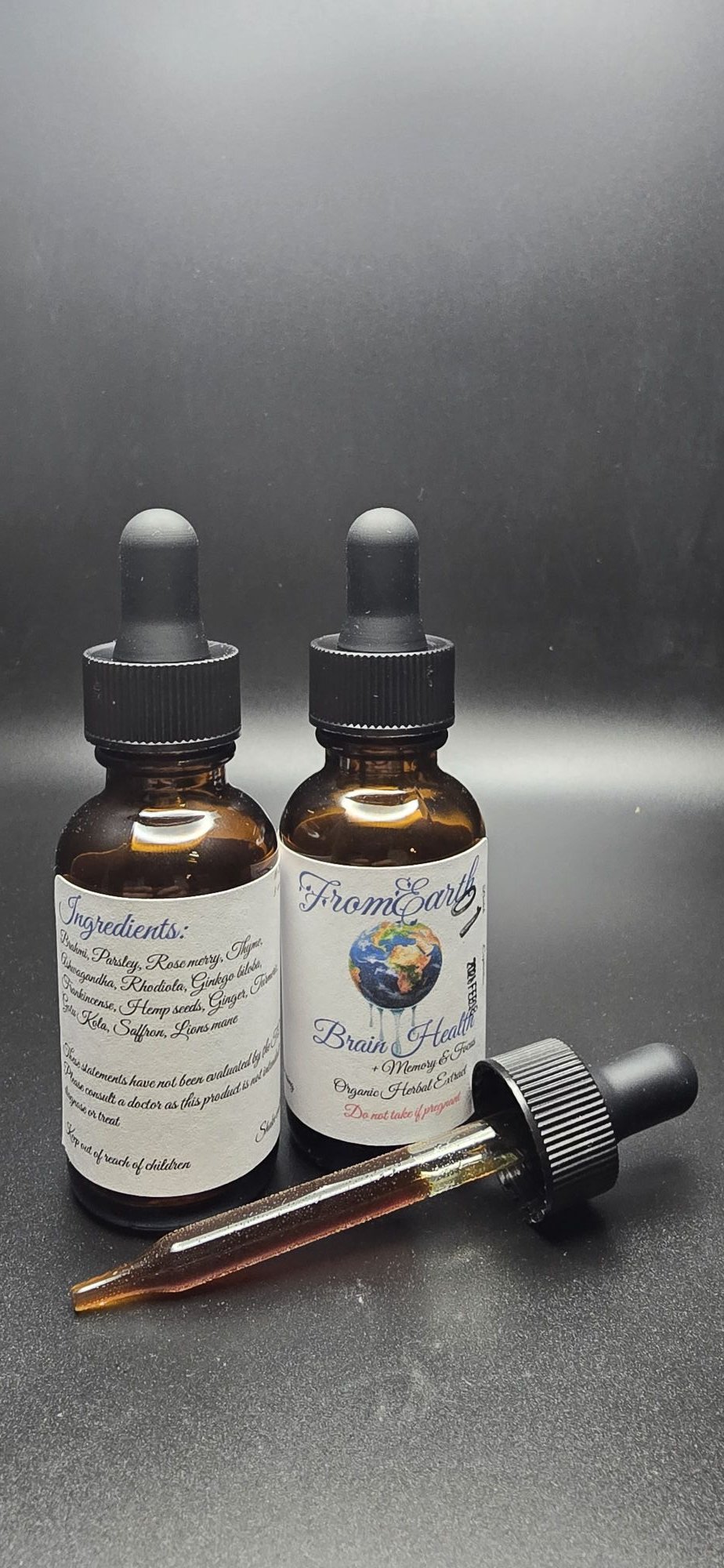
Ran for 91 days, from February 19 to May 21, 2026, the last day Crush saw it.
Run by FromEarth LLC on Facebook. Crush is not the advertiser and does not verify its claims. See this ad in Meta's Ad Library(opens in a new tab)
Want an ad like this for your product?
Crush makes new ad images for your product from this ad: your logo, your product photo, your offer.
Trials from $19.95 USD, then $79.95 USD a month. Cancel anytime.
About this ad
- Meta Ad Library ID
- 2877623945779021
- Platforms
- Facebook, Instagram and Messenger
- Relaunches
- 0
Ad text
. BRAIN HEALTH . + Memory & Focus INTRODUCING Brain Health + Memory & Focus Discription: Brain health is formulated to not only give the brain what it needs to run at peak performance but also increases MEMORY & FOCUS at the same time. Size: 1oz Ingredients: Brahmi, Parsley, Sage, Rosemary, Thyme, Ashwagandha, Rhodiola, Ginkgo Biloba, Hemp seeds, Frankincense, Ginger, Turmeric, gotu kola, Saffron, Lion's mane Brahmi: . Memory & Learning: Enhances spatial learning, memory retention, and recall by promoting new neural connections. . Cognitive Enhancement: Improves attention span, mental processing speed, and executive function, beneficial for ADHD and mental clarity. . Neuroprotection: Acts as a powerful antioxidant that reduces brain inflammation and protects against age-related cognitive decline and neurodegenerative diseases. . Stress & Anxiety Relief: Functions as an adaptogen, lowering cortisol and regulating serotonin to reduce anxiety and improve sleep without causing drowsiness. Parsley: . Reduced Anxiety and Depression: Compounds like apigenin and phenolic acids (ferulic acid, cinnamic acid) possess anxiolytic effects, acting as natural mood enhancers and protecting neural tissue. . Neuroprotection: High levels of antioxidants, including Vitamin C and polyphenols, combat oxidative stress and protect brain vessels. . Improved Cognitive Function: The nutrients support better memory and focus, with research suggesting it may help prevent memory loss. . Nutrient Density: Parsley is high in folate, which is essential for healthy neurotransmitter function. Sage: . Memory and Attention: Human trials have demonstrated that sage can significantly improve performance on memory and attention tasks, particularly in older adults. . Neuroprotection: As an antioxidant, sage protects against oxidative stress and neurotoxicity, which are linked to Alzheimer's and other neurodegenerative diseases. . Mood Enhancement: Studies indicate that sage can increase feelings of calmness, alertness, and contentment. . Alzheimer's Treatment: Clinical trials have shown that daily consumption of sage extract can improve cognitive function in patients with mild-to-moderate Alzheimer's disease. Rosemary: . Memory and Cognition: Studies show rosemary aroma improves memory, speed, and alertness. It has been shown to boost performance in, for example, math tasks. . Neuroprotection: The compound carnosic acid in rosemary acts as an antioxidant, helping to shield brain cells from neurodegenerative diseases like Alzheimer's. . Mood Enhancement: The smell of rosemary can reduce stress, lower anxiety, and boost mental health, which indirectly supports better cognitive function. . Mechanism: The aroma's 1,8-cineole compound is absorbed into the bloodstream through the nose or lungs, helping to maintain high levels of acetylcholine, a neurotransmitter critical for memory. Thyme: . Neuroprotection & Anti-Inflammation: Thyme's active compounds (thymol, carvacrol, linalool) reduce inflammation in brain cells. Cognitive Support: It helps in protecting brain pathways and may improve cognitive function in the elderly and those with attention disorders. . Mood Elevation: Carvacrol in thyme has been linked to increased levels of neurotransmitters like dopamine and serotonin in the brain, improving mood and reducing anxiety. . Enhanced Connectivity: A component called apigenin in thyme (and parsley) may improve connections between neurons, supporting memory and brain cell communication. . Antioxidant Power: Thyme has one of the highest antioxidant levels among herbs, helping to neutralize free radicals that cause neuronal damage. Ashwagandha: . Memory & Cognitive Function: Research has indicated that ashwagandha improves both immediate and general memory, as well as executive function and information processing speed. It has demonstrated improvements in cognitive flexibility and reaction time. . Neuroprotection: Studies suggest ashwagandha can protect brain cells (neurons) from oxidative stress, damage, and may help treat neurodegenerative diseases. . Stress & Anxiety Reduction: As an adaptogen, it lowers cortisol levels, which helps reduce stress, anxiety, and improves overall mood, which in turn can boost mental clarity. . Improved Sleep: By reducing stress, it contributes to better sleep quality, which is crucial for cognitive health. Rhodiola: . Stress Management: As an adaptogen, it helps the body and brain adapt to stress by balancing the hypothalamic-pituitary-adrenal (HPA) axis, often reducing cortisol. . Mental Performance & Focus: It improves attention and cognitive function, especially during fatigue or stress, making it popular for enhancing productivity. . Memory & Learning: Research on animals indicates potential for improved memory, with some studies suggesting similar, though less robust, effects on human cognition. . Mood Improvement: It may help alleviate symptoms of mild depression. Ginkgo Biloba: . Improved Blood Flow: Ginkgo helps enhance cerebral circulation, reducing vascular resistance and improving blood flow throughout the body. . Neuroprotection & Antioxidant: Components in ginkgo (flavonoids and terpenoids) protect neurons from damage, reducing the effects of oxidative stress and inflammation. . Neurotransmitter Modulation: It may influence several neurotransmitter systems, such as by inhibiting Monoamine Oxidase (MAO) A and B, which could help manage symptoms of depression and anxiety. . Beta-Amyloid Inhibition: Some evidence suggests it may reduce the accumulation of Amyloid-beta plaques in the brain, which are linked to Alzheimer's. Frankincense: . Cognitive Enhancement & Memory: Studies indicate potential improvements in memory, learning, and cognitive function. . Neuroprotection: Components like incensole acetate and boswellic acids may possess anti-inflammatory and neuroprotective properties, helping protect against cognitive decline. . Neuroplasticity: Research suggests it may increase neural volume and dendritic spine density. . Focus and Mental Clarity: Used in aromatherapy, it is believed to stimulate the limbic system, promoting alertness, reduced stress, and increased cognitive performance. Hemp seeds: . Optimal Omega Fatty Acid Ratio: The brain is nearly 60% fat and requires high-quality fats to function effectively. Hemp seeds provide an ideal 3:1 ratio of omega-6 to omega-3 fatty acids, which helps maintain cell membrane health, support communication between neurons, and manage inflammation. . Neuroprotective Antioxidants: Hemp seeds contain natural antioxidants like Vitamin E and phenolic compounds that help protect brain cells (neurons) from oxidative stress and age-related damage, effectively "rust-proofing" the mind. . Complete Protein Source: As one of the few plant-based complete proteins, hemp seeds contain all nine essential amino acids. These amino acids are the building blocks for neurotransmitters—the brain's chemical messengers—which are crucial for mood regulation, focus, and overall mental health. . Anti-Inflammatory Properties: Chronic inflammation can damage brain cells. Hemp seeds are a rich source of gamma-linolenic acid (GLA), a potent anti-inflammatory omega-6 fatty acid that may help reduce inflammation linked to conditions like depression and anxiety. Ginger: . Neuroprotection: Ginger's strong anti-inflammatory and antioxidant properties help defend neurons against, for example, Alzheimer's disease and, as shown in studies, it can prevent cognitive decline. . Cognitive Enhancement: Research suggests ginger improves working memory and attention, with studies showing benefits for, specifically, middle-aged women's cognitive performance. . Neurotransmitter Modulation: Ginger may influence serotonin levels and reduce stress, promoting a calmer, more focused state. . Brain Health Promotion: It supports the survival of neurons and can, for instance, slow the progression of dementia by reducing inflammation, say researchers, and it, for example, helps in protecting brain cells from damage. Turmeric: . Memory & Cognition: Research, including a study with 90 mg of curcumin twice daily, showed improved memory performance in adults. . Neurogenesis & Growth: Curcumin boosts BDNF, a protein crucial for neuron survival and the growth of new brain cells, particularly in the hippocampus. . Reduced Brain Fog: By acting as a potent anti-inflammatory agent, it helps mitigate symptoms of "cloudy-headedness" linked to chronic inflammation. . Protection: It fights oxidative stress and free-radical damage, offering neuroprotective benefits. Gotu kola: . Cognitive Enhancement & Memory: Clinical studies show that 750–1,000 mg of gotu kola daily can improve memory, executive function, and cognitive impairment, with one study showing it to be as effective as folic acid in boosting cognitive function post-stroke. . Neuroprotection: The antioxidants in gotu kola help protect brain cells from toxicity and oxidative stress, which may combat Alzheimer's-related plaque formation. . Reduced Anxiety and Mood Improvement: By acting on GABA receptors in the brain, it can reduce anxiety and stress, while also promoting better mental clarity and mood. . Neurogenesis & Repair: It is associated with the growth of brain cells and improved nerve health, which aids in recovery after neurological injuries. Saffron: . Cognitive Function & Memory: Studies suggest saffron can improve memory and learning, particularly in individuals with mild cognitive impairment or Alzheimer’s. Its components, crocin and safranal, cross the blood-brain barrier to exert neuroprotective effects. . Mood Enhancement & Anxiety: Saffron is considered a safe and effective treatment for mild-to-moderate depression, with effects comparable to conventional antidepressants (like Prozac) but with fewer side effects. It helps regulate neurotransmitters such as dopamine, serotonin, and norepinephrine. . Neuroprotection: Saffron reduces inflammation and oxidative stress in the brain. It acts as a neuroprotective agent that helps protect against neuron damage and death. . Alzheimer's and Parkinson's Disease: Research indicates that saffron may inhibit the aggregation of amyloid-beta plaques in Alzheimer's disease and support treatment in other neurodegenerative disorders like Parkinson’s. Lions Mane: . Neurogenesis & Brain Health: Promotes the growth and repair of nerve cells, which may help with cognitive decline. . Memory & Focus Improvement: Studies have shown improved cognitive scores in individuals with mild impairment. . Neuroprotective Effects: May reduce inflammation and biological markers of Alzheimer's disease. . Mood Regulation: Potential to reduce mild symptoms of depression and anxiety. Direct Link: https://fromearth-healing.com/products/brain-health-memory-focus?variant=48803562881248