
Active· since May 15, 2026
- 125
- days running
- 0
- relaunches
Ad copy
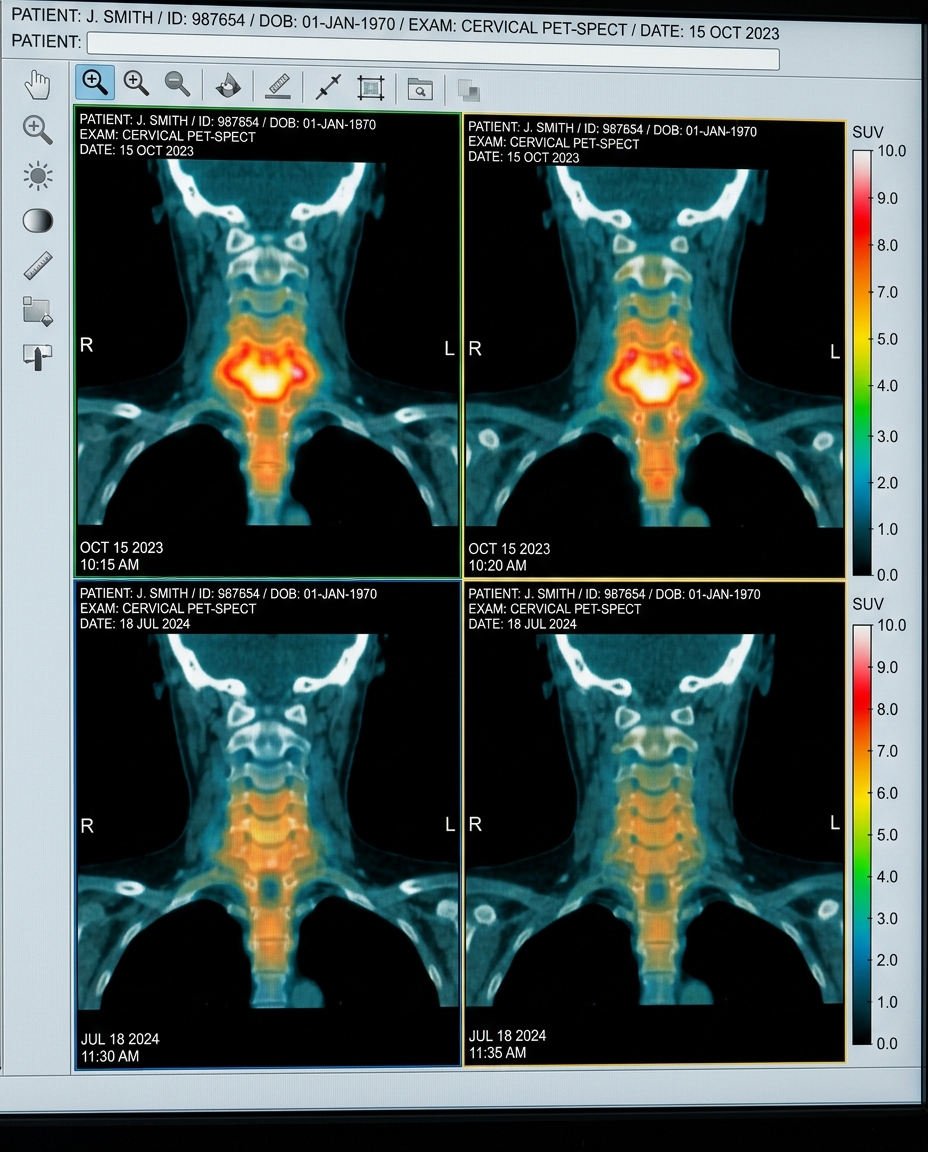
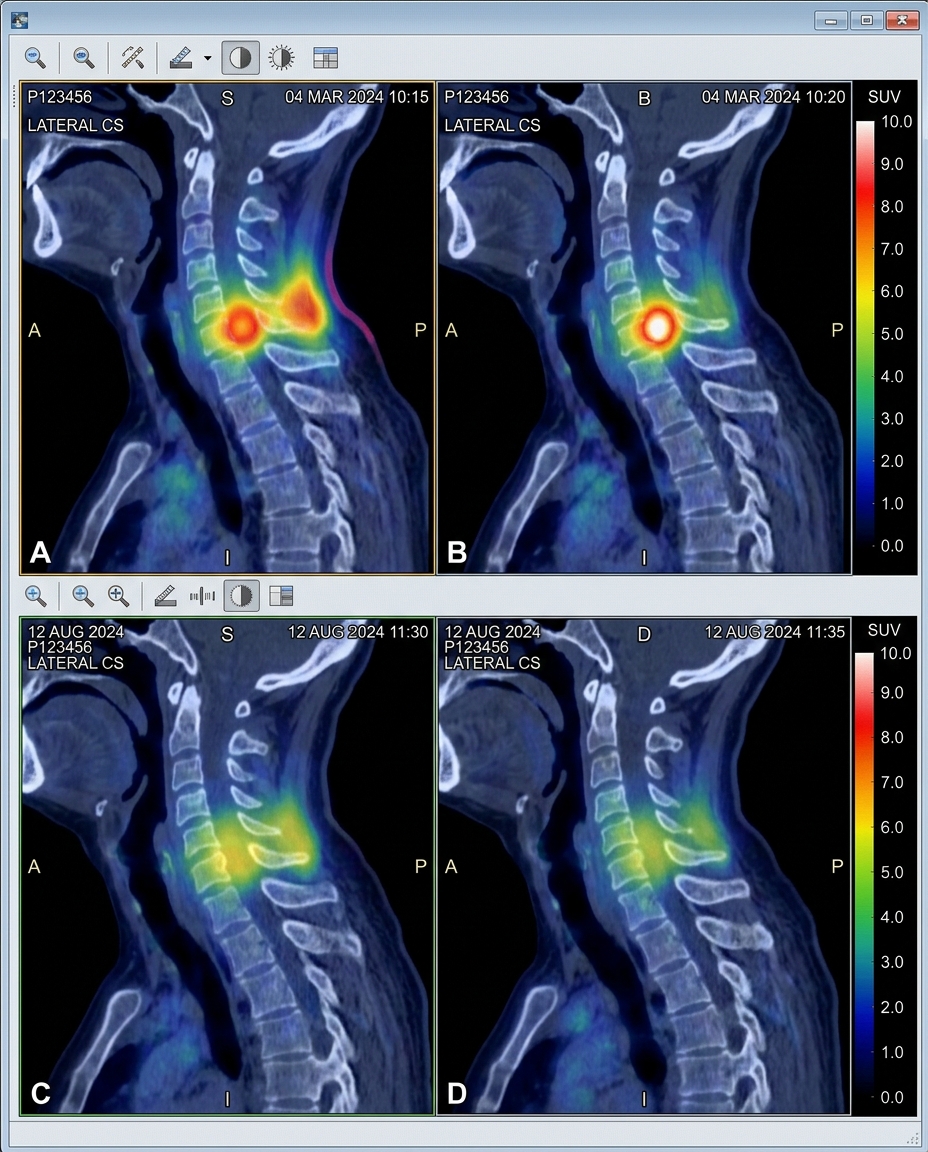
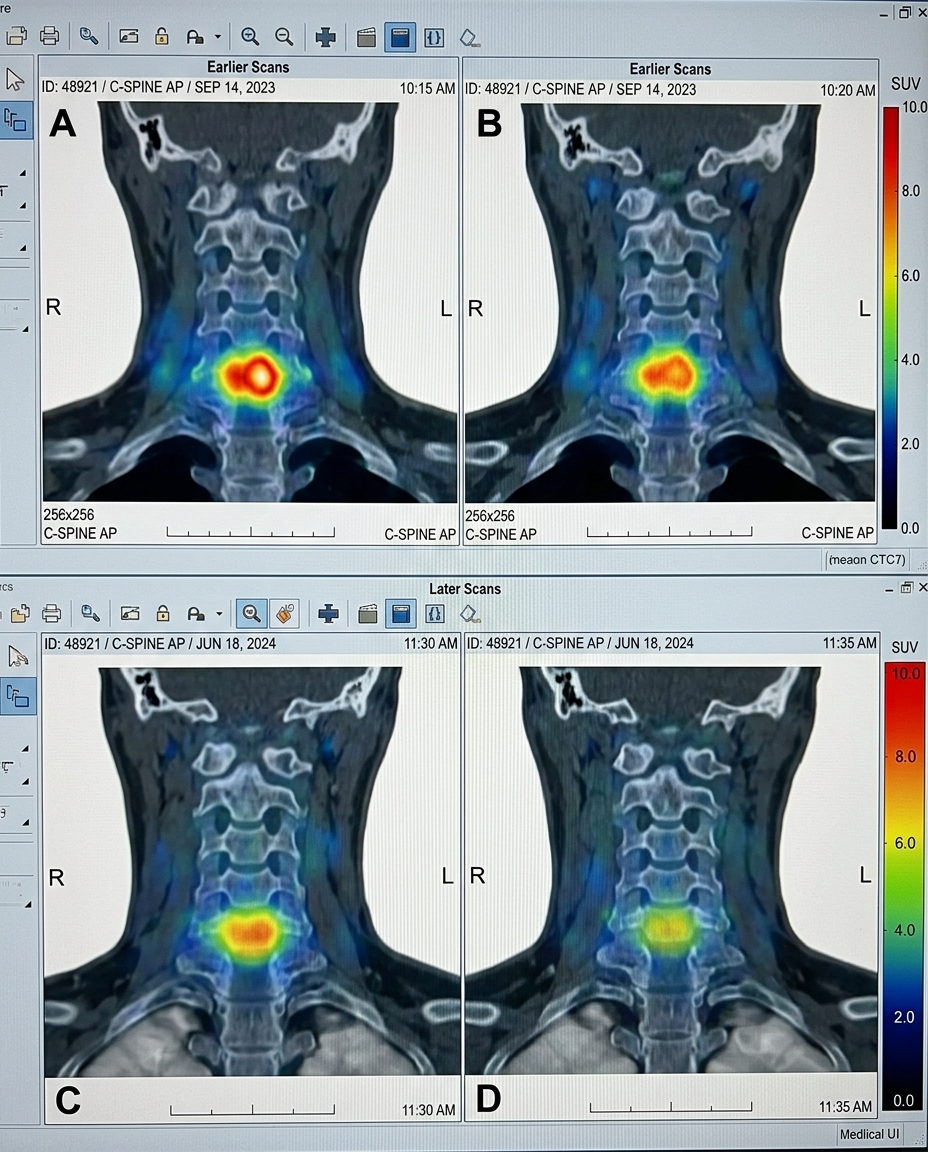
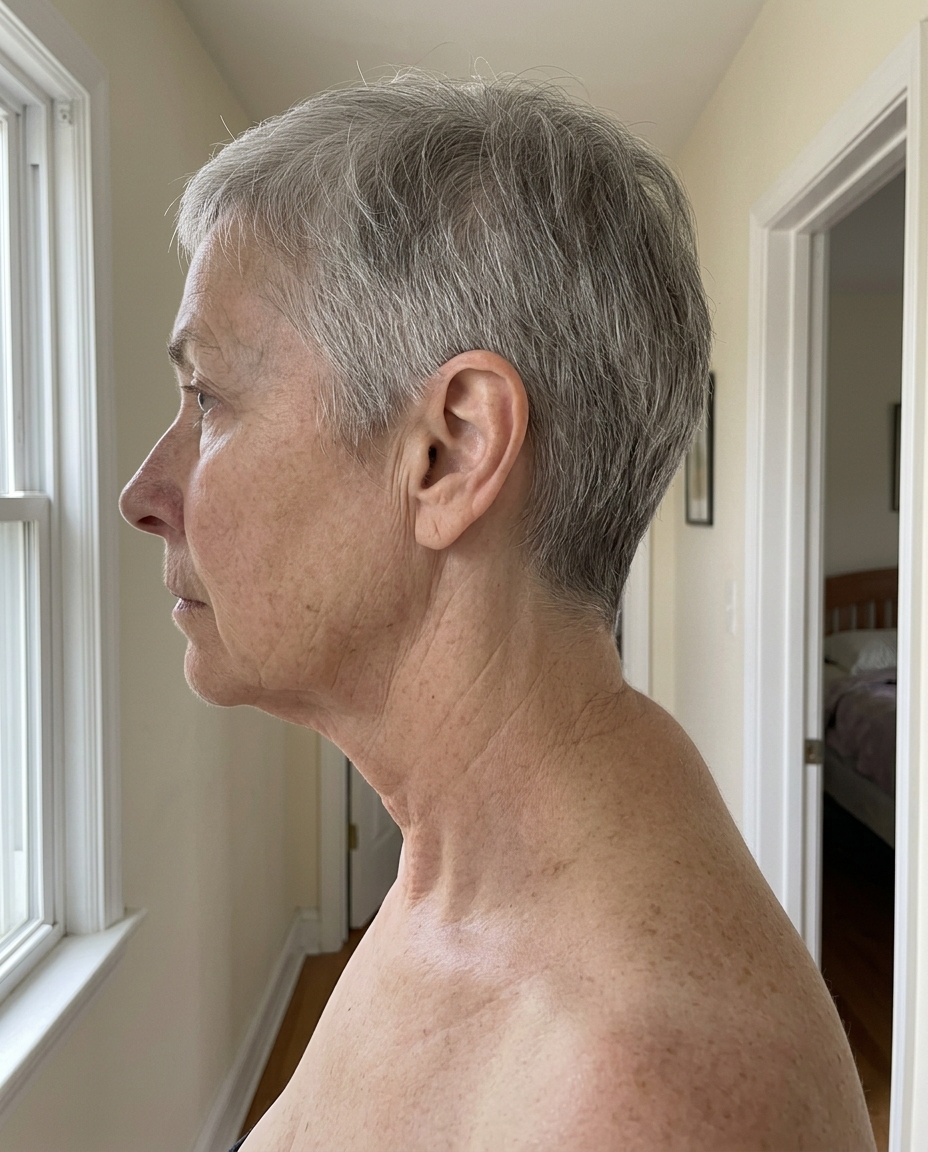
I am going to say something that nobody with a neck hump wants to hear and I don't give a f*ck if it upsets you. Switching to a different posture tool is not going to reverse your neck hump. Not a foam roller. Not a cervical pillow. Not a posture brace. Not the twice-weekly adjustment protocol your chiropractor just recommended. NONE OF IT IS GOING TO WORK. I know because I tried ALL of it. Every device. Every exercise. Every approach. For two years. And my mother's hump kept growing anyway. Six years of management. Tissue consolidating. Because I spent two years treating a posture problem that was never a posture problem. And the worst part? I started doing the same thing. Same forward pull. Same tissue building at the base of my skull. Same slow progression. And I almost let it happen to me because I was still listening to the same garbage advice that failed my mother. I'm done being polite about this. If your neck hump is growing and you're in here asking which posture tool to try next, you are wasting time your tissue does not have. Read this entire post. Every word. Because the answer is in here and it is NOT another posture device. My name is Sandra. I live in Cincinnati with my husband David. Well, my mother used to live twenty minutes away. She moved into assisted living three years ago. Not because she needed medical care. Because she had stopped going out. Stopped wanting to be seen. Stopped being the woman I grew up with. Her neck hump had done that. Six years of it growing. Six years of her wardrobe reorganizing itself around the same problem. Six years of her stepping back from photos until she stopped showing up at all. And then I started noticing it in myself. The same forward pull. The same shelf at the base of my skull. The same automatic calculation every morning before I chose what to wear. Two completely different women. But the same problem. For my mother, it started about six years ago. She'd notice it in photos first — that familiar silhouette she didn't recognize as herself. And then in mirrors. And then in the way nothing sat right on her shoulders anymore. She asked her chiropractor about it. "It's forward head positioning. Very common. Let's start a management protocol. Twice weekly to begin with." So she started. For the first month, it seemed to help. She stood straighter after sessions. Felt her head sit back. Thought: finally. Problem managed. Then the tissue kept building. I watched it happen for six years. And when my own measurements started creeping up, I did what she did. I tried everything. Foam roller. Cervical pillow. Posture brace. Twice-weekly adjustment. Every device. Every exercise program. Every approach anyone had ever recommended. I spent over $400 on different tools in three months. My tissue kept building. And my mother kept disappearing. I was cleaning out her wardrobe when she moved to assisted living. Five turtlenecks. Seven high-collar blouses. Nothing with an open neckline. Six years of her life organized around one problem nobody had ever actually fixed. I was terrified. Because I was doing the same thing. And then one evening my neighbor Carol came over. Carol Bennett. She lives two doors down. She's a manual therapist. Has been for 21 years. She saw me sitting on my porch looking defeated and walked over. "Sandra? What's wrong?" I told her everything. About my mother. About the progression. About how I was watching the same thing start in myself and I was terrified I was going to end up where she had ended up. "I tried everything," I said, showing her the foam roller I'd been using for two months. "Nothing is working. It keeps building." Carol took the foam roller from my hand and looked at it. Her face changed. "Oh, honey. This is why it's not working. You're addressing the wrong structure." She sat down next to me. "Can I tell you something? Something I learned in 21 years of treating posture patients?" I nodded. "You're right that something is wrong. But this foam roller?" She set it down. "This isn't addressing what's actually causing the tissue to build." "What do you mean?" She settled into her chair. "Let me explain what's actually happening. Your neck hump has two structures driving it. The cervical joints are the visible ones — that's what adjustments target. That's what the brace holds in position. But underneath those joints there's a neurological lock that's been tightening for years. The suboccipital muscles at C1 and C2, right where your skull meets your spine." "I've never heard of those." "Nobody talks about them. When they're healthy, they release after every forward movement. Every time you look down at your phone, cook dinner, read — your head drifts forward and those muscles bring it back to center. Automatically. Without you thinking about it." "So what happens when they stop?" "They lock. Into a chronic neurological contracture. Like a fist clenched so long it has forgotten how to open. And once that contracture is active, your head gets pulled forward continuously. Your body builds tissue at the base of your neck to absorb the constant stress. That's the hump. And it keeps building as long as the contracture keeps pulling." I thought of my mother's wardrobe. Six years of turtlenecks. "But the chiropractor is adjusting her joints. The brace holds her head back. Why isn't that working?" Carol sighed. "That's the lie they tell you. Yes, the adjustments mobilize the joint. But here's what they don't tell you: they mobilize the joint ABOVE the contracture. The lock underneath is never touched. Within 48 hours the contracture re-establishes. The head drifts forward again. And the measurements look stable because the joint keeps getting adjusted. The tissue keeps building because the contracture keeps pulling." My stomach dropped. "So my mother was being adjusted twice a week for six years, but..." "But the contracture was never released. And every session, the joint above it was mobilized while the lock below kept pulling. The tissue built. The wardrobe changed. And she slowly stopped going out." "And the foam roller?" "Targets the thoracic spine. Nowhere near C1-C2. Like trying to fix a door latch by pushing on the door panel." I felt sick. "So everything I tried was working on the wrong structure." "Everything. And every week that contracture goes unreleased, more tissue builds. More wardrobe reorganizes. More of the woman you are gets hidden behind what you wear." I put my face in my hands. "So what do I do? How do I stop it?" Carol stood up. "Wait here." She went into her house and came back a minute later with a small tool. "This is what I've been recommending to my patients. Cevera. Over 21 years, I tested dozens of approaches. Sent patients through every protocol. Most of them plateau on adjustment-based management and never see real reversal. This is the only approach I've found that actually reaches the contracture directly." I took it from her. "How is this different?" "Two foam nodes positioned at the exact C1-C2 suboccipital pressure points. You lie back and let your own head weight provide the compression. Gravity-assisted. Sustained. For a minimum of 8-10 minutes before sleep. That's the threshold needed for the neurological release signal to actually fire." "And this will stop the building?" "If we're not too late — if the tissue hasn't fully consolidated — yes. Ten minutes before bed. Every night. Within 4-8 weeks the contracture should begin releasing. The forward pull should reduce. The tissue should start to reduce with it." "And if we are too late?" Carol looked at me with steady eyes. "Then at least you'll know you tried. But Sandra, I need you to understand something important. The contracture is progressive. The longer it goes unreleased, the more established it becomes. There is no harm in starting now. But every week you wait, the tissue consolidates further." "So there's no risk in trying it?" "None. Zero. And here's what I tell every patient: most women in their 50s and 60s have some degree of suboccipital contracture. Most have no idea because the symptoms develop so slowly that by the time you see the hump clearly, the contracture has been running for years." She handed me the tool. "Start tonight. And Sandra? Don't blame yourself for your mother. Her chiropractor should have known. The posture management system should be honest about what adjustment can and can't do. But it isn't. Because patients who plateau on management are more profitable than patients who actually reverse." I started using Cevera that night. For the first few days, nothing dramatic changed. The morning tightness felt the same. I was terrified it wasn't going to work. That I was too late. That my tissue was already consolidating, just like my mother's had. But then, around day 8, I noticed something. The automatic coverage calculation I did every morning before choosing an outfit was quieter. Week two: I reached for a lower neckline without thinking about it first. Week three: I got dressed in ten minutes. No strategy. No changing three times. I couldn't believe it. I kept waiting for it to go back to the way it was. But it didn't. By week four I wore an open neckline to a family dinner. Sat at the front of the table. Didn't position myself behind anyone. And I noticed other things changing too. The morning tightness reduced. Then disappeared. My daughter said I looked taller. My husband stopped asking if I was okay when I got dressed in the morning. I took her to visit my mother six weeks later. I was so scared she would see the same progression in me that I'd been watching in her. My mother looked at me across the table. "Sandra. Your neck looks different." I started crying right there at lunch. "It is different." "What did you do?" I told her everything. The contracture. The two nodes. The ten minutes before bed. Carol next door. There was a pause. "I wish someone had told me that six years ago." That was four months ago. I haven't done the automatic coverage calculation in four months. My tissue is visibly reduced. I have photos. The forward pull that used to define my silhouette is genuinely different. And I think about my mother every single day. Because now I understand what happened. For six years, her tissue was sending signals. The building was her contracture screaming: I can't release. I keep pulling. The wardrobe was her body saying: I'm compensating. I'm hiding. The withdrawal from events was the final stage — when covering it stopped being enough and disappearing became easier. And all of it was happening so slowly. So gradually. That neither of us saw it clearly until she'd already moved into assisted living. I thought we were just dealing with posture that got worse with age. I didn't know we were watching her disappear in slow motion. Week by week. Month by month. Year by year. While the contracture kept pulling and the tissue kept building and the wardrobe kept reorganizing. Until going out stopped feeling worth it. And the worst part? Carol told me it was preventable. All of it. If chiropractors were honest about what adjustment can and cannot reach. If anyone had told us that the foam roller and the brace and the twice-weekly adjustment were all working on the wrong structure. If someone had explained the contracture six years ago. My mother would still be living twenty minutes away. But nobody told us. Because nobody told us. I'm writing this because I see so many of you doing what I did for two years. "Tried the foam roller. Still building. Switched to a cervical pillow. Nothing works." "My hump keeps progressing. Chiropractor says measurements are stable." "Spent $400 on tools. No real change. Just told to keep trying." "My tissue is building but I'm doing everything right. What's wrong?" "My wardrobe has completely reorganized itself and I don't know when it happened." You're not doing anything wrong. The tool isn't the problem. Your suboccipital contracture has never been directly released. And the tissue building isn't just tissue building. It's the first warning sign that the contracture has been running for years. Every week of building is more tissue consolidated. Every week of building is more wardrobe reorganized. Every week of building is more of you hidden behind what you wear. And if you don't fix it, the same thing that happened to my mother will happen to you. The tissue will keep building. The wardrobe will keep reorganizing. The photos will get harder. The events will get fewer. And by the time you recognize what's happening, years will have passed. Carol told me something that still haunts me: most women in their 50s and 60s have an active suboccipital contracture. That means your contracture is probably running right now. Even if your tissue seems manageable. Even if your chiropractor says your measurements are stable. Because contracture progression happens slowly. Silently. Until the tissue has consolidated and the withdrawal has started. And here's what Carol told me that gave me so much relief: There is no harm in starting now. The contracture responds to direct input. Ten minutes before bed. Two foam nodes at the exact address. Your own head weight providing the pressure. No appointments. No ongoing management. No scheduling your life around treatment slots. Just the contracture, finally getting what it needs to release. Start tonight. The tool that actually reaches the contracture. Not the foam roller that hits the thoracic spine. Not the brace that holds position while the lock keeps engaging. Not the adjustment that mobilizes the joint while the contracture below keeps pulling. I wasted two years using tools that were working on the wrong structure. Two years where the contracture kept running. Two years I'll never get back. Two years closer to my mother's trajectory. Carol tested dozens of approaches over 21 years of practice. Worked with hundreds of patients. Tracked real outcomes. Most approaches plateau. Real reversal is rare with standard management. Only one tool actually reached the contracture directly: Cevera. Two foam nodes. Exact C1-C2 placement. Gravity-assisted delivery. Ten-minute protocol. Nothing more. Nothing less. One night before bed. Every night. Within 4-8 weeks the contracture begins releasing. The tissue starts to reduce. The forward pull that's been running for years begins to quiet. I haven't done the coverage calculation in four months. My tissue is visibly reduced. I'm in the photos. But my mother moved into assisted living at 68. And I'll spend the rest of my life wishing someone had told us sooner. Your tissue is building because your contracture has never been released. Your contracture has never been released because every tool you've tried works on the structure above it. And standard management — even the foam roller, even the brace, even the twice-weekly adjustment your chiropractor recommended — will never deliver the three simultaneous inputs the contracture requires to let go. You don't need to try another posture tool. You don't need to switch exercises again. You don't need to spend another $400 on tools that won't reach the right structure. You need to release the contracture before the tissue consolidates further. Get the tool that saved my neckline: 👉 https://trycevera.com/pages/adv-womens-wellness-report Because I thought trying different posture tools would stop the building. They didn't. And six years later, my mother's tissue had consolidated and she was gone from her own life. Don't let that be your story. Don't watch yourself reorganize your wardrobe month by month while you try different tools that won't work. Don't wait until it's too late. Start tonight. EDIT: A lot of people messaged me saying they bought a posture release tool online and it wasn't the same. I always link directly to Cevera's website. Here it is: 👉 https://trycevera.com/pages/adv-womens-wellness-report P.S. The foam roller I used for 2 months was working on my thoracic spine — nowhere near the C1-C2 contracture. The tissue kept building while I used it. Four weeks on Cevera and the morning tightness reduced. Eight weeks and the tissue was visibly different. Don't waste time on tools that can't reach the right structure. Your contracture can't wait. P.P.S. My mother's tissue built for 6 years before she moved into assisted living. The progression wasn't "just posture getting worse" — it was the first warning sign her contracture had been running for years and nobody had ever addressed it directly. I thought we had time. We didn't. If your tissue has been building for more than a year, start direct contracture release tonight: 👉 https://trycevera.com/pages/adv-womens-wellness-report
My Mother Disappeared At 68. I Started Doing The Same Thing😢
Switching to a different posture tool is not going to reverse your neck hump. I know because I tried for 2 years and my mother's hump kept growing anyway. Mine was next. Here's what actually stopped it.
LEARN MORELike this ad? Make it yours.
Crush rebuilds this exact creative around your product — your brand, your colors, your offer — in about a minute.