
Inactive· since Aug 12, 2026
- 28
- days it ran
- 0
- relaunches
Ad copy
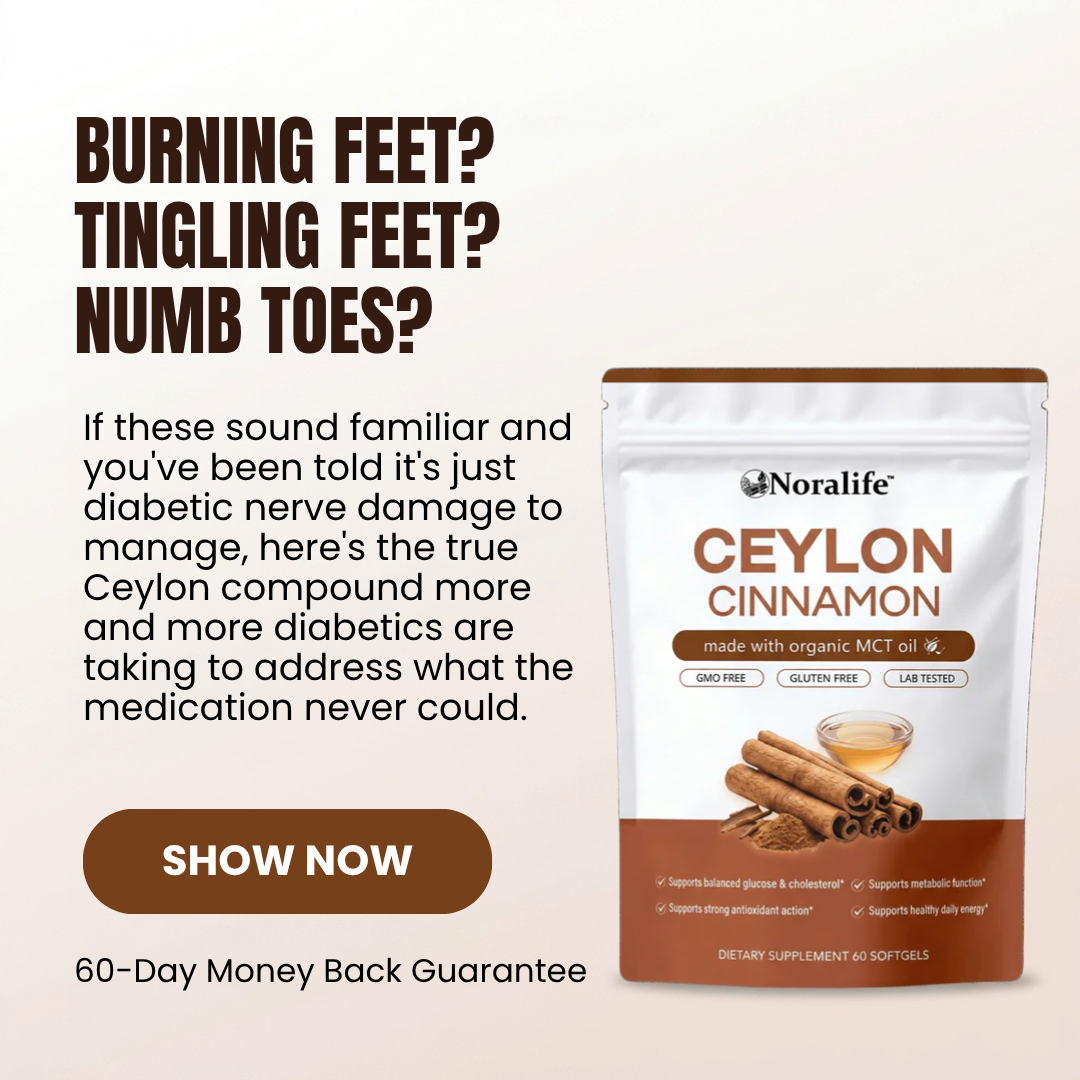
I'm a German cardiologist. My LDL hit 174 and I refused to take the statin I prescribe every day. Here's what I did instead. ⠀ My name is Dr. Klaus Bauer. I am 56 years old. ⠀ I have been a practicing cardiologist for 22 years. High cholesterol is one of the most common things I treat. ⠀ I spent the first 18 years of my career in Munich. I trained under some of the strictest cardiologists in Europe. In Germany we did not hand a patient a statin in the first 15 minutes of a consultation. We asked why the vessel lining had stopped functioning before we ever lowered the number the vessel lining was reacting to. ⠀ Then, four years ago, my wife's company transferred her to Boston, and I moved with her. ⠀ I joined a good practice. Good doctors. Colleagues I still respect. ⠀ But I want to tell you what happened to my own body in those first three years in America, because that is why I am writing this. ⠀ I did not think of myself as vulnerable. ⠀ I was 52 when I arrived. Fit for my age. Normal LDL. No family history of cardiac disease that concerned me. My father is 84 and still walks two kilometers a day in Bavaria. ⠀ I moved into a country where the food is not the food I grew up with. ⠀ The bread has sugar in it. The chicken at the grocery store has sugar in the marinade. The salad dressings have sugar. The cereal my kids ate on weekends. The condiments in every restaurant. Even the yogurt, which in Germany is plain, is sweetened here by default. ⠀ The portions are larger. The oils are cheaper. The processing is heavier. I found myself eating in restaurants three or four evenings a week because my wife and I were both working long hours in a new city and it was easier than cooking. ⠀ I gained sixteen pounds the first year without noticing. ⠀ My annual bloodwork the second year showed my LDL had climbed from 118 to 154. My total cholesterol from 189 to 231. My triglycerides had jumped from 92 to 178. My fasting glucose had drifted from 88 to 102, which in America is barely worth mentioning, but I noticed. ⠀ I told myself I would fix it. Cut back on eating out. Get back to the gym. I did both. Not perfectly, but I did. ⠀ My third-year labs came back worse. ⠀ LDL 168. Total cholesterol 246. Triglycerides 218. Fasting glucose 108. ⠀ I sat in the chair, the patient's chair, not the doctor's, and I heard the exact conversation I had had with hundreds of my own patients over 22 years. ⠀ My colleague wanted to start me on atorvastatin, 20 milligrams. He said we would recheck in twelve weeks and add more if my numbers had not moved enough. ⠀ He did not ask what my diet had looked like over the last three years. He read the number on my chart and he reached for the prescription pad. ⠀ In Germany I would not have done that in the first 15 minutes of a consultation. I would have looked at the whole picture before I ever reached for a drug that lowers the symptom without touching the cause. ⠀ I told him I would think about it. ⠀ I was not going to take it. ⠀ I prescribe statins every week in this country. I have to. It is the standard of care. But I know what the drug does. I know the mechanism cold. And I also know what it does to people over 20 years on it. ⠀ The muscle aches that never go away. The fatigue people blame on their age. The joint pain. The cognitive complaints my patients bring me and I have nothing to offer them for. ⠀ And I know what a statin cannot do. ⠀ It cannot heal the vessel lining that has already been damaged. It only lowers the supply of new cholesterol coming out of the liver. The number on the chart drops. The damaged endothelium underneath keeps deteriorating. That is why so many of my long-term statin patients still end up with rising blood pressure, stiffening arteries, and eventually cardiac events. ⠀ Their statin managed their number. It never touched the disease. ⠀ I was not going to do that to my own body. ⠀ Then six weeks later my repeat lipid panel came back. LDL 174. Total cholesterol 258. My highest ever. ⠀ I sat at my kitchen table with the printout in front of me and I felt something I had not expected. ⠀ Not medical concern. ⠀ Fear. ⠀ Because I know exactly what those numbers mean. I know what they become if you ignore them. And I know what the standard American cardiovascular protocol does over the next 20 years to the man who takes his statin every morning and watches the damage spread anyway. Blood pressure creeping. Chest tightness on the stairs. Coronary calcium score climbing at every scan. Then the heart attack nobody saw coming. ⠀ I was not going to be that man. ⠀ This time I was going to do it properly. Every recommendation I had given a patient over 22 years, I gave to myself. ⠀ I cut my eating out to once a week. I stopped drinking anything sweetened. I went back to the way I ate in Germany. Simple bread, fish, vegetables, real yogurt, my one glass of wine at dinner. ⠀ I got back into the gym six mornings a week. Zone 2 cardio, some weights, an hour a session. ⠀ I dropped 14 pounds over four months. ⠀ My numbers moved a little. LDL from 174 to 162. Total cholesterol from 258 to 241. ⠀ Not enough. Not close to where they needed to be. ⠀ I remembered from my training in Germany that there was European research on cinnamon. There were German cardiology papers I had read in my residency about it repairing the endothelial lining and reducing daily blood sugar spikes. ⠀ I bought some cinnamon capsules from Amazon. One of the top-rated ones. Took two a day for eight weeks. ⠀ Nothing moved. ⠀ I tried a different brand. Six weeks. Same result. ⠀ I concluded my body was simply too far along in the process for cinnamon to make a meaningful difference at my dose. That was my medical conclusion. ⠀ I was wrong about why. ⠀ About six months ago, one of my long-term patients came in for a follow-up. ⠀ He is 64. High cholesterol for over a decade. Total cholesterol had been sitting at 248. LDL at 168. On a statin since his diagnosis. His previous cardiologist had been recommending a PCSK9 inhibitor. He had come to me for a second opinion four months earlier and I had given him the same conversation I always give. ⠀ I pulled up his chart and stopped. ⠀ His total cholesterol had come down to 194. His LDL to 118. Triglycerides down 74 points. ⠀ I asked him if he had adjusted his medications. He had not. ⠀ I asked him what he had changed. ⠀ He reached into his coat pocket and set a small bag on my desk. ⠀ Ceylon cinnamon softgels. ⠀ "I did not want to bother you with it, Doctor. I know you probably think supplements are a waste of time. But my daughter kept sending me research and my wife found this brand and my numbers started moving. So I stayed on it." ⠀ His chart was right in front of me. And I knew him well enough to know he was not fabricating his numbers. His labs had been drawn the same week at the same lab where his previous ones were drawn. ⠀ He said: "The regular ones do not work, Doctor. The one at the drugstore, the one on Amazon. You have to get the one where they DNA-verify it and put it in an oil. My wife tested three different bags before she found this one." ⠀ I thanked him. I told him to keep doing what he was doing. ⠀ That night I sat at my kitchen table with my laptop and I went back through the research the way I should have four months earlier. ⠀ Here is what I found. And here is what I want you to understand, because I did not fully see it until that night. ⠀ High cholesterol is not really a cholesterol problem. The high LDL is the symptom. The real problem is that after years of chronic inflammation from modern processed foods and daily blood sugar spikes from refined carbs, the inside lining of your arteries, the endothelium, starts to fail. The lining that is supposed to be smooth and non-reactive becomes rough and inflamed. The nitric oxide production that keeps your vessels relaxed and open drops. ⠀ Your arteries stop being smooth. Damaged. ⠀ And once the lining is damaged, every LDL particle floating past gets caught on the damaged spots. It gets pulled into the vessel wall. It oxidizes. Turns rancid. Your immune system responds to it as damage. Plaque forms. And with every heartbeat, your vessels stiffen and start filling with plaque, and eventually rupturing into the heart attack that kills you. ⠀ That damaged endothelium is what causes every cardiovascular complication. Not the LDL. The damaged endothelium. ⠀ The statin my colleague wanted to prescribe me would have lowered my LDL. It would have done nothing to heal the damaged endothelium underneath. Lowering the supply does not heal the lining. It just hides how damaged it is. ⠀ Your compliance is not the problem. The protocol treating your compliance as the solution is. ⠀ I went back to the research on cinnamon at 1 AM in my kitchen and I understood what I had missed the first time. ⠀ There are two compounds in true Ceylon cinnamon. Cinnamaldehyde and MHCP. ⠀ Cinnamaldehyde is the compound that gives cinnamon its smell. Peer-reviewed research documented it directly repairing the vessel lining that had stopped producing nitric oxide. The endothelium that had stopped functioning started repairing again. The LDL trapped in the vessel walls finally gets flushed out and processed by the liver the way it was designed to. ⠀ The cholesterol is what is stuck. The endothelium is the lock. Cinnamaldehyde is the only natural compound documented to bypass the broken vessel lining and repair it directly. ⠀ And MHCP, from the same plant, does the second job. It reduces the daily blood sugar spikes that keep damaging the vessel lining meal after meal. Because here is the part almost nobody names. It is not just the LDL grinding on the lining. It is the sugar spikes from every carb-heavy meal, damaging the endothelium faster than it can repair itself. ⠀ Two compounds. From one plant. One heals what is broken. The other stops the daily damage from adding to it. ⠀ Then I understood why the Amazon capsules had done nothing for me. ⠀ Ninety percent of what is sold as cinnamon in America is not even true Ceylon. It is cassia. Cinnamomum cassia. A completely different tree from China. The compounds your vessels actually need to heal are barely present in it. And cassia contains coumarin, a compound that damages the liver at daily doses. The European Food Safety Authority documented this years ago. As little as a quarter teaspoon per day pushes daily coumarin intake past safe limits. ⠀ So the cheap cinnamon most patients buy to support their heart is actually damaging the organ that regulates the cholesterol they are trying to lower. ⠀ And even when the product is real Ceylon, it is usually in a dry capsule or powder form. Which is also a problem. The active compounds are fat-soluble. They have to be carried into your bloodstream by a fat. A dry powder has no carrier. So the compounds reach your gut, find nothing to transport them across the cell wall, and pass straight through you. ⠀ The two brands I had already tried failed for one reason or the other. Or both. ⠀ I needed a brand that had real Ceylon, DNA-verified at the species level, concentrated to match the clinical trial doses, and suspended in a fat that could actually deliver it. ⠀ I picked up my phone and I texted my patient at 1:30 AM. He replied the next morning with the brand. ⠀ NoraLife. ⠀ I called the company directly before I ordered. That is how I was trained in Germany. You do not put your name behind a supplement the way you would not put your name behind a medication. You verify the source. You read the lab work. ⠀ I asked for the Certificate of Analysis. I asked for the DNA verification at the species level. I asked about the concentration and the carrier oil. I asked about coumarin levels. They sent me everything within the day. ⠀ DNA-verified Cinnamomum verum, sourced directly from Sri Lanka. Concentrated 12 to 1 to match the dosing in the published research. Suspended in organic MCT oil, which is the carrier the compounds need to actually cross the cell wall. Third-party tested per batch. Made in the USA. No fillers. ⠀ That was the brand I ordered. ⠀ I started the following Monday. Two softgels with breakfast. That was the whole protocol. ⠀ Week 1. Steady energy through the day. The post meal crashes I had was gone within four days. ⠀ Week 2. Sleeping through the night without waking up short of breath. ⠀ Week 4. The chest tightness I had been noticing when I took the stairs at the hospital had cleared. Week 6. My cravings for anything sweet after dinner had gone quiet. The bloating I used to feel after a heavy meal was not showing up anymore. And I had dropped four pounds without changing anything in what I was already doing. ⠀ Week 12. My lipid panel, measured for the first time after the full 12 weeks, came back with total cholesterol 176 and LDL 108. Down from 258 and 174 four months earlier. Triglycerides down 108 points. Fasting glucose 89. My blood pressure at that visit was 124 over 76. ⠀ My colleague measured them again to be sure. ⠀ "Klaus. What did you do?" ⠀ I told him. The patient in the coat pocket. The kitchen table at 1 AM. The Ceylon Cinnamon. The two compounds. The endothelium. ⠀ He wrote it down. Every word. ⠀ I did not need the statin. ⠀ In Germany, this is where we start. Not with escalating medications. With the vessel lining. ⠀ I share this because I have spent four years quietly frustrated by what I see in this country. ⠀ Patients who came to me after years of being told to be patient while their LDL climbed and their coronary calcium scores rose. Patients who felt like they were failing. Like their bodies were betraying them despite perfect compliance. ⠀ They were not failing. The protocol was failing them. ⠀ American cardiology training focuses on statin escalation and increasingly on PCSK9 inhibitors. Endothelial repair protocols, addressing the actual vessel damage, are not part of standard training here. Most American cardiologists graduated before this research was emphasized in the European literature. They practice what they were taught. That is not a criticism. It is simply where the knowledge gap sits. ⠀ But the research exists. And you do not have to wait for your doctor to find it. ⠀ I have quietly recommended NoraLife to fourteen of my own patients since then. The ones who ordered have all come back with better numbers. ⠀ One man, 58, been on atorvastatin for eight years, came back with his LDL down from 152 to 104 and his total cholesterol down from 238 to 176. He had been stuck for years on medication. ⠀ He said: "Doctor. I feel like I got some years back." ⠀ I think about the man I was becoming in my first three years in America when he says that. The one who was on the same road as the patients I had been treating. ⠀ ======== ⠀ Here is what I wish someone had told me sooner. ⠀ The Ceylon cinnamon research is real. But most of what is on the shelf is the wrong plant, in the wrong delivery, at the wrong dose. Cassia in a dry capsule at 500 milligrams is not what the research used. It is why so many patients tell me they tried cinnamon and it did nothing. ⠀ NoraLife is DNA-verified Cinnamomum verum, sourced directly from Sri Lanka. Concentrated 12 to 1 to match the exact dose in the published research. Suspended in organic MCT oil so the fat-soluble compounds actually reach the bloodstream. Third-party tested per batch. Made in the USA. No fillers. ⠀ That is the difference. ⠀ I wasted three months on two brands that were never going to work. If my patient had not set that bag on my desk, I would still be managing a number that was slowly grinding toward what my colleagues call "well-controlled" while my endothelium kept deteriorating underneath. ⠀ If you have been on a statin for years and your LDL is creeping up. If you have added blood pressure medication and watched your numbers stall. If you have been told your cholesterol is well-controlled but your energy is dropping and your chest tightens on stairs that never used to bother you. ⠀ The answer is not to escalate the medications. ⠀ It is to heal the vessel lining your medications were never designed to reach. ⠀ I have no financial relationship with NoraLife. I recommend it because the mechanism is sound, the research supports it, and I have seen it work. In my own labs and in my patients' labs. ⠀ 60-day money-back guarantee. Two softgels with breakfast. No prescription. ⠀ You have spent years doing what you were told. ⠀ It is time to address what you were never told. ⠀ Your body is not failing you. The protocol treating your compliance as the problem is failing you. The damaged endothelium is the barrier. Heal the lining. ⠀ 👉 https://secure.trynoralife.com/noralife-chl-lis-us ⠀ ~ Dr. Klaus Bauer, MD, Cardiology, 22 years ⠀ P.S. My most recent panel four weeks ago showed LDL 96. Total cholesterol 168. Triglycerides down 132 points from where they were at my third-year labs. I never filled the statin. Every one of my numbers came down without it. ⠀ P.P.S. Please do not go and buy cheap cinnamon off the shelf or off Amazon and believe you have done the same thing I did. Almost all of it is cassia, and the coumarin in cassia damages your liver at daily doses. Twenty of those capsules do not add up to one softgel of the real DNA-verified Ceylon in the right delivery. ⠀ 👉 https://secure.trynoralife.com/noralife-chl-lis-us
German Cardiologist Refuses His Statin
Why I Threw Out Every Other Cholesterol Supplement for These 100% True Ceylon Cinnamon Soft Gels in 2026 (And Why You Should Too)
LEARN MORELike this ad? Make it yours.
Crush rebuilds this exact creative around your product — your brand, your colors, your offer — in about a minute.