Gut Health Insider
Gut Health Insider Facebook ad: “Read this if you're sick of being bloated”
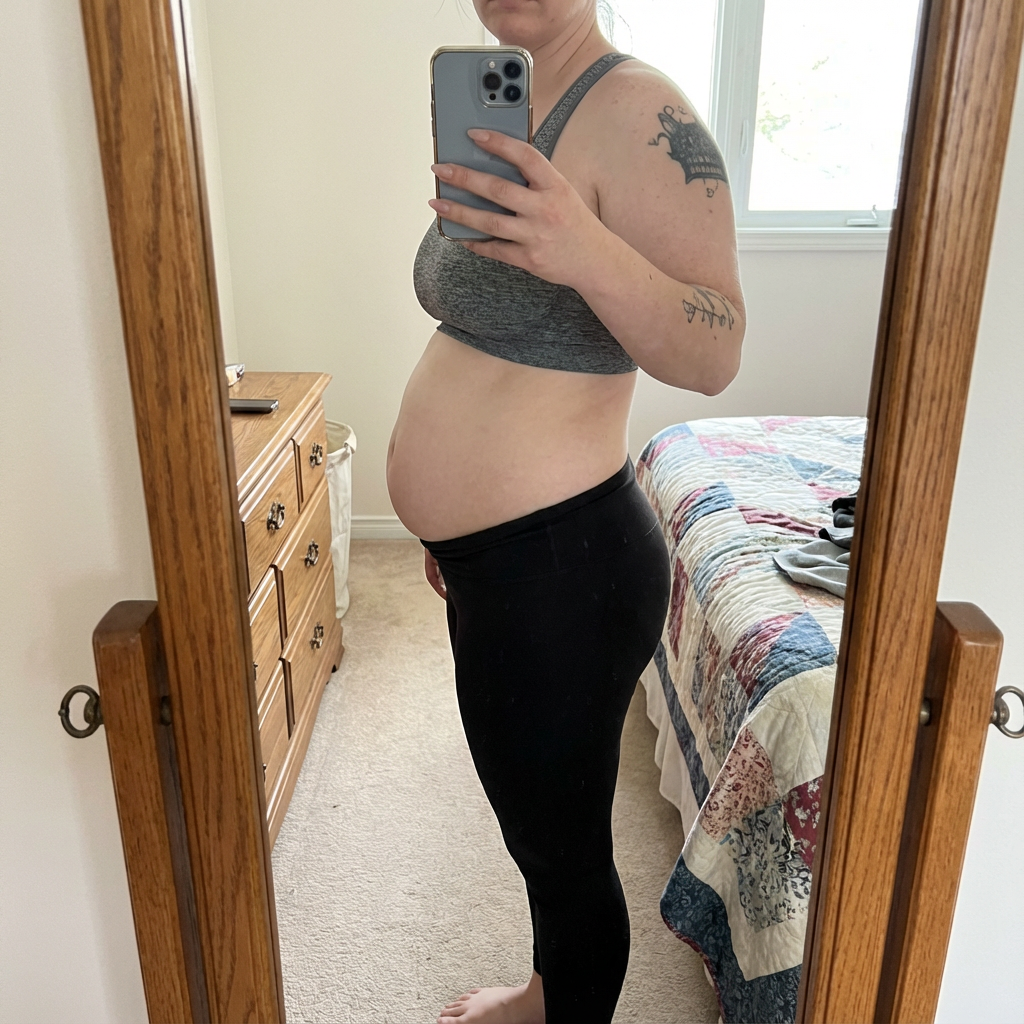
Ran for 48 days, from January 16 to March 5, 2026, the last day Crush saw it.
Run by Gut Health Insider on Facebook. Crush is not the advertiser and does not verify its claims. See this ad in Meta's Ad Library(opens in a new tab)
Want an ad like this for your product?
Crush makes new ad images for your product from this ad: your logo, your product photo, your offer.
Trials from $19.95 USD, then $79.95 USD a month. Cancel anytime.
About this ad
- Meta Ad Library ID
- 2912803228914289
- Platforms
- Facebook, Instagram, Audience Network, Messenger and Threads
- Relaunches
- 0
Ad text
The gastroenterologist looked at my chart, then at me, then back at my chart. "You've had bloating for... three years?" he asked. "Every single day," I said. "By evening, I look six months pregnant." He nodded like he'd heard it a thousand times before. "IBS," he said, already writing in my chart. "Very common. We can manage symptoms with—" "I've tried managing symptoms," I interrupted. "Low FODMAP. Digestive enzymes. Probiotics. Everything." He looked up. "And?" "They work for a week or two. Then stop." He set down his pen. "That's interesting," he said. "Usually if FODMAP works initially, it keeps working. What exactly happens?" I pulled out my phone and showed him photos. Me in the morning — flat stomach, normal. Me at 6pm the same day — looking pregnant. "This is every day," I said. "Regardless of what I eat." He stared at the photos for a long time. "Have you ever been tested for gut barrier dysfunction?" he asked. I blinked. "For what?" "Intestinal permeability. The integrity of your gut lining." I'd had endoscopies, colonoscopies, breath tests, blood panels. No one had mentioned gut barrier. "What does that have to do with bloating?" I asked. He pulled up a diagram on his computer. Showed me the tight junctions between intestinal cells. "When these break down," he said, pointing, "partially digested food and bacterial components cross into your bloodstream. Your immune system treats them as foreign invaders. Launches an inflammatory response." "That causes bloating?" "That IS bloating. The visible distension you're seeing? That's inflammation. Your abdomen filling with inflammatory fluid in response to what your immune system perceives as an invasion." I sat back. Three years. Multiple doctors. No one had explained it like this. "FODMAP works temporarily," he continued, "because you're reducing fermentable carbs. Less fermentation means fewer bacterial byproducts trying to cross the barrier. But you're not fixing the barrier itself." "So eventually even 'safe' foods trigger it," I said slowly, "because the barrier is still broken." "Exactly. Your immune system reacts to anything crossing that damaged barrier. It doesn't matter if it's a FODMAP or not." "Why does it get worse throughout the day?" "Cumulative inflammatory response. Every time you eat, more particles cross the barrier, more immune activation, more inflammation. By evening, you've had three or four meals triggering the response. Maximum inflammation. Maximum bloating." It made perfect sense. It explained everything that elimination diets couldn't explain. "How do you fix the barrier?" I asked. "Repair the tight junctions. Reduce the permeability. There are specific compounds that do this — immunoglobulins, growth factors. They literally heal the gut lining." He wrote something on a piece of paper and handed it to me. "This isn't a prescription," he said. "It's a suggestion. High-quality colostrum. At least 25% immunoglobulin content. It's one of the richest sources of the compounds that repair intestinal tight junctions." I looked at the paper. "Colostrum? Like... for babies?" "Bovine colostrum. It's used therapeutically for gut repair. The research is solid. Growth factors, immunoglobulins, lactoferrin — all compounds that specifically target barrier integrity." "Why didn't anyone mention this before?" He shrugged. "Most doctors treat IBS as a diagnosis, not a symptom of something deeper. We manage symptoms. We don't often look at barrier function." "But you do." "I've seen too many patients like you. Perfect diet, trying everything, nothing works long-term. Usually it's the barrier." I left that appointment with the piece of paper and, for the first time in three years, actual hope. Not hope that I'd found another temporary fix. Hope that someone had finally identified the actual problem. I found a colostrum supplement that met his specifications. 25% IgG. Grass-fed. Third-party tested. I didn't tell anyone I was trying it. I'd gotten everyone's hopes up too many times before. The first week, I didn't notice much. Maybe slightly less bloating in the afternoon, but I wasn't sure. Week two, I realized I'd made it to 4pm without changing pants. That was unusual. Week three, I had a full day — morning to evening — where I looked normal. Not flat exactly, but normal. Not pregnant. I thought it was a fluke. But it happened again. And again. By week five, my husband said, "You look different lately. Less... puffy." I'd been tracking it. Taking photos. The difference was undeniable. Morning me and evening me looked the same. For the first time in three years. Last week, I had dinner with friends. Evening plans. Something I'd avoided for so long because I knew how I'd look by 7pm. I wore fitted jeans. Ate a normal meal. Didn't have to excuse myself to loosen my pants or sit strategically to hide my stomach. One of my friends said, "You seem so much more relaxed lately." I wanted to say: I'm not hiding anymore. I'm not planning my life around bloating. I'm not carrying three sizes of pants in my car. But I just smiled and said, "I feel good." The truth is, I spent three years eliminating foods, restricting my diet, trying to identify triggers that didn't exist. The trigger was a broken gut barrier. Every food became a problem because particles were crossing into my bloodstream that shouldn't be there. And that gastroenterologist was the first person who asked the right question: "Have you been tested for gut barrier dysfunction?" No one else had asked. Everyone else gave me the IBS label and told me to manage symptoms. But he looked deeper. And that made all the difference. If you've tried every elimination diet and nothing works long-term... If foods that were "safe" suddenly aren't... If you're bloated regardless of what you eat... Maybe it's not the food. Maybe it's the barrier. Because mine was broken. And once I fixed it, I stopped looking pregnant every night. That's not symptom management. That's actual healing. And it started with one doctor asking the question no one else thought to ask.
Where the ad sends people
resupplements.co
Read this if you're sick of being bloated ☝️
"They're trying to silence us because we've made their entire symptom-management business model WORTHLESS overnight..." - These words stunned the crowd as Dr. Michael Torres unveiled what's now being called "THE BREAKTHROUGH THAT'S BANKRUPTING THE PROBIOTIC INDUSTRY."
Learn more: resupplements.co(opens in a new tab)