NovelTime-Hidden Chapters
 Facebook ad: “Book ID: 42886 Read more”
Running for 12 days since October 26, 2026. Crush last saw it on November 7, 2026.
Run by NovelTime-Hidden Chapters on Facebook. Crush is not the advertiser and does not verify its claims. See this ad in Meta's Ad Library(opens in a new tab)
Make your own version of this ad
Crush makes it, launches it in your own Meta ad account, scales the winners and pauses the losers.
About this ad
- Meta Ad Library ID
- 29212889935010686
- Platforms
- Facebook, Instagram, Audience Network and Threads
- Relaunches
- 1
- EU reach
- 3
Ad text
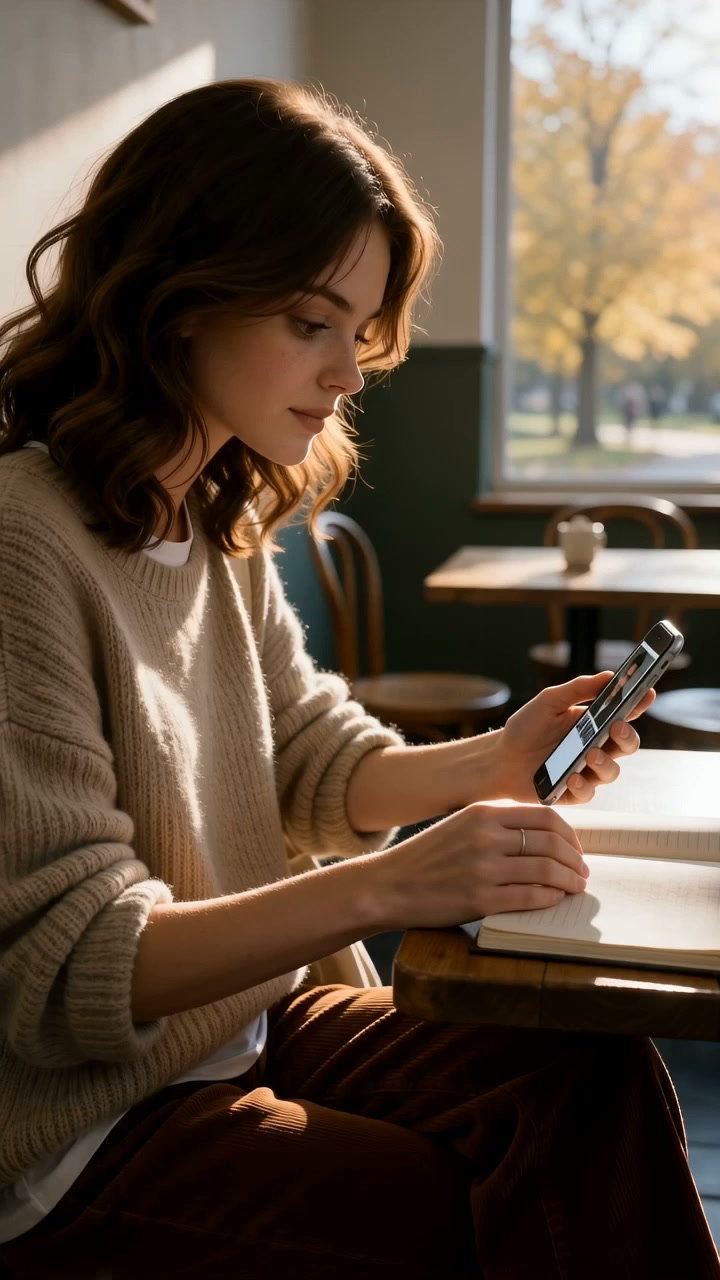
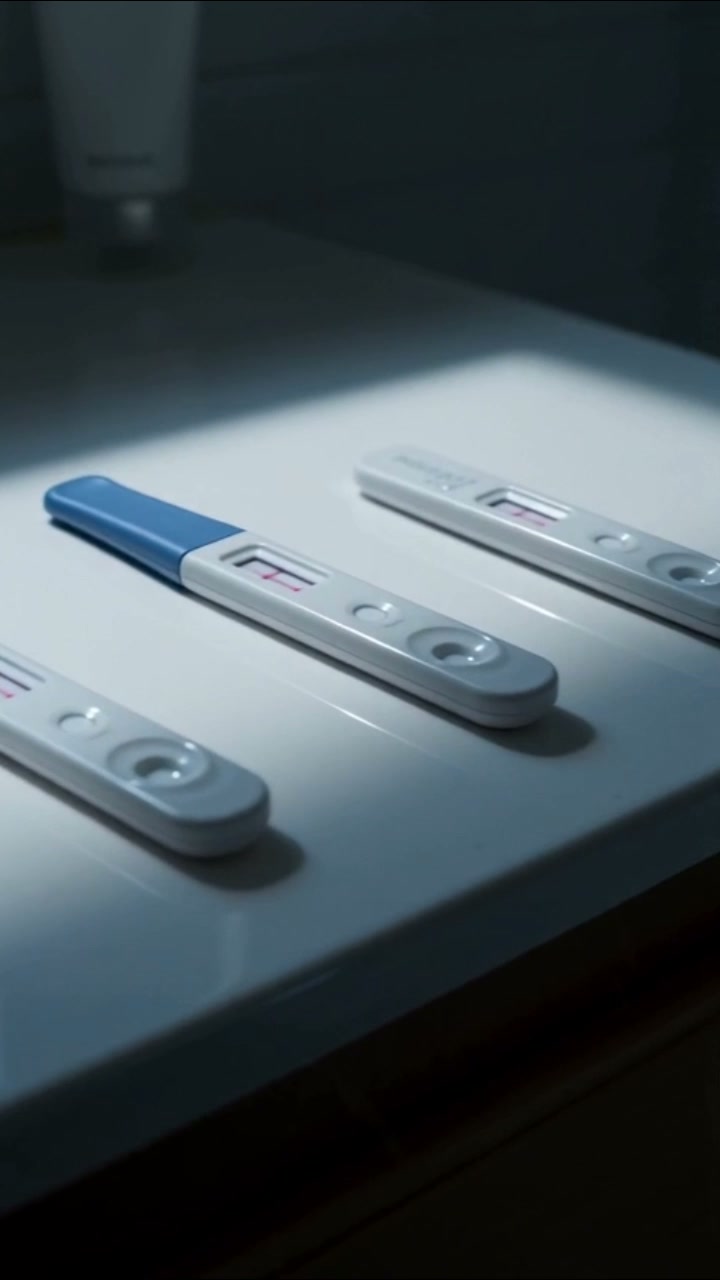
I sketched a stranger in a Central Park café. Seven minutes. One pencil. My hands wouldn't stop shaking. He sat perfectly still. He told me my drawing was good — but the eyes weren't quite right. Three days later, I ran into him at a gallery opening. We talked for hours. I drank too much champagne. I went home with him. I never asked his name. I didn't need to — I already knew exactly who he was. The watch on his wrist confirmed it. There was only one like it in the world. I left before he woke up. Left a note. Told him not to look for me. Two months later, two pink lines on a plastic stick. I tried everything — DMs, emails, voicemails. Nothing came back. So I did it alone. Five years. Late shifts and cold apartments and a little boy with gray-blue eyes that looked nothing like mine and everything like his father's. Then my cousin got me a spot in a New York art exhibition. I walked into the opening reception and heard a name I didn't recognize — attached to a face I'd never forgotten. Same jaw. Same eyes. Same man. Wrong name. He saw me. Then he saw the boy holding my hand. His face cracked open. Six years. Everything I believed — who I slept with, who I wrote to, who ignored me — all of it was wrong. No one lied to me. I just never asked the one question that mattered. Now he wants answers. He wants his son. And he's offering me a deal that looks like a marriage but reads like a contract. The man I left that note for doesn't exist. The man standing in front of me is a stranger. And I just agreed to marry him. Chapter 1: Sketch I recognized him the second he walked into the café. My thumb was still on the phone screen — Liam Howard's face, popping up on my Instagram explore page the way famous people do when you're not looking for them. A sports magazine interview clip, all sharp jaw and gray-blue eyes. I didn't follow tennis. I didn't follow sports at all. But the algorithm knew a good face when it saw one, and so did I. I looked up, and the same face was standing at the counter, ordering a black coffee like a normal person. My hands started shaking. I put the phone down and pressed my palms flat on the sketchbook. He was taller than I expected. Dark brown hair, pushed back but not styled. A plain black sweater, sleeves rolled up. He looked expensive without trying. No entourage, no sunglasses indoors, none of that celebrity nonsense. Just a man getting coffee on a Tuesday afternoon in Central Park. I watched the way he stood — weight on one leg, shoulders a little tense, like he didn't want to be noticed. That was strange. Liam Howard was famous for loving attention. Every interview, every post-match wave to the crowd. But this man stood like he was trying to take up less space. He got his coffee and turned. His eyes swept the room. They landed on me for half a second, then moved on. I should have let it go. But I'm an illustrator. I draw faces for a living. And his face was the kind that made your pencil itch. "Excuse me," I said, standing up before I could talk myself out of it. "I know this is weird, but — can I sketch you? Five minutes." He looked at me. Not the quick, dismissive look you get from busy people. A real look. Like he was deciding something. "Why?" he said. "Because your bone structure is incredible." It came out more honest than I meant it to. Something shifted in his expression. Not quite amusement, not quite curiosity. He pulled out the chair across from me and sat down. "Five minutes," he said. I opened my sketchbook and picked up my pencil. My hands were still trembling, but once the graphite hit paper, the lines came out clean. That's the thing about drawing — my body knows what to do even when the rest of me is falling apart. He sat still. Most people fidget, look at their phone, ask to see the progress. He just watched me draw him, his coffee untouched. That gaze was steady and heavy. I felt it on my skin the whole time. I glanced at his wrist when he shifted — an Audemars Piguet. The Wimbledon commemorative edition. I'd seen it in a magazine article about Liam Howard — only one in the world, made to celebrate his championship win. That settled it. This was Liam Howard. It took me seven minutes, not five. He didn't seem to mind. I tore the page out carefully and slid it across the table. He leaned in and studied it for a long time. Longer than people usually look at a quick sketch. "You're good," he said. Then: "But the eyes aren't quite right." "What do you mean?" He didn't explain. Just looked at the sketch, then at me, and something in his expression closed off. Like a door shutting quietly. His phone buzzed. He glanced at it, stood up. "Thank you for the coffee break," he said. And then he was gone. Out the door and into the October sunlight, disappearing down the path like he'd never been there at all. I sat there with the sketch in front of me, my heart still pounding. He hadn't asked my name. I hadn't asked his. But I knew who he was, and that was enough. I looked down at the drawing again. The jaw was right. The mouth was right. The way his hair fell across his forehead — right. But the eyes. I'd drawn them warm. Open. The way Liam Howard looked in every interview, every press photo — that easy, golden-boy warmth. The man who'd just sat across from me didn't have warm eyes. His were deeper. Darker. Like water that looked calm on the surface but went down much further than you expected. I'd drawn the wrong eyes on the right face. I told myself it didn't matter. I closed the sketchbook and finished my cold coffee. But all the way home on the subway, I kept thinking about it — the way he'd said "the eyes aren't quite right," like he'd seen the difference too but wouldn't tell me what it was. Chapter 2: The Party Three days later, Grace dragged me to an Upper East Side gallery opening. "You need to network," she said, handing me a glass of champagne. "You've been in New York for two weeks and the only person you've talked to is the guy at the bodega." Grace was my cousin, but she acted more like a big sister. She worked as a sommelier at a high-end restaurant in Tribeca, and she knew everyone. Or at least she knew how to walk into a room like she did. I was wearing a black dress I'd bought at a thrift store in Portland. It fit fine. Grace had lent me earrings worth more than everything else I was wearing combined. The gallery was all white walls and track lighting. Abstract pieces that looked like someone had sneezed in expensive paint. I was trying to figure out if one of them was hung upside down when I saw him. Same face. Same height. Same dark hair. He was standing near the bar with a glass of whiskey, talking to a man in a gray suit. He wore a navy blazer tonight, no tie, and he looked like he belonged in this room in a way I never would. Then he looked up and saw me. He said something to the man beside him and walked over. My stomach dropped. "The illustrator from the café," he said. "You remember." "You drew me. That's hard to forget." Grace appeared at my elbow, looked at him, looked at me, and her eyes went wide for just a second. Then she gave me a barely-there nod and said, "I'm going to go talk to the caterer about their terrible wine list." She disappeared into the crowd. He and I stood there with our drinks. The gallery hummed around us. "Do you like any of these?" I asked, nodding at the walls. "The one near the entrance. The blue and gray composition." I blinked. "That's a Richter." "I know." "Most people walk right past it." "Most people are looking for something that screams at them. That one whispers." That was not something I expected a tennis player to say. I'd imagined Liam Howard would talk about sports, training schedules, maybe cars. Not Gerhard Richter. Not the difference between art that screams and art that whispers. "You know a lot about art," I said, and it came out more surprised than I intended. He looked at me sideways. "Is that strange?" "No. It's just — not what I pictured." "What did you picture?" I took a sip of champagne instead of answering. He didn't push. We talked for an hour. Then two. He knew about Francis Bacon and Lucian Freud. He had opinions about color theory that would have impressed my professors. He spoke carefully, choosing each word like he was placing it on a scale, and every sentence was precise but not pretentious. The champagne kept coming. I stopped counting after my fourth glass. "You look at people differently than I expected," I told him at some point. The room was getting blurry at the edges. "Quieter. Deeper." He turned to face me fully. Those gray-blue eyes, up close, in the low gallery light. "Is that good or bad?" he asked. "I don't know yet." We were standing closer than before. I didn't remember moving. The gallery was emptying out, conversations dying down, heels clicking toward the exit. His sleeve brushed my arm and neither of us stepped back. I'd had too much to drink. I knew that. The champagne made everything soft and warm, and this man — this familiar stranger with the wrong eyes and the right words — made me feel like I was standing at the edge of something. "I should go," I said. "Probably," he said. Neither of us moved. Grace was gone. The room was almost empty. And all those careful walls I'd built — the ones that kept me sensible, the ones that reminded me I was a nobody from Maine with student debt and paint under my fingernails — they were dissolving like sugar in hot water. I leaned toward him. Toward a man I thought I knew. Toward a stranger wearing a familiar face. Chapter 3: Out of Control I don't remember everything. That's the honest truth. I remember leaving the gallery. His hand on my lower back, guiding me through the door. Cool night air on my face, and then a car — black, quiet, leather seats. I remember kissing him first. In the back seat, my fingers gripping the front of his blazer. He went still for a second — completely still, like I'd surprised him. Then his hand came up to the side of my face and he kissed me back, and it was nothing like I expected. Not gentle. Not polished. Hungry, like something had snapped inside him. I remember a hotel room. High floor. City lights through tall windows. He pressed me against the door the moment it closed, his mouth on my neck, my collarbone. His hands pulling the zipper of my dress down in one slow, deliberate motion, like he was unwrapping something he'd been thinking about. My dress hit the floor. I was standing in front of him in nothing but Grace's borrowed earrings and plain black underwear. He looked at me — not my body, my face first. Like he was checking if I was sure. I pulled him closer by his belt. After that, fragments. His shirt coming off and the hard, flat plane of his stomach under my palms. The cool sheets against my back. His weight settling over me, his mouth everywhere — my throat, my breasts, the dip of my waist. I arched up against him and made sounds I didn't recognize. He took his time. That was the thing I remembered most clearly. He wasn't rushed or sloppy. He touched me like he was studying me, learning the places that made me gasp, and when he found them he went back to them again and again until I was shaking. When he finally pushed inside me, I dug my nails into his shoulders and he made a low sound against my neck that shot straight through me. We moved together, slow at first, then harder, and I wrapped my legs around him and pulled him deeper. He held my wrists above my head at some point, both of them in one hand, and looked down at me. Those dark eyes in the half-light. I came apart beneath him, shaking, breathless, holding on to him like he was the only solid thing in the room. Afterward, more. In the shower, my back against the tile, water running down both of us while he lifted me up and I locked my ankles behind his back. Then in bed again, slower, my body on top of his, his hands gripping my hips, both of us past the point of pretending this was casual. I fell asleep with my head on his chest. His heartbeat was steady and slow under my ear. I woke up at five in the morning. The room was gray with early light. He was asleep beside me, one arm thrown over his face. The sheets were tangled around his waist and I could see the line of his hip, the bruise I'd left on his shoulder. Reality hit me like ice water. He was Liam Howard. A professional tennis player. Famous. Rich. The kind of person who dated models and actresses. And I was Ella Harper. A twenty-five-year-old illustrator from Maine who sold prints on Etsy and couldn't afford health insurance. I got out of bed as quietly as I could. Found my dress on the floor, my shoes by the door. The earrings were on the nightstand — I grabbed them and shoved them in my bag. I looked at him one more time. Asleep, his face was softer. Younger. The sharpness was gone. He looked like the man in the magazine photos again — or almost. I found a notepad on the desk and wrote fast, before I could change my mind: *Don't look for me. — Ella* I put the pen down. Picked it up again. Added a second line: *Liam, you look better in person than on TV.* I left the note on the bedside table, next to his watch — that one-of-a-kind AP Wimbledon edition that had convinced me I knew exactly who he was. Then I picked up my shoes and walked out barefoot, closing the door behind me without a sound. In the elevator, my reflection stared back at me — smudged makeup, messy hair, last night's dress. I looked like exactly what I was: a girl who'd just done something reckless with someone out of her league. The lobby was empty. The doorman didn't look at me twice. I walked three blocks before I put my shoes on. The concrete was cold under my feet and the city was just starting to wake up, garbage trucks and early joggers and the smell of coffee from somewhere. I didn't look back. I didn't know that on that bedside table, next to a watch that didn't belong to the man I thought it did, I'd left a note with the wrong name — and that one word would keep him from ever looking for me. Six years. Because I wrote "Liam" instead of asking him his name. Chapter 4: What the Note Didn't Say I was back in Maine for three days before Grace called. "So," she said. I could hear her restaurant in the background — clinking glasses, low conversation. She was probably in the walk-in cooler with the door cracked, the way she always took personal calls. "Are we going to talk about it?" "There's nothing to talk about." "You left a gallery opening with a man and didn't come back to my apartment until six in the morning. There's definitely something to talk about." I was sitting on my bed in my studio apartment, the one above the bookshop on Main Street. October rain against the window. My sketchbook was open to his face — the one I'd drawn in the café. I'd been staring at it for an hour. "It was a one-night thing," I said. "It's done." "With Liam Howard." "Yes." "The tennis player." "Yes, Grace." She was quiet for a second. Then: "You didn't ask him his name." "I didn't need to. I knew who he was." "You knew what he looked like. That's not the same thing." "The watch, Grace. The AP Wimbledon edition. There's literally one in the entire world. It's not like I matched him with some random Google image — I'd just read an article about him that afternoon. Same face, same watch. It was him." She sighed. That long, slow Grace sigh that meant she had more to say but was choosing not to. "OK," she said. "And now what?" "Now nothing. I go back to drawing. He goes back to — whatever tennis players do in October. We never see each other again." "You're sure about that." "I'm sure." Another pause. I heard someone knock on the cooler door, muffled, and Grace saying "One minute" in her work voice — calm, crisp, in control. "Fine," she said. "Just — if something comes up, you tell me first. Not Mom, not anyone. Me." "Nothing's going to come up." "Ella." "I promise. Nothing." I hung up and closed the sketchbook. Pushed it under a pile of illustration commissions I was behind on. A children's book cover for a small press in Vermont. A set of botanical prints for an Etsy order. Real work. My real life. I told myself to forget about it. The gallery, the champagne, the hotel room. The way his hands felt. The way he looked at me like I was the only thing in the room. All of it — a strange, beautiful accident that didn't belong in my ordinary life. Just pretend nothing happened. I was good at pretending. I'd been pretending my whole life — pretending I didn't mind being broke, pretending freelance illustration was a real career, pretending I didn't want more than a studio apartment in a town where the biggest event was the annual lobster festival. So I pretended. For two months. Then, on a Tuesday morning in December, I stood in my tiny bathroom and watched two pink lines appear on a white plastic stick, and pretending stopped being an option. Chapter 5: Two Lines I called Grace from the bathroom floor. "How late are you?" she asked. No hello, no what's wrong. She heard my voice and knew. "About two months." "Have you taken more than one test?" "Three. All positive." Silence. I could picture her — standing in her Brooklyn kitchen, one hand on the counter, jaw tight, brain already running through logistics. "Do you want to keep it?" she asked. No judgment either way. That was Grace. I looked at the test in my hand. Two lines. Clear as anything. "Yes," I said. And I was surprised how fast the word came out. "OK," she said. "Then we keep it. First thing — prenatal appointment. I'll find you someone in Portland. You're not using that clinic in town, their reviews are terrible." "Grace —" "Second — insurance. You don't have any, so we're looking at Medicaid. I'll send you the application link tonight." "Grace." "What?" "Thank you." Her voice softened. Just a little. "That's what I'm here for." I tried to contact him. Of course I did. I found Liam Howard's official Instagram — eleven million followers, photos of tennis courts and sponsor events and sunlit European cities. I sent a DM. Polite, careful, not crazy-sounding. Something like: *We met in New York in October. I need to talk to you. It's important.* No reply. I found his management company's email on his website. Sent a longer message. Explained that we'd met at a gallery, spent the night together, and I was pregnant. I included my phone number. Nothing. I sent two more DMs over the next month. Tried his agency's general contact line and left a voicemail. Every message went into the void. Every single one of those messages went to the real Liam Howard. The actual tennis player — who had been in Switzerland the entire month I was in New York. He'd never met me. Had no idea who I was. His social media team probably flagged me as another delusional fan and moved on. Grace suggested a lawyer. "If he's the father, he has responsibilities. Legal ones." "And say what? Hi, I slept with a famous athlete, I don't have any proof, I didn't even ask his name, but here's a positive pregnancy test? They'll think I'm a stalker. Or worse." Grace pressed her lips together but didn't argue. She knew I was right. So I stopped trying. I deleted the DMs, archived the emails, and threw the agency's phone number away. If Liam Howard didn't want to know, then fine. I'd do this myself. Jamie was born on a Wednesday in July. Seven pounds, four ounces. A full head of dark brown hair and a scream that could be heard down the hall. When they put him in my arms, I looked at his face and saw a stranger. He didn't look like me. My hair was light brown, my eyes were hazel. Jamie had dark hair, and when he finally opened his eyes a few days later, they were gray-blue. Deep, serious gray-blue, the color of the Atlantic in winter. Grace came up from New York the day after he was born. She stood over the hospital bassinet and stared at him for a long time. "Damn," she said. "Doesn't look like you at all." "I know." She picked him up carefully, and he grabbed her finger. She looked at me with an expression I couldn't read. "He's got his father's eyes," she said. "Yes." She didn't say anything else about it. She stayed for a week, helped me set up the crib, stocked the freezer with meals, and held Jamie at three in the morning when I was too exhausted to stand. That was over five years ago. Jamie's first steps were on a Tuesday, ten months old, three wobbly steps from the couch to my knees. His first word was "more" — at dinner, reaching for applesauce. I drew him every stage: the round baby face thinning into a boy's, the gray-blue eyes getting more serious each year. I worked after he slept — midnight to three, sketchpad on the kitchen table, baby monitor glowing green beside it. The years blurred together — freelance deadlines and Etsy orders and farmers' markets on Saturdays, bedtime stories and ear infections and first days of school that came faster than I was ready for. All of it alone. Not because I wanted to be, but because the man I thought was Jamie's father didn't know Jamie existed, and the man who actually was his father didn't know I existed. Then Grace called. "Your work has gotten really good," she said. "Too good for farmers' markets and Etsy." "Thanks, I think." "There's an illustration exhibition in New York next month. Major galleries, publishers, agents — the real deal. I got you a spot." "Grace, I can't just —" "The main sponsor is the Howard Group. Big corporate money. They're funding everything — the venue, the catalog, the opening reception." My heart did something strange. A skip, a stutter. Howard. "That's a common name," I said. "It is," Grace agreed. "So. Are you coming or not?" I looked across the room at Jamie, who was lying on the floor drawing a dinosaur with a green crayon. Gray-blue eyes, dark brown hair. Five years old and already better at shading than some of my art school classmates. "Yeah," I said. "We're coming." Chapter 6: Back to New York Jamie pressed his face against the airplane window and didn't move for the entire descent. "Mom. Mom. That building is so tall. Mom, is that the ocean? Why are there so many cars? Do people really live here? All of them? Where do they put their dogs?" I leaned over him and looked out. Manhattan sprawled below us, steel and glass catching the late afternoon sun. I hadn't been back in six years. "Some of them live here," I said. "And their dogs live in apartments." "That's sad. Dogs need yards." "City dogs go to parks." He thought about this. "OK. That's acceptable." Grace was waiting at baggage claim. She looked exactly the same — dark hair in a low bun, red lipstick, leather jacket. She was the kind of woman who made everyone around her feel slightly underdressed. "There's my favorite nephew," she said, scooping Jamie up. "I'm your only nephew." "Which makes you my favorite by default. Smart kid." She kissed his cheek and set him down, then looked at me. "You look tired." "I've been traveling with a five-year-old for three hours." "Fair." She grabbed my suitcase and started walking. "Car's out front. I got you guys set up at my place — Jamie gets the guest room, you get the couch. It pulls out. It's not terrible." In the car, Jamie fell asleep within ten minutes, exhausted from the excitement. Grace drove through Queens toward Brooklyn, and I watched the city scroll past. "So," I said. "The exhibition." "Opens Friday night. Your pieces are already at the gallery — I had them shipped last week. You've got a good spot, near the entrance." "And the Howard Group?" "Main sponsor. They're funding the whole thing. You'll see their name on everything." "Do I need to meet anyone from —" "There's an opening reception Friday night. All the artists, all the sponsors, all the collectors. Yes, you need to be there. Yes, you need to smile and talk to people. No, you cannot hide in the bathroom." "I wasn't going to hide in the bathroom." "You were thinking about it." I was thinking about it. "Grace. Howard is a common name." She glanced at me. "Very common." "This is probably some corporate foundation with nothing to do with —" "Probably." "There are a million Howards in New York." "At least." We drove in silence for a minute. Jamie snored softly in the back seat. "But just in case," Grace said, "wear something nice." I didn't sleep well that night. Grace's pull-out couch was fine — the springs were only slightly aggressive. But my mind wouldn't shut off. I kept thinking about the name on the exhibition banners. Howard Group. It meant nothing. It was a coincidence. New York was full of Howards. Liam Howard was a tennis player, not a corporate sponsor. He didn't run a "group." He hit balls across a net for a living. I rolled over and stared at the ceiling. From the guest room, I could hear Jamie's slow, even breathing. Tomorrow night was the opening reception. I'd show my work, talk to publishers, maybe land a real contract. That was why I was here. Not because of a name on a banner. I closed my eyes and tried to believe that. Chapter 7: Grace's Secret Jamie went down at eight-thirty, worn out from a day of Central Park, subway rides, and the discovery that New York pizza was, in his words, "way better than Maine pizza, sorry Mom." Grace and I sat on her tiny balcony with a bottle of wine. Brooklyn spread out below us — brownstones and fire escapes and the distant glow of the Manhattan skyline. It was cool for early fall, and I pulled the blanket tighter around my shoulders. "How's the restaurant?" I asked. "Good. We got a write-up in Eater last month. The chef is insufferable about it, but business is up." "And your love life?" She made a face. "Next question." "That bad?" "The New York queer dating scene is a very small pool of very complicated women who all know each other. Last month I went on a date and it turned out she'd already dated my bartender and my sous chef. Separately." "Oh no." "Oh yes. We spent the whole dinner talking about Amy's commitment issues. It was actually kind of fun. We're friends now." I laughed. Grace swirled her wine and looked out at the skyline. "There is a situation, though," she said, almost to herself. Then she caught it and shook her head. "Never mind." "No, not never mind. What situation?" "A regular at the restaurant. He comes in twice a week. Harvard grad, works in finance or consulting or something — one of those jobs where the title is a whole sentence. He always orders whatever I recommend, and then he asks me how I chose it. Like he actually cares about my thought process." "That's sweet." "It's a problem. He's a good guy. Smart, polite, takes notes on his phone about wine pairings — who does that? And I'm pretty sure he's interested. In me." "And?" "And I can't give him what he's looking for." She said it flatly, staring at her wine. "But I don't know how to tell him that without telling him everything." There was something tight in her voice. Not softness — something heavier. Grace was the strongest person I knew — she'd come out to her parents at nineteen, moved to New York at twenty-one, built a career in an industry that chewed people up. She could handle anything. But "anything" apparently didn't include a kind man with a crush she couldn't return. "What's his name?" I asked. "Doesn't matter. It's nothing." She drained her glass and poured another. "Tomorrow. Let's talk about tomorrow. You've got your pieces up, your portfolio ready?" "Yes." "Business cards?" "Grace, no one uses business cards anymore." "Fine, your Instagram handle is on the wall label?" "Yes." "Good. The reception starts at seven. We need to be there by six-thirty. Dress nice, talk to everyone, and if anyone from the Howard Group wants to talk about a commission —" "Say yes. I know." She looked at me for a long second. Something moved behind her eyes — something she almost said and then swallowed. "What?" I said. "Nothing. Just — be ready for anything tomorrow night." I didn't know what she meant. I wouldn't understand until I was standing in a crowded gallery with a glass of champagne, staring at a face I hadn't seen in six years. But I think Grace had a feeling. She always did. Later, after she'd gone to bed, I stood in the doorway of the guest room and watched Jamie sleep. He was sprawled across the entire bed, one arm hanging off the side, mouth open. His dark hair was messy against the white pillow. Gray-blue eyes behind those closed lids. His father's eyes. Tomorrow night. Whatever happened, I was here for Jamie. For the work. For the chance at something bigger than farmers' markets and Etsy. I closed the door quietly and went back to the couch. Chapter 8: That Face The gallery was bigger than I expected. High ceilings, polished concrete floors, white walls lit with professional track lighting. My three pieces hung near the entrance — right where Grace said they'd be. Ink and watercolor illustrations, the kind of dreamlike botanical work I'd been doing for years. They looked good on the wall. Better than on a screen. I wore a dark green dress — bought new, not thrifted, because Grace insisted. She stood next to me in black, holding champagne, scanning the room like a Secret Service agent. "Relax," I told her. "I am relaxed. This is my relaxed face." "You look like you're about to tackle someone." "Only if necessary." The room was filling up. Artists, collectors, gallery owners, people in expensive shoes making small talk. Music played softly from hidden speakers. Waiters circulated with trays of champagne and tiny appetizers. At seven-thirty, the lights dimmed slightly. A woman with a microphone stepped onto the small stage at the far end of the gallery. "Good evening, everyone. Thank you for being here tonight for the opening of our annual Contemporary Illustration Exhibition. We're thrilled to have such talented artists represented this year, and we'd like to thank our sponsors for making this possible." She paused, smiled. "And now I'd like to invite the CEO of our presenting sponsor, the Howard Group, to say a few words. Please welcome Alexander Howard." The applause started, and a man walked onto the stage. My champagne glass slipped. I caught it with both hands, but some spilled over my fingers. Same face. The same face from the café. From the gallery. From the hotel room. Six years older, but barely changed. Sharp jaw, dark brown hair, that lean, precise build. He wore a charcoal suit, no tie, and he moved across the stage the way he'd moved through the gallery that night — quiet, controlled, like he owned every square foot of air around him. Gray-blue eyes. Under the stage lights, I could see them clearly even from thirty feet away. The same deep, serious gray-blue that looked back at me from Jamie's face every morning. He gripped the podium with both hands and began to speak. His voice was low, measured. He talked about art and commerce, about the importance of independent illustration in a digital world. The words were polished but not warm. A man reading a script he'd approved but didn't write. Then his gaze moved across the room. It swept past the bar, past the cluster of collectors near the back, past the artists lining the side wall. And then it found me. He stopped talking. Just for a second — a breath, a half-beat of silence that probably no one else noticed. Then he continued. But his eyes stayed on me for one more moment before moving on. My heart was hammering. My ears were ringing. I could hear his voice, but the words turned to static. I caught only one thing clearly — the name the host had said. Alexander. Not Liam. Alexander. Grace's hand closed around my arm. Her grip was tight. "Ella," she said quietly. I couldn't speak. "Ella. That man on stage." "I know." "His eyes. They're the same as —" "I know." She looked at me. I looked at her. Her face had gone pale under the gallery lights. "That's not Liam Howard," she whispered. "She said Alexander." "I heard." My legs felt like they might not hold me. I put the champagne glass down on the nearest surface — someone's sculpture pedestal — and pressed my hands together to stop the shaking. On stage, Alexander Howard was wrapping up. Something about looking forward to a successful exhibition. Applause. He stepped down and was immediately surrounded by people in suits. But through the crowd, between all those shoulders and handshakes, his eyes found me again. And this time he didn't look away. "We need to go," I said to Grace. "No." "Grace —" "You are not running again. Not this time." She said it firmly, the way she said everything — like it was already decided. I wanted to argue. I wanted to grab my coat and find Jamie at the babysitter's and get on the next flight to Maine. But
Where the ad sends people
web.noveltime.com
🔍Book ID: 42886🔞Read more
Download: web.noveltime.com(opens in a new tab)