Dr. Lisa Downing
 Facebook ad: “Support healthy hair and bladder control every day”
Running for 17 days since October 12, 2026. Crush last saw it on October 29, 2026.
Run by Dr. Lisa Downing on Facebook. Crush is not the advertiser and does not verify its claims. See this ad in Meta's Ad Library(opens in a new tab)
Make your own version of this ad
Crush makes it, launches it in your own Meta ad account, scales the winners and pauses the losers.
About this ad
- Meta Ad Library ID
- 2956002154743331
- Platforms
- Facebook, Instagram, Audience Network, WhatsApp and Threads
- Relaunches
- 0
- Niche
- Hair Care
Ad text
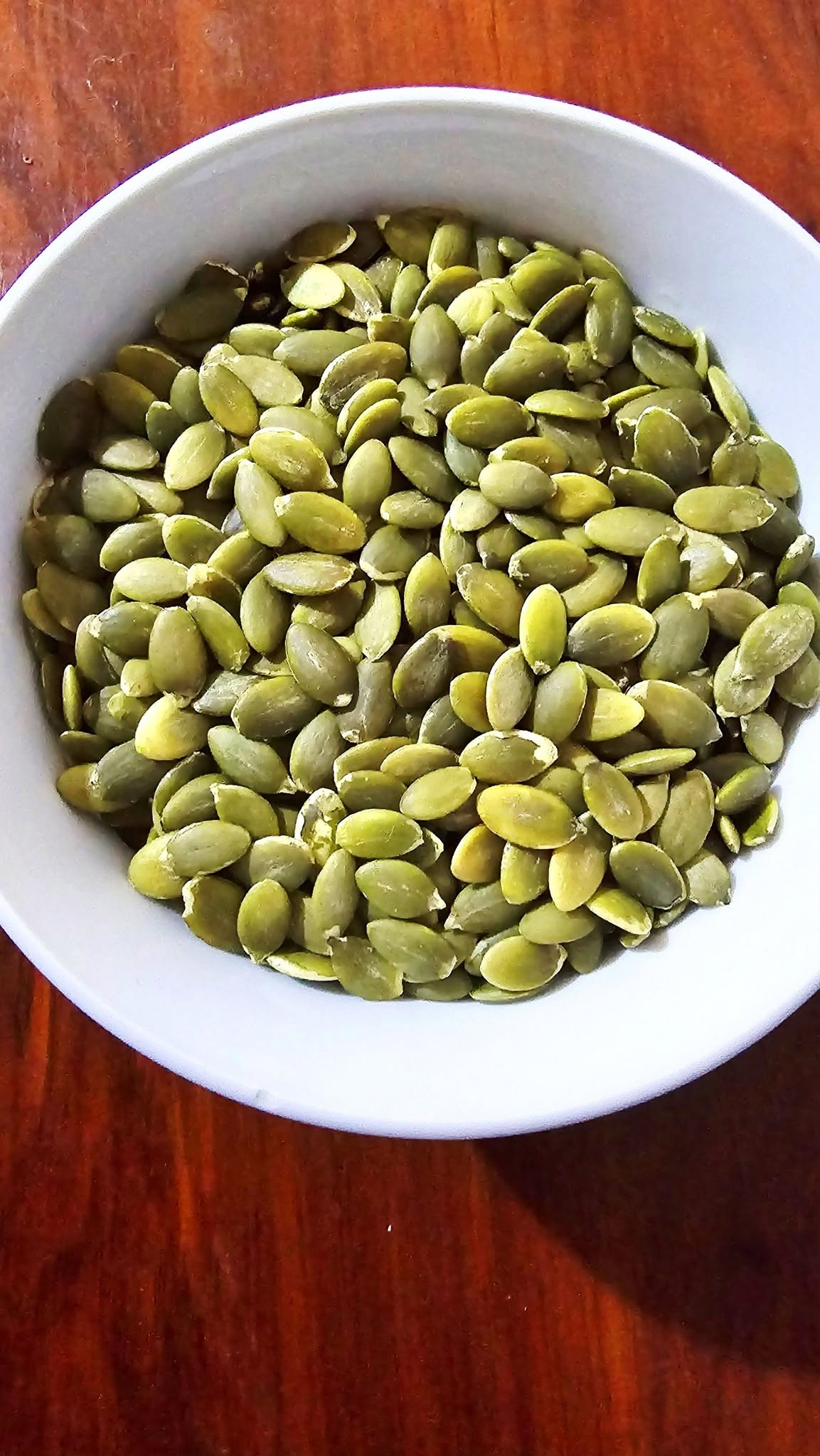
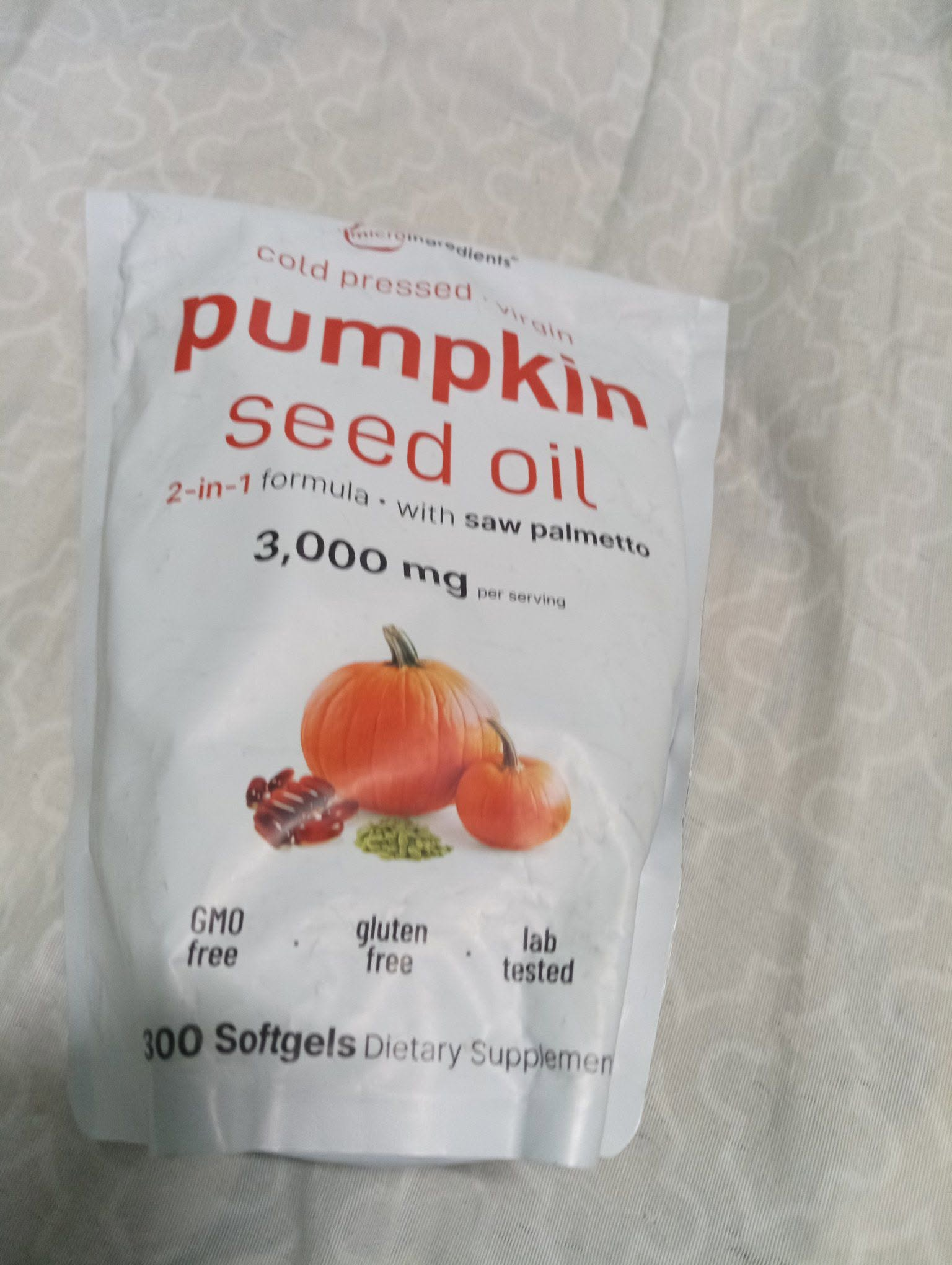
If you are a woman on Ozempic, Mounjaro, Wegovy, or any GLP-1 medication and your hair has started falling out in the shower, collecting on your pillow, or thinning at the part line, you have somewhere between four and eight weeks before the shedding accelerates to the point where everyone around you can see what you already know. I'm Dr. Elise Whitford. I'm a board-certified dermatologist who spent twelve years prescribing topical treatments and writing biotin recommendations to women with thinning hair without telling them what was actually causing it. I am writing this letter to break the silence. Women on GLP-1 medications, women going through hormonal shifts, and women under chronic stress experience hair shedding at rates that almost no appointment is tracking. The number on the scale is the only outcome the appointment is measuring. Almost none of these women are told that the same metabolic changes their medication is triggering are also starving their hair follicles of the one compound they need to stay anchored in their scalp. They are told the medication is "working." That word, in isolation, is one of the most expensive half-truths in modern dermatology. When my own hair started thinning at 44 — not at the temples where you'd expect it but at the crown, at the part, in the shower drain — I knew something I had never once explained to a single patient losing her hair. The shedding isn't the disease. The thinning isn't the disease. The widening part isn't the disease. They are all symptoms of one underlying hormonal process that your biotin supplement was never designed to stop — and that your doctor has probably never tested you for. Every standard hair treatment added to a thinning-hair protocol masks the next downstream symptom while the real problem quietly gets worse. I have treated thousands of women with thinning hair in my career. I have seen what happens at month three of hair loss. Month six. Month twelve. Month twenty-four. And I have seen what almost no dermatologist documents properly because the appointments are too short and nobody is asking about the internal hormone that women do not know is destroying their hair from the inside out. The 42-year-old. On Mounjaro for seven months. Down 38 pounds. Her endocrinologist was thrilled. Her A1C was improving. The weight was coming off exactly the way it was supposed to. The hair shedding had started at month three — and she had been told it was telogen effluvium and that it would "resolve on its own." By month five she was pulling clumps out of her brush every morning. Her doctor told her to take biotin. Within two months her best friend quietly pulled her aside at brunch and asked if she was okay — because the thinning at her part line had become visible from across the table. She had been on biotin, collagen powder, and a "hair growth" shampoo from her dermatologist. Not one of those products had stopped the hormone that was shrinking her hair follicles from the inside. Six months after that she could see her scalp in photographs. Her weight loss was "on track." Her hair was gone. The 51-year-old. Perimenopause started at 47. Gradual hair thinning she blamed on aging. Started Ozempic at 49 for metabolic health. The shedding tripled within four months. Her ponytail went from the circumference of a quarter to the circumference of a dime. Her primary care doctor told her it was "normal hormonal thinning" and suggested she try Rogaine. Rogaine. A topical vasodilator that increases surface blood flow to the scalp — while doing absolutely nothing to stop the hormone that was miniaturizing her follicles from the root. She was rubbing a circulation booster onto follicles that were being strangled from the inside by a hormone nobody had tested her for. Three months on Rogaine. No change. Her doctor suggested "giving it more time." I see these women in my office. They do not ask for help easily. They are grateful their weight is coming off and that their metabolic numbers look good. But I know what they lost. They had months. Months where something was quietly attacking their follicles that no one was testing for, no one was looking at, and no one was treating. Months to catch it. Months to fix it. And every single one of those months was spent staring at a scale reading that looked great while their hair was disappearing. Their shedding had been screaming the warning the entire time. The biotin and the collagen just turned down the volume while the underlying hormonal damage compounded. What almost no doctor explains to a woman with thinning hair is this. Your body produces a hormone called DHT — dihydrotestosterone. It is converted from regular testosterone by an enzyme called 5-alpha reductase. Every woman's body produces testosterone. Every woman's body converts some of it into DHT. DHT is the single most destructive hormone to your hair follicles. Here is what it does. DHT binds to the androgen receptors on your hair follicles — the ones on the top of your head, your crown, your temples, your part line. When it binds, it triggers a process called follicular miniaturization. Your follicle physically shrinks. The hair it produces gets thinner. Weaker. Shorter. Eventually the follicle produces a hair so fine it's invisible. Then it stops producing hair entirely. This process is not sudden. It is gradual. It is invisible until it's not. And by the time you notice it — by the time you're staring at the drain or your part line or the back of your head in a mirror — the miniaturization has been progressing for months or years. Your doctor's response to the thinning is to recommend biotin. Biotin is a B vitamin that supports keratin production. It helps your body build the protein structure of hair. But here's the problem. Biotin does not stop DHT. You are building better hair in follicles that are being strangled shut. The construction materials are arriving at a building that is being demolished. Collagen does not stop DHT. Hair growth shampoos do not stop DHT. Scalp serums do not stop DHT. Prenatal vitamins do not stop DHT. None of the products in your medicine cabinet are addressing the hormone that is physically shrinking your hair follicles from the inside. And here's what makes this a crisis and not just a cosmetic issue. When you are on a GLP-1 medication — Ozempic, Mounjaro, Wegovy, Zepbound — your body undergoes rapid metabolic changes. Your insulin levels shift. Your hormonal balance shifts. Your nutrient absorption changes. Your caloric intake drops dramatically. All of these changes can amplify the activity of 5-alpha reductase — the enzyme that converts your testosterone into the follicle-killing DHT. Your medication is accelerating the hormone that is destroying your hair. And the biotin your doctor recommended is doing nothing to stop it. The shedding in the shower is not a temporary side effect. The hair on your pillow is not telogen effluvium that will "resolve on its own." It is your follicles being miniaturized by a hormone that gets more active the longer it goes unchecked. A woman with thin hair but low DHT activity has an entirely different prognosis than a woman with the same thin hair and high DHT activity. Read that again. The visible thinning your mirror shows you matters less than whether DHT is actively attacking your follicles. And not one product in your current routine is stopping DHT. Your shedding is not embarrassing. Your thinning part line is not "just aging." They are your early warning system. And the warning is louder than your bathroom mirror. I was not going to watch my own hair disappear the way I had watched thousands of patients lose theirs while their doctors handed them another bottle of biotin. I tried what every woman with thinning hair tries. Biotin. 10,000mcg daily. No change in shedding after three months. Collagen peptides. Marine collagen, bovine collagen. My nails got harder. My hair kept falling. Topical treatments. Minoxidil 5%. The shedding paused for two weeks then resumed. The regrowth was peach fuzz. Hair growth shampoos. Every brand. Ketoconazole, caffeine, saw palmetto extract, rosemary oil. My scalp felt tingly. My drain still filled up. My weight was stable. My labs looked textbook. But my DHT activity stayed elevated. My shedding was worse than ever. My ponytail was half what it had been two years ago. The biotin had supported keratin while the DHT kept shrinking the follicles. But I kept thinking about something that existed in the research literature and was being completely ignored in clinical dermatology practice. The miniaturization can be stopped. Even reversed. Even while you are still on your GLP-1 medication. The science has existed for over a decade. Almost no one in your doctor's office is using it. So why was I not applying it to myself? March 14th. 11:47 PM. I was reviewing journals after a long clinic day. Couldn't sleep. The shedding was worse. My part line had widened visibly in the last two months. The anxiety about it was affecting my sleep. I was scrolling through research on natural 5-alpha reductase inhibitors. Not looking for anything specific. Just exhausted and desperate. I found a paper that changed everything. Pumpkin seed oil. Cold-pressed from the seeds of Cucurbita pepo. Researchers had identified a specific combination of phytosterols — delta-7-sterol, beta-sitosterol, and a unique fatty acid profile — that naturally inhibit 5-alpha reductase. The same enzyme that converts testosterone into the follicle-killing DHT. And here's the critical part — they work on a completely different mechanism than pharmaceutical DHT blockers. They don't crash your hormones. They don't cause the sexual side effects that finasteride and spironolactone are known for. They gently modulate the enzyme at the follicular level. DHT production slows. Your follicles stop shrinking. The hair that was miniaturizing starts growing in thicker. Stronger. Anchored. A 2014 randomized, double-blind, placebo-controlled study — the gold standard of clinical research — published in Evidence-Based Complementary and Alternative Medicine found that participants taking 400mg of pumpkin seed oil daily experienced a 40% increase in hair count over 24 weeks compared to placebo. 40% more hair. In six months. No drugs. No side effects. I sat there at 11:47 PM staring at the data. Biotin was building keratin while my follicles shrank. Minoxidil was boosting surface circulation while the enzyme kept converting testosterone into the hormone destroying my hair from the root. Pumpkin seed oil was blocking the enzyme itself. I have been a dermatologist for 16 years. And I had never once connected pumpkin seed oil to DHT inhibition in women with hormonally driven hair loss. The mechanism was never part of any dermatology residency curriculum. At 12:22 AM I went looking for a properly formulated pumpkin seed oil supplement. What I learned during that search is something every woman losing her hair who tries pumpkin seed oil needs to know. The phytosterols in pumpkin seed oil — the compounds that actually block the DHT enzyme — are extremely sensitive to heat and chemical extraction. When you buy a cheap pumpkin seed oil capsule made with hexane-extracted, heat-refined oil — the fastest and cheapest manufacturing method — the heat and chemicals have already destroyed the delta-7-sterols before the capsule was even sealed. For the phytosterols to actually reach your bloodstream where they can inhibit 5-alpha reductase at the follicular level, the oil must be cold-pressed at low temperatures to protect the active compounds. And the seeds themselves must come from Styrian-variety pumpkins — the specific cultivar that contains concentrated levels of the DHT-blocking phytosterols. Not the decorative pumpkins you carve at Halloween. Not the commercial varieties grown for size and sugar content. Almost no supplement on the market does this. Most use heat-processed oil from commodity pumpkin seeds — yellow oil that looks like pumpkin seed oil on the label but has had the active compounds destroyed twice over: once by seed selection, once by manufacturing. You are swallowing dead oil. I found one brand that was different. Everly Pumpkin Seed Oil. Cold-pressed from Styrian pumpkin seeds with concentrated phytosterol content. Each softgel delivers the bioactive compounds — delta-7-sterol, beta-sitosterol, and the full fatty acid profile — in their intact, biologically active form. Third-party tested. Made in the USA. No fillers. No synthetic additives. Just the compound that the clinical research showed blocks the enzyme that is shrinking your hair follicles. I ordered a bottle that night. Two softgels in the morning with breakfast. I started March 15th. March 22nd. One week in. The shower drain was noticeably less full. I counted the hairs on my brush for the first time — 47. The week before I had stopped counting at 80. Not proof yet. But something had shifted. March 29th. Two weeks in. My hairstylist noticed before I said anything. "What did you change? You have less breakage at the crown." I hadn't told her I was taking anything. April 12th. Four weeks in. The shedding had dropped by what felt like 60-70%. I ran my fingers through my hair in the morning and they came out clean. That hadn't happened in over a year. My best friend asked me what I was doing differently. "Different approach," I told her. "Whatever it is, keep doing it. Your hair looks thicker." May 14th. Eight weeks in. My part line had visibly narrowed. The baby hairs at my hairline — the ones that had miniaturized into invisible peach fuzz — were growing back as actual hair. Dark. Visible. Anchored. I took a photo from the same angle I had taken one eight weeks earlier. The difference was unmistakable. I showed it to a colleague at the clinic. She looked at the photos. Looked back at me. "Elise, what did you do?" I explained the research. How the phytosterols inhibit 5-alpha reductase. How they reduce DHT at the follicular level without the hormonal side effects of pharmaceutical blockers. And what happened to my shedding when I added cold-pressed pumpkin seed oil. She was quiet for a long moment. "I have hundreds of patients on GLP-1 medications losing their hair. Their doctors are telling them it's temporary. It's not temporary for most of them. If what you're describing is reproducible..." "The mechanism is real." She started recommending it for her patients with GLP-1-related hair loss, hormonal thinning, and postpartum shedding. I am not writing this letter because I am against GLP-1 medications. These medications produce meaningful metabolic improvements and have a documented role in weight management and metabolic health. If your doctor has prescribed one, please continue your treatment. But GLP-1 medications do not protect your hair follicles from DHT. They accelerate the metabolic shifts that can amplify DHT production, leaving every follicle on your head exposed to the hormone that physically shrinks them shut. They produce weight loss while the follicular miniaturization continues in a quieter form, expressed first through the parts of your body you notice in the mirror — your part line, your ponytail thickness, your shower drain. Your shedding is not betraying you. Your thinning is not betraying you. They are warning you. I think about what I almost did. I almost accepted the biotin-and-collagen routine as the cost of "managing" my hair while my shedding got worse and my part line kept widening and my confidence kept eroding. Eight weeks. That is how long it took for my shedding to drop dramatically, my baby hairs to start growing back, my part line to visibly narrow, and my hair to feel thicker in my hands than it had in over two years — while staying on no prescription hair loss drugs and experiencing zero side effects. Everly Pumpkin Seed Oil is available now with a 90-day money-back guarantee. Send back the bottles, even empty, if your shedding has not measurably improved. https://get.shopeverly.shop/pumpkin-seed-oil/subtxt/mm-sht-ps — Dr. Elise Whitford, MD Board-Certified Dermatologist, 16 years Practicing physician P.S. — Give it 60 to 90 days. Track your shedding. Count the hairs on your brush. Take photos of your part line from the same angle every two weeks. If the trend lines do not improve, send the bottles back. The upside is the version of yourself that does not end up watching your hair disappear while the DHT your biotin ignores keeps shrinking your follicles. P.P.S. — You are not too late yet. Your follicles are not dead — they are miniaturized. Miniaturized follicles can recover when the DHT pressure is removed. Please start blocking the enzyme now, before the follicles that are still salvageable close permanently. https://get.shopeverly.shop/pumpkin-seed-oil/subtxt/mm-sht-ps
Where the ad sends people
get.shopeverly.shop
Support healthy hair and bladder control every day
"I've been taking this for three months. I used to pull out handfuls every time I washed my hair. Now I barely shed at all, and my stylist actually asked me what I changed. My part looks fuller than it has in years."
Learn more: get.shopeverly.shop(opens in a new tab)