Julia Helps Moms
Julia Helps Moms Facebook ad: “I Medicated My ADHD Son for Three Years. Here's Why I…”
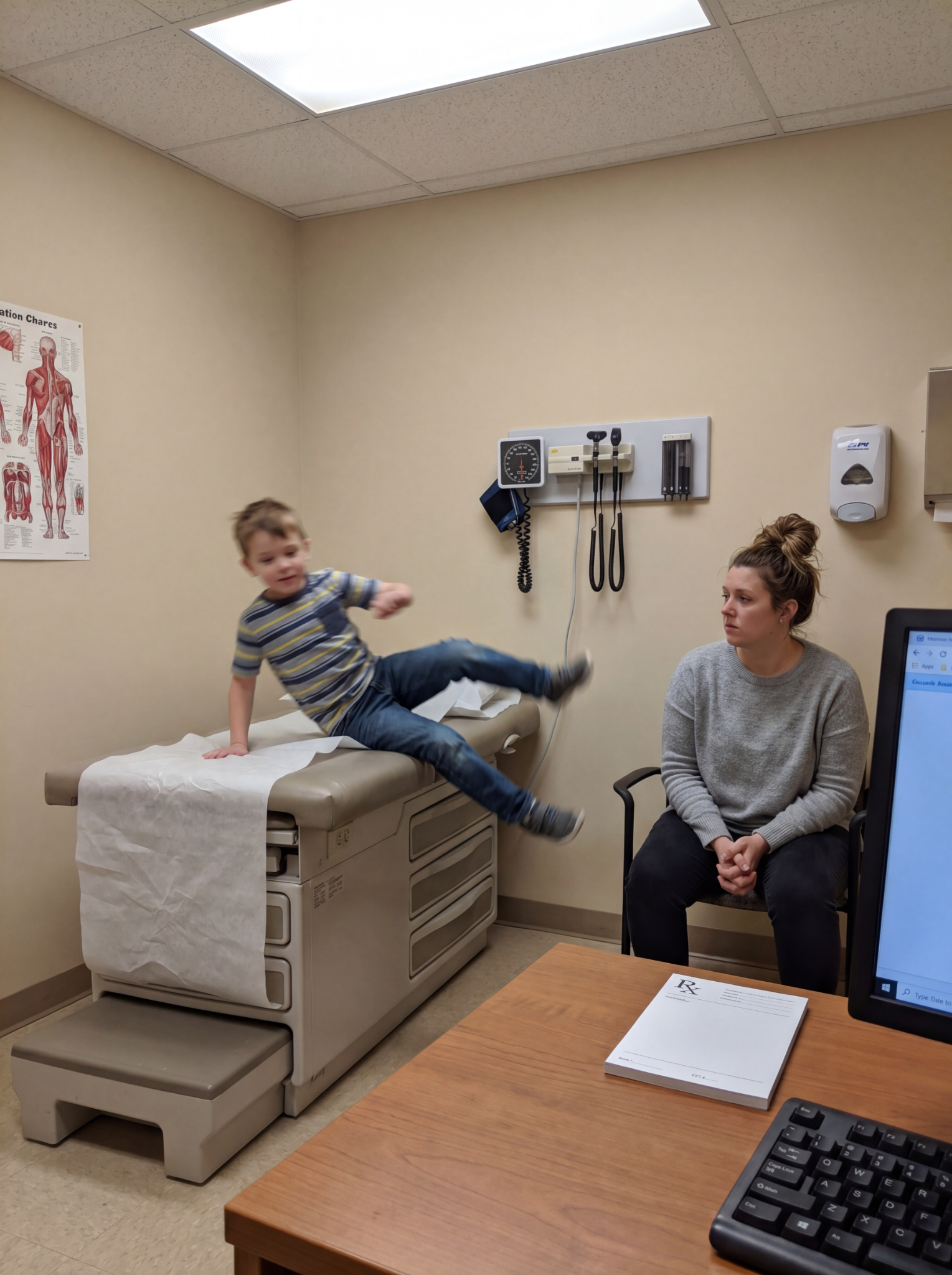
Ran for 11 days, from August 8 to August 19, 2026, the last day Crush saw it.
Run by Julia Helps Moms on Facebook. Crush is not the advertiser and does not verify its claims. See this ad in Meta's Ad Library(opens in a new tab)
Want an ad like this for your product?
Crush makes new ad images for your product from this ad: your logo, your product photo, your offer.
Trials from $19.95 USD, then $79.95 USD a month. Cancel anytime.
About this ad
- Meta Ad Library ID
- 2962872054060371
- Platforms
- Facebook, Instagram, Audience Network, Messenger, WhatsApp and Threads
- Relaunches
- 0
- EU reach
- 174
- Niche
- Parenting & Kids
Ad text
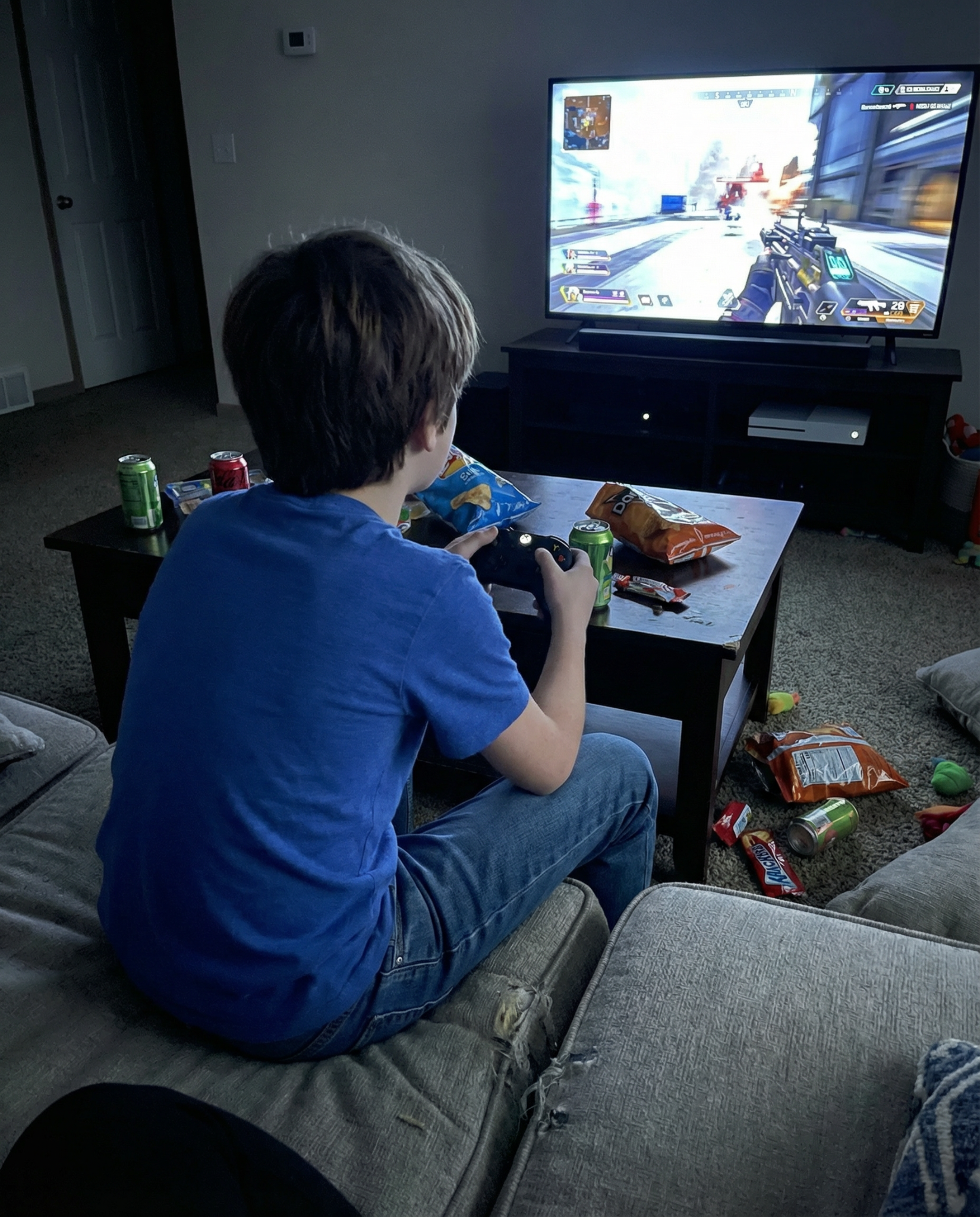
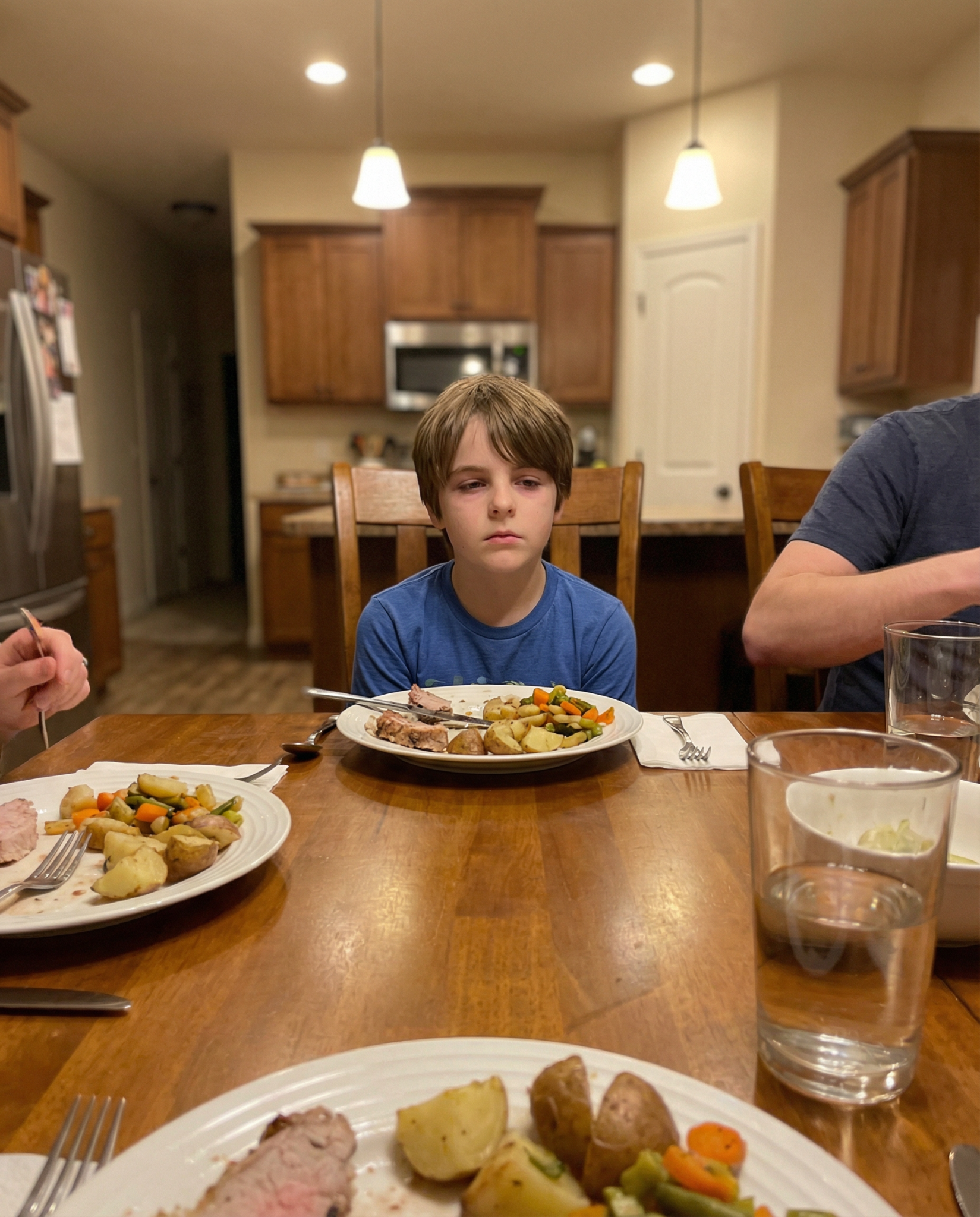
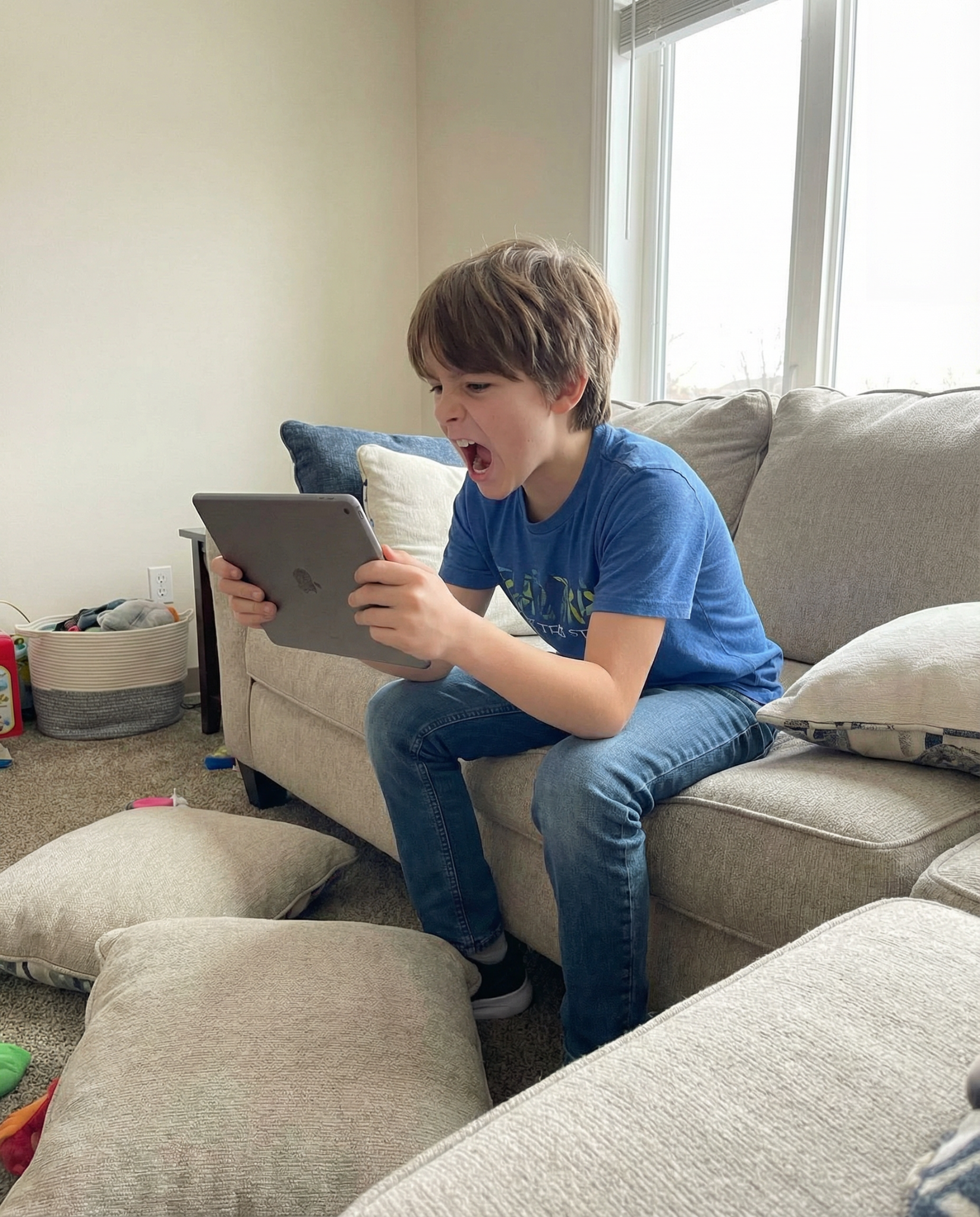
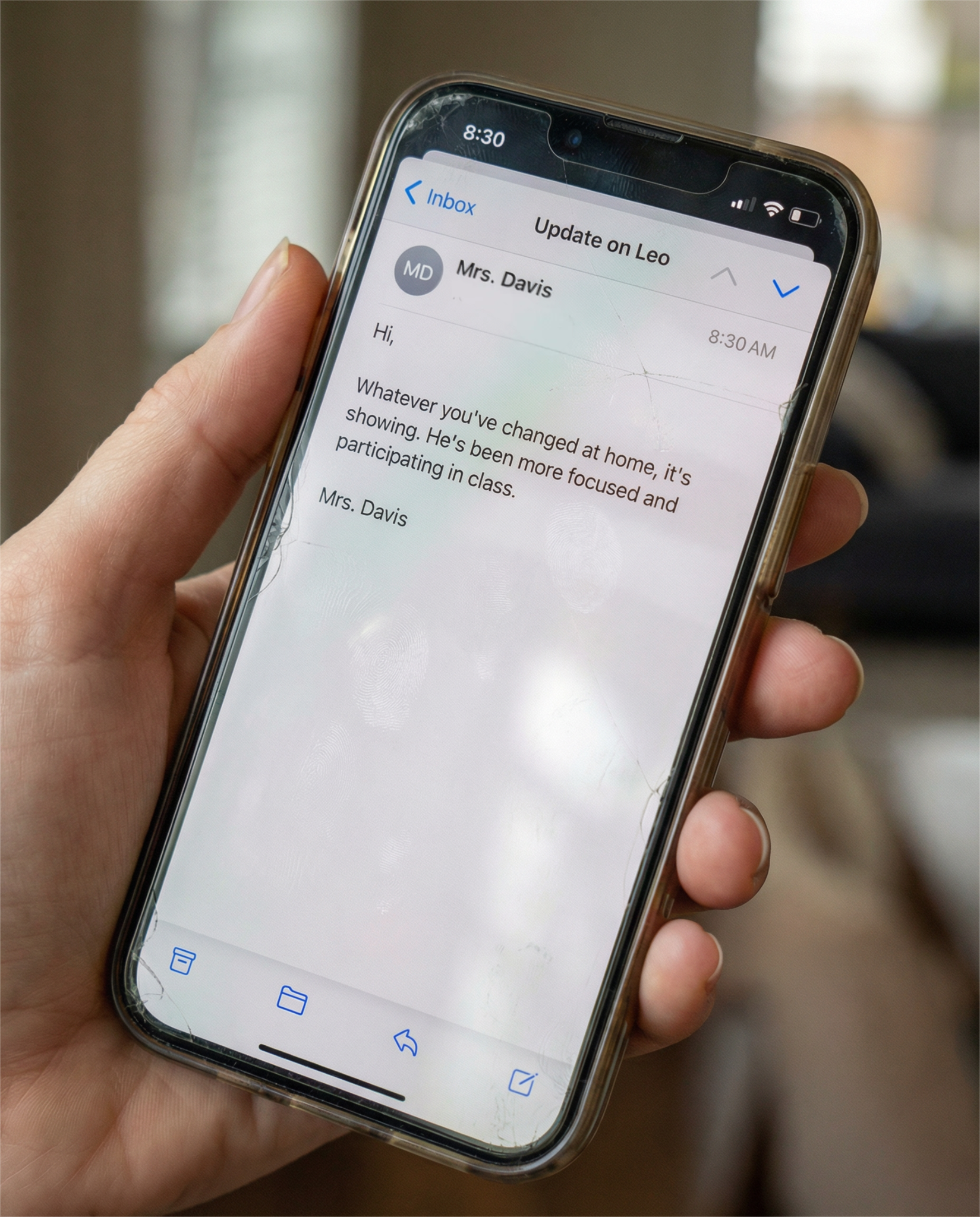
I Medicated My ADHD Son for Three Years. Here's Why I Stopped. My son Owen started Ritalin the summer before first grade. He was six years old and weighed 47 pounds. The decision nearly broke my marriage. My husband didn't want to do it. Said Owen was just being a boy. Said medication was the easy way out. Said we should try harder with discipline and structure and maybe he'd grow out of it. I was the one who pushed for it. Because I was the one getting the emails from the kindergarten teacher three times a week. The one sitting through the meetings where they used words like "disruptive" and "unsafe" and "unable to meet behavioral expectations." The one who got called to pick Owen up early because he'd hit another child during circle time, again. I was the one dissolving into tears in the pediatrician's office while Owen spun in circles in the waiting room, asking if there was something wrong with my son or something wrong with me. She said there was nothing wrong with either of us. She said Owen had ADHD. She said medication would help him focus, help him control his impulses, help him succeed in school instead of getting farther behind every single day. She made it sound simple. So I filled the prescription. The first week was a miracle. Owen sat through morning circle time. Completed his worksheet. Kept his hands to himself at recess. His teacher sent me an email with three exclamation points saying whatever we were doing was working. My husband admitted it was helping. I felt like I'd finally done something right. For about six months, everything was better. Owen could focus. Could sit still. Could follow directions without melting down. The emails from school stopped. He got invited to a birthday party. We made it through a family dinner without him flipping his plate. I told myself we'd made the right choice. Then I started noticing other things. Owen stopped eating breakfast. I'd put his favorite waffles in front of him and he'd take two bites and say he wasn't hungry. By second grade he was skipping lunch at school too. The nurse called me in October to say Owen hadn't eaten lunch in a week and could I please pack something he'd actually eat. I packed everything he used to love. He came home with full lunchboxes every day. By Christmas of first grade, Owen had dropped from 47 pounds to 42 pounds. The pediatrician said appetite suppression was normal. Said to give him high-calorie foods when the medication wore off in the evening. Said to make sure he ate a big breakfast before his morning dose. Except Owen wasn't hungry in the morning either anymore. By second grade he looked skeletal. His ribs showed through his shirts. His face looked gaunt. Other parents started asking me if he was okay. I told them he was a picky eater. The sleep got worse too. Even though the medication was supposed to wear off by dinner, Owen couldn't fall asleep. He'd lie in bed for two hours, eyes open, staring at the ceiling. I tried melatonin. Tried white noise machines. Tried weighted blankets and blackout curtains and earlier bedtimes. Nothing worked. He'd finally fall asleep around 10pm, then wake up at 6am for school. Eight hours became seven hours became six hours on the bad nights. The pediatrician said sleep disruption was a known side effect. Said we could add another medication to help him sleep. I said no. But the worst part wasn't the appetite or the sleep. The worst part was Owen stopped being Owen. He was calm. Focused. Compliant. Everything the teachers wanted. He also stopped laughing. Owen used to be the kid who made up elaborate stories about his stuffed animals going on adventures. Who built spaceship cities out of every pillow and cushion in the house. Who laughed so hard at his own jokes he'd fall over. By the middle of second grade, he'd come home from school, sit on the couch, and stare at the TV. I'd ask him about his day and he'd shrug. I'd suggest we build something with his Legos and he'd say he was too tired. His creativity disappeared. His energy disappeared. His spark disappeared. My husband said it first. He said Owen seemed flat. I got defensive. Said Owen was finally doing well in school. Finally had friends. Finally wasn't getting in trouble every single day. Wasn't that what we wanted? My husband said he wanted our son back. I didn't know what he meant until Owen's eighth birthday. We had a party. Invited his whole class. Owen sat in the corner the entire time while the other kids ran around playing tag and eating cake. Didn't participate. Didn't smile. Just sat there. One of the other moms asked me quietly if Owen was feeling okay. I said he was fine. But he wasn't fine. At the end of second grade, Owen's teacher told me he was doing great academically. Then she paused and said she wished he'd participate more in class discussions. Said he seemed withdrawn. Said she missed his energy from the beginning of the year. The beginning of the year when the medication dose was lower. We'd increased the dose three times. Every time Owen seemed to be struggling with focus again, the pediatrician would up the dose. By third grade he was taking 20mg in the morning and 10mg at lunch. His report cards were perfect. His weight was 44 pounds. At nine years old. I started researching Ritalin side effects at night after Owen went to bed. Found forums full of parents describing the same things I was seeing. The appetite suppression. The sleep disruption. The personality changes. Some of them said their kids had been on stimulants for years and never regained normal eating patterns. Some said their kids developed tics. Some said their kids told them they felt like zombies. One mother said her son told her he didn't feel like a real person anymore on the medication. Just someone watching himself go through the motions. I thought about Owen sitting in the corner at his own birthday party. I thought about the way he used to laugh until he couldn't breathe. I thought about the last time I'd seen him build one of his elaborate pillow forts. I couldn't remember. I made an appointment with the pediatrician and told her I wanted to try tapering Owen off the medication. She asked why. Said his grades were good. Said the school hadn't reported any behavioral issues. Said if it's working, why stop? I told her about the weight loss. The sleep issues. The flatness. She said those were normal side effects. Said we could try a different stimulant. Said Adderall might work better for him. Said we could add a sleep medication and an appetite stimulant to manage the side effects. I sat there listening to her suggest adding two more medications to manage the problems caused by the first medication. That's when I realized we were just managing Owen's body's response to being drugged. Not helping him. Managing him. I told her I wanted to try something else first. She said there wasn't anything else that works as well as stimulant medication for ADHD. I said I wanted to try anyway. She wasn't happy. But she gave me a tapering schedule. I was terrified. Terrified Owen would go back to being the kid who couldn't sit still in class. Who hit other kids on the playground. Who came home with incident reports three times a week. Terrified the teachers would start emailing me again. Terrified my husband would say I told you so. Terrified I'd put Owen through three years of medication for nothing and we'd end up right back where we started. But I was more terrified of what would happen if we didn't stop. The week before I started tapering Owen off Ritalin, I ran into another mom from school at the grocery store. Her son Ethan had been in Owen's kindergarten class. Ethan had the same issues Owen had. The meltdowns. The impulsivity. The focus problems. I asked her what medication Ethan was on. She said he wasn't on medication. I must have looked shocked because she laughed and said she knew everyone assumed they'd caved by now. She said they'd found something else. A supplement that actually addressed what was causing Ethan's ADHD symptoms instead of just suppressing them with stimulants. I'll be honest, I didn't believe her. I'd tried supplements before we started Ritalin. Omega-3s. Magnesium. Focus support gummies from the pharmacy. None of them did anything. But she said this was different. She said Ethan's focus had improved. His emotional regulation had improved. His impulse control had improved. Without appetite suppression. Without sleep disruption. Without the flatness. She said the research showed it worked as well as Ritalin for ADHD symptoms. I asked her what research. She pulled up a study on her phone right there in the produce section. A clinical trial from 2019 comparing saffron extract to Ritalin in children ages 6-17 with ADHD. Same effectiveness for reducing hyperactivity and improving attention. Without the side effects. I took a picture of the study on her phone. That night I read the whole thing. Then I read the follow-up study from 2022. Then I read everything I could find on saffron and ADHD and dopamine and serotonin. Here's what I learned. ADHD isn't a Ritalin deficiency. It's a dopamine and serotonin regulation problem. Kids with ADHD don't produce enough dopamine in the prefrontal cortex. That's why they can't focus, can't control impulses, can't feel motivated by normal rewards. Their serotonin system is usually dysregulated too. That's why they can't manage emotions, can't calm down once they're upset, can't handle anxiety. Ritalin works by forcing more dopamine into the system artificially. It floods the brain with stimulant medication that increases dopamine availability. Which is why it works. The traffic system starts moving. But it's not fixing anything. It's overriding the broken system with a chemical flood. Which is why when the medication wears off, the symptoms come back. Because the underlying problem is still there. And why kids on Ritalin can't eat. The artificial dopamine surge suppresses appetite. And why they can't sleep. The stimulant stays in their system longer than six hours even though that's what the label says. And why they seem flat. Because their brain is being forced to operate on artificial dopamine instead of learning to produce and regulate its own. You're not supporting the system. You're replacing it. What I didn't know when we started Owen on Ritalin was that there was another option. An option that supports the brain's natural ability to produce and balance dopamine and serotonin instead of overriding it with pharmaceutical stimulants. The supplement Ethan's mom told me about was called Mood Balance. When I looked at the formula, I understood why it was different from the omega-3s and generic focus gummies I'd tried before. Saffron Extract. Clinical dose. The same concentration used in the studies showing it works as well as Ritalin. This isn't saffron from the spice aisle. This is a specific extraction standardized to the active compounds that support dopamine and serotonin production. The 2019 study showed saffron was equally effective as methylphenidate (Ritalin) for treating ADHD symptoms in children. The 2022 follow-up study confirmed the results and showed additional benefits for sleep quality. This is published research. Not testimonials. Not marketing. Actual clinical trials. Lion's Mane. Supports cognitive function and brain development. Helps with focus and memory without stimulation. Magnesium. Most kids with ADHD are deficient in magnesium. It calms the nervous system and reduces irritability. L-Theanine. Promotes focused calm. This is what allows kids to be alert without being wired. GABA. The main calming neurotransmitter. Reduces anxiety and emotional reactivity. Passionflower. Supports sleep quality and quiets racing thoughts. Holy Basil. Adaptogen that helps the body manage stress without going into fight-or-flight. Chamomile. Gentle nervous system support. Rosemary. Supports mental clarity and alertness. Vitamin B6 and B12. Essential for neurotransmitter production. If the brain doesn't have the raw materials to make dopamine and serotonin, nothing else matters. Eleven ingredients designed to support the brain's natural dopamine and serotonin production. Not override it. Support it. I ordered it the next day. I started tapering Owen off Ritalin according to the pediatrician's schedule and started Mood Balance at the same time. I was terrified the entire first week. Waiting for the meltdowns to come back. Waiting for the school to call. Waiting for everything to fall apart. It didn't. Owen's behavior stayed stable as we reduced the Ritalin dose. No increase in hyperactivity. No increase in impulsivity. No regression. By the second week, I noticed something I hadn't seen in two years. Owen ate breakfast. Not two bites. The whole waffle. Then asked for another one. I almost cried watching him eat. By the third week, he was off Ritalin completely and on Mood Balance alone. His teacher didn't notice any difference in his classroom behavior. He was still focused. Still completing his work. Still keeping his hands to himself. But at home, Owen was different. He started playing again. Built a fort out of couch cushions. Made up a whole story about it being a spaceship. Laughed at his own jokes. The flatness started lifting. His appetite came back. He ate lunch at school. Ate dinner at home. Started asking for snacks. Within a month he'd gained three pounds. The sleep improved. He fell asleep within twenty minutes of bedtime instead of lying there for two hours. Started sleeping through the night. Woke up actually rested instead of dragged out of bed exhausted. The biggest difference was his personality. Owen was Owen again. Still focused at school. Still doing well academically. Still had friends and got invited to birthday parties. But now he also laughed. Made jokes. Built things. Had ideas. Had energy. Had the spark I'd been missing for three years without fully realizing it was gone. My husband noticed immediately. He said Owen seemed like himself again. I couldn't argue. It's been seven months since Owen stopped Ritalin. His third-grade teacher has no idea he was ever medicated. She tells me at conferences that Owen is doing great academically and socially. Says he participates in class discussions. Says he's a joy to have in class. Owen weighs 52 pounds now. Healthy weight for a nine-year-old. He falls asleep by 8:30 every night and wakes up at 7am actually rested. Last month he asked if he could have a sleepover for his birthday. Invited four friends. They built a massive blanket fort in the living room and Owen was in the middle of it all, laughing and making up games and being the kid I remember from before we started medication. One of the other moms commented on how much energy Owen has. I just smiled. I saw Ethan's mom at school pickup last week. I told her everything. The tapering process. The weight gain. The sleep improvement. Owen's personality coming back. She said she was glad it worked. I told her she gave me my son back. After three years of medicating Owen and watching him disappear into a calm, compliant, hollow version of himself, it turns out another mom in the produce section knew something the pediatrician didn't. Look, I'm not anti-medication. Ritalin worked. It absolutely worked for Owen's ADHD symptoms. But the cost was too high. Three years of watching my son stop eating. Stop sleeping. Stop being himself. Three years of managing side effects with the promise that this was the only thing that actually works. Except it's not. The clinical research shows saffron works as well as Ritalin for ADHD symptoms. Same effectiveness. Without the appetite suppression. Without the sleep disruption. Without the personality flattening. The difference is Ritalin overrides the dopamine system with artificial stimulants. Saffron supports the brain's natural ability to produce and regulate its own dopamine and serotonin. One suppresses symptoms by replacing the system. The other addresses the root cause by supporting the system. I spent three years on the first path before I knew there was a second option. If Ethan's mom hadn't been buying lettuce that day, Owen would still be on Ritalin. Still skipping lunch. Still lying awake at night. Still sitting on the sidelines at his own birthday party. I've quietly told five other moms since then. Parents whose kids are on stimulant medication and dealing with the same side effects I watched Owen suffer through. Every one of them has come back and said something is shifting. One mom told me her daughter ate three meals a day for the first time in a year. Another mom said her son laughed at dinner. Really laughed. Something she hadn't heard since before they started Adderall. I'm sharing this because I spent three years believing medication was the only option that actually works. And because if there's a chance this helps another parent whose child is struggling on stimulants, it's worth saying out loud. If your child is on ADHD medication and you're seeing the side effects I saw in Owen—the appetite suppression, the weight loss, the sleep disruption, the personality changes, the flatness—and you've been told this is just the cost of treatment, this is what I wish someone had told me three years ago. And if you're terrified to stop medication because at least it's working for school even though it's destroying everything else, please understand there's a difference between suppressing symptoms and addressing the cause. Stimulants suppress. They work. But they come at a cost. This supports the brain's natural ability to produce the neurotransmitters it's been running without. One path: stay on stimulants. Keep managing the side effects. Hope your child doesn't tell you one day that they don't feel like themselves anymore. Hope the appetite comes back. Hope the sleep improves. Hope you're making the right choice. Another path: support the dopamine and serotonin system instead of overriding it. Give your child's brain what it needs to regulate itself. Track the changes. See what happens. I chose the second path. It gave me my son back. Not a medicated version. The real one. Mood Balance. Clinical-dose saffron extract that matches the research showing it works as well as Ritalin. Lion's Mane. Magnesium. L-Theanine. GABA. Passionflower. Holy Basil. Chamomile. Rosemary. Vitamin B6 and B12. Complete neurochemical support in one gummy. 30-day money-back guarantee. If you don't see improvement, every penny back. You risk nothing. 👉 uselumexa.com/pages/saffron-2 EDIT: Getting messages asking if this is safe to try while tapering off stimulants. I'm not a doctor, so talk to your pediatrician. I started Mood Balance while Owen was still on a reduced Ritalin dose during the taper and didn't see any issues, but every kid is different. The saffron research shows it's well-tolerated in children, but your doctor should know what you're doing. Also got asked if the research is real. Yes. The 2019 study is published and available. It's a double-blind clinical trial comparing saffron to methylphenidate (Ritalin) in kids ages 6-17 with ADHD. Same effectiveness. You can find it if you search for saffron ADHD clinical trial.
Where the ad sends people
uselumexa.com
I Medicated My ADHD Son for Three Years. Here's Why I Stopped.
Lumexa
Learn more: uselumexa.com(opens in a new tab)