Michelle's Page
Michelle's Page Facebook ad: “Read this if your BP is too high for surgery”
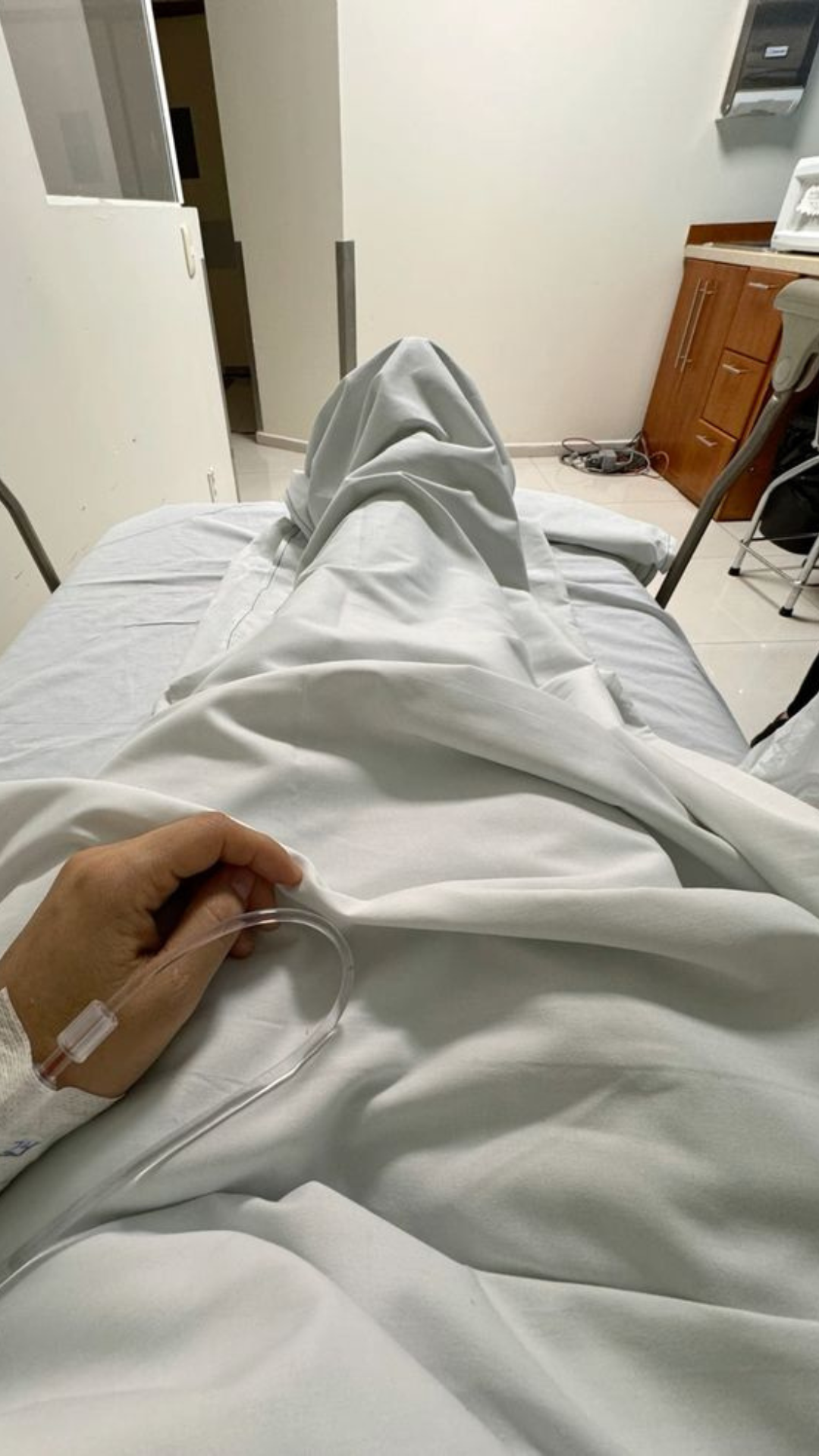
Ran for 44 days, from January 5 to February 18, 2026, the last day Crush saw it.
Run by Michelle's Page on Facebook. Crush is not the advertiser and does not verify its claims. See this ad in Meta's Ad Library(opens in a new tab)
Want an ad like this for your product?
Crush makes new ad images for your product from this ad: your logo, your product photo, your offer.
Trials from $19.95 USD, then $79.95 USD a month. Cancel anytime.
About this ad
- Meta Ad Library ID
- 3152801218214799
- Platforms
- Facebook, Instagram, Audience Network, Messenger and Threads
- Relaunches
- 0
- Niche
- Home & Garden
Ad text
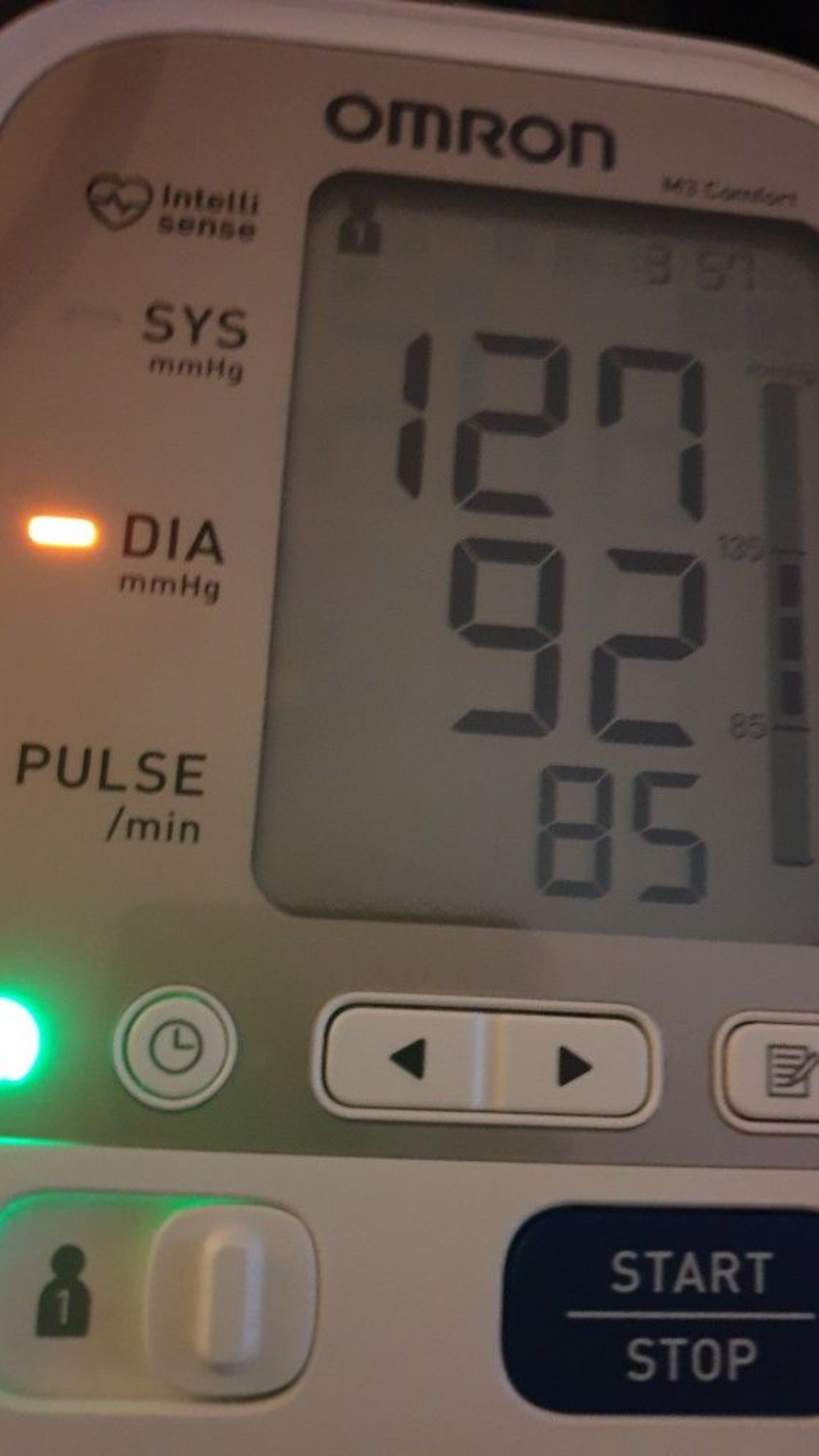
Pre-op nurse took my blood pressure, frowned at the monitor, then took it again. Same reading. She called the anesthesiologist. He walked in, wrapped the cuff around my arm himself, watched the machine cycle through: 176 over 104. He didn't say anything for a few seconds. Then: "Have you been taking your medications?" The anesthesiologist, Dr. Chen, sat down on the stool next to my bed. He pulled up my chart on the tablet, scrolled through my history, then looked back at the blood pressure monitor like he was waiting for the numbers to change. I said, "I take both of them every morning. Lisinopril and amlodipine. I took them today at 6 AM with a sip of water like the pre-op instructions said." He looked at Linda, the Pre-op nurse, looked back at me. "How long have you been on these medications?" I told him: "Six years on lisinopril. Four years on amlodipine." He wrote something down. "And your pressure is usually in this range? High 170s?" "Sometimes 160s. Sometimes low 170s. I check it at home. It doesn't really move below 160." Dr. Chen closed the tablet. He leaned back against the counter and crossed his arms. "Mrs. Brennan, I need to be straight with you. Your blood pressure is too high for surgery. Stage 2 hypertension, which is what you have, puts you at significant risk for stroke or cardiac event during general anesthesia. I can't safely put you under with numbers consistently above 160." Linda looked at me with this expression that confirmed what I already knew. He stood up. "We need to postpone this until your pressure is controlled. You should talk to your cardiologist about adding another medication or adjusting your current regimen. We need you below 160 over 100, ideally closer to 140 over 90." I sat there in my hospital gown, IV port already in my arm. This was the second time they'd cancelled my surgery. Here's what they didn't know: I'd been living with bone-on-bone arthritis in my right knee for three years. The MRI showed no cartilage left, just bone grinding against bone every time I took a step. My orthopedic surgeon said I was a textbook candidate for total knee replacement. But my blood pressure wouldn't cooperate. I work as a store manager at a regional furniture chain. I'm on my feet eight, nine hours a day, walking the sales floor, checking inventory, helping customers load sectionals into their trucks. By 2 PM, my knee is screaming. By 6 PM, I'm limping through the parking lot. By the time I get home, I can barely make it up the stairs to my bedroom. My doctor started me on lisinopril six years ago when my pressure was running 182 over 108. It dropped to 168 over 98. Progress, but not enough. She added amlodipine a year later. My pressure dropped to 164 over 96, then plateaued. No matter what we tried after that, DASH diet, lost 15 pounds, walked every morning before work, my numbers wouldn't break below 160. Meanwhile, my knee kept deteriorating. I couldn't squat to stock bottom shelves. Couldn't chase my three-year-old granddaughter around the backyard. Couldn't stand through my son's entire wedding ceremony without sitting down halfway through. Six months ago, I finally got the surgery scheduled. Pre-op appointment, blood pressure: 168 over 102. The nurse called my orthopedic surgeon. He said we needed to postpone. Get the pressure under control, try again in three months. I worked with my cardiologist. He added hydrochlorothiazide, a diuretic. My pressure dropped to 158 over 94 for two weeks. I thought we'd finally broken through. Then it crept back up to 166 over 98. Then 170 over 100. I rescheduled the surgery for three months later. That morning, the morning of my second attempt, I checked my pressure at home before leaving: 164 over 99. I knew it was borderline. I hoped it would be enough. It wasn't. I sat in my car in the hospital parking lot for twenty minutes after they sent me home. I didn't want to drive yet. Didn't want to call my husband and tell him we were back to square one. Didn't want to go back to work and explain why I was still limping. My daughter-in-law, Jessica, called that afternoon. She's a nurse practitioner in the cardiac unit at Wake Forest Baptist. My son must have told her what happened. She didn't say "I'm sorry" or "that's terrible." She said, "What were your numbers this morning?" I told her: 176 over 104. There was a pause. Then: "Michelle, I'm going to tell you something I can't officially recommend to patients, but I see it work in our unit all the time. There's a supplement, aged garlic extract, that our cardiologists mention to patients off the record when blood pressure medications plateau. It's not something they can write on a prescription pad, and the hospital doesn't stock it, but there are clinical trials showing it drops blood pressure more effectively than first-line medications." She said her attending physician takes it himself. Has for years. Keeps his pressure in the 120s without any blood pressure medications. "The stuff you see at CVS or Walgreens, those are rushed through in 30 days, watered-down extracts that barely do anything. The real version takes two full years to ferment. It's an Amish process, been used for centuries. My attending mentioned it when a patient asked him what he'd do if it was his mother whose pressure wouldn't budge despite being on three medications. He said, 'I'd tell her to try True Naturals Aged Garlic Extract.'" Jessica texted me the name and where to order it. She said, "Take one softgel with dinner every night. Check your pressure every morning at the same time. If you don't see any movement in two weeks, stop taking it. But if you do see change, and I think you will based on what I've seen, keep going. Document everything. Your surgery is worth trying something your cardiologist hasn't suggested yet." She said, "The attending told me there are about a dozen clinical studies on aged garlic extract—over 550 participants combined—showing an average drop of 8 to 10 points systolic, 5 to 6 diastolic. He said it works on the vessel walls themselves, helps them relax. He can't officially recommend supplements to patients because of hospital policy, but he takes it himself, and his wife takes it." I ordered it that night. I had nothing to lose and potentially months of knee pain to save myself from if it actually worked. Week one: My pressure dropped to 162 over 98. Down from 176 over 104, an immediate response. Week two: 151 over 90. Below the 160 threshold Dr. Chen had mentioned for the first time in years. Week four: 142 over 84. Week six: 132 over 80. Numbers I hadn't seen in years.. By week eight, my morning readings were consistently between 130 and 136 over 76 to 80. I was still on the same medications, lisinopril and amlodipine, but something had shifted. My blood pressure was finally moving in a direction it hadn't moved in years. I called my orthopedic surgeon's office and asked to reschedule the surgery. They had an opening in four weeks. I kept taking True Naturals every night with dinner. I kept checking my pressure every morning. The numbers stayed steady: 132 over 84, 129 over 86, 135 over 82. Twelve weeks after that second cancellation, twelve weeks after starting the aged garlic extract, I walked back into Regional Medical for my third attempt at knee replacement surgery. Linda, the same pre-op nurse, checked me in. She pulled up my chart, saw my previous cancellations flagged, and said, "Let's see where we're at today." She wrapped the cuff around my arm. I held my breath. The monitor beeped: 133 over 82. She looked at the screen, looked at me, then took it again on my other arm. Second reading: 131 over 84. She didn't call Dr. Chen this time. She didn't frown. She wrote the numbers down, handed me the gown, and said, "You're cleared. Get changed and we'll get you prepped." When Dr. Chen came in for the pre-anesthesia assessment, he reviewed my chart and saw the two previous cancellations. He looked at my current blood pressure readings, 133 over 82 and 131 over 84, and said, "These are the best numbers I've seen in your file. What changed?" I told him about the aged garlic extract. About Jessica. About her attending physician mentioning the clinical trials. Dr. Chen paused, then wrote something in my chart. "I've heard cardiologists mention aged garlic extract in passing, usually at conferences. I've heard cardiologists mention it. You're the first patient I've seen actually try it." He looked at the monitor again. "Your pressure is well within safe range. We're good to proceed." They took me to surgery that morning. The procedure took just under two hours. Dr. Chen checked on me in recovery and said everything went well, blood pressure stayed stable throughout the entire procedure, no complications. I was walking with a walker the next day. Physical therapy twice a week for eight weeks. By month two, I was walking without a limp for the first time in three years. By month three, I was back on the sales floor at work, chasing my granddaughter around the backyard, standing through an entire family dinner without sitting down once. My blood pressure throughout recovery: consistently in the 130s over high 70s. My cardiologist was so impressed with the sustained results that six months after surgery, he reduced my amlodipine dosage by half. I'm still on lisinopril, but my morning readings sit between 128 and 136 over 76 to 82. I haven't seen the 170s since that day I started taking aged garlic extract. Linda, the pre-op nurse, saw me at my three-month post-op follow-up with the orthopedic surgeon. She stopped me in the hallway outside the imaging center and said, "I looked at your chart after your surgery. I wanted to see what changed between your second cancellation and your clearance. You were at 176 over 104 when we sent you home. Three months later, you walked back in at 131 over 84." She said, "I've worked pre-op for 11 years. I've cleared thousands of patients for surgery. I've sent dozens home because their blood pressure was too high to operate safely, stroke risk, cardiac risk, anesthesia complications. You're the first one I've seen come back from stage 2 hypertension to normal range in that short of a timeframe while staying on the same medications." She showed me her phone. There was a note: "Aged garlic extract - True Naturals." She said, "I heard you mention this to Dr. Chen that morning. I wrote it down right after your surgery. I couldn't stop thinking about it, so I looked into it." She leaned against the wall and said, "You know what most people don't understand about blood pressure? Everyone thinks it's about the heart working too hard, but it's really about resistance. Your blood vessels get stiff over time—like old rubber hoses that won't flex anymore. Your heart has to force blood through pipes that won't give. That's the high pressure." She continued, "Medications try to lower the force—they make your heart pump less hard, or they tell your kidneys to dump more fluid, or they relax the vessels temporarily. But the vessels themselves are still stiff. That's why your numbers plateau. That's why adding more medications sometimes doesn't help, you're managing the symptom, but you're not fixing what's actually broken." "Aged garlic extract works on the vessel walls. It doesn't just dial down the pressure temporarily—it helps the walls of your arteries relax and become more flexible again. That's why your numbers moved when three different medications couldn't get you below 160. You weren't just managing the force anymore. You were addressing the structure." Here's what Linda knew that most people walking into surgery don't: your blood pressure isn't just a number on a chart. It's the difference between being cleared and being sent home. Between surgery and waiting another three months. Between fixing what's broken and living with pain you've accepted as permanent. If you're stuck where I was, if you're on two or three medications and your numbers won't break below 160, if you've had surgery cancelled or postponed because your blood pressure is too high, if you're done with doctors telling you to keep monitoring while your life stays on hold, don't wait as long as I did to try something your cardiologist hasn't suggested. True Naturals offers a straightforward guarantee: your numbers move, or your money back. No paperwork, no runaround. But when those numbers do move, when the anesthesiologist finally clears you, when you stop living with pain you thought was permanent, when you can chase your granddaughter again without your knee screaming, you'll understand why cardiac nurses and cardiologists mention aged garlic extract under their breath to patients who ask the right questions. Your heart isn't broken. The vessels just need to relax.
Where the ad sends people
trytruenaturals.com
Read this if your BP is too high for surgery ☝️
true naturals
Learn more: trytruenaturals.com(opens in a new tab)