Xerosis Reset
Xerosis Reset Facebook ad: “Break the Rebound Dryness Cycle and Finally Reclaim Your…”
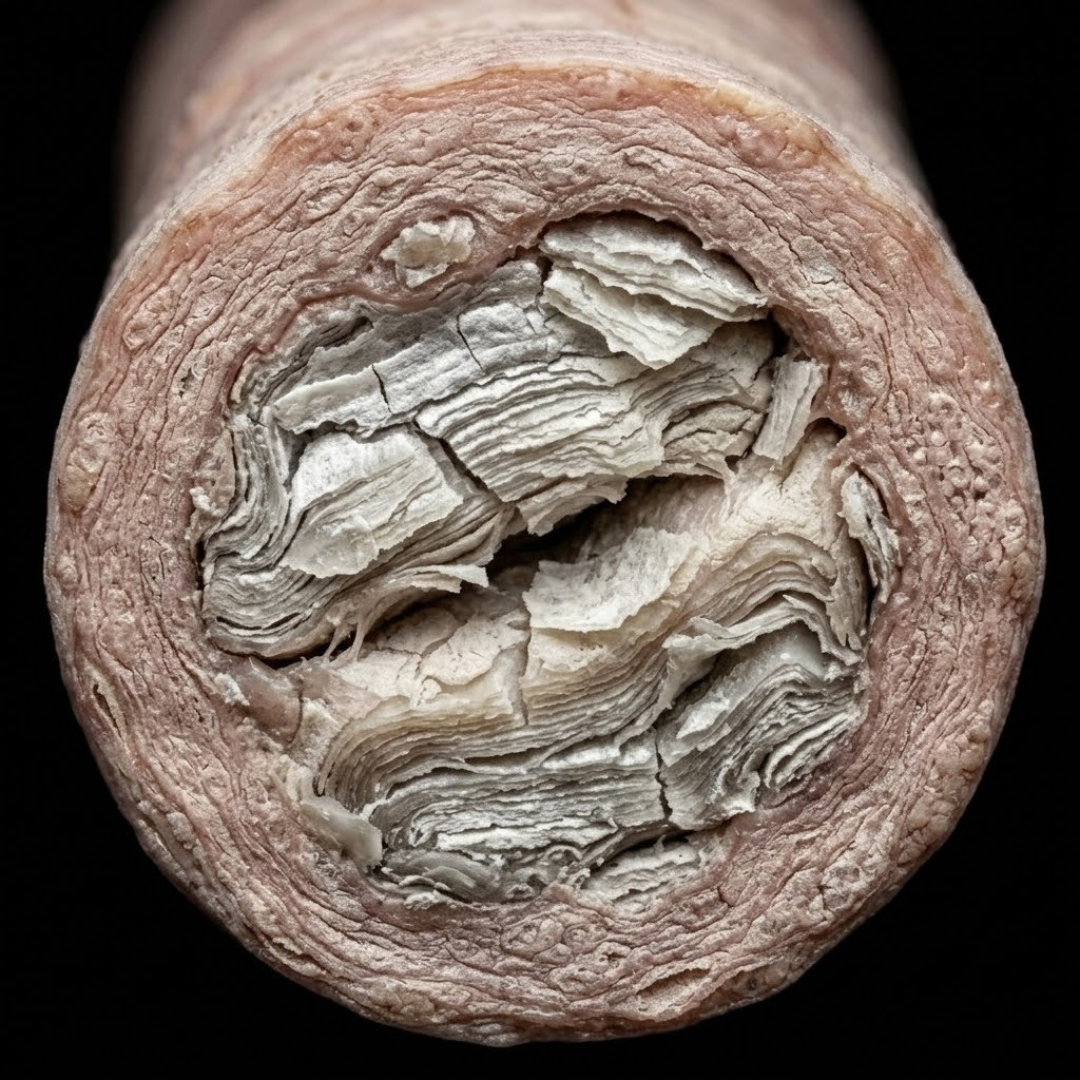
Ran for 13 days, from August 21 to September 3, 2026, the last day Crush saw it.
Run by Xerosis Reset on Facebook. Crush is not the advertiser and does not verify its claims. See this ad in Meta's Ad Library(opens in a new tab)
Want an ad like this for your product?
Crush makes new ad images for your product from this ad: your logo, your product photo, your offer.
Trials from $19.95 USD, then $79.95 USD a month. Cancel anytime.
About this ad
- Meta Ad Library ID
- 3226683950857091
- Platforms
- Facebook, Instagram, Audience Network, Messenger and Threads
- Relaunches
- 0
Ad text
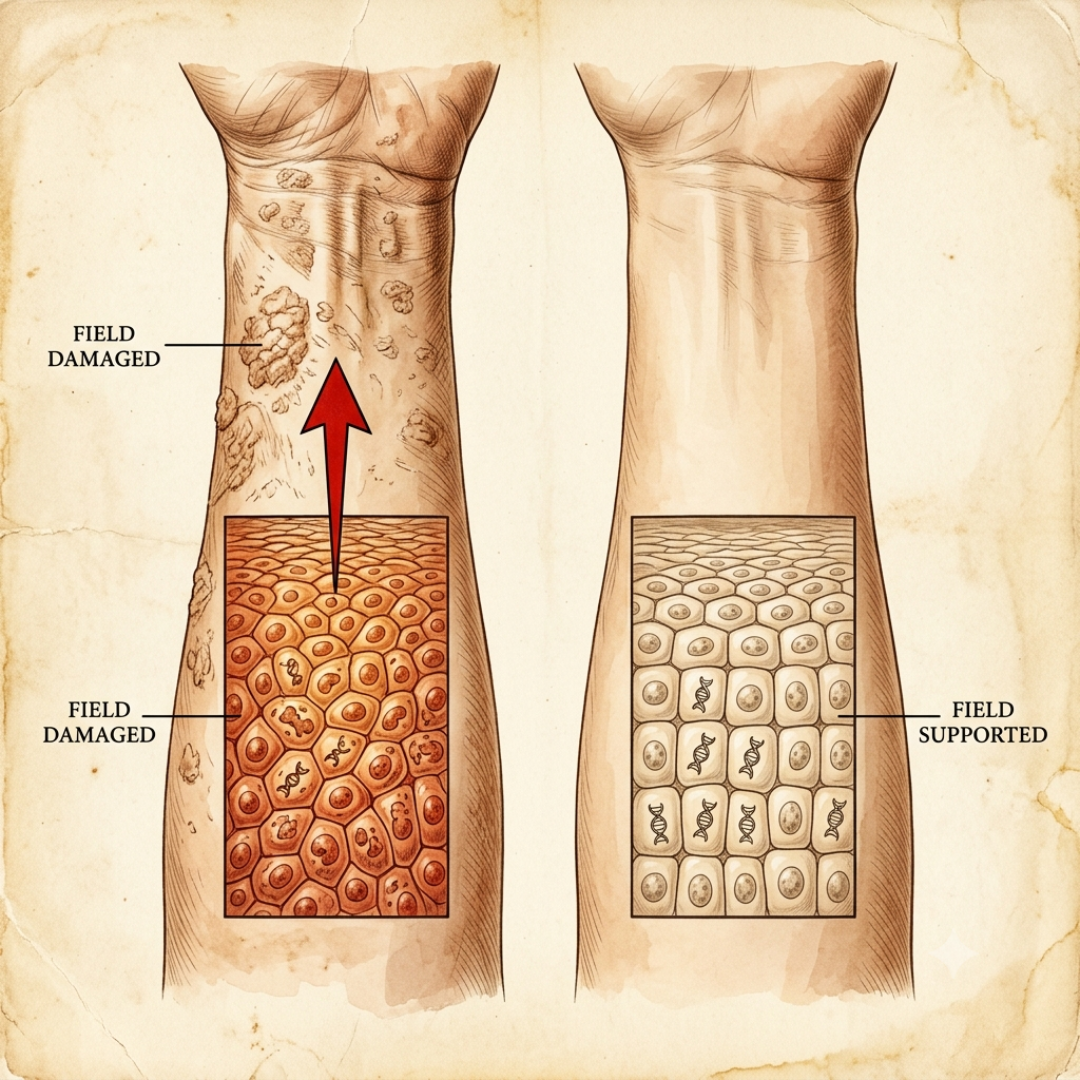
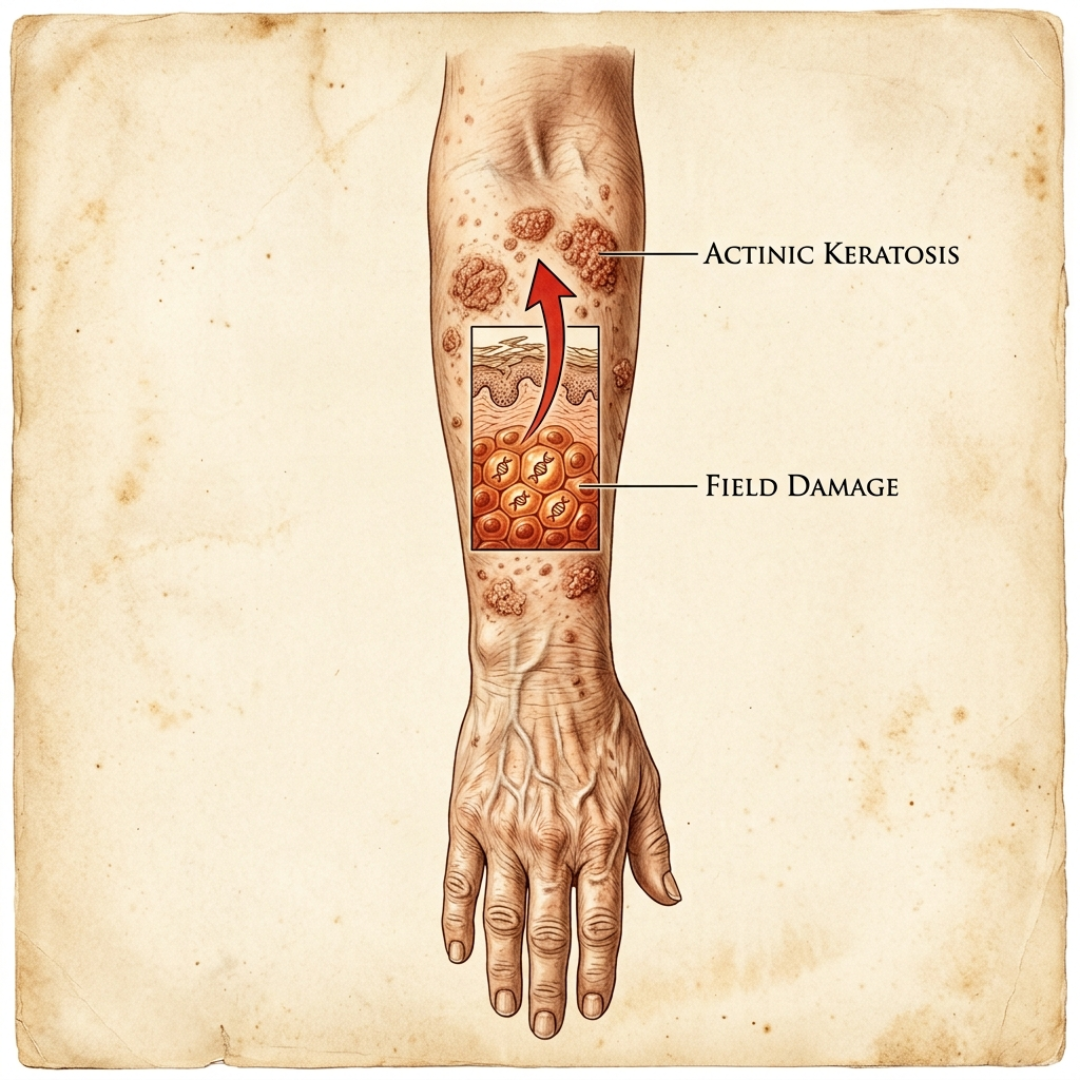
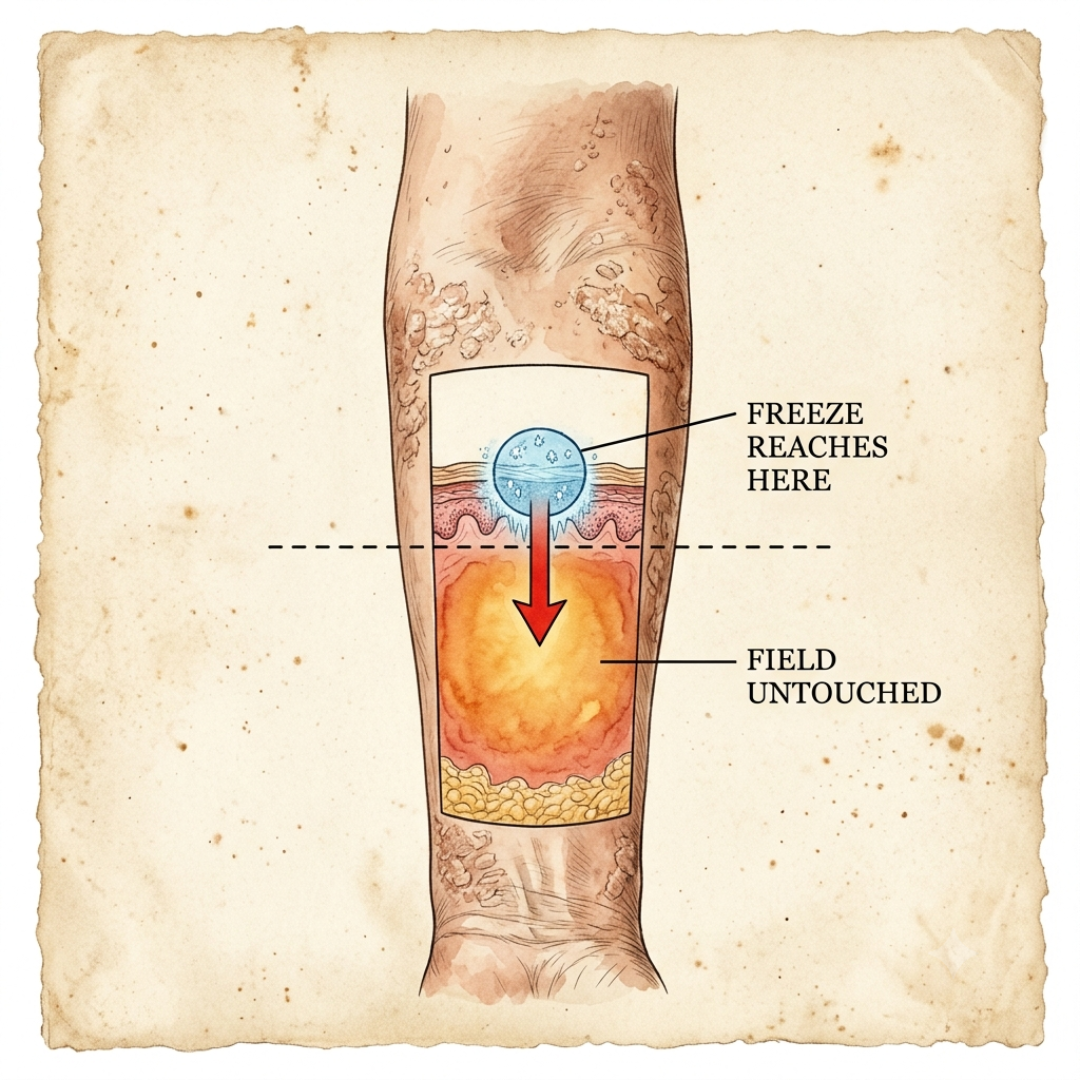
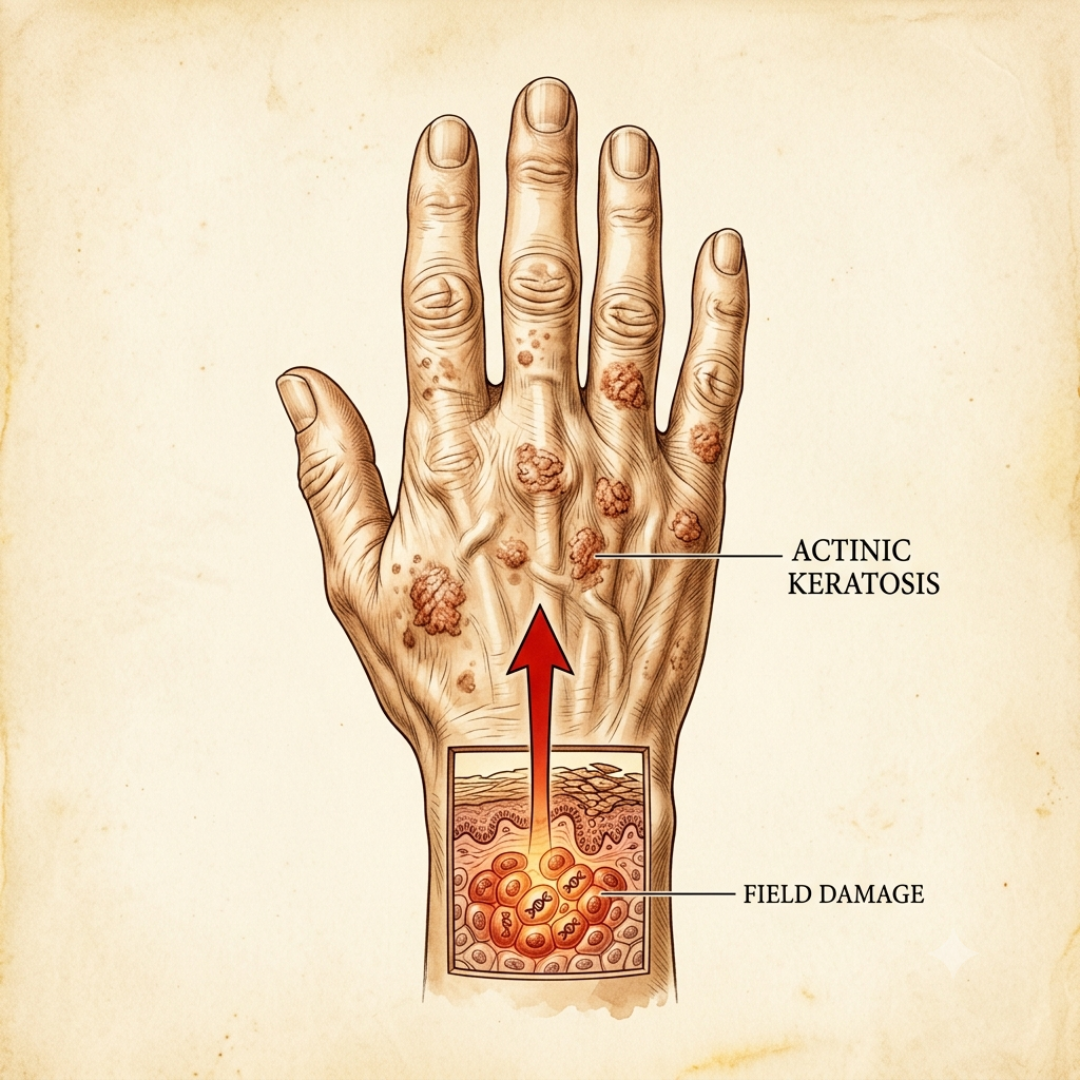
I've been a dermatologist for 27 years. And if your xerosis keeps spreading to more skin, your moisturizers stop working after a week, and your doctor keeps telling you to "try a thicker cream"... I'm about to tell you exactly why it's getting WORSE and why the skincare and pharmaceutical industry will NEVER tell you the truth. And by the end of this, you're gonna be pissed. My name is Dr. Sarah Harlan. Board-certified dermatologist. Twenty-seven years treating chronic xerosis and aging skin barrier disease. Published in the Journal of Investigative Dermatology. Over 9,800 patients. And I'm breaking ranks with my own profession to tell you this. Because there are three things happening right now: One — The dry, cracking patches on your skin are not "just sitting there." Your skin's ceramide barrier is actively breaking down beneath the surface — and every day you don't shut off the depletion cascade, the damage spreads deeper Two — The heavy moisturizer you've been recommended was never capable of stopping that cascade, and your dermatologist knows it Three — There's a multi-billion-dollar moisturizer and treatment industry that profits every single month your dryness flares back So let me tell you what happened with one of my patients, because her story is gonna open your eyes to how messed up this really is. Her name was Claire. 64 years old. For YEARS, and I mean like five straight years, she was dealing with this. Her skin? It started with one small patch on her shin. A rough, flaky circle the size of a quarter. She came to me early — month three. I told her we'd handle it. No big deal. I recommended a high-potency prescription urea cream. "Apply twice daily," I said. "Be consistent." She was consistent. She rubbed that cream into her skin every single morning and night for four months. Religiously. Never missed a day. And you know what happened? The patch didn't go away. It spread. It went from a small flaky circle to a rough, white, scaling field covering her entire shin. Cracking. Splitting every time the winter air hit it. And then it jumped. Her other shin. Then her calves. Then her forearms. Then the backs of her hands. By the end of year two, she had rough, bark-like dry patches on both shins, both calves, her forearms, and her hands. And the patches were creeping up toward her elbows. She stopped wearing skirts. Stopped going to the pool with her granddaughter. Started wearing long sleeves every day to hide the ashy, flaking patches creeping past her wrists. She told me once: "I plan my entire wardrobe around what will hide my skin." And the fear? It wasn't just shame anymore. She was terrified it would keep spreading. She'd noticed new patches forming on her elbows and she was PANICKING. She had a 9-year-old granddaughter who'd started asking "Grandma, what's wrong with your skin?" at bath time, and Claire would change the subject and hold back tears, terrified her granddaughter would think something was wrong with her, terrified her friends already did. And here's what makes me sick to my stomach: I was the doctor she trusted. Multiple visits. Year after year. We're talking thousands of dollars in appointments, prescriptions, cream rotations, soaks... the whole nine yards. And you know what I kept telling her? "The cream needs more time." "Try switching to a ceramide lotion." "It's manageable. We just need to find the right combination." "Be more consistent with application." BE MORE CONSISTENT. This woman was rubbing prescription cream into her skin twice a day, watching the dry patches spread to more body parts, watching her skin get rougher and more fragile with every tube — and I was telling her she wasn't being consistent enough. But here's where it gets worse — and this is the part that haunts me now. I switched her to a different cream. Then another. Then I added colloidal oatmeal soaks. Then lactic acid lotion. Then a "skin repair" soap. Then Gold Bond dry skin relief cream. Then in-office hydrating treatments three times a month. You know what happened? The dry patches kept spreading. The soaks did nothing past the surface. The lactic acid burned her already-raw shins and the irritation "doubled in size." The repair soap "provided zero relief." The Gold Bond left her skin "sticky and gross" and one application caused "extreme itching — EXTREME" that woke her up at 2AM. And the prescription steroid cream we added for the inflamed cracks? Every time she stopped, the dryness came back twice as angry as before. I watched this woman — who did everything I told her, spent thousands of dollars, followed my protocols — get WORSE. Not better. Worse. And I didn't understand why. Until a 63-year-old skin barrier researcher taught me more about chronic xerosis in 20 minutes than I learned in nearly three decades of dermatology training. October 2024. San Francisco. American Academy of Dermatology Annual Meeting. I was wearing long pants and a long-sleeved blazer despite it being 78 degrees outside. Because at 54, my own shins had developed rough, flaking patches fourteen months earlier. And nothing I'd been recommending to patients for 27 years worked on me either. Worse — new patches had appeared on my forearms and the backs of my hands. White flakes were falling onto every pair of dark pants I owned. That's when I saw her. Dr. Evelyn Santos. 63 years old. Wearing a knee-length skirt and short sleeves. Her arms and legs were smooth, soft, and calm. No flaking. No scaling. No concealment. I walked over. "Excuse me — I'm a dermatologist. I saw your case history in the conference registry. You had severe chronic xerosis across your shins, forearms, and hands three years ago. How is your skin so smooth?" She smiled. The kind of smile that knows something you don't. Then she asked to see my arms. And I — a dermatologist who couldn't fix her own skin — rolled up my sleeves in shame. She examined the rough, white flaking patches covering both forearms and the ashy dry texture creeping toward my elbows. "Dr. Harlan, when did this start?" "About fourteen months ago. And it's already spread to my forearms, my elbows, and now my hands." Her face changed. And what she said next made my stomach drop. "It's not spreading randomly. It's spreading systematically. Your skin has an internal process — the ceramide production cycle — that's stuck in the OFF position. Aging and oxidative stress are sending a chemical false alarm through your barrier, breaking down lipids faster than your skin can replace them. While you're rubbing water-based cream on the surface, the depletion underneath is actively claiming new territory across your epidermal barrier." She looked at me seriously. "Every month you spend applying surface products that can't reach the barrier level is another month the depletion cascade strengthens, destroys more ceramides, and the dry patches spread to new areas. You're not treating it. You're giving it time to expand." I felt sick. Then she said: "The problem isn't your hygiene or your effort. It's your delivery system. You're fighting a house fire by painting the walls." She gestured to an empty table. "May I show you something? It will take twenty minutes. But it will change how you understand this completely." What she taught me in 20 minutes changed everything. She drew a simple diagram on a napkin. "Your treatment model treats xerosis as a surface problem. So you rub it with creams. Soak it with oatmeal. Scrub it with acids. That's like trying to put out a house fire by painting over the smoke damage. It doesn't work because the fire isn't on the walls — it's in the electrical system." She tapped the napkin. "This isn't a surface problem. It's a barrier problem. Your skin has an internal depletion cascade — the ceramide breakdown cycle — that's stuck in the ON position. It's stripping your barrier of the lipids that hold moisture in, faster than your aging skin can rebuild them. And your creams can't reach that cascade because it lives deep in the epidermal barrier, not on your skin surface." Now pause for a second. You know what's insane? We learned in dermatology school that xerosis in aging skin is a barrier condition. That declining ceramide production drives chronic moisture loss. That heavy moisturizers only coat the surface temporarily. We KNOW this. It's in the textbooks. And yet we keep recommending surface treatments for a depletion that lives beneath the stratum corneum. And that's not an accident. Because once you understand that water-based creams can't reach the barrier level, you realize why Claire's xerosis kept spreading. Why MY xerosis kept spreading. Why the dry patches march from one body part to the next while you rub and scrub and soak. Here's what's actually happening underneath: Your skin has a process called the barrier depletion cascade. When it's stuck ON, oxidative stress breaks down the essential lipids — specifically ceramides — that scream at your barrier: "HOLD THE MOISTURE IN!" Except now, they can't. A normal skin barrier replaces its lipids on a 28-30 day cycle. Yours is losing them faster than your body can produce them. The scale piles up into rough, flaking patches. The barrier can't hold water. The essential lipids that hold your skin together — ceramides — are being destroyed faster than your aging skin can replace them. That's why your skin cracks. That's why it flakes. That's why it splits open at your shins like the ground during a drought. When you rub a heavy moisturizer on top? It coats the surface. Temporarily. But the internal cascade stays ON. Over time, your skin becomes dependent on the coating. The cream stops feeling like enough. You need a thicker one. And worse — the prescription steroid cream added for the irritation is thinning your skin. Making it more fragile. The second you stop? The coating evaporates. The moisture floods out of skin that the years have made thinner, weaker, and more depleted. The result? A massive "rebound flare" of dryness — often much worse than before you started the cream. So the dry patches don't just persist. They EXPAND. Actively. While you watch. And here's the key thing I learned: Surface treatments don't work for a depletion that lives at the barrier level. Moisturizers and lotions are designed for surface-level coating — when the problem is accessible from outside. A little seasonal dryness on the surface? Creams can help. A chronic ceramide depletion cascade driving dry patches from deep in the epidermal barrier? The cream never reaches the target. But Claire's surface wasn't the problem. MY surface wasn't the problem. The problem was that the depletion was UNDERNEATH, the treatment was ON TOP, and the water-resistant scale blocked delivery. So the cream sat on the surface. The oatmeal soak softened for an hour and evaporated. The "repair" soap did nothing. And the depletion underneath kept spreading to the next area. And the next. And the next. Because it's not a surface problem. It's a CASCADE problem. And here's the part that made my blood boil: The dermatology industry KNOWS about the ceramide depletion cascade. We know heavy moisturizers create dependency. We know about rebound dryness. Researchers publish papers about surface treatment failure rates in chronic xerosis. But we keep recommending the same cream rotations because that's what we're trained to do. Why? Because pharmaceutical companies don't make deep-penetrating botanical lipid formulas. They make patentable prescription creams and expensive topical rotations. You can't patent botanical oils. There's no money in telling you your ceramide cascade is stuck ON and water-based creams are physically incapable of reaching it. There IS money in selling you $340/month cream rotations, $150/session in-office treatments, $25 "repair" soaps, and $250 dermatologist visits for the REST OF YOUR LIFE. See how that works? Evelyn showed me the actual PROTOCOL for flipping the depletion cascade OFF and stopping the spread at the barrier level. It involves three specific things happening simultaneously: Depletion cascade shutdown — A compound that crosses all seven skin layers and neutralizes the exact oxidative stress that's breaking your ceramides down faster than your skin can rebuild them Lipid-delivered barrier repair — Bypassing the water-resistant surface entirely by delivering oil-soluble repair compounds through the lipid layers to the epidermal barrier, where the ceramide destruction actually lives Skin barrier rebuilding — Supporting your skin to produce its own ceramides again — the natural "mortar" that holds your barrier together — so the cracking, flaking, and scaling finally stops There are actual peer-reviewed studies showing that oil-soluble Vitamin C neutralizes the oxidative stress that disrupts barrier function and that Bakuchiol supports ceramide production and skin barrier restoration. Nature already built the protocol. We just stopped paying attention when Big Pharma offered something more profitable. But you'll never hear most dermatologists mention it. Because pharmaceutical companies don't make deep-penetrating botanical formulas. They make skin-thinning steroid creams and $4,000/year specialty treatment protocols. So that's what we're trained to recommend. The financial model is backwards. A patient on traditional cream protocols pays $300-800 monthly. Indefinitely. Average lifetime value: 50,000. A botanical lipid protocol that flips the cascade OFF? No recurring clinic revenue. The system isn't designed to solve the problem. It's designed to manage it forever — one rebound flare at a time. Now here's the problem I ran into... Most "barrier repair" products on the market are garbage. I tried a cheap ceramide lotion. Low potency. Water-based. Did nothing. I tried another one that claimed to "support skin health." Just glycerin and vitamin E in a fancy bottle. Surface marketing. No barrier-level delivery. I tested eleven different products after San Francisco. Spent over $400 total on creams and oils that were either too weak or didn't reach the actual barrier. Because here's the thing: A generic ceramide lotion is NOT the same as a barrier-level lipid protocol. Most products use water-based formulas with negligible oil-soluble actives — the specific form that actually crosses the lipid barrier. It's like buying a water gun and wondering why it didn't put out the house fire. True barrier-level delivery requires high-potency, oil-soluble actives carried in a lipid base at concentrations that actually reach the epidermal barrier. Combined with Bakuchiol to rebuild ceramides — the structural mortar your skin is missing. Every product I tested failed at least one of the three requirements. Until I found Dermiqua. They had a Xerosis Correcting Body Oil. Not a generic lotion. Not a watered-down cream. An actual dual-action barrier formula. With ALL THREE requirements. Oil-soluble Vitamin C for depletion cascade shutdown. Concentrated Bakuchiol for ceramide and barrier rebuilding. A "Trojan Horse" cold-pressed lipid delivery system that bypasses the water-resistant surface and carries the compounds through all seven skin layers to the barrier. When I dug into the formulation? It was based on the exact compounds studied in peer-reviewed dermatology research. The same mechanisms that scientists have documented for supporting barrier restoration in aging skin. The same approach that botanical formulators have used for over a decade. They weren't just selling a body oil. They understood the science. They knew WHY the depletion cascade stays ON. They built something to actually flip it OFF. And here's where I had to face what I'd done to my patients: When Claire was buying prescription creams from me? $340 every month. Plus the oatmeal soaks. Plus the lactic acid. Plus my office visits every 6-8 weeks. Plus the $150/session in-office treatments three times a month. Plus the "skin repair" soaps and lotions that she cycled through hoping one would finally work. She was spending thousands of dollars a year. Every single year. Just to manage dryness that kept spreading to more skin. The Dermiqua oil? A fraction of what she'd been spending on treatments that failed. Uses the actual depletion cascade shutdown protocol. Oil-soluble Vitamin C that crosses the lipid layers and reaches the depleted barrier. Bakuchiol that rebuilds the ceramides her barrier is missing. A few drops massaged in, morning and night. Thirty seconds. Done. I started using it myself first. Week 2: The itching — that relentless, wake-you-up-at-3AM, scratch-until-it-stings itching I'd stopped noticing because it became my normal — began quieting down. The depletion was being challenged at the barrier level for the first time. Week 4: I examined my shins under bright light. The rough patches were visibly softer. The scale that used to flake off every time I pulled off my stockings was thinning. And my forearms — where white flakes had been falling onto my dark pants for months — were calmer. I ran my hand down my arm and nothing fell. Week 8: The rough, bark-like patches on my shins were smoothing. The ashy gray was fading to calm, even skin. The cracks on my hands — the dry splits that stung every time I washed dishes — were closing. The spread had stopped. No new patches on any new areas. Week 12: Full assessment. Shins smooth enough to show. Forearms clear enough to wear short sleeves. Hands soft enough to shake someone's hand without flinching. The depletion cascade had been flipped OFF. The barrier was rebuilding from the inside out. Then I called Claire. And every other patient I'd failed. "I need to tell you something. The treatments I recommended were wrong. I was treating the surface when I should have been treating the barrier. I was painting the walls when I should have been shutting off the fire. I didn't know the difference. But I do now." Claire, Week 6: "Dr. Harlan, the rough patches on my shins are softening for the first time in five years. And for the first time since this started, it hasn't spread to a new area. Not one. It actually stopped." Before: Rough, flaking patches on both shins, both calves, forearms, hands, and spreading to her elbows. Getting worse every 2-3 months despite continuous cream treatment. After 6 weeks: Patches visibly smoother on all sites. Zero new patches. Zero rebound flare. Cost of creams, soaks, soaps, and in-office treatments that failed her: over $14,000 across five years. Cost of what worked: a fraction of that. She wore a knee-length skirt to her granddaughter's school play last Saturday. First time in four years. Her granddaughter said: "Grandma, your legs look normal." Claire told me she went to her car and cried. The spreading? Stopped. She wore black dress pants to church on Sunday. No white flakes at the ankles. No lint roller in her purse. No checking the mirror every hour. She got her life back. This is the protocol they don't want you to know about. Because the second you flip the depletion cascade OFF at the barrier level, the dry patches stop building. You don't need their skin-thinning steroid rotations anymore. You don't need their 20-minute oatmeal soaks that soften for an hour and evaporate. Your skin starts REBUILDING ITS OWN BARRIER the way it's supposed to. Now here's what I need you to understand about timing: The urgency Evelyn warned me about is real. The depletion cascade doesn't wait. Every month it stays ON, it destroys more ceramides. More lipid structure. More of the foundation your skin needs to hold moisture in. The longer you wait, the more territory the dry patches claim, and the more barrier damage accumulates. One patch on your shin at month 3 can become six patches across your body by month 12. I've seen it happen to over 60 patients. I watched it happen to Claire. If you're at one or two patches right now — you have a chance to flip the cascade before it spreads further. Every week matters. If you're already dealing with rough patches on your shins, calves, forearms, hands, and beyond — the depletion is deeply entrenched. You can still flip the cascade. But it takes longer, and every day the barrier damage compounds. If you're reading this and the dryness has spread to your HANDS or FACE — act now. You can't hide your hands. You can't cover your face in a meeting. If you're someone who's been dealing with this — rough patches, cracking, flaking, scaling, spreading — and nothing has worked? It's not because you're careless. It's not because you didn't rub the cream on hard enough or soak long enough. It's because the depletion is deep in your barrier and every product you've been recommended was sitting on the outside. Painting the walls while the house burns down. Dermiqua has a 90-day money-back guarantee — if it doesn't work, you're not out anything. And honestly? Even if you're skeptical, try it for 90 days. See if your skin responds the way mine did. The way Claire's did. Watch for the patches to soften. Watch for the itching to quiet. Watch for the scale to thin. That's your proof. Because the dermatology industry isn't coming to save you. We profit too much from selling you cream rotations that coat the surface while the depletion spreads underneath. A 63-year-old skin barrier researcher taught me more in 20 minutes than I learned in nearly three decades of dermatology training. It's about time I passed that lesson on. Go get it: https://dermiqua.com/pages/xerosis P.S. — I still recommend heavy moisturizers — but only for mild, seasonal surface dryness. For chronic xerosis driven by a stuck depletion cascade, only barrier-level lipid delivery works. P.P.S. — If your xerosis has already spread to multiple body parts, every week you wait is another week the cascade destroys more ceramides and the barrier damage deepens. Don't spend another five years rubbing cream on the surface while the depletion spreads underneath. P.P.P.S. — Claire: "Five years. Rough patches on eight body parts. Thousands of dollars on creams that sat on the surface. A few drops of oil morning and night flipped the cascade in weeks. I can see smooth skin coming back. Don't wait like I did."
Where the ad sends people
dermiqua.com
Break the "Rebound Dryness" Cycle and Finally Reclaim Your Confidence
"I used to dread looking in the mirror every morning — rough white scale, cracked shins, that 'snowstorm' when I pulled off my stockings — but since starting this morning-and-night oil ritual, my skin finally feels smooth and calm. I love that I can wear skirts to every family event again withou...
Learn more: dermiqua.com(opens in a new tab)